
Reviewed · COOKING CLASSES
Farm-to-Table Balinese Cooking Experience
The best part of this Ubud outing is the link between market, farm, kitchen, and family home. You do not simply watch a chef prepare lunch. You choose ingredients from local vendors, cook traditional dishes with farm produce, and see a little of everyday Balinese life before sitting down to eat.
I like the hands-on format and the peaceful countryside setting. I also like that lunch is the food you prepared, not a separate restaurant meal, and that a PDF recipe lets you try the dishes again at home.
The main caution is price. At $47.31 per person, the tour costs more than some cooking classes in Bali. One person paid about AUD180 and felt cheaper options offered a similar day, so you should book this for the market, family visit, farm setting, and pickup, not for the cooking lesson alone.
Key points to know before booking
- The market visit comes first: You select fresh ingredients from local vendors with guidance from the host.
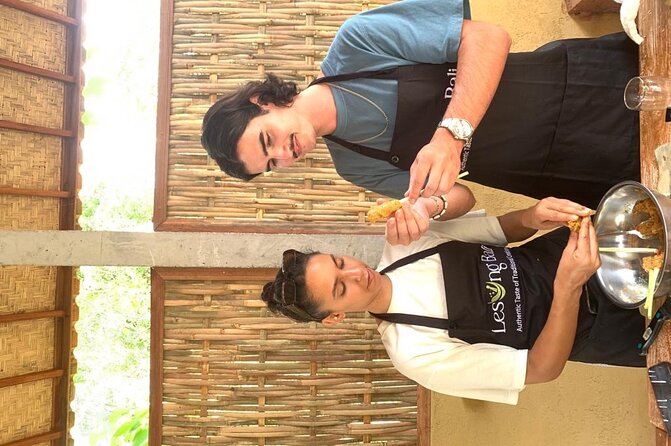
- Cooking is hands-on: You prepare traditional Balinese dishes rather than only watching a demonstration.
- Farm produce shapes the meal: Organic ingredients harvested from the farm are part of the cooking experience.
- A Balinese family visit adds local context: You get a look at daily life inside a local home.
- Lunch and a recipe PDF are included: You eat the meal you make and receive a way to repeat it later.
- Ubud-area pickup and drop-off are included: The group can have up to 15 people, with free cancellation up to 24 hours before the start time.
From Ubud streets to a local market
The outing begins with pickup in the Ubud area, which saves you the trouble of arranging a separate taxi or driver. The total program lasts about three and a half hours, so this is a compact half-day activity rather than a full-day food tour.
The first stop is a local market. Here, the focus is not simply on looking around. You select the ingredients that will later become your lunch, buying directly from local vendors with help from the host.
That makes the market visit useful even if you have already seen a Balinese market. You have a reason to pay attention to the produce, aromas, and cooking ingredients, since what you choose will matter in the kitchen. You can also ask about how the ingredients are used in Balinese food and how local shopping differs from a supermarket run.
The supplied details do not name the market, list the exact dishes, or identify an individual cooking guide. That means you should not expect a fixed menu description before booking. The meal may depend on what is fresh and available, which is part of the appeal, but it also means the day is not ideal if you want to choose a specific dish in advance.
More Cooking Classes in Indonesia:
- Ubud: Balinese Cooking Class at an Organic Farm
★ 5.0 · 1,786 reviews - Balinese Farm Cooking Class by Pemulan Bali
★ 5.0 · 410 reviews - From Ubud: Authentic Bali Farm Cooking School & Organic Farm
★ 5.0 · 122 reviews
Cooking with ingredients from the farm
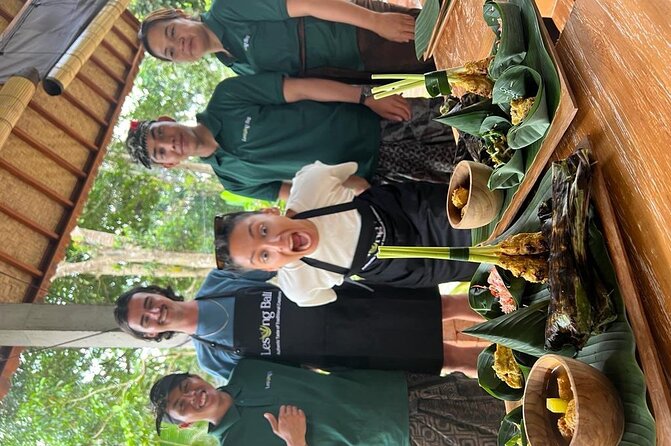
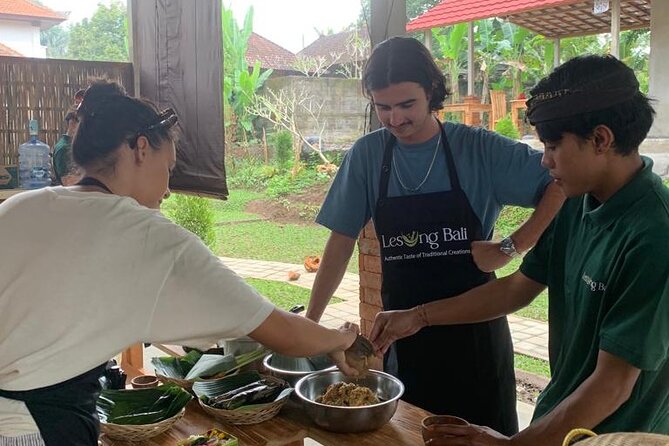
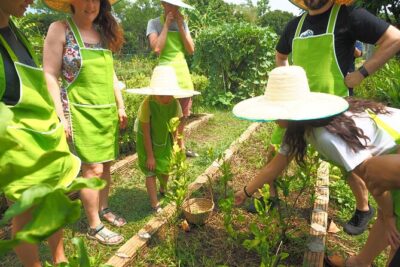
After the market, you join a local expert for a cooking class. The class centers on traditional Balinese food and organic ingredients harvested from the farm. You prepare the dishes yourself, with the host guiding the process.
I like this connection between the farm and the plate. It gives the meal a clear sense of place. You are not cooking an international dish in a generic studio. You are working with ingredients tied to the local setting and to the food traditions of Bali.
The class is also a good fit for mixed groups. A confident home cook can pay attention to technique, while a beginner can treat the session as a practical introduction to Balinese flavors. Since the group may include up to 15 people, the class could feel social and active rather than private and highly tailored.
That group limit is worth noting. Fifteen is not a huge number, but it is large enough that individual attention may vary. If you want a quiet lesson with long one-on-one instruction, ask about the expected group size before booking. If you enjoy meeting other people and working together, the shared format may be a plus.
The cooking takes place with views of the surrounding countryside. The setting matters. A calm outdoor or rural setting can make the class feel less like a scheduled lesson and more like time spent in a working Balinese home or farm environment. Still, the information provided does not confirm whether all cooking happens outdoors, so bring an open mind rather than a fixed picture of the kitchen.
Seeing daily life in a Balinese home
A visit to a local Balinese family home gives the day a cultural layer beyond food. You gain insight into daily routines and the island’s way of living, rather than only learning how to prepare lunch.
This is one of the more valuable parts of the program for you if you want context. Food makes more sense when you see it alongside family life, local customs, and the place where people live. The visit may also help explain why the cooking class uses particular ingredients and methods.
The description does not specify how long you spend at the home or which family hosts the visit. It also does not list any formal cultural activities there. I would treat this as a respectful look at local daily life, not as a staged entertainment show or a detailed architectural tour.
Good manners matter. Follow the host’s instructions, ask before taking photographs, and remember that the home visit is a personal cultural exchange. The value comes from keeping it simple and respectful.
Lunch made by your own hands
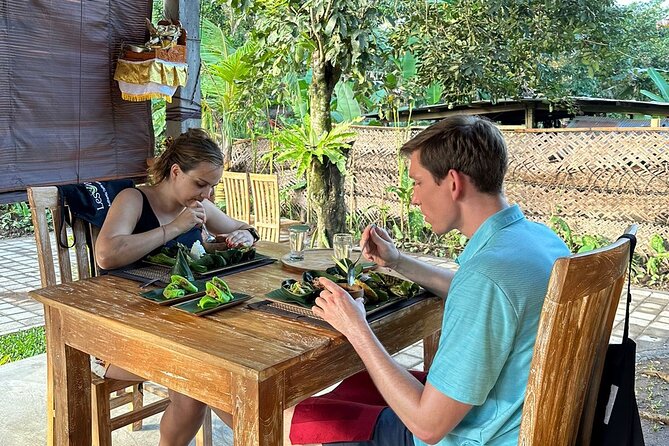
At the end, you sit down to eat the lunch you prepared. That gives the meal a satisfying purpose. You have followed the ingredients from the market, worked with them in the kitchen, and now taste the finished result.
Lunch is included, as is bottled water. The food should be the center of the meal, but the exact dishes are not provided, so you should contact the provider if allergies, dietary restrictions, or strong food preferences matter to you. The information only confirms lunch and water, not special dietary arrangements.
You also receive a recipe in PDF form. This is a small but useful extra. Cooking classes can fade into holiday memories once you return home, but a written recipe gives you a chance to repeat at least part of the meal.
The recipe may not reproduce every detail of the class. Local produce, preparation habits, and fresh ingredients can be hard to match outside Bali. Still, it is more useful than leaving with nothing but a few photographs.
More Farm Tours in Indonesia:
- Balinese Vegan Cooking Class with Fresh Harvesting & Garden Tour
★ 5.0 · 86 reviews - Balinese Cooking Class at Organic Farm
★ 5.0 · 51 reviews - Bali: Traditional Villages, Salt Farm & Tirta Gangga Tour
★ 4.9 · 31 reviews - Yogyakarta Cycling Tour Around the Villages and Fish Farm
★ 5.0 · 16 reviews
What the $47.31 price really buys
At $47.31 per person, the cost is reasonable only if you value the complete half-day package. You are paying for more than lunch: Ubud-area pickup and drop-off, the market visit, guided ingredient selection, a cooking class, farm produce, the family visit, bottled water, and the recipe PDF.
The price becomes less attractive if your only goal is to learn a few Balinese dishes. Bali has cheaper cooking options, and one person who paid around AUD180 for the outing felt the cost was too high compared with similar alternatives. That concern is fair, especially if the amount shown at booking changes because of currency conversion or local taxes.
On the other hand, a cheaper class may not include the same combination of market shopping, farm setting, family-home visit, and transport. You should compare the full package rather than the cooking lesson alone.
I would see this as a good-value choice for someone who wants an easy, organized introduction to Balinese food and culture in one short outing. It is a weaker value for a repeat visitor who already knows local markets, has a driver, and can arrange a cooking class independently.
Pickup, timing, and group size
Pickup and drop-off are offered in the Ubud area. This is practical because rural cooking locations can be awkward to reach on your own, and the transport removes one piece of planning from your day.
The program lasts about three hours and 30 minutes. That makes it easy to fit into an Ubud schedule, though you should avoid placing another important booking immediately afterward. Market timing, cooking, the home visit, and lunch all need room to run at a comfortable pace.
The maximum group size is 15 people. The size is small enough to feel like a hosted activity rather than a large bus excursion, but not so small that you should expect a private class.
Confirmation is provided when you book. Free cancellation is available if you cancel at least 24 hours before the start time. Within 24 hours, changes are not accepted and the payment is not refunded. The activity also depends on good weather and a minimum number of participants. If poor weather or low enrollment causes cancellation, you are offered another date or experience, or a full refund.
Who will enjoy this most
I would recommend this outing to you if you want several pieces of Bali in one manageable package. It suits first-time visitors who want food, countryside, local contact, and transport without arranging each part separately.
It also works well for couples, families, and small groups who enjoy doing something together. Choosing ingredients, preparing lunch, and eating the result creates a shared activity with a clear beginning and end.
Food lovers will appreciate the market-to-table structure. You get to see the raw ingredients first, then learn how they become traditional dishes. The farm setting adds a pleasant change from Ubud’s cafes and streets.
The outing may not suit you if you need a private lesson, a guaranteed menu, or advanced culinary instruction. It may also feel expensive if your main aim is simply to eat Balinese food or attend the cheapest available class.
Practical questions to consider before you reserve
Ask about the exact menu if you have allergies, dietary restrictions, or foods you cannot eat. The program confirms lunch and traditional Balinese dishes, but it does not provide a set menu or explain how special diets are handled.
Ask where the cooking location is within the Ubud area and what the pickup window will be. Pickup is included, but the supplied details do not give a precise meeting schedule or a list of pickup boundaries.
You may also want to ask whether the cooking area is covered if rain is possible. The activity requires good weather, and cancellation for poor conditions comes with a choice of a different date or a full refund.
Bring a relaxed attitude. The strongest parts of this day are the local setting, the food shopping, the family connection, and the act of preparing lunch. It is not presented as a professional chef course with a named instructor or a fixed series of technical lessons.
Should you book the Farm-to-Table Balinese Cooking Experience?
Book it if you want a well-rounded Ubud half-day that combines a market, farm ingredients, cooking, a local family visit, and lunch. Pickup and drop-off make the plan simple, and the recipe PDF gives the experience some value after you return home.
Think twice if price is your main concern or if you have found a cheaper class with the same market and family-home elements. At $47.31, the outing needs to deliver more than a basic lesson, and its value depends on how much you care about the wider cultural setting.
My call: choose this for the full connection between food and daily life, not just for the cooking. If that broader experience appeals to you, the price can make sense. If you only want recipes, compare alternatives first.
FAQ
Where does the Farm-to-Table Balinese Cooking Experience take place?
The experience takes place in Ubud, Indonesia, with pickup and drop-off offered in the Ubud area.
How long does the experience last?
The activity lasts approximately three hours and 30 minutes.
What happens during the market visit?
You visit a local market and select fresh ingredients directly from local vendors with guidance from the host.
Is the cooking class hands-on?
Yes. You prepare traditional Balinese dishes using organic ingredients harvested from the farm.
Is lunch included?
Yes. Lunch is included, and you eat the food prepared during the cooking class.
Is bottled water provided?
Yes. Bottled water is included.
Do I receive recipes after the class?
Yes. A recipe is provided in PDF format.
How many people can join the activity?
The group can include a maximum of 15 participants.
Can I cancel for a full refund?
Yes, if you cancel at least 24 hours before the experience start time. Cancellations or changes made within 24 hours are not refunded, and the activity may also be canceled because of poor weather or insufficient enrollment.
Just added around Indonesia
- Ubud Eco-Adventure: Farm, Rice Terraces, River & Dance Show!★ 5.0 · 2 reviews
- Yogyakarta Cycling Tour Around the Villages and Fish Farm★ 5.0 · 16 reviews
- Small-Group Farm Tour & Balinese Cooking Class in Ubud with Kadek★ 5.0 · 16 reviews
- Seaweed Farming Activity and Sightseeing at Diamond Beach★ 4.5 · 3 reviews
- Farmer market, waterfalls, holy spring – All Inclusive★ 5.0 · 4 reviews
- Safari Lagoi & Eco Farm Bintan★ 3.0 · 7 reviews
- Ubud: Organic Farm Harvest, Bali Cooking Class by Pemulan★ 4.8 · 12 reviews
- Nusa Penida: Ecotourism, Seaweed Farming & East Tour★ 5.0 · 4 reviews
Cooking Classes, compared.
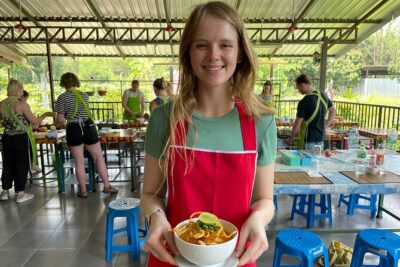
Half-Day Thai Cooking Class at Organic Farm in Chiang Mai
Read our review →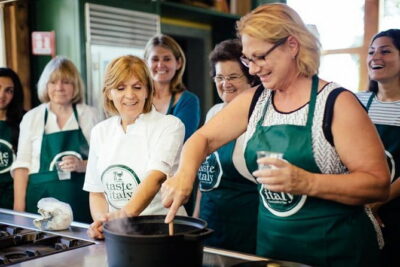
Cooking Class and Lunch at a Tuscan Farmhouse with Local Market Tour from Florence
Read our review →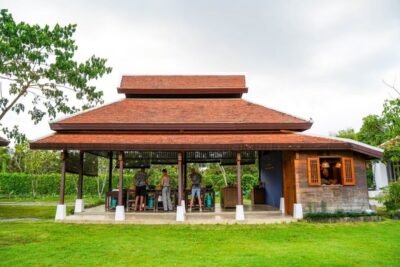
Authentic Cooking Class with Market & Farm Visit
Read our review →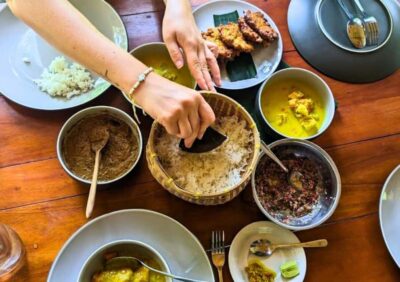

Hands-On Cooking Class & Farmhouse Tour on the Amalfi Coast
Read our review →
Lists this farm appears in