
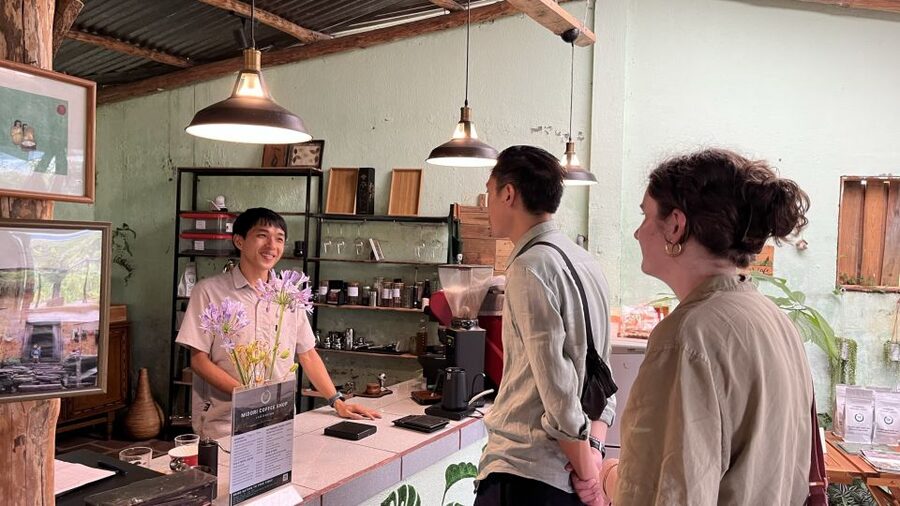
Reviewed · COFFEE FARM TOURS
Experience specialty coffee with sustainable coffee farmers
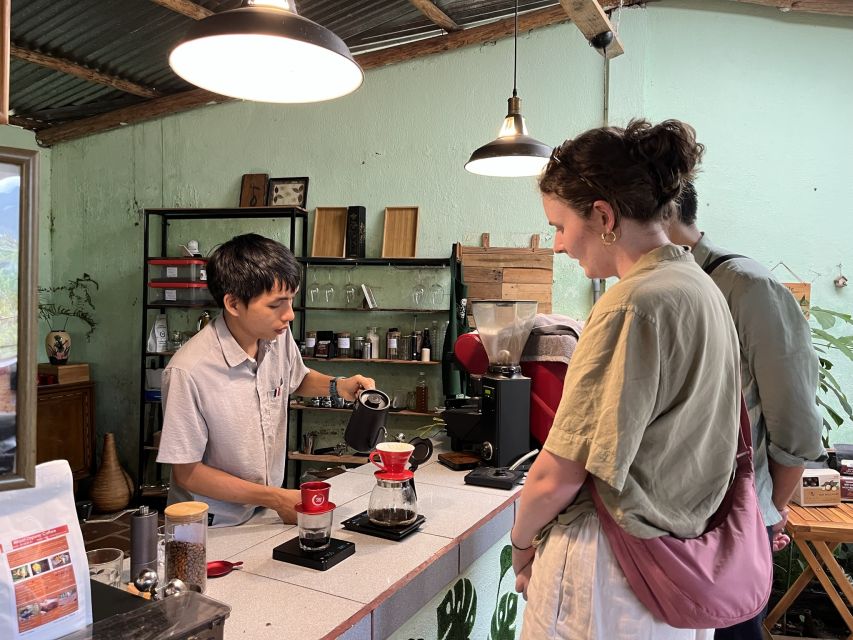
The most interesting part of this Da Lat coffee experience is that your guide, Huy, is also the farmer who grows the beans. You taste coffee made from his own harvest, then follow the beans from green seed to roasted cup. Five coffees let you compare Arabica, Robusta, processing styles, and roast levels side by side.
I like the hands-on roasting, and I like that Huy explains sustainable farming in plain language rather than giving you a sales pitch. The calm setting, city views, friendly hosts, and even two little kittens add warmth. The main thing to check is your timing: the experience may last about 90 minutes, but the advertised range reaches five hours, and some versions include a farm visit outside central Da Lat.
Key points at a glance
- Five farm coffees: Compare Arabica and Robusta with different processing and roasting methods.
- You roast the beans: Watch green coffee turn brown, then taste the results.
- A real farmer leads it: Huy explains growing, processing, roasting, and brewing from personal experience.
- Five drinks are included: The price covers the coffee tasting and guide.
- Small groups work well: Capacity is limited to 10 people, allowing time for questions.
- Central meeting point: HuyEco Coffee & Culture is in Da Lat city, though some longer farm versions may be farther out.
Why this Da Lat coffee experience feels different
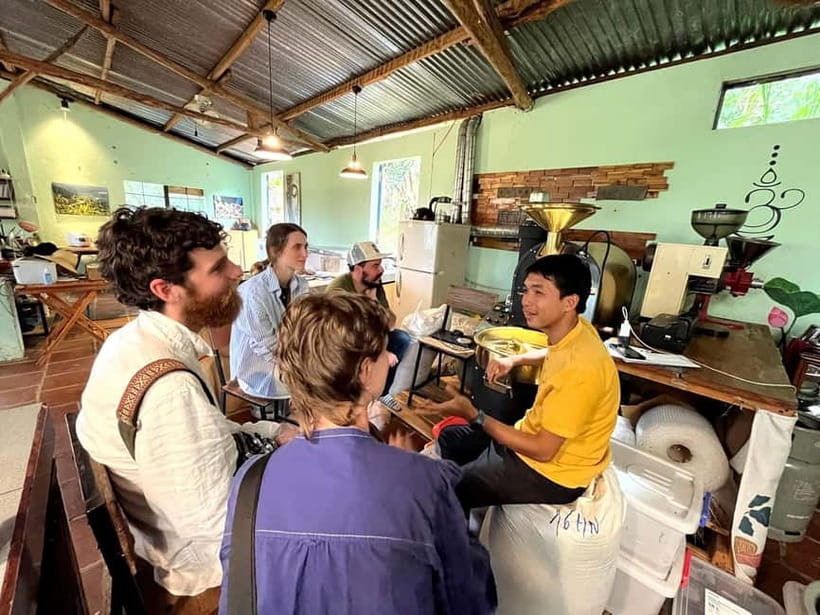
Da Lat is one of Vietnam’s main coffee regions, yet many visitors only encounter coffee after it has been roasted, ground, sweetened, or mixed with other ingredients. This session gives you a clearer look at the bean itself.
Huy presents coffee as an agricultural product first and a café drink second. You learn how growing conditions, processing, roasting, and brewing can change what reaches your cup. That matters because coffee flavor is not just about Arabica versus Robusta. The same kind of bean can taste quite different after another treatment or roast.
I especially like the focus on original, unblended coffee. You may notice sour, sweet, or fruity notes that are easy to miss in a strong milk coffee or a heavily roasted blend. The point is not to declare one cup the winner. It is to help you understand why the cups taste different.
The setting also helps. HuyEco Coffee & Culture is in central Da Lat, with a café atmosphere and views over the city. Longer versions can include a farm visit and vegetable garden, giving you more contact with the growing side of the business. Confirm the exact format when you book, since the stated duration ranges from 90 minutes to five hours.
More Coffee Farm Tours in Vietnam
- Coffee Farm Tour with Roasting & Tasting Workshop – Da Lat
★ 5.0 · 126 reviews - Dalat Countryside Motorbike Day Tour–Coffee Farms & Pagodas
★ 5.0 · 53 reviews - Dalat: MOTORBIKE TOUR TO PONGOUR FALLS- SILK- COFFEE FARM
★ 4.9 · 52 reviews
Meeting Huy, the farmer behind the coffee
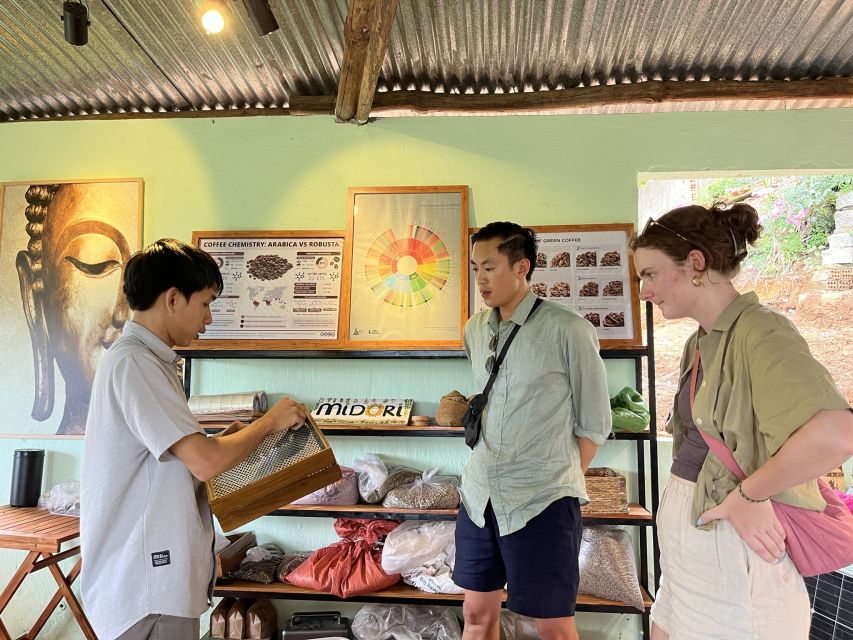
Huy leads the session in English or Vietnamese. His role as both farmer and café owner gives the activity a useful sense of continuity. He can explain what happens in the field, what happens after harvest, and what happens behind the counter.
You can ask about cultivation, sustainable farming, bean types, processing, roast levels, and brewing. The small-group limit of 10 is important here. It gives the session a more personal feel than a large demonstration where you simply watch from the back.
Huy’s partner also helps create the welcoming tone of the place. A few personal touches, including friendly kittens, make this feel like a working family business rather than a polished coffee showroom. I would not book it just for the animals, of course, but they are part of the easygoing atmosphere.
The teaching style seems best suited to curious beginners and coffee drinkers who want a practical introduction. You do not need specialist coffee vocabulary. If you already work in coffee, the session may feel introductory, but you can still get value from tasting beans grown and prepared in Da Lat.
Tasting five coffees from Arabica to Robusta
The tasting is the heart of the experience. You try five drinks made from coffee produced at Huy’s farm, including Arabica and Robusta. Different processing and roasting methods help you compare the results instead of treating coffee as one fixed flavor.
Arabica and Robusta are often presented as opposites, but the tasting gives you a more useful view. Arabica can show delicate or fruity qualities, while Robusta may bring a heavier, stronger character. Processing and roast level can shift those impressions, so the cup in front of you may not match what you expected from the label alone.
The session includes light, medium, and dark roast comparisons. A light roast can preserve more of the bean’s original character. A darker roast can produce a deeper, more forceful taste. Medium roast sits between the two. The exercise helps you notice how much roasting changes the final drink.
Take small sips and give yourself time between cups. You might find it helpful to focus on three simple questions:
- Does the coffee taste sharp, sweet, fruity, earthy, or bitter?
- Does the flavor stay on your tongue after you swallow?
- Which roast feels easiest or most enjoyable for you?
The five included drinks make the $14 price particularly strong. You are not paying only for a cup in a scenic café. You receive several tastings, instruction, and a guided comparison that would cost more if ordered separately in many coffee-focused settings.
Roasting your own beans
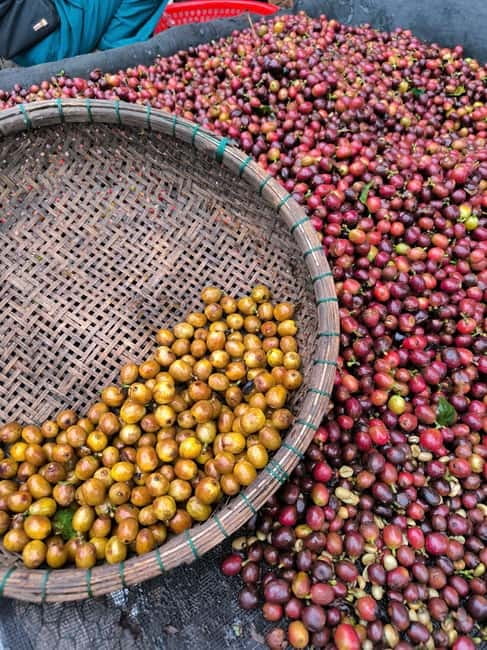
The most hands-on section is the roasting demonstration. You start with green coffee beans, then watch them change into the familiar brown beans used for brewing. You also take part in roasting rather than simply watching Huy do everything.
This small task helps explain why freshly roasted coffee smells and tastes so different from green beans. It also shows that roasting is not a magic step that produces one universal result. Time and heat affect color, aroma, body, and bitterness.
I like this part because it connects the farm to the café in a physical way. You can see the raw material and then prepare it for drinking. It is a simple lesson, but it gives you a better sense of the work hidden behind a finished cup.
The process is not presented as a professional roasting course. You should expect a guided introduction, not technical certification or a full lesson in commercial roast profiles. That is a fair trade for the short format, especially if you want an engaging activity rather than a classroom.
Same fields, a different sort of morning:
- From Ho Chi Minh: Can Gio Trek – Monkey Island & Crocodile Farm
★ 5.0 · 353 reviews - Cocolocal Farm Cooking Class with market tour and basket boat
★ 5.0 · 231 reviews - Phu Quoc: Kayaking with Starfish Beach and Bee Farm Tour
★ 4.4 · 213 reviews - Farm-To-Table Healthy Cooking Class in Ho Chi Minh City
★ 5.0 · 79 reviews
Brewing the Vietnamese phin
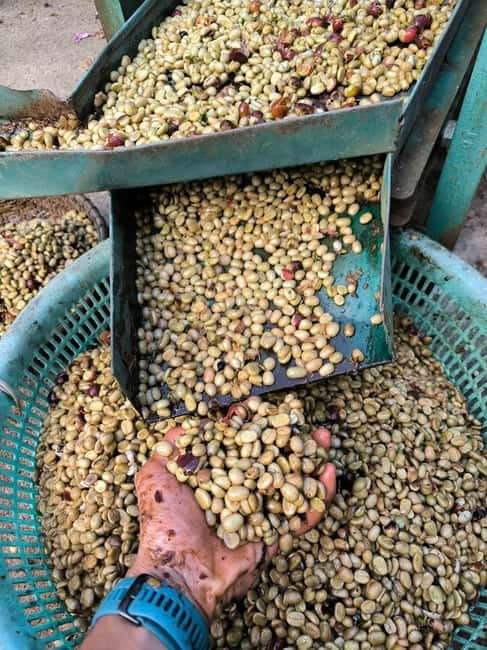
Near the end, you make your own traditional Vietnamese phin coffee. This compact metal filter sits over the cup and allows water to pass slowly through the grounds. It is one of Vietnam’s most recognizable brewing methods, and making it yourself gives the session a local finish.
The phin is slower and more deliberate than pressing a button on a coffee machine. You add the coffee, pour the water, and wait as it drips. That waiting time is part of the experience. It lets you watch the brew develop and compare the phin result with the other techniques used during the tasting.
The method also suits Da Lat’s coffee culture. You are not just sampling beans in an international café style. You are learning how coffee is commonly prepared in Vietnam and how the brewing method affects strength and texture.
You should expect to leave with a better idea of the coffee style you prefer. You may also learn that a bean you disliked in one method works better in another. That is one of the practical lessons of the session: brewing is part of the flavor, not an afterthought.
Sustainable farming and the longer farm visit
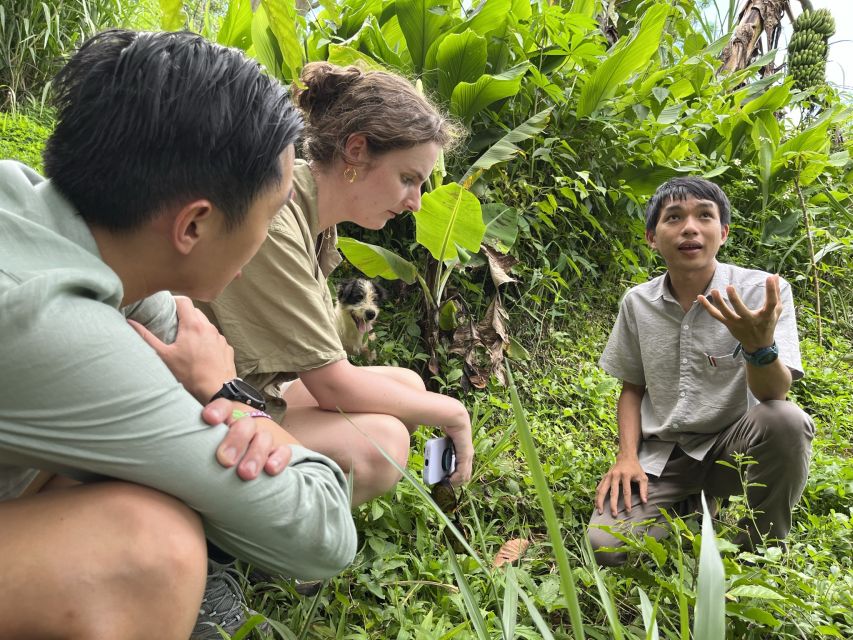
Huy explains how he grows coffee using sustainable methods. The supplied details do not set out a formal certification or a technical list of farming practices, so I would treat this as an educational conversation rather than a certified sustainability audit.
If your booking includes the longer farm version, you may visit the coffee farm and vegetable garden outside central Da Lat. One earlier format included tasting, a farm tour, time in the vegetable garden, and roasting. This makes the extended option more useful if you want to understand where the beans come from, not just taste them at the café.
There is a practical catch. The meeting point is listed as HuyEco Coffee & Culture in central Da Lat, but some farm visits have taken place a little outside the city. The exact duration also varies from 90 minutes to five hours. Ask which version you are booking, where it begins, and how much time is spent at the farm.
You arrange your own transport. You can walk, use a motorbike, take a taxi, or book a ride through an app for the city café. Bring your passport, as requested in the activity information. If you choose a farm option, allow extra travel time and confirm the transport plan before setting off.
What the $14 price includes
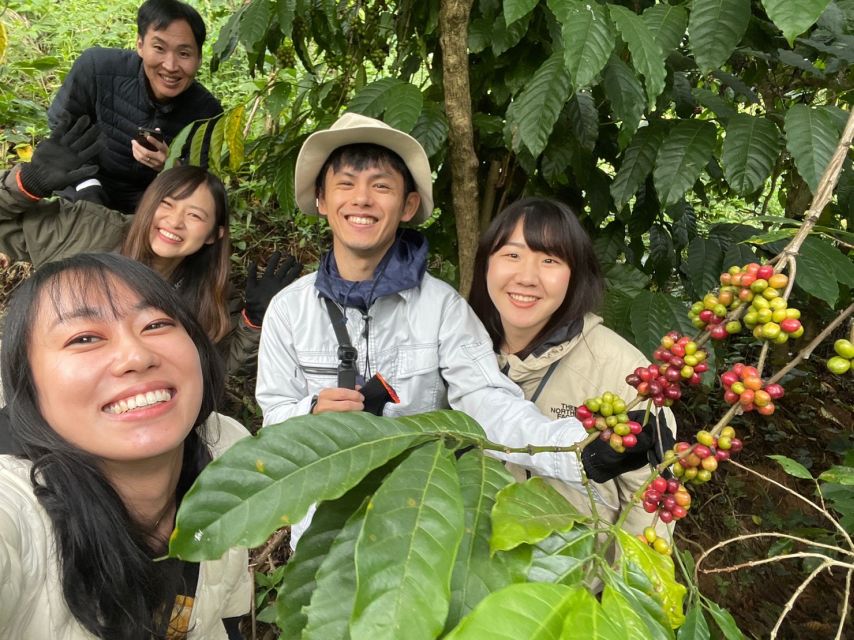
At $14 per person, this is good value if you enjoy coffee or want a short cultural activity in Da Lat. The price includes five coffee drinks and the guide. That is a generous tasting lineup, especially when you add roasting, brewing, and the chance to ask questions directly to the producer.
It is also a useful rainy-day or cool-weather option. Da Lat can feel chilly, and the café setting offers a comfortable place to spend an hour or more. One visitor arrived without a jacket and was lent one by the hosts, but you should still bring your own warm layer rather than rely on that kindness.
The price does not include food, extra drinks, or hotel and airport transfers. You should budget for your own ride if you are not staying close to the café. If you take the longer farm version, check whether any additional transport costs apply before booking.
The value depends on your interest. A non-coffee drinker may find five tastings excessive. Someone who wants a polished café stop with one excellent beverage may prefer a normal coffee shop. But if you want to understand Vietnamese coffee and take part in the process, the cost is modest.
Timing, group size, and who should book
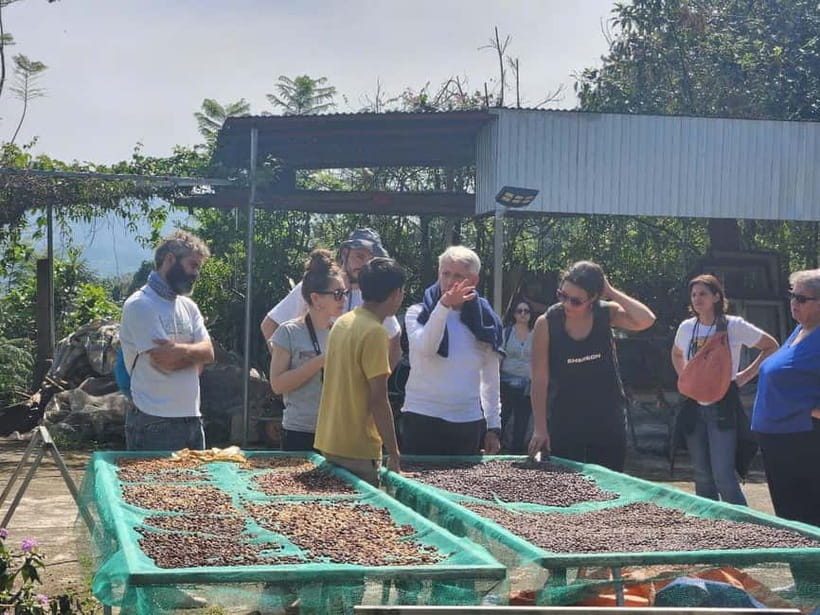
The small-group limit is 10 people. That is large enough to have a social feel but small enough for Huy to answer questions and let participants take part in the roasting and brewing.
The standard experience can fit into about 90 minutes, which works well between other Da Lat plans. The longer five-hour possibility suits people who want a farm outing and more time with the growing process. Check the starting time and duration for your chosen date because the published range is broad.
I would book this for:
- Coffee drinkers who want to compare Arabica, Robusta, and roast levels.
- Visitors who want a local activity beyond sightseeing and photo stops.
- Anyone interested in farming, processing, or sustainable coffee.
- Couples, solo visitors, and small groups who prefer personal instruction.
- People who want to learn the Vietnamese phin method.
I would think twice if you dislike strong coffee, have very limited time, or want a full commercial coffee course. The session is friendly and practical, but it is not designed as an advanced barista qualification.
Booking advice for a smoother visit
Search carefully for HuyEco Coffee & Culture on Google Maps. The activity information specifically warns you to check the name, which is useful in a city where similar café names can cause confusion.
Ask in advance whether your booking is the central café session or the longer farm visit. This one question clears up the biggest uncertainty: the difference between a 90-minute tasting and a possible half-day outing.
Free cancellation is available up to 24 hours before the activity for a full refund. You can also reserve now and pay later, which helps if your Da Lat schedule is still changing.
The experience is available in English and Vietnamese. Bring your passport, wear something comfortable, and take a light jacket for Da Lat’s cool air. If you plan to visit the farm, confirm transport rather than assuming the city meeting point covers the whole outing.
Should you book HuyEco Coffee & Culture?
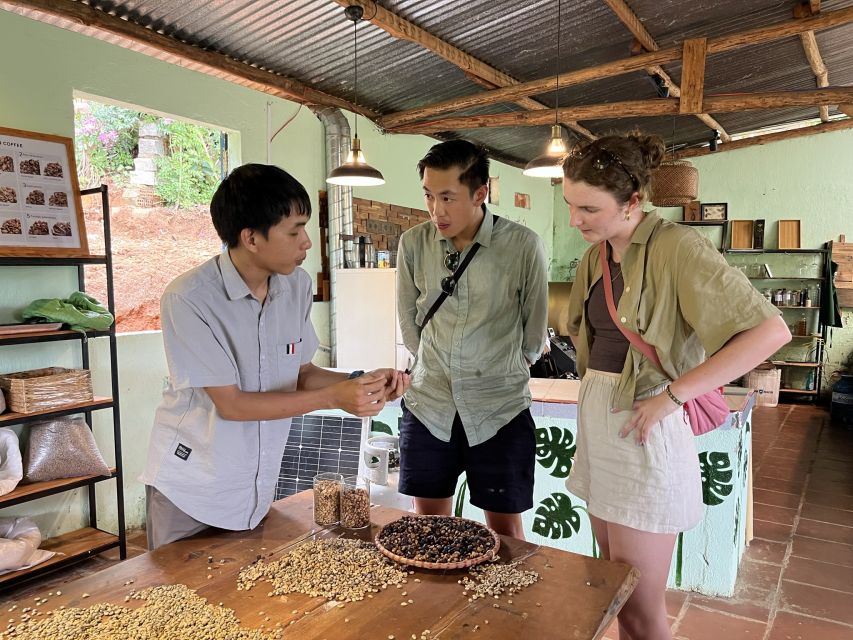
If coffee is part of why you came to Vietnam, I would book it. The combination of five farm coffees, hands-on roasting, a Vietnamese phin, and direct conversation with farmer Huy gives you more than a standard café tasting.
I especially recommend it early in your Da Lat stay. After learning how roast and brewing method affect the cup, you will understand local coffee shops better and make more informed choices. Book the 90-minute version if you want a focused activity, or choose the longer option if the farm and vegetable garden matter as much as the tasting.
Skip it only if coffee holds no interest for you or if you cannot spare time for a guided session. For most curious coffee drinkers, $14 buys a friendly, useful introduction to Da Lat’s beans and the work behind every cup.
FAQ
Where does the coffee experience meet?
The meeting point is HuyEco Coffee & Culture in central Da Lat. Search for that exact name on Google Maps and check the location carefully.
How long does the experience last?
The stated duration ranges from 90 minutes to five hours. The shorter format takes place at the café, while longer versions may include a farm visit. Check the available starting time and format for your date.
How many coffees are included?
Five coffee drinks are included. You can compare coffees made from Arabica and Robusta, along with different processing and roasting methods.
Is the activity available in English?
Yes. The live guide can lead the experience in English or Vietnamese.
What is not included in the price?
Hotel and airport transfers, extra drinks, and food are not included. You arrange your own transport to the meeting point.
Can I cancel the booking?
You can cancel up to 24 hours in advance for a full refund. A reserve-now, pay-later option is also available.
Just added around Vietnam
- Hoi An: Cycling – Water Buffalo Riding Farming and Fishing★ 5.0 · 2 reviews
- Cycling, Water Buffalo Riding, Traditional Farming Life★ 5.0 · 10 reviews
- Hoi An Wet Rice Farming Tour-Basket Boat Tour Fishing-Lunch★ 4.1 · 11 reviews
- Hoi An Wet Rice Farming Tour Private Round Boat Fishing & Lunch★ 5.0 · 13 reviews
- From Hoi An: Cooking Class at Organic Farm★ 5.0 · 40 reviews
- Cooking Class Hoi An – Organic Garden – Farming Tour-Handicrafts★ 5.0 · 56 reviews
- Rural Cycle, Market Tour, Basket Boat & Organic Farm Cooking★ 5.0 · 64 reviews
- Dalat: MOTORBIKE TOUR TO PONGOUR FALLS- SILK- COFFEE FARM★ 4.9 · 52 reviews
Coffee Farm Tours, compared.
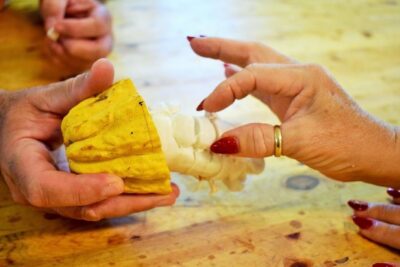
Award Winning Farm Tour: Coffee, Chocolate and Unique Gifts
Read our review →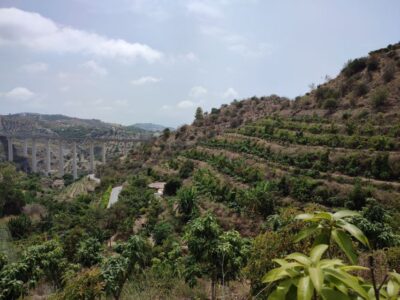
La Herradura Coffee Farm: tour in Europe’s only plantation
Read our review →

Small-Group Big Island Tour: Hawaii Volcanoes National Park and Kona Coffee Farm
Read our review →
Medellín Coffee Farm Tour with Trolley and Cable Car Ride
Read our review →
Private Cocora Valley, Salento & Coffee Farm Tour
Read our review →
Liamuiga Natural Farm Tour – St.Kitts’ Coffee Farm
Read our review →
Lists this farm appears in