
Reviewed · COFFEE FARM TOURS
Hawaii: Hala Tree Coffee Farm Tour and Tasting
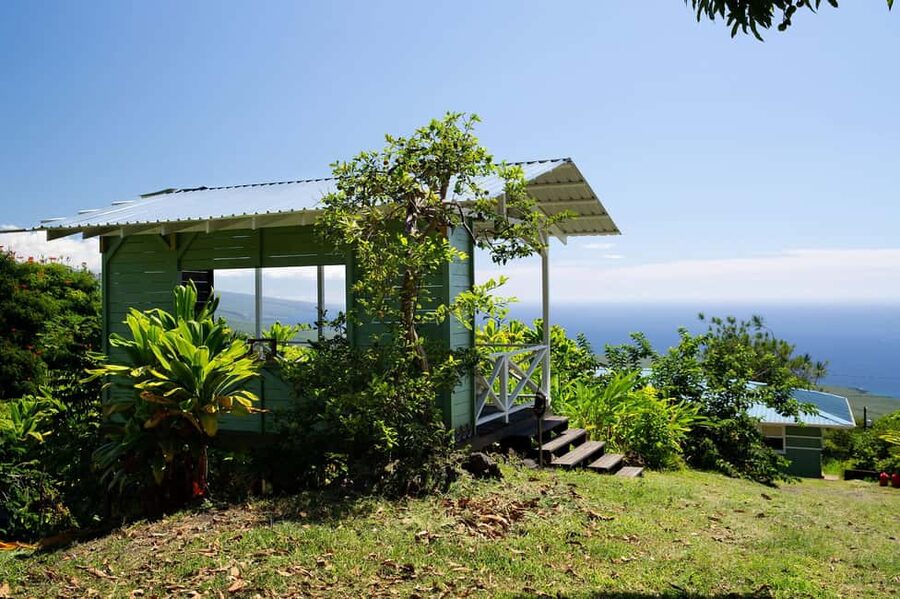
The best part of Hala Tree Coffee Farm is the direct look at 100% Kona Coffee before it reaches your cup. You walk among coffee trees, see ripe red cherries, and follow the crop through harvesting and roasting. The tasting takes place with a view toward the ocean, which gives this small farm visit a fine sense of place.
I like the one-hour format and the low $10 price. You get a real introduction to a famous Hawaiian crop without giving up half a day. I also like the family feel. Children can see the farm at work, and the dogs provide a welcome bit of fun, as one family found when their children enjoyed playing with them.
The main consideration is that this is a short, focused tour. If you want a large estate, a long roasting class, or a full meal, this is not that kind of outing. The guide speaks English, and the available information does not name the guide, so language support beyond English is not offered.
Key points at a glance
- See coffee at the cherry stage: Walk through the orchard and look for ripe red coffee cherries on the trees.
- Follow the bean from farm to cup: Learn about growing, harvesting, processing, and roasting in one compact visit.
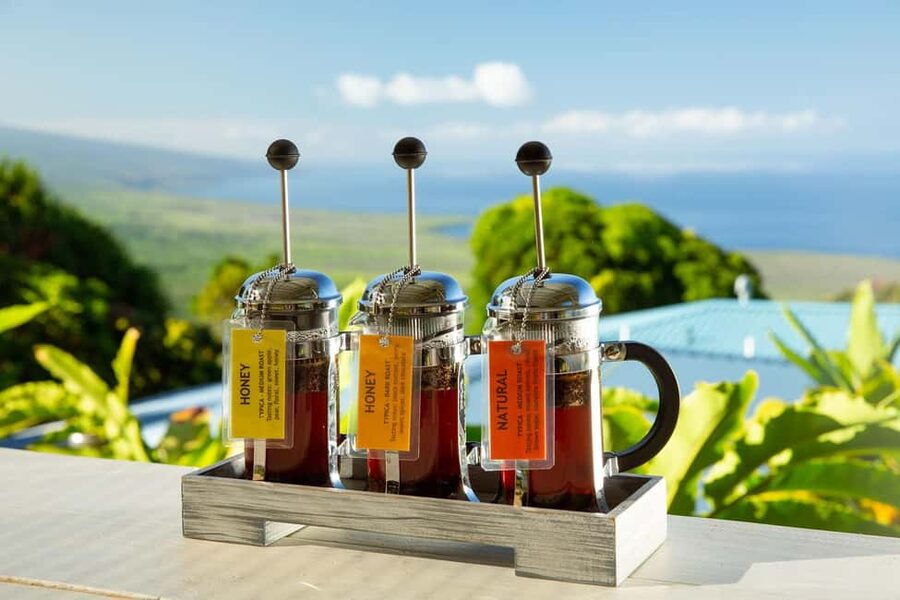
- Taste 100% Kona Coffee: The final tasting lets you connect the farm work with the finished drink.
- Enjoy an ocean view: The tasting area has a view toward the sea, adding a memorable Hawaiian setting.
- Bring curious children: The farm visit has a relaxed family feel, and children may enjoy time with the dogs.
- Pay only $10 for an hour: This is an easy-value stop for a Kona itinerary, especially if you are already driving nearby.
Why a coffee farm belongs on your Kona itinerary
Kona coffee is not simply a drink with a place-name attached. The name points to coffee grown in the Kona district of Hawaii, and this tour helps you see the work behind that label. Rather than meeting the product only in a café, you see the trees, cherries, and farm setting first.
That matters because coffee changes as it moves through several stages. The tree produces a small red fruit. The crop must be harvested, handled, and roasted before it becomes the dark, fragrant coffee you know. Hala Tree uses the tour to connect those stages in a way that a standard tasting room cannot.
I find this sort of visit useful early in a Hawaii trip. Once you have seen the fruit on the tree and watched part of the roasting process, later cups of Kona coffee have more context. You begin to notice that coffee is an agricultural product, not just a souvenir or breakfast habit.
The farm also gives you a break from the usual coastal sightseeing rhythm. You are not just driving to another lookout, taking a photo, and getting back in the car. For one hour, your attention shifts to plants, production, and the small details of a working coffee estate.
More Coffee Farm Tours in the USA
- Award Winning Farm Tour: Coffee, Chocolate and Unique Gifts
★ 5.0 · 484 reviews - Big Island: Volcanoes, Waterfalls, & Coffee Farm Day-Trip
★ 4.9 · 414 reviews - Small-Group Big Island Tour: Hawaii Volcanoes National Park and Kona Coffee Farm
★ 5.0 · 343 reviews
Finding Hala Tree Coffee Farm near Mile Marker 109
From Kona, take Highway 11 toward mile marker 109. Look for the blue sign for Bile First Mission Church, then turn up the road. Hala Tree Coffee Farm is just above the church.
This meeting point requires attention, especially if you are driving and watching the road rather than searching for a large commercial attraction. I would use the mile marker and church sign together instead of relying on only one landmark. The directions provided do not include a street address, so plan to slow down as you approach the area.
The farm’s position above the church is part of the appeal. You are not arriving at a polished downtown tasting counter. You are heading uphill into a working agricultural setting, with the tropical surroundings as part of the visit.
Because the tour lasts only an hour, arriving on time matters. A late arrival could cut into the orchard walk or tasting, and the schedule may not leave much room to make up lost minutes. Check the available start times when booking and allow enough time to find the turn.
Walking among the coffee trees
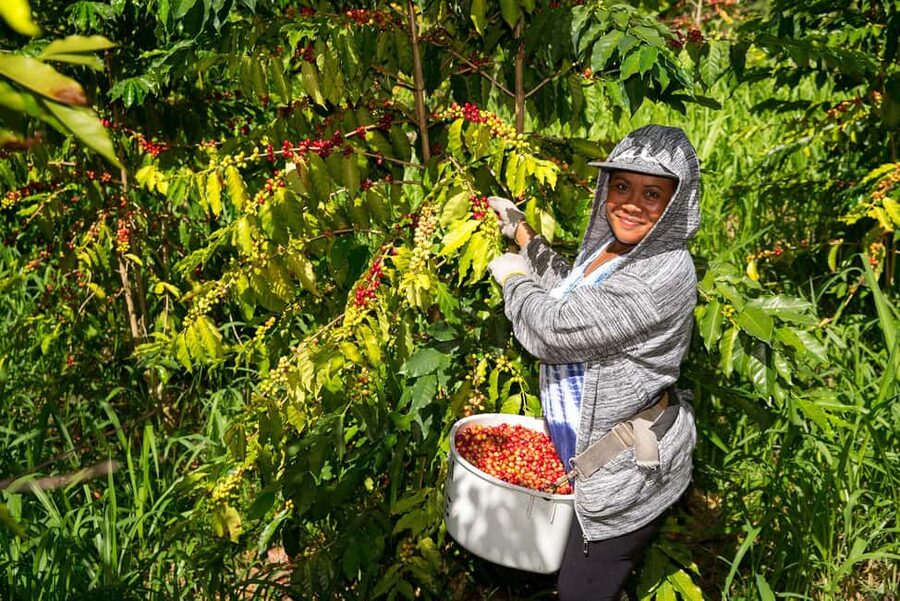
The tour begins with a guided walk through the coffee orchards. This is the point where the experience becomes more than a basic sample of Hawaiian coffee. You see the trees in their growing environment and look for ripe red cherries among the leaves.
For you, the useful detail is that the tour does not treat the farm as a backdrop alone. The guide explains coffee production while you are in the orchard, so the information has something real in front of you. You can connect the words harvesting and ripening to the plants around you.
The red cherries are an important visual clue. Coffee beans do not begin as the roasted brown beans in a bag. They start inside fruit, and seeing that fruit makes the later steps easier to understand. If you are bringing children, this is likely one of the simplest ways to keep the subject concrete and interesting.
The walk is also a chance to notice the scale of the farm. The supplied details do not give the acreage, trail length, or amount of walking, so you should not expect a long hike. It is best understood as a guided orchard stroll within a compact one-hour program.
Wear sensible footwear for a farm setting. The tour information does not specify trail conditions, so I would choose shoes that are comfortable for walking on uneven ground rather than dress shoes or beach sandals. Hawaii’s tropical setting can also mean sun and warmth, so bring the usual protection you would want for an outdoor stop.
Sustainable growing and the farm’s story
Hala Tree uses the orchard walk to explain sustainable coffee production. That is valuable because farming choices affect both the crop and the place where it grows. The guide discusses how coffee is produced rather than presenting the beans as if they appear by magic.
You will also hear about the estate’s background. The information available does not spell out dates, founders, or named historical events, so I would not book this expecting a long formal history lecture. Instead, think of this part as context for the farm and its approach to coffee.
The balance is good for a short tour. You get enough background to understand why the farm operates as it does, while the visit remains connected to what you can see. A longer historical account would use up much of the hour and leave less time for the orchard and tasting.
The sustainable farming discussion may be especially useful if you care about how food and drink are produced. Still, the tour details do not identify specific certifications, farming methods, or environmental programs. You will hear about sustainable practices, but you should not assume that the tour includes a technical lesson in soil management, irrigation, or organic certification.
Same fields, a different sort of morning:
- Maui Pineapple Farm Tour in Haliimaile
★ 5.0 · 2,855 reviews - Half-Day Thoroughbred Horse Farm Tour in Kentucky
★ 5.0 · 1,924 reviews - Premium Amish Country Tour including Amish Farm and House
★ 4.5 · 1,306 reviews - Unique Horse Farm Tours with Insider Access to Private Farms
★ 5.0 · 1,192 reviews
From harvesting to roasting
After the orchard, the tour turns to the steps between picking and drinking. The guide explains harvesting and roasting, giving you a basic view of the work required to turn coffee fruit into a finished product.
The roasting portion is one of the more unusual elements for a $10 farm visit. You do not simply hear that roasting happens somewhere else. You get to engage with the art of roasting and experience the aroma as the coffee changes. The available details do not promise that you will operate the roaster yourself or roast a personal batch, so keep expectations practical. This is a hands-on look at roasting, not necessarily a full workshop.
Roasting is where the coffee’s character becomes especially clear. Heat changes the color, smell, and flavor of the beans. Even a short demonstration can help you understand why roasting is treated as a craft rather than a final automatic step.
I appreciate that the process is presented in order. First comes the tree and cherry. Then harvesting and production. Finally, roasting and tasting. That sequence gives the hour a clear shape and helps the tasting feel earned.
If coffee already interests you, you may wish the roasting section lasted longer. The tour is designed as an introduction, not a professional lesson. Its strength is that it gives you a useful picture of the whole chain without asking for a large time commitment.
The tasting, with an ocean view
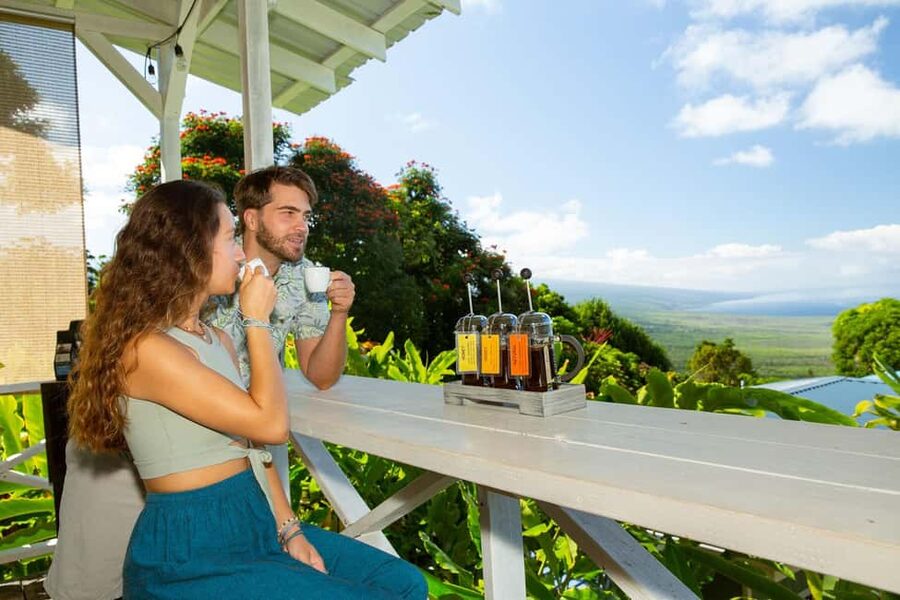
The tour ends with a tasting of Hala Tree’s premium Kona Coffee. This is the moment when the earlier explanations become personal. You have seen where the coffee grows and learned how it is handled, then you can taste the finished product in the same setting.
The ocean view adds something important. A cup of coffee can be sampled anywhere, but tasting it above the Kona coast ties the drink to Hawaii. The setting is not a substitute for good coffee, but it makes the final few minutes more memorable.
The tasting details do not state how many coffees are served, how they are brewed, or whether other products are included. Do not assume a large flight or a full café menu. What is clear is that Hala Tree’s Kona Coffee is part of the visit, and the tasting closes the tour.
Take a moment here rather than rushing off. Notice the aroma, the body, and the aftertaste. You do not need expert vocabulary to get something from the tasting. The useful comparison is between what you expected from the name Kona and what is actually in the cup.
One particularly appealing detail is the combination of tasting and view. The setting gives you a quiet finish after the information and orchard walk. For many people, that may be the strongest memory of the visit.
A family-friendly stop with a relaxed feel
Hala Tree can work well for families because the tour offers more than a seated explanation. Children can see the coffee cherries, watch part of the roasting process, and spend time with the farm’s dogs. One family with children found that the dogs became a favorite part of the stop.
That does not mean the tour is built as a children’s attraction. Coffee production remains the main subject, and the guide speaks English. But the orchard and animals give younger visitors something immediate to notice while adults listen to the farming details.
The dogs are not listed as a guaranteed feature or formal activity, so I would treat them as a pleasant possibility rather than a promise. The same applies to any time spent playing with them. Farm animals can be nearby, but the tour’s included elements are the guided farm visit, production information, orchard visit, roasting, and tasting.
The experience also suits adults who want a simple local activity rather than a major attraction. You can learn something specific, taste the product, and continue with your day. That makes it easy to place between other Kona stops.
Is the $10 price a good value?
At $10 per person, this is one of the easier activities to justify in a Hawaii itinerary. The price covers a guided orchard visit, coffee-production information, a look at roasting, and a tasting. You also get the farm setting and ocean view without paying for a lengthy package.
Value depends on your expectations. If you want a serious coffee education with extensive tastings, equipment demonstrations, or a long farm walk, the short duration may feel limited. If you want a clear introduction to Kona coffee for a modest price, the hour works well.
The low cost also makes this a useful choice for families. A family can learn about a signature Hawaiian product without committing to an expensive tour. Children may not follow every production detail, but the trees, cherries, dogs, and outdoor setting help keep the stop varied.
I would compare it with the value of a standard cup of specialty coffee. Here, you are paying a little more than a drink for access to the place where the coffee grows, an explanation of the production process, and a tasting. That is a fair exchange, especially if you are already traveling along Highway 11.
Who should book Hala Tree Coffee Farm?
I would choose this tour if you want:
- A short introduction to Kona coffee
- A small-farm setting rather than a large attraction
- An outdoor stop with an orchard walk
- A family-friendly activity
- A tasting with an ocean view
- A low-cost addition to a Kona driving day
I would think twice if you need a long, technical coffee course or a guaranteed menu of several coffee samples. The tour details do not promise either. It is also not the best match if you want a fully self-guided visit, since the experience is led by an English-speaking guide.
The timing is a major advantage. At one hour, Hala Tree can fit into a day that includes other sights. You do not have to sacrifice a full morning or afternoon, yet you still get a clear look at how coffee moves from orchard to cup.
Cancellation is flexible: you can cancel up to 24 hours before the activity for a full refund. You can also reserve and pay later, which helps if your Hawaii plans are still shifting. Check the available starting times before you commit, since the tour runs for only one hour and the start time matters for the rest of your day.
Should you book this Kona coffee tour?
Book Hala Tree if you want an affordable, focused look at Kona coffee in its farm setting. The orchard walk, red cherries, roasting discussion, and ocean-view tasting give you a useful picture of the product without making the visit feel like a full-day lesson.
The strongest reasons to go are the $10 price, the one-hour schedule, and the chance to bring children into a working coffee setting. The main limitation is the same feature that makes it convenient: the tour is brief. Go for a friendly introduction and a taste of place, not an extensive coffee course.
FAQ
Where is Hala Tree Coffee Farm?
From Kona, take Highway 11 to mile marker 109. Look for the blue sign for Bile First Mission Church and go up the road. The farm is just above the church.
How long does the coffee farm tour last?
The tour lasts one hour.
How much does the Hala Tree Coffee Farm Tour cost?
The price is $10 per person.
What language is the tour conducted in?
The tour has a live guide and is conducted in English.
Is coffee tasting included?
Yes. The experience ends with a tasting of Hala Tree’s premium Kona Coffee.
Will I see coffee growing on the trees?
Yes. The guided walk visits the coffee orchards, where you can see ripe red coffee cherries.
Does the tour explain how coffee is roasted?
Yes. The tour covers harvesting and roasting, and you can engage with the art of coffee roasting.
Is the tour suitable for children?
The tour can suit families. Children have enjoyed playing with the farm’s dogs, and the orchard provides an outdoor setting. The tour itself focuses on coffee production.
Can I cancel the booking for a refund?
Yes. You can cancel up to 24 hours in advance for a full refund. You can also reserve now and pay later.
Just added around the USA
- Yolo: Vineyards, Farms & Cultural Gems – Audio Driving Tour★ 4.3 · 5 reviews
- Ventura: Rail Bike Guided Tour with Farm Stand Stop★ 4.1 · 18 reviews
- Small-Group Vineyard and Orchard Tour with Wine Tasting in Muscoda★ 5.0 · 2 reviews
- Connect with Rescue Animals on a Private Farm Tour in Catskills★ 5.0 · 27 reviews
- Cozy Farm Experience with Wagon Wheels and Acoustic Meal★ 5.0 · 2 reviews
- Farm Tour at Clover Brooke Llama/Alpaca/Goat Farm★ 4.5 · 6 reviews
- Gourmet Mushroom Farm Tour in Tennessee★ 5.0 · 5 reviews
- Farms, Flights: Finger Lakes Brewery Tour★ 4.5 · 25 reviews
Coffee Farm Tours, compared.
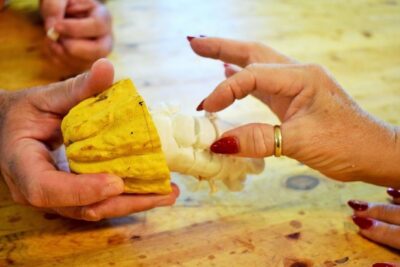
Award Winning Farm Tour: Coffee, Chocolate and Unique Gifts
Read our review →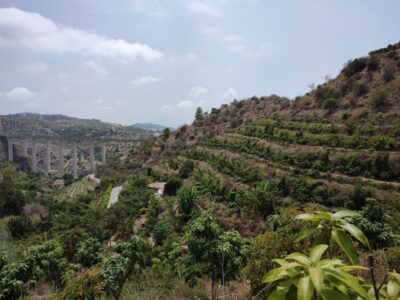
La Herradura Coffee Farm: tour in Europe’s only plantation
Read our review →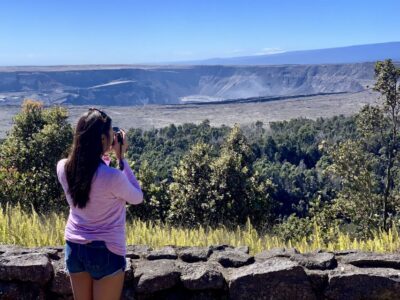

Small-Group Big Island Tour: Hawaii Volcanoes National Park and Kona Coffee Farm
Read our review →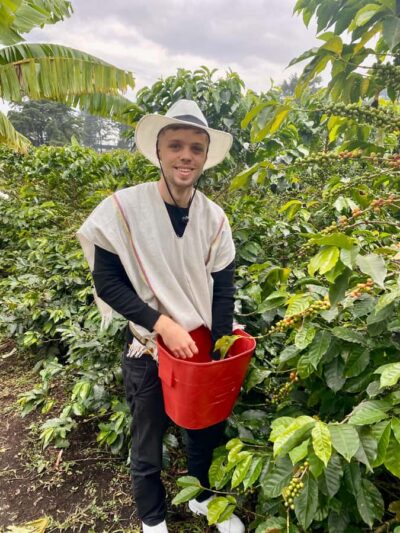
Medellín Coffee Farm Tour with Trolley and Cable Car Ride
Read our review →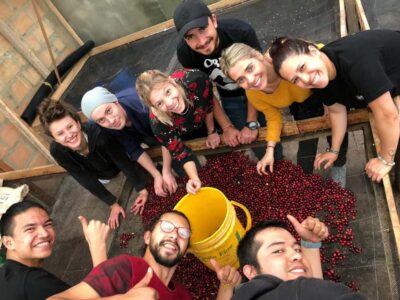
Private Cocora Valley, Salento & Coffee Farm Tour
Read our review →
Liamuiga Natural Farm Tour – St.Kitts’ Coffee Farm
Read our review →
Lists this farm appears in