
Reviewed · HORSES
Luxor: Farm Tour 30 Hectares(Breakfast With Arabian Horses)
The unusual part of this Luxor outing is the setting: instead of another temple or tomb, you spend a morning on a working Egyptian farm, eating breakfast beside mango trees and meeting pure-breed Arabian horses from young foals to full-grown stallions. The farm sits on Luxor’s West Bank, where farmland and village life give you a different view of the region.
I like the home-style Egyptian breakfast, especially the warm flatbread, goat cheese, fig jam, sugarcane molasses, local honey, and mint tea. I also like the chance to walk around a real family or cooperative-run farm rather than simply watch a staged animal show.
The main consideration is the timing. Two hours goes quickly once you include transport, breakfast, the farm walk, and animal visits. You should also confirm the exact river-crossing method and whether horse riding is available on your date if either detail matters to you.
Key points to know before you book
- Breakfast under the mango trees: Eat traditional Egyptian dishes beneath a shaded kiosk overlooking alfalfa fields and the orchard.
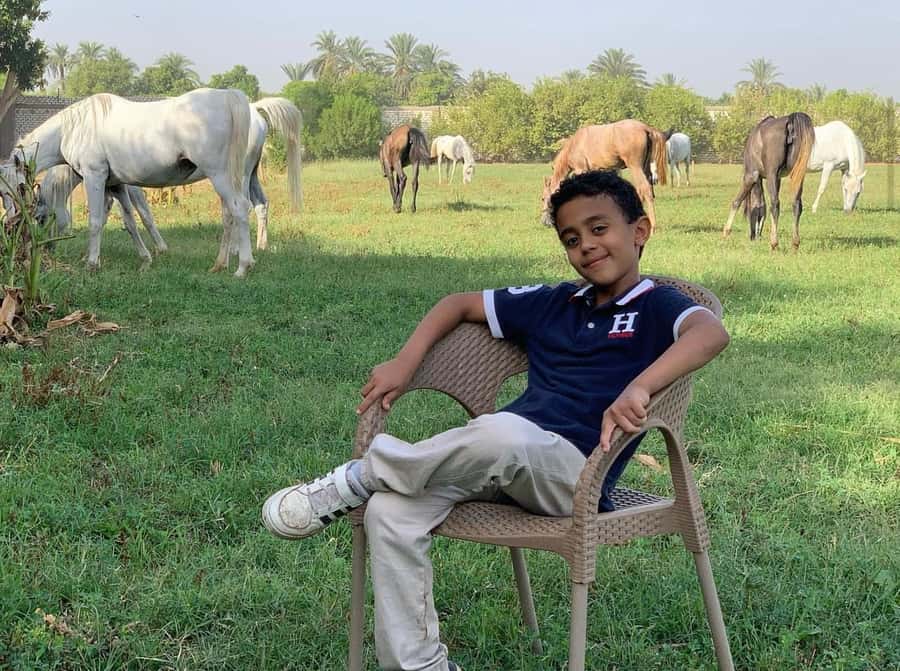
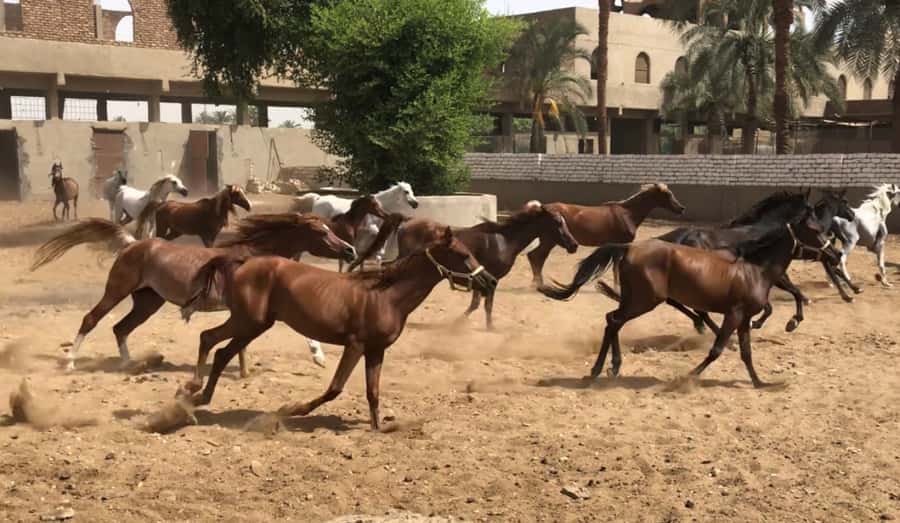
- Arabian horses at close range: See foals, adult horses, and stallions, with a chance of riding a few rounds depending on the visit.
- A working farm, not a formal attraction: Walk among cows, sheep, goats, chickens, ducks, bees, and a camel.
- Local produce adds flavor: Taste honey from the farm’s hives and fruit such as mangoes, oranges, lemons, figs, olives, and dates when available.
- Easy transport from Luxor: Hotel pickup and return are included, with roughly 20 minutes in the van each way.
- Useful flexibility: Arabic and English guiding, wheelchair accessibility, and cancellation up to 24 hours before departure are provided.
Why this farm visit adds something different to Luxor
Luxor is famous for monumental sights. The Valley of the Kings, Karnak, and the temples demand your attention, but they also keep you focused on the ancient past. This farm visit shifts the focus to present-day Egypt.
You get to see how food, animals, shade, and family work fit together in a rural setting. The farm covers a large area on the West Bank, described as more than 50 hectares, with about 30 hectares devoted to mango trees. One description refers to 25 mango varieties, while a visitor also noted 62 types, so the exact count may vary. Either way, this is far more than a small garden.
I see the farm as a good change of pace after a morning of sightseeing. You are not being rushed from one monument to the next. Instead, you sit, eat, walk, and talk. That slower rhythm is part of the value.
More Horse Riding Trips in the world:
- Unique Horse Farm Tours with Insider Access to Private Farms
★ 5.0 · 1,192 reviews - Maui Horseback Adventure at Circle M Ranch With Real Cowboys
★ 5.0 · 761 reviews - Horseback Riding on Scenic Texas Ranch near Waco
★ 5.0 · 720 reviews
The 20-minute ride from Luxor to the West Bank
Pickup begins in Luxor, and the included van transfer takes about 20 minutes each way. That makes this practical for you if you want a short outing without arranging a taxi, negotiating a fare, or figuring out the West Bank roads yourself.
The river crossing is described in two ways. The experience may involve crossing by bridge or by boat, while the detailed transport information specifically describes the bridge. Ask for the exact plan when you book if the crossing is important to you.
The short transfer also keeps the outing compact. You are not giving up a full day of temple visits for the farm, though the two-hour activity itself includes the main visit rather than two hours spent entirely walking among the animals.
Breakfast beneath the kiosk and tree canopy
The first main stop is the shaded seating area. It overlooks the mango orchard and alfalfa fields, giving you a pleasant place to settle in before walking around the property.
The meal is described as a traditional Egyptian breakfast. Details from the experience include fresh, warm flatbread with a flaky texture, honey from the farm’s own bees, black honey made from sugarcane molasses, fig jam, fresh goat cheese cream, and tea flavored with homegrown mint.
That combination gives you a better sense of the farm than a standard hotel breakfast. The honey is tied to the hives nearby. The fruit and herbs connect the meal to the soil around you. You are not simply eating Egyptian food; you are eating in the place where several of the ingredients are produced.
Seasonal fruit may include mangoes, oranges, and lemons. The supply will depend on the time of year, so you should not expect every fruit on every visit. Figs, olives, and dates are also grown on the property.
I would plan to arrive ready for a substantial breakfast, not just a cup of tea and a pastry. If you have dietary restrictions, ask ahead about the dishes available. The information confirms the meal is Egyptian and farm-based, but it does not provide a full menu or allergy policy.
Meeting the Arabian horses
The horses are the main draw for many people. The farm keeps dozens of pure-breed Arabian horses, including babies, mature horses, and stallions. This range matters because you see more than one type of animal and more than one stage of growth.
You can get close to the horses during the guided farm walk. The setting is informal, so the visit feels more personal than viewing animals from behind a large barrier. Still, you should follow the guide’s instructions around stallions and young horses. Close access is appealing, but calm behavior is important for you and the animals.
Horse riding has also been part of some visits, with a few rounds offered to each person. It is best to treat this as a possible extra rather than a guaranteed riding lesson. The main experience is meeting and observing the horses, not a structured equestrian program.
If you are booking mainly for riding, contact the provider before paying. If you simply want to see Arabian horses at close range, the farm’s horse collection is central to the visit.
More Farm Tours in the world:
- Half-Day Thai Cooking Class at Organic Farm in Chiang Mai
★ 5.0 · 19,087 reviews - Florence Pizza or Pasta Class with Gelato Making at a Tuscan Farm
★ 5.0 · 6,801 reviews - Cooking Class and Lunch at a Tuscan Farmhouse with Local Market Tour from Florence
★ 5.0 · 4,831 reviews - Chiang Mai: Authentic Cooking Class with Market & Farm Visit
★ 4.9 · 4,546 reviews
Animals beyond the horses
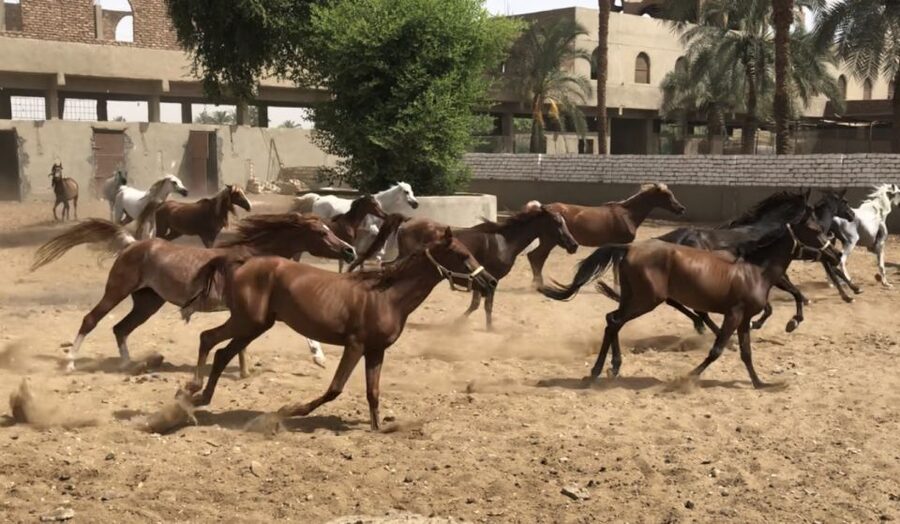
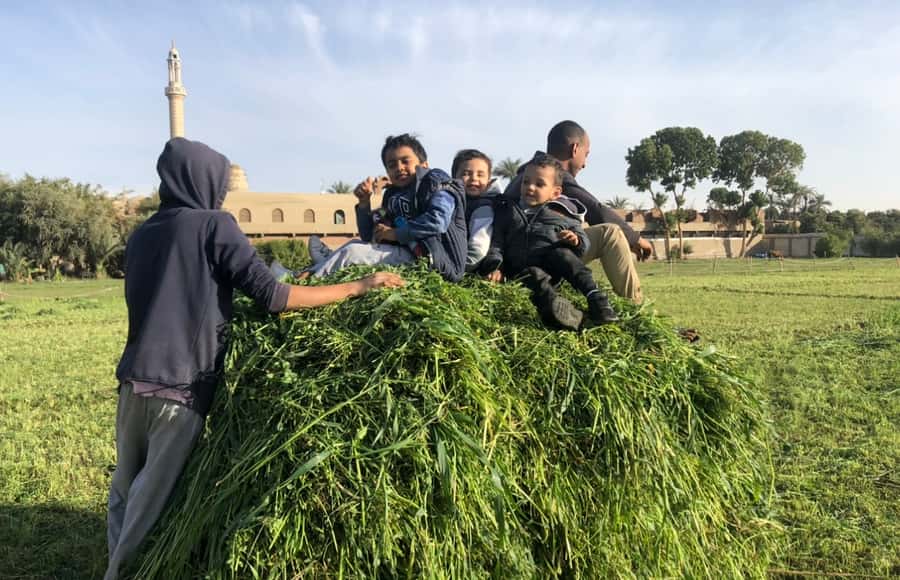
The farm walk continues with a broad mix of domestic animals. You may see cows, sheep, goats, chickens, ducks, bees, and a camel. That variety gives children plenty to watch, but it also helps adults understand how a small agricultural community can combine crops, livestock, and food production.
The bees are especially connected to the breakfast. You may taste honey from the farm’s own hives, giving the animal visit a direct link to what you have just eaten.
The camel is a single animal rather than part of a large camel attraction. That is worth keeping in mind. You are visiting a farm with animals, not attending a dedicated camel ride or wildlife park.
The same applies to the birds and livestock. You should expect a farm walk rather than a polished animal presentation with scheduled demonstrations. For me, that is a strength if you want something ordinary and local. It may feel too simple if you prefer a formal attraction with set activities.
Walking through the mango orchard
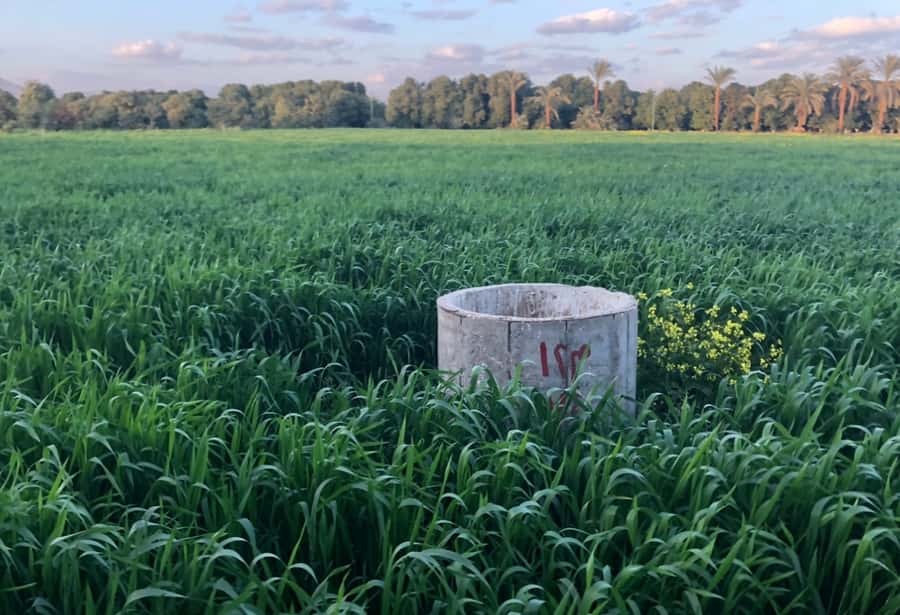
The orchard is one of the most appealing parts of the visit. Around 30 hectares of the property are planted with mango trees, and the farm grows many varieties. The branches also offer relief from Luxor’s strong sun.
You can wander beneath the trees and look out toward the alfalfa fields. Depending on the season, the orchard may be especially interesting when fruit is available, but the shade and scale still make it worthwhile at other times.
Luxor can be hot, so bring a hat, water, and light clothing even though drinks are included. The shade helps, but it does not remove the heat. Comfortable shoes are sensible because the experience includes walking around an agricultural property rather than staying on paved paths.
The farm also grows Meyer lemons, figs, olives, and dates. These crops help turn the visit into a lesson in local farming without making it feel like a lecture. Your guide can explain what you are seeing in Arabic or English.
Abdo and Rajiv as your guides
Abdo and Rajiv have guided this farm experience, and both are also experienced hot-air-balloon pilots. Their ballooning background is an interesting link to Luxor’s West Bank, where balloon flights are a popular way to view the Nile Valley.
The guiding style is described as friendly and explanatory. You can expect an introduction to the farm, help identifying the animals, and time to walk around at your own pace. One French-language account specifically appreciated that the guide took time to explain things and then allowed visitors to explore the farm freely.
That balance suits this setting. You do not need a long historical lecture. You need someone who can explain the crops, animals, and daily life around the farm, then let you enjoy the surroundings.
Arabic and English are the stated guide languages. If you need another language, it is not listed, so ask before booking.
What the two-hour schedule feels like
The published schedule is simple:
- About 20 minutes by van from Luxor
- Breakfast and a guided farm visit for around two hours
- About 20 minutes back to Luxor
The exact order may vary, but breakfast comes before the animal walk in the main description. That works well because you can sit down after the transfer, eat in the shade, and then move around the farm.
Two hours is enough for an introduction, but not for a long agricultural tour. You will likely need to choose where to spend your attention. If horses are your priority, ask to allow plenty of time with them. If you care more about crops and beekeeping, ask the guide to explain the orchard, hives, and fruit trees.
The activity is a good fit for a free morning or afternoon between major Luxor sights. It is less suitable if you want a full-day farm stay, a long horseback ride, or a technical tour of organic agriculture.
Is $30 a fair price?
At $30 per person, the price includes hotel pickup and return, the van transfer, breakfast, water and other drinks, guiding, and access to the farm. You are paying for more than a plate of food because transport and personal guidance are part of the package.
The value is strongest if you would otherwise need to arrange a separate taxi to the West Bank. It is also good for you if the meal, horses, and farm walk all appeal. The outing combines three experiences in one: Egyptian food, a rural visit, and close contact with animals.
The value is weaker if you only want a quick horse photo or a standard sightseeing stop. In that case, two hours and $30 may feel like more than you need. This is best understood as a relaxed cultural outing, not a budget transport service.
The four available ratings are all five-star ratings, with praise focused on the guides, the breakfast, the horses, the orchard, and the chance to see ordinary Egyptian life. That pattern gives me confidence in the core experience, though the small number of ratings means you should still keep your expectations practical.
Who will enjoy this most
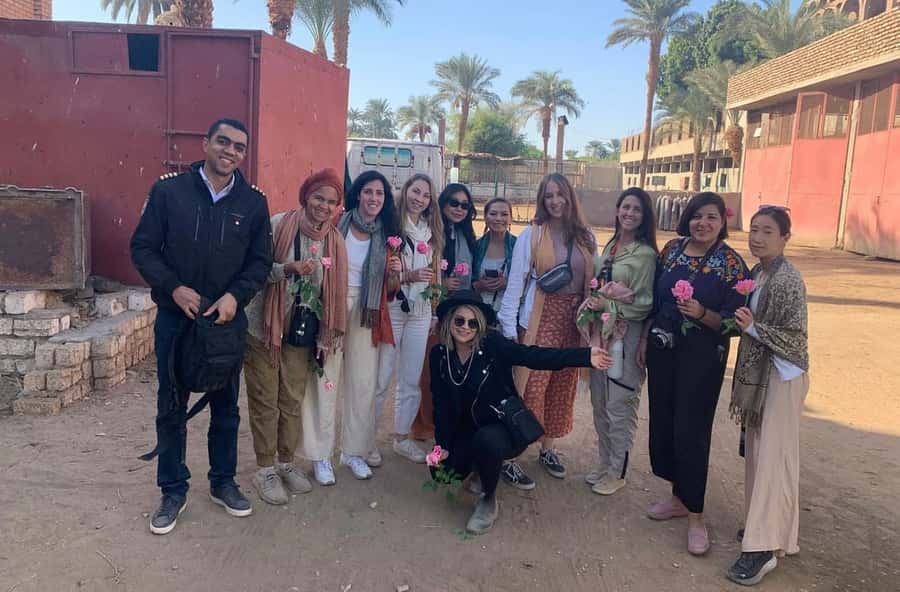
I would recommend the farm to you if you want a break from temples and tombs. It works especially well for families, food lovers, horse enthusiasts, and anyone interested in daily life beyond Luxor’s main archaeological sites.
Children may enjoy the range of animals, while adults can focus on the food, farming, and conversations with the local team. The shaded breakfast area also gives the visit a calm start.
The activity is listed as wheelchair accessible, which makes it worth considering if access is important to you. Since the visit takes place on a farm, ask the provider about the exact surfaces and route if you have specific mobility needs. The available information confirms accessibility but does not describe every path.
You should think twice if you want a formal horse-riding session, a long ride, or a detailed agricultural workshop. Those features are not guaranteed by the basic description.
Practical advice for a better visit
Wear shoes that you do not mind using around a farm. Bring sun protection even though mango trees and the breakfast canopy provide shade.
If you are keen to ride, confirm that riding will be offered on your date. The experience centers on meeting the horses, and riding has been included on some visits, but it is not listed as the main scheduled activity.
Ask about the river crossing when you receive your pickup details. The information allows for a bridge or boat crossing, while the detailed description specifies the bridge.
Give your guide a clear idea of your interests. Abdo or Rajiv can help you spend more time with the horses, crops, bees, or other animals, depending on what you want from the visit.
The provider allows free cancellation up to 24 hours before departure and offers reserve-now, pay-later booking. The tour is available with live guiding in Arabic and English.
Should you book the Al-Habib Farm visit?
Book it if you want to see a quieter, more personal side of Luxor. The best parts are the warm Egyptian breakfast, the shaded mango orchard, the large collection of Arabian horses, and the chance to walk through a working farm with cows, goats, sheep, birds, bees, and a camel.
I would not book it as a dedicated riding tour or a full agricultural course. For those goals, the two-hour format is too limited. But if you want good food, friendly guiding, local produce, and a welcome change from ancient monuments, $30 is a sensible price for a compact West Bank outing.
FAQ
How long does the farm experience last?
The activity lasts two hours, with about 20 minutes of van travel from Luxor and about 20 minutes for the return journey.
What is included in the price?
The price includes pickup and drop-off, a traditional Egyptian breakfast, water and drinks, a live guide, and access to the organic farm and its animals.
Where is the farm located?
Al-Habib Farm is on Luxor’s West Bank in Luxor Governorate, Egypt.
What animals can I see?
The farm has pure-breed Arabian horses, cows, sheep, goats, chickens, ducks, bees, and a camel.
What food is served?
The breakfast consists of traditional Egyptian dishes. It may include warm flatbread, farm honey, sugarcane molasses known as black honey, fig jam, goat cheese cream, mint tea, and seasonal fruit.
Is horse riding included?
Horse riding has been available during some visits, but the main activity description focuses on meeting and viewing the horses. Confirm riding availability if it is important to you.
What languages are available, and is the tour wheelchair accessible?
Live guiding is available in Arabic and English. The activity is listed as wheelchair accessible.
Just added around the world
- Hoi An: Cycling – Water Buffalo Riding Farming and Fishing★ 5.0 · 2 reviews
- Cycling, Water Buffalo Riding, Traditional Farming Life★ 5.0 · 10 reviews
- Side, Alanya: Green Canyon Boat, Waterfall&Orchards Mix Tour★ 4.3 · 14 reviews
- Farmers Market visit & Turkish Cooking Class★ 5.0 · 60 reviews
- 2-Hour Alpaca Farm Experience in Kenilworth★ 4.5 · 14 reviews
- Cycling Through Vineyards & Farm Lunch & Ephesus visit★ 5.0 · 52 reviews
- Liverpool Music Icons Tour led by a member of 90s band The Farm★ 5.0 · 51 reviews
- Guided Hebridean Farm Hike near Tobermory, Isle of Mull, Scotland★ 5.0 · 25 reviews
Horses, compared.
Unique Horse Farm Tours with Insider Access to Private Farms
Read our review →
Maui Horseback Adventure at Circle M Ranch With Real Cowboys
Read our review →
Horseback Riding on Scenic Texas Ranch near Waco
Read our review →
Thoroughbred Horse Farm Tour and Scenic Bluegrass
Read our review →
Golden Circle, Fridheimar Farm & Horses Small Group Tour from Reykjavik
Read our review →
Waipi’o on Horseback: Mountain Ocean Views Working Cattle Ranch
Read our review →Lists this farm appears in