
Reviewed · SALT FARM TOURS
Guided tour of the Marsala Salt Pans and salt harvesting
Marsala’s salt pans turn a working industry into a close-up outdoor lesson. In one hour, you walk among shallow ponds, canals, windmills, and white piles of drying salt, then help with the harvest yourself. The Stagnone Islands Nature Reserve gives the visit its setting, but the hands-on work gives it its character.
I like the mix of old and new: the Infersa Mill explains centuries of sea-salt production with multimedia displays, while the nature trail puts you right beside the ponds. I also like that you can taste several salts, including hand-picked whole salt and fleur de sel, and learn why salt appears in cosmetics as well as in your kitchen.
The main limitation is the short one-hour format. It is enough for an introduction and a small harvest, but not for a slow, detailed study of every pond or a long nature walk. Bring your shoe size when booking so the provided boots fit, and remember that bad weather can change the plan.
Key points to know before you go
- You help gather the salt: This is not only a look-from-a-distance visit. Your guide involves you in collecting fleur de sel and salt crystals.
- The Infersa Mill anchors the tour: Multimedia displays explain how sea salt has been produced here since the sixteenth century.
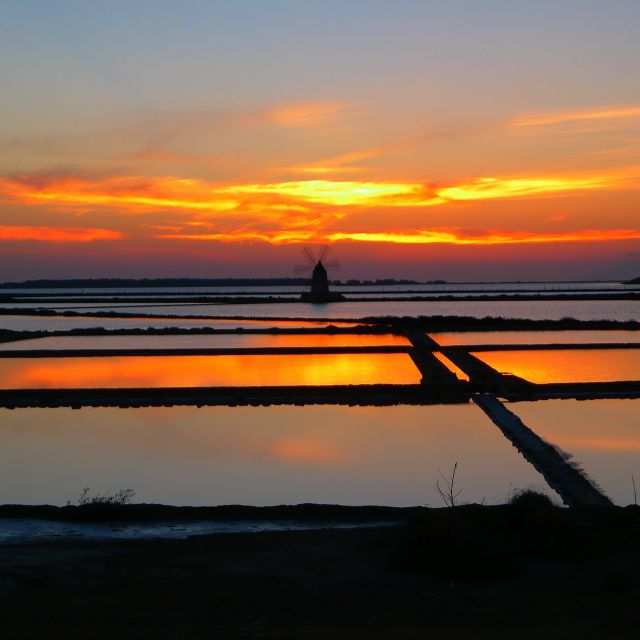
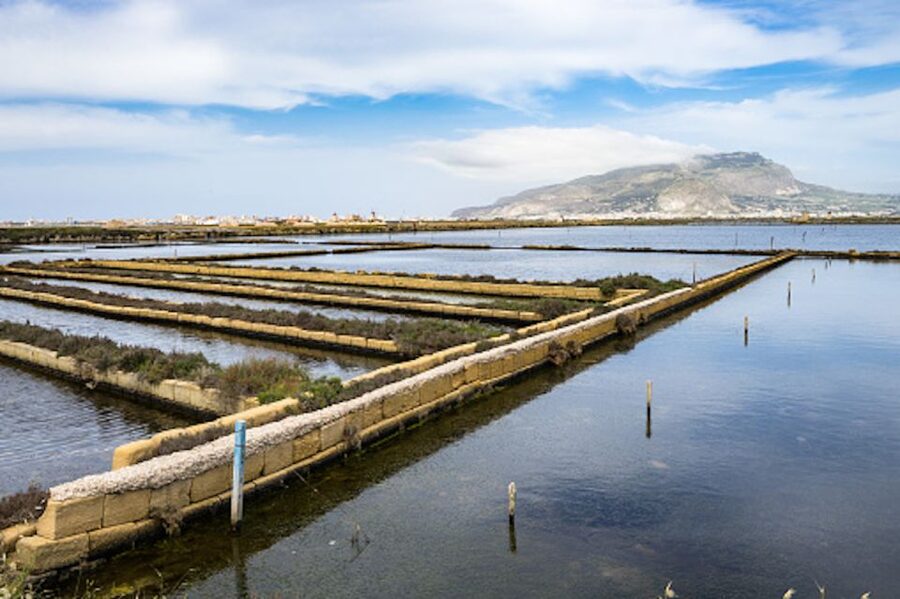
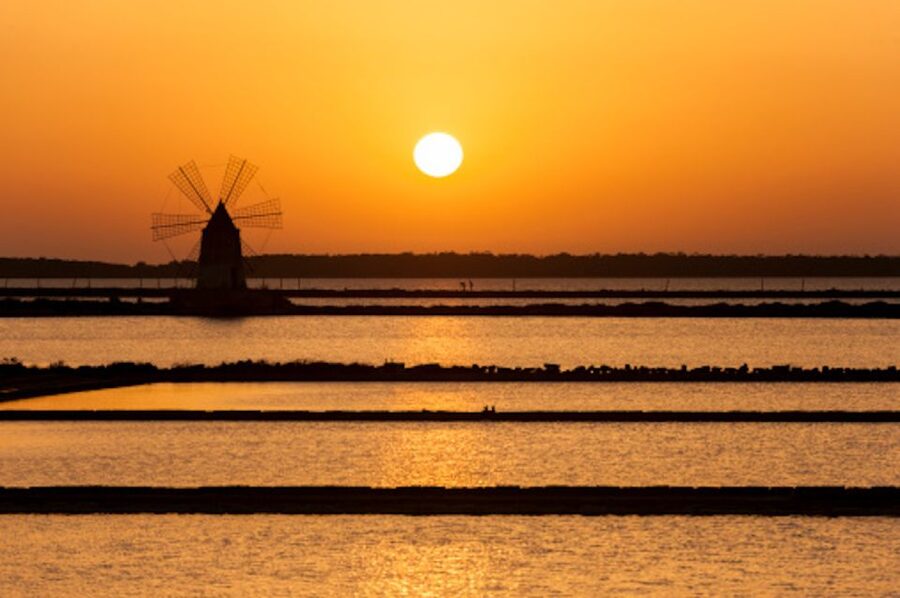
- The setting is highly photogenic: Shallow tanks, narrow canals, windmills, and piles of salt create one of Marsala’s most distinctive views.
- You taste several salt types: The visit introduces hand-picked whole salt, fleur de sel, and flavored varieties.
- English and Italian are available: The guide waits inside the mill and leads the visit from there.
- Boots are provided: Give your shoe size at booking, since the walk and harvest take place around salt ponds.
Why Marsala’s salt pans matter
The salt pans are not a decorative attraction built for sightseeing. They are part of Marsala’s identity and have supplied the area with a valuable product since the 1500s. The work depends on sea water, sun, wind, shallow tanks, and careful timing, all of which come together in a very particular corner of Sicily.
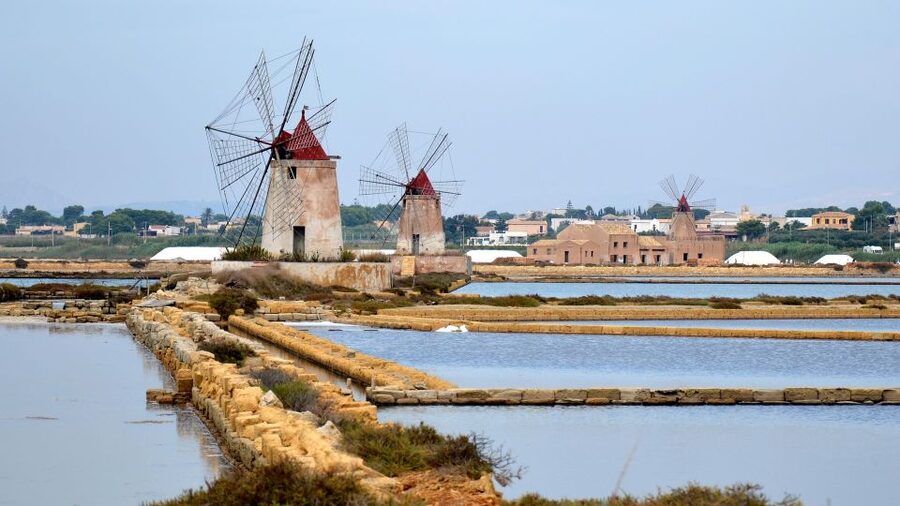
You see this at once in the arrangement of the site. The ponds are divided by small canals, and the water moves through the system as the salt gradually forms. Windmills are not just charming scenery. They are part of the traditional machinery associated with moving water and processing salt.
I find this kind of visit more rewarding than a simple scenic stop because the view has a job to do. The white piles are not props, and the mill is not merely an old building. You are looking at a place where local work, food, trade, and the natural setting meet.
The Stagnone Islands Nature Reserve adds another layer. You get an open setting of water and salt ponds rather than a museum room alone. The result is a compact visit that explains both the natural conditions and the human effort needed to turn sea water into a useful product.
More Salt Farm Tours in Italy:
- Hawaiian Salt Farm Tour in Kona
★ 5.0 · 767 reviews - Kampot: Pepper Farm Tour, Salt Field, Cave & Secret Lake
★ 4.9 · 283 reviews - Kampot Countryside include Pepper farm, Salt field & Lake
★ 4.9 · 100 reviews
Beginning inside the Infersa Mill
Your guide waits inside the mill, so the visit starts with a clear meeting point rather than a vague outdoor rendezvous. From there, the mill introduces the old craft of sea-salt production through a multimedia route.
This part matters because the salt pans can look simple at first. You may see water, bright salt, and a few structures, but the process involves several stages. The displays help you understand why the ponds are arranged as they are and how salt production became so important to Marsala.
The multimedia presentation is one of the stronger parts of the visit. It gives you a visual explanation before you walk outside, which makes the tanks and channels easier to read. One Italian review described the presentation as being of a very high television-documentary quality, and that fits the role it plays: it supplies context quickly without turning the tour into a long classroom session.
Do not expect a large museum collection or an extended historical lecture. The mill visit is designed to support the outdoor tour. If you want a detailed technical study of every stage of salt making, one hour will feel brief. If you want a clear introduction before seeing the process at close range, the format works well.
Walking among the tanks and windmills
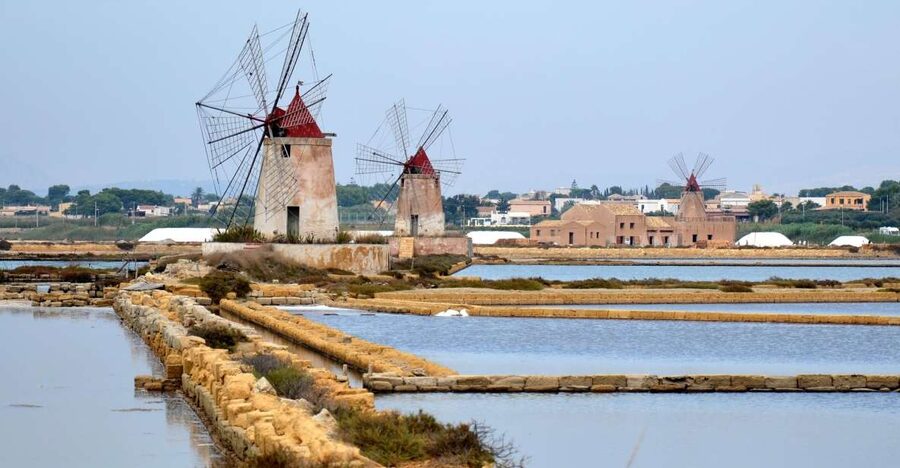
After the mill, you continue along a nature trail beside the salt pans. The route brings you close to the physical details that define this place: shallow tanks, narrow canals, windmills, and heaps of harvested salt.
This is the part to take slowly, even though the total activity is short. Look at the differences between the ponds and notice how the water, salt, and structures fit together. The scene is unusually graphic, with bright salt piles set against the flat geometry of the tanks.
The windmill views are a major reason to bring a camera. One participant specifically praised the view from the windmill terrace, so take the chance to look back across the ponds if that viewpoint is part of your visit. The site offers a strong sense of place without needing a long walk or a packed schedule.
The trail is also where suitable footwear matters. Boots are included, and you must provide your shoe size when booking. That is a useful practical detail, not a minor formality: salt ponds and canals are working areas, and ordinary holiday shoes may not be the best choice.
The route is described as a nature trail, but this is not a strenuous hike. The attraction is the setting and the working environment, not distance or exercise. Still, weather can affect conditions, and an adverse forecast may lead to changes in the plan.
Taking part in the salt harvest
The most memorable part is the chance to take part in harvesting. You do not simply watch someone else work. With guidance, you collect salt crystals and fleur de sel, giving you a better sense of the product before it reaches a shop or restaurant.
Fleur de sel, often called the flower of salt, forms at the surface under suitable conditions. The visit introduces it alongside other types of salt, including the hand-picked whole salt produced at the mill. Handling the crystals makes the difference between varieties easier to understand than a label on a shelf would.
The activity is simple, but that is part of its appeal. You use your hands, notice the texture, and see how much care goes into gathering a product that most people use without thinking. It is a good fit for families because children can take an active role, though the subject is interesting for adults who enjoy food, traditional work, or small-scale production.
A particularly nice touch is the chance to leave with salt you gathered yourself, as long as that is offered during your visit. That turns the tour into more than a photo stop. You take home a small reminder of how the place works and why the product costs more than ordinary table salt.
Because the tour lasts only one hour, the harvest should be viewed as a taste of the work rather than a full work shift. You will not become a salt maker in sixty minutes. You will, however, get a direct physical connection to the process.
More Guided Tours in Italy:
- Mykonos: Farm, Ano Mera Village, and Beaches Guided Tour
★ 4.4 · 1,283 reviews - Lahaina: Maui Ku’ia Estate Guided Cacao Farm Tour and Tasting
★ 5.0 · 1,103 reviews - Kaneohe: Kualoa Ranch Guided UTV Tour
★ 4.8 · 335 reviews - Guided Tour to the only coffee farm in Europe
★ 5.0 · 174 reviews
Tasting whole salt, fleur de sel, and flavored varieties
The tasting gives the final part of the visit a food-focused edge. You can discover different salt types, including whole salt picked by hand and flavored fleur de sel. This is useful if you cook, since it shows that salt can have different textures, finishing qualities, and uses.
The point is not to turn the stop into a full meal. Food and drinks are not included, and the tasting is centered on the salt itself. Think of it as a guided introduction to the product rather than a restaurant-style tasting.
I like this because it connects the ponds to everyday Sicilian food. You have just seen where the salt comes from, handled some of it, and then compared the finished varieties. The sequence gives the product a story without making the visit feel overly formal.
The mill also explains uses beyond cooking. Salt’s moisturizing qualities make it useful in cosmetics and skin-care products, where it appears in items aimed at skin well-being. That section may interest you if you want a broader picture of the local industry, though the main focus remains sea-salt production.
If you hope to buy a full range of food products or cosmetics on site, the information provided does not promise a large shop. The clear offer is the mill visit, salt varieties, and the guided explanation. Treat any shopping opportunity as a bonus rather than the reason to book.
The guides and the feel of the visit
The activity is offered in Italian and English, making it practical for international visitors. The guide leads the tour from inside the mill, explains the process, and assists during the harvest.
Guide quality matters here because the setting does not explain itself. A friendly, well-prepared guide can connect the mill displays to the ponds and make the salt varieties easier to understand. One guide named Antonetta was praised for being especially attentive, involving the group in the harvest, and even suggesting a restaurant for lunch. She may not be assigned to every departure, so consider that a useful example of the personal approach rather than a guarantee.
The strongest feedback about this experience centers on clear explanations, good English, and a warm manner. That is important in a one-hour tour, where there is little spare time for confusion. The guide needs to keep the pace moving while still letting you enjoy the outdoor setting.
Group size is not specified. Some departures may feel small, but you should not assume a private tour. If you are booking mainly for one-on-one attention, confirm the arrangement before paying.
Is $41 a fair price for one hour?
At $41 per person, this is not the cheapest quick stop in western Sicily. Its value depends on what you want from the visit. You are paying for a guide, entry to the Infersa Mill, multimedia interpretation, provided boots, the nature trail, a hands-on harvest, and an introduction to several salt types.
That package makes more sense than the duration alone suggests. The visit combines a working site, local history, a scenic setting, and a small activity you cannot get from simply viewing the salt pans from a road. If you are already interested in food production or traditional Sicilian industries, the price is easier to justify.
The short duration also has an advantage. You can fit the tour into a day that includes Marsala or other sights in the area without giving up half a day. Families may appreciate the compact schedule, especially since the harvest gives children something to do.
Still, you should be clear about the limits. This is an introduction, not a long guided walk, a full meal, or a full-day workshop. Food and drinks cost extra, and no transport is listed as included, so plan your own way to the mill.
Free cancellation up to 24 hours before the activity and the option to reserve now and pay later reduce the risk of committing too early. Weather deserves attention, since poor conditions may result in changes.
Who will enjoy this Marsala activity most?
I would recommend this tour to you if you like seeing how local food is made rather than only sampling the finished dish. It also suits photographers, families, and anyone drawn to unusual working environments.
The tour works especially well for:
- Food-focused visitors: You learn about whole salt, fleur de sel, and flavored varieties.
- Families: The salt harvest gives children a practical task, not just information to hear.
- Short-stay visitors: One hour fits easily into a broader Marsala schedule.
- Nature and scenery lovers: The ponds, canals, windmills, and salt piles create a distinctive setting.
- Culture-minded visitors: The mill links the present-day product to centuries of local work.
I would hesitate if you want a long, quiet walk, a full historical tour, or a substantial meal. I would also think twice if you dislike wet or uneven working areas, though boots are provided. Since weather can change the program, keep a little flexibility in your day.
Should you book the Infersa Mill salt-pan tour?
Book it if you want a compact, hands-on look at one of Marsala’s defining industries. The best reasons are the chance to gather salt yourself, the clear mill presentation, the strong views from the windmill area, and the tasting of several varieties.
At $41, it offers good value when you treat it as a guided introduction with practical participation, not as a full excursion. Give your shoe size when booking, allow for weather changes, and keep your expectations focused on salt production rather than food or transport.
If that sounds like your kind of stop, this is an easy activity to add to a Marsala itinerary. You leave with a better understanding of the ponds, a taste for better salt, and perhaps a small amount you helped gather yourself.
FAQ
Where does the Marsala salt-pan tour meet?
The guide waits for you inside the Infersa Mill in the Stagnone Islands Nature Reserve area of Marsala.
How long does the activity last?
The tour lasts one hour.
What languages are available?
The activity is offered in Italian and English.
Are boots included?
Yes. Boots are included, and you should provide your shoe size when booking so the correct footwear can be prepared.
Do I get to harvest salt myself?
Yes. The guided visit includes participation in the salt harvest, including collecting fleur de sel and salt crystals.
Is food or drink included?
No. Food and drinks are not included.
Can bad weather change the tour?
Yes. In adverse weather conditions, the reservation may be subject to changes or modifications.
Just added around Italy
- Paestum and Buffalo Farm Day Tour from Sorrento★ 5.0 · 3 reviews
- Slowlife Family Farm- Cook with us From Garden to Table Syracuse★ 5.0 · 10 reviews
- Siena: Small-group Cooking Class in a Chianti Farm★ 4.9 · 21 reviews
- Small Group E-Bike Chianti Tour with farm lunch from Siena★ 5.0 · 34 reviews
- Visit to the olive grove, oil tasting and lunch at the farm★ 5.0 · 31 reviews
- Alcamo Farm Animals and Aromatic Garden★ 4.0 · 45 reviews
- Food Experience at our Farm in Noto Hills★ 5.0 · 17 reviews
- Dine in our Family run Farmhouse – Traditional organic Food & Wine★ 5.0 · 15 reviews
Salt Farm Tours, compared.

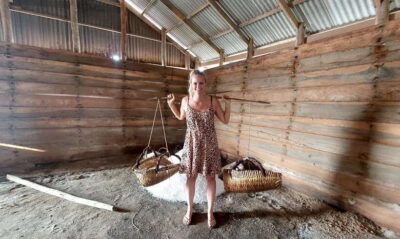
Pepper Farm Tour, Salt Field, Cave & Secret Lake
Read our review →
Kampot Countryside include Pepper farm, Salt field & Lake
Read our review →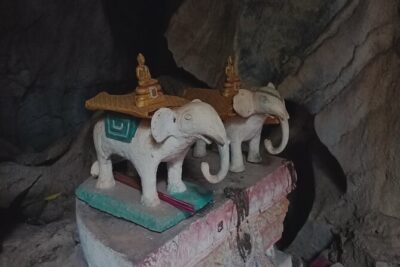
Kampot Countryside include Pepper farm,Salt field and Secret lake
Read our review →
Kampot Private Tour: Pepper Farm, Salt Field & Secret Lake
Read our review →Lists this farm appears in