
Reviewed · COOKING CLASSES
Okinawa: Traditional farming experience & cooking and a meal
The most interesting part of this Sesoko Island experience is that you do not simply eat Okinawan food, you help bring it from the soil to the table. You harvest local vegetables and herbs, make a traditional kusu seasoning, then cook and share a meal with the people who grow the ingredients. Food becomes the lesson, not just the reward.
I like the hands-on farming and the chance to make a personal batch of kusu, a family-style Okinawan recipe usually kept within local households. I also like the human scale: this is a private group experience with local farmers, rather than a large cooking class built around a demonstration.
One point needs checking before you book. The advertised duration is 150 minutes, while the timed sections add up to about three hours. Ask for the exact schedule and starting time, especially if you have a ferry, bus, dinner reservation, or another activity afterward.
Key points to know before you book
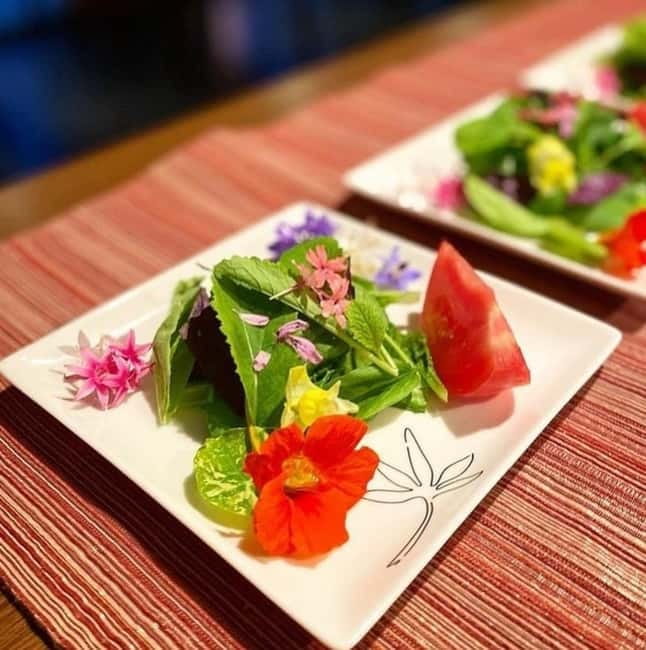
- Harvest your own ingredients: Pick vegetables and ingredients connected with Sesoko Island, then use them in the cooking session.
- Make Okinawan kusu: Prepare a traditional seasoning and take your finished creation home as a souvenir.
- Eat what you help prepare: The meal uses freshly harvested produce and other local ingredients.
- Meet local farmers: The farming portion gives you direct contact with the people who maintain Okinawa’s food traditions.
- Choose your language: Live guidance is available in English, Chinese, and Japanese.
- Plan for simple outdoor work: Wear comfortable clothes and shoes, and bring water.
Why this farm-to-table experience feels different
Many Okinawa food activities begin in a kitchen. This one begins outdoors, with your hands in the soil and seasonal produce in front of you. That change matters. You learn not only what an Okinawan dish tastes like, but also where its ingredients come from and why local farming still matters.
The experience takes place on Sesoko Island, an area described as one of Okinawa’s treasured rural settings. The activity connects the island’s natural surroundings with its food customs, so the agricultural visit is not filler before the cooking class. It is the first part of the lesson.
I like this approach because it gives you a clearer sense of place. A recipe can be copied anywhere. Picking an ingredient in the same community where it is grown gives the meal a stronger local connection.
The experience is led by local people, with Master Jun associated with the Okinawan cuisine program and Mei praised for explaining each step clearly. Since more than one guide name is connected with the experience, confirm who will lead your session when you reserve. Guidance is offered in English, Chinese, and Japanese.
More Cooking Classes in Japan:
- Half-Day Thai Cooking Class at Organic Farm in Chiang Mai
★ 5.0 · 19,087 reviews - Cooking Class and Lunch at a Tuscan Farmhouse with Local Market Tour from Florence
★ 5.0 · 4,831 reviews - Chiang Mai: Authentic Cooking Class with Market & Farm Visit
★ 4.9 · 4,546 reviews
Starting at the beer garden meeting point
You begin at かどや製麺所 星降る森のビアガーデン. From there, the group walks for about 10 minutes to the Sesoko Island activity area. That walk is short, but it is worth including in your planning because the meeting point and the farm are not presented as the same location.
You should arrive in comfortable shoes and clothes you do not mind wearing during outdoor work and cooking. Bring water. The supplied information does not mention transport from hotels, so plan to reach the starting point on your own unless the provider gives you different instructions.
The private-group format is useful here. Farming and cooking both work better when you can ask basic questions without feeling rushed. It also allows the guide to explain the food in a more personal way, rather than giving a set speech to a large crowd.
One hour among Sesoko Island’s crops
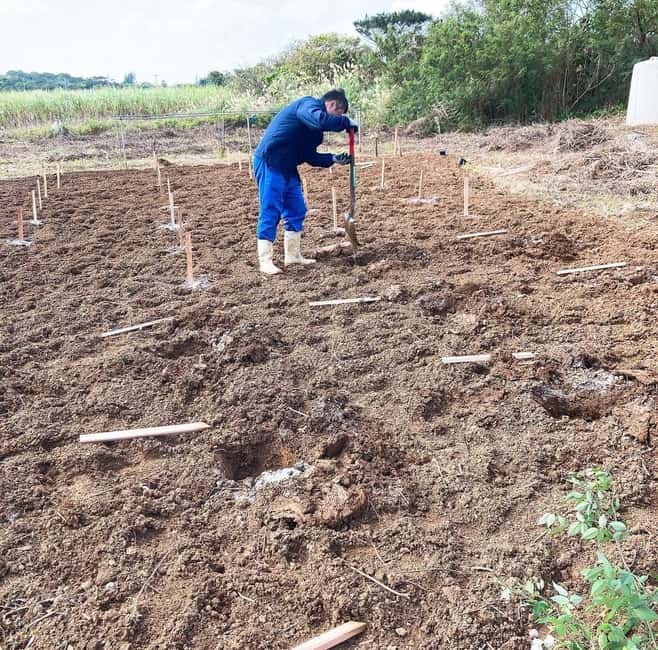
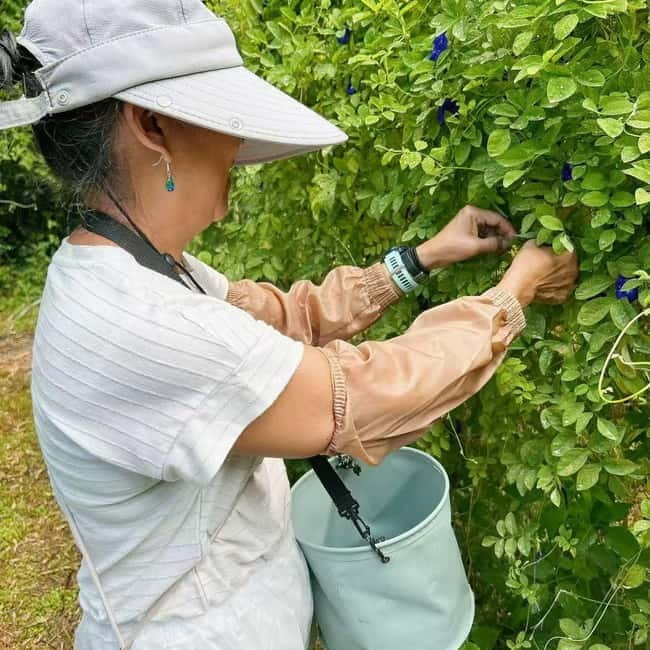
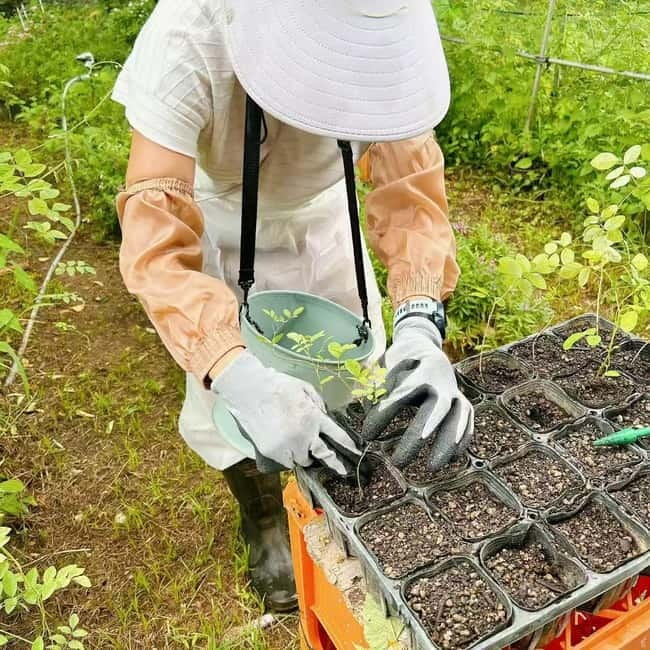
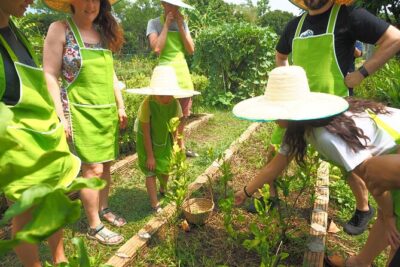
The first main section is an agricultural visit of about one hour. You take part in harvesting vegetables and ingredients native to, or associated with, Sesoko Island. The exact crops can vary with the season, so you should not expect a fixed list of vegetables all year.
This is active participation, not simply a walk through a garden. You feel the texture of the vegetables and herbs, learn about the work of growing food, and speak with local farmers. The farmers are available to answer questions, including simple ones. That makes the activity a good fit if you want practical contact with daily food production rather than a formal lecture.
The harvest also gives you a direct reason to pay attention. You are not picking ingredients as a staged photo opportunity. You will use them later in the cooking session and meal. That connection helps you notice how fresh produce behaves, how it is handled, and how it fits into local dishes.
The outdoor portion may be the least comfortable part for anyone who dislikes heat, dirt, bending, or uneven ground. No detailed accessibility information is provided, so ask the provider about the conditions if walking or farm work is difficult for you.
Making kusu, the experience’s special souvenir
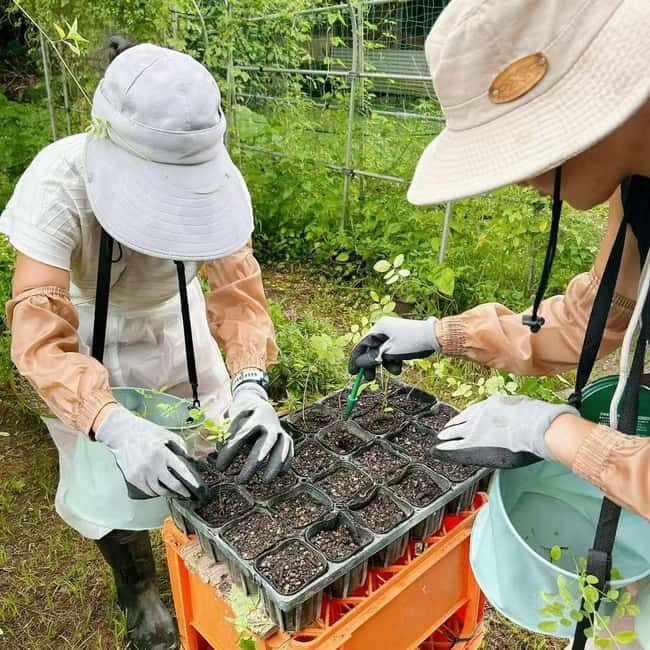
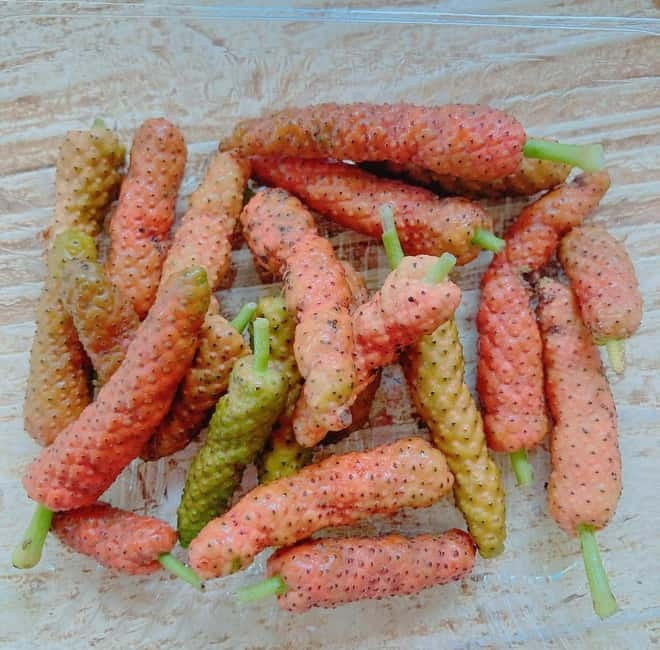
After harvesting, you learn how to make kusu, described as a secret Okinawan seasoning passed through generations. Recipes of this kind are often kept within families, so being shown the method gives this short activity a special cultural angle.
The finished kusu is also a personal keepsake. You do not leave with a generic packaged product bought from a shop. You make something during the experience and can bring the flavor of Okinawa home.
One practical point is especially helpful: the provider has supported participants with sending their secret elixir by post. The available information does not give shipping prices, restrictions, or delivery times, so ask about those details if you are flying soon or traveling internationally. Do not assume the shipping service is included in the $61 price.
This part should appeal to anyone who enjoys food souvenirs with a story. It may be less appealing if you want a quick tasting only, since you will spend time learning and preparing rather than simply sampling finished products.
More Farm Tours in Japan:
- Hokkaido Lavender farm & Furano Flower Tour from Sapporo
★ 4.5 · 28 reviews - Mt. Fuji Private Chartered Tour with Nature and Wasabi Farm
★ 5.0 · 24 reviews - Uji and Wazuka Matcha Farm Half Day Private Guided Tour
★ 5.0 · 21 reviews - Wasabi Farm Walking Tour & Lunch
★ 4.5 · 20 reviews
Cooking Okinawan dishes with the harvest
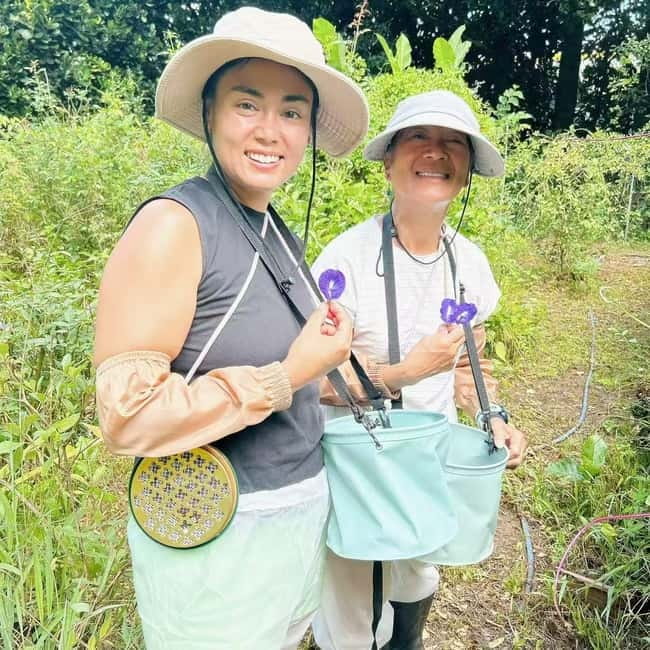
The cooking class follows the farm visit and lasts about one hour in the stated schedule. You prepare traditional Okinawan dishes using seasonal ingredients, including some of the vegetables you harvested.
The value here lies in the connection between the steps. You have seen the crops, touched them, and selected them. Then you help turn them into lunch or dinner. That sequence gives you a better feel for Okinawan cooking than a class where all ingredients arrive measured and ready.
The exact menu is not specified, so you should not book expecting a particular dish. The meal is described as traditional Okinawan food made with local ingredients, and the produce changes with the season. The class may therefore be more about local methods, ingredients, and food traditions than about taking home a precise restaurant recipe.
Mei received particular praise for explaining each step as the group worked. That detail matters if you are new to Japanese cooking or worried about language. Still, cooking vocabulary can vary, so use the booking form or pre-tour contact to confirm your preferred guide language.
The activity is also suitable for curious children or families only if the provider confirms that the group setup works for them. The information does not set a minimum age or describe child facilities, so do not assume this is designed as a children’s program.
Sharing the meal at the same table
The final food portion is a meal and tasting with freshly harvested vegetables and other local ingredients. The supplied schedule assigns about one hour to dinner, giving you time not only to eat but also to talk with farmers and local people.
This is where the experience’s cultural purpose becomes clearest. Okinawan cuisine is presented through the people who grow, prepare, and explain it. You get the story behind the food, not just a plate with an unfamiliar name.
The menu is not fixed in the information provided. That is good for seasonal cooking, but it means you should ask ahead about allergies, dietary restrictions, and what the meal may include. There is no stated promise of vegetarian, vegan, gluten-free, or allergy-specific substitutions.
Alcohol is not included. You may be able to buy or order a drink at the meeting location, but that is not confirmed, so budget separately and ask the provider. The listed $61 price covers the agricultural experience, meal with local ingredients, and interaction with local farmers.
The meal is likely to be the most social part of the outing. If you prefer a quiet, private dinner with no instruction, a regular restaurant may suit you better. If you like eating food while hearing how it fits into local life, this is the stronger choice.
What the $61 price gives you
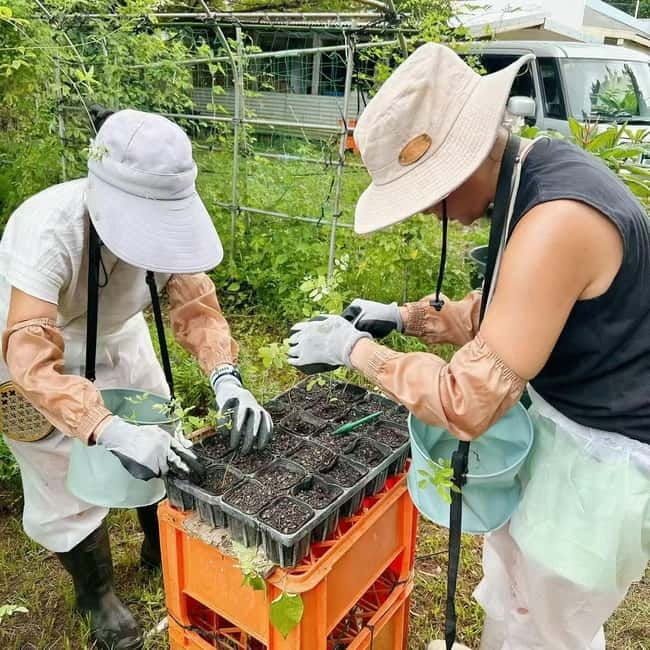
At $61 per person, this experience offers more than a meal. You receive a farm visit, active harvesting, a cooking class, a meal, local interaction, and the chance to make kusu. You are paying for time with people who connect the ingredients to the island, not only for the food itself.
I see the best value in the three linked activities: harvesting, cooking, and eating. Remove any one of them and the experience becomes less distinctive. Together, they create a clear story from field to table.
The price does not include alcohol. It also does not state that transportation to the meeting point, shipping of your kusu, or any extra purchases are included. Those costs may be minor, but you should ask before booking if you are keeping to a tight budget.
The private format can make the price more reasonable for couples, families, or small groups who want direct attention. Solo visitors should compare the total cost with other cooking classes, since private experiences can offer better conversation and flexibility but may cost more than a large shared class.
Timing, languages, and practical planning
The activity is advertised as lasting 150 minutes, with starting times available by date. However, the listed sequence gives one hour for the Sesoko Island visit, one hour for cooking, and one hour for the meal, plus the 10-minute walk each way. That creates a timing mismatch.
I would ask three questions before committing:
- What is the actual total duration on my chosen date?
- Does the 150 minutes include the walk and meal?
- What time will I return to the starting point?
This matters if you are arranging transport around northern Okinawa or planning another activity later in the day.
Live guidance is available in Chinese, English, and Japanese. The experience is for a private group, which is useful if language needs vary within your party. Confirm your preferred language in advance, rather than assuming every session will have every language available.
The starting location is the beer garden at かどや製麺所 星降る森のビアガーデン. The stated route is on foot for about 10 minutes. Comfortable shoes are the right choice, and water is specifically recommended.
The activity is listed as not suitable for people with altitude sickness. That warning is unusual for an island farming activity, but you should follow it and ask the provider if you have any health concern. No detailed accessibility information is provided.
Free cancellation is available up to 24 hours before the activity for a full refund. You can also reserve now and pay later, which is useful if your Okinawa schedule is still changing.
Who will enjoy this most
I would recommend this experience to you if you:
- Want a food activity tied to local agriculture
- Prefer small, personal experiences to large group tours
- Enjoy cooking and do not mind simple outdoor work
- Like making food souvenirs rather than buying standard gifts
- Want to ask farmers about Okinawan ingredients
- Need English, Chinese, or Japanese guidance
- Are happy for the menu to depend on seasonal produce
It is less suitable if you want a polished restaurant meal with a fixed menu, dislike farm work, need a fully confirmed short schedule, or have serious dietary or mobility concerns that have not been discussed with the provider.
The activity also has a warm, informal character. The setting includes friendly local people and, according to the experience details, cats on site. If you enjoy a rural stop with a bit of everyday life around it, that may add to the charm. If you want a tightly controlled culinary demonstration, expect this to feel more relaxed and personal.
Final verdict: book it for the connection
I would book this for the farm-to-table chain, the kusu-making, and the chance to eat alongside local people. The strongest part is not any single dish. It is the way the experience links soil, seasonal ingredients, cooking, and conversation.
Before paying, confirm the actual duration, the guide’s name, your preferred language, allergy accommodations, and any shipping cost for the kusu. If those details work for your plans, the $61 price is fair for a private, hands-on Okinawan food experience.
FAQ
Where does the experience begin?
It begins at かどや製麺所 星降る森のビアガーデン.
How do I reach the activity area?
The stated route from the starting point to Sesoko Island is about 10 minutes on foot.
How long does the experience last?
The advertised duration is 150 minutes. The detailed schedule lists about one hour for the island visit, one hour for cooking, and one hour for the meal, so confirm the exact timing with the provider.
What languages are available?
Live guidance is available in Chinese, English, and Japanese.
Is this a private activity?
Yes. It is listed as a private group experience.
What is included in the price?
The price includes the agricultural experience, a meal with local ingredients, and interaction with local farmers.
Is alcohol included?
No. Alcohol drinks are not included.
What should I bring?
Bring comfortable shoes, water, and comfortable clothes.
Can I cancel for a refund?
Yes. You can cancel up to 24 hours in advance for a full refund. Reserve now and pay later is also available.
Just added around Japan
- Wasabi Farm Walking Tour with Lunch★ 4.4 · 2 reviews
- 7 Hours Private Guided Tour Uji and Wazuka Matcha Farm★ 5.0 · 2 reviews
- From Tokyo Mt.Fuji, Lake Kawaguchi, Makaino Farm day tour★ 5.0 · 8 reviews
- Hida Private E-Bike Tour with Premium Lunch and Farm Experience★ 5.0 · 7 reviews
- Guided Bike Tour to a Green Tea Farm in Shizuoka (not e-bikes)★ 5.0 · 5 reviews
- Hokkaido Farm Tomita Shikisai Hill Waterfall& Blue Pond Day Tour★ 3.5 · 6 reviews
- Wasabi Farm Walking Tour & Lunch★ 4.5 · 20 reviews
- 7hr Private Wazuka True Hidden Kyoto Matcha Farm Experience★ 5.0 · 3 reviews
Cooking Classes, compared.
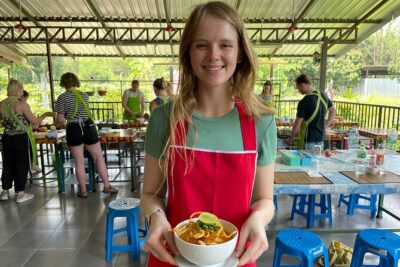
Half-Day Thai Cooking Class at Organic Farm in Chiang Mai
Read our review →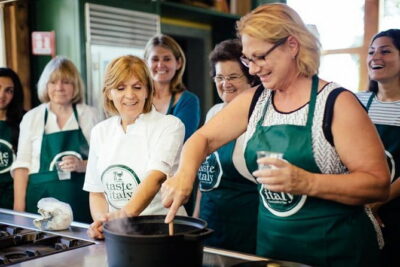
Cooking Class and Lunch at a Tuscan Farmhouse with Local Market Tour from Florence
Read our review →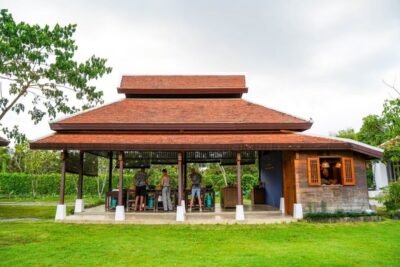
Authentic Cooking Class with Market & Farm Visit
Read our review →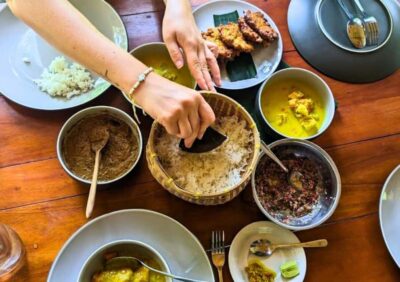

Hands-On Cooking Class & Farmhouse Tour on the Amalfi Coast
Read our review →
Lists this farm appears in