
Reviewed · FARMERS MARKET TOURS
Rome: Vatican Street Food and Wine Tour with Farmers Market
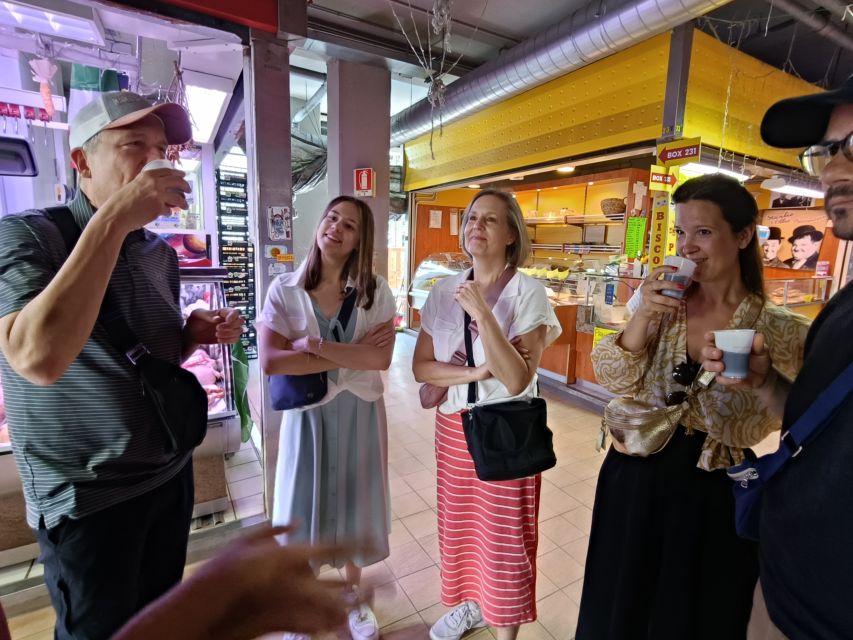
Rome’s best food lessons often happen away from its grand monuments. This two-hour walk takes you through Prati and Trionfale, ending at the Trionfale Market, where you can taste pizza, cheeses, cured meats, fried rice balls, pastries, and regional wine beside the people who sell them. I like the market setting and the practical food advice you get along the way. I also like that guides such as Bruno, Barbara, Martina, Matteo, and Gabriel bring different bits of Roman history and neighborhood life into the walk.
The main drawback is the narrow food policy. This tour does not accommodate vegan, gluten-free, dairy-free, or lactose-intolerant participants, and vegetarian requests must be given in advance. At $79 per person, the price makes the most sense if you value a guided market visit, several tastings, and useful tips for eating well in Rome.
Key points to know before booking
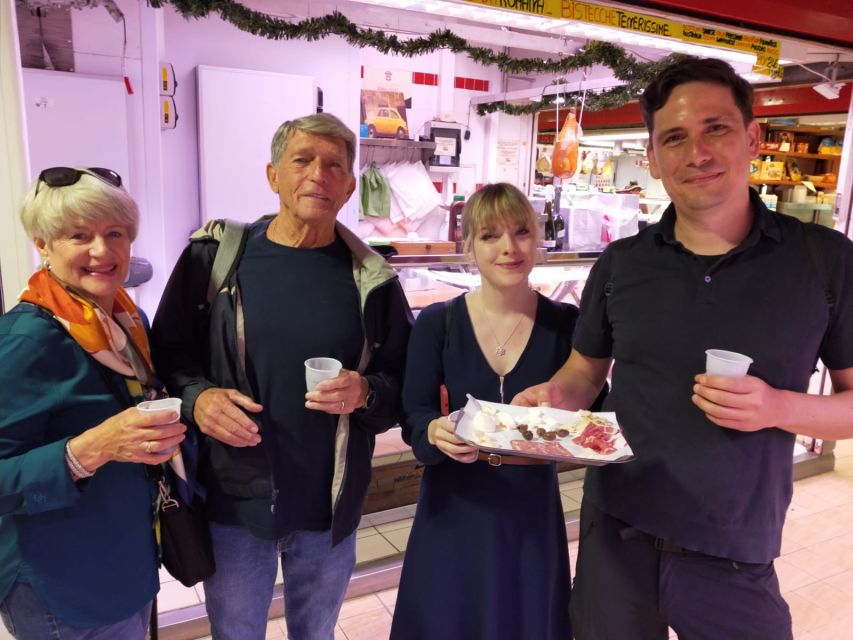
- Taste Roman staples at Trionfale Market: Expect foods such as fresh pizza, cheeses, cured meats, olives, pastries, and fried rice balls.
- Walk beyond the Vatican’s main sights: The route introduces you to Prati and Trionfale, two districts with a more everyday Roman feel.
- Wine is part of the meal: Regional wines are served with the food, so this is more than a market sightseeing walk.
- Guides add practical local advice: Bruno has helped visitors choose market produce, while Barbara, Martina, Matteo, and Gabriel have led food and history-focused tours.
- The route lasts two hours: You start at Santa Maria delle Grazie al Trionfale and finish at Piazza del Risorgimento.
- Dietary limits matter: The tour is not suitable for vegans or people avoiding gluten, dairy, or lactose.
Starting beside Santa Maria delle Grazie al Trionfale
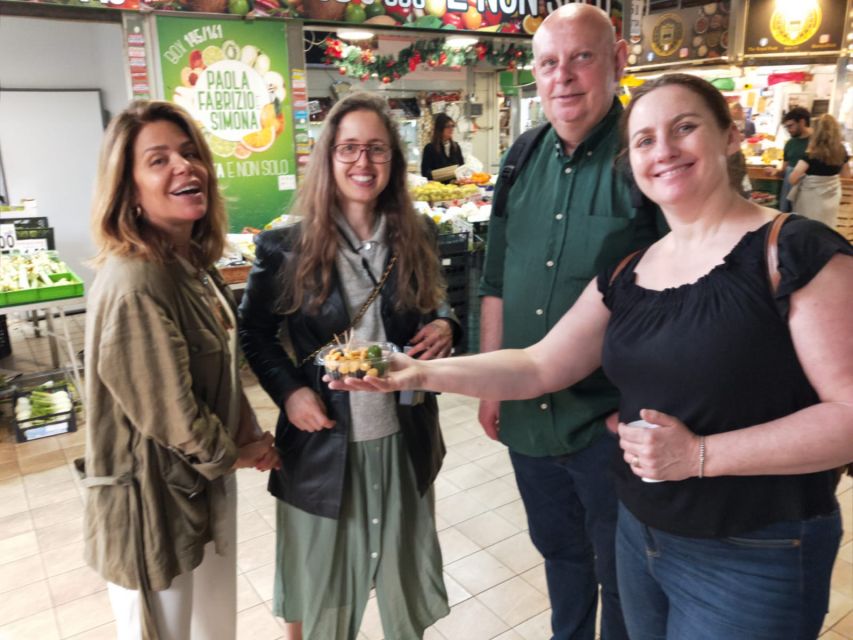
Your meeting point is on the stairs in front of the church of Santa Maria delle Grazie al Trionfale. This is near the Vatican, but the tour is not a Vatican Museums visit and does not include a museum or basilica entry. You are here to walk the surrounding neighborhoods and eat your way through a working market district.
Arrive ready to walk. The route moves through city streets and market aisles, so comfortable shoes are more useful than anything formal. Weather-appropriate clothing also matters, since the experience takes place outdoors as well as inside the market.
The guide speaks English, and the tour is designed as a small group. That format should make it easier to ask questions, hear the explanations, and follow the guide through busy stalls. The end point is Piazza del Risorgimento, which gives you a useful location for continuing toward the Vatican area after lunch.
More Farmers Market Tours in Italy
- Tasty Trionfale Farmers Market Food Tour and Local Wines Tasting
★ 5.0 · 43 reviews - Farmers Market Shopping with Roman Full Course Class – (SHARED)
★ 5.0 · 23 reviews - Farmers Market Shopping and Roman Full Course Class – SHARED
★ 5.0 · 12 reviews
Prati and Trionfale, Rome beyond the postcard
The early part of the tour shows you a side of Rome that can be missed if your schedule runs only between the Colosseum, Trevi Fountain, and Vatican Museums. Prati and Trionfale are city neighborhoods, not just monument zones. You walk past restaurants, food shops, historic places, and ordinary streets while your guide explains local customs and Roman life.
I like this approach because food makes a neighborhood easier to understand. You are not only hearing what Romans eat. You are seeing where they shop, how food is presented, and which products are treated as everyday staples rather than special-occasion treats.
The guide also points out sights and shares facts about Rome during the walk. The supplied experience does not give a fixed list of monuments or historic stops, so you should think of this as a flexible neighborhood introduction rather than a formal sightseeing tour. The food remains the main event.
Several guides have led this experience, including Bruno, Barbara, Martina, Matteo, and Gabriel. Their styles may differ, but the strongest pattern is clear: the guide is expected to explain the market area, answer questions, and connect what you are eating with Roman culture. Bruno, in particular, has introduced people to market sellers and helped them understand what to buy for later meals.
Inside Trionfale Market
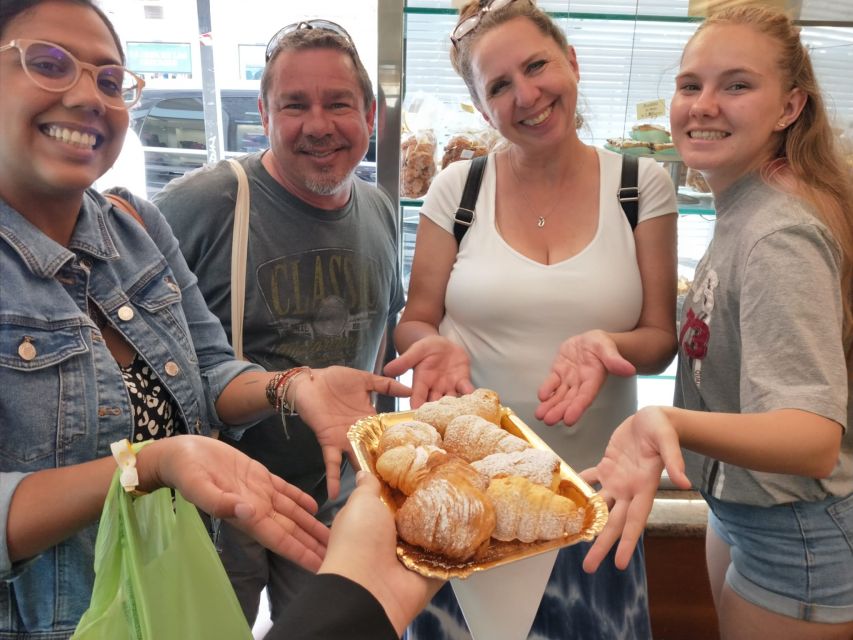
The central stop is Trionfale Market, described as one of Rome’s biggest and oldest farmers markets. This is where the tour shifts from neighborhood walking to direct tasting. You move among stalls and food sellers, sampling products while learning how the market works.
The market is valuable even if you are not a serious food person. It gives you a look at shopping in Rome that a restaurant meal cannot provide. You can see fresh produce, prepared foods, cheeses, cured meats, pastries, coffee, truffles, mushrooms, and other regional products in one place. The experience connects the display of food with the people selling it.
The exact order and selection can vary, but the tasting list includes several Roman and Italian favorites:
- Freshly baked pizza
- Cheeses and cured meats
- Fried rice balls, often known in Rome as supplì
- Olives and pastries
- Fruits and other market produce
- Truffles and mushrooms
- Coffee
- Regional wine
You should not read this as a promise that every item will appear in the same form on every departure. Market availability can change. Still, the range is broad enough to make this feel like a proper food walk rather than one snack followed by a short stroll.
The fried rice balls are a particularly useful Roman taste. They are filling, portable, and closely tied to the city’s casual food culture. Pizza offers another familiar entry point, while cheeses, cured meats, olives, and wine let you compare simple products by quality and regional character.
Wine, food, and the rhythm of the tasting
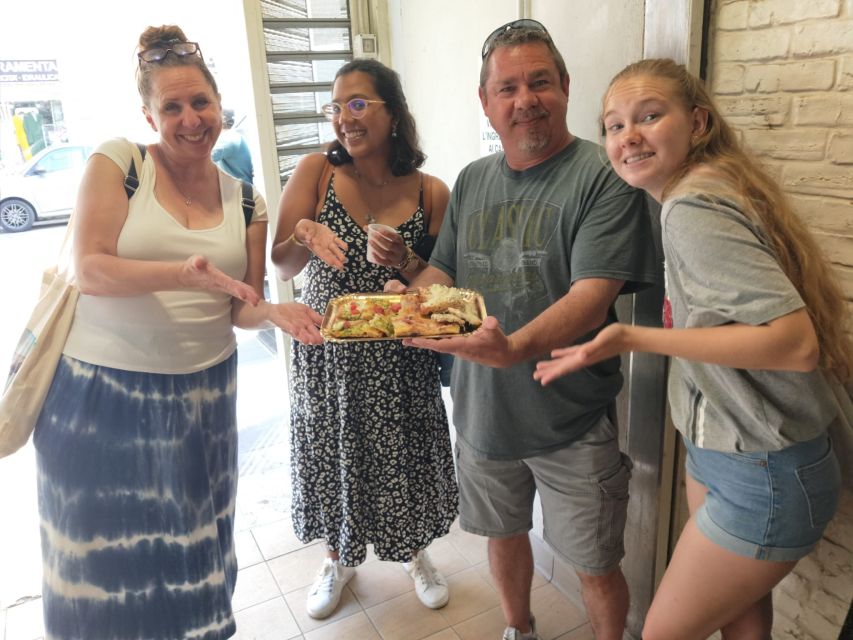
Wine is not an afterthought here. You taste regional wines alongside the food, which helps explain why the experience costs more than a basic market visit. The combination also gives the tour a relaxed, social rhythm: a small bite, a sip, a little context, then another stop.
Past tastings have included generous pours and several rounds of food, but you should pace yourself. Two hours can pass quickly when the group is stopping repeatedly. If you have a full dinner reservation soon after the tour, keep that in mind when you decide how much to sample.
The strongest food experience comes from variety. A slice of pizza gives you a warm, baked taste. Cheese and cured meat show off preserved food traditions. Pastries provide something sweet, while wine ties the different bites together. Coffee may appear as part of the market visit, adding a familiar Italian finish.
I also like the chance to buy food after tasting it. The market is not only a place to look around. It can be useful for picking up picnic supplies, a quick meal, or edible gifts. Bruno has helped people choose produce and understand what is worth buying. That sort of advice can save you from selecting a beautifully packaged item that does not suit your plans.
Prices in the market are described as low compared with the quality. You should still check current prices yourself, but the tour can give you the confidence to return later and shop without guessing. This is one of the most useful benefits of visiting a market with a local guide.
Same fields, a different sort of morning:
- Florence Pizza or Pasta Class with Gelato Making at a Tuscan Farm
★ 5.0 · 6,801 reviews - Cooking Class and Lunch at a Tuscan Farmhouse with Local Market Tour from Florence
★ 5.0 · 4,831 reviews - Sorrento Farm and Food Experience including Olive Oil, Limoncello, Wine tasting
★ 5.0 · 2,524 reviews - Sorrento: Pizza Lesson, Wine, and Limoncello at a Local Farm
★ 5.0 · 1,513 reviews
What the guides add to the route
A good food walk depends heavily on the person leading it. Here, the guides have included Bruno, Barbara, Martina, Matteo, and Gabriel. The experience is not built around a single named personality, so your guide may shape the mood and emphasis of the tour.
Bruno’s approach has focused on the market’s sellers and producers, along with practical advice about fresh food. Barbara has been praised for explaining how to notice important details around the places you visit. Martina has combined a friendly manner with clear explanations of the food and local area.
Matteo has offered stories about Rome and helped with buying choices, while Gabriel has focused on the city and its food. These details matter because the tour is not just a sequence of samples. You want someone who can explain what you are eating, answer questions, and help you make sense of the market.
The best use of your guide is to ask direct questions. Ask what to buy for a picnic, which foods are best eaten immediately, how a particular product is used, or where to return for another meal. The tour is short, so specific questions help you get more from it.
Is $79 a fair price?
At $79 per person, this is not the cheapest way to eat in Rome. You could buy pizza, coffee, and a snack on your own for less. The price includes a live English-speaking guide, a small-group walk, food tastings, and wine, so the real comparison is with booking several separate food stops and paying for local context.
I see the value in three parts. First, you get access to a market that can feel confusing on your own. Second, the tastings cover several types of food rather than a single dish. Third, you leave with ideas for future meals and possible purchases.
The value is strongest for first-time visitors, people who enjoy trying many small portions, and anyone who wants a gentle introduction to Roman food before exploring restaurants independently. It is less convincing for someone who has already spent several days eating through Rome’s markets and knows exactly where to shop.
Some people have found the tastings generous enough to make the price feel low for what is included. That is encouraging, but portions and selections may depend on the day. I would treat the tour as a substantial tasting walk, not a guaranteed replacement for lunch or dinner.
The main limitation: dietary restrictions
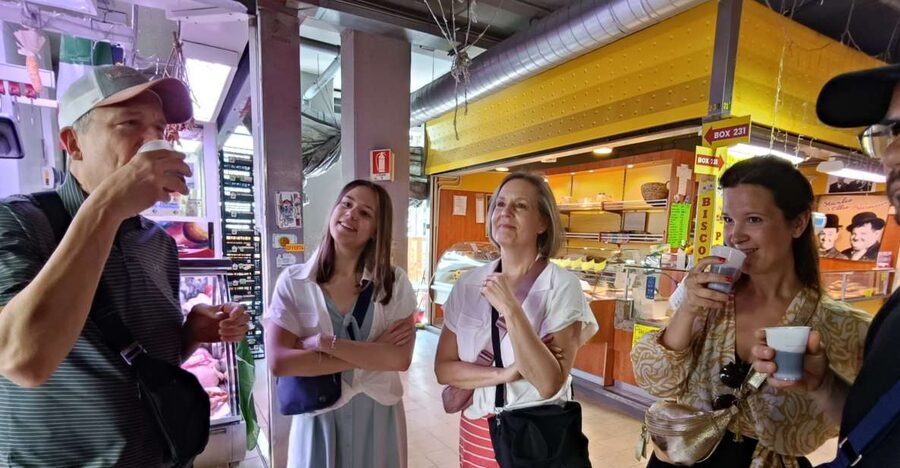
This tour has a firm food limitation. It does not accommodate vegans, people with gluten intolerance, people with lactose intolerance, or people requiring dairy-free food. It is also not suitable for wheelchair users.
Vegetarian options may be possible, but you must tell the activity provider in advance. Do not wait until the meeting point. If your diet is strict, this is not a tour to book and hope will work out.
The food focus also means you should expect products that contain bread, cheese, meat, or dairy. Wine is included, and the market tasting is built around traditional Roman and Italian foods rather than substitutions. For the right eater, this is a strength. For anyone with serious allergies or restrictions, it is a clear reason to choose another experience.
Who will enjoy this two-hour walk?
I would recommend it most strongly if you want to:
- Try many Roman foods without planning every stop yourself
- See a local market near the Vatican
- Learn practical food-buying tips
- Combine sightseeing with wine tasting
- Get neighborhood context before a longer stay in Rome
- Shop for picnic ingredients after the tour
It also works well early in your Rome visit. The route can help you understand what to look for in markets and food shops during the rest of your trip. You may finish with a better sense of which products appeal to you and how to order or buy them.
Couples, friends, and solo visitors can all fit the format. A birthday outing has worked well for one couple, and the friendly small-group setting should suit people who like conversation without committing to a full-day food tour.
I would be more cautious if you want a formal Vatican tour, a detailed art lecture, or a carefully controlled tasting menu. This is a neighborhood walk with food and wine, not a museum experience or a restaurant crawl built around elaborate courses.
Practical details for the day
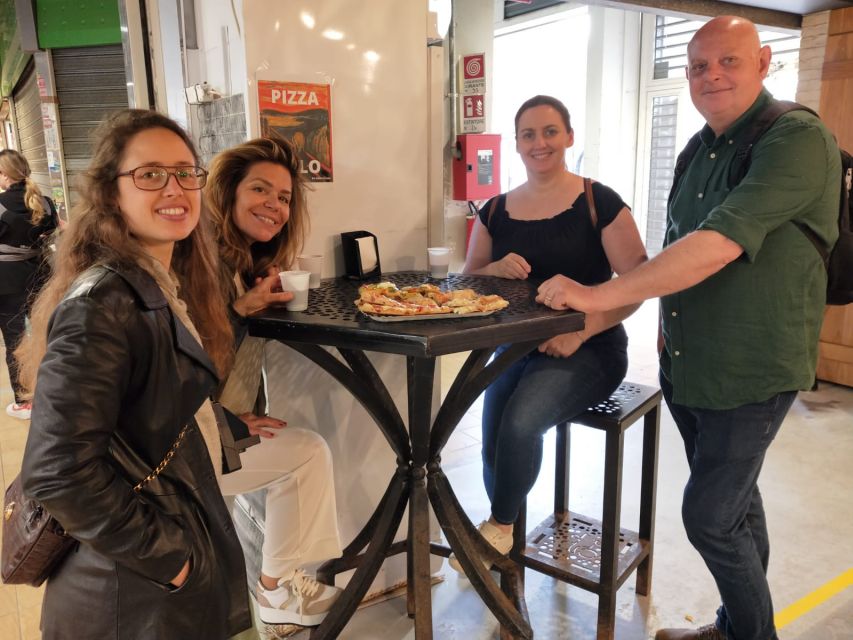
The tour lasts two hours and is conducted in English. You meet your guide at the stairs in front of Santa Maria delle Grazie al Trionfale and finish at Piazza del Risorgimento.
Wear comfortable shoes and clothing suited to the weather. You will walk through city streets and spend time around market stalls, so ease matters more than dressing up.
The activity offers free cancellation up to 24 hours before the start for a full refund. You can also reserve now and pay later, which is useful if your Rome schedule is still taking shape. Check the available starting times when booking, since the start time is not fixed in the supplied details.
Should you book the Vatican street food and wine tour?
Book it if you want a friendly introduction to Roman food, a real market setting, and enough tastings to turn lunch into a small cultural lesson. The combination of Trionfale Market, Prati streets, regional wine, and practical buying advice gives the two-hour route a clear purpose.
Skip it if you need vegan, gluten-free, dairy-free, or lactose-free food, or if you want a tour focused mainly on Vatican art and architecture. For everyone else, $79 is a fair price when the tastings are generous and you make use of the market advice. I would schedule it near the beginning of your Rome stay, then return to Trionfale Market later with your new shopping notes.
FAQ
Where does the tour meet?
The guide waits on the stairs in front of Santa Maria delle Grazie al Trionfale.
Where does the tour end?
The walk ends at Piazza del Risorgimento.
How long does the tour last?
The tour lasts two hours.
What language is the tour conducted in?
The live tour guide speaks English.
What food and drink can I expect?
Tastings can include cheeses, fresh pizza, fried rice balls, cured meats, olives, pastries, fruit, truffles, mushrooms, coffee, and regional wine.
Can I join if I am vegetarian or have a food allergy?
You must tell the activity provider in advance if you need vegetarian food or have allergies or intolerances. The tour does not accommodate vegan, gluten-free, dairy-free, or lactose-intolerant participants.
More Market Tours in Italy
- Florence: Cooking Class at a Tuscan Farm & Local Market Tour
★ 4.9 · 354 reviews - Farmers’ Market Shopping with Cooking Class and Pasta Making
★ 5.0 · 91 reviews - Chiang Mai: Authentic Cooking Class with Market & Farm Visit
★ 4.9 · 4,546 reviews - Floating & Railway Market and Coconut Farm Tour [Optional Luxury]
★ 5.0 · 835 reviews
More Food Tours in Italy
- Florence Sunset Food Tour with Wine & Dine at a Tuscan farmhouse
★ 5.0 · 194 reviews - Food Experience at our Farm in Noto Hills
★ 5.0 · 17 reviews - Dine in our Family run Farmhouse – Traditional organic Food & Wine
★ 5.0 · 15 reviews - Charleston Farm-to-Table Food Tour and Chef’s Challenge
★ 5.0 · 110 reviews
Just added around Italy
- Paestum and Buffalo Farm Day Tour from Sorrento★ 5.0 · 3 reviews
- Slowlife Family Farm- Cook with us From Garden to Table Syracuse★ 5.0 · 10 reviews
- Siena: Small-group Cooking Class in a Chianti Farm★ 4.9 · 21 reviews
- Small Group E-Bike Chianti Tour with farm lunch from Siena★ 5.0 · 34 reviews
- Alcamo Farm Animals and Aromatic Garden★ 4.0 · 45 reviews
- Food Experience at our Farm in Noto Hills★ 5.0 · 17 reviews
- Guided tour of the Marsala Salt Pans and salt harvesting★ 4.7 · 60 reviews
- Visit to the olive grove, oil tasting and lunch at the farm★ 5.0 · 31 reviews
Farmers Market Tours, compared.
San Francisco Food Tour: Ferry Building and Ferry Plaza Farmers Market
Read our review →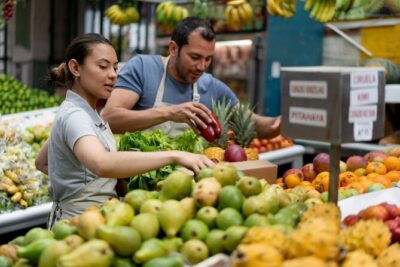
VIP Bogota City Tour: Farmers Market, Monserrate, Candelaria, 9hr
Read our review →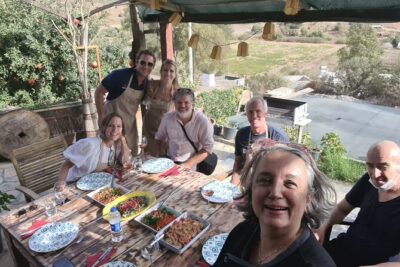
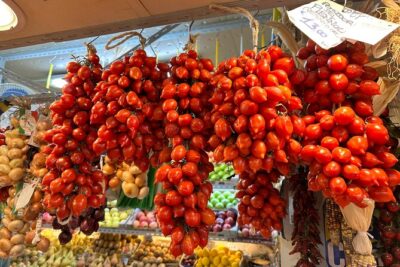
Tasty Trionfale Farmers Market Food Tour and Local Wines Tasting
Read our review →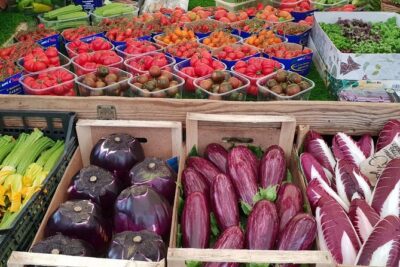
Farmers Market Shopping with Roman Full Course Class – (SHARED)
Read our review →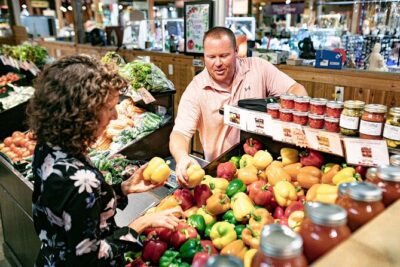
Calgary Food Walking Tour: Calgary Farmers Market
Read our review →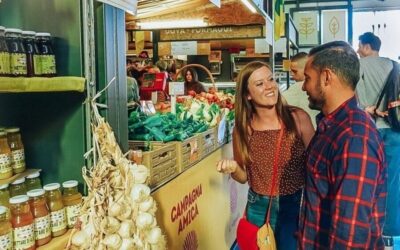
Farmers Market Shopping and Roman Full Course Class – SHARED
Read our review →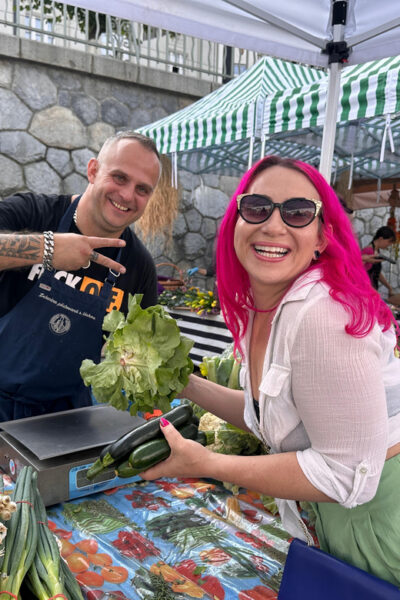
Farmers Market and Brunch Class with Celebrity Chef
Read our review →Lists this farm appears in