
Reviewed · FARMERS MARKET TOURS
Food Tasting at Locals Favorite Farmers Market in Belgrade
The best part of this Belgrade food walk is its personal route through Kalenić Market. Your guide has been a regular customer for 15 years, so you are not simply sampling random dishes. You move from a family bakery to familiar market sellers, tasting foods that locals buy for their own tables.
I like the careful order of the meal, from hot burek and peppery ajvar through creamy kaymak, crunchy čvarci, grilled ćevapi, and syrupy sweets. I also like the friendly, unhurried feel. Guides such as Ksenija make introductions at the stalls, and the people serving the food are part of the experience.
The main drawback is the short schedule: this is a 90-minute morning tour, offered only Friday through Sunday from 9:30 a.m. to noon. At $63.44 per person, it is not a cheap snack crawl, though the tastings together can amount to a full meal and the private format adds value.
Key points at a glance
- An 80-year-old bakery starts the meal: Your first taste is hot burek with meat or cheese, served straight from the oven.
- Local producers shape the route: You try ajvar, kaymak, and čvarci from sellers known by the guide, not generic supermarket versions.
- The Serbian grill gets its own stop: Fresh ćevapi come directly from a popular market grill.
- Dessert tells two stories: Baklava and related Ottoman sweets share the finale with žito, an Orthodox ceremonial dish.
- The pace is relaxed but focused: You move counter to counter without spending time on a long market lecture.
- It is a private English-language outing: Only your group takes part, with the tour beginning and ending at Kalenić Market.
Why Kalenić Market is the right place to eat Serbian food
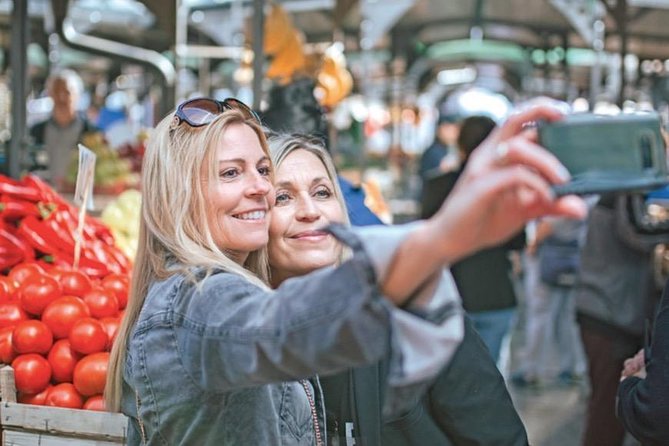
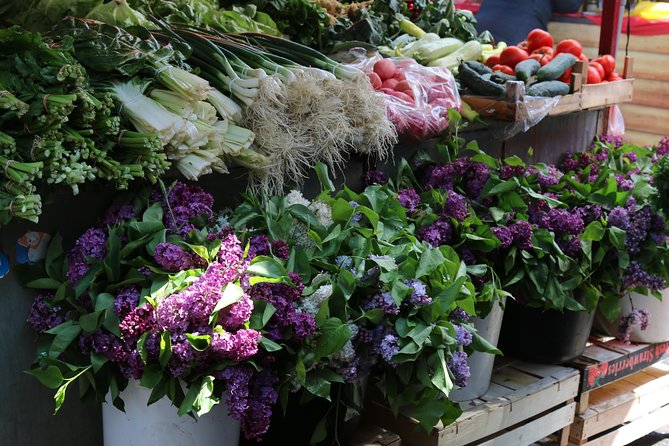
Kalenić Farmers Market gives you more than a menu. It lets you see the foods in their working setting, among produce stalls, bakeries, grills, dairy sellers, and small counters. The sounds, smells, and colors are part of the meal, and you can watch people shop for the same ingredients you are tasting.
That matters in Belgrade. Serbian food is closely tied to home cooking and small producers, so a market is a better setting than a restaurant if you want to understand how these dishes fit into daily life. You are not being served a polished tasting menu in a formal dining room. You are being led from one familiar counter to another.
The guide’s long connection to the market is useful here. Fifteen years as a regular customer means the route is built around personal trust and repeat purchases. The sellers are not just anonymous stops. The food comes from farmers and traditional producers the guide knows by name.
I also like the format for a first morning in Belgrade. You get a quick introduction to several important Serbian foods without having to decode menus, compare stalls, or guess which version is worth trying. If you have only a short time in the city, this gives you a food map you can use for the rest of your visit.
More Farmers Market Tours in the world:
- San Francisco Food Tour: Ferry Building and Ferry Plaza Farmers Market
★ 4.5 · 92 reviews - VIP Bogota City Tour: Farmers Market, Monserrate, Candelaria, 9hr
★ 5.0 · 66 reviews - Farmers Market visit & Turkish Cooking Class
★ 5.0 · 60 reviews
Hot burek at the old family bakery
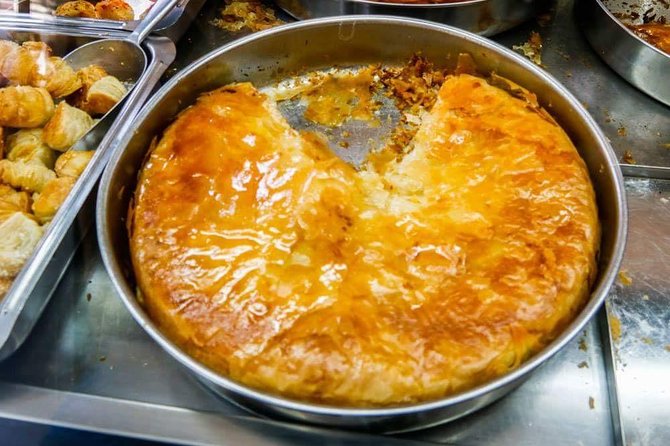
The first stop is an old-school bakery that has been operating for 80 years. Here, you begin with burek, a layered phyllo pastry filled with meat or cheese and served hot from the oven.
This is a smart opening. Burek is filling, familiar in much of the Balkans, and best when the pastry is still warm. The appeal is in the contrast between crisp layers and the soft, savory filling. Starting with a whole plate rather than a tiny nibble also sets the tone for the rest of the morning.
The bakery is one of the most memorable parts of the route because it feels tied to the neighborhood. You are not just hearing that burek is important. You are seeing it come out of a family business with decades of practice behind it.
There is one practical point to keep in mind: burek is substantial. Since the tour continues with bread, dairy, pork, grilled meat, and sweets, you should arrive hungry but not overloaded from breakfast. The complete sequence is designed as a meal, not a few decorative samples.
Ajvar and kaymak, Serbia on fresh bread
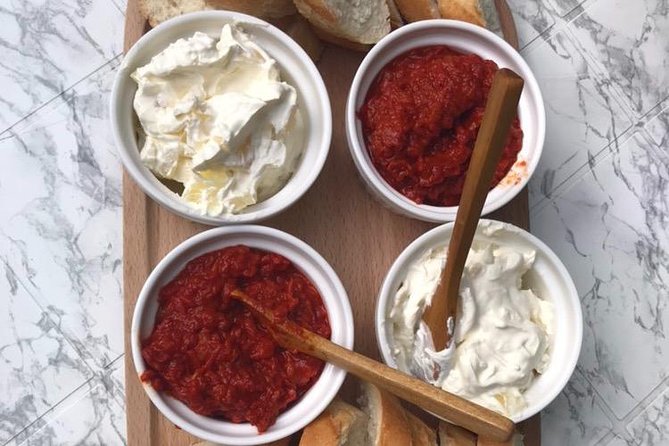
Next comes ajvar, the red pepper spread often called vegetable caviar. It is made from roasted peppers, sunflower oil, and salt, then served on fresh sourdough bread.
Ajvar can vary widely. Some versions are smoky, some sweet, and some have a stronger pepper bite. Here, you taste an award-winning version and hear the family recipe behind it. That detail gives the sample more meaning. You can think about the work involved in roasting and grinding the peppers instead of treating ajvar as just another dip.
I would pay attention to the texture and finish. The spread should feel smooth but substantial, with the roasted pepper doing most of the work. If you like it, the experience gives you a chance to buy a small jar to take home, a useful souvenir that is easier to carry than most market foods.
Ajvar leads naturally to kaymak. This is a creamy dairy spread made from cow’s milk, skimmed the day before, with nothing but milk and salt. It comes on sourdough bread, and its mild, fatty character makes a good partner for the brighter pepper spread.
For me, this is one of the most useful pairings on the tour. You taste two simple spreads side by side, one built around roasted vegetables and the other around dairy. That comparison helps you understand the balance often found in Serbian meals: bold, savory flavors alongside soft and creamy ones.
Čvarci, the crunchy pork specialty
Čvarci are pork cracklings made from pork fat. They are crisp and savory, but the best pieces can also soften and melt as you eat them.
This is the most assertive stop for anyone cautious about rich meat products. The portion is served with fresh sourdough bread, which gives the cracklings a plain base and keeps the focus on their texture. You may find the combination especially appealing if you like salty snacks with a strong crunch.
I appreciate that the route includes foods that are not designed for every palate. A food tour should show you something beyond the safest choices, and čvarci are a clear part of Serbian food culture. If you avoid pork, this is an important point to consider before booking, since the sample menu includes both čvarci and the meat-based ćevapi.
More Food Tours in the world:
- Sorrento Farm and Food Experience including Olive Oil, Limoncello, Wine tasting
★ 5.0 · 2,524 reviews - Florence Sunset Food Tour with Wine & Dine at a Tuscan farmhouse
★ 5.0 · 194 reviews - Charleston Farm-to-Table Food Tour and Chef’s Challenge
★ 5.0 · 110 reviews - Santorini Family Farm Food & Wine Tour with Cooking Class
★ 5.0 · 107 reviews
Ćevapi straight from the grill
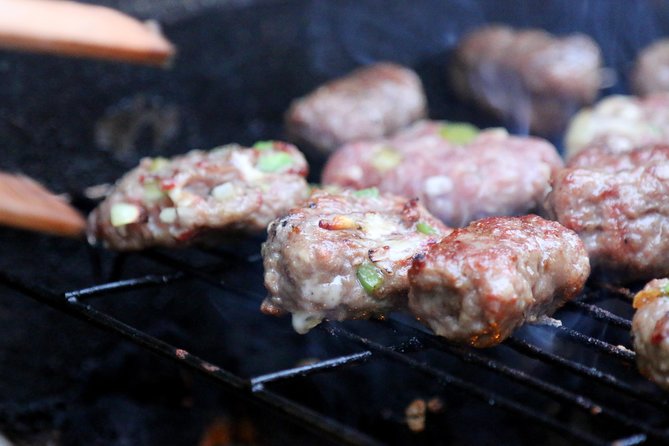
The main savory stop is ćevapi, small batons of minced beef cooked on a grill. You eat them fresh from the market grill, at the place the guide considers a local favorite.
Ćevapi are simple food, but freshness matters. Straight from the grill, the outside should carry the flavor of the cooking surface while the center stays tender. This is not a dish that needs a complicated sauce or elaborate presentation. Its appeal comes from well-seasoned minced meat and proper grilling.
The placement in the meal makes sense. After the pastry and spreads, the ćevapi provide a clear main course. The food is casual and direct, the kind of dish that fits a market better than a formal restaurant.
The tour does not present ćevapi as an isolated national symbol. It places the dish alongside burek, ajvar, kaymak, and čvarci, so you see how different parts of Serbian cooking work together. That makes the tasting more useful than stopping for one famous dish and calling it a food education.
Baklava, kadaif, urmašica, and the meaning of žito
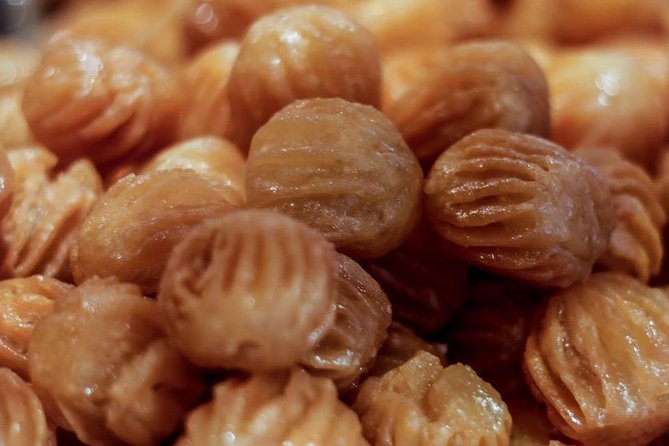
Dessert brings a change of texture and tradition. The selection includes baklava, urmašica, and kadaif, all made with flour, nuts, and a sweet syrup called agda, prepared with water, sugar, and lemon.
These are Ottoman-influenced sweets, and the syrup gives them their familiar sticky sweetness. Baklava is the best-known of the group, while kadaif brings a different texture through fine strands of pastry. Urmašica adds another traditional option to the plate.
The final taste is žito, also known as kolyivo. It is made from boiled wheat, walnuts, and nutmeg, and it is served with a teaspoon. It is not as sweet as the syrup desserts.
Žito has an Orthodox symbolic link to rebirth, so it offers a more reflective finish than the pastries. I like the way the dessert course shows two different influences without turning the explanation into a lecture. You get the pleasure of sweet pastries, then a quieter dish with religious and cultural meaning.
A tiny kiosk and an older woman serving traditional desserts are part of the route’s character. That kind of small counter can be easy to miss if you are exploring alone, which is one reason the guide adds real value here.
What the 90-minute pace feels like
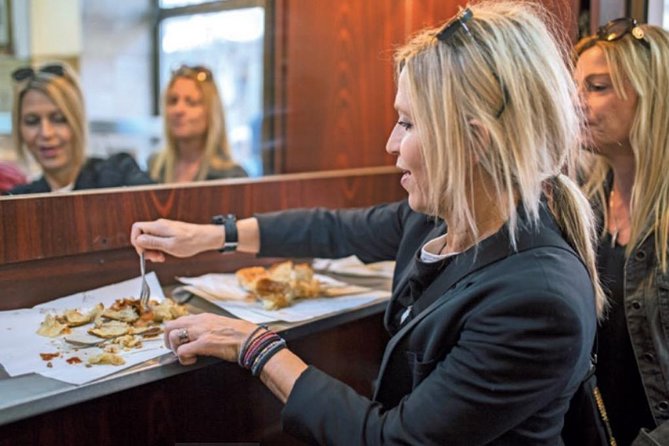
This is a food walk, but it is not a long guided tour of every corner of the market. You move from counter to counter, taste a planned sequence, and pick up stories about the people who make and sell the food.
The pace is described as comfortable and relaxed. That suits the setting. You have enough time to taste and listen, but the morning does not stretch into a half-day commitment. If you prefer a long sit-down meal, this may feel quick. If you want a focused introduction, the timing works well.
The market can be busy, and you should expect to move through active stalls rather than quiet rooms. That is part of the charm, but it also means this is not the best choice if you want a silent or highly formal tasting.
The activity is private, so only your group participates. That gives you more freedom to ask questions and move at a natural pace than you might have in a large public group. The booking information says most people can participate, and service animals are allowed.
Is $63.44 a fair price?
At $63.44 per person, this costs more than wandering into Kalenić Market and buying one pastry or a jar of ajvar. The price needs to be judged against what you receive: a private guide, a planned meal, several substantial savory tastings, multiple desserts, and introductions to trusted sellers.
The food alone is only part of the value. You are also paying to avoid guesswork. Without a guide, you might find burek easily, but you could miss the award-winning ajvar, the fresh kaymak, the preferred ćevapi counter, or the tiny dessert kiosk.
I see this as a good buy for a first visit, especially if you do not have much time in Belgrade. It is less compelling for confident market explorers who speak the local language, already know Serbian food, or prefer choosing every dish themselves.
The private setup can also make the price easier to justify for couples, families, or a small group sharing the experience. The cost is per person, and the activity is limited to your party.
Timing, meeting point, and practical details
The meeting point is at Kalenić Market, Mileševska 2, Belgrade 11118. The activity returns to the same place, so you do not need to arrange a separate pickup or find your way across the city afterward.
It runs Friday through Sunday from 9:30 a.m. to noon, with the food experience lasting about 1 hour and 30 minutes. Plan to arrive ready for breakfast or an early lunch, since the tasting begins with burek and builds into a full meal.
You receive confirmation when booking, and mobile tickets are accepted. The tour is offered in English, and public transportation is nearby. Free cancellation is available if you cancel at least 24 hours before the start time. Cancellations or changes made later are not accepted for a refund.
Who should book this market tasting?
I would choose this experience if you want Serbian food explained through real market stops rather than a standard restaurant meal. It suits first-time visitors, food-focused couples, small private groups, and anyone who wants a local introduction without spending half a day on a formal class.
It is also a thoughtful choice for someone nostalgic for Serbian food and atmosphere. The combination of bakery, market sellers, grill, and traditional sweets gives the experience a strong sense of home cooking and familiar neighborhood life.
You should think twice if you dislike pork, cannot eat beef, or prefer very small portions. The menu includes pork cracklings, beef ćevapi, dairy, wheat, nuts, and syrup-based desserts. The information provided does not give a full allergy menu, so you should raise dietary concerns when booking rather than assume substitutions are available.
Should you book it?
I would book this if you want a compact, personal introduction to Serbian food and have a free Friday, Saturday, or Sunday morning. The strongest reasons are the 80-year-old burek bakery, the guide’s long relationship with the market, the relaxed counter-to-counter route, and the mix of everyday foods with dishes carrying religious and cultural meaning.
The main caution is price and pace. At $63.44, this is a guided food experience, not a cheap breakfast, and 90 minutes passes quickly. But if you value trusted stops, a private English-speaking guide, and enough food to count as a meal, the cost is reasonable. Walking Belgrade’s tour is at its best when you want someone local to show you what to order and why it matters.
FAQ
Where does the food tasting begin and end?
It begins at Kalenić Market at Mileševska 2, Belgrade 11118, and ends back at the same meeting point.
How long does the experience last?
The tasting lasts approximately 1 hour and 30 minutes.
On which days and at what time is it offered?
It is offered Friday through Sunday, with operating hours from 9:30 a.m. to noon.
What foods are included?
The tasting includes burek, ajvar, kaymak, čvarci, ćevapi, baklava, urmašica, kadaif, and žito.
Is this a private tour?
Yes. Only your group participates in the activity.
Can I cancel for a full refund?
Yes, if you cancel at least 24 hours before the experience start time. Cancellations made less than 24 hours in advance are not refunded.
More Market Tours in the world
- Cooking Class and Lunch at a Tuscan Farmhouse with Local Market Tour from Florence
★ 5.0 · 4,831 reviews - Chiang Mai: Authentic Cooking Class with Market & Farm Visit
★ 4.9 · 4,546 reviews - Floating & Railway Market and Coconut Farm Tour [Optional Luxury]
★ 5.0 · 835 reviews - Evening Cooking Class in Organic Farm with Local Market Tour
★ 5.0 · 394 reviews
Just added around the world
- Zanzibar: Walking Spice Farm with Local Cooking Class★ 4.4 · 9 reviews
- Zanzibar:Jozani forest, Spice farm with Swahili Cuisine clas★ 4.2 · 3 reviews
- ZANZIBAR, Stone town tour, Prison Island & Spice farm★ 5.0 · 11 reviews
- Zanzibar: Spice Farm Tour with Traditional Cooking Class★ 4.6 · 16 reviews
- Zanzibar: Stone Town City Tour and Spice Farm with Lunch★ 3.7 · 33 reviews
- Zanzibar: Spice farm tour with Zanzibar fruits tasting★ 3.8 · 7 reviews
- Zanzibar: Spice Farm Tour with Cooking lesson★ 4.5 · 4 reviews
- Zanzibar: Spice Farm Tour with Traditional Cooking Class★ 4.8 · 6 reviews
Farmers Market Tours, compared.
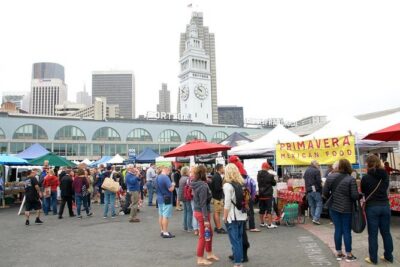
San Francisco Food Tour: Ferry Building and Ferry Plaza Farmers Market
Read our review →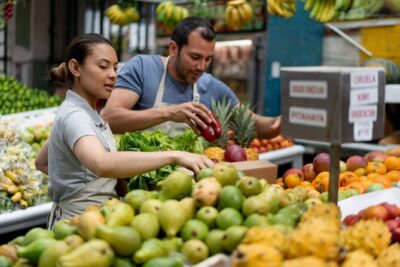
VIP Bogota City Tour: Farmers Market, Monserrate, Candelaria, 9hr
Read our review →
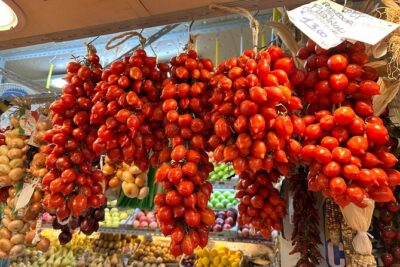
Tasty Trionfale Farmers Market Food Tour and Local Wines Tasting
Read our review →
Vatican Street Food and Wine Tour with Farmers Market
Read our review →
Farmers Market Shopping with Roman Full Course Class – (SHARED)
Read our review →
Calgary Food Walking Tour: Calgary Farmers Market
Read our review →
Lists this farm appears in