
Reviewed · AUSTRALIA FARM TOURS
Bundaberg: Monsoon Aquatics Coral Farm Guided Tour
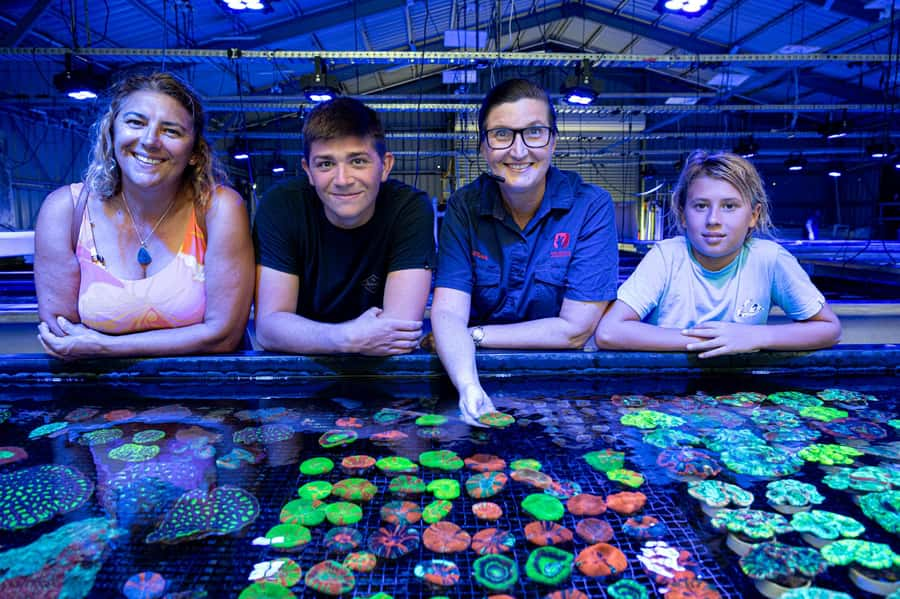
Australia’s largest coral farm is not a standard aquarium. At Monsoon Aquatics, you walk through a working facility filled with long growing tanks, coral colonies, and marine life from around the country. The focus is coral cultivation, not a large public display.
I like the small-group feel and the clear, lively guiding, especially for families. I also like that the $22 price supports a real coral-growing operation and gives you a look at reef restoration work that is usually hidden from public view. The main thing to know is that this is an educational tour, not a classic aquarium visit, so some young children may find the rows of tanks less exciting than a big fish exhibit.
- 70,000 corals and 200 marine species: See a large working collection gathered from around Australia.
- Live feeding demonstration: Watch the farm team feed coral and explain how these animals grow.
- Coral restoration research: Learn how cultivation can support healthier reefs.
- Family-friendly guiding: The guides explain complex ideas in language children can follow.
- Clownfish finale: Finish with one of the farm’s most popular displays.
- Useful practical setup: The farm is about 20 minutes from Bundaberg, with onsite parking and wheelchair access.
Inside Bundaberg’s Working Coral Farm
Monsoon Aquatics Coral Farm sits at the Port of Bundaberg on the Burnett River, about 20 minutes from the city centre. That short drive makes it an easy addition to a Bundaberg day, especially if you want something different from a beach, wildlife, or food stop.
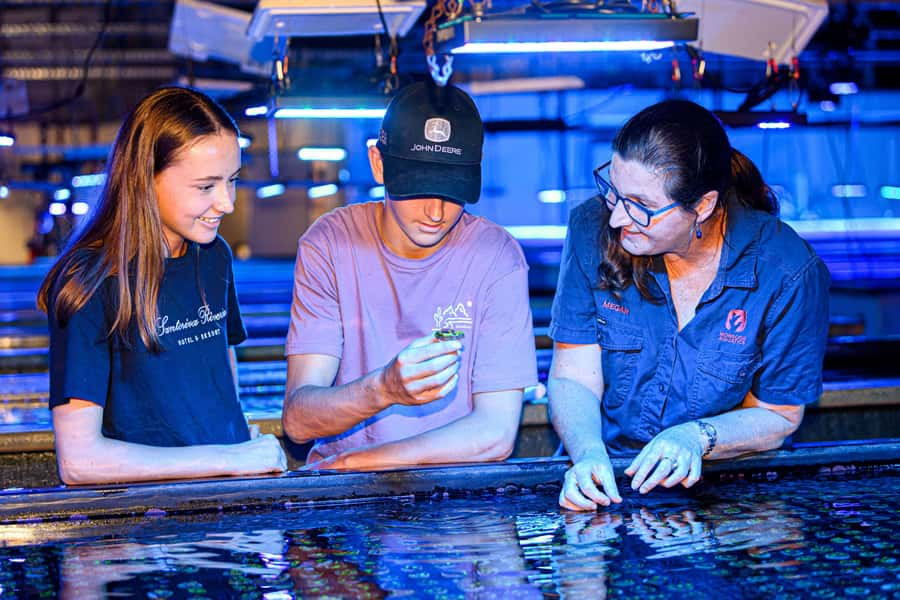
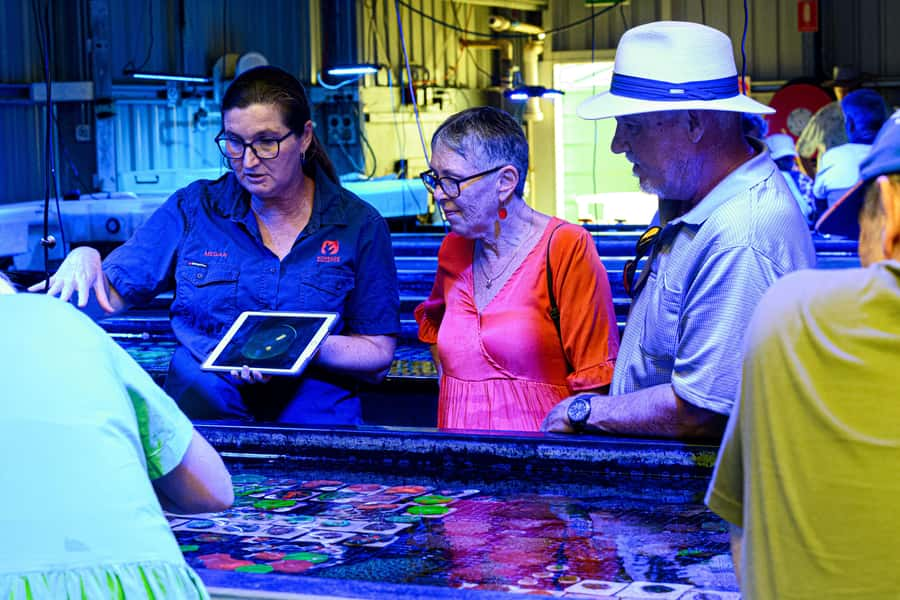
You meet your guide on the veranda. From there, the tour takes you inside the farm and through the areas where coral is grown and cared for. The setting is functional rather than theatrical. You are seeing a workplace, not a polished aquarium built mainly for public viewing.
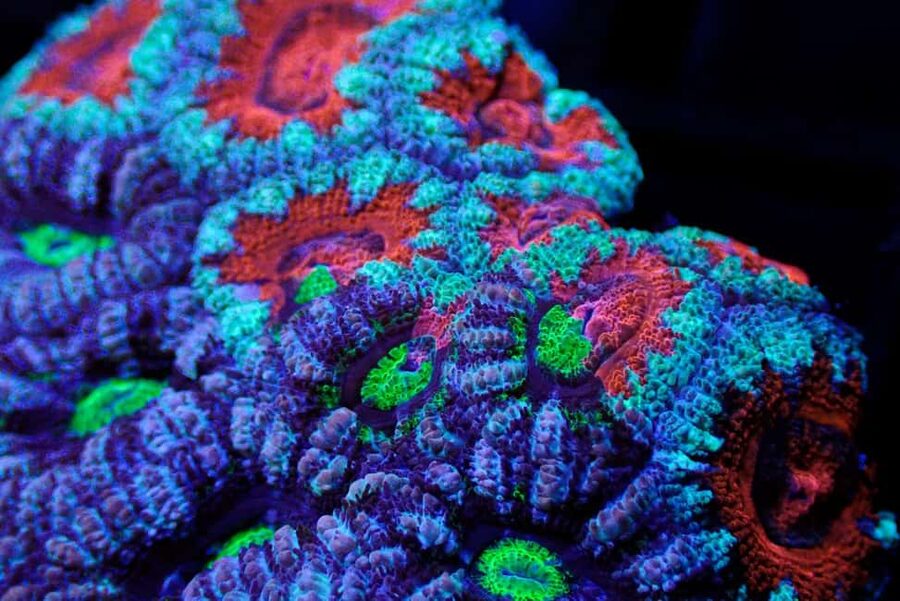
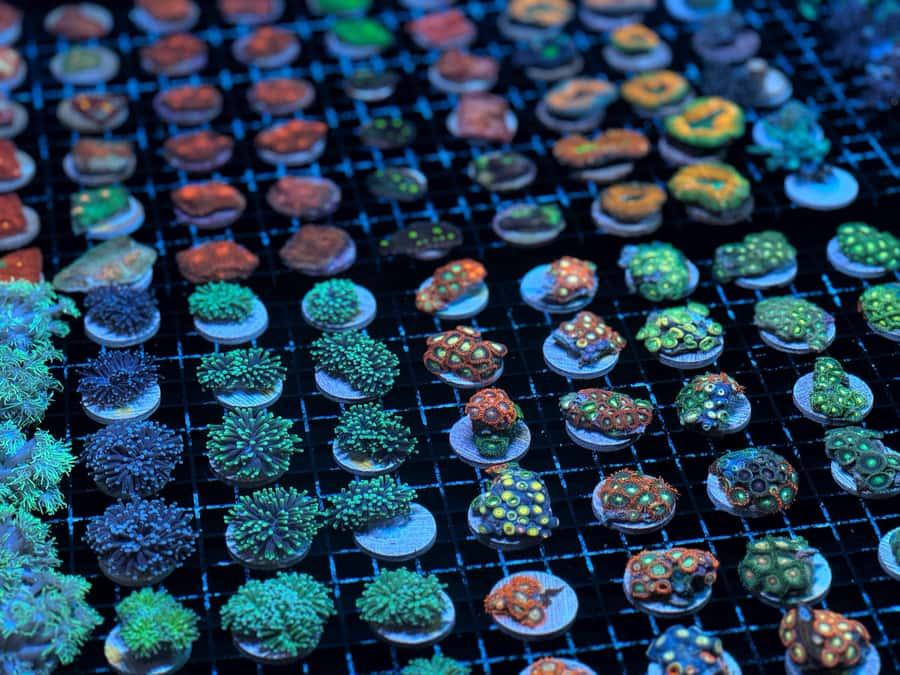
That distinction matters. You will see coral in different stages of growth, including pieces attached to small tiles and arranged in long tanks. The display gives you a better idea of the work involved in raising coral, but it does not create the sweeping underwater scenes you might expect at a large marine park.
I see that as the strength of the visit. You are close to the process. Instead of only looking at a finished reef display, you learn how coral is handled, fed, monitored, and encouraged to grow.
The farm holds more than 70,000 corals and 200 marine species sourced from across Australia’s coastline. That number gives the tour real scale, even though the experience itself remains personal and easy to follow.
The First Look at 70,000 Corals
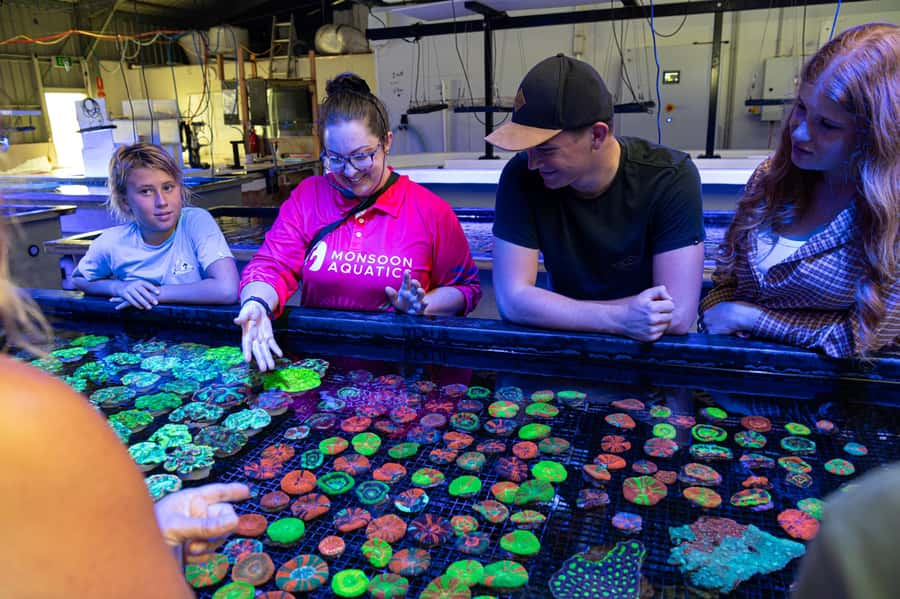
The tour’s opening sections introduce you to the farm’s collection and its purpose. Your guide explains what you are looking at and how the operation differs from a public aquarium.
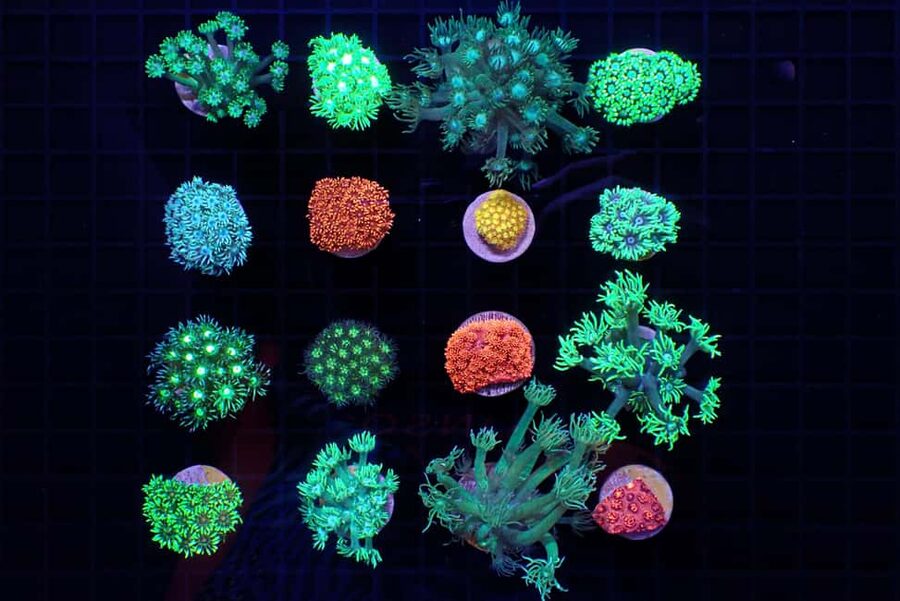
The coral may appear in many forms and sizes. Some pieces are small and still developing, while others have had more time to grow. The tiles are part of the practical method used at the farm, and they help show how individual coral pieces can be raised and managed.
This is where a good guide makes a large difference. The young guide described by the company’s recent visitors was praised for bringing enthusiasm to a subject that could otherwise feel technical. The explanations were adapted for children, and questions were welcomed rather than rushed.
You should expect plenty of chances to ask about coral, marine animals, and the growing process. The tour is in English, and its small, intimate format helps you stay involved instead of simply following a crowd past a series of tanks.
The collection can also make the farm feel like a working laboratory. If you want a quiet, polished aquarium with dramatic lighting and large open tanks, this may not be the right match. If you want to understand how coral is cultivated, the practical setup is exactly the point.
More Guided Tours in Australia:
- Rockhampton: Koorana Crocodile Farm Guided Tour
★ 4.8 · 136 reviews - Bundaberg: Splitters Farm Guided Tour
★ 4.5 · 5 reviews - Guided Paspaley Pearl Farm Tour with Return Transfers
★ 4.0 · 4 reviews
Watching Coral Feeding in Real Time
One of the strongest parts of the hour is the live coral-feeding demonstration. Your guide shows how the animals are fed and explains why care routines matter.
Coral is often treated as decoration because people notice its colour and shape first. The feeding demonstration helps correct that idea. You get a closer look at coral as living wildlife with specific needs, rather than as a background feature for fish.
The demonstration also gives the tour a welcome change of pace. You are not only listening to explanations about tanks and growth. You are watching part of the daily care work happen in front of you.
The exact presentation may vary with the farm’s routine, but the core lesson is clear: coral cultivation takes regular attention and controlled conditions. That insight adds value to the ticket because you leave with a better sense of what reef care involves.
For children, this is likely one of the easiest parts to understand. The guide can connect the feeding process to familiar ideas about caring for animals. Adults may appreciate the practical side, especially if they have seen coral in the wild but never considered how it can be raised away from a natural reef.
Coral Growth, Research, and Reef Restoration
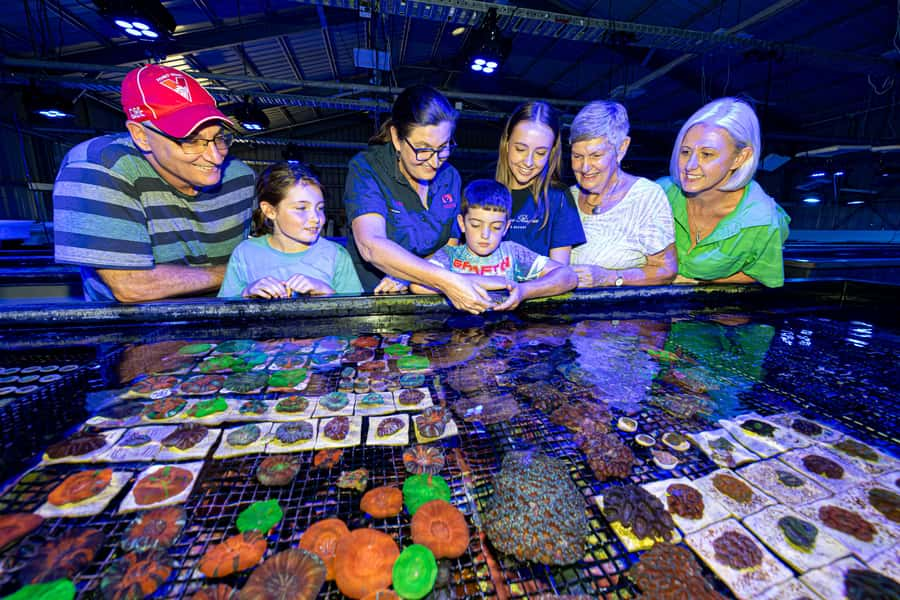
The tour also explains the blend of science, design, and careful hands-on work behind coral cultivation. You learn how the team nurtures coral and how the farm’s research relates to reef restoration.
The wording around restoration deserves a sensible reading. This one-hour visit does not promise that a single farm can solve every problem facing the reef. Instead, it shows you one part of the wider effort: growing coral, learning more about its needs, and supporting reproduction.
That is useful context. Reef conservation can feel distant when you only hear broad warnings about damage to marine habitats. Here, you see a working response at close range. Coral is being raised, observed, and managed as living material that may help support future reef work.
I especially like this part for visitors who want more than a pretty nature attraction. The farm connects beauty with effort. It also gives you a reason to think about the difference between seeing a reef and maintaining one.
The tour leaves room for hope without pretending the work is simple. That balance is important. You can enjoy the colour and variety of the collection while also learning that coral needs careful treatment before it can contribute to restoration work.
Meeting the Fish and Finishing with Clownfish
Although coral is the main subject, the farm also houses about 200 marine species. The fish add movement and help show how coral fits into a wider marine community.
The final stop is the collection of clownfish, often called Nemo fish by families. This is a smart way to finish the tour. After an hour of coral care, cultivation methods, and restoration work, the clownfish provide an instantly appealing focus for children and adults.
The clownfish are also a useful reminder that coral reefs are not just collections of coral. Fish and other marine animals depend on reef habitats, and healthy reef systems support many forms of life.
Do not expect the farm to operate like a full-scale sealife aquarium, with huge tanks and elaborate underwater scenes. The fish are part of a coral-focused operation. That makes the final clownfish display a memorable extra rather than the main event.
If your children mainly want to see large fish moving through big tanks, set expectations before you arrive. The tour is better suited to children who can listen, ask questions, and take an interest in how animals are cared for.
More Farm Tours in Australia:
- Hidden Gems: Boutique Full-Day Wine, Farm & Lunch Tour
★ 5.0 · 881 reviews - Melbourne: Yarra Valley Wine, Choc, Farm Fresh, Gin Tour
★ 4.9 · 258 reviews - 3- Hour Wine and Harvest the Hunter Horse Tour in Pokolbin
★ 5.0 · 165 reviews - Experience Coffin Bay Oyster Farm and Bay Tour
★ 5.0 · 161 reviews
Why the One-Hour Format Works
The tour lasts one hour, which is enough time to cover the main ideas without turning the visit into a half-day commitment. I think the length works well for Bundaberg visitors building a day of several activities.
A shorter visit would risk making the farm feel like a quick look at tanks. A much longer tour could become repetitive, especially because the growing areas are functional and may include many similar tank layouts.
The small-group format is another advantage. You get a better chance to hear the guide, ask questions, and see demonstrations without feeling lost in a large crowd. The guide may also help with family photos, a thoughtful touch noted in the recent feedback.
Tours run year-round, rain or shine. That makes this a useful wet-weather option, but it also means you should prepare for the practical conditions inside the farm. Floors can be slippery, and closed-toe, non-slip shoes are required. Bare feet and open-toed shoes are not allowed.
Bring water if needed, since water is the only drink permitted during the tour. Food and other drinks must stay outside.
Is $22 Good Value?
At $22 per person, this is reasonably priced for a guided, one-hour specialist visit. You are paying for access to a working coral farm, a live feeding demonstration, an explanation of cultivation methods, and a look at reef restoration research.
The value is strongest if you would otherwise need to travel farther for a marine science or reef conservation experience. You receive more than a casual viewing area, but less than a full aquarium with large-scale exhibits and entertainment.
Think of the ticket as payment for access and explanation. Without the guide, rows of coral tanks might be difficult to interpret. With the guide, the same tanks become a lesson in growth, animal care, and conservation.
The price also feels fair for families because the guide adjusts explanations for children and welcomes questions. Still, the age and attention span of your children matter. A young child who wants constant motion and large fish may not get as much from the visit as a child who enjoys hands-on science and animals.
Refreshing Bundaberg Brewed Drinks, local top-grade macadamias, and a gift shop are available onsite. These extras are useful after the tour, but they are not part of the guided experience, so budget for them separately if you want a snack or souvenir.
Planning Your Visit from Bundaberg
Use Apple Maps or Google Maps to find the farm. Older car GPS systems may send you to the wrong address, so this is one small detail worth handling before you leave town.
Cars and RVs can park onsite. Caravan parking is available outside the gate. The meeting point is on the veranda, where you should arrive ready to meet your English-speaking guide.
The farm is wheelchair accessible. At the same time, the requirement for non-slip footwear and the warning about slippery floors are important for anyone who needs steady footing. If you have mobility concerns, keep those conditions in mind when deciding what shoes to wear.
The setting by the Burnett River adds a pleasant sense of place, but the tour itself is indoors and focused on the farm operation. You do not need good weather to enjoy it.
I would pair this tour with other Bundaberg activities rather than make it your only stop of the day. The one-hour length makes that easy, and the educational focus gives your itinerary some variety.
Who Will Enjoy This Tour Most?
This is a strong choice for:
- Reef lovers who want to understand coral cultivation.
- Families with children who enjoy animals, science, and questions.
- Visitors looking for an educational Bundaberg activity.
- People interested in conservation and reef restoration.
- Anyone who has seen a natural reef and wants to learn what happens behind the scenes.
It is less suitable if you want a dramatic aquarium show, large tanks, or a quick attraction built mainly around colourful fish. The farm’s beauty comes from seeing a real growing operation, including its practical rows of tanks and developing coral pieces.
The guide is central to the experience. Recent feedback praised the clear explanations, strong enthusiasm, and ability to use language children could understand. That means the tour should work well for mixed-age groups, even if younger children need a little preparation about what they will see.
The overall rating is 4.9 from 25 reviews, which matches the experience’s main strengths: good guiding, clear information, and a worthwhile look at coral work. The consistent praise is aimed at the guide’s ability to make a technical subject engaging, not at flashy displays.
Should You Book Monsoon Aquatics Coral Farm?
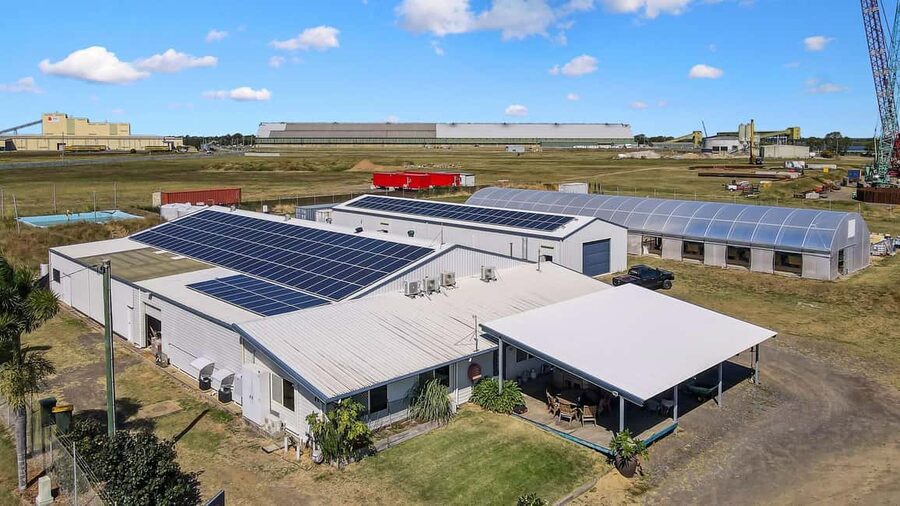
Book it if you want a close look at coral cultivation, reef care, and marine conservation near Bundaberg. The $22 cost is fair, the hour is easy to fit into a busy day, and the guides make the science approachable.
I would be especially keen to book for a family with older children, a reef enthusiast, or anyone who wants a thoughtful rainy-day activity. Wear sturdy closed-toe shoes, use a current map app, and arrive expecting a working farm rather than a traditional aquarium.
Skip it only if your main goal is a large marine display with big tanks and constant fish action. For everyone else, Monsoon Aquatics offers a practical, hopeful look at the work behind healthy coral reefs.
FAQ
How long does the Monsoon Aquatics Coral Farm tour last?
The guided tour lasts one hour.
How much does the tour cost?
The price is $22 per person.
Where does the tour take place?
The farm is at the Port of Bundaberg on the Burnett River, about 20 minutes from the centre of Bundaberg, Queensland.
What should I wear?
You must wear closed-toe, non-slip shoes because some floors may be slippery. Bare feet and open-toed shoes are not allowed.
Can I bring food or drinks?
Food and drinks are not allowed on the tour. You may bring water, but other drinks must stay outside.
Is the tour wheelchair accessible?
Yes, the activity is wheelchair accessible. Keep in mind that the floors may be slippery, so suitable footwear is still required.
Just added around Australia
- Wonga: Guided Fishing, Farming and Tasting Tour★ 5.0 · 2 reviews
- Alpaca Farm Tours with Toffeemont★ 5.0 · 8 reviews
- Macadamias Australia Orchard Tour in Bundaberg★ 5.0 · 15 reviews
- One Hour Coral Farm Tour, Discover Australia’s Marine Life★ 5.0 · 15 reviews
- Hook-A-Barra Fishing and Farm Activity★ 5.0 · 47 reviews
- Oyster Farm Tour with Hotel Pick-up and return from Port Lincoln★ 5.0 · 11 reviews
- Group Live Pearl Harvest Experience – Perth★ 5.0 · 2 reviews
- Newcastle: Country Towns River & Farm Tour with BBQ★ 5.0 · 3 reviews
Australia Farm Tours, compared.
Hidden Gems: Boutique Full-Day Wine, Farm & Lunch Tour
Read our review →

3- Hour Wine and Harvest the Hunter Horse Tour in Pokolbin
Read our review →
Experience Coffin Bay Oyster Farm and Bay Tour
Read our review →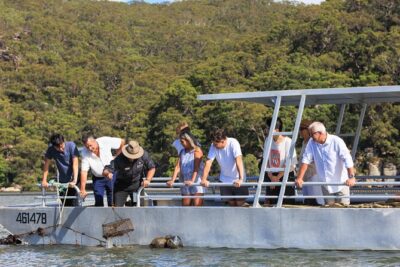
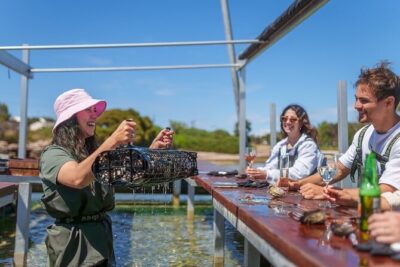
Coffin Bay Oyster Farm Wading Tour & Tasting Experience
Read our review →
Rockhampton: Koorana Crocodile Farm Guided Tour
Read our review →
Lists this farm appears in