
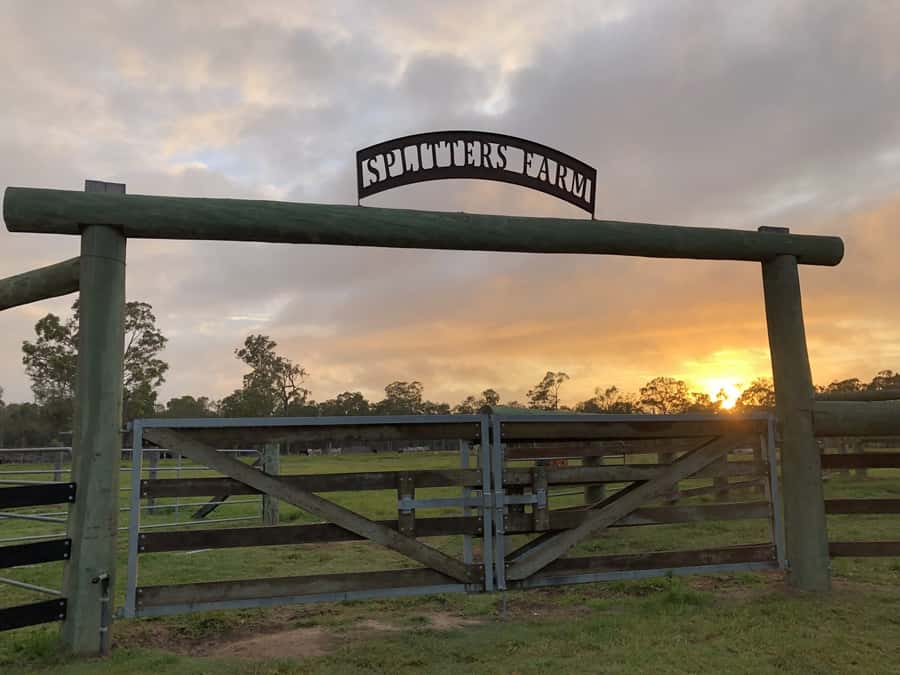
Reviewed · AUSTRALIA FARM TOURS
Bundaberg: Splitters Farm Guided Tour
Splitters Farm gives you more than a quick animal encounter. You move from paddock to paddock, hand-feeding more than 400 rescued farm animals while an owner-guide explains how each one reached its permanent home. The tour also folds in working-farm realities, from supply and demand to the pressures faced by Australian farmers.
I like the chance to collect eggs and taste honey and macadamias produced on the farm. I also like that your $38 admission helps pay for the animals’ food. The main drawback is simple: no meal is included, and the tour runs rain or shine, so bring sensible shoes and a hat.
Key points to know before you go
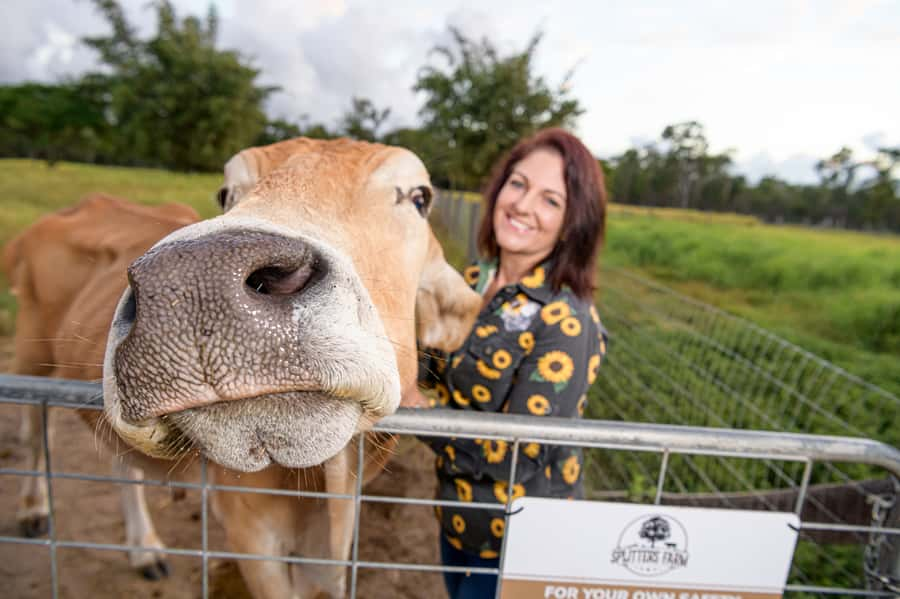
- More than 400 rescued animals: Hand-feeding is the heart of the visit, with stories about how the animals came to live at Splitters Farm.
- Owner-led guiding: One of the farm owners guides the private tour, and Karla has been praised for her storytelling and warm approach.
- Farm produce to taste: Your welcome includes honey and macadamias from the farm, plus the chance to collect eggs.
- A working farm, not only a petting zoo: You learn about cattle farming, agricultural supply and demand, and the work needed to care for rescue animals.
- Good for photographs: Paddocks, animals, creek surrounds, and Australian bush provide plenty of natural subjects.
- $38 with practical flexibility: You can cancel up to 24 hours before the tour for a full refund and reserve now while paying later.
Meeting the rescued animals at Splitters Farm
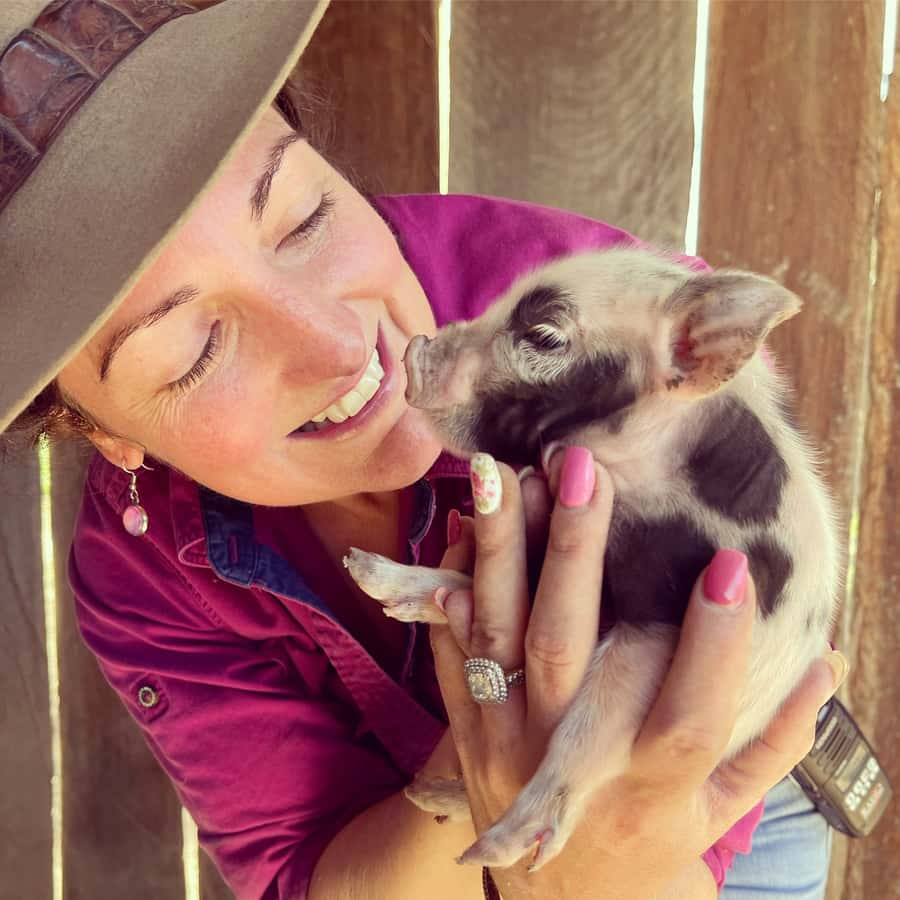
The animal care is the main reason to book this experience. Instead of looking at enclosures from a distance, you are given food and guided into the paddocks to feed the animals by hand. That makes the visit active, personal, and especially appealing if you enjoy learning an animal’s story along with seeing it.
The farm cares for more than 400 rescued farm animals. Your guide explains where the animals came from and why Splitters Farm became their permanent home. That background adds meaning to what might otherwise be a simple feeding stop. You are not just ticking off species. You are hearing how a family farm has taken on the ongoing cost and work of animal rescue.
I would expect the pace to be shaped by the animals and by the guide’s stories. You move from paddock to paddock rather than rushing through a fixed indoor exhibit. That is a good fit for visitors who prefer time outside and direct contact, but it may feel less structured than a short, tightly timed animal show.
The farm describes the visit as a private guided tour led by one of its owners. That matters. An owner can connect the animals to the farm’s daily work in a way a standard attraction guide may not. Karla has been specifically praised for her tour and stories, so she is a name to look for when checking the available guide arrangements.
More Guided Tours in Australia:
- Rockhampton: Koorana Crocodile Farm Guided Tour
★ 4.8 · 136 reviews - Bundaberg: Monsoon Aquatics Coral Farm Guided Tour
★ 4.9 · 25 reviews - Guided Paspaley Pearl Farm Tour with Return Transfers
★ 4.0 · 4 reviews
Starting at the main office
You begin at the main site office, where you collect your guided tour wristband and farm brochure with map. Treat this first stop as your chance to get your bearings, check the meeting details, and prepare for time outdoors.
The welcome includes a taste of farm honey and macadamias. This is a small touch, but it sets the tone well. You start with something made on the property before walking into the paddocks, and you get a quick sense of the farm beyond its animals.
Do not arrive expecting a full food service. No food is served as part of the tour. A barista van operates on-site, and cold drinks are available for sale at the main office, but you should plan around that rather than treating the tour as lunch.
The brochure and map are useful because the farm experience covers several areas. Keep them with you if you want to understand how the paddocks and natural surrounds fit together. You will also want your camera ready from the start, since the farm is set up for photographs rather than only verbal explanation.
From cattle farm to rescue home
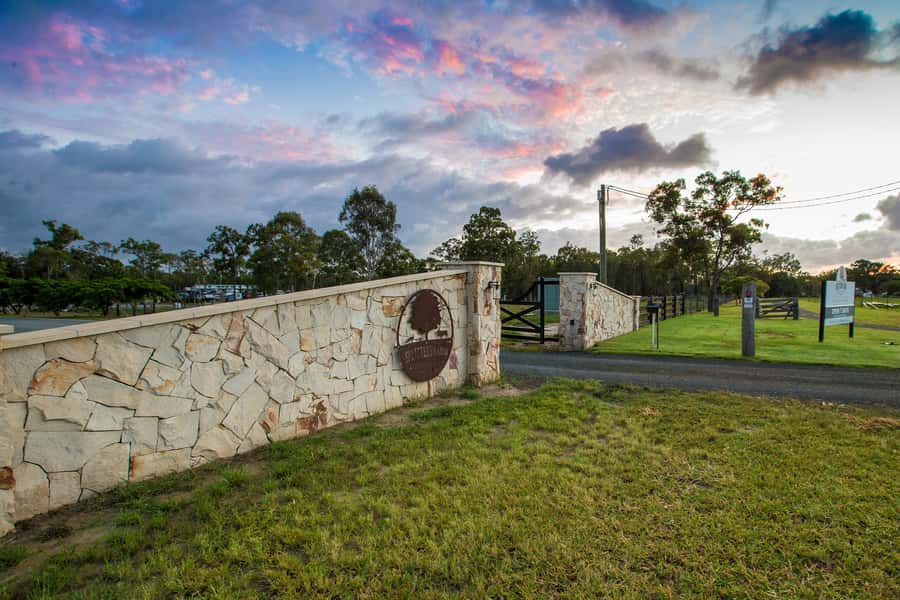
Your guide explains the Bundaberg region’s farming past and the background of this family-owned cattle farm. This gives the animal visit a wider setting. You learn how the place functions as a working farm while also caring for a large rescue population.
I appreciate this part because it puts rescue work beside ordinary agricultural work. The guide discusses supply and demand, the pressures on Australian farmers, and the resilience needed across the agricultural industry. Those subjects may sound broad, but they help explain why a farm must balance animal care, land, food, and income.
The farm’s story is not presented as a polished attraction removed from real work. You see how a family operation can make room for rescued animals while continuing to operate as a farm. That makes the visit useful for anyone who wants more context than a feed bucket and a photo.
The experience also looks at sustainability and the way a farm can work with its Australian bush and creek surrounds. I would pay attention here if you are interested in land care, because the point is not only where the animals sleep. It is how the farm’s natural setting and working areas exist together.
Paddock-to-paddock tour details
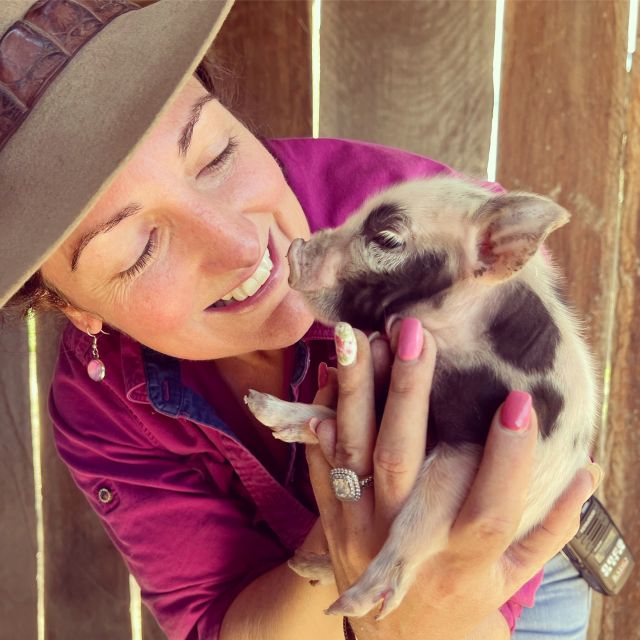
Once the introduction is finished, the guided route takes you through the paddocks. At each stage, you receive food for the rescue animals and follow the guide’s instructions on how to feed them.
Hand-feeding brings you close, but it also calls for a little patience. Animals do not always behave in neat turns, and a busy paddock can be more exciting than orderly. Listen to the guide, keep your food ready, and give the animals room when instructed.
The route is also the best part for photography. You can photograph the animals at close range, then look for wider scenes in the paddocks and bush areas. The farm calls itself a photographer’s dream, and the appeal is clear: you have living subjects, open farm spaces, and natural creek surrounds rather than one staged photo point.
Bring a camera, but do not let it take over. The most memorable part is likely to be the contact with the animals and the stories behind them. A phone is enough if you want quick pictures, while a proper camera may suit you if animal photography is a major reason for booking.
You should also wear comfortable shoes. The tour takes place outdoors across farm areas, and the activity specifically advises practical footwear. A hat is equally sensible in Queensland. Because the tour runs rain or shine, pack with changing weather in mind and accept that the ground and your comfort may vary on the day.
More Farm Tours in Australia:
- Hidden Gems: Boutique Full-Day Wine, Farm & Lunch Tour
★ 5.0 · 881 reviews - Melbourne: Yarra Valley Wine, Choc, Farm Fresh, Gin Tour
★ 4.9 · 258 reviews - 3- Hour Wine and Harvest the Hunter Horse Tour in Pokolbin
★ 5.0 · 165 reviews - Experience Coffin Bay Oyster Farm and Bay Tour
★ 5.0 · 161 reviews
What the farm stories add
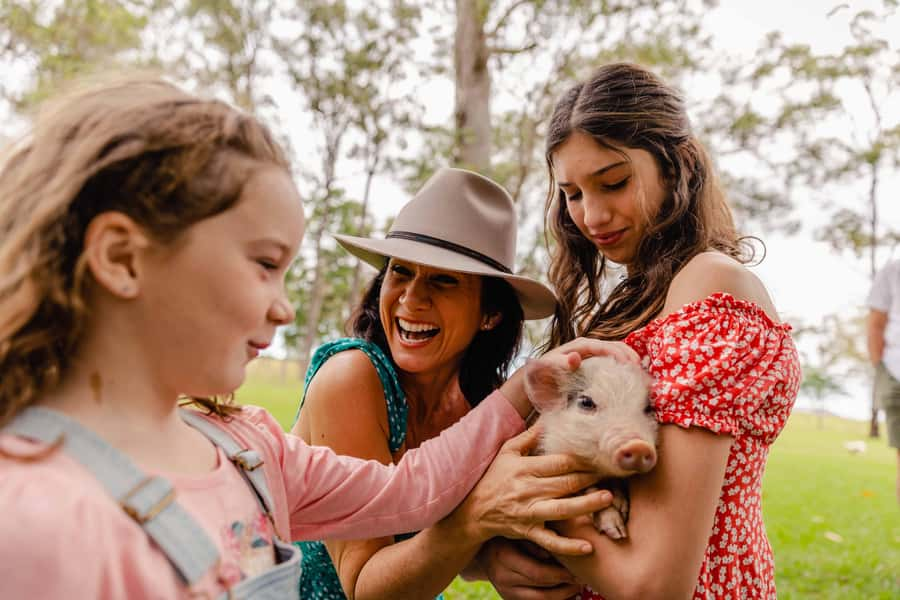
The personal stories are what give the feeding experience its emotional weight. You learn how animals arrived at Splitters Farm and why they now have a permanent home there. That can make even a short interaction feel connected to the farm’s larger purpose.
The guide also explains the work behind the scenes. Caring for hundreds of animals requires food, land, time, and steady attention. Your admission helps with feeding costs, so the $38 is not simply an entry charge for entertainment. It contributes directly to the care that makes the visit possible.
I would recommend listening closely when the guide talks about the animals’ backgrounds. The details vary from animal to animal, and they are more useful than trying to rush through every paddock. The tour works best when you allow the stories to set the pace.
The strong point here is the owner connection. A family member can explain not only what an animal is doing, but also how its care fits into the farm’s daily routine. One Australian visitor singled out Karla’s guiding and storytelling, while another described the guide as a champion. That matches the design of the tour: the guide is not an add-on, but the person who ties together the animals, farm work, and local agriculture.
Is $38 good value?
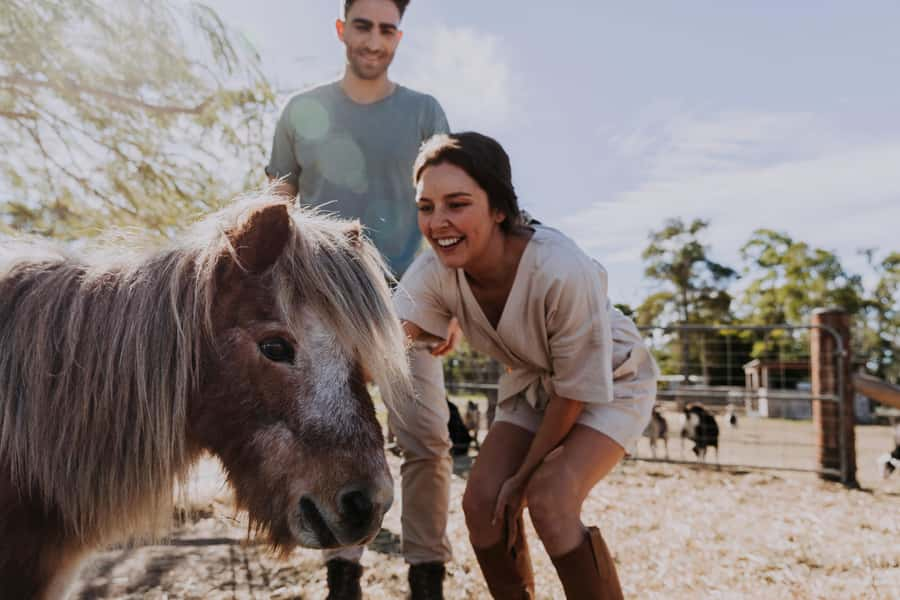
At $38 per person, I see this as fair value if you want a guided, hands-on farm visit rather than a quick walk around an animal enclosure. The price includes the private guided tour by one of the farm owners, food for the rescue animals, the brochure and map, and the tastings of honey and macadamias.
You also receive something less easy to price: access to the farm’s working areas and the stories behind the rescue animals. Your entry helps feed the animals, which gives the cost a clear purpose. If you are choosing between a standard sightseeing stop and an experience that supports ongoing animal care, that difference matters.
The value is less convincing if you want a full day of food, entertainment, and many separate activities. No meal is included, and the attraction is built around the guided farm visit. You will need to buy drinks or coffee separately if you want them.
The duration is listed as one day, with starting times available when you check the date. Since a precise number of tour hours is not provided, I would confirm the start time and allow enough of your day for an outdoor visit rather than treating it as a quick stop between fixed appointments.
Who will enjoy this farm visit most?
I think this tour suits families, animal lovers, photographers, and anyone curious about Australian farming. The hand-feeding makes it more engaging than a passive visit, while the rescue stories give adults something substantial to think about.
It also suits visitors who value local ownership. The experience is led by one of the farm owners, and the setting connects animal rescue with a family cattle operation in the Bundaberg region. You get a closer look at rural work than you would from a standard town attraction.
Children may enjoy the animals most, but adults should not dismiss the farming content. Supply and demand, farmer resilience, and sustainable use of the bush and creek surrounds give the tour a practical lesson in how farms operate.
I would hesitate only if you dislike outdoor conditions, muddy or uneven farm ground, or animal contact. The tour runs in rain or sunshine, and there is no promise of a covered alternative. If you need a strictly timed indoor activity, this may not be your best choice.
The farm is wheelchair accessible, which is important for planning. Still, because the tour moves through farm paddocks, it is sensible to confirm any specific access needs before booking.
Booking flexibility and what to bring
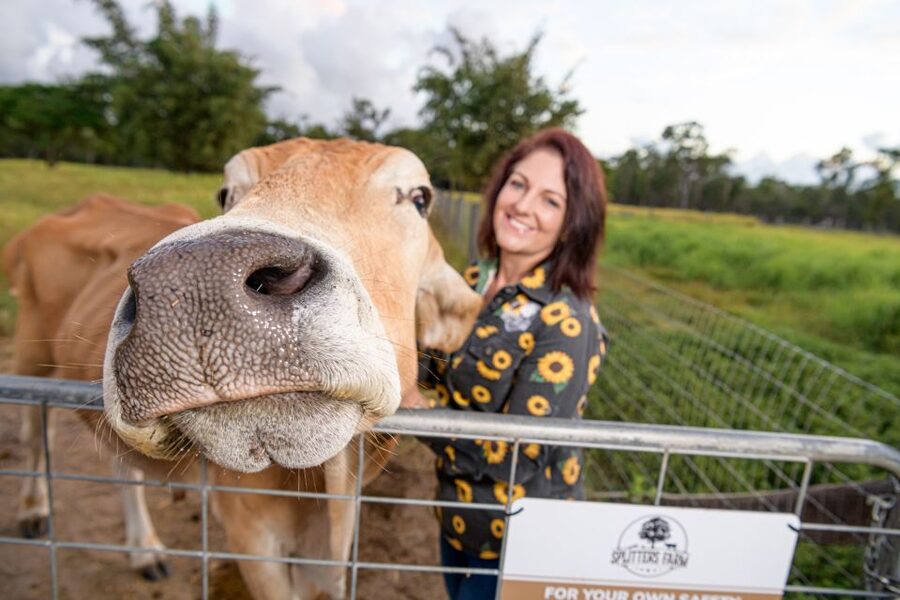
You can cancel up to 24 hours in advance for a full refund. You can also reserve your place and pay later, which helps if your Bundaberg plans are still changing.
Bring comfortable shoes, a hat, and a camera. I would also carry water for your own comfort, although only the listed on-site drinks should be treated as part of the available facilities. Since no tour meal is provided, plan your food around the visit.
English is the tour language, and a live guide leads the experience. Collect your wristband at the main office before the guided portion begins.
Should you book the Splitters Farm tour?
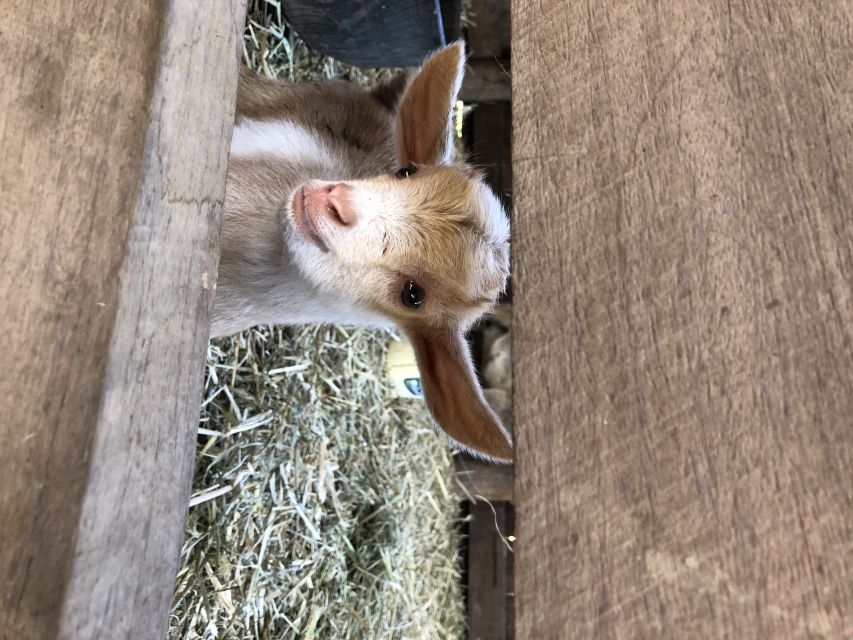
I would book this tour if you want hands-on animal contact with a clear purpose. The chance to feed more than 400 rescued animals, hear their background stories, collect eggs, and taste farm produce gives the visit more substance than a basic farm photo stop.
Book it especially if you appreciate owner-led experiences and do not mind weather or farm conditions. The $38 price is reasonable because it includes guiding, animal food, tastings, and support for the animals’ ongoing care.
Skip it if you need a meal included, a tightly timed indoor attraction, or a guaranteed dry-weather outing. For everyone else, Splitters Farm offers a warm, practical look at rescue work and rural Queensland life, with enough personal contact to make the visit memorable.
FAQ
Where is Splitters Farm?
Splitters Farm is in Queensland, Australia, in the Bundaberg region.
How much does the guided tour cost?
The tour costs $38 per person.
How many rescued animals can I feed?
You can feed more than 400 rescued farm animals during the guided visit.
Who leads the tour?
The tour is led by one of the farm owners. Karla has guided the tour and is noted for her stories and approach.
What food or drinks are included?
You can taste honey and macadamias from the farm. No meal is included. A barista van is on-site, and cold drinks are available for purchase at the main office.
Can I collect eggs?
Yes. Collecting eggs is one of the activities included in the farm visit.
What should I bring?
Bring comfortable shoes, a hat, and a camera.
Does the tour run in bad weather?
Yes. The tour takes place rain or shine.
Is the tour wheelchair accessible?
Yes, the activity is listed as wheelchair accessible.
Can I cancel or pay later?
You can cancel up to 24 hours in advance for a full refund. You can also reserve your place and pay later.
Just added around Australia
- Wonga: Guided Fishing, Farming and Tasting Tour★ 5.0 · 2 reviews
- Alpaca Farm Tours with Toffeemont★ 5.0 · 8 reviews
- Macadamias Australia Orchard Tour in Bundaberg★ 5.0 · 15 reviews
- One Hour Coral Farm Tour, Discover Australia’s Marine Life★ 5.0 · 15 reviews
- Hook-A-Barra Fishing and Farm Activity★ 5.0 · 47 reviews
- Oyster Farm Tour with Hotel Pick-up and return from Port Lincoln★ 5.0 · 11 reviews
- Group Live Pearl Harvest Experience – Perth★ 5.0 · 2 reviews
- Newcastle: Country Towns River & Farm Tour with BBQ★ 5.0 · 3 reviews
Australia Farm Tours, compared.
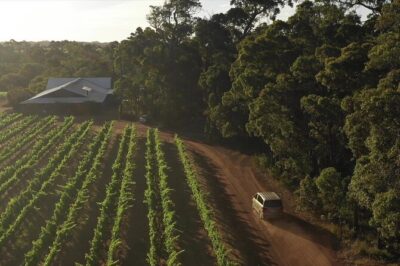
Hidden Gems: Boutique Full-Day Wine, Farm & Lunch Tour
Read our review →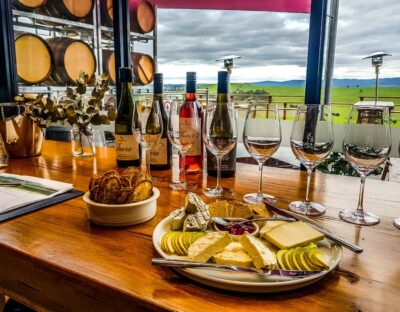
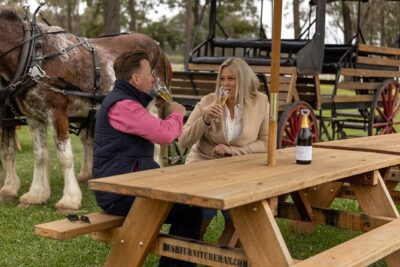
3- Hour Wine and Harvest the Hunter Horse Tour in Pokolbin
Read our review →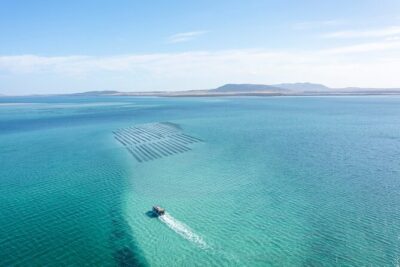
Experience Coffin Bay Oyster Farm and Bay Tour
Read our review →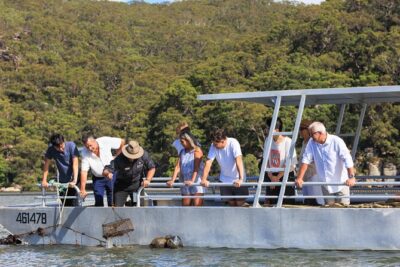
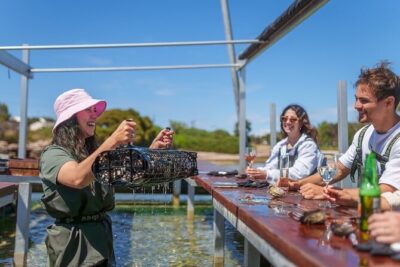
Coffin Bay Oyster Farm Wading Tour & Tasting Experience
Read our review →
Rockhampton: Koorana Crocodile Farm Guided Tour
Read our review →
Lists this farm appears in