
Reviewed · COFFEE FARM TOURS
Buon Ma Thuot: Bean to Brew Coffee Farm Tour with Tasting
At a coffee farm in Ea Kao, about 10 kilometers from Buon Ma Thuot, you get a close look at the work behind Vietnam’s daily cup. This is not just a tasting. You learn about Robusta and Arabica, see how coffee trees are cared for, and follow the beans from fruit to finished drink.
I like the hands-on farm focus, especially the chance to learn about pruning, weeding, fertilizing, irrigation, and cleaning the base of each tree. I also like the ending: a proper cup of black or milk coffee, prepared by machine or traditional filter. The main caution is timing. Outside harvest season, you will not see picking or drying, and one booking report described a tour much shorter than expected.
Key points to know before booking
- Farm setting: The tour takes place in Ea Kao, around 10 km from central Buon Ma Thuot.
- Coffee education: You compare Robusta and Arabica, organic and conventional farming, and wet-dry processing.
- Hands-on work: Seasonal activities can include pruning, bud breaking, weeding, fertilizing, irrigation, and clearing around the tree base.
- Tasting finish: Choose black or milk coffee, prepared by machine or filter, with coffee bean tasting available.
- Short schedule: The activity is promoted as one hour, while the plantation visit is described as about 80 minutes.
- Season matters: Harvesting and drying are only available during the coffee harvest period.
Why this farm visit fits Buon Ma Thuot
Buon Ma Thuot is widely known in Vietnam for coffee production, and this activity gives you a reason to leave the city center. The setting in Ea Kao offers a more direct look at farm work than a café tasting alone.
You are not simply shown a bag of roasted beans and told where it came from. The instructor explains what happens in the garden and how the crop is handled before it reaches the cup. That makes the final coffee more meaningful. You can connect the drink in front of you with sun, rain, irrigation, pruning, harvest, and processing.
The experience also gives you useful context about coffee in Vietnam. Robusta is especially important here, while Arabica has different growing and flavor needs. Learning about both helps you understand why Vietnamese coffee can taste strong, full-bodied, and well suited to milk-based drinks.
This is a good choice if you have only a short window in Buon Ma Thuot. The farm is close enough to the city for a quick outing, though you need to arrange your own way there. Hotel pickup and drop-off are not included.
More Coffee Farm Tours in Vietnam
- Coffee Farm Tour with Roasting & Tasting Workshop – Da Lat
★ 5.0 · 126 reviews - Experience specialty coffee with sustainable coffee farmers
★ 4.9 · 91 reviews - Dalat Countryside Motorbike Day Tour–Coffee Farms & Pagodas
★ 5.0 · 53 reviews
Arriving at Ea Kao coffee farm
You meet the instructor directly at the coffee farm. The exact directions and contact details arrive after booking, so read the confirmation carefully and allow extra time for the drive. One person found the farm difficult to locate, making this the most important practical point in the entire experience.
Arrive at least five minutes early. That gives you time to confirm you are at the correct property and contact the instructor if needed. The meeting point is listed as Ea Kao rather than a central city address, so do not assume you can simply walk over from a downtown hotel.
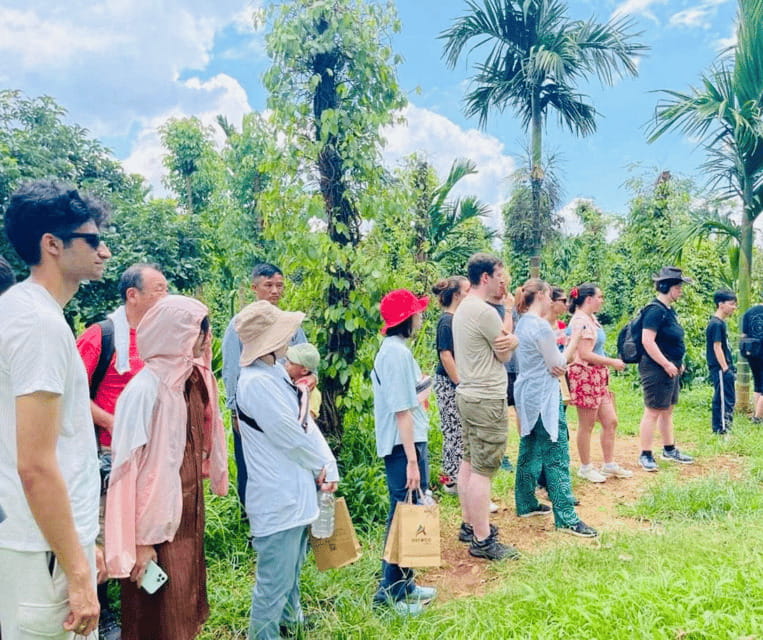
The farm is described as welcoming and colorful, with a garden setting surrounded by nature. The tour is wheelchair accessible, which is useful information for anyone who needs step-free access. Still, the supplied details do not explain the exact path surface or bathroom setup, so ask the operator if you have specific mobility requirements.
The activity is offered in English and Vietnamese. The English explanations may be perfectly useful, but the quality can vary depending on the instructor and the subject being explained. One poor rating specifically complained about limited English and a very short visit, while several other bookings praised the guide’s explanations and willingness to answer questions.
Walking through the coffee garden
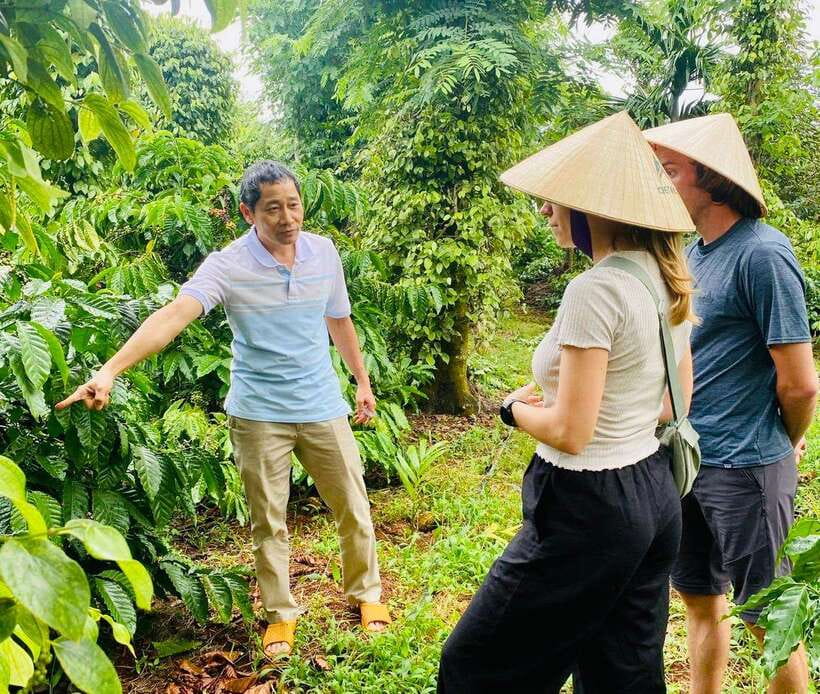
The plantation visit is the heart of the activity. You tour the coffee garden with an instructor who explains how the trees are grown and maintained. This is where the tour gains value over a simple coffee tasting.
Coffee farming requires work long before the beans are roasted. Depending on the season, you may learn about pruning, bud breaking, proper weeding, seasonal fertilization, and cleaning the basin around each coffee tree. These jobs can sound basic, but they affect the health of the plant and the quality of the crop.
The chance to join in with farm care is especially useful for families and curious coffee drinkers. You do not need to arrive with agricultural experience. The point is to see how routine care supports production and to understand that coffee farming is a year-round task, not only a harvest-time activity.
The timing of your visit matters. During harvest season, picking and drying activities can be included. Outside that period, those parts will not happen, but the garden tour and other scheduled explanations continue.
If harvesting is your main reason for booking, check the season first. If you mainly want to understand coffee growing and taste locally produced coffee, the tour can still work outside harvest time.
Robusta, Arabica, and the work behind the cup
The instructor introduces both Robusta and Arabica production. That comparison gives the tour a useful structure because you can ask how the plants, beans, growing methods, and final flavors differ.
The activity also explains organic and conventional farming. This is one of the more valuable parts for anyone interested in food production. Instead of treating coffee as a finished product on a café menu, you get a basic look at how farming choices affect the trees and the crop.
The precise methods used at this particular farm are not fully described, so you should treat the organic and conventional discussion as an introduction rather than a full agricultural course. Still, it gives you the vocabulary to ask better questions at other plantations, cafés, and coffee shops in the Central Highlands.
I would ask the guide which methods are used on the farm, how pests are managed, and how the coffee is prepared after picking. The tour is short, so asking direct questions will help you get more from the time.
Same fields, a different sort of morning:
- From Ho Chi Minh: Can Gio Trek – Monkey Island & Crocodile Farm
★ 5.0 · 353 reviews - Cocolocal Farm Cooking Class with market tour and basket boat
★ 5.0 · 231 reviews - Phu Quoc: Kayaking with Starfish Beach and Bee Farm Tour
★ 4.4 · 213 reviews - Farm-To-Table Healthy Cooking Class in Ho Chi Minh City
★ 5.0 · 79 reviews
Irrigation and wet-dry processing
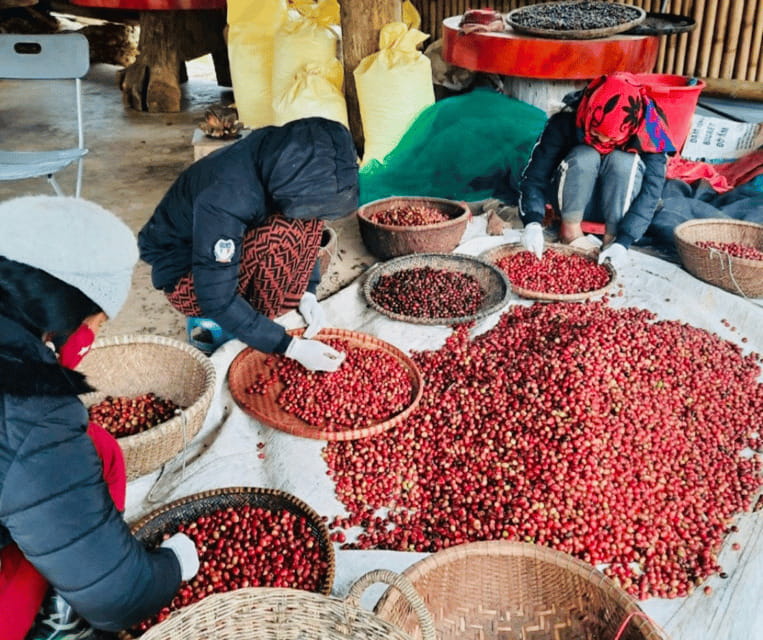
Water is an important part of coffee care, particularly during dry periods. The tour includes an introduction to traditional irrigation systems and an explanation of the benefits of irrigation technology.
This section helps you see the farm as a working system. The trees need more than good soil and sunshine. Water must be delivered in a controlled way, and farmers need to balance plant health, seasonal conditions, and labor.
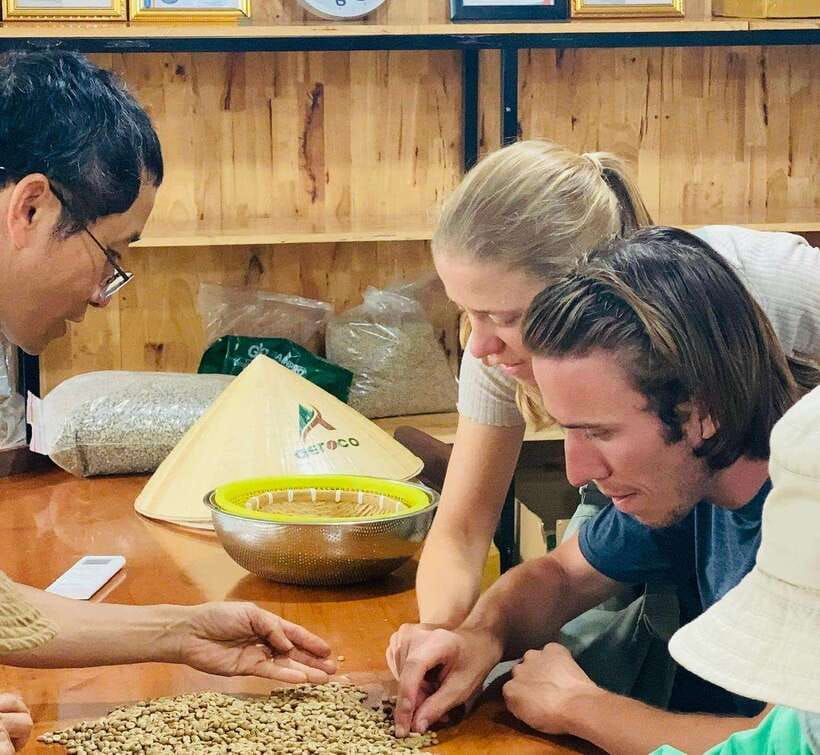
You also receive an overview of wet-dry processing for specialty coffee. Processing is the stage between picking and roasting, and it has a major effect on the finished bean. The explanation is not presented as a long technical class, but it gives you a clear sense of how coffee changes after it leaves the tree.
During harvest season, you may see freshly picked coffee cherries and drying work. Outside that period, the instructor can still explain the process, but the physical stages may not be happening in front of you. If you are particularly interested in processing, ask about the wet and dry steps while you are at the farm.
The tasting: black, milk, machine, or filter
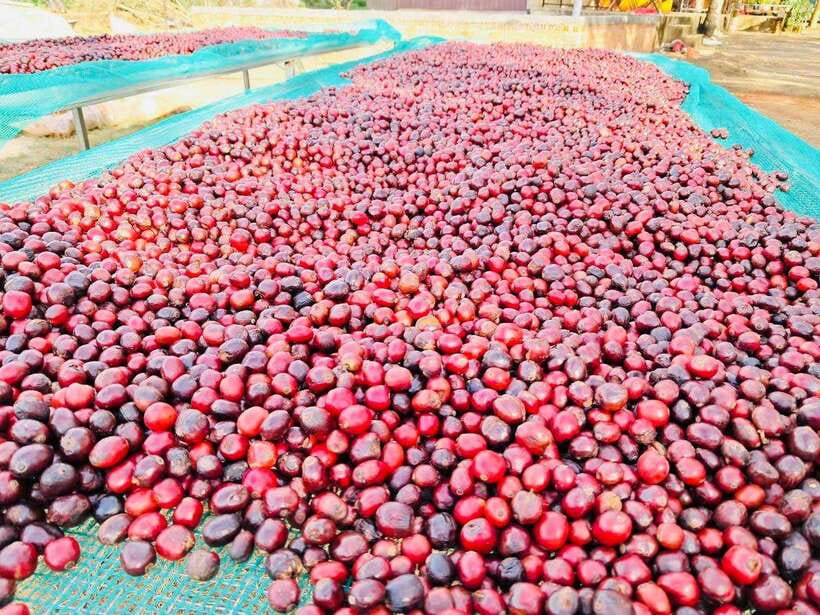
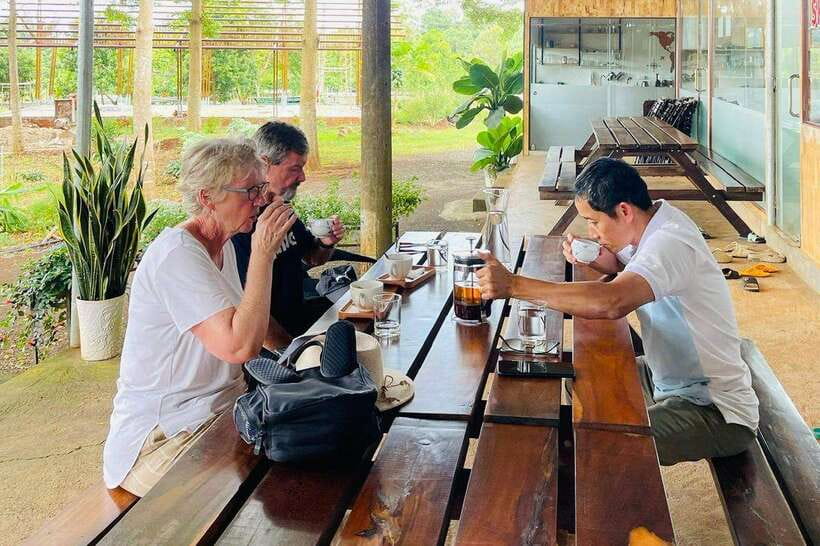
The tour ends with coffee prepared for you at the farm. You can choose black or milk coffee, and the drink may be made by machine or traditional filter.
That choice matters because preparation changes how the coffee feels in the cup. A filter preparation gives you a closer connection to Vietnam’s familiar coffee tradition, while machine brewing may appeal if you prefer a cleaner or more café-style drink.
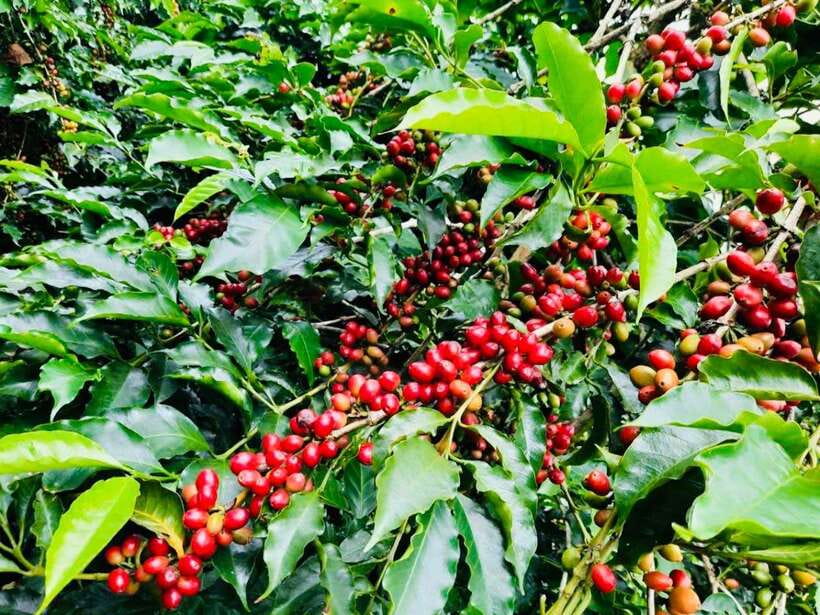
The tasting can also include coffee bean samples, and fresh cherries may be available during harvest. Trying the fruit itself helps explain the difference between the sweet outer flesh and the hard seed that eventually becomes the coffee bean.
The final drink is included in the price, so you do not need to budget separately for the tasting. The available information also refers to tea as an alternative drink in at least one booking, though coffee is clearly the main focus.
This ending is more than a refreshment break. It gives you a chance to compare what you have learned with what you actually taste. Ask what type of bean you are drinking and how it was prepared. You will get more from the cup if you treat it as part of the lesson rather than simply a free beverage.
Is $18 a fair price?
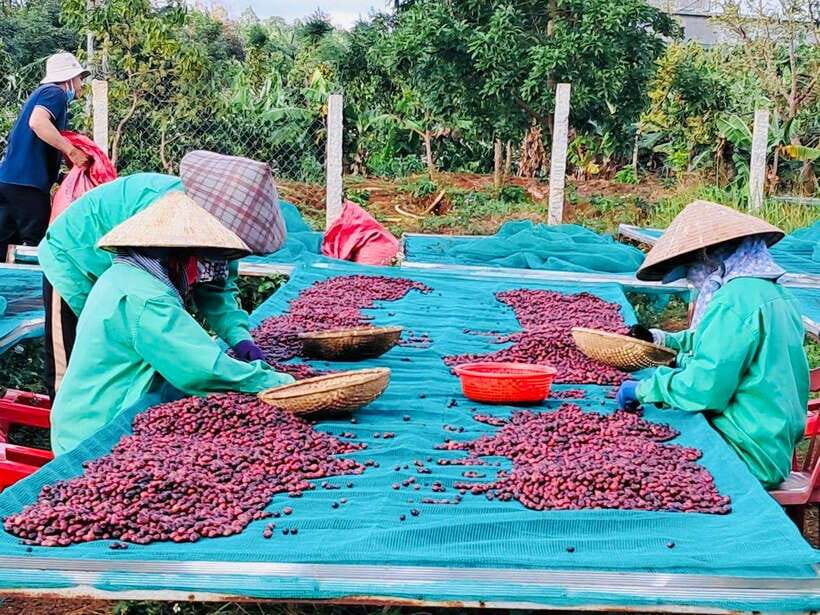
At $18 per person, the tour is reasonably priced for a private-feeling farm visit, expert instruction, a tasting, and practical information about coffee production. The value depends heavily on the quality of the explanation and the amount of time you actually receive.
For a full one-hour visit, the price is fair. You are paying for access to a working coffee farm, a guided plantation walk, farm care instruction, processing information, and a prepared drink. Comparable café tastings may cost less, but they do not show you the trees or agricultural work.
The advertised duration is one hour, while the plantation portion is also described as 80 minutes. Since one booking reported a visit lasting only 20 minutes, confirm the expected schedule when you arrive. If the tour starts late or the explanation is rushed, the value drops quickly.
You should also allow for transport costs because hotel pickup and drop-off are not included. Personal purchases are extra, including packaged coffee for sale. The activity covers the planned tasting, but not bags of beans to take home.
The booking terms are flexible. You can cancel up to 24 hours in advance for a full refund, and you can reserve now and pay later. That is helpful if your Central Highlands schedule is still changing.
Who will enjoy this coffee experience?
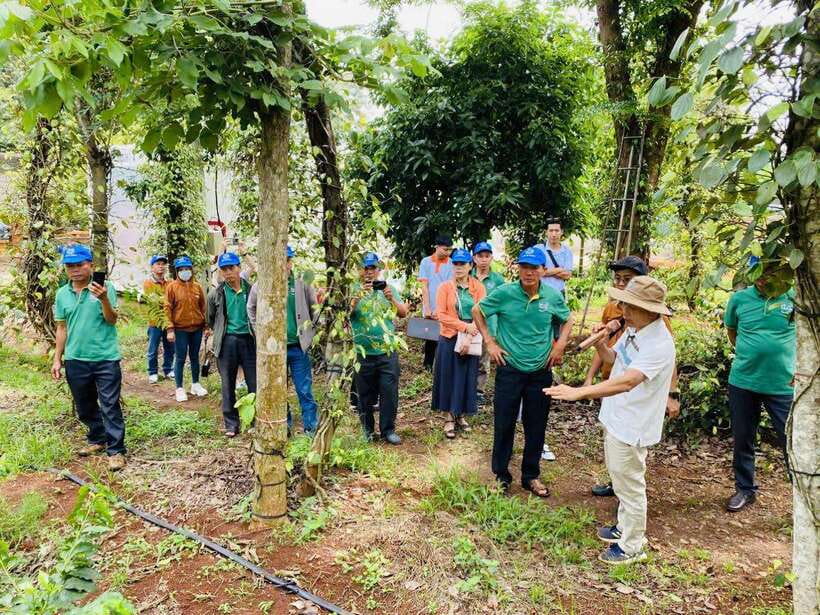
I would recommend this tour to coffee drinkers who want more than a café stop. It is also a good fit for anyone interested in farming, food production, or the difference between a raw agricultural product and a finished drink.
Families may appreciate the short length and clear practical theme. The tour can also suit visitors with limited time in Buon Ma Thuot, provided they can arrange transport to Ea Kao.
It is less suitable if you expect a large coffee estate, a long roasting workshop, or a guaranteed harvest demonstration. The activity centers on the garden, basic care, processing, and tasting. It does not promise a full roasting class or an extended farm day.
Photography should be easy in the garden, but bring your own sun protection. Sunscreen, a hat, and light clothing are sensible because the tour does not provide sun protection items. Alcohol, drugs, and making fires are not allowed.
A few practical ways to improve the visit
Before leaving your hotel, save the farm location and the instructor’s phone number. Directions can be difficult, and a clear route will prevent a rushed arrival.
Ask about the harvest calendar before booking if you want to pick cherries or see drying. The activity continues outside harvest season, but those particular sights will not be available.
Arrive early and use the first few minutes to clarify the plan. Ask whether the visit will include hands-on pruning or weeding, which beans you will taste, and whether the coffee will be made by filter or machine.
Bring sun protection and water for your own comfort. The farm supplies the included tasting, but personal expenses are not covered.
If English is important to you, confirm that your preferred language is available with the instructor before setting out. English and Vietnamese are offered, though the clarity of the explanation may depend on the person leading the tour.
Should you book the Buon Ma Thuot coffee farm tour?
Book it if you want a short, local look at how coffee is grown and processed, followed by a well-prepared cup. The strongest parts are the farm care lessons, the Robusta and Arabica comparison, and the chance to connect the final drink with the work behind it.
Think twice if your schedule cannot handle a confusing meeting point, or if you need a guaranteed harvest activity. The experience works best when you confirm directions, check the season, and make sure you understand the expected length.
For $18, it offers good value when the visit runs as planned. Just treat it as a focused introduction to coffee farming, not a full-day plantation excursion.
FAQ
Where does the coffee farm tour take place?
The meeting point is at a coffee farm in Ea Kao, about 10 kilometers from Buon Ma Thuot city center.
How long does the activity last?
The activity is promoted as lasting one hour. The plantation visit is also described as an 80-minute guided tour, so confirm the expected timing with the instructor.
Is transportation from my hotel included?
No. Hotel pickup and drop-off are not included, and you must arrange your own transportation to the farm.
Will I see coffee harvesting and drying?
Only if you visit during the coffee harvest season. Outside harvest season, harvesting and drying will not take place, but the other activities continue.
What coffee can I taste?
You can taste black or milk coffee prepared by machine or filter. Coffee bean tasting and fresh coffee cherries may also be available, particularly during harvest.
Which languages are available?
The instructor service is offered in English and Vietnamese.
Can I cancel or pay later?
You can cancel up to 24 hours before the activity for a full refund. The booking option also allows you to reserve your place and pay later.
Just added around Vietnam
- Cave Explore- Paradise Cave & Phong Nha Cave – Duck Farm★ 4.8 · 16 reviews
- Trekking to Hidden Waterfall & Sturgeon Farm for dog-lovers★ 4.8 · 43 reviews
- Tra Que Village Vegetable Farm Experience by Bike★ 5.0 · 2 reviews
- Full Day Experience to Farm and Chocolate★ 5.0 · 22 reviews
- Sapa Half Day Local Farming Experience★ 5.0 · 3 reviews
- Private Cycling Tour in Rural Hue with Farming Experience★ 5.0 · 18 reviews
- Experience Buffalo Ride and Farmer in Hoi An★ 5.0 · 3 reviews
- Sunset photo tour with the farmers★ 4.5 · 7 reviews
Coffee Farm Tours, compared.
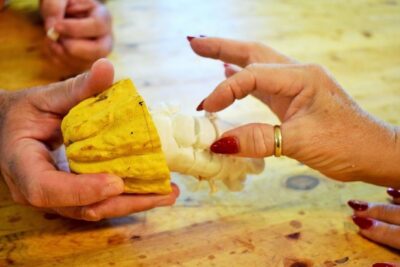
Award Winning Farm Tour: Coffee, Chocolate and Unique Gifts
Read our review →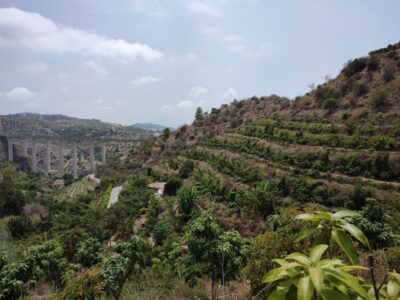
La Herradura Coffee Farm: tour in Europe’s only plantation
Read our review →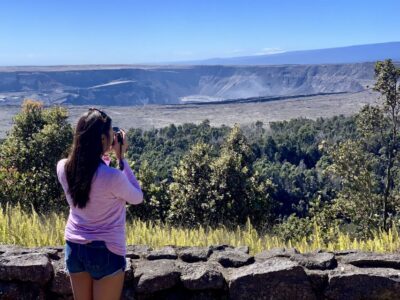

Small-Group Big Island Tour: Hawaii Volcanoes National Park and Kona Coffee Farm
Read our review →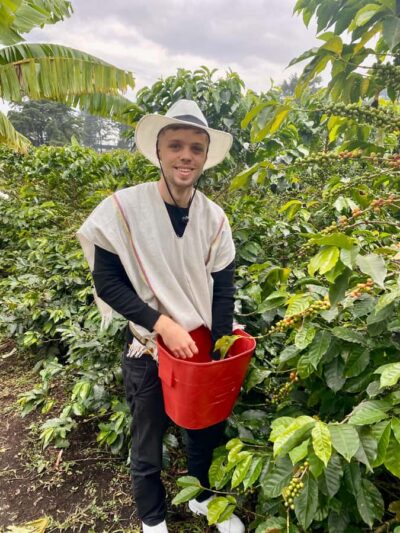
Medellín Coffee Farm Tour with Trolley and Cable Car Ride
Read our review →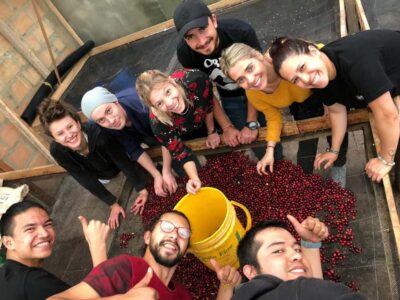
Private Cocora Valley, Salento & Coffee Farm Tour
Read our review →
Liamuiga Natural Farm Tour – St.Kitts’ Coffee Farm
Read our review →
Lists this farm appears in