
Reviewed · COFFEE FARM TOURS
Experience Making specialty coffee in Da Lat City
Da Lat coffee is more than a strong morning drink. In this one-hour workshop, you compare beans from one local farm, learn how natural and washed processing change the cup, then roast and brew the coffee yourself. The final step is a traditional Phin coffee enjoyed while looking over the city.
I like the hands-on format, especially roasting your own beans instead of simply watching a demonstration. I also like the chance to taste coffee without milk, sugar, or other additions, which lets sour, sweet, and fruity notes come through. The main drawback is the short length: serious coffee fans may want more time for questions and tasting.
Key points to know before booking
- Five coffees from one Da Lat farm: Compare Arabica and Robusta, including natural and washed processing.
- You control the roast: Taste light, medium, and dark roast profiles made during the session.
- Coffee is made by hand: Finish by preparing a traditional Vietnamese Phin coffee.
- A small group setting: The activity accepts no more than 10 people, allowing room for questions.
- A look at the plants: The visit includes time in the coffee garden, not just a tasting at the shop.
- Simple city logistics: Meet at HuyEco Coffee Farm and return to the same location after about one hour.
What makes this Da Lat coffee workshop different
Da Lat is one of Vietnam’s best-known coffee-growing areas, but many visitors encounter coffee only after it has been roasted, ground, blended, and sweetened. This workshop takes you closer to the source. You taste coffee produced by the person who grows and processes it, with the farm, roasting, and brewing treated as parts of one connected story.
The focus is not on a polished café menu. It is on how a bean changes from fruit on a plant to the drink in your cup. That makes the session useful for anyone who likes coffee, but also for anyone curious about small-scale farming and food production.
The host is a sustainable coffee farmer who operates the coffee shop at HuyEco Coffee Farm. His name is not provided, but the format is personal rather than corporate. You can expect the explanations to center on his own crops and working methods.
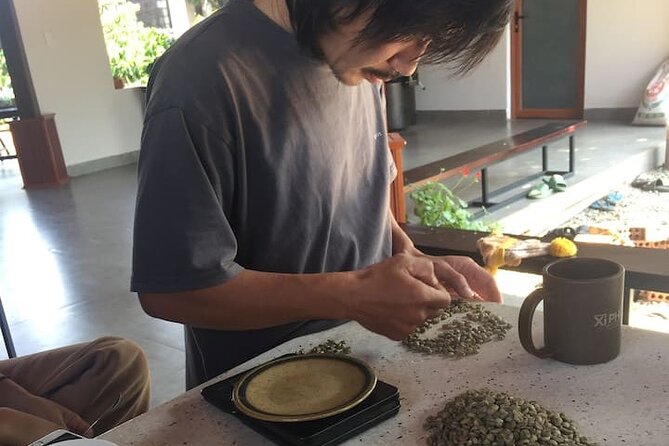
The workshop covers five coffees from the farm. The named examples include Vietnam Robusta prepared with a natural process, Vietnam Arabica prepared with a washed process, and Vietnam Arabica prepared with a natural process. The full range may vary, but the important point is that you compare different beans and processing methods rather than tasting one standard roast.
More Coffee Farm Tours in Vietnam
- Coffee Farm Tour with Roasting & Tasting Workshop – Da Lat
★ 5.0 · 126 reviews - Experience specialty coffee with sustainable coffee farmers
★ 4.9 · 91 reviews - Dalat Countryside Motorbike Day Tour–Coffee Farms & Pagodas
★ 5.0 · 53 reviews
Starting at HuyEco Coffee Farm on Đường 3/4
You meet at HuyEco Coffee Farm, Hẻm 29 Đường 3/4, Phường 3, Đà Lạt, Lâm Đồng 66000. The activity ends at this same meeting point, so you do not need to arrange a separate pickup location or plan a return transfer.
Because the tour lasts about an hour, it fits neatly into a morning or afternoon in Da Lat. You could place it between sightseeing stops, though you should allow enough time to find the small lane and arrive ready to begin. The ticket is mobile, which keeps check-in simple.
The group is capped at 10 people. That matters here. Coffee tasting works better when you can ask why one cup tastes brighter than another, or why a bean from the same plant changes after processing. A smaller group also makes the roasting and brewing portions more practical than they would be in a large class.
Seeing coffee plants before tasting the beans
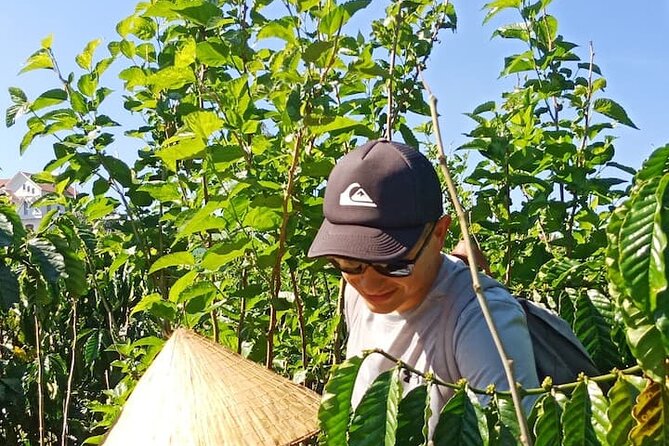
The visit includes time in the garden, where you can look at the coffee plants before tasting their finished beans. This short step gives the workshop useful context. You are not tasting an abstract product from an unknown source. You can connect the cup to a real farm and to the work required before roasting begins.
The farm is presented as a sustainable, human-scale operation. That does not mean the session is a full agricultural course. You will not receive a long technical lesson on every stage of cultivation in the advertised hour. Still, the garden visit helps show how the farmer’s work continues beyond the coffee shop.
This is also where the host’s personal experience becomes valuable. He explains the beans grown on his farm, how they are dried, and how processing affects the final taste. If you have only encountered Vietnamese coffee as a dark, sweet drink, this is a chance to reset your expectations.
Comparing natural and washed processing
Processing is one of the most useful parts of the session. Coffee cherries must be handled after harvest, and the method used before roasting affects the flavor in your cup.
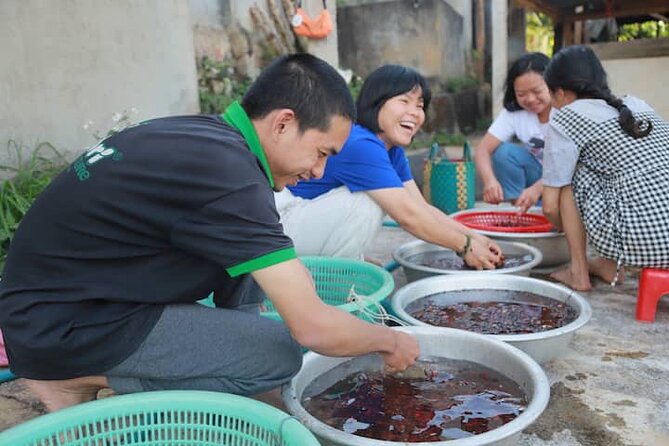
The workshop introduces natural and washed coffee. With a natural process, the coffee fruit dries with the bean inside, allowing the fruit to influence the finished flavor. A washed process removes the fruit before drying the bean. These methods can produce noticeably different results, even when the coffee comes from the same broad region.
You will compare Vietnam Robusta with a natural process, along with Arabica prepared through both washed and natural methods. This side-by-side format gives you a better way to understand the difference than a short explanation alone.
The tasting is especially helpful if you normally add condensed milk or sugar. The purpose here is to taste the coffee on its own. You may notice sour, sweet, or fruity notes that are easy to miss in a heavily sweetened cup.
Do not expect every cup to taste gentle or familiar. Robusta can have a stronger, heavier character than Arabica, and lighter roasting can make acidity more obvious. That is part of the lesson. The workshop is designed to show range, not to make every coffee taste the same.
Same fields, a different sort of morning:
- From Ho Chi Minh: Can Gio Trek – Monkey Island & Crocodile Farm
★ 5.0 · 353 reviews - Cocolocal Farm Cooking Class with market tour and basket boat
★ 5.0 · 231 reviews - Phu Quoc: Kayaking with Starfish Beach and Bee Farm Tour
★ 4.4 · 213 reviews - Farm-To-Table Healthy Cooking Class in Ho Chi Minh City
★ 5.0 · 79 reviews
Roasting your own beans at three levels
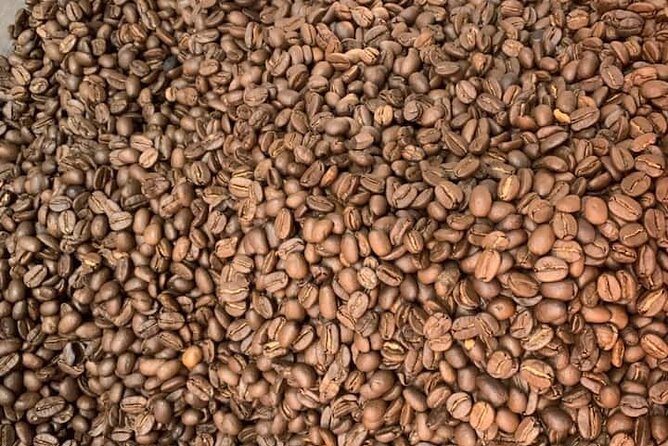
You do not simply watch the host roast coffee. You roast beans yourself, then compare light, medium, and dark roast styles. This is one of the strongest reasons to choose the workshop over a standard café tasting.
Light roasting tends to preserve more of the bean’s original character, including brighter or fruitier notes. Medium roasting brings a fuller balance. Dark roasting pushes the flavor toward a deeper, stronger profile. The exact result depends on the beans and equipment, but the basic comparison is easy to understand when you taste the results in sequence.
The hands-on format also shows why roasting is a form of flavor control. The bean is not a fixed ingredient with one permanent taste. The roast changes its aroma, body, bitterness, and balance.
You should be prepared for some unevenness if you are doing the roasting yourself. That is not a flaw in the concept. It is part of learning. This is a practical workshop, not a professional roasting certification. The host guides you through the process, and the tasting helps you see what changed.
If your main goal is to buy a large bag of coffee or receive a long technical lecture, this may feel brief. If you want to understand the basic link between roast level and flavor, the activity gives you a useful introduction in a compact format.
Tasting five styles without hiding the flavor
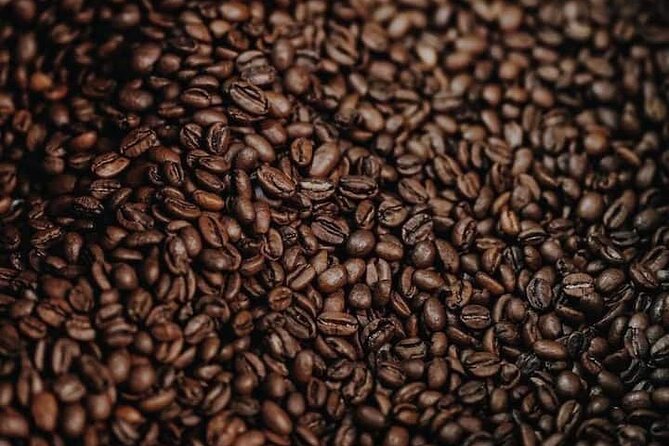
The tasting is the heart of the visit. You compare coffee from the farm using different beans, processing methods, roast levels, and brewing techniques.
That variety gives you several ways to judge the coffee. You might prefer the fruitier character of a natural Arabica, the cleaner taste of a washed Arabica, or the heavier body of Robusta. The point is not to find one correct answer. It is to discover what you notice and what you like.
The host is available to answer questions about the beans, drying methods, roasting times, and preparation. This makes the tasting more useful than simply receiving a row of cups with no explanation.
I suggest taking mental notes as you go. Pay attention to aroma first, then acidity, sweetness, bitterness, body, and aftertaste. You do not need specialist language. Even a simple judgment such as lighter, sharper, heavier, or fruitier will help you see how the methods differ.
Because the activity is about coffee produced by the host’s own hands, the session has a clear sense of place. You are tasting Da Lat coffee through one farmer’s work, rather than sampling an anonymous international selection.
Brewing the final cup with a Vietnamese Phin
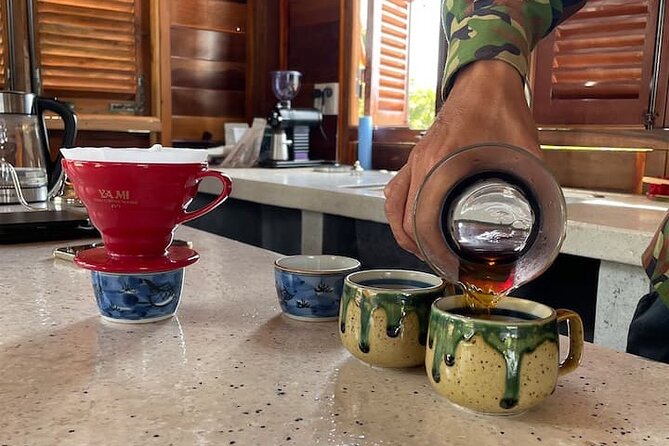
The workshop ends with you making your own traditional Vietnamese Phin coffee. A Phin is a small metal filter that sits directly on top of the cup. Water passes slowly through the grounds, producing a concentrated coffee without an electric machine.
Making the drink yourself is a good finish because it connects the earlier lessons. You have seen the beans, learned about processing, chosen roast styles, and tasted different methods. Now you prepare a familiar Vietnamese drink using the coffee you have been studying.
You also get to enjoy the cup while watching Da Lat city. The view adds a pleasant pause after the more active parts of the workshop. It is not presented as a long sightseeing stop, so keep your expectations focused on the coffee and the setting rather than a major city viewpoint.
The Phin method may be especially interesting if you have ordered Vietnamese coffee elsewhere but never seen how it is prepared. The slow drip is part of the experience, not just a way to serve caffeine.
Is $21 a fair price for one hour?
At $21 per person, this is not the cheapest way to drink coffee in Vietnam. A café cup will cost much less. The value comes from the teaching, the tasting range, the farm connection, and the fact that you roast and brew the coffee yourself.
I consider the price reasonable for someone who will use the hour as a short cultural activity, not simply as a coffee break. You are paying for access to the farmer’s process and for several comparisons that would be difficult to arrange on your own.
The value is strongest if you are interested in specialty coffee, sustainable farming, or Vietnamese food traditions. It is less convincing if you dislike black coffee, have little interest in tasting subtle differences, or want a longer farm tour.
The one-hour duration keeps the cost and time commitment manageable, but it also limits how much can be covered. You will receive an introduction to cultivation, processing, roasting, and brewing rather than an exhaustive course in each subject.
Who will enjoy this experience most?
I would recommend this activity to coffee drinkers who want to understand what they are tasting. It also suits curious visitors who have already seen Vietnam’s usual coffee culture and want something more connected to production.
It is a good match for:
- People who enjoy Arabica and Robusta comparisons
- Anyone curious about natural and washed processing
- Visitors who want a short, hands-on activity in Da Lat
- Coffee drinkers who want to learn the Phin method
- Small groups who prefer direct access to a local host
- Visitors interested in sustainable, small-scale farming
You should think twice if you want a full-day farm visit, extensive food pairings, or a formal professional barista class. None of those are promised here. The appeal is direct and focused: learn, roast, taste, and brew.
The activity may also be less suitable if you prefer heavily sweetened coffee. The tasting is meant to reveal the original flavor of the beans, including sour, sweet, and fruity notes. That can be a surprise if your usual Vietnamese coffee arrives with plenty of condensed milk.
Practical details that affect your choice
The maximum group size is 10 people, and the meeting point is also the end point. You receive confirmation when booking, and you can use a mobile ticket.
The exact guide’s name is not provided, so you cannot choose the host by name in advance. What is clear is that the session is led by the sustainable farmer connected to the farm and coffee shop.
Free cancellation is available if you cancel at least 24 hours before the local start time. Cancellations made within 24 hours are not refunded, and changes inside that window are not accepted.
Since the session is short, arrive at the stated meeting point on time. A late arrival could cut into the roasting and tasting portions, which are the most hands-on parts of the visit.
Should you book the Da Lat coffee experience?
Book it if you want to taste Da Lat coffee at its source and prefer doing something practical over sitting through a standard café talk. The combination of farm plants, natural and washed processing, three roast levels, several brewing methods, and a final Phin coffee gives the hour real substance.
I especially like that you taste coffee without relying on sugar or milk to soften it. You get a clearer sense of how Arabica, Robusta, processing, and roasting each shape the cup.
Skip it if you are looking for a long agricultural tour or a full barista course. For everyone else, $21 is a fair price for a compact, personal introduction to Vietnamese specialty coffee, with enough tasting and hands-on work to make the lesson memorable.
FAQ
Where does the coffee experience begin?
It begins at HuyEco Coffee Farm, Hẻm 29 Đường 3/4, Phường 3, Đà Lạt, Lâm Đồng 66000, Vietnam.
Where does the activity finish?
The activity ends back at the same meeting point, HuyEco Coffee Farm.
How long does the experience last?
The experience lasts approximately one hour.
How much does the experience cost?
The listed price is $21 per person.
How many people can join?
The activity has a maximum of 10 travelers.
Which types of coffee are included?
The experience includes five coffees from the host’s farm, including Arabica and Robusta. Named examples include Vietnam Robusta with a natural process, Vietnam Arabica with a washed process, and Vietnam Arabica with a natural process.
Will I roast coffee myself?
Yes. You will roast coffee beans yourself and compare light, medium, and dark roast styles.
Will I make Vietnamese Phin coffee?
Yes. The experience ends with you making your own traditional Phin coffee while watching the city.
Can I cancel for a full refund?
Yes, if you cancel at least 24 hours before the experience’s local start time. Cancellations made less than 24 hours in advance are not refunded.
Just added around Vietnam
- Cave Explore- Paradise Cave & Phong Nha Cave – Duck Farm★ 4.8 · 16 reviews
- Trekking to Hidden Waterfall & Sturgeon Farm for dog-lovers★ 4.8 · 43 reviews
- Tra Que Village Vegetable Farm Experience by Bike★ 5.0 · 2 reviews
- Full Day Experience to Farm and Chocolate★ 5.0 · 22 reviews
- Sapa Half Day Local Farming Experience★ 5.0 · 3 reviews
- Private Cycling Tour in Rural Hue with Farming Experience★ 5.0 · 18 reviews
- Experience Buffalo Ride and Farmer in Hoi An★ 5.0 · 3 reviews
- Sunset photo tour with the farmers★ 4.5 · 7 reviews
Coffee Farm Tours, compared.
Award Winning Farm Tour: Coffee, Chocolate and Unique Gifts
Read our review →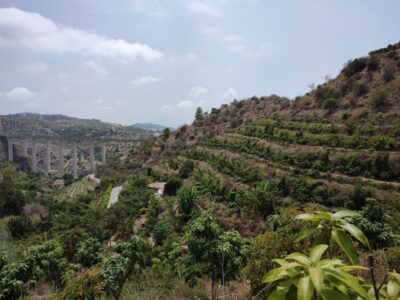
La Herradura Coffee Farm: tour in Europe’s only plantation
Read our review →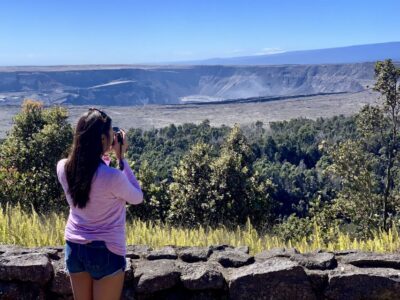

Small-Group Big Island Tour: Hawaii Volcanoes National Park and Kona Coffee Farm
Read our review →
Medellín Coffee Farm Tour with Trolley and Cable Car Ride
Read our review →
Private Cocora Valley, Salento & Coffee Farm Tour
Read our review →
Liamuiga Natural Farm Tour – St.Kitts’ Coffee Farm
Read our review →
Lists this farm appears in