Reviewed · FARM TOURS
Kolkhoz: Private visit to the cotton farmers’ village
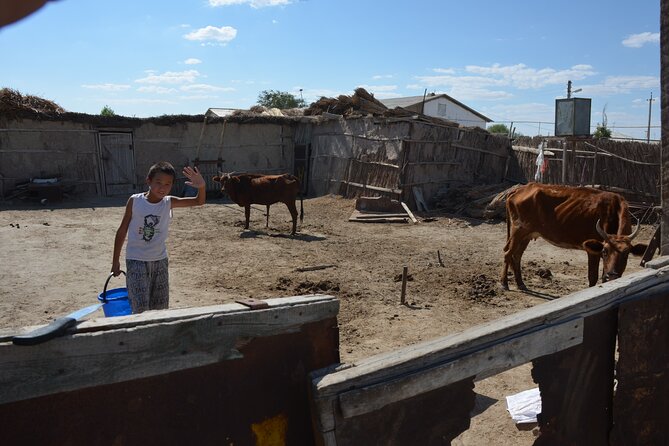
The most memorable part of this day is not a monument. It is sitting in a village home over a plate of palov, after walking through cotton country and along the dry bed of the Zeravshan River. You see how farming, water, and family life fit together in rural Uzbekistan.
I like the home-cooked family lunch and the chance to meet people who once worked on a Soviet collective farm. I also like the way the walk turns Central Asia’s water shortage from an abstract problem into something you can see in a riverbed, irrigation channel, and crop field.
The main drawback is the length and physical effort. This is a 10 to 11-hour day with about 7 kilometers of walking, and the countryside offers few places to escape strong sun or hot weather. The school visit also requires advance permission, so it cannot be treated as a guaranteed drop-in stop.
Key points at a glance
- A former kolkhoz becomes your classroom: Learn about village life from people connected to the old Soviet collective farm system.
- Palov is served in a family home: The two-hour lunch includes time to see how the traditional Uzbek dish is prepared and shared.
- The Zeravshan River shows the cost of irrigation: Its water is used for farming, leaving a dry basin in places.
- Cotton changes with the season: See sowing in April, flowering from early June, and picking in September and October.
- Local production is part of the route: Visit a fish farm and a beekeeper producing honey from cotton flowers.
- French-speaking visitors have an unusual extra option: With permission, you can meet students learning French at a rural school.
Leaving Samarkand for the old collective farm
This private trip takes you from Samarkand into the countryside around Ishtixon, where an old kolkhoz still shapes the story of the village. A kolkhoz was a Soviet collective farm, and the day gives you a close look at what farming communities became after that system changed.
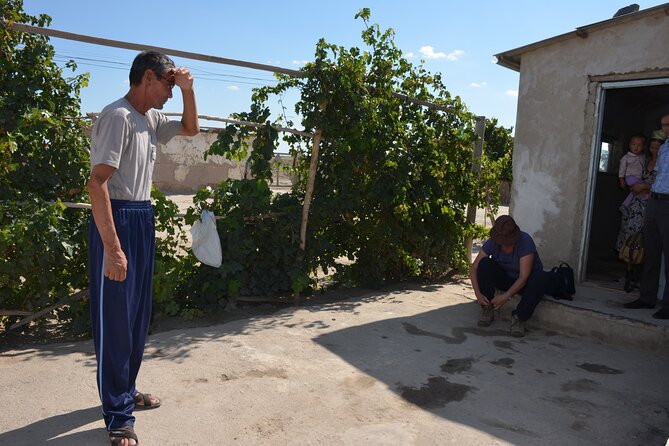
The point is not to tour a preserved museum. You meet former kolkhozians in their own community, see crops growing in the fields, and share time with a family at home. That makes the experience more personal than a standard rural photo stop.
Your guide speaks French or English, and private transportation is included. Since only your group takes part, you can ask questions as you go and spend more time on the parts that interest you. The exact rhythm still depends on the day, the walking conditions, and the activities available during your visit.
The village arrival is planned for around 10 a.m. The first hour is spent with a family over welcome tea. This is a gentle start, but it matters. You are not rushed straight from the vehicle into a field. You have time to meet the people who will help you understand the place.
More Farm Tours in the world:
- Half-Day Thai Cooking Class at Organic Farm in Chiang Mai
★ 5.0 · 19,087 reviews - Florence Pizza or Pasta Class with Gelato Making at a Tuscan Farm
★ 5.0 · 6,801 reviews - Cooking Class and Lunch at a Tuscan Farmhouse with Local Market Tour from Florence
★ 5.0 · 4,831 reviews
Payshanba Bazaar, only on Thursday
If your date falls on Thursday, the route can include Payshanba Bazaar on the way. The market operates from about 6 a.m. to 2 p.m., so the timing makes a morning visit possible before you continue to the village.
This is a working market rather than a display arranged for tourists. Livestock, clothing, and food are sold there, giving you a quick look at everyday trade in Uzbekistan. It is also a chance to see the difference between Samarkand’s historic center and the commercial life of smaller communities.
Admission is free, but the bazaar is not part of every departure. It is specifically tied to Thursday, so you should not expect this stop if you visit on another day. If the market matters to you, confirm the plan when booking.
Walking beside the Zeravshan River
The first substantial walk covers about 4.5 kilometers and takes around two and a half hours. You head toward the Zeravshan River, whose water is used entirely for irrigation in this area.
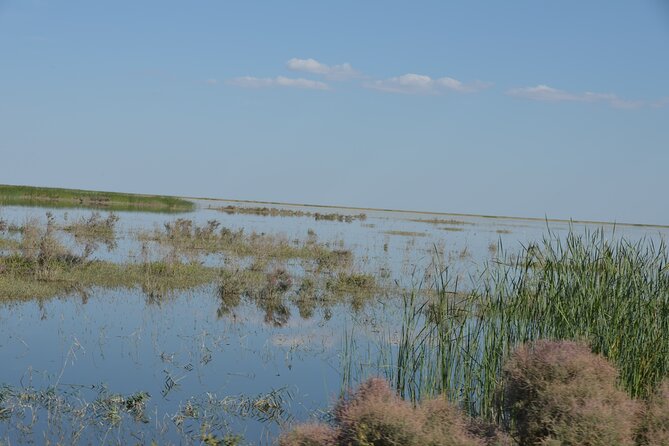
What you see is striking: a river system that supports crops but has a dry basin in places. The route helps explain why water is such a serious issue across Central Asia. The subject can sound distant when discussed in terms of regional policy or climate. Here, it is right under your feet.
You also see crops grown in the riverbed and visit a fish farm. That combination tells an important local story. Water supports farming and fish production, but the same demand for water leaves less of the river flowing naturally.
I would treat this walk as a central part of the day, not as a filler between the village visits. It gives the tour its strongest sense of place. You are not just looking at fields. You are seeing the link between irrigation, food production, and the condition of the river.
The practical issue is the weather. The walking time is long, and the tour requires good weather to operate. Wear shoes suitable for uneven rural ground and bring protection from the sun. The supplied details do not promise shade, restrooms, or refreshments along the route, so plan to use the welcome tea and lunch as useful breaks.
A two-hour palov lunch in a local home
Lunch is served in a family setting and lasts about two hours. The meal centers on palov, the famous Uzbek rice dish cooked with ingredients such as meat, carrots, and onions, although the specific preparation can vary from one household to another.
The value here is the setting. You are not simply handed a plate at a restaurant and sent on your way. The visit includes time with the family, and the preparation of the meal becomes part of the experience. The day’s strongest human connection comes from this shared table.
A previous French-speaking visitor particularly valued the preparation of the palov and the meal with the family. That detail is worth taking seriously when deciding what kind of tour this is. The lunch is not a quick pause. It is one of the main reasons to choose the trip.
The two-hour schedule also gives you time to slow down. You can ask your guide about village life, farming, and the former collective farm system. If you are shy about entering a private home, remember that the visit is designed around hospitality and conversation, not a formal performance.
Lunch is included in the price. Personal expenses are not, so anything beyond the planned meal and included visits is yours to pay for.
Same fields, a different sort of morning:
- Chiang Mai: Authentic Cooking Class with Market & Farm Visit
★ 4.9 · 4,546 reviews - Tromsø: Reindeer Camp and Sami Cultural Tour with Lunch
★ 4.7 · 3,326 reviews - Maui Pineapple Farm Tour in Haliimaile
★ 5.0 · 2,855 reviews - Sorrento Farm and Food Experience including Olive Oil, Limoncello, Wine tasting
★ 5.0 · 2,524 reviews
Cotton fields from April planting to autumn harvest
After lunch, the route continues into the cotton fields. This second walk covers about 2.5 kilometers and takes around two and a half hours, bringing the total walking time to about five hours.
The fields change with the month. Cotton is sown in April, flowers in early June, and is harvested in September and October. In other months, you may see the crop at a different stage. That seasonal timing makes the visit more than a single fixed picture of farm life.
In September and October, the focus may include cotton picking. From April to May, silkworm breeding may be available as a seasonal activity. These options depend on the time of year, so you should not assume that every seasonal task will be operating during your visit.
The scale of the cotton plantations is part of the impression. You are in an area where agriculture is not a small backyard activity. It reaches across the countryside and depends heavily on irrigation. After seeing the dry river basin, the cotton fields make the water question even clearer.
The route also includes a beekeeper producing cotton honey. You visit the farm and learn about the local product. This is a welcome change from the broad cotton fields because it brings you back to a small-scale producer and a specific item you can taste or buy if offered.
The tour description does not state the exact distance from the vehicle to every field or farm, so you should expect a rural walking day rather than a fully vehicle-based visit. If you prefer short walks and frequent indoor stops, this may feel demanding.
The optional rural school visit
A countryside school in Ishtixon still teaches French as a foreign language. With advance permission, you can tour the school and meet students and teachers.
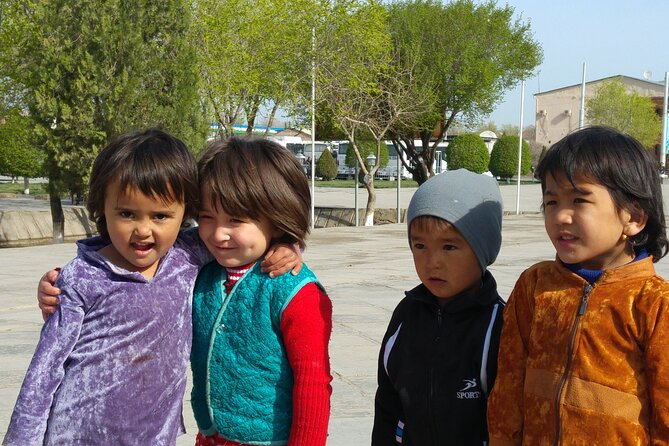
For French-speaking visitors, this could be one of the most unusual parts of the day. You are not only seeing how rural people work. You may also meet young people studying the language of visitors from far away. The warm welcome from children and teachers was a highlight for one French-speaking participant, and the human exchange gives the trip another layer.
There is an important rule: the school administration must approve the visit in advance so classes are not disrupted. You need to request this before the day of the tour. It is not an open public stop, and you should not count on entering the school without permission.
The visit is listed as taking about an hour. It may be especially useful for French-speaking families, educators, language students, or anyone who values direct contact more than a long list of attractions.
What $90 per person buys you
The price is $90 per person. For a private 10 to 11-hour day, that includes private transportation, a French or English-speaking guide, and lunch in a family home.
I see the price as reasonable if you want a full day outside Samarkand and plan to make use of the personal format. You are paying for transport into the countryside, guiding, several local stops, a substantial meal, and access to experiences that would be difficult to arrange independently, especially the family visit and school meeting.
The value is less clear if you mainly want a short sightseeing outing. Much of the cost goes into the day’s length and logistics, while the sights are working farms, a river basin, a village, and a school rather than famous monuments. This is an experience-led trip, not a checklist tour.
Group discounts are available. Since this is a private activity, a small group may find the price easier to justify than one person traveling alone. Only your own party participates, which also makes it easier to set the pace, within the fixed schedule and walking distances.
Confirmation is sent within 48 hours of booking, subject to availability. Pickup is offered, and you receive a mobile ticket. The tour has free cancellation up to 24 hours before the start time. A late cancellation or late change is not refunded, and poor weather or too few bookings can lead to a new date, another experience, or a full refund.
Who will enjoy this day most
I would choose this tour if you want to understand how people live beyond Samarkand’s major sights. It suits you if you enjoy conversation, rural walks, home cooking, and seeing how a region’s economy works.
It is also a strong choice for French-speaking visitors, provided you request the school meeting in advance. The chance to meet students who are learning French is a rare detail, and the guide can help bridge the language gap.
Families, photographers, students, and visitors interested in agriculture may find plenty to hold their attention. The cotton cycle, fish farm, beekeeping, and river walk give you several subjects to follow through one day.
I would think twice if you dislike long drives, hot open spaces, or informal home visits. This is not the best fit for someone who wants a relaxed vehicle tour with brief stops. The walking totals around 7 kilometers, and the day runs from morning into the evening.
Small details that help you plan
The itinerary places the village arrival at around 10 a.m., but the full pickup time from Samarkand is not specified. Expect a full-day commitment rather than a half-day outing.
The bazaar is available on Thursdays, from 6 a.m. to 2 p.m. The school visit needs advance authorization. Seasonal farm activities also depend on your month of travel.
The tour requires good weather and a minimum number of participants. If either condition prevents the departure, you can receive a different date, another experience, or a full refund.
Bring practical walking gear, sun protection, and enough interest in rural life to enjoy pauses that are not tightly scripted. The supplied details do not state whether drinks beyond welcome tea and lunch are included, so personal expenses may be useful for anything extra.
Should you book the kolkhoz visit?
Book it if you want a thoughtful day in the Uzbek countryside, especially one built around people rather than monuments. The family palov lunch, the dry Zeravshan basin, the cotton fields, and the chance to meet students at a rural French class give the tour a clear sense of purpose.
Skip it if your time in Samarkand is short or if five hours of walking sounds like too much. For the right visitor, the $90 price buys more than transport and a meal. It buys a window into farming, water use, hospitality, and village life that you will not get from the city center alone.
FAQ
Where does the tour take place?
The tour begins in Samarkand and visits a former kolkhoz village in the Ishtixon area of Uzbekistan.
How long does the experience last?
The full experience takes approximately 10 to 11 hours.
What is included in the price?
The price includes private transportation, a French or English-speaking guide, and lunch served in a local family setting.
Is this a private tour?
Yes. Only your group participates in the activity.
How much walking is involved?
The itinerary includes about 4.5 kilometers of walking to the Zeravshan River and about 2.5 kilometers through the cotton fields and nearby farms.
Can I visit Payshanba Bazaar?
The bazaar can be visited on the way if you travel on a Thursday. It operates from about 6 a.m. to 2 p.m. and admission is free.
Can I visit the rural school?
You can visit the school only with permission from the school administration. The visit must be arranged in advance so it does not disrupt classes.
Which seasonal activities may be available?
Silkworm breeding may be seen in April and May. Cotton picking takes place in September and October. The cotton crop is sown in April and flowers in early June.
Can I cancel for a full refund?
You can cancel at least 24 hours before the experience begins for a full refund. Cancellations and changes made less than 24 hours before the start time are not refunded or accepted.
Just added around the world
- Zanzibar: Walking Spice Farm with Local Cooking Class★ 4.4 · 9 reviews
- Zanzibar:Jozani forest, Spice farm with Swahili Cuisine clas★ 4.2 · 3 reviews
- ZANZIBAR, Stone town tour, Prison Island & Spice farm★ 5.0 · 11 reviews
- Zanzibar: Spice Farm Tour with Traditional Cooking Class★ 4.6 · 16 reviews
- Zanzibar: Stone Town City Tour and Spice Farm with Lunch★ 3.7 · 33 reviews
- Zanzibar: Spice farm tour with Zanzibar fruits tasting★ 3.8 · 7 reviews
- Zanzibar: Spice Farm Tour with Cooking lesson★ 4.5 · 4 reviews
- Zanzibar: Spice Farm Tour with Traditional Cooking Class★ 4.8 · 6 reviews
Farm Tours, compared.
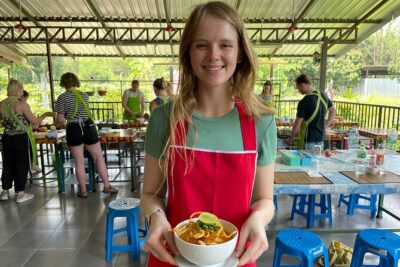
Half-Day Thai Cooking Class at Organic Farm in Chiang Mai
Read our review →
Florence Pizza or Pasta Class with Gelato Making at a Tuscan Farm
Read our review →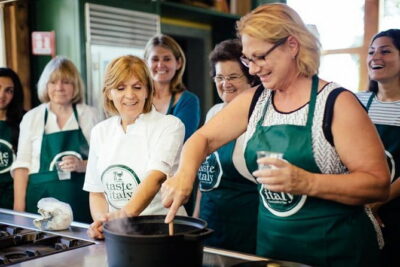
Cooking Class and Lunch at a Tuscan Farmhouse with Local Market Tour from Florence
Read our review →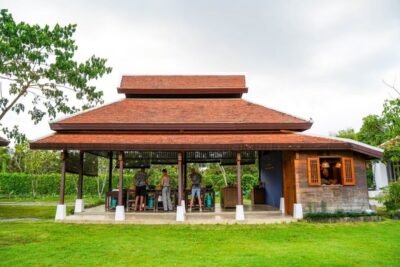
Authentic Cooking Class with Market & Farm Visit
Read our review →
Reindeer Camp and Sami Cultural Tour with Lunch
Read our review →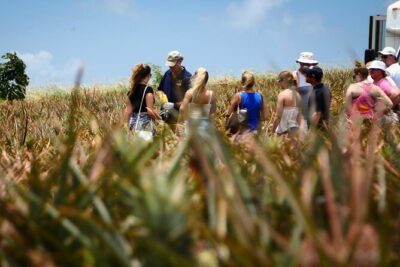

Sorrento Farm and Food Experience including Olive Oil, Limoncello, Wine tasting
Read our review →