
Reviewed · LUNCH EXPERIENCES
Private Ollantaytambo, Pisac Ruins Tour with Farm Visit, Gourmet Picnic Lunch
Ollantaytambo and Pisac are two of the Sacred Valley’s essential Inca sites, but this private day adds something many ruin tours skip: time with the people, food, farms, and markets of the valley. You’ll walk through terraces and old streets, then eat lunch at an organic farm overlooking the valley.
I especially like the private format, which gives you room to ask questions and set a comfortable pace, and the farm lunch, prepared by a chef with local produce. The visit with guide Valentin can also add useful local context, since he grew up in the Sacred Valley and knows the area well.
The main caution is the pace. You’ll spend much of the day in a vehicle and climb stairs at both archaeological sites. Entrance fees are also extra, so the $197 price is not the final cost.
Key points at a glance
- Two major Inca sites in one day: Visit the terraces, fountains, aqueducts, military areas, and old streets of Ollantaytambo, then continue to high mountain ruins at Pisac.
- A real farm visit: Cut alfalfa for guinea pigs, see how chicha is made, and learn how local crops fit into daily life.
- Chef-prepared picnic lunch: Eat outdoors at an organic farm with views across the Sacred Valley.
- Urubamba market stop: Browse a local produce market and taste fruits such as lucuma, passion fruit, and chirimoya.
- Private transportation and guiding: Your group travels alone, with hotel pickup and return to Cusco or the Sacred Valley.
- Extra ticket cost: The tour price does not include the Boleto Turistico needed for the ruins.
Why this private Sacred Valley day works well
This is not simply a ruins checklist. You get ancient architecture, working agriculture, local food, and a market in one long day. That mix matters because the Sacred Valley makes more sense when you see how the Inca sites connect to the land and to present-day farming.
A group tour often has to move on when someone has a question or wants a few extra minutes for photographs. Here, your guide can spend more time explaining the sites and the surrounding communities. That is especially useful at Ollantaytambo and Pisac, where a quick walk can leave you seeing only stone walls and terraces without understanding their purpose.
The tour costs $197 per person, which is a significant amount before entrance fees. I think the value depends on your priorities. If you want the cheapest way to see two ruins, this is not it. If you want private transport, a personal guide, a farm visit, food tasting, and a prepared lunch without arranging each piece yourself, the price is easier to justify.
The strongest part for many people will be the food. The picnic is not described as a packed sandwich lunch. A chef prepares it at the farm using local organic ingredients, including produce grown there. That turns lunch into part of the cultural program rather than a break between stops.
More Lunch Experiences in the world:
- Cooking Class and Lunch at a Tuscan Farmhouse with Local Market Tour from Florence
★ 5.0 · 4,831 reviews - Tromsø: Reindeer Camp and Sami Cultural Tour with Lunch
★ 4.7 · 3,326 reviews - Montserrat Lunch & Wine at Farmhouse Small Group from Barcelona
★ 5.0 · 2,368 reviews
Ollantaytambo: terraces, water, and Inca defenses
The day begins with pickup at 7:00 a.m. from Cusco, or at 8:30 a.m. from a hotel in Ollantaytambo. That distinction matters. Staying in the Sacred Valley gives you a later start and avoids the early Cusco departure, while a Cusco pickup makes this a long but efficient full-day outing.
At Ollantaytambo, you’ll tour the archaeological park with your guide. The site was connected with the Inca emperor Pachacutec and later served as a military checkpoint on routes toward Machu Picchu. Its position and terraces help explain why it mattered.
Expect stairs and a moderate amount of walking. The climb is not just exercise for its own sake. From the higher areas, you can better understand the scale of the terraces and the way the site controlled movement through the valley.
Your guide will point out fountains and aqueducts, which show how carefully the Incas managed water. You’ll also see storage houses designed to use wind to keep crops cool and preserved. These details are easy to miss if you visit without an explanation.
Allow time for the town itself, too. Ollantaytambo is one of the oldest continuously inhabited towns in Peru, with many 15th-century Inca buildings still in use. Wandering its streets adds a welcome human element after the formal archaeological tour.
The entrance ticket is not included. You need the Boleto Turistico, priced in the supplied information at 130 soles, about $37, for a broad ticket covering Pisac, Ollantaytambo, Chinchero, Moray, several Cusco museums, and Sacsayhuaman. A partial ticket is listed at 70 soles, about $23, but you should confirm at booking or before arrival which version applies to your planned sites.
A Sacred Valley farm and a lunch worth planning around
After Ollantaytambo, the drive to Yanahuara takes about 20 minutes. This is where the day shifts from monumental stonework to ordinary rural life.
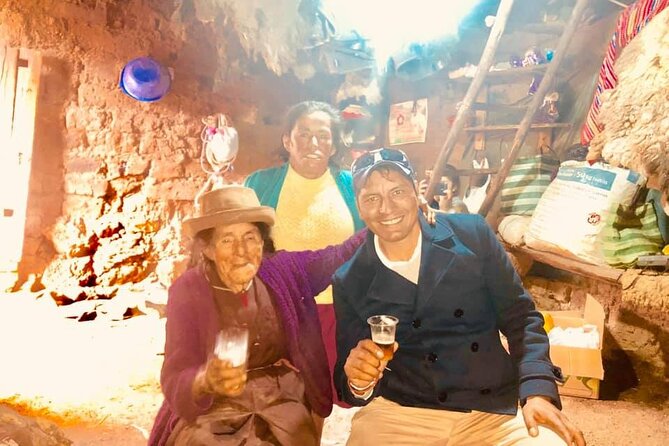
At the farm, you’ll walk through the fields and cut alfalfa to feed guinea pigs. Guinea pigs, or cuy, are important in Andean food culture, but here the activity is presented as a simple look at farm routines. You’ll also see how chicha is made, a traditional corn beer with roots reaching back to Inca times.
The farm visit gives your guide room to explain crops, diet, weather, and local work. Those subjects can make the valley feel less like a scenic stop and more like a place where people still depend on agriculture.
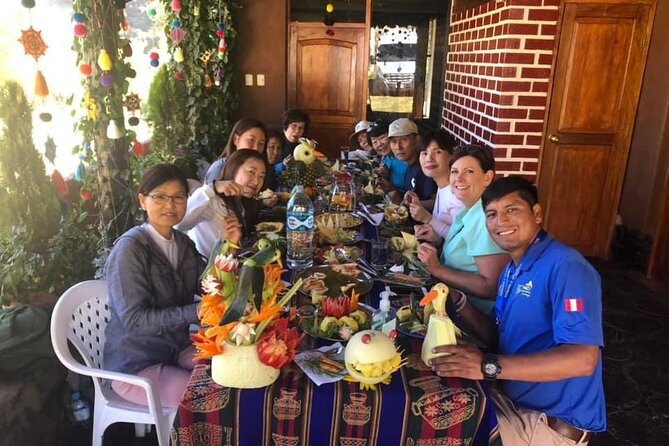
Lunch follows outdoors at the farm. The meal uses local organic produce, including some crops grown on the property, and is prepared by a private chef. The setting overlooks the Sacred Valley, so you get a calm pause after the early start and before the afternoon ruins.
The food is a major reason to choose this tour over a standard sightseeing day. Several comments about the experience single out the meal as one of the best meals of a Peru trip. That is strong praise, but you should still view it as a carefully planned lunch rather than a full cooking class or a long culinary workshop. The supplied details promise a chef-prepared picnic and food tasting, not a hands-on cooking lesson.
Urubamba market: fruit, flowers, and local ingredients
After lunch, you’ll visit an authentic local market in Urubamba. The emphasis is on everyday shopping, not only souvenirs. You can expect stalls with fruits, vegetables, flowers, and natural medicinal plants.
Your guide will help you identify and taste Peruvian fruits such as passion fruit, lucuma, and chirimoya. This is one of the small but valuable parts of the day. You may recognize the names from menus in Peru, but tasting the fruit at a local market gives you a clearer sense of how it is used.
The market also connects with the farm visit. You’ll learn more about the ingredients used to make chicha and how corn fits into local food traditions. Since the group is private, you can ask about unfamiliar produce without worrying that you are holding up a large tour.
Do not expect a polished tourist market. The appeal is precisely that it serves local families selling food and plants. Conditions can be simple, and the experience may feel less tidy or organized than a market designed for sightseeing. That is part of its value, but it also means you should come ready for a working market rather than a staged cultural display.
More Farm Tours in the world:
- Half-Day Thai Cooking Class at Organic Farm in Chiang Mai
★ 5.0 · 19,087 reviews - Florence Pizza or Pasta Class with Gelato Making at a Tuscan Farm
★ 5.0 · 6,801 reviews - Chiang Mai: Authentic Cooking Class with Market & Farm Visit
★ 4.9 · 4,546 reviews - Maui Pineapple Farm Tour in Haliimaile
★ 5.0 · 2,855 reviews
Pisac ruins and the high terraces
The drive from the market area to Pisac takes about an hour. The ruins sit high on a mountain above the valley, and the setting is one of the day’s strongest visual moments.
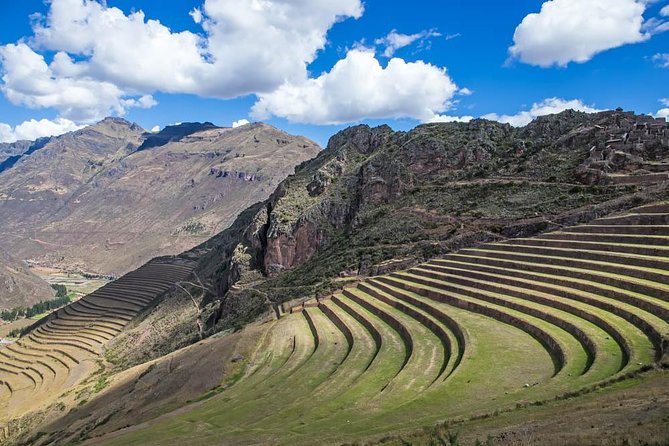
At Pisac, your guide will explain the religious, astronomical, and military roles of the site. You’ll see terraces climbing the slopes, including farming areas at elevations above 11,000 feet. These terraces were not just decorative walls. They allowed the Incas to grow food in difficult high-altitude conditions.
You’ll climb toward the upper parts of the ruins for broad views across the Sacred Valley. Again, expect stairs and a moderate level of walking. The combination of altitude, slopes, and a full day on the move can make this section feel demanding, particularly if you have not adjusted to the altitude.
The tour may also include a less-used original Inca trail and a tunnel built by the Incas. That gives the visit a more active edge than a simple viewpoint stop. The route is described as little known and seldom used, but the precise walking conditions are not provided, so ask your operator if you need a clear estimate of the trail length or difficulty.
Pisac also contains one of the largest Inca cemeteries. Your guide can show you this part of the site and explain its place within the wider complex. It is an important reminder that Pisac was not only a farming center or military lookout. It was also a place tied to belief, community, and burial.
Ending in the Pisac handicraft market

The final stop is the handicraft market in the town of Pisac. You can browse ceramics, jewelry, and woven goods before returning to your hotel.
This market gives you a chance to shop after seeing how local agriculture and food fit into the valley. It also provides a softer ending than leaving directly from the mountain ruins. You should still set your own spending limit. The tour includes time to browse, not a purchase allowance or a guarantee of any particular item.
Return transport is provided to hotels in Cusco or the Sacred Valley. Because the day includes two archaeological parks, a farm, a market, and a long drive, the return time can vary with the pace of your private group. The advertised duration is about eight hours.
Guide quality and the value of a private group
The guide is central to this experience. Valentin is identified as a guide who grew up in the Sacred Valley and knows local people and communities. That background can add more than facts about dates and architecture. You can ask about diet, farming, weather, village economies, and how daily life works in the Andes.
The strongest feedback about the guiding focuses on clear English, professional handling of the day, and detailed explanations. For a tour that moves between archaeology, farming, food, and markets, that range matters. You need someone who can connect the subjects rather than treat them as unrelated stops.
A private group also lets you ask more questions than you usually can on a large coach tour. If one person in your party wants extra time at an aqueduct while another wants to shop, the guide can help manage the day without a bus full of strangers waiting.
The tradeoff is cost. A private tour is rarely the budget option. You are paying for transport reserved for your group, a dedicated guide, a farm program, food, and the convenience of not coordinating the route yourself. For couples, families, or small groups who value flexibility, that can be worthwhile. Solo visitors may find the price harder to defend.
Who should book this tour?
I would choose this experience if you want more than ancient ruins. It suits you if you like learning how food is grown, tasting unfamiliar fruit, visiting a working market, and eating a planned meal in a rural setting.
It is also a good fit if you want to combine Ollantaytambo and Pisac without organizing separate transport. Families and small groups can benefit from the private setup, particularly if they want to ask many questions or keep the day at a comfortable pace.
You should think twice if you dislike long drives, stairs, or full sightseeing days. The route covers a lot of ground, and entrance tickets cost extra. It is also not the right choice if your main goal is to spend a relaxed half-day in one town.
Book at least some time ahead if possible. The experience is often reserved about 100 days in advance, which suggests that the private format and farm lunch have steady demand. Free cancellation is available if you cancel at least 24 hours before the start time. Changes or cancellations inside that window are not refunded.
Final decision
Book this tour if you want a well-rounded Sacred Valley day built around personal guiding, local food, and two major Inca sites. The farm lunch, Urubamba market, and access to a less-used trail give it more character than a standard ruins transfer.
Skip it if you are counting every dollar, want a slow day, or prefer to arrange entrance tickets and transport yourself. At $197 per person plus the required ticket, it is a premium day out. For the right group, though, the private guide, strong meal, and mix of archaeology and daily life make the cost reasonable.
FAQ
How long does the tour last?
The tour lasts approximately eight hours.
Where does hotel pickup take place?
Pickup is available from hotels in Cusco and the Sacred Valley. The schedule lists 7:00 a.m. pickup from Cusco and 8:30 a.m. pickup from a hotel in Ollantaytambo.
Are entrance fees included?
No. You must purchase the Boleto Turistico for entrance to the Ollantaytambo and Pisac ruins.
What does the Boleto Turistico cost?
The supplied information lists a full ticket at 130 soles, about $37, and a partial ticket at 70 soles, about $23. The full ticket covers Pisac, Ollantaytambo, Chinchero, Moray, several museums in Cusco, and Sacsayhuaman.
Is lunch included?
Yes. A private gourmet picnic lunch prepared by a chef is included, along with food tasting.
What will I see at the farm?
You will tour the farm fields, cut alfalfa to feed guinea pigs, learn how chicha is made, and eat lunch using local organic produce.
Is this a private tour?
Yes. Only your group participates, and private transportation is provided.
Is a lot of walking required?
A moderate amount of walking is involved, including stairs at Ollantaytambo. The Pisac visit includes climbing toward the upper ruins and may include an original Inca trail and tunnel.
Just added around the world
- Zanzibar: Walking Spice Farm with Local Cooking Class★ 4.4 · 9 reviews
- Zanzibar:Jozani forest, Spice farm with Swahili Cuisine clas★ 4.2 · 3 reviews
- ZANZIBAR, Stone town tour, Prison Island & Spice farm★ 5.0 · 11 reviews
- Zanzibar: Spice Farm Tour with Traditional Cooking Class★ 4.6 · 16 reviews
- Zanzibar: Stone Town City Tour and Spice Farm with Lunch★ 3.7 · 33 reviews
- Zanzibar: Spice farm tour with Zanzibar fruits tasting★ 3.8 · 7 reviews
- Zanzibar: Spice Farm Tour with Cooking lesson★ 4.5 · 4 reviews
- Zanzibar: Spice Farm Tour with Traditional Cooking Class★ 4.8 · 6 reviews
Lunch Experiences, compared.
Cooking Class and Lunch at a Tuscan Farmhouse with Local Market Tour from Florence
Read our review →
Reindeer Camp and Sami Cultural Tour with Lunch
Read our review →
Montserrat Lunch & Wine at Farmhouse Small Group from Barcelona
Read our review →
Montserrat Visit & Lunch at Farmhouse Small Group
Read our review →
Montserrat Full Day Tour with Farmhouse Lunch and Winery Visit
Read our review →
Montserrat & Winery Visit Tour with Traditional Farmhouse Lunch
Read our review →
Hidden Gems: Boutique Full-Day Wine, Farm & Lunch Tour
Read our review →
Road to Hana Adventure with Farm to Table Lunch
Read our review →Lists this farm appears in