
Reviewed · COFFEE FARM TOURS
Salento: Coffee Farm Tour with Tasting
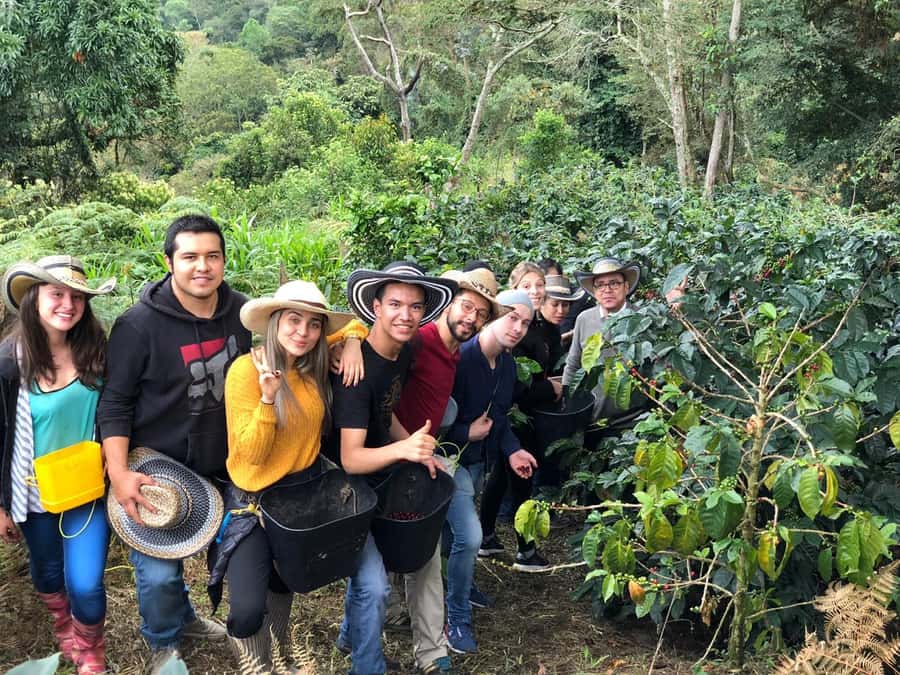
The best part of this five-hour outing is that coffee stops being a bag on a shop shelf and becomes a chain of human work. You walk among the bushes, pick ripe cherries, plant a seedling, and follow the beans toward roasting and tasting at a traditional farm with a hundred-year history.
I like the hands-on work, especially picking cherries and helping plant coffee, and I like the relaxed pace and fine views from the farm. Guides such as Kevin and Marlon add local stories and clear explanations. One caution: the advertised five-hour duration has not always matched the time spent at the farm, with one booking ending after about two hours.
Key points to know
- A real coffee process: Follow coffee from seedling and cherry to drying, roasting, and sometimes grinding.
- Hands-on participation: You can pick coffee cherries and plant a young coffee seedling.
- Private group format: Pickup is included from your accommodation in Filandia, with Spanish or English guiding.
- Strong guide team: Kevin may add a walk through Salento, while Marlon leads the farm visit with practical detail and humor.
- Coffee tasting lesson: Baristas explain how to spot the qualities of good Colombian coffee.
- Check the timing: Confirm the planned schedule before booking if you expect a full five-hour farm visit.
Why this farm visit is worth your time
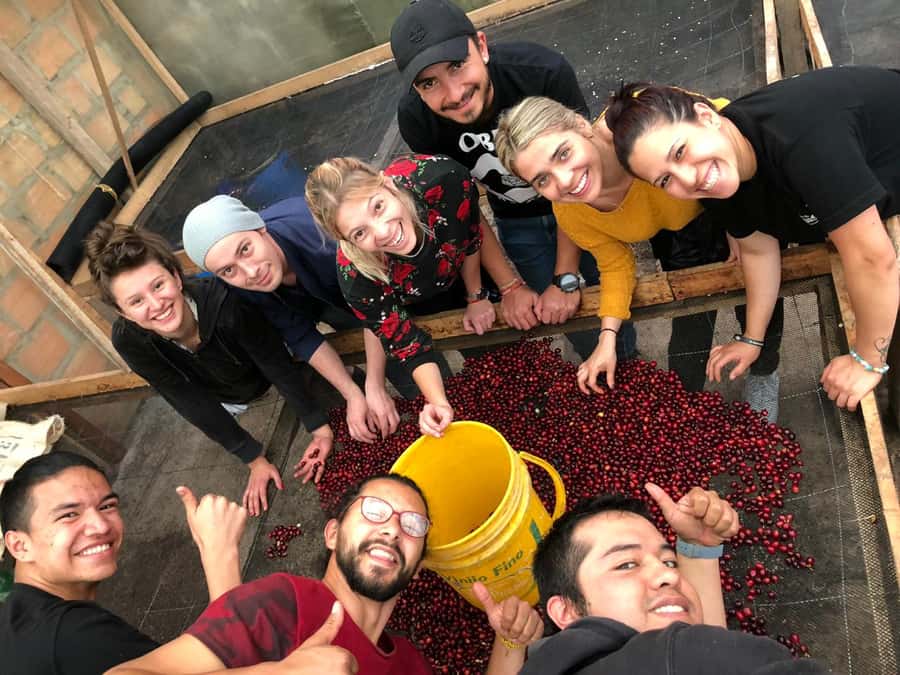
Colombia is famous for coffee, but a café stop tells you only the last chapter. This tour gives you the rest of the story. You see the plants, handle the fruit, learn about seedlings, and watch the beans move through the later stages before you drink the result.
That matters because coffee production is not a single task. Much of the work is done by hand, and the care taken by growers affects the cup you eventually taste. The tour connects the ordinary morning drink in your hotel or home with the soil, plants, harvest, and people behind it.
The setting helps. You leave the town streets for a traditional finca with extensive coffee plantations, open views, and a quiet rural feel. It is not simply a lecture indoors. Your guide walks you from one area to another, using the farm itself as the classroom.
At $101 per person, this is not a bargain farm admission. It makes better financial sense if you value private transport, a live guide, a private group, hands-on activities, and a proper tasting lesson. If you only want to see coffee bushes and buy a bag of beans, a shorter and cheaper visit may suit you better.
More Coffee Farm Tours in Colombia
- Medellín Coffee Farm Tour with Trolley and Cable Car Ride
★ 4.9 · 277 reviews - Salento: Private Cocora Valley, Salento & Coffee Farm Tour
★ 4.9 · 202 reviews - Medellin: Horseback Riding Coffee Farm Tour with Coffee Spa
★ 4.8 · 151 reviews
From Filandia pickup to the coffee finca
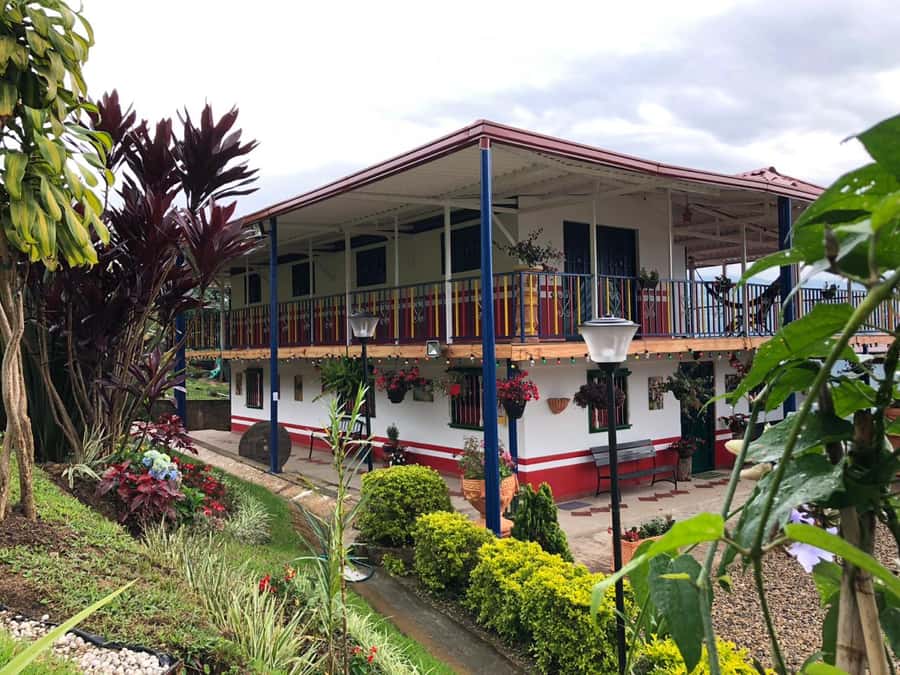
Pickup is included from your accommodation in Filandia. The supplied information also places the experience in the Salento and Tolima area, so confirm the exact farm and transfer details when you reserve. That point is worth checking because Filandia and Salento are separate places, and the drive affects how much time you spend on the farm.
The group is private, which is a useful advantage. You can ask questions without waiting for a large group to catch up, and the guide can adjust explanations to your interest. A coffee obsessive can ask about roasting and flavor, while a first-time visitor can stay with the basics.
The transport is part of the value. You do not have to arrange a taxi or work out a rural route on your own. Wear clothes that can handle outdoor farm conditions, bring water, and choose shoes with a firm sole. The tour runs in all weather, so a light rain layer is sensible even on a bright morning.
A short orientation in Salento
Depending on the arrangement, Kevin may begin with a walk through Salento before the farm transfer. His guiding can add useful context about the town, the region, and Colombia, rather than treating the coffee finca as an isolated attraction.
This town introduction is a pleasant bonus for anyone who has just arrived. It gives you a sense of place before you see where the coffee is grown. It also helps explain why this part of Colombia is closely tied to rural life and coffee production.
Do not count on this portion as a long city tour. The heart of the activity is the farm, and the exact balance between town walking, transport, and plantation time can vary. If your main goal is coffee, tell the guide early so the schedule fits your priorities.
Walking among the coffee plants
At the finca, you meet a guide or coffee specialist who takes you through the plantation and explains the stages of production. The walk lets you see the plants in their working setting, not just as decorative greenery beside a café.
You learn about coffee from its beginnings as a seedling. The guide explains how the plants grow and how the crop progresses toward harvest. The hands-on portions make the lesson easier to remember because you are not only listening. You are handling the process.
The farm has a long family and agricultural history, described as a hundred years, which gives the visit a sense of continuity. Still, the main appeal is not a grand museum display. It is the chance to see working coffee areas and understand how many steps come before roasting.
The walking is part of the appeal and part of the limitation. The farm setting is rural, and the activity is not suitable for wheelchair users. Comfortable shoes are listed for good reason. If rain arrives, paths and outdoor work may become less pleasant, though the tour operates in all weather.
More Coffee Farm Tours in the world:
- Award Winning Farm Tour: Coffee, Chocolate and Unique Gifts
★ 5.0 · 484 reviews - La Herradura Coffee Farm: tour in Europe’s only plantation
★ 4.8 · 430 reviews - Big Island: Volcanoes, Waterfalls, & Coffee Farm Day-Trip
★ 4.9 · 414 reviews - Small-Group Big Island Tour: Hawaii Volcanoes National Park and Kona Coffee Farm
★ 5.0 · 343 reviews
Picking coffee cherries by hand
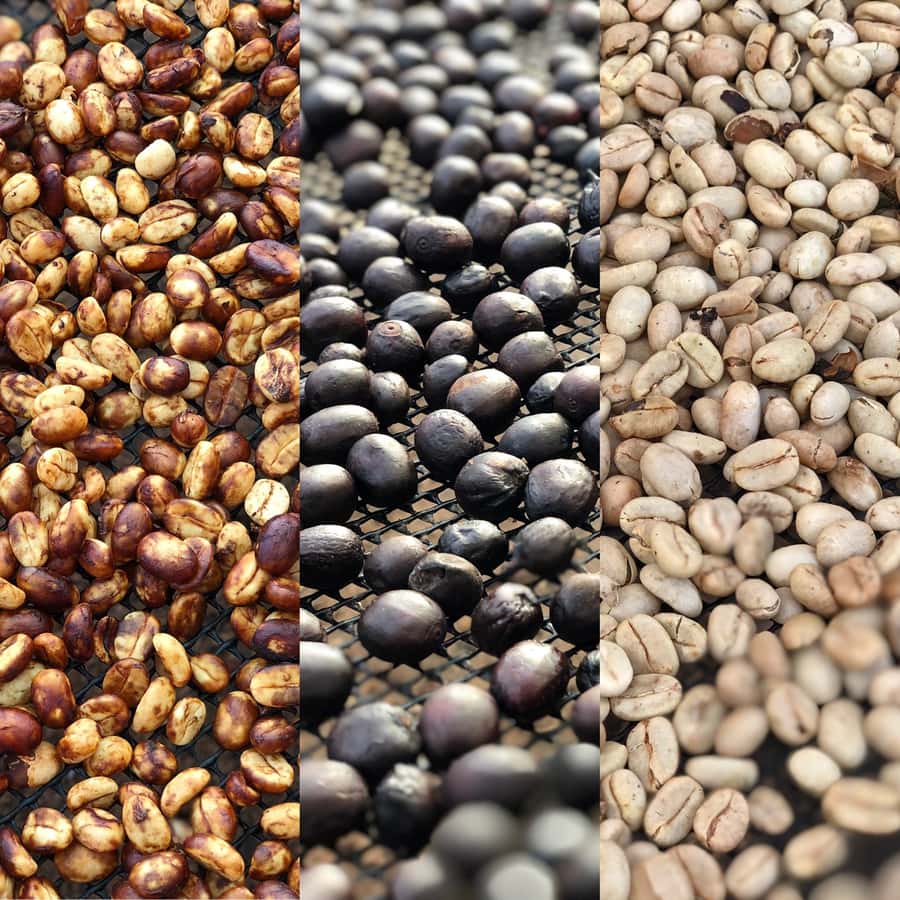
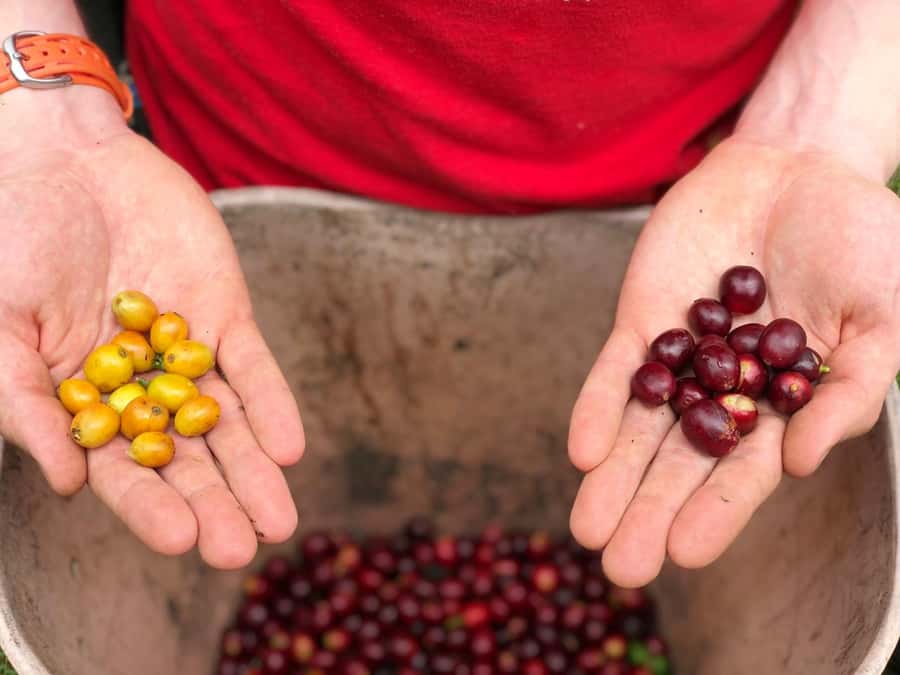
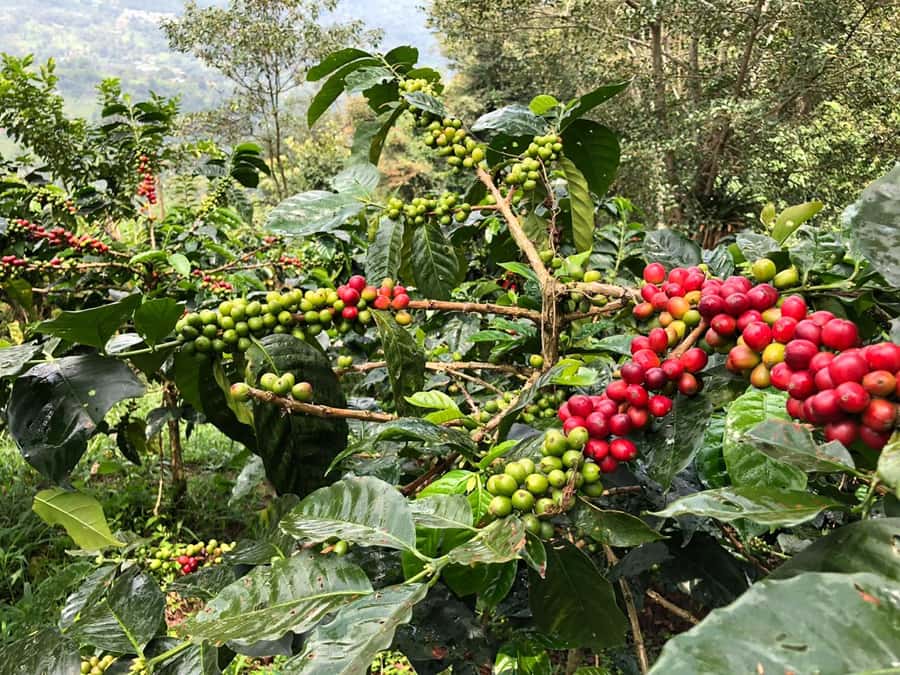
One of the most useful moments is picking coffee cherries from the bushes. You get a direct sense of the crop and the careful work involved in gathering it.
This is a small task for a visitor, but it changes how you look at the final drink. A cup of coffee can seem effortless when it arrives in a mug. Picking fruit from the plant shows that the process begins with repeated manual work across many plants.
Your guide explains what you are doing and why the cherries matter. The activity is not designed as a full day of farm labor, and you will not replace the workers. That is exactly the point. You get a short, practical look at a job that requires patience and attention.
Bring a camera if you want pictures of the plantation and the picking activity. Ask before photographing people at work, and keep your camera protected if the weather changes.
Planting a coffee seedling
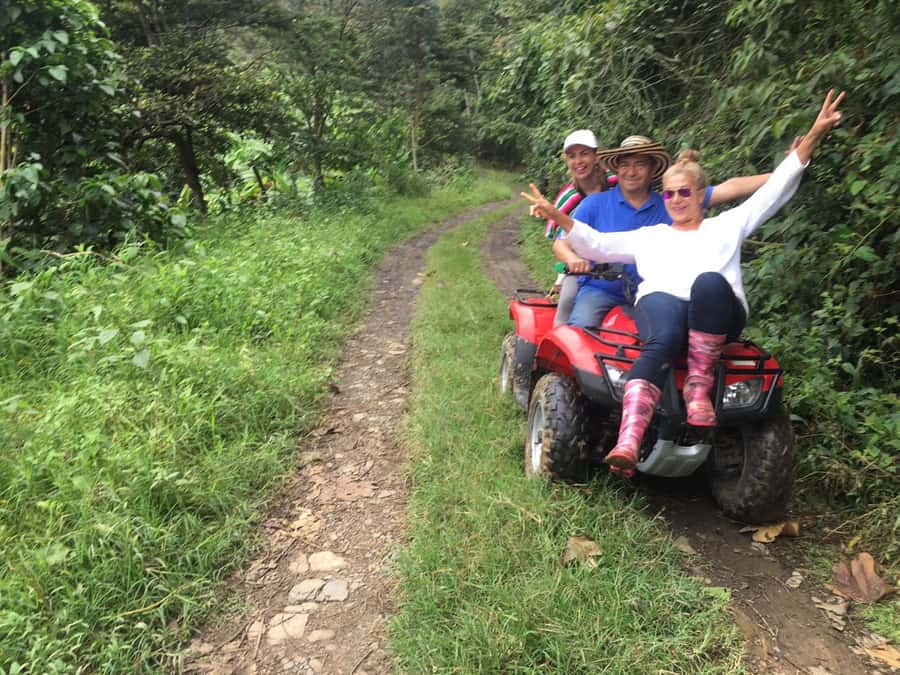
The other hands-on highlight is planting a coffee seedling. This brings you back to the start of the cycle, before a plant can produce fruit.
For me, this is the part that gives the tour its clearest sense of time. Picking a cherry shows the end of one crop stage. Planting a seedling reminds you that growers must plan years ahead and care for plants long before a harvest reaches a roaster.
The activity is simple, but it has real teaching value. You see that coffee farming depends on more than harvesting. It requires new plants, continued upkeep, and careful attention at every stage.
If you are traveling with children or someone who learns best by doing, this section may be more memorable than a long technical talk. The setting also makes it more personal than a standard tasting in a city café.
Drying, roasting, and sometimes grinding
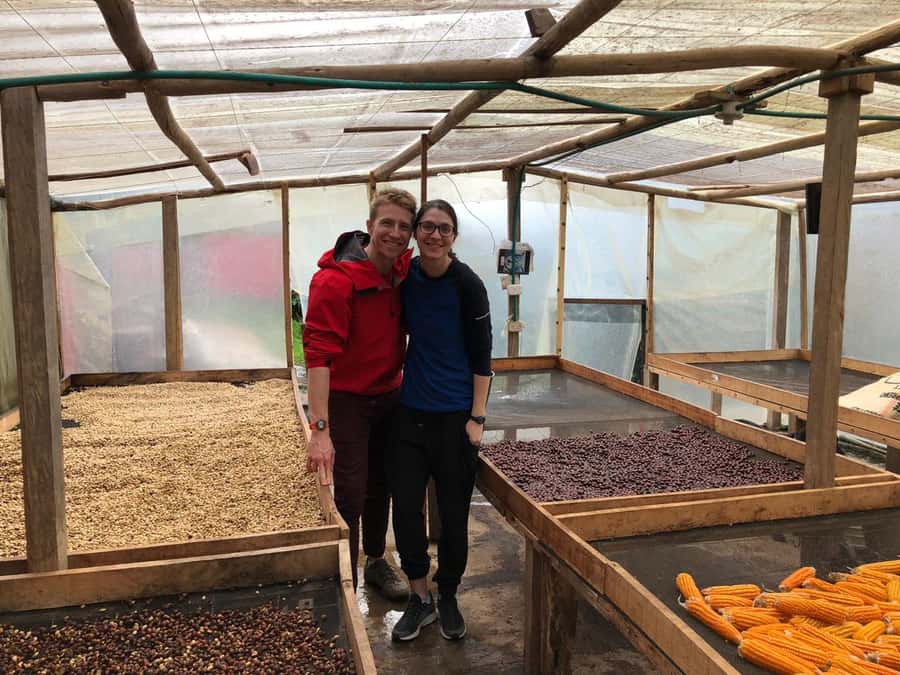
After the plantation walk, the tour moves toward the later stages of coffee production. You learn about drying and roasting, and you may see grinding as well. The exact sequence can depend on the farm’s operation that day.
Roasting is especially useful because it changes the beans from an agricultural product into something familiar. You can watch the work and understand why the final flavor depends on handling before brewing.
The activity may also let you take part in preparing a roast. That is a rare touch in a short tour because it gives you something active to do after the outdoor portion. You are not simply watching a demonstration and moving on.
Grinding is listed as something you may see rather than a guaranteed feature at every visit. Keep that distinction in mind if you are booking mainly for a full roasting and grinding lesson. The core promise is the coffee process from seedlings and cherries through roasting, with grinding included sometimes.
The tasting lesson with the baristas
The tasting is the final payoff. Baristas introduce you to Colombian coffee and explain how to recognize the traits of a high-quality cup. You receive fresh coffee and have time to ask questions.
This is more useful than a quick sample poured at the end. The tasting gives the earlier farm walk a purpose. After seeing the crop and the roasting stage, you can pay closer attention to aroma, flavor, and the effect of preparation.
You do not need to arrive as a coffee expert. The guides explain the basics in Spanish or English, and the private format gives you room to ask simple questions without feeling out of place. If you already know coffee, ask about the roast and the farm’s methods to get more from the session.
A local snack may also be offered during the finca visit, though lunch is not included. Do not book this as a meal replacement. Pack water, and plan separate food if you will need lunch afterward.
The guides make a real difference
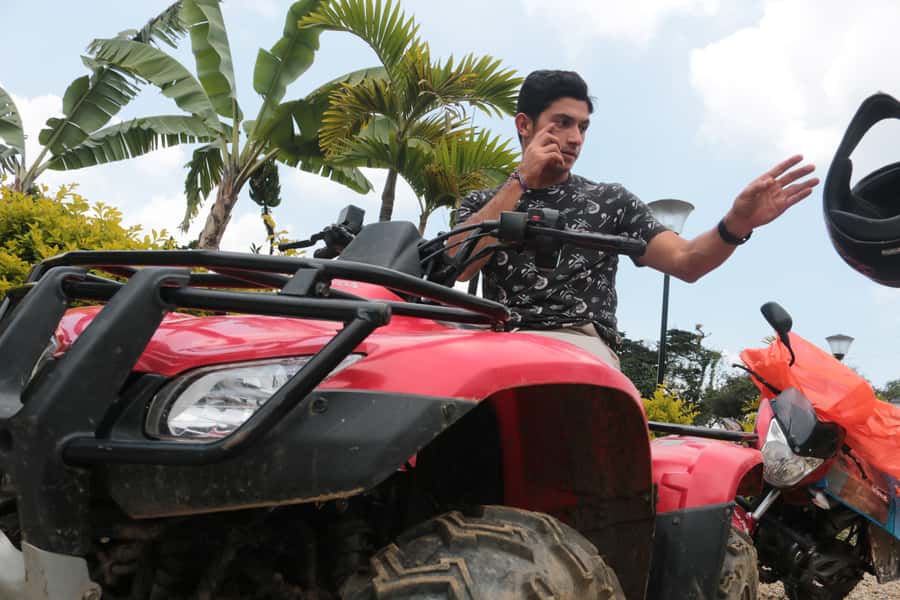
The strongest part of this experience is the guide team. Kevin is described as a personable guide who can cover Salento, regional history, and the country before the farm visit. He also helps with photos, which is handy when you are traveling alone or as a couple.
At the finca, Marlon is the coffee host to look for. He explains the process clearly, brings humor to the presentation, and knows how to make technical information accessible. A good farm host matters because coffee production can become dry and repetitive when it is presented as a list of steps.
Guide availability can vary, so do not assume Kevin and Marlon will lead every departure. The listed languages are Spanish and English. If you have a specific language need or want a particular guide, ask before paying.
The guide quality also helps explain the high overall rating of 4.9 from 41 ratings. Still, personal experiences can differ, and the timing issue deserves more attention than the rating alone suggests.
Is five hours realistic?
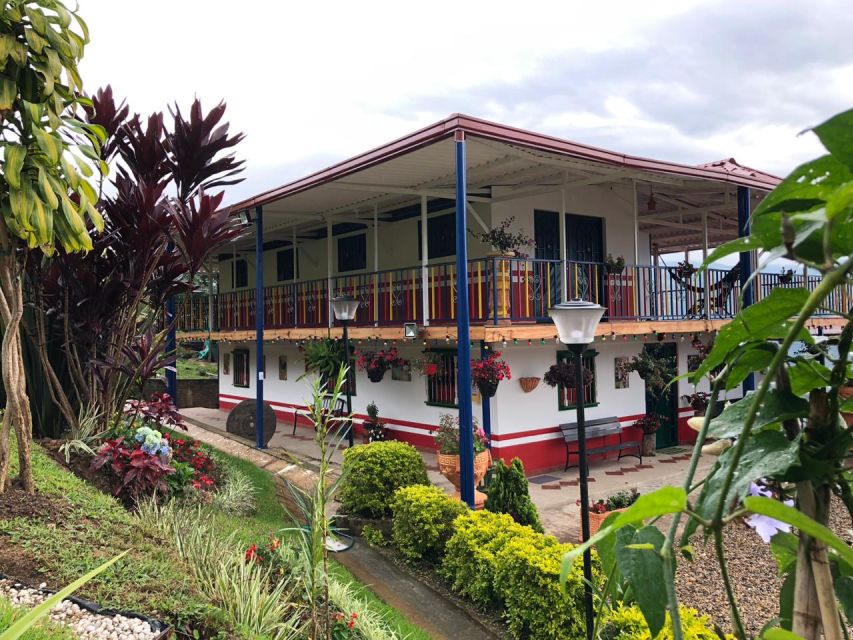
The advertised duration is five hours, but one booking reported about two hours for the coffee tour itself. The guide tried to add more to make up for the short schedule, but the difference was still disappointing.
There are several possible reasons for a shorter farm visit. The total time may include pickup, transfer, a Salento walk, or waiting between parts of the activity. Even so, you should not assume that all five hours will be spent walking the plantation and working with coffee.
Ask these questions before booking:
- Is the five hours door to door or time at the finca?
- How long is the Salento walk?
- How much time is planned for the plantation?
- Is roasting included on your date?
- Will grinding be available?
- Which guide will lead the visit?
This is the biggest practical concern in the whole experience. If you want a short, polished introduction to coffee, a two-hour farm visit may still satisfy you. If you are paying $101 because you expect an intensive half-day workshop, get a clearer schedule first.
What the $101 price includes
The price covers the live guide, pickup and drop-off, entry to the farm, and coffee tasting. You also receive a private group format, which can make the cost easier to justify for couples, families, or a small group of friends.
Private transport is useful in a rural setting. You avoid arranging separate rides, and you can focus on the farm rather than the route. The guide’s explanations add value too, especially if you want context rather than a quick look at coffee plants.
The price is less attractive if you are traveling alone on a tight budget or if you expect lunch, coffee purchases, or other extras to be covered. Extra purchases and lunch are not included. Treat the tasting as part of the activity, not as an unlimited café visit.
Value also depends on the actual timing. A full five-hour outing with town orientation, transport, a farm walk, hands-on work, roasting, and tasting is a reasonable premium experience. A much shorter farm visit makes the same price harder to defend.
Who should book this coffee tour?
I would recommend it to coffee drinkers who want to understand production rather than simply taste a Colombian brew. It also suits first-time visitors who want a guided introduction to Salento, Filandia, and the surrounding coffee country without arranging transport themselves.
Families and small private groups should appreciate the planting and picking activities. You can learn by doing, and the pace allows questions. People who enjoy photography will find plenty to capture, from the plantation to the roasting work.
It is less suitable for anyone using a wheelchair, since the activity takes place around a farm and is specifically listed as not suitable for wheelchair users. It is also not ideal if you need a guaranteed lunch, a fixed five-hour farm workshop, or a fully indoor activity in wet weather.
Bring comfortable clothes, firm shoes, water, and a camera. Since the tour runs in all weather, pack for rain even if the morning forecast looks dry.
Should you book it?
Book this tour if you want a personal, hands-on introduction to Colombian coffee, value private pickup, and are happy to spend part of the day outdoors. The cherry picking, seedling planting, roasting, and tasting give you a clear sense of how much work goes into one cup.
I would book it after confirming the timing and exact farm location. The quality of the guiding, especially from Kevin and Marlon when available, is a strong reason to go. The uncertain farm duration is the one detail that could change the value.
For coffee lovers, this is a good choice when the schedule is clearly explained. For casual sightseers, the price may be more than necessary, but the tour still offers a useful look at rural Colombia and the people behind its famous coffee.
FAQ
Where does the coffee tour take place?
The experience is listed in Tolima, Colombia, with pickup from your accommodation in Filandia and a visit connected with Salento. Confirm the exact farm and transfer details before booking.
How long does the activity last?
The advertised duration is five hours. The time can include pickup, transport, and other parts of the outing, so confirm how much time is planned at the farm.
What languages are available?
The tour is offered in Spanish and English.
Is the tour private?
Yes. The activity is arranged for a private group.
What coffee activities can I take part in?
You can pick coffee cherries and plant a coffee seedling. You will also learn about drying and roasting, and you may see or take part in grinding depending on the visit.
Is lunch included?
No. Lunch is not included, although a local snack may sometimes be prepared at the farm. Extra purchases are also separate.
What should I bring?
Bring comfortable shoes, comfortable clothes, water, and a camera. The tour operates in all weather, so dress for the conditions.
Just added around the world
- Hoi An: Cycling – Water Buffalo Riding Farming and Fishing★ 5.0 · 2 reviews
- Belém: Marajó Island Day Trip with Buffalo Farm Visit★ 4.0 · 16 reviews
- Cycling, Water Buffalo Riding, Traditional Farming Life★ 5.0 · 10 reviews
- Side, Alanya: Green Canyon Boat, Waterfall&Orchards Mix Tour★ 4.3 · 14 reviews
- Farmers Market visit & Turkish Cooking Class★ 5.0 · 60 reviews
- 2-Hour Alpaca Farm Experience in Kenilworth★ 4.5 · 14 reviews
- Cycling Through Vineyards & Farm Lunch & Ephesus visit★ 5.0 · 52 reviews
- Liverpool Music Icons Tour led by a member of 90s band The Farm★ 5.0 · 51 reviews
Coffee Farm Tours, compared.
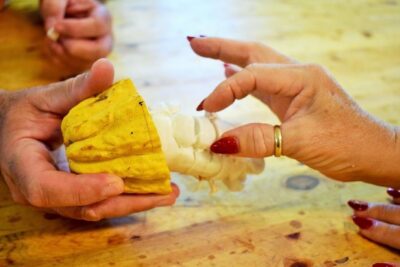
Award Winning Farm Tour: Coffee, Chocolate and Unique Gifts
Read our review →
La Herradura Coffee Farm: tour in Europe’s only plantation
Read our review →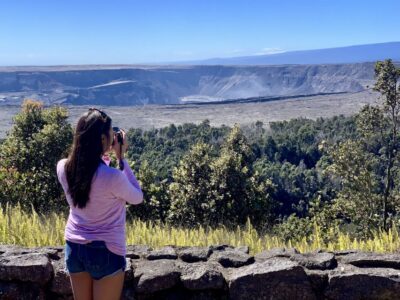
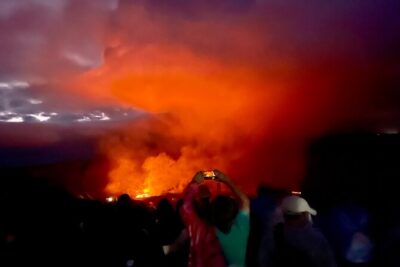
Small-Group Big Island Tour: Hawaii Volcanoes National Park and Kona Coffee Farm
Read our review →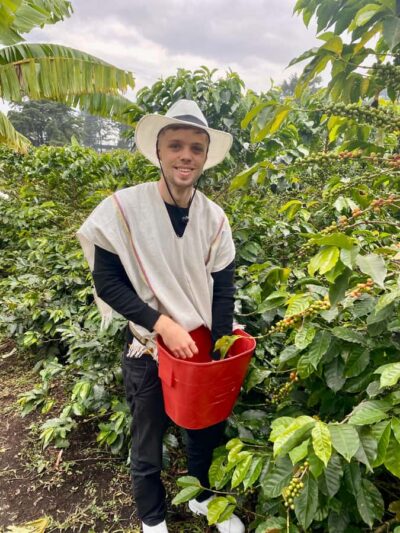
Medellín Coffee Farm Tour with Trolley and Cable Car Ride
Read our review →
Private Cocora Valley, Salento & Coffee Farm Tour
Read our review →
Liamuiga Natural Farm Tour – St.Kitts’ Coffee Farm
Read our review →
Lists this farm appears in