
Reviewed · CRETE FARM TOURS
Traditional Olive Oil Making at Spiridi Olive Oil Farm – Crete
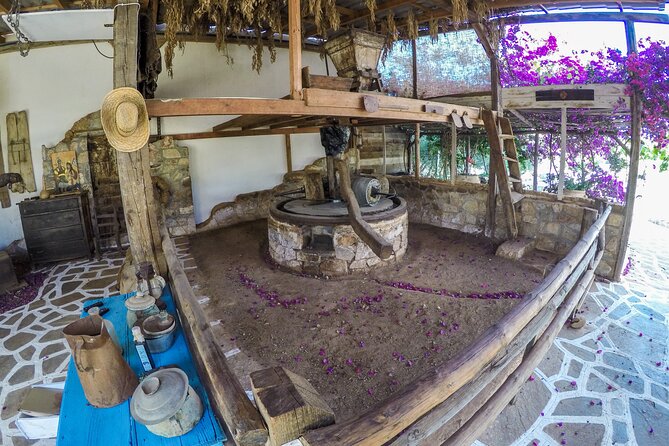
At Spiridi Olive Oil Farm, you do not just watch a demonstration. You weigh olives, push a stone mill, load the crushed fruit into sacks, and press the paste with a manual wooden press. In a 130-year-old olive oil factory, the process feels physical, simple, and tied to everyday Cretan life.
I like the small group limit of 10, since everyone should get a real turn at the equipment. I also like the 100ml bottle of family extra virgin olive oil, which gives you a useful souvenir rather than another decorative trinket. The main drawback is that the visit lasts about 90 minutes, so it is a focused workshop, not a full farm day with a meal included.
Key points to know before you book
- You do the work yourself: Push the stone mill, handle the sacks, and operate the wooden press with help from the family.
- The setting is genuinely old: The workshop takes place inside a 130-year-old olive oil factory.
- Tassos and his team lead the visit: Guidance is provided throughout, and the activity is offered in English.
- The group is capped at 10 people: That matters for a hands-on activity where everyone needs time at the equipment.
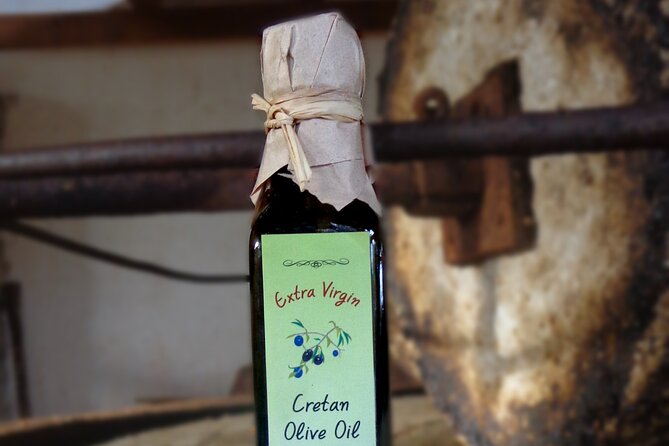
- Oil tasting finishes the workshop: You taste the result and receive a 100ml bottle of family-made extra virgin olive oil.
- Plan for about 90 minutes: Food is not included, though drinking water is provided.
Inside a 130-year-old Cretan olive oil factory
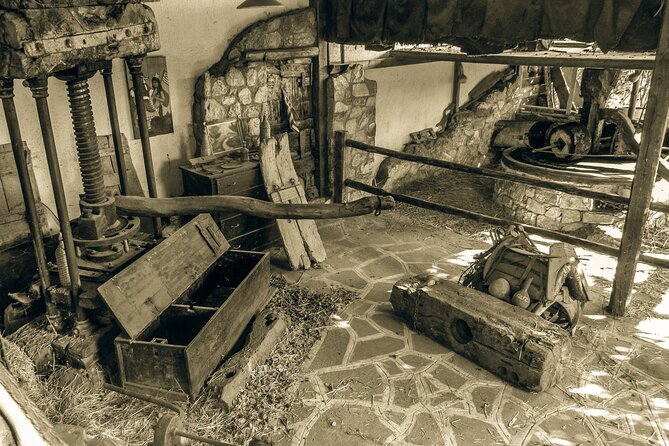
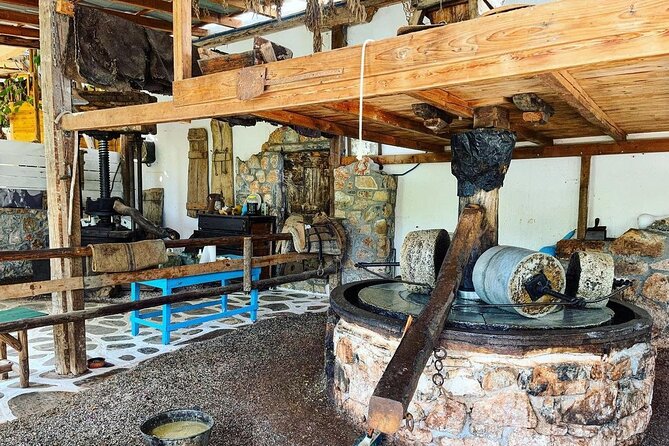
The appeal here starts with the setting. Spiridi Olive Oil Farm uses a 130-year-old olive oil factory, so the workshop has a clear connection to older Cretan farming methods. You are not touring a modern production line with buttons and stainless-steel tanks. Instead, the work centers on a stone mill, large sacks, and a manual wooden press.
That distinction matters. Olive oil is one of those foods you may use every day without thinking about how it is made. Here, the process becomes easy to follow because you handle each stage in order. You can see how whole olives become a thick paste, and how pressure separates oil from the crushed fruit.
I would book this for the chance to understand Cretan food culture through your hands, not just through a talk. The equipment also gives children and adults something concrete to do, though younger children will need supervision around the heavy or traditional tools.
The farm is in the Agios Nikolaos area, at Cretan Olive Oil Farm, Ag. Nikolaos 721 00, Greece. The activity begins at 10:30 in the morning and ends back at the same meeting point. You receive a mobile ticket, and the experience is offered in English.
More Farm Tours in Greece:
- Mykonos: Farm, Ano Mera Village, and Beaches Guided Tour
★ 4.4 · 1,283 reviews - Crete: Road-trip to Lasithi, Zeus Cave & Olive Mill Farm
★ 4.4 · 451 reviews - Heraklion: Olive Farm Tour with Tasting of Local Delicacies
★ 4.9 · 411 reviews
Weighing and crushing the olives by hand
The workshop begins with the raw material. You weigh the olives before taking them to the stone mill. That first step may sound minor, but it helps you see that oil production begins with measured quantities of fruit, not with a ready-made bottle on a shop shelf.
Then comes the most physical part of the visit: pushing the stone mill yourself. This is the moment that gives the experience its hands-on character. You are not simply standing near an old machine while someone else operates it. You help turn the olives into a crushed mixture.
The effort is part of the point. Traditional oil making used simple tools and human strength, and the mill lets you feel that difference. It is also a good reason to keep the group small. With up to 10 people, each person has a better chance to take part instead of watching from the back.
Tassos and his staff guide you through the process and provide help at every stage. The instruction is designed for participation, not for specialist knowledge, so you do not need to arrive knowing anything about olive varieties, milling, or pressing.
From crushed olives to a wooden press
After milling, you transfer the crushed olives into large sacks. This step connects the mill to the press and shows how the olive paste is prepared for extraction. The sacks are not just part of a display. You handle them and help move the paste into place.
Next, you use a manual wooden press to squeeze the olive paste. The old press gives you a clear sense of how much work was once required to produce oil. It also slows the process down in a useful way. You can follow the change from fruit, to paste, to liquid instead of losing the connection in a fast industrial machine.
The team remains nearby to explain what you are doing and help with the equipment. That supervision is important because traditional mechanisms can be awkward to handle, especially for children. Families can join in, but the adults in the group should expect to help younger participants.
This part is likely to interest anyone who enjoys craft demonstrations, food workshops, or practical museum experiences. It may be less appealing if you want a quiet tasting with no physical participation. The title tells you what to expect: this is olive oil making, not just olive oil sampling.
Tasting the finished oil
The workshop ends with an olive oil tasting. This gives the activity a natural finish, since you have just worked through the steps that produce the oil. The tasting helps you pay attention to the result rather than treating the mill and press as old objects alone.
You also receive a 100ml bottle of the family’s extra virgin handmade olive oil. At $78.60 per person, that bottle is not the main reason to book, but it adds value and gives you something small and practical to bring home. It also makes the memory more useful than a quick photograph in the factory.
Drinking water is included. Food and other drinks are not, so do not expect a lunch, a full meal, or a wider tasting menu as part of this particular 90-minute activity. The farm offers other experiences, including wine tasting, cheese making, honey, and cooking, but those should not be assumed to be part of the olive oil workshop unless booked separately.
The tasting is best viewed as the final lesson of the visit. You have seen the old method and taken part in it, then you get to sample the finished product and compare that experience with the bottled oil you know from home.
Same fields, a different sort of morning:
- Lassithi, Zeus Cave, Olive Mill Farm & Knossos Combo Tour
★ 4.6 · 404 reviews - Naxos Perivoli Farm Experience & Wood-fire Cooking Class
★ 5.0 · 339 reviews - Melanes: Naxos Perivoli Farm & Cooking Class with Wood Fire
★ 5.0 · 177 reviews - Traditional Olive Grove and Dragon Fruit Farm Tour
★ 4.8 · 118 reviews
What makes the small group useful
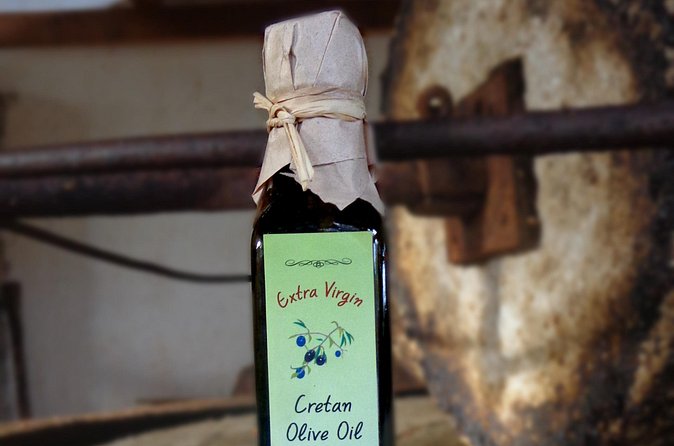
The maximum group size is 10 people. That is a strong feature here because the experience depends on access to the equipment. A large crowd would turn the mill and press into props, while a small group gives you a realistic chance to weigh, push, transfer, and press.
The compact format also makes the visit easier to fit into a day around Agios Nikolaos. It begins at 10:30 and lasts roughly an hour and a half, so you can pair it with other sightseeing afterward rather than give up an entire day.
One possible follow-up is a short downhill walk toward town and the archaeological museum. That makes the farm a useful morning stop if you want to combine food culture with local history. The walk is not described as part of the workshop, so treat it as an independent plan and allow time for your own route.
You should arrive ready to participate. The equipment is traditional, and the workshop asks you to push, carry, and press rather than remain seated. The supplied information does not specify clothing or footwear requirements, so sensible casual clothes and shoes are the safest choice.
What the price includes at $78.60
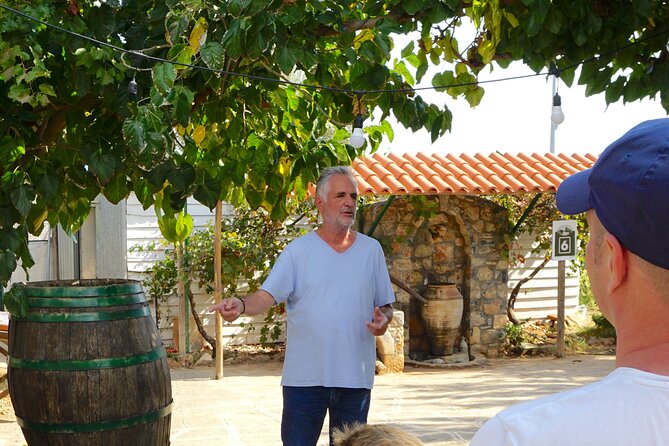
The price is $78.60 per person. For a short activity, that may seem high if you are comparing it with a standard museum entry or a quick tasting. The value depends on what you want from the morning.
You are paying for guided participation, access to the old factory, the use of traditional equipment, the oil tasting, drinking water, and a 100ml bottle of family extra virgin olive oil. You are also paying for a small group, which matters more here than it would on a simple walking tour.
I think the price makes the most sense for people who want a memorable food experience rather than the cheapest introduction to olive oil. It is less convincing for someone who only wants to taste several oils or buy a bottle. The workshop adds value through the physical process and the family setting.
Food and drinks beyond water are not included. Keep that in mind when planning your morning, especially if you expect a full farm meal. The farm has a shop with items to buy and taste, but purchases there are separate from the workshop price.
The activity is often booked around 18 days ahead on average. That suggests you should not leave it until the last morning of your trip if the timing matters to you, particularly because the group is limited to 10 people.
Who will enjoy this most
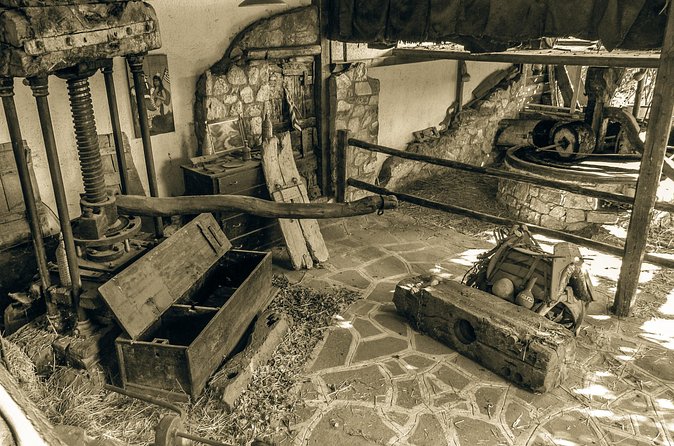
I would recommend this to families, couples, small groups of friends, and anyone interested in how traditional foods are made. Children can take part with adult help, and the hands-on format gives them a clear role. It is also a good choice for people who prefer a local activity with a useful souvenir over a standard sightseeing stop.
Food-focused visitors will get the most from the sequence. You see the olives, crush them, prepare the paste, press it, and taste the result. That order gives the visit a satisfying beginning, middle, and end.
The experience also suits people who enjoy craft and rural traditions. The old mill and wooden press offer a physical sense of earlier work that a modern factory tour may not provide.
I would think twice if you have limited mobility or do not want to handle equipment. The supplied information confirms that service animals are allowed, but it does not give detailed accessibility information for the old factory, the mill, or the manual press. Ask the provider directly if you need specific access arrangements.
The experience is offered in English. Tassos and his staff are described as accommodating and able to explain the activity clearly, making the language setup straightforward for English-speaking visitors.
Extra experiences at the farm
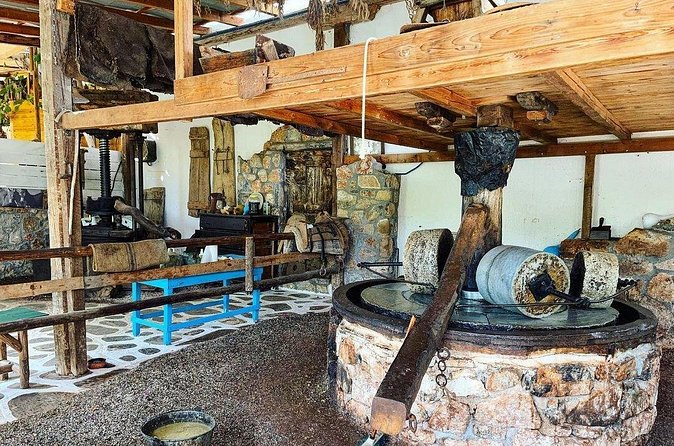
Spiridi Olive Oil Farm is not limited to olive oil. Other activities connected with the farm include wine tasting, cheese making, honey, and cooking. A separate electronic tour using provided tablets may also be available at the site.
That gives you choices if you want to build a longer food-focused visit, but keep the booking details clear. The olive oil activity includes its own workshop and tasting. It does not include a cooking class, goat cheese session, wine tasting, or meal.
The cheese experience described at the farm includes making goat cheese, learning about cheese types, and milking goats. Those details belong to another activity, so they should not be treated as part of this olive oil booking. Still, they may help you decide if the farm is worth revisiting or if you want to ask about a combined program.
The small shop is another useful stop after the workshop. You can buy farm products and taste items there, but those purchases cost extra. I would save room in your schedule for browsing only if you are interested in taking home more than the included bottle.
Booking, cancellation, and practical planning
You book a specific 10:30 morning start at Spiridi Olive Oil Farm. The experience ends at the meeting point, so you are responsible for arranging your own transport to and from the farm.
Confirmation is provided when you book, and the mobile ticket makes the entry process simple. The activity requires a minimum number of participants. If that minimum is not reached and the farm cancels, you are offered another date or experience, or a full refund.
You can cancel for a full refund up to 24 hours before the start time. Cancellations or changes made less than 24 hours before the activity are not refunded or accepted, and the cut-off uses local Cretan time.
The experience includes drinking water but no meal. That is easy to manage because the workshop is only about 90 minutes, though you may want to plan breakfast or lunch separately. If you are combining it with Agios Nikolaos sightseeing, the downhill route toward town and the archaeological museum can help fill out the rest of the morning.
Should you book the olive oil workshop?
Book it if you want to do more than look at old equipment. The chance to push a stone mill, fill sacks, use a manual wooden press, taste the oil, and take home a 100ml bottle gives the visit a clear purpose.
I especially like the small group size and the direct guidance from Tassos and his team. Those details make the workshop feel personal and help ensure you are part of the process rather than watching a staged demonstration from a distance.
Skip it if you want a full meal, a long farm tour, or a broad tasting event included in the price. At $78.60, the activity is best value for people who care about hands-on food traditions and are happy with a focused 90-minute visit.
For families and food-minded visitors based around Agios Nikolaos, this is an easy choice. It connects an everyday Cretan staple with the work behind it, and the small bottle in your luggage will bring that lesson home.
FAQ
Where does the olive oil workshop take place?
The workshop takes place at Spiridi Olive Oil Farm, Cretan Olive Oil Farm, Ag. Nikolaos 721 00, Greece.
What time does the activity start?
The activity starts at 10:30 am and ends back at the meeting point.
How long does the olive oil experience last?
The workshop lasts approximately 1 hour and 30 minutes.
Is the workshop offered in English?
Yes. The activity is offered in English.
What is included in the price?
The price includes the hands-on olive oil production workshop, guidance during each step, access to the 130-year-old olive oil factory, an olive oil tasting, drinking water, and a 100ml bottle of the family’s extra virgin handmade olive oil.
Can I cancel for a full refund?
Yes. You can cancel at least 24 hours before the start time for a full refund. Cancellations or changes made less than 24 hours before the activity are not accepted or refunded.
Just added around Greece
- Volos: Cook Like a Local at a Greek Farm★ 5.0 · 7 reviews
- Traditional Greek Cooking Class @ Lefkada Micro Farm★ 4.7 · 32 reviews
- Visit a Farm and Horseback Riding in Nature★ 5.0 · 10 reviews
- Insightful Pistachio Orchard and Factory Tour★ 4.5 · 27 reviews
- Flavors of Santorini: Farm-to-Table Meal Wine & Authentic Village★ 5.0 · 12 reviews
- Santorini 5 Hour Private Oia Tour & Lunch/Dinner at a Local Farm★ 5.0 · 40 reviews
- Cooking Class Sunset Dinner and Tour in Paros Farm★ 5.0 · 5 reviews
- Olympia Shore Ex: Olympic site, Honey Farm & Olive Oil Tasting★ 4.5 · 57 reviews
Crete Farm Tours, compared.
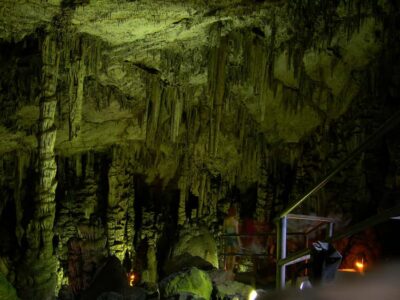
Road-trip to Lasithi, Zeus Cave & Olive Mill Farm
Read our review →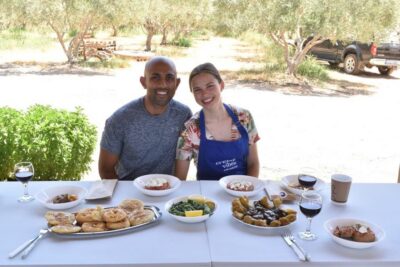
Moires: Cooking Class and Olive Oil Tasting at a Family Farm
Read our review →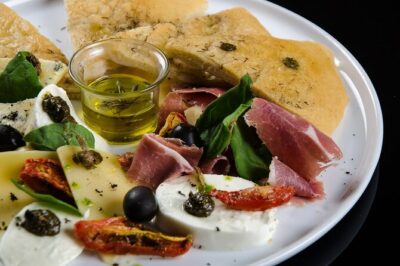
Kleanthi Olive Farm: Guided Tour with Local Delicacies Tasting
Read our review →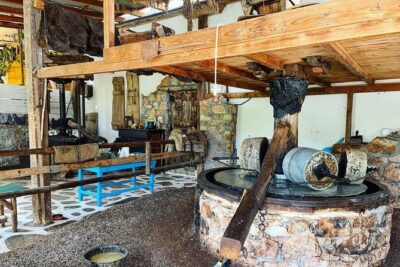
Chania Area: Cooking Class at a Farm in Stylos Village (organic)
Read our review →
Cretan Farm Tour with Cheese-Making, Olive Oil Tasting & Picnic
Read our review →
Cretan Cooking Class at a Farm with Hotel Pickup and Drop-Off
Read our review →Lists this farm appears in