
Reviewed · COOKING CLASSES
Berber Cooking Class at a Farm in the Countryside & shopping at a rural Souk.
The most rewarding part of this day is the link between the rural souk and the farm kitchen. You shop for vegetables, meat, eggs, honey, and other staples, then use those ingredients to prepare lunch in a traditional Berber kitchen 35 kilometers south of Essaouira.
I like the hands-on work, especially roasting barley over a fire and grinding it in a stone mill. I also like the chance to eat outside on the farm, with fresh herb tea afterward. The main consideration is the length: seven hours is a full day, and the countryside setting means this is more about local life than polished culinary instruction.
Key points to know before booking
- Shop first, cook second: The rural souk supplies many of the ingredients used during the class.
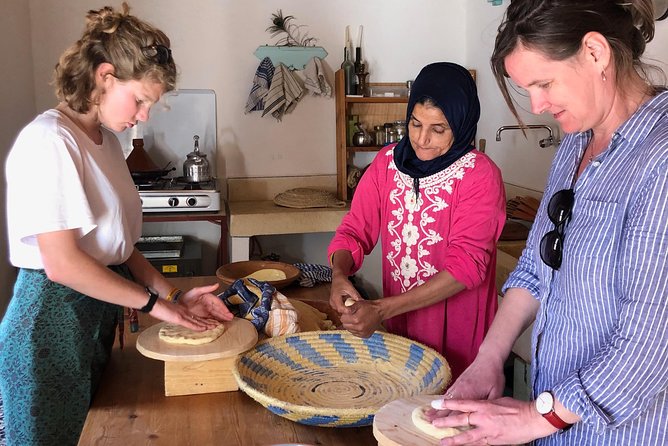
- Traditional tools do the work: You make bread in a clay oven and steam couscous in a clay pot.
- Two local hosts lead the class: Khadija and Khadija demonstrate Berber food preparation in their farm kitchen.
- The menu includes goat tagine: Vegetables, goat meat, Moroccan spices, and olive oil form the main dish.
- Argan oil is an optional extra: You may stop at a cooperative to see how this local product is made.
- Small group, long day: The maximum group size is eight, with a 9:00 am start and return to Essaouira.
From Essaouira to the Haha countryside
This experience begins at 9:00 am at Labo Abdelkrim Khatabi d’Analyses Médicales, 287 Rue Oued El Makhazine, in Essaouira. From there, you head about 35 kilometers south into the Haha region, an area associated with Morocco’s Indigenous Berber population.
The change from town to countryside is part of the point. Around Essaouira, you can easily spend your time on the coast and in the medina. This outing shows you how food connects to farming, animal keeping, markets, and family kitchens beyond the city.
The Haha hills are home to farms growing crops and keeping animals, especially goats and sheep. That gives the day a practical setting. You are not simply watching a cooking demonstration in a restaurant. You are seeing ingredients gathered, bought, prepared, and served in the place where much of this food tradition lives.
The group is limited to eight people. That is a useful size for a hands-on lesson because you should have a better chance to see the demonstrations and take part. Confirmation is sent within 48 hours of booking, subject to availability.
More Cooking Classes in the world:
- Half-Day Thai Cooking Class at Organic Farm in Chiang Mai
★ 5.0 · 19,087 reviews - Cooking Class and Lunch at a Tuscan Farmhouse with Local Market Tour from Florence
★ 5.0 · 4,831 reviews - Chiang Mai: Authentic Cooking Class with Market & Farm Visit
★ 4.9 · 4,546 reviews
Shopping for lunch at a rural souk
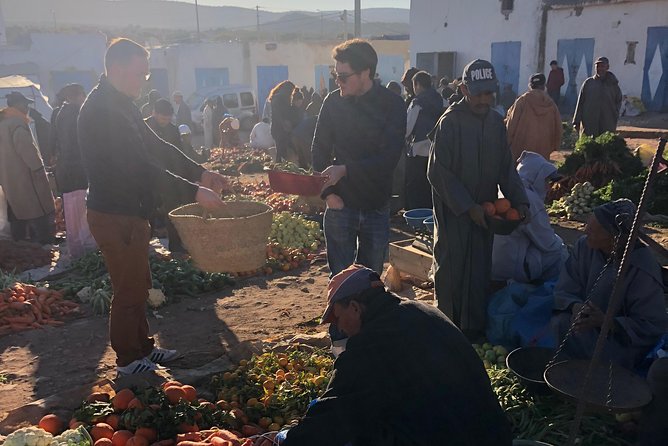
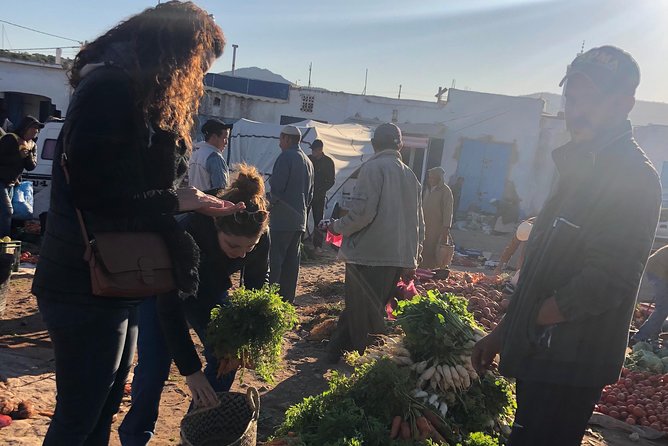
The first major stop is a local souk. This is not presented as a sightseeing market designed for visitors. It is a place where local people shop for daily food, including freshly harvested fruit and vegetables, meat, eggs, and honey.
That makes the market visit especially useful. You get to see the ingredients before they reach the kitchen, and you learn how a rural household might gather what it needs for a meal. The shopping also gives the cooking class a clear beginning: first find the food, then prepare it.
You should expect a market visit with an everyday purpose rather than a carefully staged food tour. The supplied details do not specify how long you stay or exactly which stalls you visit, so keep your expectations flexible. The attraction is the setting and the connection to the meal, not a fixed list of market vendors.
For many visitors, the souk will be the most unfamiliar part of the day. Fresh produce, meat, eggs, and honey sit alongside the ordinary rhythm of local shopping. If you enjoy seeing how people buy food where they live, this stop adds much more than a quick photo opportunity.
Entering the ecological farm kitchen
After the market, the cooking lesson takes place at an ecological farm. The focus is an authentic Berber kitchen stocked with traditional food preparation items.
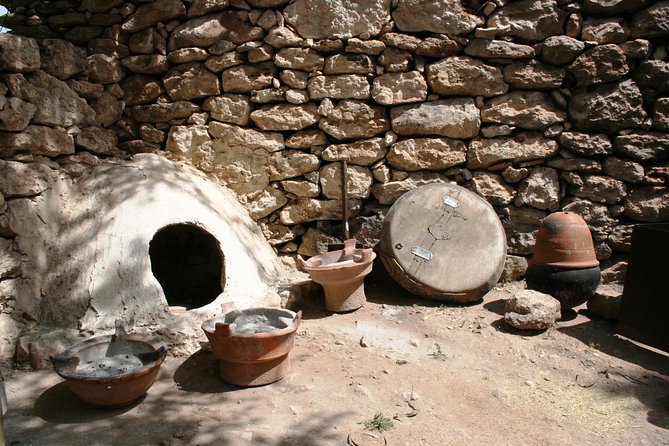
The kitchen matters because the tools shape the food. Instead of relying only on modern appliances, you work with a fire, a stone mill, a clay oven, and a traditional clay pot. These methods take more time, but they also show why the dishes taste and feel different from food prepared in a modern cooking school.
Khadija and Khadija, two local women, lead the demonstrations. Both are listed by the same name, so you may hear them addressed this way during the class. Their role is not simply to hand you a recipe. They show how basic grains become the foundation for bread and couscous.
This is a good setting for anyone who likes learning through actions rather than watching a chef work at a distance. You will have to accept that traditional cooking can be slower and less exact than a restaurant lesson. Measurements may feel less formal, and the work depends on heat, timing, and touch.
Roasting barley and making the bread
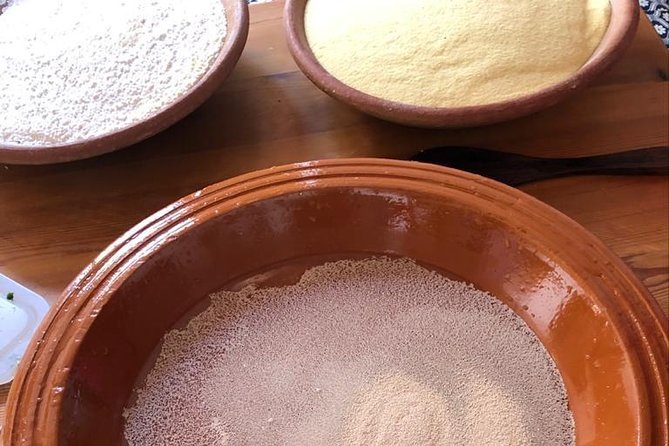
One of the most distinctive parts of the lesson is the barley preparation. You watch barley grains roast over a fire, then grind them in a stone mill to make the flour and semolina used for traditional flat bread and couscous.
That simple sequence gives you a better feel for the food than a finished dish alone. You see the grain change form, and you understand the labor behind ingredients that usually arrive in a bag from a shop.
The class includes baking flat bread in a clay oven. The oven is not just a decorative touch. It is part of the cooking method and helps make the bread portion feel tied to the farm and its tools.
You should not book this expecting a formal baking course with exact written measurements and a recipe packet. The appeal is the physical process and the chance to take part in a working food tradition. If you like kneading, shaping, tending heat, and eating what you helped prepare, this is one of the strongest parts of the day.
More Workshops in the world:
- Florence Pizza or Pasta Class with Gelato Making at a Tuscan Farm
★ 5.0 · 6,801 reviews - Ubud: Balinese Cooking Class at an Organic Farm
★ 5.0 · 1,786 reviews - Sorrento: Pizza Lesson, Wine, and Limoncello at a Local Farm
★ 5.0 · 1,513 reviews - Florence: Pizza or Pasta Class with Gelato at a Tuscan Farm
★ 4.9 · 1,181 reviews
Steaming couscous in a traditional clay pot
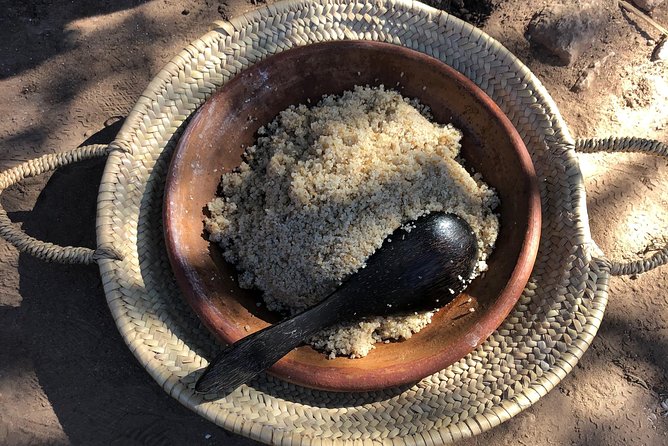
Couscous is prepared in a traditional clay pot. The class explains its place in Berber cooking by taking you through the grain preparation and steaming process rather than treating couscous as an instant side dish.
The stone-ground barley flour and semolina connect the earlier fire work with the meal. That continuity is valuable. You are not moving through unrelated demonstrations. The market, grain, bread, couscous, and tagine all lead toward the same lunch.
The supplied details do not explain the exact number of steaming stages or how much of the work each participant performs. Still, the class clearly includes direct preparation, not just a talk. I would expect the pace to be relaxed and shared, with the hosts showing the traditional method as the group helps where possible.
If you are looking for a fast class that fits neatly into a morning, this will feel too long. If you want to understand how a staple food is made from basic ingredients, the slower pace is an advantage.
Preparing goat tagine with farm ingredients
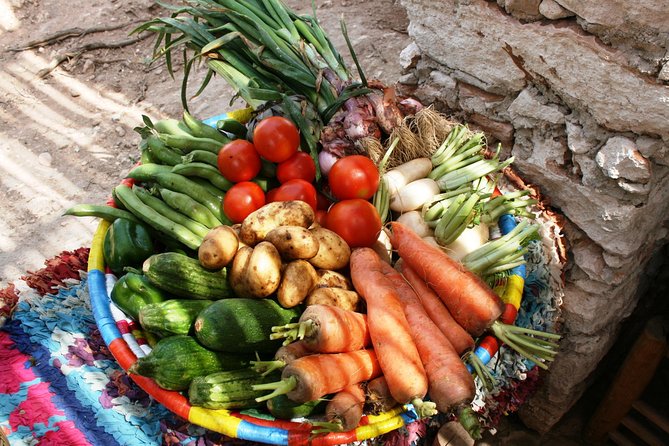
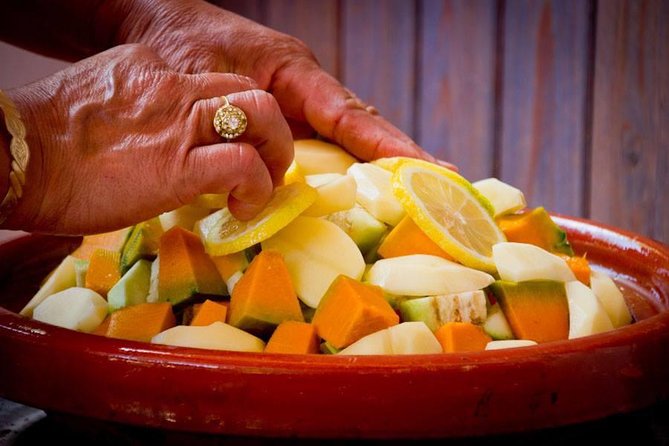
The main savory dish is a traditional tagine made with vegetables and goat meat. Moroccan spices and olive oil provide the flavor, with the oil coming from olive trees growing on the farm.
This is where the market stop pays off. You have already seen the kinds of ingredients used in daily cooking, and now you watch them come together in a familiar Moroccan form. Goat is especially fitting for the region, where goats and sheep are common farm animals.
The tagine is likely to be the part of the meal most familiar to visitors who have eaten in Essaouira. The difference here is the setting and the process. You are not only ordering a tagine at a café. You are connecting the dish to the people, animals, crops, spices, and oil behind it.
The menu may not suit everyone. The information specifically names goat meat, so anyone avoiding meat or goat should confirm suitability before booking. No vegetarian alternative is stated. You should also keep in mind that the listed meal centers on traditional preparation, not on adapting the menu to individual dietary needs.
Lunch beneath the farm’s open air
Weather permitting, lunch is served outside. That is a small detail with a large effect on the day. After working around a fire and traditional cookware, eating in calm natural surroundings makes the meal feel like the final step in the farm visit.
Fresh herb tea follows lunch, using herbs from the garden. It is a fitting finish, and a pleasant change from the mint tea or café drinks you may have elsewhere in Morocco. The garden connection keeps the meal tied to the place rather than turning it into a standard restaurant stop.
Outdoor dining depends on weather, so you should not count on it as a guarantee. In poor conditions, the meal may need to be served indoors or the activity may be canceled. The experience requires good weather, and if conditions are unsuitable, you are offered another date or a full refund.
The day is also subject to a minimum group size. If that minimum is not met, you are offered another experience or a full refund. These conditions are worth knowing before you build a tightly timed travel plan around the outing.
The optional argan oil stop
The route passes through Morocco’s argan-growing zone. You have the option to visit an argan oil cooperative and learn how the oil is produced.
Argan oil is strongly linked to this part of Morocco, and the cooperative stop gives you a chance to see the product beyond the bottles sold in tourist shops. You are also offered a taste of products made with the oil.
The word optional matters. This stop is not the central cooking class, and the supplied details do not say how long it lasts or whether every participant chooses to go. If you are interested in local agriculture, cosmetics, or food products, it can add useful context. If you prefer to spend more time at the farm, you may not see it as essential.
This is also a place to shop carefully. The information confirms a tasting and an explanation of production, but it does not promise that purchases are included in the price. Treat any buying opportunity as separate from the tour cost unless clearly stated otherwise.
Watching for goats in the argan trees
The drive south may bring one of Morocco’s most famous rural sights: goats in argan trees. You are very likely to see them on this route, though a wildlife-style sighting can never be timed exactly.
This detail gives the journey some fun between the main stops. Goats are also part of the local farming story, not just a roadside curiosity. Goat meat appears in the tagine, and goats and sheep are among the animals raised in the Haha hills.
Do not book the trip solely for a perfect goat photograph. The cooking class, market, and farm are the real substance of the day. If the goats appear, they are an enjoyable bonus.
Is the $98.76 price good value?
At $98.76 per person, this is not the cheapest way to eat lunch near Essaouira. The value comes from the full seven-hour program, transport from the city meeting point, the rural souk visit, the farm setting, the guided preparation, and the meal.
You are paying for more than food. The day connects a working market with traditional tools and a meal prepared in the countryside. The small maximum of eight also matters. A large group could make a stone mill, clay oven, and shared kitchen feel crowded. A group of eight or fewer should make participation easier.
The price is strongest for you if you value local food traditions and a full-day outing. It is weaker if you want a short, polished cooking lesson with a city-center location, a printed recipe, or a choice of several dishes.
The argan oil cooperative visit is optional, and the details do not state that purchases are included. Keep that in mind when judging the total cost.
Who should book this day?
I would choose this experience if you want to see an everyday side of Morocco outside Essaouira. It suits people who enjoy markets, rural settings, traditional tools, and meals that take time to prepare.
It is also a good choice for families and small groups who want something more active than sightseeing. Most people can participate, and service animals are allowed. Still, the seven-hour length and the fire-based cooking mean you should be comfortable with a full day and a less polished setting.
Food-focused visitors will get the most from it, especially those curious about bread, couscous, tagine, barley, goat, olive oil, and argan oil. The experience may be less suitable for anyone who dislikes goat meat, expects a vegetarian menu, or wants a tightly scheduled class with guaranteed outdoor dining.
If you need German-language assistance, Nicole is identified as a German-speaking guide. That detail may matter if you are more comfortable receiving trip explanations and help in German.
Practical details before you go
The activity starts at 9:00 am and ends back at the same Essaouira meeting point. Plan the whole day around it rather than treating it as a quick morning appointment.
A mobile ticket is provided. Confirmation arrives within 48 hours of booking, subject to availability. The group maximum is eight people, which supports the hands-on format.
Free cancellation is available until 24 hours before the start time for a full refund. Changes or cancellations inside that 24-hour window are not accepted for a refund. Cutoff times use local time in Morocco.
Should you book the Berber cooking class?
Book it if you want a real connection between market shopping, farm life, and Berber cooking. The barley grinding, clay-oven bread, steamed couscous, goat tagine, and garden tea create a day with a clear sense of place.
Skip it if you want a short lesson, a guaranteed outdoor meal, or a menu built around dietary substitutions that are not listed. At $98.76, the price makes the most sense when you value the countryside visit and the small-group, hands-on format as much as the food itself.
FAQ
Where does the cooking class take place?
The class takes place at an ecological farm in the Haha region, about 35 kilometers south of Essaouira.
What time does the activity start?
The activity starts at 9:00 am.
Where is the meeting point?
The meeting point is Labo Abdelkrim Khatabi d’Analyses Médicales, 287 Rue Oued El Makhazine, Essaouira 44000, Morocco.
Where does the activity end?
The activity ends back at the meeting point in Essaouira.
What food will I prepare?
You will help prepare traditional flat bread, couscous, and a tagine made with vegetables, goat meat, Moroccan spices, and olive oil.
Is the argan oil cooperative visit included?
The argan oil cooperative visit is described as an optional stop during the drive through the argan-growing zone.
Can I cancel for a full refund?
Yes. You can cancel at least 24 hours before the start time for a full refund. Cancellations made less than 24 hours before the start time are not refunded.
Just added around the world
- Hoi An: Cycling – Water Buffalo Riding Farming and Fishing★ 5.0 · 2 reviews
- 2-Hour Alpaca Farm Experience in Kenilworth★ 4.5 · 14 reviews
- Cycling Through Vineyards & Farm Lunch & Ephesus visit★ 5.0 · 52 reviews
- Liverpool Music Icons Tour led by a member of 90s band The Farm★ 5.0 · 51 reviews
- Guided Hebridean Farm Hike near Tobermory, Isle of Mull, Scotland★ 5.0 · 25 reviews
- Paestum and Buffalo Farm Day Tour from Sorrento★ 5.0 · 3 reviews
- Balinese Cooking Class at Organic Farm★ 5.0 · 51 reviews
- Belém: Marajó Island Day Trip with Buffalo Farm Visit★ 4.0 · 16 reviews
Cooking Classes, compared.
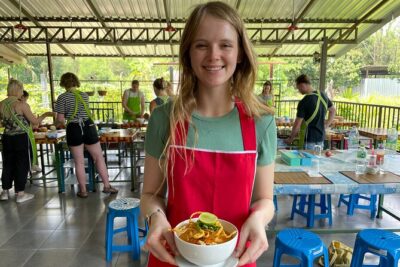
Half-Day Thai Cooking Class at Organic Farm in Chiang Mai
Read our review →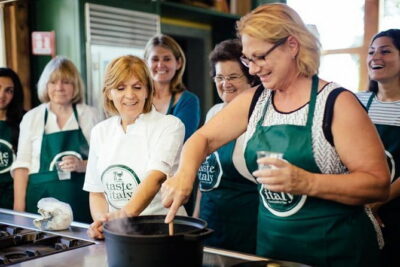
Cooking Class and Lunch at a Tuscan Farmhouse with Local Market Tour from Florence
Read our review →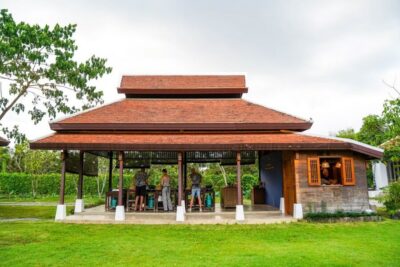
Authentic Cooking Class with Market & Farm Visit
Read our review →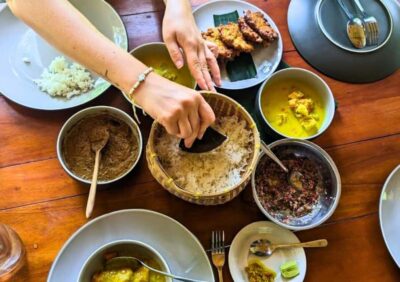
Hands-On Cooking Class & Farmhouse Tour on the Amalfi Coast
Read our review →
Lists this farm appears in