
Reviewed · COCOA AND CHOCOLATE FARM TOURS
Accra: Aburi Botanical Garden, Cocoa Farm, and Waterfall …
The best part of this six-hour outing is the mix of plants, cocoa, and cascading water. In one day, you move from a historic botanical garden to the farm that marks Ghana’s cocoa story, then finish beside Asenema Waterfall near Adukrom.
I like the way the route links Ghana’s natural world with its working agriculture. I also like that it is a private trip with transport, lunch, water, entry fees, and an English-speaking guide included. The main consideration is the price: at $194 per person, this is a better fit for visitors who value convenience and a private guide than for budget-minded visitors who want a simple sightseeing day.
Key points to know before you book
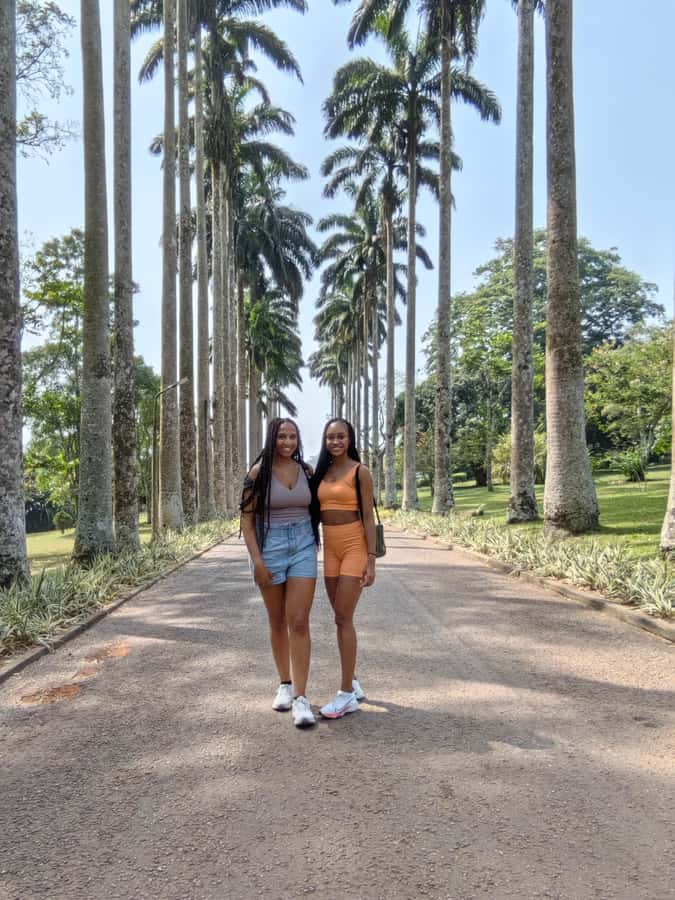
- Aburi Botanical Garden dates to 1890: You will see tropical plants, tall Kapok trees, an old Strangler Fig, and a royal palm avenue across a 160-acre site.
- Tetteh Quarshie Farm connects cocoa to Ghana’s past: The farm is linked to the arrival of cocoa beans from Fernando Po, now Bioko in Equatorial Guinea.
- You can taste fresh cocoa beans: The farm visit includes opening a cocoa pod and learning how beans are fermented and dried.
- Asenema Waterfall requires a short forest walk: The path is described as easy, but the full day includes a moderate amount of walking.
- This is a private six-hour trip: You get a car, a live English-speaking guide, lunch, water, and admission fees.
- The trip costs $194 per person: That price makes the included transport and private format important to the value calculation.
From Accra to the hills near Aburi
The day begins with a drive out of Accra toward Ghana’s Eastern Region. The change is part of the experience. City streets give way to rolling hills, greener views, and a calmer rural setting.
I like this opening because it gives the day a clear sense of movement. You are not simply being dropped at three unrelated attractions. The route takes you from city life into a part of Ghana where gardens, farms, and forested watercourses shape the day.
The drive is by car, and the tour lasts six hours in total. That is enough time for three major stops, but it is not a leisurely full-day expedition. You should expect a fairly active schedule, with time divided between transport, guided visits, walking, and lunch.
Because this is a private group, the day should feel more personal than a large coach excursion. You can focus your questions on the subjects that interest you most, such as Ghanaian plants, cocoa production, or the local setting around the waterfall. The available information does not give the guide’s name, but an English-speaking live guide leads the experience.
More Cocoa Farm Tours in the world:
- Lahaina: Maui Ku’ia Estate Guided Cacao Farm Tour and Tasting
★ 5.0 · 1,103 reviews - Kauai Chocolate Farm Tasting Tour
★ 5.0 · 666 reviews - Award Winning Farm Tour: Coffee, Chocolate and Unique Gifts
★ 5.0 · 484 reviews
Aburi Botanical Garden and its 1890 origins
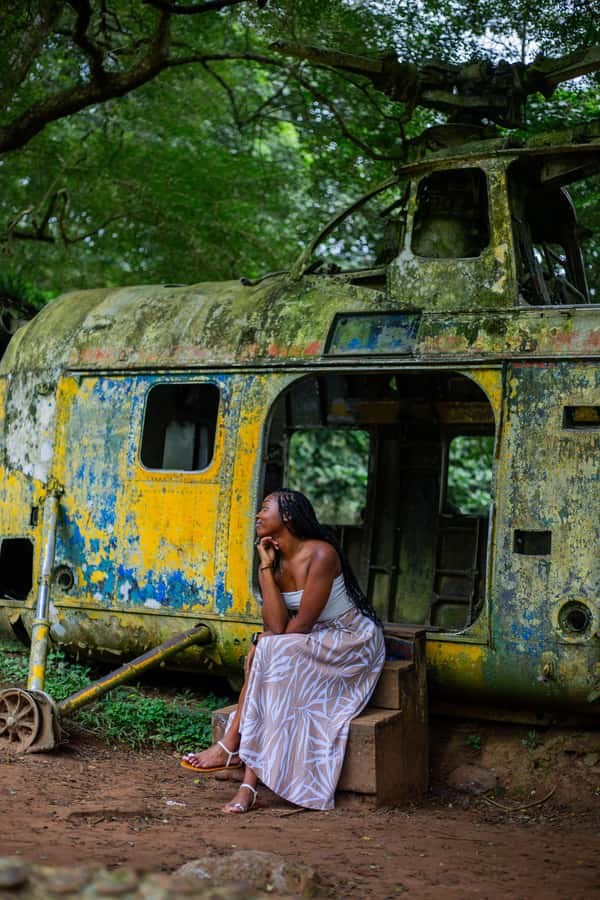
Aburi Botanical Garden is the first major stop. Established in 1890, it covers 160 acres and contains tropical trees, flowers, and other plants from Ghana and beyond. The setting is peaceful, with broad paths and large trees providing a welcome break from Accra’s heat.
A guide takes you through the garden rather than leaving you to wander without context. That matters here. A botanical garden can easily become a pleasant walk with a few labels, but the guided route helps explain what you are seeing and why the plant collection matters.
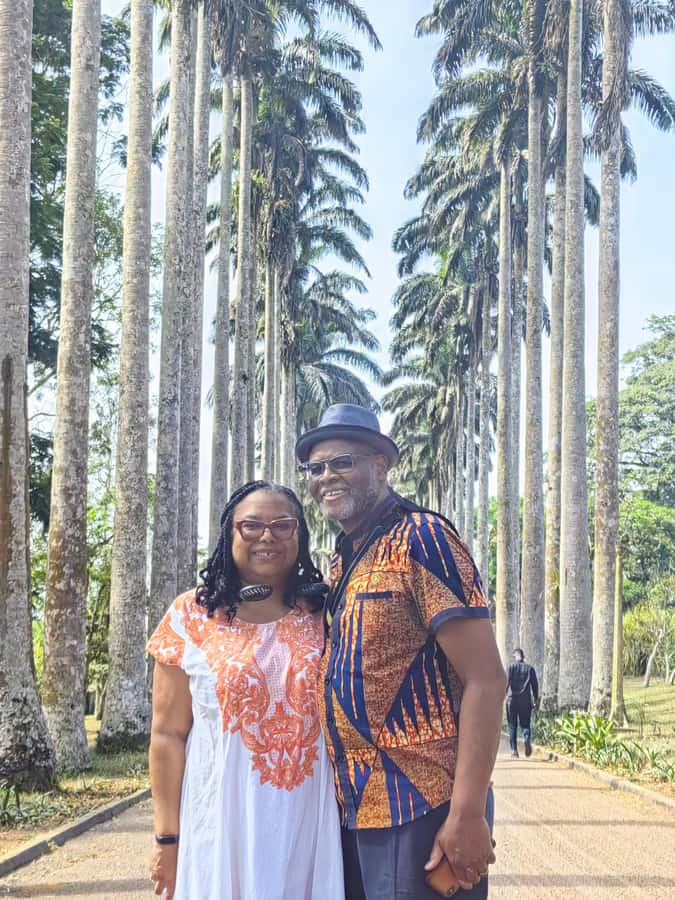
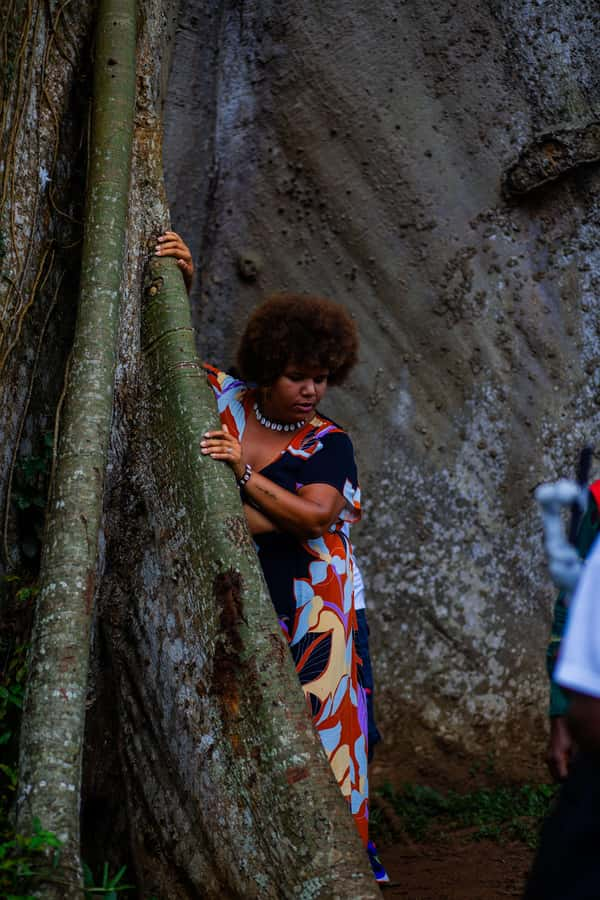
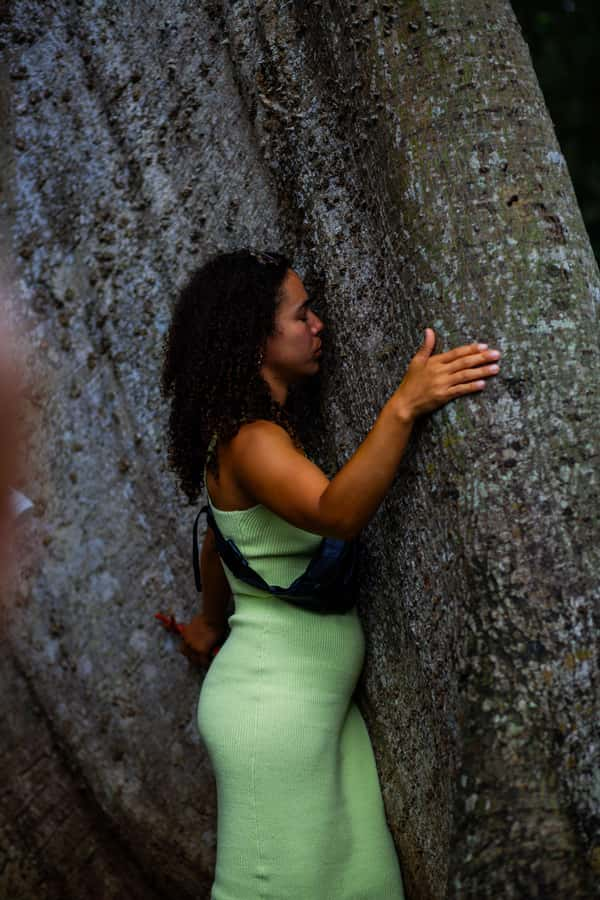
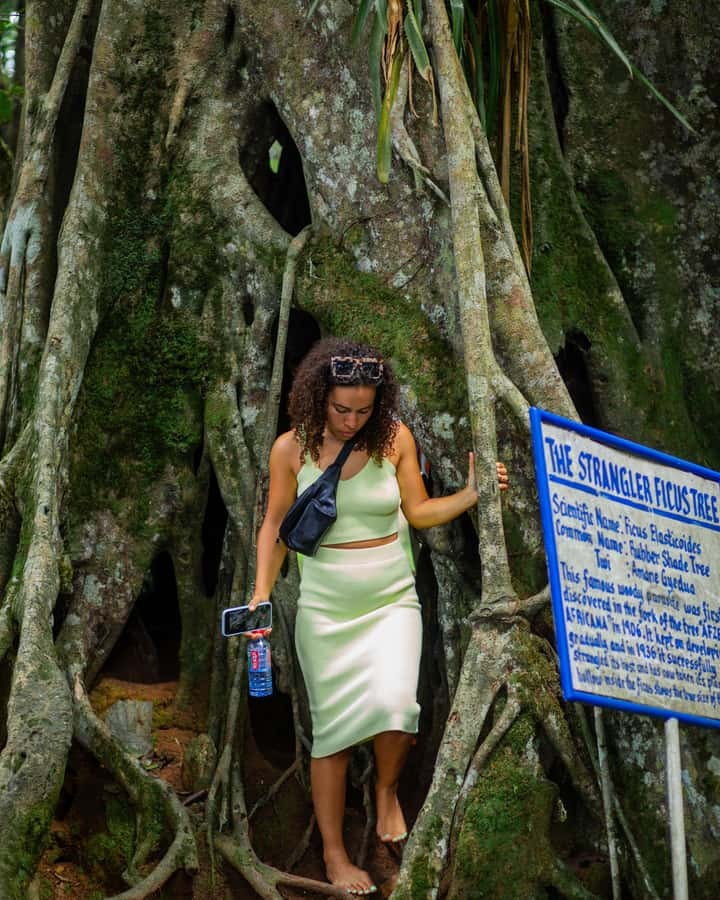
Look for the towering Kapok trees, the ancient Strangler Fig, and the avenue lined with royal palms. These are the garden’s most distinctive features, and they give you strong photo subjects without requiring a long hike.
The garden also works well for visitors who want an introduction to Ghana’s plant life but do not have time for a remote nature trip. You can see a broad range of tropical growth in one place, then continue to the cocoa farm with a better sense of the region’s natural setting.
The drawback is that the garden is not a fast photo stop. You will walk through different sections, and the tour notes call for a moderate amount of walking overall. Wear shoes that can handle uneven outdoor paths, and bring a hat and sunscreen. The garden may offer shade, but you should not count on being protected from the sun at every point.
Why Tetteh Quarshie Farm matters
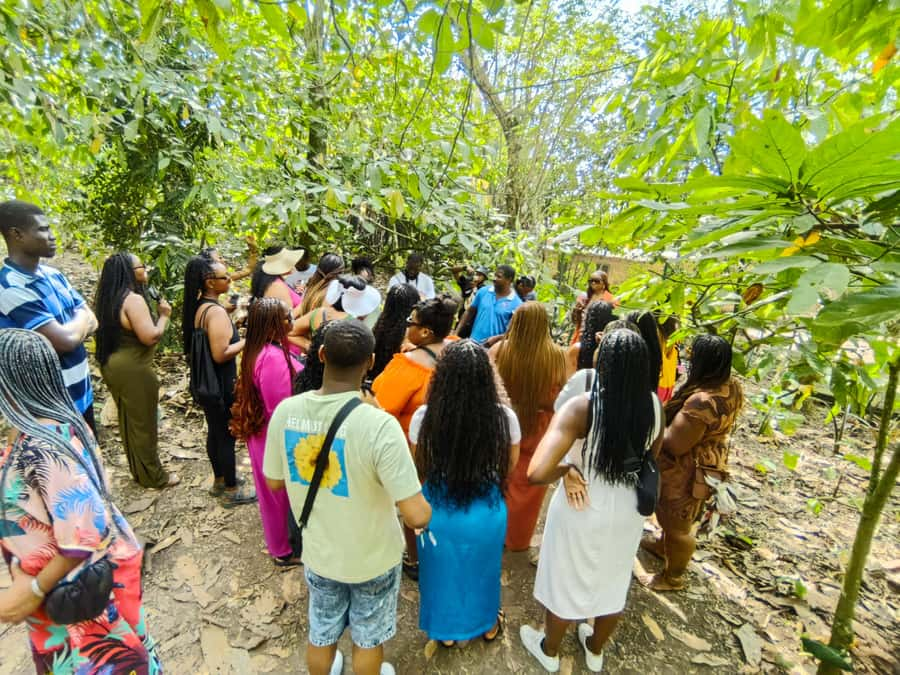
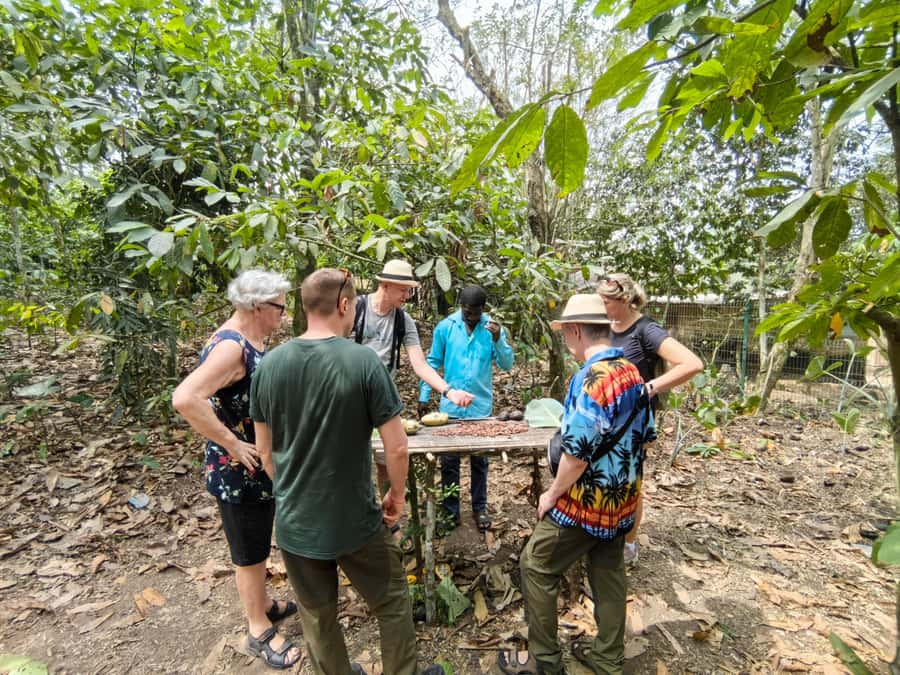
The next stop shifts the focus from ornamental plants to one crop that helped shape Ghana’s economy: cocoa. Tetteh Quarshie Cocoa Farm is named after Tetteh Quarshie, a Ghanaian blacksmith associated with bringing the first cocoa beans to Ghana from Fernando Po, now called Bioko in Equatorial Guinea, in the late nineteenth century.
That story gives the farm more weight than a standard agricultural visit. You are looking at a place connected to the beginning of Ghana’s cocoa production, not just seeing rows of trees and hearing a general talk about farming.
The guide explains the cocoa process from planting and caring for the trees through harvesting. You also learn what happens after the pods are picked. Fermentation and drying are essential steps, and they help determine the quality of the beans before they move farther along the path toward chocolate.
This is the most hands-on part of the day. You can crack open a cocoa pod and taste the fresh beans. They are not the same as a finished chocolate bar, so keep your expectations sensible. The point is to understand the raw product and the work required to turn it into something familiar.
I find that kind of tasting more useful than simply being shown a finished product. You get a direct connection between the crop and the food. It also helps explain why post-harvest work matters, since cocoa beans need careful treatment after they leave the pod.
The farm visit should suit anyone curious about food production, Ghanaian economic history, or the daily work behind an export crop. It is also a good stop for families, provided children are comfortable walking outdoors and listening to a farm explanation.
Do not expect a chocolate factory visit. The information provided focuses on cultivation, harvesting, fermentation, drying, and tasting fresh beans. If you want a tour built around chocolate-making demonstrations or packaged products, this is not that type of stop.
Asenema Waterfall after the forest path
The final stop is Asenema Waterfall near Adukrom. Reaching it involves a short walk through a forested path. The route is described as easy, but you still need comfortable walking shoes because the full outing includes several active stops.
The waterfall drops over a rocky cliff into a clear pool below. Water, trees, and the shaded setting make this a natural place to slow down after the garden and farm visits. You can take photos, sit quietly, or dip your feet in the water.
The stop is designed as a peaceful finish rather than a high-adventure activity. There is no claim of a long trek, technical climbing, or a wide range of organized water activities. Bring your camera, but also leave room in the day simply to listen to the water and enjoy the cooler setting.
You should not assume that swimming is part of the tour. The stated experience allows you to dip your feet, take pictures, and relax. If you want to enter the pool, ask your guide about conditions and local guidance on the day.
Asenema Waterfall may be especially welcome if Accra is hot. The forest path and falling water offer a change in temperature and pace. Still, the waterfall is only one part of a tightly planned six-hour excursion, so the length of time spent there may depend on the day’s traffic and the time needed at the earlier stops.
More Farm Tours in the world:
- Half-Day Thai Cooking Class at Organic Farm in Chiang Mai
★ 5.0 · 19,087 reviews - Florence Pizza or Pasta Class with Gelato Making at a Tuscan Farm
★ 5.0 · 6,801 reviews - Cooking Class and Lunch at a Tuscan Farmhouse with Local Market Tour from Florence
★ 5.0 · 4,831 reviews - Chiang Mai: Authentic Cooking Class with Market & Farm Visit
★ 4.9 · 4,546 reviews
What the six-hour schedule means for you
A six-hour duration keeps the tour manageable. You can see three different places without committing an entire day to a single region. That is useful if you have limited time in Accra or want to combine this outing with other plans on another day.
The trade-off is that the schedule may feel full. The garden alone covers 160 acres, the farm includes a guided explanation, and the waterfall requires a walk from the access point. Add the drive from Accra and a lunch break, and there is little room for long unscheduled pauses.
I would book this as a focused introduction to the area, not as a slow countryside retreat. You will get variety: cultivated gardens, working agriculture, and a forest waterfall. You will not spend hours at each stop.
The private format helps with that pace. Since the group is private, you are not waiting for a large crowd to gather before moving on. You also have a better chance to ask questions or request a little more time at a particular stop, though the total schedule still needs to fit into six hours.
Lunch and water are included. That adds practical value, especially on a warm day when you are walking outdoors. Personal expenses are not included, so carry money for anything else you may want to buy or use beyond the stated package.
Is $194 per person fair value?
The $194 price needs to be judged against what is included. You are paying for a private car, an English-speaking guide, admission to all destinations, lunch, water, and a six-hour route from Accra into the Eastern Region.
For a solo visitor or a small private group, that can be reasonable if you prefer not to arrange separate transport, admissions, and local guiding. The price also covers three different experiences, rather than one attraction with a short transfer.
For a strict budget, the cost is high. You may find it hard to justify if your main goal is only to see a waterfall or take a walk through a garden. The value improves if you want the cocoa explanation and tasting, since that is the part you cannot replicate simply by visiting a scenic viewpoint.
A private group also changes the calculation. The more people in your group, the easier it may be to view the price as a shared cost for transport and guiding, although the listed price is per person. If you are traveling alone, compare the convenience of a private car and an organized route with the possibility of arranging each stop yourself.
One verified booking gave the tour a five-star rating and singled out the guide as awesome. That is only one written response, so I would not use it as proof that every departure will be identical. Still, it supports the idea that the guide’s role is central to the experience. Much of the day’s value comes from the explanations at the garden and cocoa farm, not just from being driven to each location.
Who will enjoy this Ghana day trip
I would recommend this outing to you if you want a compact introduction to the countryside beyond Accra. It suits people who like combining nature with cultural and agricultural context rather than spending the day at only one attraction.
It is a good match for:
- First-time visitors who want several contrasting stops
- Food lovers curious about cocoa before it becomes chocolate
- Garden enthusiasts interested in tropical trees and plants
- Couples or small private groups who prefer a car and personal guide
- Visitors with moderate walking ability who can manage outdoor paths
- Anyone looking for a cooler, quieter stop away from the city
You may want to skip it if you dislike guided visits, have difficulty with moderate walking, or want a long and unhurried stay at one place. It may also disappoint if you expect a chocolate-making workshop or a full swimming excursion at the waterfall.
What to bring and how to prepare
Wear comfortable walking shoes. The waterfall path is short and easy by description, but outdoor ground can still be uneven, and the garden and farm add more walking.
Bring a hat and sunscreen. The route includes open areas as well as tree cover, and the day can be warm. Water is supplied, but having your own preferred bottle may still be useful.
A camera is worthwhile. The royal palms, Kapok trees, Strangler Fig, cocoa pods, forest path, and waterfall all offer different kinds of photographs. Keep your attention on the path when walking and save the careful framing for safe stopping points.
The tour allows free cancellation up to 24 hours before departure, and you can reserve now and pay later. Starting times depend on availability, so check the schedule before planning other activities around it.
Should you book this private Accra excursion?
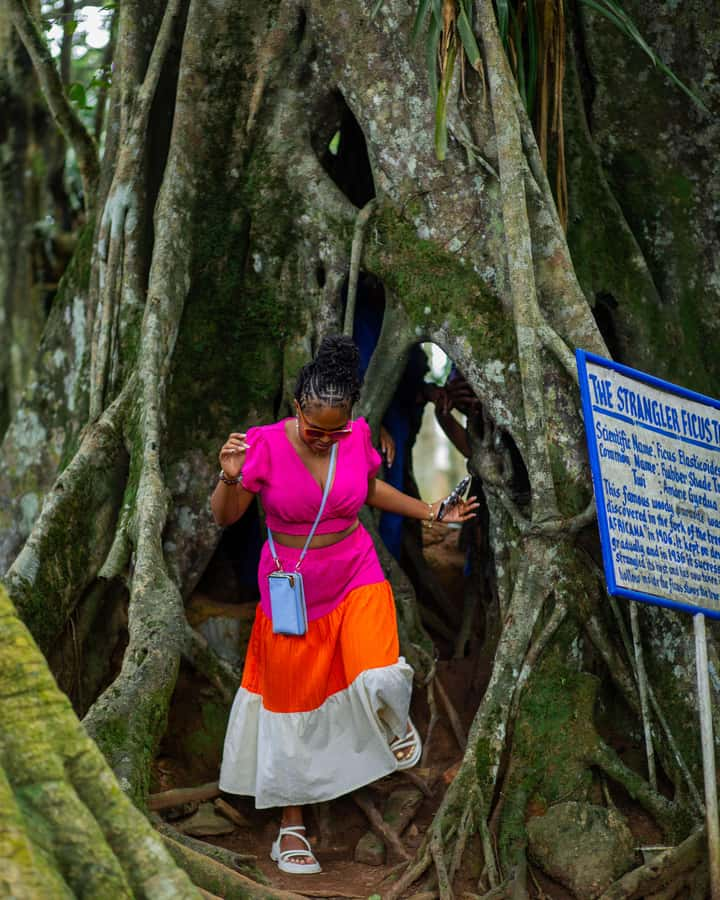
Book it if you want three distinct experiences in one organized trip: a historic garden, a cocoa farm with a tasting, and a short walk to a waterfall. The strongest reason to choose it is the connection between Ghana’s plants, farming, and countryside, all handled in one private six-hour route.
I would be more cautious if $194 feels high or if you want a slow day. The schedule covers plenty, and the walking is moderate. But if transport, lunch, entry fees, and a live English-speaking guide save you planning work, the package offers solid convenience.
For me, the cocoa farm is the deciding stop. The garden and waterfall provide the scenery, while the farm gives the day its clearest sense of place and purpose. If that combination appeals to you, this is a practical way to see more of the Eastern Region without arranging the pieces yourself.
FAQ
How long does the experience last?
The tour lasts six hours.
Where does the tour go?
It travels from Accra into Ghana’s Eastern Region and visits Aburi Botanical Garden, Tetteh Quarshie Cocoa Farm, and Asenema Waterfall near Adukrom.
Is transportation included?
Yes. Transportation by car is included.
Is the tour private?
Yes. It is offered for a private group.
Is a guide included?
Yes. A live English-speaking guide leads the experience.
Can I taste cocoa beans?
Yes. At Tetteh Quarshie Cocoa Farm, you can open a cocoa pod and taste the fresh beans.
Is lunch included?
Yes. Lunch and water are included.
What should I bring?
Bring comfortable shoes, a hat, sunscreen, and a camera. The tour includes a moderate amount of walking and a short forested path to the waterfall.
Just added around the world
- Zanzibar: Walking Spice Farm with Local Cooking Class★ 4.4 · 9 reviews
- Zanzibar:Jozani forest, Spice farm with Swahili Cuisine clas★ 4.2 · 3 reviews
- ZANZIBAR, Stone town tour, Prison Island & Spice farm★ 5.0 · 11 reviews
- Zanzibar: Spice Farm Tour with Traditional Cooking Class★ 4.6 · 16 reviews
- Zanzibar: Stone Town City Tour and Spice Farm with Lunch★ 3.7 · 33 reviews
- Zanzibar: Spice farm tour with Zanzibar fruits tasting★ 3.8 · 7 reviews
- Zanzibar: Spice Farm Tour with Cooking lesson★ 4.5 · 4 reviews
- Zanzibar: Spice Farm Tour with Traditional Cooking Class★ 4.8 · 6 reviews
Cocoa and Chocolate Farm Tours, compared.
Maui Ku’ia Estate Guided Cacao Farm Tour and Tasting
Read our review →
Award Winning Farm Tour: Coffee, Chocolate and Unique Gifts
Read our review →
Basel Farmer’s Market, Cheese, Chocolate & Pastry Tour
Read our review →
Maui Ku’ia Estate Guided Cacao Farm Tour & Tasting
Read our review →
Craft Chocolate Tasting and Farm Experience on the Big Island
Read our review →Lists this farm appears in