
Reviewed · COCOA AND CHOCOLATE FARM TOURS
Bohol Chocolate Making and Farm Tour
Bohol’s chocolate story begins in the orchard, not the candy aisle. On this hands-on farm visit, you follow cacao from tree and fresh fruit to fermented bean, roasted nib, and molded chocolate. The best part is that you do not simply watch: you help make something to eat and take home.
I like the tree-to-treat lesson, which explains stages many chocolate lovers never see, and the private format, since your group can focus on questions and work at its own pace. The main consideration is time: the farm session lasts about three hours, while the full experience runs roughly five to six hours, so it needs a real slice of your day.
Key points to know before booking
- Cacao from fruit to chocolate: Learn about planting, harvesting, fermentation, drying, roasting, and molding.
- Hands-on chocolate making: Use the provided equipment and enjoy the chocolate you create.
- Near Chocolate Hills: The farm is about 30 minutes from the Chocolate Hills area.
- Private transportation: Pickup is offered, and only your group takes part in the private activity.
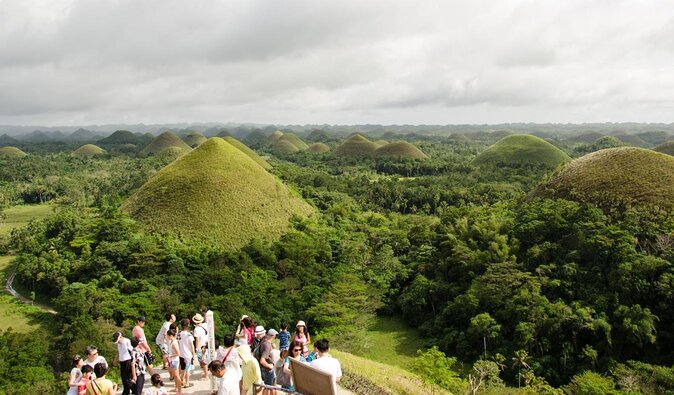
- Possible tropical fruit tasting: The farm visit may include fresh local fruit alongside the cacao lesson.
- $88 value: The price covers transport, equipment, snacks, and the guided farm experience, not just a tasting.
From Chocolate Hills to Bohol’s cacao country
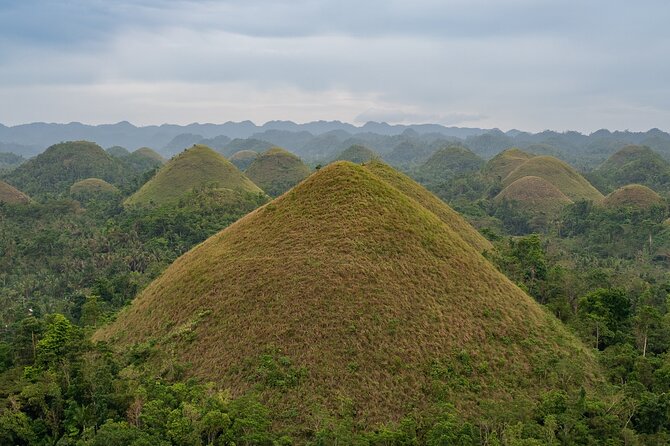
The farm sits only a short drive from the Chocolate Hills complex, about 30 minutes by the information provided. That makes this a practical pairing with the island’s most famous inland sight, though you should allow enough time for transport, the farm program, and any other stops in your day.
Private transportation is included, which matters in rural Bohol. You do not need to arrange a separate ride between the hills and the farm, and your group does not share the activity with strangers. Pickup is offered, but confirm the exact pickup point and schedule when you book, since the published information does not name specific pickup locations.
The full outing takes around five to six hours. The farm program itself is listed at about three hours, so the remaining time likely allows for driving and the wider pickup plan. I would treat this as a half-day activity rather than a quick stop.
The operating hours are listed as 7:30 AM to 3:30 PM, Monday through Sunday, for the stated operating period. Starting earlier gives you more room to combine the farm with Chocolate Hills or another Bohol sight without rushing.
More Cocoa Farm Tours in the world:
- Lahaina: Maui Ku’ia Estate Guided Cacao Farm Tour and Tasting
★ 5.0 · 1,103 reviews - Kauai Chocolate Farm Tasting Tour
★ 5.0 · 666 reviews - Award Winning Farm Tour: Coffee, Chocolate and Unique Gifts
★ 5.0 · 484 reviews
Seeing cacao before it becomes chocolate
The first useful lesson is simple: chocolate does not begin as a brown bar. It begins inside a cacao pod, growing on a tree and surrounded by sweet, pale pulp.
You learn how cacao trees are grown in Bohol and why the farm presents itself as a grower of fine-flavor cacao. The farm also uses a biodynamic approach, according to the tour details. That gives the visit more substance than a standard tasting because you are looking at the crop, not only the finished product.
You may taste the fresh tropical fruit offered at the farm, including the fresh cacao fruit itself. This is one of the more memorable parts of the program because the fruit around the cacao beans is quite different from the chocolate flavor you know from a shop. It helps you understand how much processing sits between the tree and the familiar sweet.
The farm may also include tasting of other fresh tropical fruits. Since this is described as something the tour may include, not a guaranteed part of every departure, do not book solely for a particular fruit selection.
Harvesting, fermentation, and sun drying
The tour follows the main stages after cacao pods are harvested. You learn about removing the beans, fermentation, and sun drying, all of which affect the final taste and texture.
Fermentation is an especially useful part of the lesson. It is easy to think of cacao as ready to roast as soon as it comes from the pod, but the beans need careful treatment before they become suitable for chocolate making. The guided explanation connects the work on the farm to the flavor in the finished product.
Sun drying also shows the practical side of cacao production. This is not a factory tour with a polished production line. You are learning how a farm handles an agricultural crop, with weather and timing playing a role in the process.
I appreciate this part because it gives context to the price of good chocolate. The finished bar hides a long chain of work: growing trees, harvesting pods, fermenting beans, drying them, roasting them, and turning them into a usable mixture.
Roasting and molding your own chocolate
After the farm stages, the activity moves toward the kitchen side of chocolate production. You learn about roasting and then use the supplied equipment to make and mold your own chocolate.
This is where the experience becomes more than a lecture. You handle the process yourself, then taste what you have made. You also get to take your chocolate home, giving the outing a useful souvenir that connects directly to the lesson.
The equipment is included, so you do not need to bring special tools. Snacks are included as well. The supplied details do not describe the exact chocolate shapes, recipes, or amount you take home, so I would not expect a full professional confectionery class. Think of it as an accessible introduction with a strong hands-on element.
For children and families, this should be the most engaging section. The process has a clear payoff: you see the crop, learn the steps, make a treat, and eat it. For adults who already know a lot about chocolate, the farm setting and bean-to-bar sequence may be more appealing than a basic tasting.
More Farm Tours in the world:
- Half-Day Thai Cooking Class at Organic Farm in Chiang Mai
★ 5.0 · 19,087 reviews - Florence Pizza or Pasta Class with Gelato Making at a Tuscan Farm
★ 5.0 · 6,801 reviews - Cooking Class and Lunch at a Tuscan Farmhouse with Local Market Tour from Florence
★ 5.0 · 4,831 reviews - Chiang Mai: Authentic Cooking Class with Market & Farm Visit
★ 4.9 · 4,546 reviews
Why the private format matters
This is a private tour and only your group participates. That can make a real difference in a practical class. You can ask questions about cacao growing, pause during the process, and work together without trying to keep up with a large crowd.
The private setup may also suit families with children, couples, or small groups with different levels of interest. Someone fascinated by fermentation can spend more time listening, while another person can focus on the practical chocolate work.
The tradeoff is that a private tour often costs more per person than a large shared group. At $88 per person, the price deserves a close look. You are paying for private transportation, the farm visit, use of chocolate-making equipment, snacks, and a guided activity lasting part of a half-day. If you would otherwise need to hire a car and arrange a separate rural visit, the package becomes easier to justify.
The value is strongest when you want an activity with instruction and participation, rather than just a scenic stop. If your main goal is a low-cost cacao tasting, $88 may feel high. If you want transport and a private, family-friendly experience close to Chocolate Hills, the cost is more reasonable.
Group discounts are available, so larger private groups should ask how the total changes before booking. The supplied information does not state the discount amount.
Who will enjoy this farm visit most
I would choose this tour for anyone who likes to understand how local food is made. It suits chocolate lovers, families, couples, and small private groups looking for something different from beaches, river trips, and viewpoint stops.
It is also a good fit if your Bohol plans already include Chocolate Hills. The farm is only about 30 minutes from the complex, so the two experiences can fit naturally into the same inland day, provided you allow enough time for transport and the three-hour farm program.
The experience may be less suitable if you want a fast activity under two hours or a highly technical professional chocolate course. The available details do not promise advanced confectionery training, a large production facility, or a long list of chocolate products.
Most participants can take part, according to the tour information. Still, the exact physical setup is not described, so you should raise any mobility or other participation concerns before booking.
Small details that help you plan
The experience has mobile ticketing and confirmation is sent at the time of booking. Pickup is offered, and private transportation is included, but you should confirm where and when pickup will take place.
The listed operating window runs from 7:30 AM to 3:30 PM every day during the stated dates. Since the activity lasts about five to six hours, check the start time carefully. A late start could leave little room for other inland sights.
Free cancellation is available if you cancel at least 24 hours before the local start time. Cancellations or changes made less than 24 hours ahead are not accepted for a refund.
The provider is Ecotravelers Travel & Tours. No guide names are supplied, so you should not expect to request a particular instructor based on the information available.
The experience currently carries a five-star rating based on nine posted ratings. The most consistent praise centers on the full production lesson, the hands-on work, the family-friendly format, and the fact that the activity feels different from a standard Bohol sightseeing stop.
A better way to fit it into your Bohol day
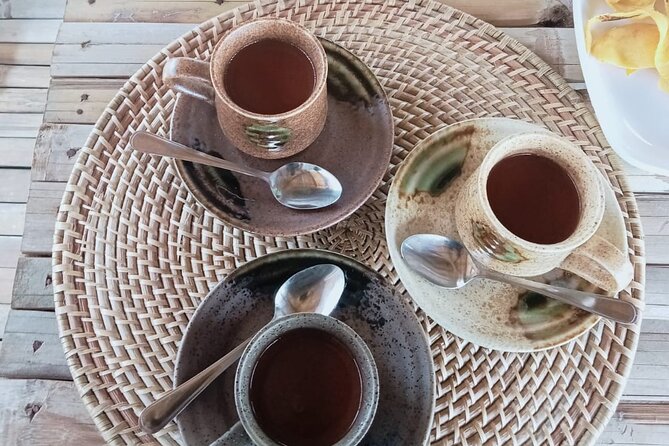
If you plan to visit Chocolate Hills, consider placing the farm visit near that stop rather than treating it as a separate trip from another part of the island. The listed 30-minute travel time from the hills makes the pairing practical.
Allow extra room around the stated timing. The farm program is about three hours, but the complete activity is five to six hours. Transport and pickup can shape the day, and the published information does not give a fixed door-to-door schedule.
I would avoid stacking too many major attractions after the farm. The chocolate-making portion is the point of the visit, and rushing away as soon as you finish the molding would undercut the relaxed, educational feel.
The included snacks help, but they should not be treated as a full meal. Plan your meals around the activity unless your pickup schedule confirms otherwise.
Should you book the Bohol Chocolate Making and Farm Tour?
Book it if you want to see cacao as a farm crop, learn the stages from fresh pod to chocolate, and make your own treat in a private setting. The combination of transportation, equipment, snacks, and a three-hour guided program gives the $88 price a fair case, especially for a small group that values convenience.
I would be more cautious if you want a short tasting, a bargain activity, or a detailed professional course. The strongest reason to choose this tour is not simply that you like chocolate. It is that you want to understand where it comes from and take part in the process yourself.
For families and chocolate fans who are already visiting Chocolate Hills, this is one of the more distinctive half-day additions to a Bohol itinerary. The farm setting, direct connection to local cacao growing, and chance to mold chocolate make it a useful change of pace from the island’s usual sightseeing circuit.
FAQ
How long does the Bohol Chocolate Making and Farm Tour last?
The full experience takes approximately five to six hours. The farm program itself is listed at about three hours, with additional time for transportation and pickup.
How far is the farm from Chocolate Hills?
The farm is located about 30 minutes from the Chocolate Hills complex.
Is transportation included?
Yes. Private transportation is included, and pickup is offered.
Is this a private tour?
Yes. Only your group participates in the private activity.
What will I learn during the farm visit?
You learn about growing cacao trees, tasting fresh cacao fruit, harvesting, fermentation, sun drying, roasting, and molding chocolate.
Can I make my own chocolate?
Yes. The tour includes use of equipment for chocolate making, and you can enjoy the products you make. The chocolate can also be taken home.
Are snacks included?
Yes. Snacks are included in the experience.
Is tropical fruit tasting included?
The farm tour may include fresh tropical fruit tasting. The information does not guarantee a specific fruit selection on every visit.
Can I cancel for a full refund?
Yes, if you cancel at least 24 hours before the experience start time. Cancellations or changes made less than 24 hours before the local start time are not accepted for a refund.
Just added around the world
- Hoi An: Cycling – Water Buffalo Riding Farming and Fishing★ 5.0 · 2 reviews
- 2-Hour Alpaca Farm Experience in Kenilworth★ 4.5 · 14 reviews
- Cycling Through Vineyards & Farm Lunch & Ephesus visit★ 5.0 · 52 reviews
- Liverpool Music Icons Tour led by a member of 90s band The Farm★ 5.0 · 51 reviews
- Guided Hebridean Farm Hike near Tobermory, Isle of Mull, Scotland★ 5.0 · 25 reviews
- Paestum and Buffalo Farm Day Tour from Sorrento★ 5.0 · 3 reviews
- Balinese Cooking Class at Organic Farm★ 5.0 · 51 reviews
- Belém: Marajó Island Day Trip with Buffalo Farm Visit★ 4.0 · 16 reviews
Cocoa and Chocolate Farm Tours, compared.
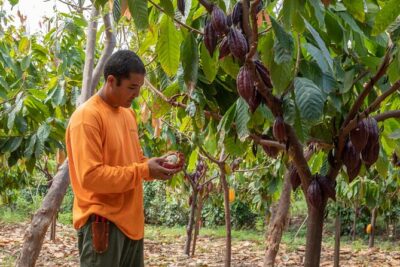
Maui Ku’ia Estate Guided Cacao Farm Tour and Tasting
Read our review →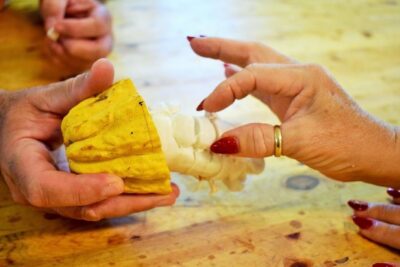
Award Winning Farm Tour: Coffee, Chocolate and Unique Gifts
Read our review →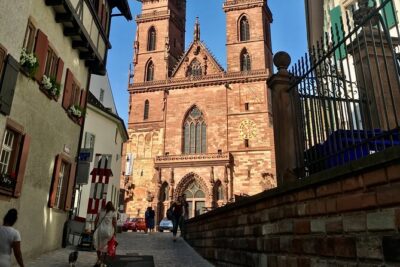
Basel Farmer’s Market, Cheese, Chocolate & Pastry Tour
Read our review →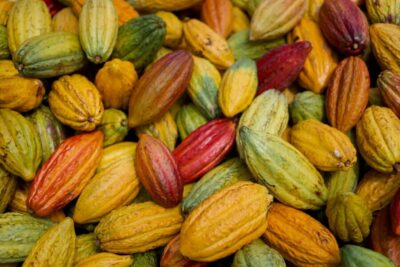
Maui Ku’ia Estate Guided Cacao Farm Tour & Tasting
Read our review →
Craft Chocolate Tasting and Farm Experience on the Big Island
Read our review →Lists this farm appears in