
Reviewed · COCOA AND CHOCOLATE FARM TOURS
Cacao Farm Excursion Day Trip from Guayaquil
The best part of this Guayaquil day trip is that you do not simply look at cacao trees. You handle the fruit, toast the beans, scrape off the husks, grind the nibs, and turn the paste into chocolate. On the same family farm, you see rice, mangoes, papayas, dragon fruit, avocado, breadfruit, and garden crops growing around you.
I like the hands-on chocolate making and the farm-to-table lunch, which uses ingredients grown on the property. Guides such as Jaime, Eddie, and Adrian are also praised for making the drive useful and enjoyable. The main drawback is that the price is high for a four-hour outing, and traffic between Guayaquil and the countryside can affect your timing.
Key points to know before you book
- You make chocolate from cacao beans: Roast, peel, grind, taste, and shape the beans yourself.
- The farm is about 32 miles from Guayaquil: The stated drive takes roughly 40 minutes, though city traffic can change that.
- Lunch is part of the experience: Expect a traditional Ecuadorian meal prepared with farm-grown ingredients.
- The setting is a working family farm: Cacao shares space with rice fields, tropical fruit trees, and vegetables.
- Private hotel transfers are included: Only your group takes part, with pickup and return to centrally located Guayaquil hotels.
- Bring protection from insects and sun: Bug spray is strongly recommended, and long sleeves are a sensible choice.
From Guayaquil streets to a cacao farm near Naranjal
Pickup is scheduled for 10 a.m. at your centrally located Guayaquil hotel. You ride south toward Naranjal, a countryside area near the Churute ecological reserve hills and the Churute River.
The tour description gives the drive as about 40 minutes. That is a useful estimate, not a promise. Guayaquil traffic can be slow, and one account of a larger add-on excursion described a much longer journey. For the standard cacao visit, ask at booking what route and timing apply to your date.
A private tour matters here. You are not being moved through a large group on a fixed script. Your guide can answer questions along the way, and several guides, including Jaime, Eddie, Adrian, and Hime, have been praised for explaining Guayaquil and Ecuador during the ride.
The vehicle transfers are included in the $205.72 per-person price, along with lunch, tastings, taxes, and handling charges. Drinks are not included. At first glance, the fee is steep for a four-hour trip, but you are paying for private transport, a private visit, a meal, instruction, and active participation rather than a quick plantation stop.
More Cocoa Farm Tours in the world:
- Lahaina: Maui Ku’ia Estate Guided Cacao Farm Tour and Tasting
★ 5.0 · 1,103 reviews - Kauai Chocolate Farm Tasting Tour
★ 5.0 · 666 reviews - Award Winning Farm Tour: Coffee, Chocolate and Unique Gifts
★ 5.0 · 484 reviews
Walking through a 30-acre working farm
Cacao y Mango Farm covers about 30 acres, or 12 hectares. It is not presented as a polished theme park. It is a family property where cacao grows alongside rice, fruit trees, and food crops.
That is what gives the visit its value. Cacao does not appear as an isolated product. You see it as one part of farm life, alongside mango, papaya, dragon fruit, avocado, breadfruit, tomato, green pepper, lemongrass, and lemon trees. The ingredients used for lunch come from this setting, with many described as organic.
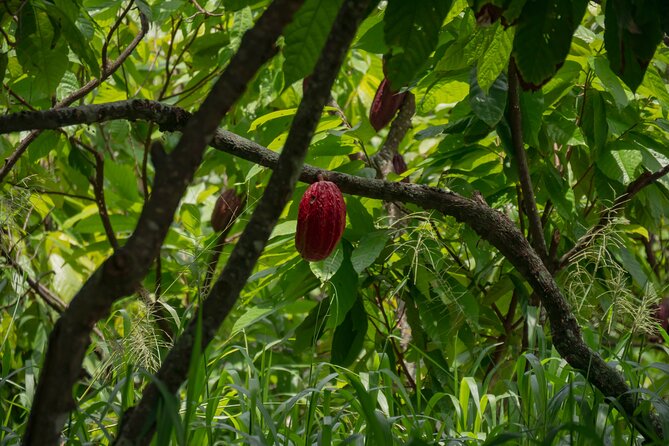
Your farm guide explains the growing cycle, beginning with sowing seeds and caring for young trees. You then see mature cacao plants and the fresh pods. The useful lesson is that chocolate starts as a fruit, not as a brown bar in a shop.
Expect some walking and an outdoor setting. The property can be hot, and mosquitoes are a real concern. Bring insect repellent, sunscreen, and light clothing that covers your arms and legs. One useful tip is to avoid black clothing, which was specifically flagged as a poor choice for this setting.
Turning fresh cacao into chocolate
The strongest section of the excursion follows the beans from fruit to paste. Your guide opens the process with the cacao fruit, then explains what happens after harvest.
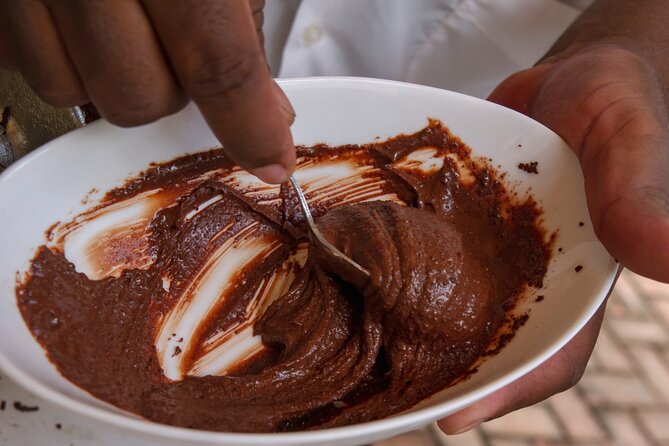
You get to work with the beans rather than merely watch. The usual sequence includes toasting the cacao seeds, removing their husks, and grinding the beans into a thick paste. That paste is the starting point for chocolate bars. Sugar, milk, and flavorings come later, depending on the final recipe.
You may taste the cacao in several forms, including raw ground cacao and hot chocolate made with water and sugar. The changing texture and flavor help you understand why finished chocolate tastes so different from the bean inside the pod.
The activity is simple enough for children, but it still holds the attention of adults. Families with children ranging from young kids to teenagers have found the process manageable and interesting. You also get the satisfaction of making your own chocolate bar, with the chance to buy additional chocolate and coffee from the farm.
This is not a factory tour. The appeal is the small-scale, physical work. You see how much effort goes into producing something that is usually sold in a neat package.
A farm lunch that earns its place
After the cacao work, you sit down for a typical Ecuadorian lunch. The meal is made with ingredients grown on the property, which gives it a direct connection to the farm visit.
The exact menu can change. Examples described from the experience include crab empanadas, fried fish with rice, and frozen chocolate cake. Other meals have been described as traditional Ecuadorian food served in several courses.
I would treat lunch as one of the main reasons to book, not as a filler between activities. The food is fresh, generous, and tied to what you have just seen growing around you. You may eat with the family and guides, which creates an informal chance to ask more questions about farming and daily life.
Drinks are not included, so plan for that when comparing the price. The supplied details do not specify which drinks are available or whether they can be purchased at the farm.
More One-Day Trips in the world:
- Gaucho Day Trip from Buenos Aires: Santa Susana Ranch
★ 4.0 · 272 reviews - Amsterdam: Day trip to Tulip Farm, Keukenhof + Windmill Cruise
★ 4.5 · 211 reviews - Appenzell Alps Day Trip from Zurich – Farm Life & Cheese Tasting
★ 4.5 · 148 reviews - Gaucho Experience: A Day Trip to Don Silvano Ranch
★ 4.0 · 148 reviews
The people make the visit work
The quality of the day depends heavily on the guide. Several names appear repeatedly in the experience: Jaime, Eddie, Adrian, Hime, and farm guides such as Jamil, Jamil, Simon, Alberto, and Shirley. Their roles may vary by date, and the tour can be operated with a multilingual guide.
Jaime is particularly noted for explaining Guayaquil, Ecuador, and local life during the drive. Eddie and Adrian are also described as friendly and attentive. At the farm, Jamil and Simon are praised for explaining the cacao process clearly, while Shirley is remembered for her welcome and practical knowledge of the property.
That personal contact is a major benefit of a private tour. You can ask why a particular fruit grows well in the area, how cacao is processed, or what makes Ecuadorian cacao distinctive. The experience is strongest when you are curious and willing to take part.
There is also a practical point here: guide assignments can change. If a particular guide is important to you, you can ask for that person, but the available information does not promise a specific guide.
What families, couples, and solo visitors should expect
This excursion suits families especially well. The chocolate process gives children a clear job at each stage, and the farm offers more variety than a single crop plantation. Children must be accompanied by an adult, and the child rate applies only when sharing with two paying adults.
Couples will find it relaxed and personal, especially if they enjoy food, agriculture, and small family businesses. Solo visitors can also fit comfortably because the activity is private, though the per-person price may feel harder to justify without companions.
I would choose this for someone who wants to get beyond Guayaquil’s urban center without spending a full day on a demanding outdoor activity. It offers education, food, and contact with a working rural property in one compact outing.
It is less suitable if you want a fast city tour, a formal chocolate factory, or a completely climate-controlled activity. The farm is outdoors, insects are part of the deal, and the route depends on traffic.
Timing, comfort, and practical limits
The advertised duration is about four hours, with departure at 10 a.m. The stated itinerary includes roughly 40 minutes from Guayaquil, one hour for the meal and cacao introduction, and two hours at the farm. Real timing can shift with traffic, the pace of your group, and the amount of time spent making chocolate.
The tour is described as suitable for most people, but the available details do not give a full accessibility breakdown. If you have mobility concerns, ask ahead about walking surfaces, seating, and access around the farm.
Comfort is basic and rural. Bring:
- Bug repellent
- Sunscreen
- A hat
- Light, covering clothing
- Comfortable shoes
- Money for drinks or extra purchases
A small bag is useful for anything you buy at the farm. The details confirm that chocolate and coffee can be purchased, but do not specify payment methods.
The tour is private, so only your group participates. That makes the day easier to adjust in spirit, though changes made less than 24 hours before the start are not accepted under the stated policy.
Is $205.72 a fair price?
At $205.72 per person, this is not a budget farm outing. You should compare it with what is included rather than judging it only by the length.
The fee covers hotel pickup and drop-off, a private activity, a guide, food tasting, lunch, taxes, and handling charges. You also receive several hours of instruction and hands-on work, not just transport to a plantation.
For a couple or family already staying in Guayaquil, the price can make sense because arranging a private countryside transfer, farm visit, meal, and chocolate lesson separately would take time and may not be cheaper. The value is strongest if you care about personal contact and want a full meal included.
For a solo visitor on a tight budget, the cost deserves more thought. The activity is only about four hours, and drinks are extra. You may decide that a longer group excursion offers better cost per hour, though it would likely be less personal.
The excellent overall rating and 94 percent recommendation indicate strong satisfaction, but you should still read the practical details carefully. One poor experience involved a missed flight and a failed attempt to change the booking. That is a reminder to protect the 24-hour cancellation window and avoid booking this too close to an uncertain travel connection.
Who should book this cacao excursion?
Book it if you want to:
- Learn how cacao becomes chocolate through direct participation
- Eat a traditional meal made with farm-grown ingredients
- Meet a family connected to cacao production
- See several tropical crops in one working farm
- Leave Guayaquil without committing to a long, strenuous day
- Give children a clear, hands-on activity
Think twice if you dislike heat, insects, rural conditions, or fixed departure times. You should also confirm the exact plan if you are offered any additional stop, since one account described an expanded trip that included mangrove and forest visits, extra road time, and a basic boat ride. Those details are not part of the standard cacao farm program described here.
Should you book the Guayaquil cacao farm trip?
I would book this if you want an experience with a real sense of place rather than another sightseeing loop. The best elements are clear: you work with cacao, visit a family farm, eat food connected to the property, and travel with a private guide who can explain Ecuador along the way.
The price is the main barrier. At $205.72, it is a special outing, not an inexpensive half-day filler. Families and couples will get the most value, especially if a private transfer and a substantial lunch save you the trouble of arranging rural transport yourself.
Bring repellent, confirm the standard itinerary, and leave enough room around the four-hour estimate for traffic. If those conditions suit you, this is one of the more memorable ways to understand what Ecuadorian chocolate actually involves.
FAQ
How long is the cacao farm excursion?
The experience lasts approximately four hours.
What time does the tour start?
Pickup is scheduled for 10:00 a.m.
Where does the tour depart from?
Pickup and return are provided at centrally located hotels in Guayaquil.
How far is the farm from Guayaquil?
The farm is described as about 32 miles from Guayaquil, with the drive listed at roughly 40 minutes.
Is the tour private?
Yes. Only your group participates in the activity.
What will I do at the cacao farm?
You learn how cacao is grown, see fresh cacao fruit, toast the seeds, remove the husks, grind the beans, taste cacao, and make chocolate.
Is lunch included?
Yes. Lunch and food tasting are included. The meal uses organic ingredients grown on the farm when available.
Are drinks included?
No. Drinks are not included in the price.
Is the tour suitable for children?
Yes. Children can participate, but they must be accompanied by an adult. The child rate applies only when sharing with two paying adults.
What should I bring?
Bring bug repellent, sunscreen, and practical clothing for a warm outdoor farm setting. Long sleeves and long pants may help with mosquitoes.
Can I cancel for a full refund?
Yes, if you cancel at least 24 hours before the experience starts. Cancellations or changes made less than 24 hours before the start time are not accepted for a refund.
Just added around the world
- Zanzibar: Walking Spice Farm with Local Cooking Class★ 4.4 · 9 reviews
- Zanzibar:Jozani forest, Spice farm with Swahili Cuisine clas★ 4.2 · 3 reviews
- ZANZIBAR, Stone town tour, Prison Island & Spice farm★ 5.0 · 11 reviews
- Zanzibar: Stone Town City Tour and Spice Farm with Lunch★ 3.7 · 33 reviews
- Zanzibar: Spice Farm Tour with Traditional Cooking Class★ 4.6 · 16 reviews
- Zanzibar: Spice farm tour with Zanzibar fruits tasting★ 3.8 · 7 reviews
- Zanzibar: Spice Farm Tour with Cooking lesson★ 4.5 · 4 reviews
- Zanzibar: Spice Farm Tour with Traditional Cooking Class★ 4.8 · 6 reviews
Cocoa and Chocolate Farm Tours, compared.
Maui Ku’ia Estate Guided Cacao Farm Tour and Tasting
Read our review →
Award Winning Farm Tour: Coffee, Chocolate and Unique Gifts
Read our review →
Basel Farmer’s Market, Cheese, Chocolate & Pastry Tour
Read our review →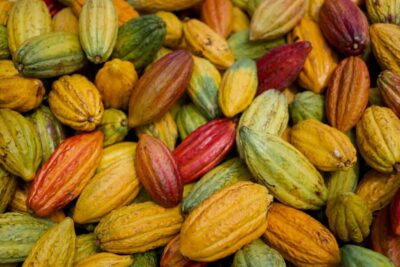
Maui Ku’ia Estate Guided Cacao Farm Tour & Tasting
Read our review →
Craft Chocolate Tasting and Farm Experience on the Big Island
Read our review →Lists this farm appears in