
Reviewed · COCOA AND CHOCOLATE FARM TOURS
Cocoa farm and Chocolate making!
Fresh cacao changes the way you think about chocolate. On this half-day trip from Guayaquil, you walk among the trees, open a cacao pod, follow the beans through the basic making process, and taste the finished result. The farm setting adds fruit trees, flowering plants, and a quieter rural pace.
I like the private transportation and personal guiding, especially when guides such as Mario, Allison, Tony, or Antonio can shape the day around your questions. I also like that you do real work with the cacao instead of simply watching a demonstration. The main consideration is time: the experience takes about four to five hours, and the rural setting may be less appealing if you want a fast city tour or a polished factory visit.
Key points at a glance
- Make chocolate from a cacao pod: You take part in the process from harvest through the finished chocolate.
- Meet a family-run farm: Rody and his family have guided many parts of the visit, sharing their farm and food.
- Learn about Ecuadorian cacao: Guides explain farming, flavor, pollination, and the country’s place in chocolate production.
- Travel privately from Guayaquil: Round-trip private transportation keeps the outing simple and personal.
- Expect more than cacao: Guava, citrus, bananas, and other plants add context to the farm visit.
- Allow four to five hours: A three-course lunch has been part of many bookings, but confirm the current meal details before you reserve.
From Guayaquil streets to a working cacao farm
The tour begins at 10:00 a.m. in Guayaquil, with private transportation taking you out of the city. That matters because the outing is not just a farm stop. The drive gives your guide time to explain Ecuadorian life, agriculture, and the cacao trade before you reach the property.
Past guides have included Mario, Allison, Tony, and Antonio Escobar. Their roles can vary, but the best part of this arrangement is the chance to ask questions as you go. You are not being moved through a large coach group with a fixed speech. A private trip can feel more like a conversation, especially for families or couples with different interests.
The destination is a family-run farm in a rural setting. Several accounts describe a property near a small river, with cacao trees mixed among fruit and flowering plants. Do not expect a formal theme park or a glossy chocolate museum. The appeal is the working farm, the family connection, and the chance to see how a crop grows before it reaches a shop shelf.
The journey is also a useful break from Guayaquil’s city traffic and noise. If you have spent a few days in the city, the change of pace is part of the value. If you are staying only briefly and want to see urban highlights, remember that this trip uses much of a morning and afternoon.
More Cocoa Farm Tours in the world:
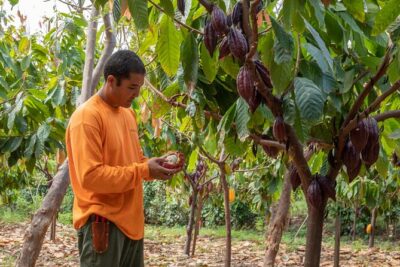
- Lahaina: Maui Ku’ia Estate Guided Cacao Farm Tour and Tasting
★ 5.0 · 1,103 reviews - Kauai Chocolate Farm Tasting Tour
★ 5.0 · 666 reviews - Award Winning Farm Tour: Coffee, Chocolate and Unique Gifts
★ 5.0 · 484 reviews
Walking among the cacao trees
At the farm, you walk through the cacao grove with a farm guide. Rody, the owner’s son, has led the farm portion on many occasions, while members of the family explain the trees and the work involved.
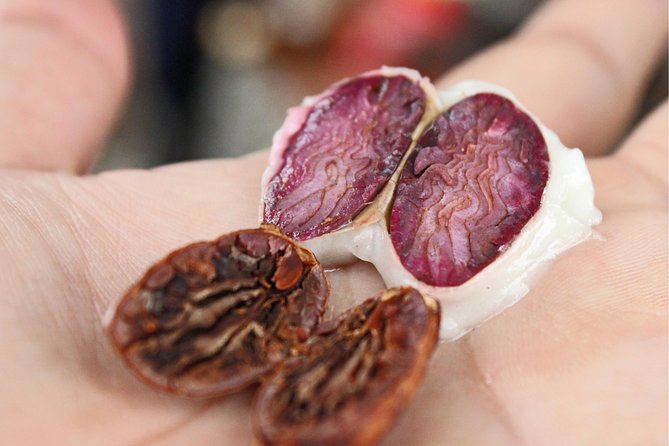
Cacao does not look like the finished chocolate bar in your suitcase. The fruit grows as a pod, and the beans inside need several careful steps before they become something you would recognize as chocolate. The walk helps connect the product to the soil, shade, flowers, insects, and nearby crops that shape its growth.
One useful lesson concerns flavor. The plants around a cacao tree and the way pollination occurs can affect what the beans produce. That gives you a better sense of why Ecuadorian cacao can have different character from one farm or harvest to another. You are learning about farming, not just sampling sweets.
The farm also has other plants and fruits. You might handle guava, citrus, bananas, or other produce depending on the season and what is ready. This variety makes the visit more interesting for children, who may tire of a single-crop tour. It also shows that a family farm is a whole food system, not simply a field of cacao trees.
The setting has a relaxed, natural feel, but keep your expectations practical. The tour is outdoors and hands-on. Conditions can change in the rainy season, and the farm may feel muddy or less tidy than a commercial attraction. That is part of the tradeoff for seeing a real family operation rather than a staged display.
Harvesting a pod and starting from scratch
The most memorable part is the hands-on chocolate work. You harvest a cacao pod and help take the beans through the early stages of the process. The exact sequence and equipment can vary, but the purpose is clear: you see how much effort sits behind even a small piece of chocolate.
Guides explain the process as you work. The lesson is practical rather than technical. You handle the fruit, see the beans, and take part in turning them into a chocolate mixture. Some sessions have included hot chocolate made from the beans, while others finish with individual chocolate bars or chocolate served with bananas.
This is especially good for families. Children can take part rather than stand at the edge of a lecture, and adults get a useful look at the labor behind a familiar food. Most people can participate, and children are welcome when accompanied by an adult. A child rate applies only when the child shares the booking with two paying adults.
I would choose this experience if you want to understand the full chain from crop to treat. I would not choose it if you are seeking a professional confectionery class with precise recipes, advanced equipment, or a long lesson on tempering. This is a farm experience first, with chocolate making as its centerpiece.
Ecuadorian cacao in a wider story
Ecuador has a long connection to cacao farming, and your guide can place the farm visit in that larger story. Mario, in particular, has been described as coming from a cacao-farming family, which gives him a personal link to the subject. Other guides, including Allison and Antonio, have also been praised for explaining the country and local customs along the way.
The useful thing here is the connection between product and place. You are not simply told that Ecuador makes good cacao. You see the trees, meet people who work with them, and learn how a crop fits into family life and the local economy.
That personal element can vary with the guide assigned to your booking. The names associated with the experience include Mario, Allison, Tony, Antonio Escobar, Alberto, Jamil, and Niffa. The farm side has also involved Rody and other family members. Since this is a small operation, the visit can feel personal, but it may not follow an identical script every time.
The guide can also add value on the drive back. One booking included an optional visit to Guayaquil’s old cemetery, and another guide helped with a shopping stop. These extras are not listed as guaranteed parts of the tour, so treat them as possible personal touches rather than promised itinerary items.
More Farm Tours in the world:
- Half-Day Thai Cooking Class at Organic Farm in Chiang Mai
★ 5.0 · 19,087 reviews - Florence Pizza or Pasta Class with Gelato Making at a Tuscan Farm
★ 5.0 · 6,801 reviews - Cooking Class and Lunch at a Tuscan Farmhouse with Local Market Tour from Florence
★ 5.0 · 4,831 reviews - Chiang Mai: Authentic Cooking Class with Market & Farm Visit
★ 4.9 · 4,546 reviews
A farm lunch under the trees
A three-course lunch has been a major part of many versions of this outing. It has been served at the farm, sometimes outdoors near the trees and a small river, and prepared by members of the family. In several accounts, the food was described as a home-cooked meal shared in a welcoming setting.
This is more than a convenient break. Eating on the farm gives you time to talk with the people who live and work there. It also makes the experience feel connected to daily life rather than divided into a tour followed by a separate restaurant meal.
Still, check the current booking details before you count on lunch. The basic tour information focuses on the farm walk and chocolate making, while the meal appears in many descriptions of completed visits. Food arrangements can change with the season, group, or operating plan.
If lunch is included for your date, allow time for a slow meal. This is not a rushed snack between stops. The rural setting, family service, and outdoor table are part of what makes the day feel different from a standard attraction.
Why the $155 price can make sense
At $155 per person, this is not the cheapest way to spend a morning near Guayaquil. The price makes more sense if you value a private outing, round-trip transportation, direct guiding, and the farm activities rather than simply paying for admission to a site.
You are also paying for access to a family-run place that would be difficult to experience on your own. The chocolate making is interactive, and the guide can adjust explanations to your group. For a couple or family, that personal attention may be worth more than a lower-priced group bus tour.
The value is strongest when you use the guide well. Ask about Ecuadorian cacao, farming seasons, flavor differences, and the family’s work. Ask your guide to explain unfamiliar fruits and local customs. If you only want a quick photo and a chocolate sample, the price will feel high.
The maximum group size is 15, but the experience is described as private, so confirm how your booking will operate. Private transportation is one of the clear advantages. You do not have to arrange a separate taxi, negotiate a rural transfer, or worry about getting back to Guayaquil after the farm visit.
Who should book this Guayaquil day trip
I would recommend it most strongly for:
- Families with children who enjoy touching, tasting, and making things
- Couples seeking a rural outing beyond Guayaquil’s main sights
- People interested in food production and Ecuadorian agriculture
- Visitors with a free day before or after a Galápagos trip
- Anyone who prefers personal conversation over a large organized group
- Chocolate lovers who want to understand the work behind the final bar
The experience suits a wide age range, and most people can participate. Children must have an adult with them, and service animals are allowed.
You should think twice if you dislike outdoor conditions, want a tightly timed city itinerary, or expect a luxury plantation visit. The attraction is its informal, family-run character. That can mean a warmer connection, but also fewer polished facilities and less predictability than a commercial chocolate center.
Practical details before you reserve
The scheduled start is 10:00 a.m., and the full outing takes about four to five hours. The farm portion itself is described as about three hours, with transportation and other parts of the day filling out the total.
Confirmation normally arrives when you book. If you reserve within three days of travel, confirmation may take up to 48 hours and depends on space. Since this experience is often booked about three weeks ahead, I would avoid leaving it until the last minute, especially if you are in Guayaquil for only a short stay.
Free cancellation is available if you cancel at least 24 hours before the start time. Cancellations or changes made inside that window are not accepted for a refund. The cut-off uses local time, so check your clock carefully if you are arranging the tour from another country.
The tour is supplied by My Trip to Ecuador. Bring a curious attitude and allow room for the day to unfold. The farm, guide, weather, and family schedule can shape the pace.
My booking advice
Book this tour if you want a personal introduction to Ecuadorian cacao, a break from Guayaquil, and a chance to make something with your own hands. The strongest reasons to go are the farm setting, private transport, family connection, and the guide’s ability to explain both chocolate and everyday life in Ecuador.
I would be especially keen to book it for a family or small group. For a solo visitor, the $155 price may feel harder to justify unless the private format and food focus are exactly what you want. Before paying, confirm the guide, lunch arrangements, pickup details, and whether any optional Guayaquil stops can be added.
For most people who enjoy food, rural settings, and relaxed conversation, this is one of the more distinctive ways to spend half a day near Guayaquil. It gives you a chocolate bar, but the better souvenir is understanding how much work came before it.
FAQ
Where does the cacao farm tour begin?
The tour begins in Guayaquil, with a scheduled start time of 10:00 a.m.
How long does the experience take?
The complete experience takes approximately four to five hours. The farm visit itself is described as about three hours.
What is included in the farm visit?
You walk through the cacao farm, learn about the trees, harvest a cacao pod, and take part in making chocolate from local beans.
Is transportation provided?
Yes. The experience includes round-trip private transportation.
Is the tour private?
The experience is presented as a private tour, with a maximum capacity of 15 people.
Can children join?
Yes. Children must be accompanied by an adult. The child rate applies only when sharing with two paying adults.
Are service animals allowed?
Yes. Service animals are allowed.
Can most people participate?
Yes. The additional information states that most people can participate.
What is the cancellation policy?
You can cancel for a full refund up to 24 hours before the experience begins. Cancellations or changes made less than 24 hours before the start time are not accepted for a refund.
Just added around the world
- Zanzibar:Jozani forest, Spice farm with Swahili Cuisine clas★ 4.2 · 3 reviews
- ZANZIBAR, Stone town tour, Prison Island & Spice farm★ 5.0 · 11 reviews
- Zanzibar: Walking Spice Farm with Local Cooking Class★ 4.4 · 9 reviews
- Zanzibar: Spice Farm Tour with Traditional Cooking Class★ 4.6 · 16 reviews
- Zanzibar: Stone Town City Tour and Spice Farm with Lunch★ 3.7 · 33 reviews
- Zanzibar: Spice farm tour with Zanzibar fruits tasting★ 3.8 · 7 reviews
- Zanzibar: Spice Farm Tour with Cooking lesson★ 4.5 · 4 reviews
- Zanzibar: Spice Farm Tour with Traditional Cooking Class★ 4.8 · 6 reviews
Cocoa and Chocolate Farm Tours, compared.
Maui Ku’ia Estate Guided Cacao Farm Tour and Tasting
Read our review →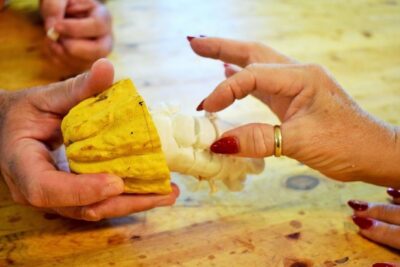
Award Winning Farm Tour: Coffee, Chocolate and Unique Gifts
Read our review →
Basel Farmer’s Market, Cheese, Chocolate & Pastry Tour
Read our review →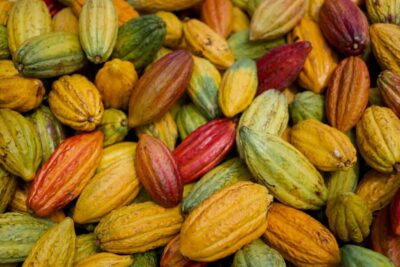
Maui Ku’ia Estate Guided Cacao Farm Tour & Tasting
Read our review →
Craft Chocolate Tasting and Farm Experience on the Big Island
Read our review →Lists this farm appears in