
Reviewed · COCOA AND CHOCOLATE FARM TOURS
Day Trip Near Accra – Visit Aburi Gardens, Waterfall & Cocoa Farm
The most appealing part of this Aburi outing is the mix: botanical gardens, cocoa history, a waterfall, and local crafts in one private trip from Accra. You move from cool hilltop greenery to the story of Ghanaian cocoa, then down to a forested waterfall and an artisan market.
I like the personal feel of a private tour led by Vince, especially if you are alone in Accra or want someone to handle the route. I also like the chance to see two original cocoa trees at Tetteh Quarshie’s farm. The main consideration is time. Four major stops, driving, a waterfall walk, lunch, and hotel drop-off make this a full half-day rather than a slow, unhurried garden visit.
Key points at a glance
- Private outing with Vince: Only your group participates, with pickup offered and a guide who can explain the places along the way.
- Four very different stops: Aburi Botanical Gardens, Tetteh Quarshie Cocoa Farm, Aburi Craft Village, and Oboadaka Falls.
- Ghanaian cocoa begins here: See two original cocoa trees linked to the country’s first commercial cocoa plantation.
- A real forest walk: Oboadaka Falls requires a slow descent down stairways to reach the plunge pool.
- Traditional food included: The trip ends with a buffet lunch and hotel drop-off.
- Useful cancellation terms: Cancel at least 24 hours before departure for a full refund.
Why this Aburi trip makes a good break from Accra
Accra can be noisy, crowded, and hot. Aburi offers a cooler hill-country setting northeast of the capital, with gardens, trees, village roads, and forest. The change is not only scenic. It gives you a look at several parts of Ghana that are easy to miss if your visit stays inside Accra.
This is not a single-attraction tour. It is a compact introduction to the Akuapim area. You get plants and conservation at the gardens, agricultural history at the cocoa farm, handmade art at the craft village, and outdoor exercise at the falls.
The private format matters. You are not tied to a large group, so Vince can answer questions and adjust the pace within the tour’s schedule. That is especially useful at the cocoa farm and craft village, where a good explanation adds more than a quick photo stop.
The route is advertised at about four to five hours. Each of the four stops is planned for roughly one hour, though driving between them and the final meal are also part of the day. You should think of it as a busy half-day excursion, not four separate leisurely visits.
More Cocoa Farm Tours in the world:
- Lahaina: Maui Ku’ia Estate Guided Cacao Farm Tour and Tasting
★ 5.0 · 1,103 reviews - Kauai Chocolate Farm Tasting Tour
★ 5.0 · 666 reviews - Award Winning Farm Tour: Coffee, Chocolate and Unique Gifts
★ 5.0 · 484 reviews
Aburi Botanical Gardens: cool air and old trees
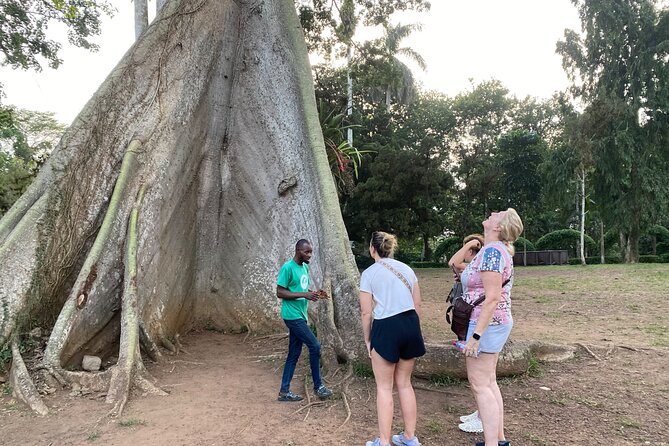
The first stop is Aburi Botanical Gardens, where the hill climate provides a welcome change from Accra. The garden has winding paths, tall palms, African mahogany trees, orchids, and both local and introduced plant species.
I like this opening because it eases you into the day. You are not rushed straight into a market or a long hike. Instead, you begin among trees and shaded paths, with time to look upward, slow down, and get a sense of the area’s plant life.
The guided element is important here. The gardens are more than a pretty setting for photographs. You can learn about conservation, biodiversity, and the garden’s botanical background. If you are interested in plants, the hour may feel short. If gardens are not your main reason for booking, the visit still gives you a calm start before the more active waterfall stop.
Admission is included. Comfortable shoes will help, although the supplied information does not describe the paths in detail. Bring water and sun protection for the wider day, even though parts of the garden offer shade.
Tetteh Quarshie Cocoa Farm and Ghana’s first cocoa story
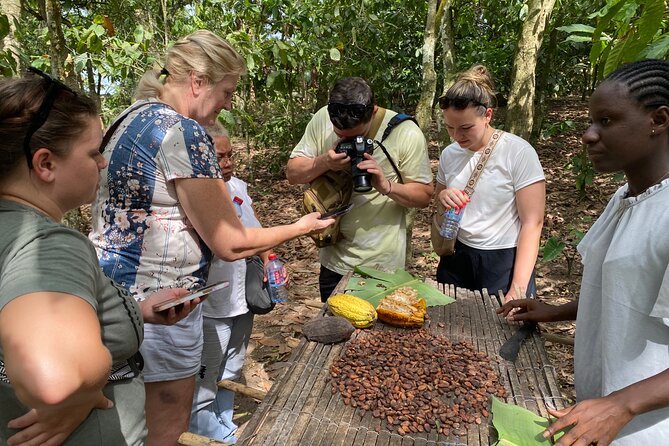
The next stop is at Akuapim-Mampong, home to the Tetteh Quarshie Cocoa Farm. The farm was established in 1879 by Tetteh Quarshie, a blacksmith who brought cocoa to Ghana after returning from Fernando Po, now known as Equatorial Guinea.
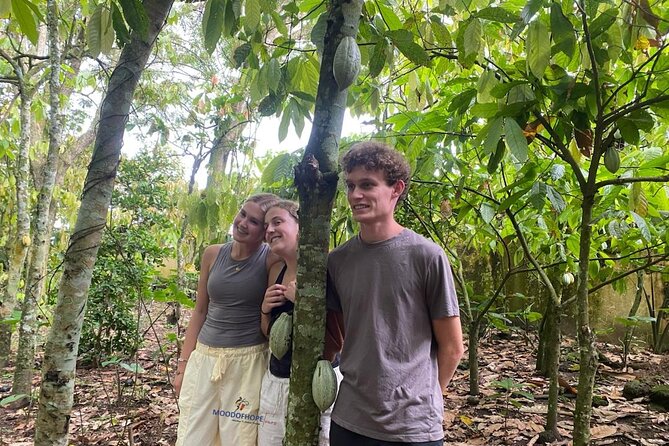
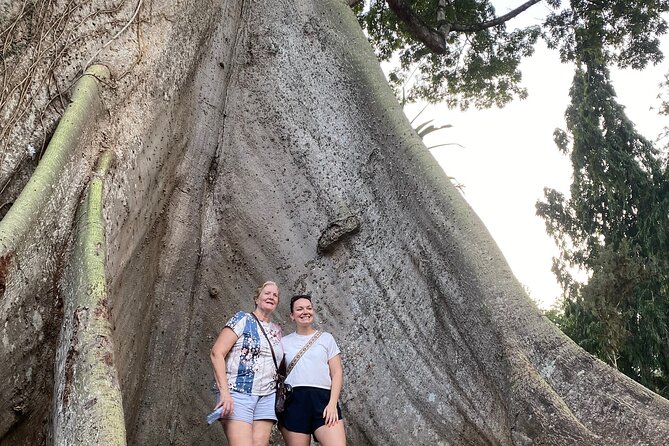
The farm is linked to Ghana’s first commercial cocoa plantation. Its most striking detail is simple and easy to remember: two original cocoa trees, now more than 145 years old, still bear fruit.
This stop gives the tour its strongest cultural and agricultural connection. Cocoa is not just a sweet treat sold in shops. Here, you can connect chocolate with the trees, farmers, and early history behind Ghana’s cocoa industry.
The origins of the original beans have some uncertainty, so the farm is best understood as a place connected to the beginning of commercial cocoa production in Ghana, rather than as a perfectly settled account of every detail. That small note of caution makes the explanation more credible.
Admission is free, according to the tour details. The visit is scheduled for about an hour, enough time to see the old trees and hear the background without turning the stop into a long farm excursion.
If you are bringing children, this may be one of the most useful stops. Seeing a cocoa pod on a tree can make the journey from farm to chocolate much clearer than a museum display. If you already know a great deal about cocoa farming, the appeal will be more about the age and story of the trees than about technical instruction.
Oboadaka Falls: the most active hour
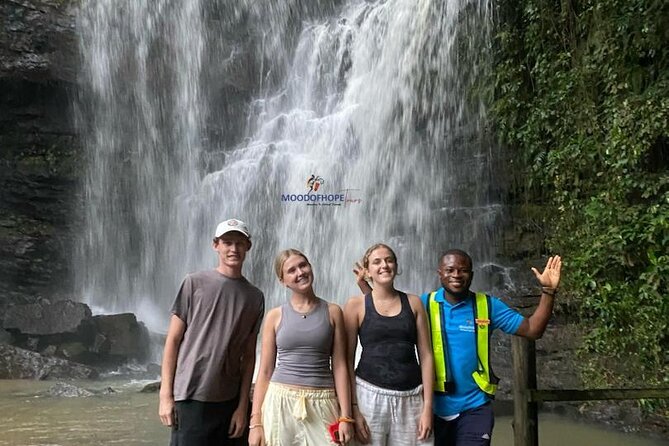
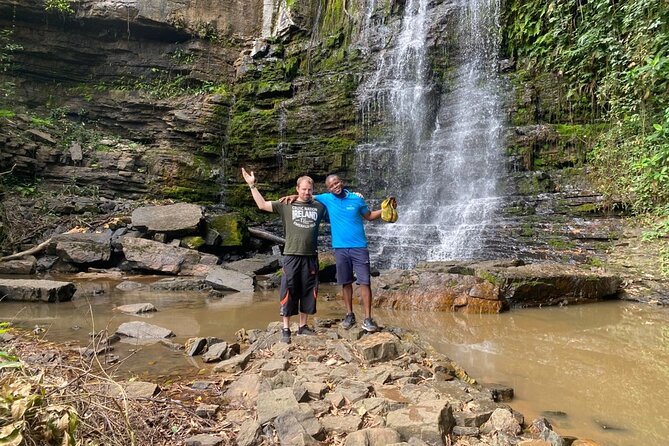
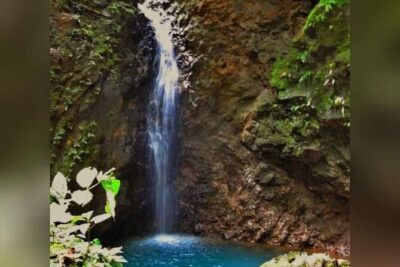
Oboadaka Falls is about a 20-minute drive from Aburi Botanical Gardens. The setting changes again, this time to thick greenery, pine scents, songbirds, rocks, and falling water.
The waterfall is estimated to drop about 623 feet above ground level, with water moving over several steep rock steps. The route to the plunge pool includes stairways, and the description warns that you may need to descend slowly and catch your breath. This is the part of the outing that requires the most physical effort.
You do not simply pull up beside the water and take a quick photograph. You walk downhill toward the falls. That makes the reward better, but it also means you should wear shoes suited to a walk and be honest about your comfort with stairs.
The sound of the waterfall and the forest setting offer a strong contrast to city life. You may hear birds before you see the water. The pine smell and heavy foliage give the stop a distinct feel from the botanical gardens, even though both are green spaces.
The tour allows about an hour here. That should give you time to make the descent, enjoy the plunge pool area, and return at a measured pace. It may not be enough for a long hike or extended sitting by the water, so keep your expectations practical.
This is also the stop where weather and footing matter most. The supplied information confirms stairways and a slow descent, but it does not give detailed trail or swimming conditions. Follow Vince’s guidance and take care on the rocks. You do not need to race nature, and the waterfall will not be impressed by your speed.
More One-Day Trips in the world:
- Gaucho Day Trip from Buenos Aires: Santa Susana Ranch
★ 4.0 · 272 reviews - Amsterdam: Day trip to Tulip Farm, Keukenhof + Windmill Cruise
★ 4.5 · 211 reviews - Appenzell Alps Day Trip from Zurich – Farm Life & Cheese Tasting
★ 4.5 · 148 reviews - Gaucho Experience: A Day Trip to Don Silvano Ranch
★ 4.0 · 148 reviews
Aburi Craft Village: time for handmade souvenirs
At Aburi Craft Village, you can watch local artisans sculpt and shape traditional Ghanaian pieces. This is the shopping stop, but it also gives you a direct look at the skill behind the souvenirs.
I prefer craft visits that let you see the work being made. A finished item has more meaning when you have watched an artisan carve or shape it. The stop is scheduled for about an hour, so you should have time to browse and decide what, if anything, you want to buy.
Because it is a craft village, prices and purchases are not included in the tour price. The supplied details do not specify what items are sold or how prices are set, so ask questions before buying and choose pieces you genuinely want to carry home.
This stop can also be useful if you want a physical reminder of the day that is more connected to Ghana than a standard tourist shop item. You will need to balance browsing with the rest of the schedule, since the waterfall and lunch still follow.
The traditional buffet lunch and hotel drop-off
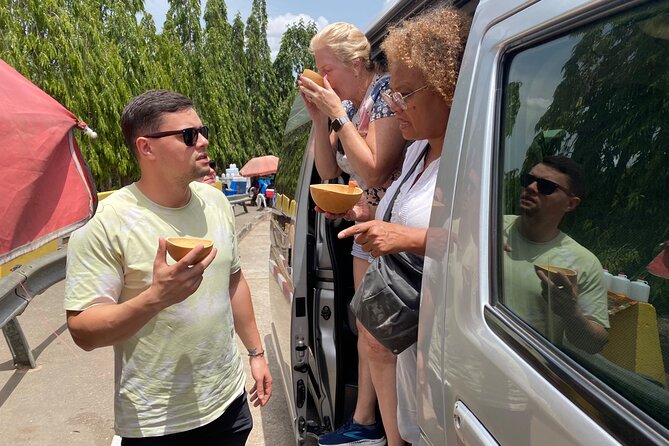
The day ends with a traditional lunch buffet, followed by hotel drop-off. The available details do not list the dishes, so you should not book this expecting a specific menu. You can, however, expect the meal to serve as a relaxed finish after the garden walk, farm visit, craft stop, and waterfall stairs.
The included lunch improves the value of the outing. At $179 per person, this is not a low-cost independent sightseeing day. You are paying for a private experience, pickup, a local guide, admission at several stops, the planned route, and a meal, rather than only paying to enter one attraction.
That price makes more sense for a solo visitor, couple, family, or small group that values convenience and personal attention. It is harder to justify if you are mainly looking for a cheap ride to Aburi and would prefer to arrange each stop yourself.
The hotel drop-off is another practical benefit. After the waterfall walk, you do not have to work out a separate return plan. Since the experience is based in Accra and pickup is offered, it is designed to remove much of the day’s transport planning.
What the private format adds
Only your group participates, which changes the feel of the day. You are not waiting for strangers at every stop, and you can ask questions about Ghanaian history, cocoa, plants, or local life as they come up.
Vince is the named guide for this experience. The strongest theme in the available feedback is his professionalism, care, and ability to make a solo visitor feel welcome and safe. One person used him more than once during a first visit to Ghana, which suggests that his role goes beyond simply driving from stop to stop.
That does not mean every minute will be customized without limits. The tour has a set route and approximate timing, and the four stops need to fit into a half-day. Still, a private guide is a real advantage when the day combines several places that benefit from explanation.
If you are traveling alone, the format is particularly appealing. You do not have to find your way to a rural waterfall or work out how to connect the gardens, farm, and craft village. You also have a guide beside you for questions throughout the day.
Is $179 a fair price?
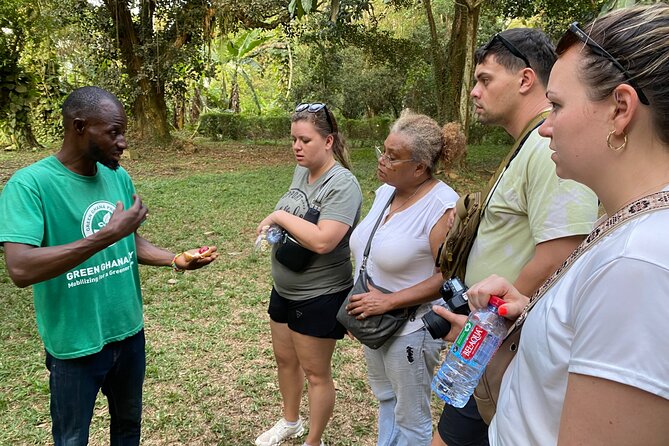
The cost is $179 per person. That places the tour in the premium range for a half-day outing, especially if you compare it with public transport or a self-guided visit.
The value comes from what is bundled together:
- Pickup is offered.
- The experience is private.
- Vince serves as your local guide.
- Admission is included at the botanical gardens, craft village, and waterfall.
- The cocoa farm has no admission charge.
- A traditional buffet lunch is included.
- Hotel drop-off is provided.
The price is strongest for people who want simplicity and a planned route. If you are alone, the cost buys safety, company, and transport to places that may be awkward to connect independently. For a family or group, the private format may feel more reasonable because the service is not shared with other groups.
The price is less attractive if you care mainly about low cost, dislike scheduled stops, or want to spend several hours at one attraction. You could also find the day expensive if you do not plan to buy crafts or do not place much value on a guide’s explanations.
My view is that this is a convenience-focused experience. You are paying for a complete outing from Accra, not a bargain ticket.
Who should book this experience?
I would recommend it to:
- First-time visitors who want a wider view of Ghana beyond Accra.
- Solo visitors who prefer a private guide and arranged transport.
- Families who want gardens, cocoa, crafts, and a waterfall in one day.
- People interested in Ghanaian agriculture and the story of cocoa.
- Anyone who wants an outdoor break without planning several separate trips.
You should think twice if stairs are difficult for you, since Oboadaka Falls involves a downhill route and a return climb. Most people can participate, and service animals are allowed, but the tour information does not give a full accessibility description for every stop.
The trip may also feel rushed to anyone who wants a long nature walk, extended shopping, or detailed study of the gardens. Its strength is variety, not depth at one site.
The opening hours listed for the experience are Monday through Sunday, 8:00 AM to 5:00 PM. Confirm your pickup details at booking, since the exact meeting arrangement is not provided in the tour information.
Booking, cancellation, and practical details
Confirmation is provided when you book. The experience is offered with a mobile ticket, and the tour operates near public transportation, though pickup is also offered.
Free cancellation is available if you cancel at least 24 hours before the start time. Cancel within 24 hours, or request changes during that period, and the payment is not refunded. The cut-off follows local time in Ghana, so check the start time carefully if you are booking from another time zone.
Plan for a day that includes walking, stairs, outdoor conditions, and time in rural areas. Wear comfortable footwear, carry water, and leave room in your schedule for the planned hotel drop-off.
Should you book the Aburi day trip?
Book this tour if you want a well-rounded private escape from Accra and value having Vince organize the route. The old cocoa trees, the forested waterfall, and the mix of nature and local craft make the day more memorable than a simple garden visit.
I would not book it if your main goal is the lowest possible price or a slow, single-site outing. At $179, the tour needs to earn its cost through convenience, explanations, private transport, lunch, and the range of stops.
For a first visit to Ghana, especially if you are alone or short on time, this is a sensible way to reach Aburi and see several sides of the Eastern Region in one well-packed half-day.
FAQ
How long does the Aburi tour last?
The experience lasts approximately 4 to 5 hours.
Is pickup included?
Pickup is offered, and the experience ends with hotel drop-off.
Is this a private tour?
Yes. Only your group participates in the activity.
Who is the guide?
The experience provider and guide is Vince.
What places does the tour visit?
The route includes Aburi Botanical Gardens, Tetteh Quarshie Cocoa Farm in Akuapim-Mampong, Aburi Craft Village, and Oboadaka Falls.
Is lunch included?
Yes. The tour ends with a traditional buffet lunch.
What is the cancellation policy?
You can cancel at least 24 hours before the experience start time for a full refund. Cancellations or changes made within 24 hours are not accepted for a refund.
Just added around the world
- Zanzibar: Walking Spice Farm with Local Cooking Class★ 4.4 · 9 reviews
- Zanzibar:Jozani forest, Spice farm with Swahili Cuisine clas★ 4.2 · 3 reviews
- ZANZIBAR, Stone town tour, Prison Island & Spice farm★ 5.0 · 11 reviews
- Zanzibar: Spice Farm Tour with Traditional Cooking Class★ 4.6 · 16 reviews
- Zanzibar: Stone Town City Tour and Spice Farm with Lunch★ 3.7 · 33 reviews
- Zanzibar: Spice farm tour with Zanzibar fruits tasting★ 3.8 · 7 reviews
- Zanzibar: Spice Farm Tour with Cooking lesson★ 4.5 · 4 reviews
- Zanzibar: Spice Farm Tour with Traditional Cooking Class★ 4.8 · 6 reviews
Cocoa and Chocolate Farm Tours, compared.
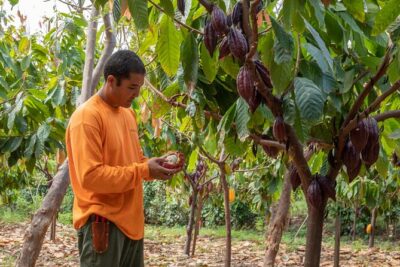
Maui Ku’ia Estate Guided Cacao Farm Tour and Tasting
Read our review →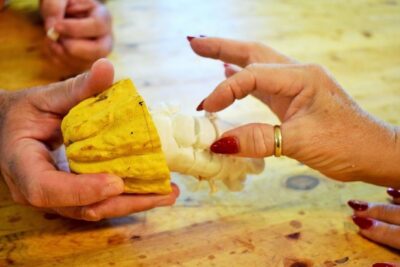
Award Winning Farm Tour: Coffee, Chocolate and Unique Gifts
Read our review →
Basel Farmer’s Market, Cheese, Chocolate & Pastry Tour
Read our review →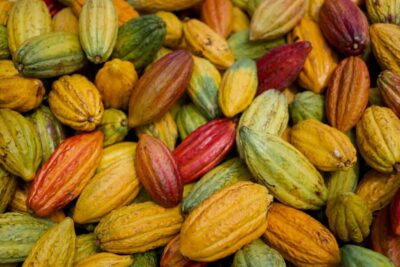
Maui Ku’ia Estate Guided Cacao Farm Tour & Tasting
Read our review →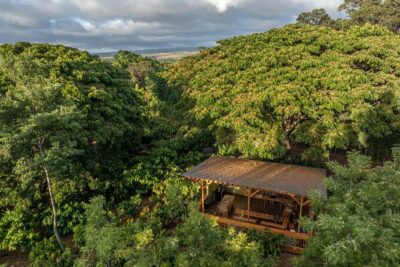
Craft Chocolate Tasting and Farm Experience on the Big Island
Read our review →Lists this farm appears in