
Reviewed · COCOA AND CHOCOLATE FARM TOURS
Guayaquil to Cuenca one-way tour with Cajas Park and a Cacao Farm visit
The best part of this Guayaquil to Cuenca journey is that the long road between two Ecuadorian cities becomes the main event. You taste cacao straight from the pod, sample local fruit, eat beside the Andes, then hike around a cold mountain lake before reaching Cuenca.
I like the close look at family-scale cacao production, especially the chance to taste the sweet pulp before the beans become chocolate. I also like that Cajas National Park is built into the transfer, making this a smart choice if you will not have time to visit the park from Cuenca.
The main drawback is the altitude. Cajas reaches about 11,000 feet, and the weather can be cold and windy. The day also lasts six to eight hours, so this is best for you if you want a scenic road trip, not the fastest possible transfer.
Key points to know before booking
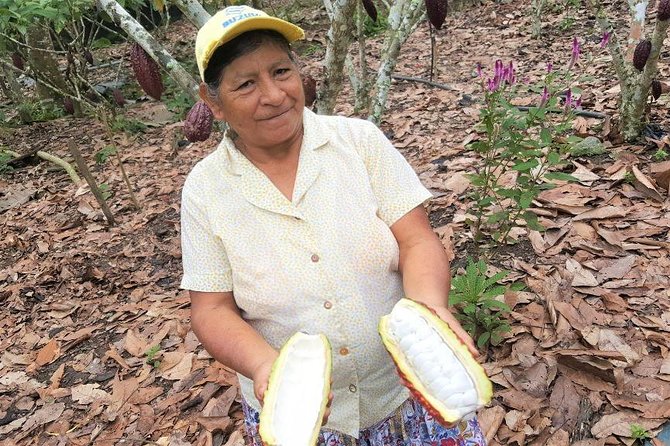
- Fresh cacao before chocolate: Taste the white pulp around newly opened cacao beans and see the first steps of craft chocolate making.
- A useful one-way transfer: Travel between Guayaquil and Cuenca while visiting places you would otherwise need a separate day to reach.
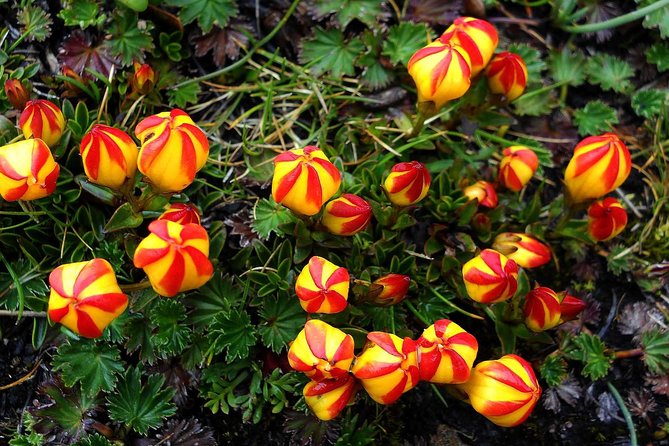
- Cajas at high altitude: Hike near Laguna La Toreadora through moorland, native Polylepis forest, and unusual high-Andes vegetation.
- Guides who shape the day: Wilson, Javier, and Louis Gonzales are specifically named guides associated with strong service, clear explanations, and patient help on the trail.
- Local food stops: Try Ecuadorian fruit at Puente de las Frutas de Tamarindo and stop for trout or vegetarian food at Mestizo Restaurant.
- Good value at $73.99: The price covers transport, a licensed guide-driver, hotel pickup and drop-off, and lunch when that option is selected, but the cacao farm charges $3 extra.
Why this transfer is better than simply taking the bus
Guayaquil and Cuenca are connected by public transport, but the bus gives you a seat and little else. This tour turns the route into a full day of Ecuadorian food, farming, mountain views, and walking.
I like this setup for a simple reason: you are already spending the day moving between cities. Adding the cacao farm and Cajas National Park means you do not have to spend another day arranging those visits after arriving in Cuenca. It also saves you from figuring out how to reach Cajas on your own.
The tour costs $73.99 per person. That is not the cheapest way to cover the distance, but it includes private transportation, a licensed guide, hotel pickup and drop-off, and lunch if you select the lunch option. You are paying for the stops and interpretation, not just the miles.
For groups of one to five passengers, the bilingual guide also drives. Larger groups receive both a driver and a bilingual guide. The experience is described as private, so your group controls the pace more than it would on a standard coach trip. A minimum of two people is required for shared departures to operate.
The full journey takes roughly six to eight hours, depending on traffic, road conditions, stops, and how much time you spend hiking. Treat the day as transportation with sightseeing attached, not as a short excursion.
More Cocoa Farm Tours in the world:
- Lahaina: Maui Ku’ia Estate Guided Cacao Farm Tour and Tasting
★ 5.0 · 1,103 reviews - Kauai Chocolate Farm Tasting Tour
★ 5.0 · 666 reviews - Award Winning Farm Tour: Coffee, Chocolate and Unique Gifts
★ 5.0 · 484 reviews
Cacao Loma, where chocolate begins
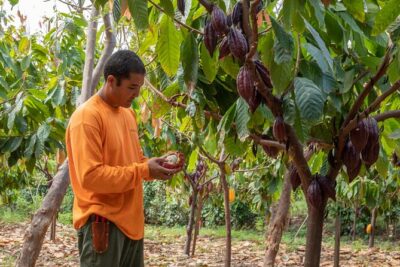
The first major stop is Cacao Loma, a local family farm where cacao is the main crop. You will also see other produce grown in the area, including breadfruit, coffee, passionfruit, and pineapple. That mix matters because it shows the farm as a working food source rather than a single-product attraction.
The most interesting moment is opening a cacao pod and tasting the pale pulp around the beans. The pulp is sweet and fruity. The beans themselves are the starting point for chocolate, but they do not taste like the finished product at this stage.
The farm visit also covers the first steps of craft chocolate making. Your guide explains how cacao is grown and processed, along with local customs and the role of cacao in Ecuadorian life. The demonstration is fairly short, around 30 minutes, but it gives you something concrete to remember from the drive.
There is a $3 per person cacao farm fee, which is not included in the stated tour price. Keep that small extra cost in mind when comparing the total price.
One point to manage carefully is your expectation. This is a small family farm visit, not a large chocolate factory with a long production tour. The experience is personal and close to the grower, but the farm setup can vary. One account described a nearby farmer stepping in when the usual owner was unavailable, while the guide explained the growing and processing stages.
That flexibility can work in your favor. Guides such as Javier have been able to arrange a personal visit at another nearby farm when needed. Still, you should book this for a real look at cacao farming, not for a polished factory presentation or a large chocolate tasting.
Puente de las Frutas de Tamarindo
The fruit stop lasts about 15 minutes, so think of it as a quick taste of daily Ecuador rather than a full market visit. Puente de las Frutas de Tamarindo is a local produce market with bananas, mandarins, coconut, dragon fruit, passionfruit, and other fruits grown in the region.
Your guide helps explain what you are seeing and offers samples if you want them. This is useful because familiar fruits can taste quite different when they are fresh, local, and fully ripe. The stop also gives you a quick look at the food sold and eaten in the area.
The short timing is both a strength and a limitation. It keeps the trip moving, but you will not have much time to browse or shop. If you enjoy food stops, this adds welcome variety after the cacao farm. If you prefer long walks and detailed market visits, 15 minutes may feel brief.
Lunch at Mestizo Restaurant
The meal stop at Mestizo Restaurant lasts about an hour. Trout is the specialty, but vegetarian and vegan choices are available. Tell the guide about dietary needs when you book so the meal can be handled more smoothly.
The setting is part of the appeal. You stop for food while looking toward the Andes, giving you a chance to rest before the high-altitude section. After several hours in a vehicle, an hour for lunch is useful rather than wasted time.
Lunch is included only if you select the appropriate option. Check the booking choice carefully instead of assuming every fare includes the meal. The guide can also help you choose from the available menu.
This is not presented as a formal culinary tour. The value comes from a local meal, a practical break, and mountain views in the middle of a long transfer. Trout suits the setting, but the vegetarian and vegan choices make the stop workable for more diets.
More Farm Tours in the world:
- Half-Day Thai Cooking Class at Organic Farm in Chiang Mai
★ 5.0 · 19,087 reviews - Florence Pizza or Pasta Class with Gelato Making at a Tuscan Farm
★ 5.0 · 6,801 reviews - Cooking Class and Lunch at a Tuscan Farmhouse with Local Market Tour from Florence
★ 5.0 · 4,831 reviews - Chiang Mai: Authentic Cooking Class with Market & Farm Visit
★ 4.9 · 4,546 reviews
Cajas National Park and Laguna La Toreadora
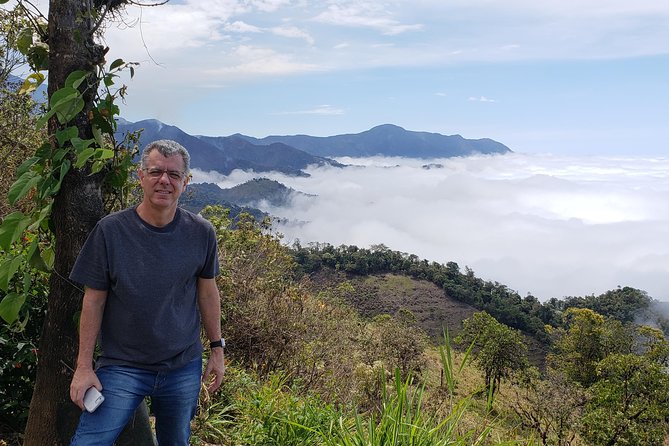
Cajas is the reason many people choose this route instead of flying or taking a bus. After leaving the warmer lowlands, the road climbs into Ecuador’s southern Andes. The change is dramatic: cool air, open moorland, dark water, native Polylepis forest, and unusual vegetation replace the tropical farms below.
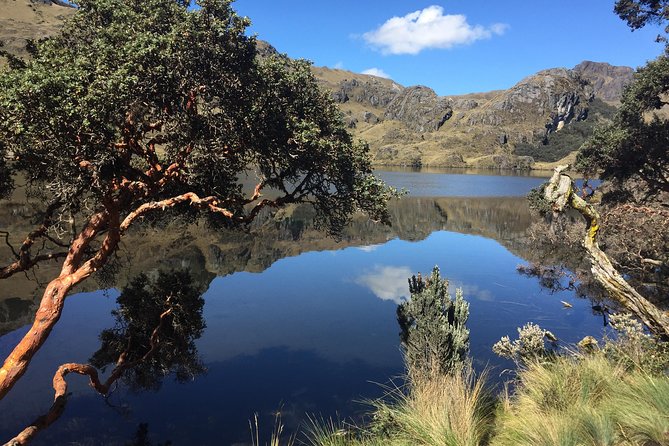
The visit centers on Laguna La Toreadora, one of the park’s high lakes. Cajas is a major water source for Cuenca, so the stop has practical importance as well as scenic appeal. You are not just looking at a mountain lake. You are seeing part of the natural system that supplies the city you are heading toward.
The planned visit lasts about 90 minutes, with a hike adjusted to your fitness. That flexibility is important. You can walk enough to see the moorland and lake country without treating the stop as a hard mountain trek.
One particularly useful feature is the chance to hike along an Inca trail section from one point to another, with the guide meeting you farther along the route. This creates more of a real walk than a simple roadside photo stop. Javier has been praised for guiding people along this route and helping them manage the conditions.
Altitude is the serious consideration. The pass reaches about 11,000 feet, and cold wind is common. Even if you are fit at sea level, you may want to walk slowly and follow the guide’s advice. Bring warm layers and protection from wind. The park can feel cold even when Guayaquil is hot.
The vegetation is a major reason to pay attention. The equatorial position allows plant life at this altitude that you would not expect in a similar mountain setting elsewhere. The native Polylepis trees and moorland plants give the area a look unlike the cacao-growing country earlier in the day.
Weather can also change the experience. On a clear day, the views are wide and striking. In mist or wind, Cajas becomes quieter and more mysterious, but you may spend less time outdoors. The tour does not promise a particular weather condition, so pack for the cold rather than relying on the weather in Guayaquil.
What the guides add to the day
The guide can make or break a transfer like this because the drive covers a lot of ground. The strongest guide feedback centers on clear explanations, patience, local knowledge, and practical help.
Wilson is specifically noted for being friendly, patient, and helpful during the hike. He also explained the itinerary at the start of the day, a small habit that makes a long outing easier to follow.
Javier, the company founder, is described as having a background in guiding, formal hospitality training, and strong knowledge of Ecuadorian history, plants, animals, and culture. He has also helped arrange a cacao visit when the usual farm contact was not available. His English and Spanish ability can be useful if you want to ask detailed questions or practice Spanish.
Louis Gonzales is another named guide associated with patient explanations and strong cultural context. The guide’s language ability matters here because the experience is not only about getting from one city to another. You are passing through farming areas, mountain communities, and protected land.
For one to five passengers, expect the guide to drive as well as interpret. That can make the experience feel personal, but it also means the guide must divide attention between the road and conversation. Groups larger than five have a separate driver and bilingual guide.
Who should book this experience
I would choose this tour if you are moving between Guayaquil and Cuenca and want the route to count as part of your Ecuador trip. It is especially useful if you will not have another chance to visit Cajas National Park.
It suits you if you like food, small farms, short walks, and local context more than polished attractions. The cacao stop is best for curious eaters who want to understand where chocolate begins. The fruit market suits anyone interested in ordinary Ecuadorian food rather than only famous sights.
The tour also works well for people who want a private ride without arranging every stop themselves. Hotel drop-off in Cuenca makes arrival simple, and the guide can offer suggestions for your time in the city.
I would think twice if your only goal is speed. A direct bus or flight may be more practical for a tight schedule. I would also reconsider if high altitude, cold weather, or a six to eight hour day will be difficult for you.
The hike is adjusted to fitness, and most people can participate, but the elevation is not a minor detail. Bring warm clothing, expect wind, and do not plan a demanding evening immediately after reaching Cuenca.
Practical details that affect the value
The tour starts at Avenida 12 SE 1206 in Guayaquil, with pickup and drop-off arrangements available. The destination is Cuenca, and the operator can drop you at any hotel there.
A passport name, number, and nationality are required for all participants at booking. You should also give dietary requirements at that time. The tour operates in either direction, Guayaquil to Cuenca or Cuenca to Guayaquil, but confirm the direction you need before paying.
The stated rating is 4.9 from 49 reviews, with 100 percent recommending the experience. The strongest praise focuses on comfortable transportation, professional service, the cacao demonstration, the Cajas hike, and guides who explain the route clearly.
Free cancellation is available up to 24 hours before the start time. Cancellations or changes made inside that window are not accepted for a refund.
Should you book the Guayaquil to Cuenca Cajas tour?
Book it if you see the transfer day as a chance to experience more of Ecuador. The combination is hard to match: cacao at low elevation, fresh fruit, a local lunch, and a high mountain park before arrival in Cuenca.
At $73.99, the value is strongest when you would otherwise pay separately for transport and a Cajas visit. Add the $3 cacao farm fee and check whether lunch is included in your selected option.
Skip it if you need the fastest route, dislike long drives, or are not prepared for cold conditions at 11,000 feet. For everyone else, this is a practical and unusually rewarding way to connect two Ecuadorian cities.
FAQ
How long does the Guayaquil to Cuenca tour take?
The trip takes approximately six to eight hours, depending on the road, stops, and time spent hiking in Cajas National Park.
Does the tour travel only from Guayaquil to Cuenca?
No. The experience can operate as a one-way trip from Guayaquil to Cuenca or in the opposite direction.
What is included in the tour price?
Transportation, a licensed guide-driver, and hotel pickup and drop-off are included. Lunch is included if you select the option that includes lunch.
Is lunch included for every booking?
No. Lunch is included only with the applicable selected option. Mestizo Restaurant offers trout along with vegetarian and vegan choices.
Is the cacao farm fee included?
No. The cacao farm charges an additional $3 per person.
What will I do at the cacao farm?
You will see cacao growing, learn about the first steps of craft chocolate production, and taste the pulp surrounding fresh cacao beans if you choose.
How long is the cacao farm visit?
The visit at Cacao Loma lasts about 30 minutes.
How long is the hike in Cajas National Park?
The Cajas stop lasts about 90 minutes, with the walking distance and difficulty adjusted to your fitness.
Will the tour reach high altitude?
Yes. The top of the pass reaches about 11,000 feet. Conditions can be cold and windy.
How many people are needed for the tour to operate?
A minimum of two people is required for shared tours to operate. The activity is also described as private, with only your group participating.
Just added around the world
- Zanzibar: Walking Spice Farm with Local Cooking Class★ 4.4 · 9 reviews
- Zanzibar:Jozani forest, Spice farm with Swahili Cuisine clas★ 4.2 · 3 reviews
- ZANZIBAR, Stone town tour, Prison Island & Spice farm★ 5.0 · 11 reviews
- Zanzibar: Spice Farm Tour with Traditional Cooking Class★ 4.6 · 16 reviews
- Zanzibar: Stone Town City Tour and Spice Farm with Lunch★ 3.7 · 33 reviews
- Zanzibar: Spice farm tour with Zanzibar fruits tasting★ 3.8 · 7 reviews
- Zanzibar: Spice Farm Tour with Cooking lesson★ 4.5 · 4 reviews
- Zanzibar: Spice Farm Tour with Traditional Cooking Class★ 4.8 · 6 reviews
Cocoa and Chocolate Farm Tours, compared.
Maui Ku’ia Estate Guided Cacao Farm Tour and Tasting
Read our review →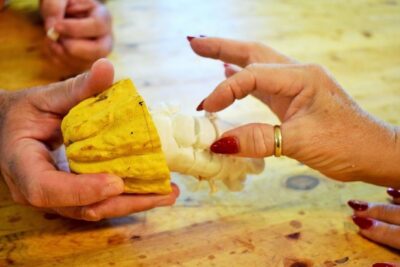
Award Winning Farm Tour: Coffee, Chocolate and Unique Gifts
Read our review →
Basel Farmer’s Market, Cheese, Chocolate & Pastry Tour
Read our review →
Maui Ku’ia Estate Guided Cacao Farm Tour & Tasting
Read our review →
Craft Chocolate Tasting and Farm Experience on the Big Island
Read our review →Lists this farm appears in