
Reviewed · COFFEE FARM TOURS
Kona Coffee Tasting: A Farm to Cup Experience
The most interesting part of this tasting is the link between farm decisions and the flavor in your cup. At The Coffee LAB by Hala Tree Cafe in Kaʻaʻawa, you taste three 100% Kona coffees from the same family farm while learning how growing, fermentation, drying, and roasting affect each one. I like the small group size and the chance to compare several coffees instead of sampling just one.
I also like the $10 price, which makes this an easy add-on for coffee drinkers and curious beginners. The main consideration is timing: the session is advertised at about an hour, but one tasting lasted roughly 35 minutes, so don’t build your entire day around a full sixty-minute program.
Key points to know before booking
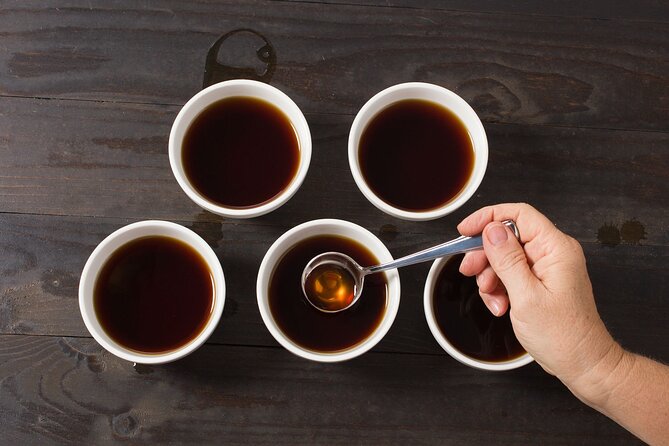
- Three coffees from one Kona family farm: Compare varieties and processing choices side by side.
- Farm-to-cup instruction: Learn about cultivation, harvesting, fermentation, drying, and roasting.
- Small groups: The activity accepts a maximum of 12 people, allowing for a more personal presentation.
- Practical tasting advice: Smell with your mouth open, let coffee move across your palate, then breathe through your nose after swallowing.
- Kaʻaʻawa meeting point: Start and finish at The Coffee LAB by Hala Tree Cafe, with ocean views nearby.
- Low-cost introduction: At $10 per person, this is an inexpensive way to add context to your Hawaii coffee experience.
What makes this Kona tasting different
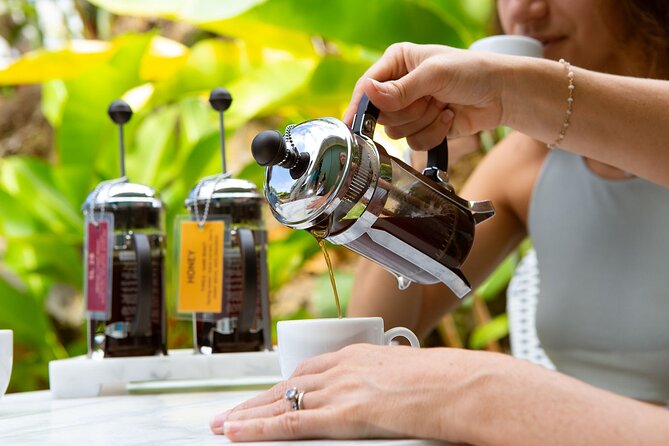
Many coffee tastings ask you to focus on flavor without showing you where that flavor began. This one connects the cup to the work behind it. You’ll hear about a family-owned farm on the slopes of Mauna Loa, then taste three coffees from that farm in a guided flight.
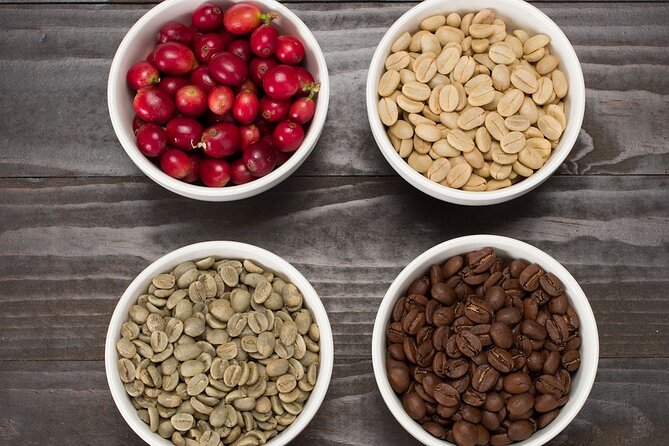
That matters because coffee can change at several points before it reaches your mug. The variety of the coffee plant matters. So do the way the cherries are harvested, how the beans are fermented and dried, and how dark or light they are roasted.
The tasting is not presented as a formal examination. It is meant to be approachable for people who simply drink coffee every morning. At the same time, the material gives more serious coffee fans something to think about, especially the discussion of traceability, experimental fermentation, and new drying methods.
I like that balance. You do not need a trained palate to take part, but you can still leave with a better sense of why two coffees can taste so different.
More Coffee Farm Tours in the USA
- Award Winning Farm Tour: Coffee, Chocolate and Unique Gifts
★ 5.0 · 484 reviews - Big Island: Volcanoes, Waterfalls, & Coffee Farm Day-Trip
★ 4.9 · 414 reviews - Small-Group Big Island Tour: Hawaii Volcanoes National Park and Kona Coffee Farm
★ 5.0 · 343 reviews
Arriving at The Coffee LAB in Kaʻaʻawa
The experience begins at The Coffee LAB by Hala Tree Cafe, at 51-666 Kamehameha Highway in Kaʻaʻawa. The activity ends at the same location, so you do not have to arrange a separate pickup point or find your way back after the tasting.
The meeting point is on Oahu, not in the Kona district of Hawaii Island. That is an important detail when planning your day. You will taste coffee grown in Kona, but the presentation takes place at The Coffee LAB in Kaʻaʻawa.
The location is near public transportation, and mobile tickets are accepted. The session is offered in English. Service animals are allowed.
The group limit is 12 people. That is small enough for questions and conversation without turning the presentation into a crowded lecture. If you are traveling with coffee-loving friends, this format should be easy to enjoy together. If you prefer a large, anonymous tasting room, the small-group setup may feel more personal than expected.
The three-cup flight from Mauna Loa
The heart of the visit is a flight of three Kona coffees. Each coffee comes from the same family-owned farm, but the samples show how different choices can shape the finished drink.
You will taste differences between coffee varieties and processing methods. The goal is not simply to decide which cup tastes best. You are learning to notice what changes from one sample to the next.
The presentation connects each cup to the production steps:
- How the coffee is cultivated
- How the cherries are harvested
- How the coffee is processed
- How fermentation affects flavor
- How drying techniques influence the beans
- How roasting brings out different qualities
The farm uses industry-leading traceability, along with experimental fermentation methods and innovative drying techniques. Those details give the tasting a useful focus. You are not just hearing that Kona coffee is special. You are learning how the producer tracks and changes the process.
I would approach the three samples with an open mind. A lighter roast may show different tasting notes from a darker roast, but lighter does not automatically mean better. The point is to compare, notice, and ask questions.
A simple way to taste the coffee
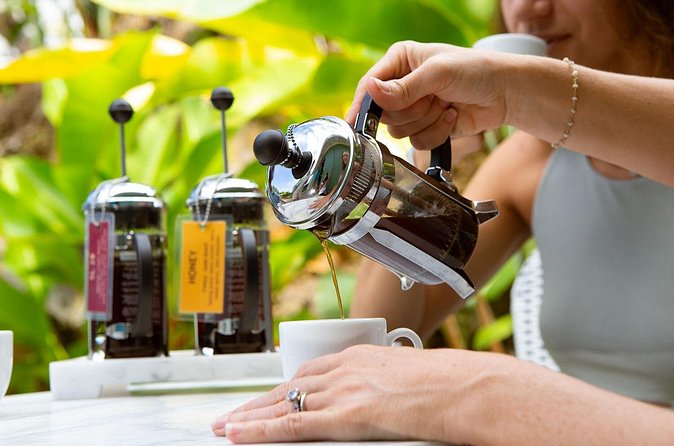
One useful lesson from the experience is how to taste coffee more carefully. If you usually take a quick sip and swallow, you may miss much of what the presenters are trying to explain.
Start by smelling the coffee with your mouth slightly open. This can help the aroma reach your palate before you drink. Take a sip and let it move across different parts of your mouth. After swallowing, breathe through your nose.
That final breath can help you notice flavors that were easy to miss during the sip. You may pick up different impressions in the aroma, the first taste, the middle of the sip, and the finish.
You do not need special equipment or professional vocabulary. I suggest keeping your first impressions simple. Is the coffee bright or mellow? Light or full? Sweet, earthy, fruity, roasted, or something else? The educators can help you connect those impressions to the coffee’s variety, processing, or roast.
This practical method is one of the strongest reasons to book the tasting. You can use it later with coffee from any café or grocery store.
More Coffee Farm Tours in Oahu:
- La Herradura Coffee Farm: tour in Europe’s only plantation
★ 4.8 · 430 reviews - Medellín Coffee Farm Tour with Trolley and Cable Car Ride
★ 4.9 · 277 reviews - Salento: Private Cocora Valley, Salento & Coffee Farm Tour
★ 4.9 · 202 reviews - Liamuiga Natural Farm Tour – St.Kitts’ Coffee Farm
★ 5.0 · 196 reviews
From cultivation to roast
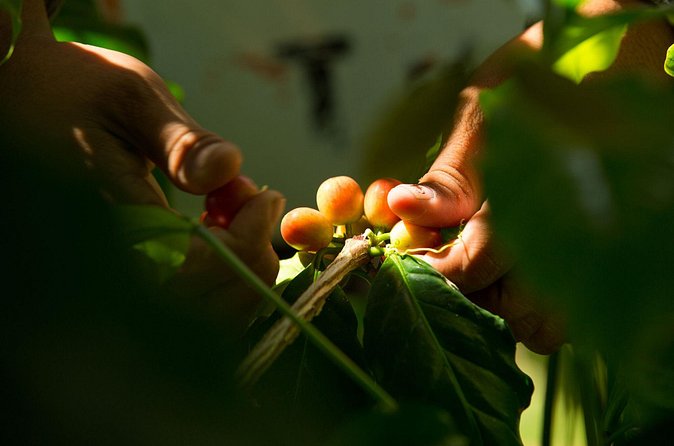
The talk covers the full path from plant to cup. You’ll hear how the farm grows and harvests its coffee, then how the beans are processed and prepared for roasting.
Fermentation is especially worth your attention. It is one of the stages that can shape the final flavor, and the farm experiments with different approaches. You may come away with a better sense of why processing terms matter on a coffee bag.
Drying is another important part of the story. The farm uses innovative drying techniques, and the educators explain how this stage fits into the larger process. These details may sound technical at first, but tasting three coffees alongside the explanation makes them easier to understand.
Roasting then changes the character of the beans again. The tasting includes a discussion of roast differences, including the contrast between lighter and more roasted styles. One participant specifically found the light-versus-dark roast explanation useful, and I can see why: roast level is one of the clearest ways to compare two cups.
The session does not treat roasting as a magic trick. It presents it as one choice in a chain of choices, beginning at the farm.
Ocean views and the setting
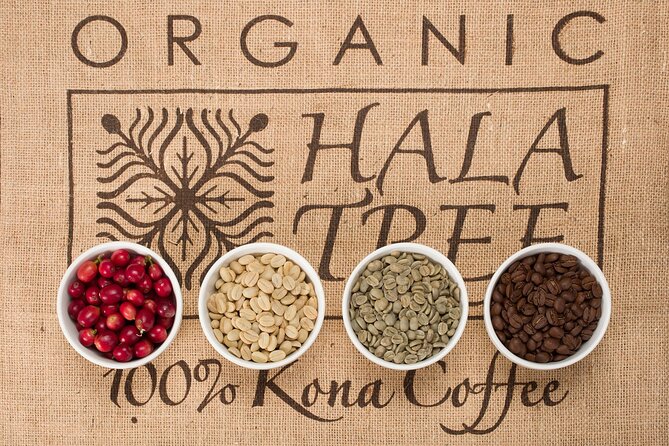
The Kaʻaʻawa location adds a pleasant visual element to the visit. You can enjoy ocean views while learning about coffee grown on the slopes of Mauna Loa.
That contrast gives the tasting a broader Hawaii feel. You are sitting on Oahu while hearing about a celebrated growing region on another island and tasting coffee produced there. The setting helps keep the session from feeling like a classroom exercise.
Still, the view should be considered an extra, not the main reason to book. The core attraction is the tasting and presentation. If you are choosing this activity, choose it because you want to understand Kona coffee, then enjoy the scenery as a bonus.
How long does the session really take?
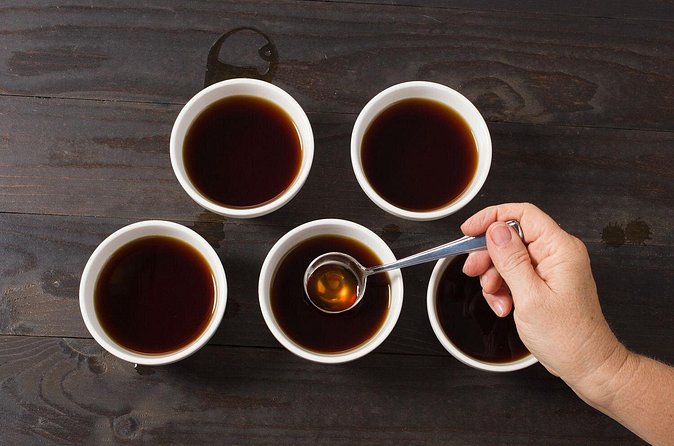
The stated duration is approximately one hour. In practice, at least one session finished in about 35 minutes. I would plan for a compact tasting rather than assume you will receive a full sixty minutes of instruction.
That shorter timing can be a benefit. It makes the activity easy to fit between other stops, meals, or a drive along Oahu’s northeastern shore. At $10, it also avoids the pressure that can come with an expensive, time-consuming tour.
The tradeoff is that you may want more time for questions. The presentation covers several stages of production, and coffee fans could easily spend longer discussing fermentation, roast levels, or brewing. If you want a full sensory class, the provider also offers more in-depth custom classes in tasting, brewing, and roasting, but those are separate from this basic experience.
For this tasting, arrive ready to pay attention from the start. A session lasting 35 minutes can pass quickly.
Is the $10 price good value?
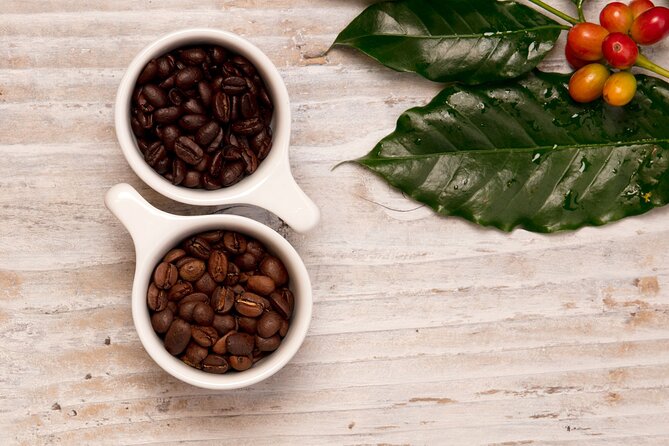
At $10 per person, this is one of the easier Hawaii activities to justify. You receive three coffee samples, a guided explanation of how they were produced, and a practical lesson in tasting.
The value is strongest for three kinds of people. First, it suits anyone who drinks coffee every day but has never learned how origin, processing, and roasting affect flavor. Second, it works well for visitors who already enjoy specialty coffee and want a closer look at Kona production. Third, it is a good low-cost option for a couple or small group looking for a short activity rather than a full-day tour.
The price does not promise a farm visit in Kona. You are not touring the farm itself, and you should not book this expecting a long plantation walk or a large meal. The attraction is the guided comparison and the information that comes with it.
For me, the reasonable price also lowers the risk. If coffee turns out not to be your passion, you have spent only $10 and less than an hour. If you enjoy it, you gain a better way to judge every cup that follows.
Who will enjoy this most?
This activity is especially well suited to:
- Coffee drinkers who want to understand their daily beverage
- Beginners who have never attended a formal tasting
- Specialty coffee fans interested in fermentation and roast levels
- Couples or small groups looking for a relaxed, short activity
- Visitors who enjoy food and drink experiences with a clear local connection
You do not need prior tasting experience. The format is designed to be accessible, and you can ask questions without needing technical knowledge.
It may be less suitable if you want a full farm tour, a long workshop, or a broad tasting of coffees from several countries. All three samples come from the same family farm, which is useful for comparing production choices but gives you a narrower range of origins.
That narrower focus is also the point. You get to examine Kona coffee closely rather than sampling a random collection of beans.
Booking, weather, and practical details
The activity is often booked about 21 days in advance, and spaces are limited to 12 people. That suggests you should reserve ahead if the tasting is important to your plans, especially during a busy Hawaii trip.
You receive confirmation at booking, and a mobile ticket is accepted. The activity is conducted in English. It starts and ends at The Coffee LAB by Hala Tree Cafe.
Free cancellation is available if you cancel at least 24 hours before the start time. Cancellations made less than 24 hours ahead are not refunded, and changes inside that window are not accepted. The cut-off uses local time.
Good weather is required. If poor weather cancels the activity, you can choose another date or receive a full refund. Keep that rule in mind if you are building a tightly timed itinerary.
Should you book Kona Coffee Tasting?
I would book this if you like coffee, want a short activity, and appreciate knowing how a product was made. The three-cup comparison, family-farm connection, and discussion of fermentation and roasting give the $10 price real value.
Book with the right expectations. This is a guided tasting at The Coffee LAB in Kaʻaʻawa, not a visit to a Kona farm on Hawaii Island. It may also take closer to 35 minutes than a full hour.
For a beginner, it offers an easy introduction without making you feel out of place. For an experienced coffee drinker, the focus on traceability, drying, and experimental fermentation gives you useful material to explore. Add the ocean views, small group, and simple tasting technique, and this is a smart little stop for coffee-minded visitors on Oahu.
FAQ
Where does the Kona coffee tasting take place?
The experience starts and ends at The Coffee LAB by Hala Tree Cafe, located at 51-666 Kamehameha Highway, Kaʻaʻawa, Hawaii 96730.
Is the coffee grown in Oahu?
No. The tasting features 100% Kona coffee grown on a family-owned farm on the slopes of Mauna Loa. The tasting itself takes place on Oahu in Kaʻaʻawa.
How many coffees will I taste?
You will taste three Kona coffees. The samples show differences between coffee varieties and processing methods.
How long does the activity last?
The listed duration is approximately one hour. One session lasted about 35 minutes, so you should allow roughly an hour while understanding that the actual presentation may finish sooner.
How much does the tasting cost?
The price is $10 per person.
How large is the group?
The activity has a maximum of 12 travelers.
Is the tasting offered in English?
Yes. The experience is offered in English.
Can I use a mobile ticket?
Yes. Mobile tickets are accepted, and confirmation is provided at the time of booking.
Are service animals allowed?
Yes. Service animals are allowed.
What happens if bad weather cancels the tasting?
The experience requires good weather. If it is canceled because of poor weather, you can receive a different date or a full refund.
Can I cancel for a full refund?
Yes, if you cancel at least 24 hours before the experience start time. Cancellations made less than 24 hours before the start time are not refunded.
Just added around Oahu
- Kualoa Ranch – Kualoa Grown Tour★ 4.0 · 37 reviews
- North Shore Farm: Anahulu River, Kayak-Sup, Turtles, Lunch & More★ 4.5 · 23 reviews
- Kualoa Ranch – Ultra E-Bike Tour 3-Hour★ 3.0 · 2 reviews
- Bee Farm Ecotour and Honey Tasting in Waialua, North Shore Oahu★ 5.0 · 72 reviews
- Kualoa Ranch: Ocean Voyage Tour★ 4.5 · 78 reviews
- Oahu: North Shore Zip Line Adventure with ATV and Farm Tour★ 4.9 · 91 reviews
- Mini ATVs and Farm Animal Experience★ 5.0 · 129 reviews
- Kualoa Ranch: Novice E-Bike★ 4.5 · 128 reviews
Coffee Farm Tours, compared.
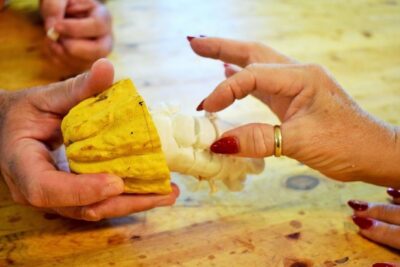
Award Winning Farm Tour: Coffee, Chocolate and Unique Gifts
Read our review →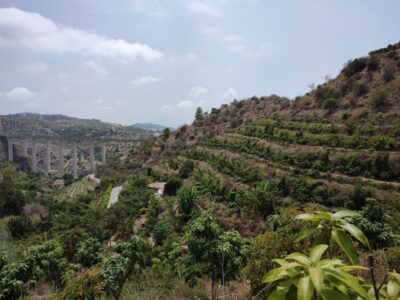
La Herradura Coffee Farm: tour in Europe’s only plantation
Read our review →
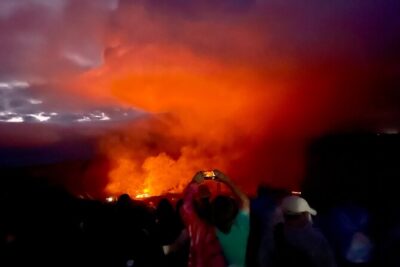
Small-Group Big Island Tour: Hawaii Volcanoes National Park and Kona Coffee Farm
Read our review →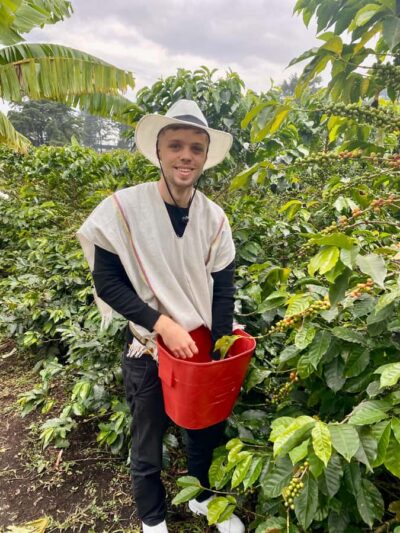
Medellín Coffee Farm Tour with Trolley and Cable Car Ride
Read our review →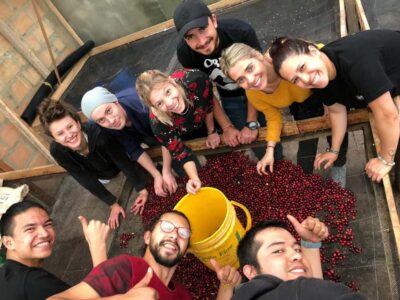
Private Cocora Valley, Salento & Coffee Farm Tour
Read our review →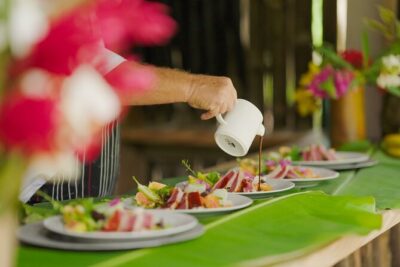
Liamuiga Natural Farm Tour – St.Kitts’ Coffee Farm
Read our review →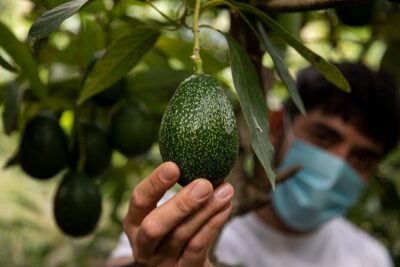
Lists this farm appears in