
Reviewed · SPICE FARM TOURS
Zanzibar: Spice Farm Tour with Traditional Cooking Lesson
Zanzibar’s spices make the most sense when you meet them on the plant. On this three-hour visit, you can rub fresh cinnamon bark between your fingers, smell cardamom and lemongrass, taste tropical fruit, then help prepare a Swahili lunch. The farm turns a familiar kitchen shelf into a living lesson.
I especially like the hands-on cooking, including cassava leaf harvesting and coconut milk making, and the chance to taste jackfruit and young coconut straight from the farm. The local guides, including Chiquito, Abdullah, Khamis, and Juma on different visits, add useful stories, Swahili words, and plenty of good humor. The one caution is that cooking participation can vary, so you may help with selected ingredients rather than prepare every dish from start to finish.
Key points to know before you go
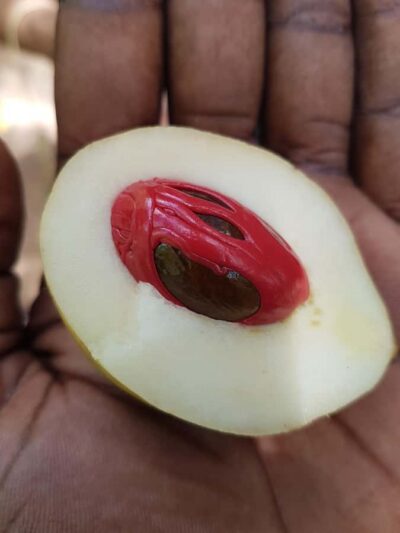
- Fresh spices in plant form: See, touch, smell, and taste vanilla, cloves, cinnamon, nutmeg, pepper, turmeric, ginger, cardamom, and more.
- A meal you help prepare: Harvest cassava leaves, make coconut milk, and take part in cooking before eating lunch at the farm.
- Fruit is part of the lesson: Try fresh jackfruit, coconut, and other tropical fruit during the visit.
- Private and flexible transport: Meet at Stone Town’s Old Fort at 9:00 AM or arrange pickup from a beach hotel anywhere in Zanzibar.
- Good value at $65: The price covers transport, a local guide, lunch, and a contribution to the local community.
- Bring cash for the farm shop: Spices can only be purchased with cash, so plan ahead if you want gifts or cooking supplies.
Why Zanzibar’s spice story begins on a farm
Zanzibar is often called part of the Spice Islands, along with Tanzania’s Mafia Island. That nickname is not just a souvenir-shop slogan. Cloves, cinnamon, nutmeg, black pepper, vanilla, cardamom, ginger, and turmeric have shaped the islands’ cooking, trade, medicine, and daily life.
This tour gives you a useful way to understand that connection. Instead of seeing spices only as dried powder in a market, you see how they grow and how their scent changes in fresh form. A cinnamon stick from a jar is familiar. Fresh cinnamon bark, handled at the farm, is a different lesson.
Your guide explains how the plants are grown and how people use them for flavor and traditional medicine. English and Swahili are available, and the guides bring their own personalities to the walk. Chiquito is known for mixing clear explanations with humor, while other guide teams have included Abdullah, Khamis, and Juma.
The guide assignments are not fixed, so you should not book expecting a particular person. What matters more is that this is a live, personal tour rather than a self-guided stroll through labeled plants.
More Spice Farm Tours in the world:
- Zanzibar: Prison Island, Stone Town, & Spice Farm Tour
★ 4.5 · 579 reviews - Full-Day Private Stone Town +Spice Farm and Prison Island Tour
★ 4.5 · 216 reviews - Zanzibar: Stone Town & Spice Farm Tour with Lunch
★ 4.5 · 97 reviews
From cinnamon bark to vanilla pods
The farm walk is the heart of the morning. You move from plant to plant, learning to match a familiar smell or flavor with its source. The list includes vanilla, cardamom, nutmeg, cinnamon, black pepper, cloves, ginger, turmeric, and lemongrass.
The best part is the permission to use your senses. You can touch leaves, smell fresh plant material, and taste selected items. This is especially useful for spices you may have used for years without ever seeing in the ground.
Cloves are central to Zanzibar’s spice identity, while black pepper gives you a more familiar comparison. Vanilla and cardamom show how much work sits behind the small amounts used in desserts, tea, and savory dishes. Nutmeg and cinnamon also become less abstract when you see their plant forms rather than a supermarket container.
The guide also connects the plants with Zanzibar’s food and economy. That context keeps the visit from becoming a simple list of names. You learn not only what a spice is, but why it matters on the islands.
Take your time with the smells. The farm is not a place to rush through with your camera raised the whole time. You will get more from the visit if you stop, handle the permitted plants, and ask how each one is used.
Tropical fruit, jackfruit, and coconut from the tree
Spices are only part of the farm’s appeal. Tropical fruit appears along the route, giving the morning a second theme: the difference between food picked nearby and food that has traveled to your local shop.
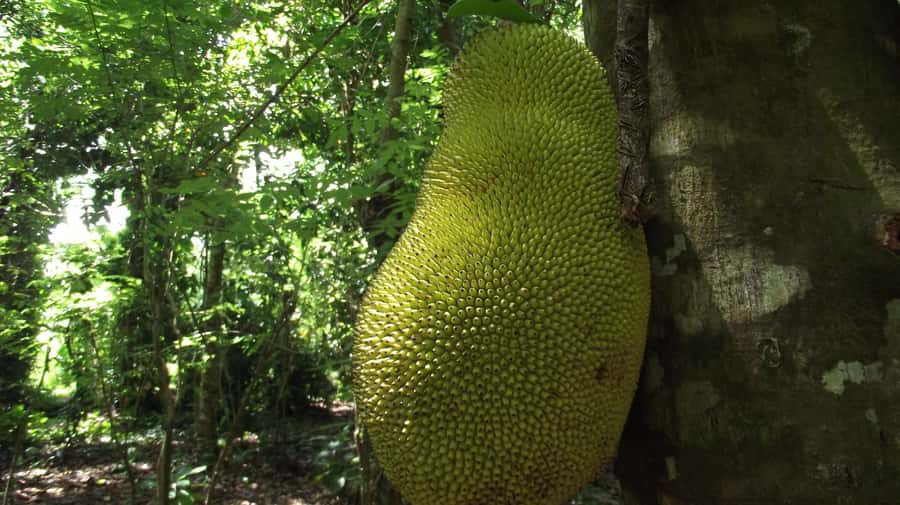
Jackfruit is a highlight. It is described here as the largest fruit in the world, and seeing one in its natural setting makes its size easier to appreciate. You can taste fresh jackfruit during the visit, a useful counterpoint to the strong, dry scents of the spice plants.
The coconut demonstration adds another memorable moment. A coconut tree climber picks young coconuts for you to try. Fresh coconut has a clean taste and texture that can be quite different from packaged coconut water or dried coconut.
You also get to see how coconut becomes part of cooking. Making coconut milk is one of the practical tasks included in the visit, and it links the farm walk directly to lunch. This is a small but important detail: you are not only looking at ingredients, you are seeing how they enter a local meal.
The fruit tasting is informal rather than a separate tasting course. The exact selection can vary, but the experience includes fresh tropical fruit and coconut along with the spices.
Cassava leaves and the cooking lesson
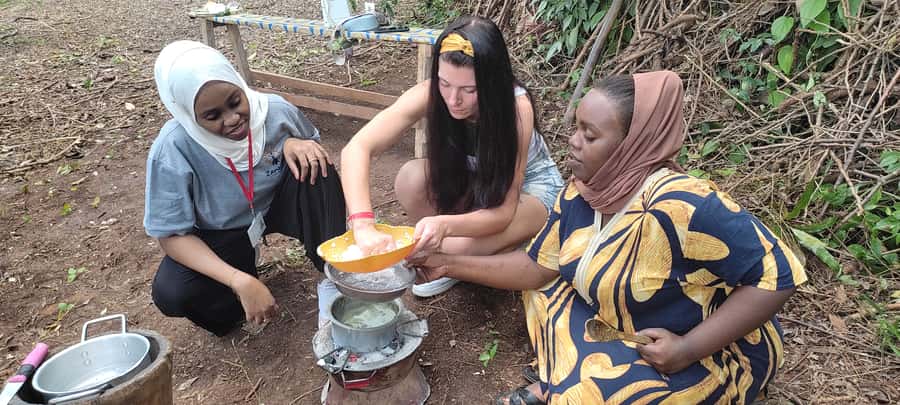
The cooking section gives the tour its strongest sense of participation. You may join a cassava leaf harvest, help make coconut milk, and practice cooking with ingredients connected to the farm.
The phrase traditional cooking lesson should be understood realistically. You will take part in food preparation, but the amount of hands-on cooking can depend on the timing and how the farm organizes the session. One account described helping with some ingredients and seeing part of the preparation rather than cooking every dish together.
That is not a reason to skip the tour, but it is worth knowing before you book. If you want a formal class with a fixed recipe, measured portions, and a long period at the stove, this is not that kind of event. It is a short cultural activity folded into a farm visit.
If you enjoy learning by watching and doing small tasks, the format works well. You may cut, harvest, stir, or help with a preparation, then see how the completed meal comes together. The setting also gives you a chance to ask about ingredients in a way a restaurant meal cannot.
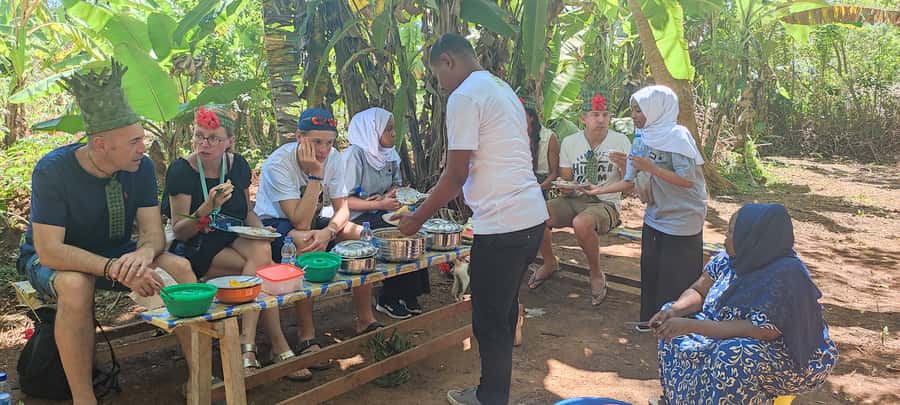
The food is usually described as a traditional Swahili lunch. You help prepare at least part of it, then eat at the farm. This makes the meal more satisfying because you understand where the flavors came from.
More Cooking Classes in the world:
- Half-Day Thai Cooking Class at Organic Farm in Chiang Mai
★ 5.0 · 19,087 reviews - Cooking Class and Lunch at a Tuscan Farmhouse with Local Market Tour from Florence
★ 5.0 · 4,831 reviews - Chiang Mai: Authentic Cooking Class with Market & Farm Visit
★ 4.9 · 4,546 reviews - Ubud: Balinese Cooking Class at an Organic Farm
★ 5.0 · 1,786 reviews
Lunch at the farm
Lunch is included in the $65 price and is one of the clearest reasons the tour offers good value. You receive more than a guided walk and a sales stop. The meal gives the cooking lesson a proper finish.
Expect food prepared with local ingredients and spices connected to the morning’s demonstrations. The exact dishes are not specified, so I would not book expecting a particular menu. The important point is that lunch is part of the experience, not an extra purchase at the end.
The meal also sets a sensible pace. Three hours can feel short for a farm, cooking session, fruit tasting, and lunch, but the schedule works because these activities are combined in one place. You are not spending half the morning moving between unrelated attractions.
If you are joining the tour in the morning, eat lightly beforehand. The visit includes fruit tasting, coconut, cooking, and lunch, and one useful practical tip is to arrive hungry enough to enjoy the meal.
Buying spices without a surprise at checkout
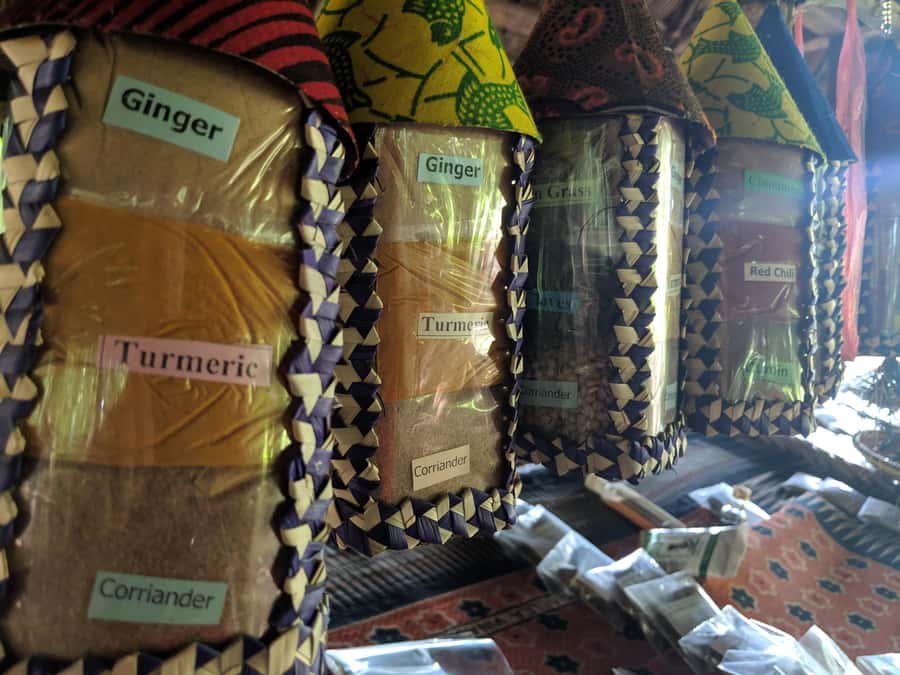
The farm shop gives you a chance to take the morning home. You may find fresh spices, teas, and other products to use in your own cooking. This is more useful than buying a generic souvenir because the items connect directly to what you saw growing.
Bring cash. Spices can only be purchased with cash, and the tour information does not promise card payment at the farm shop. If you are staying in Stone Town, arrange cash before leaving. Beach hotels may be farther from convenient cash services, so this small bit of planning matters.
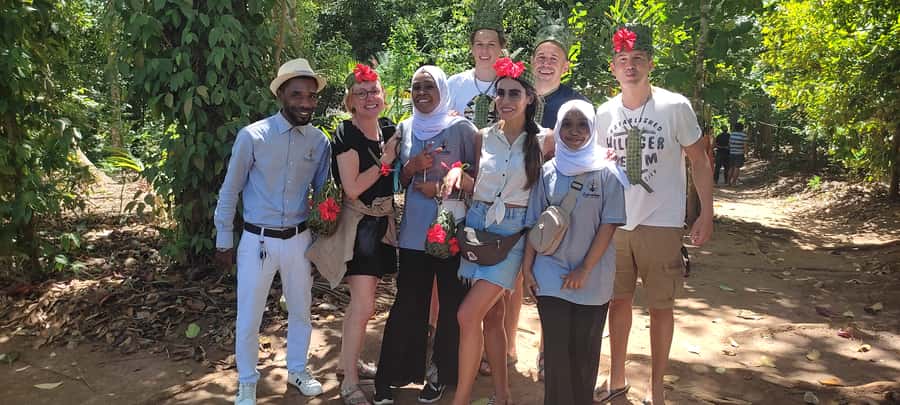
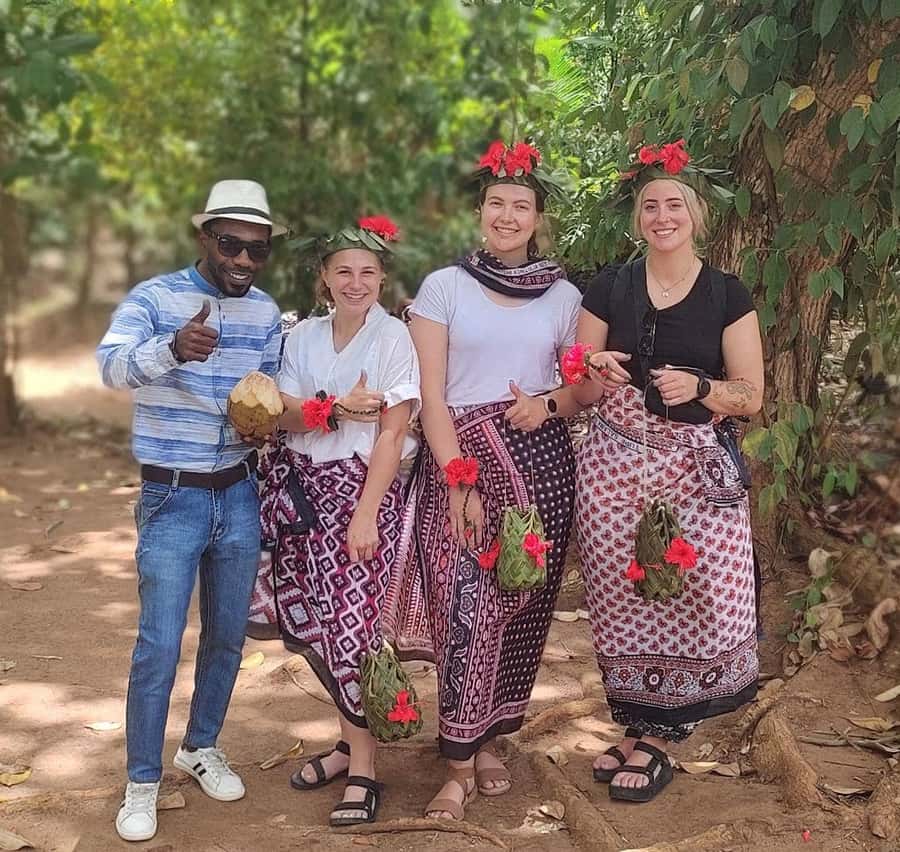
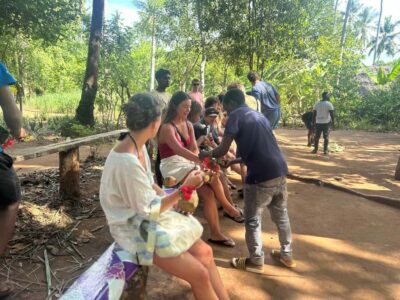
You may also encounter leaf crafts such as a crown, tie, or handbag made during the visit. These can be amusing and make good photographs, but you should know what is optional and what carries an extra tip expectation. One visitor found this part too tourist-focused compared with the otherwise genuine farm activities.
That is the main commercial note to keep in mind. The farm shop is a normal part of the outing, and buying is optional. I would set a spending limit before you go, then choose only spices you will actually use.
Getting there from Stone Town or a beach hotel
The standard meeting point is in front of the Old Fort on Mizingani Road in Stone Town at 9:00 AM. This is easy to identify if you are already in the historic center.
Pickup is also available from beach hotels anywhere in Zanzibar. That option matters because many visitors stay well outside Stone Town, and arranging your own transport could add cost and confusion. Confirm the pickup details when booking, especially if your hotel is on the coast rather than near the town.
The experience is a private group activity, not a large shared tour. That gives you more room to ask questions and may make the cooking portion feel less rushed. The exact vehicle and driving time are not specified, so allow flexibility around the three-hour farm program.
The tour is wheelchair accessible, but the farm setting may still include outdoor paths and uneven ground. If you use a wheelchair, confirm the route and access details before departure so the provider can prepare appropriately.
Pregnant people should not book this activity. Comfortable shoes, a sun hat, sunscreen, and water are sensible choices for the farm visit. The setting is outdoors, and the tour involves walking, standing, tasting, and hands-on demonstrations.
Is $65 a fair price?
At $65 per person, this tour is good value if you want several Zanzibar experiences in one compact morning. The price includes pickup from the Stone Town meeting point or a beach hotel, a local guide, the farm visit, lunch, and a contribution to the local community.
You are also paying for access to a real working farm and for the time of a guide who explains plants, uses, food, and local life. The value is stronger for anyone who would otherwise pay separately for transport, a food activity, and a spice market visit.
It is less compelling if your main goal is a long, formal cooking class. The cooking segment is practical but brief, and participation can vary. You should also budget separately for any spices or teas you want to buy, since those purchases are not covered and require cash.
The private-group format helps justify the price. You are not simply being led past plants in a crowd. You can ask questions, taste along the way, and take part in selected tasks. The community contribution is another positive part of the arrangement, though the exact amount is not given.
Who will enjoy this tour most?

I would recommend this outing to first-time visitors who want an easy introduction to Zanzibar’s food culture. It suits couples, families, and small private groups that enjoy tasting, touching, and learning rather than only taking photographs.
Food lovers will get the most from it, especially if you cook at home and want to understand fresh versions of cinnamon, vanilla, cloves, pepper, turmeric, and cardamom. The farm shop gives you a practical reason to pay attention.
It also works well as a welcome activity. You hear about local life, learn a few Swahili words if your guide offers them, taste regional ingredients, and share a meal before moving on to other parts of the island.
I would hesitate if you dislike outdoor heat, want a tightly timed professional cooking class, or do not want any shopping element. The leaf crafts and spice shop can feel more tourist-oriented than the farm walk and lunch.
Should you book the Zanzibar spice farm tour?
Book it if you want an active, good-value morning that combines a farm walk, tropical fruit, local food, and a short cooking lesson. The strongest parts are the fresh plant aromas, the coconut preparation, the jackfruit tasting, and the lunch you help bring together.
Go with realistic expectations. You may not cook every dish from scratch, and some demonstrations may be brief. Bring cash, arrive ready to eat, wear shoes suited to an outdoor farm, and treat the shop as optional.
For $65, the combination of private transport options, a local guide, hands-on food preparation, and lunch makes this a smart choice for most visitors based in Stone Town or at a beach hotel. It is especially worthwhile early in your Zanzibar stay, when you want a friendly introduction to the ingredients and customs that shape the island.
FAQ
How long does the Zanzibar spice farm tour last?
The activity lasts three hours. Starting times vary, and the Stone Town meeting time given for this tour is 9:00 AM.
Where does the tour meet in Stone Town?
The meeting point is in front of the Old Fort on Mizingani Road in Stone Town, Zanzibar.
Is hotel pickup available?
Yes. Pickup is available from beach hotels anywhere in Zanzibar, as well as from the Stone Town meeting point.
What languages are available?
The live tour guide service is available in English and Swahili.
Is lunch included?
Yes. Lunch at the spice farm is included, along with the guided visit and local cooking activities.
Can I buy spices at the farm?
Yes, but spices can only be purchased with cash. Bring cash if you want to buy spices, teas, or other products from the farm shop.
More Workshops in the world
- Florence Pizza or Pasta Class with Gelato Making at a Tuscan Farm
★ 5.0 · 6,801 reviews - Sorrento: Pizza Lesson, Wine, and Limoncello at a Local Farm
★ 5.0 · 1,513 reviews - Florence: Pizza or Pasta Class with Gelato at a Tuscan Farm
★ 4.9 · 1,181 reviews - Chiang Mai: Cooking Class with Organic Farm at Mama Noi
★ 4.9 · 1,151 reviews
Just added around the world
- Hoi An: Cycling – Water Buffalo Riding Farming and Fishing★ 5.0 · 2 reviews
- Belém: Marajó Island Day Trip with Buffalo Farm Visit★ 4.0 · 16 reviews
- Cycling, Water Buffalo Riding, Traditional Farming Life★ 5.0 · 10 reviews
- Side, Alanya: Green Canyon Boat, Waterfall&Orchards Mix Tour★ 4.3 · 14 reviews
- Farmers Market visit & Turkish Cooking Class★ 5.0 · 60 reviews
- 2-Hour Alpaca Farm Experience in Kenilworth★ 4.5 · 14 reviews
- Cycling Through Vineyards & Farm Lunch & Ephesus visit★ 5.0 · 52 reviews
- Liverpool Music Icons Tour led by a member of 90s band The Farm★ 5.0 · 51 reviews
Spice Farm Tours, compared.

Full-Day Private Stone Town +Spice Farm and Prison Island Tour
Read our review →
Stone Town & Spice Farm Private Tour Lunch Included
Read our review →Zanzibar full day Jozani forest + Spice farm and stone town
Read our review →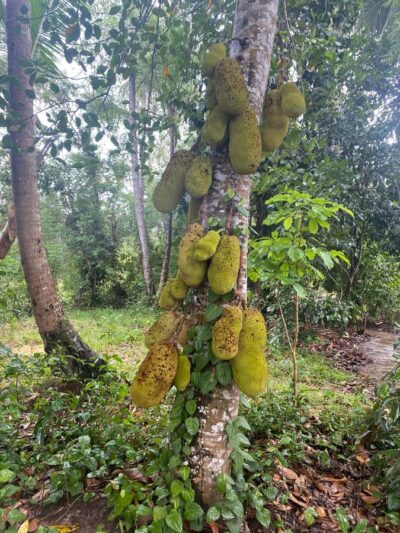
Lists this farm appears in