
Reviewed · SPICE FARM TOURS
Zanzibar: Spice Farm & Stone Town Tour with Lunch
Zanzibar’s past and present come together in one long day here. You move from a spice farm filled with turmeric, cloves, cinnamon, and tropical fruit to Stone Town’s markets, old fort, and narrow streets. It is a useful pairing because the farm explains what Zanzibar grows, while the town shows how trade shaped the island.
I like the hands-on tasting and smelling at the farm, and I like that lunch is included rather than added to an already busy day. The main catch is time on the road: pickup and return can take about 75 minutes each way, and a pickup misunderstanding left one couple waiting nearly an hour. Confirm your meeting point carefully.
Key points at a glance
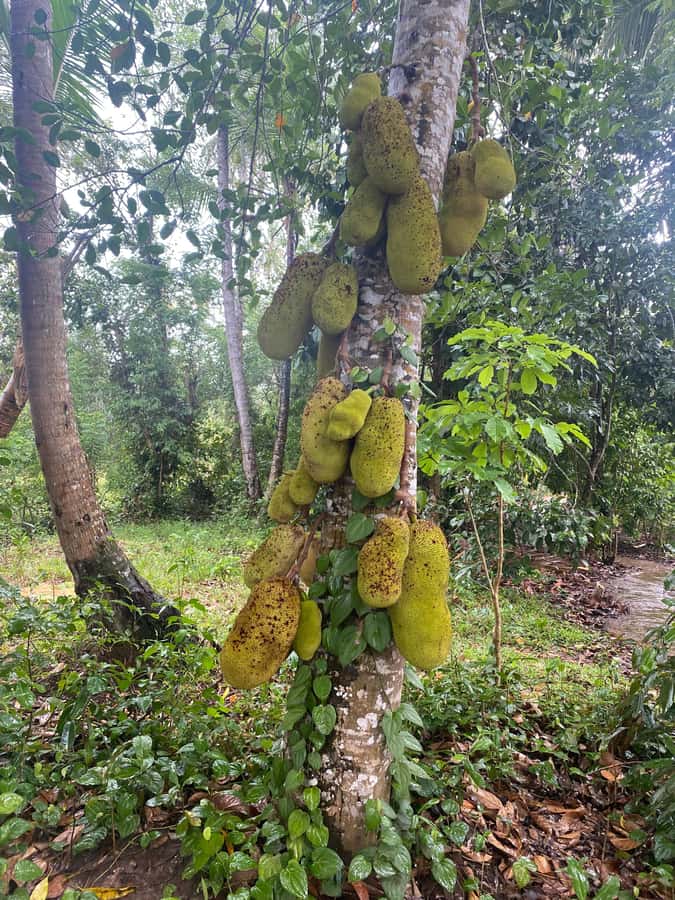
- Taste spices where they grow: Walk through a private farm and sample turmeric, cardamom, cinnamon, black pepper, cloves, and nutmeg.
- Lunch comes at the spice farm: The meal is traditional and included, though seating may be simple, with one account describing lunch eaten on the floor.
- Stone Town covers several major sights: See Darajani Market, the Old Fort, the former slave market area, the fish, meat, vegetable, and spice markets, and Freddie Mercury’s house.
- Plan for long transfers: The van ride can take about 75 minutes each way, plus another 15-minute transfer between the farm and Stone Town.
- Guides shape the day: Samir earned special praise for his humor, German, and clear explanations. Salum and Izaac were also singled out by name.
- Watch souvenir prices: Take your time when shopping. Prices may begin high, so ask questions and compare before buying.
From spice garden to Stone Town streets
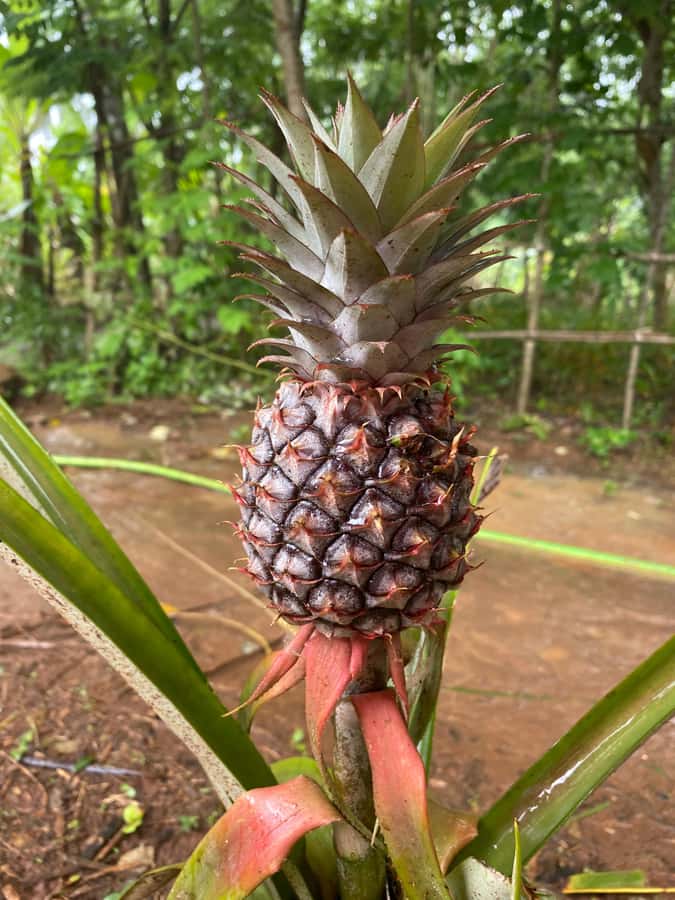
This seven-hour outing gives you two very different views of Zanzibar. At the farm, the focus is plants, food, smell, and local produce. In Stone Town, the focus shifts to trade, architecture, markets, and the many cultures that shaped the island.
The day is arranged as a private or small-group experience, with hotel pickup and drop-off included. Pickup is offered from Pwani Mchangani, Matemwe, Kizimkazi Mtendeni, Paje, Uroa, Kiwengwa, Nungwi, and Kendwa. Since these areas are spread across Unguja, the amount of driving depends on where you stay.
At $50 per person, the price is fair if you want both destinations in one day. It includes the guide, farm admission, lunch, and transport. You are paying for convenience as much as for sightseeing. A separate visit to both places would require arranging transport and finding a guide in Stone Town, so this package can save effort.
The tradeoff is a full schedule with plenty of road time. If you are staying in Nungwi, Kendwa, Paje, or another resort area far from town, expect the day to feel longer than the advertised seven hours once you include hotel pickup and return.
More Spice Farm Tours in the world:
- Zanzibar: Prison Island, Stone Town, & Spice Farm Tour
★ 4.5 · 579 reviews - Full-Day Private Stone Town +Spice Farm and Prison Island Tour
★ 4.5 · 216 reviews - Zanzibar: Stone Town & Spice Farm Tour with Lunch
★ 4.5 · 97 reviews
The 75-minute ride to the spice farm
The first transfer can take about 75 minutes by van. That is not a minor detail. Zanzibar’s major resort areas are scattered, and the drive is part of the cost of seeing a farm and Stone Town in one outing.
Pickup instructions deserve care. The driver is expected to identify you through your room number, but one reported mix-up involved a hotel outside the normal pickup zone. The couple walked about 20 minutes to a restaurant as arranged, while the driver waited at the hotel. They were left at the meeting point for almost an hour before the problem was sorted out.
I would confirm the exact pickup location, the hotel name, and the room number before the morning of the tour. If your property is not clearly in one of the listed pickup areas, ask where you should meet the van. That small check could prevent a rough start.
Once the group is together, the van ride leads to the farm. The transport is practical rather than scenic sightseeing in its own right, but it allows you to cover two parts of the island without arranging separate taxis.
Walking among turmeric, cloves, and cardamom
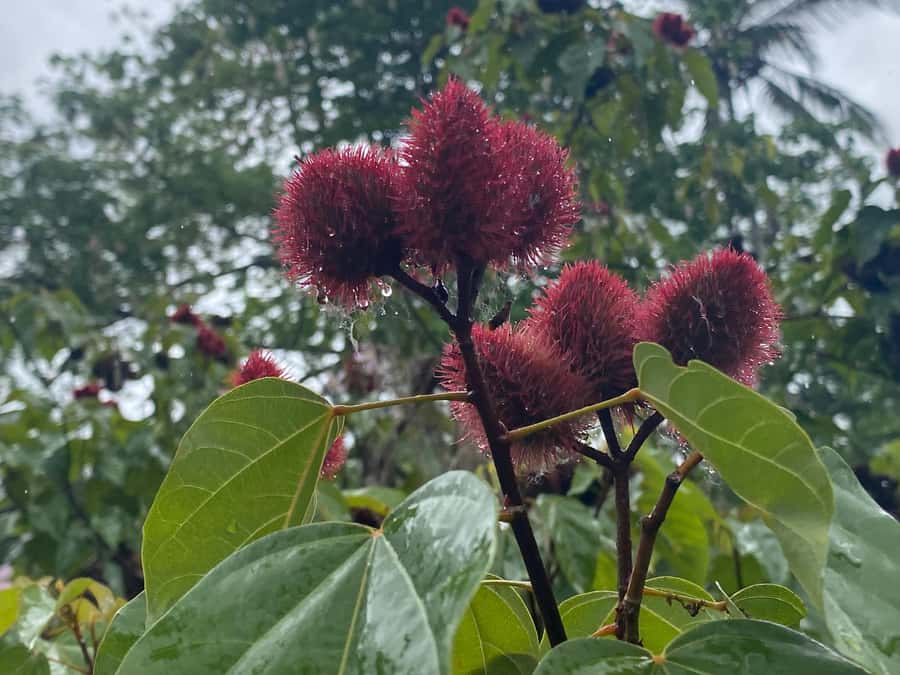
The spice farm visit lasts about two hours, with a guided walk through tropical plants, trees, and spices. You will learn to recognize crops such as turmeric, cardamom, cinnamon, black pepper, cloves, and nutmeg. The best part is that this is not only a look-and-listen stop. You get to taste and smell the products.
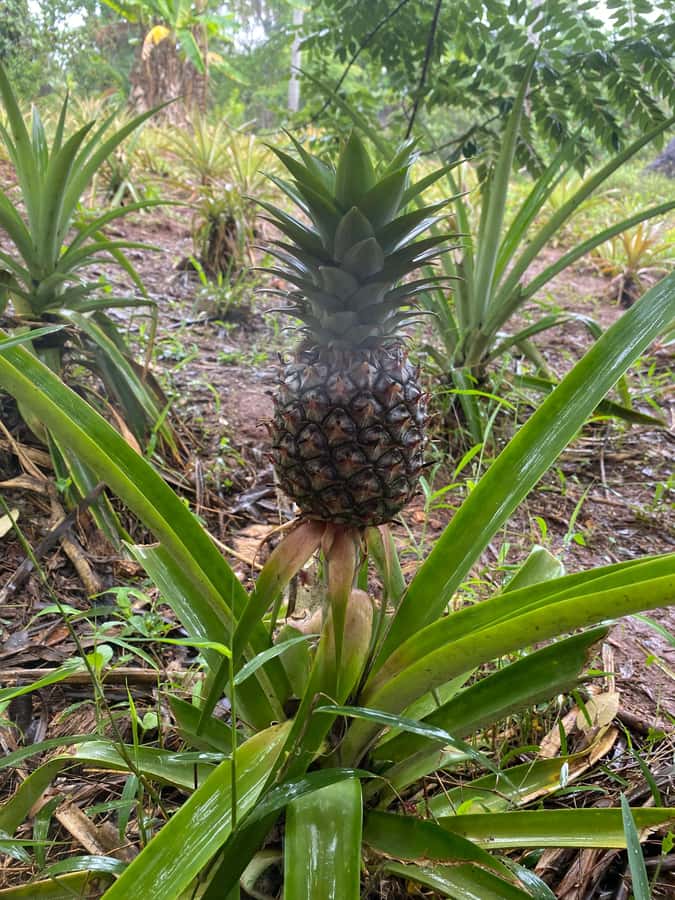
Zanzibar’s nickname, the Spice Island, makes more sense here. Spices are not just jars on a market shelf. You see them in the setting where they grow, then connect those plants with the flavors used in cooking. Tropical fruit is part of the visit as well, giving the farm stop more variety than a single-crop tour.
The walking portion is the most active part of the day. Wear shoes suited to a two-hour walk and clothing that works in warm conditions. The information supplied does not promise paved paths or shaded seating throughout, so be prepared for a natural farm setting rather than a polished botanical garden.
The guides add much of the value. A good guide will help you tell one spice from another and explain how the plants are used. Samir received especially warm praise for his clear explanations, good humor, and ability to speak German. The tour is advertised in English, so request another language in advance rather than assuming it will be available.
A traditional lunch with a simple setting
Lunch is served at the spice farm and is included in the $50 price. That makes the schedule easier, since you do not need to leave the farm to find a restaurant before heading to town.
The setting is part of the local character, but comfort may be basic. One account described the meal as quite primitive and eaten on the floor. If you want a formal restaurant, chairs, and a slower dining service, this may not fit your expectations.
I would treat lunch as a cultural part of the visit rather than a luxury meal. The available comments describe the food as delicious, while also making clear that the setup can be simple. That combination is useful to know before booking: the meal may be satisfying, but the presentation is not the point.
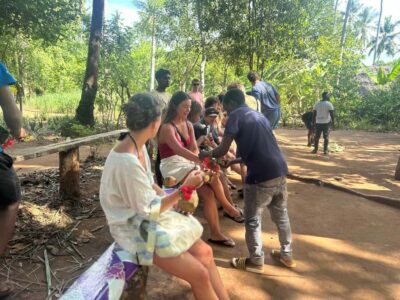
The farm visit can also include small, memorable touches. One account describes making crowns from flowers and leaves, followed by singing together. Those moments are not listed as a guaranteed feature, so do not book solely for them, but they show the kind of relaxed group interaction that may happen during the stop.
More Lunch Experiences in the world:
- Cooking Class and Lunch at a Tuscan Farmhouse with Local Market Tour from Florence
★ 5.0 · 4,831 reviews - Tromsø: Reindeer Camp and Sami Cultural Tour with Lunch
★ 4.7 · 3,326 reviews - Montserrat Lunch & Wine at Farmhouse Small Group from Barcelona
★ 5.0 · 2,368 reviews - Barcelona: Montserrat Visit & Lunch at Farmhouse Small Group
★ 4.7 · 1,313 reviews
A 15-minute transfer into Stone Town

After the farm, the van ride to Stone Town takes about 15 minutes. This short transfer keeps the second half of the day focused on walking rather than adding another long journey.
Stone Town is best explored on foot, and the tour allows about two hours for its streets, markets, and sights. Bring comfortable shoes. The old lanes are the sort of place where the layout, doors, buildings, and market activity matter as much as any single monument.
The town’s design reflects different dynasties and cultural influences. You will see Arab-style details, along with African, Indian, and other layers tied to Zanzibar’s position in Indian Ocean trade. The tour does not treat Stone Town as a collection of isolated photo stops. It links the streets to the people, goods, and powers that passed through them.
That is why pairing Stone Town with the farm works so well. At the farm, you see the products. In town, you see the commercial world that helped make those products important.
Darajani Market and the working side of town
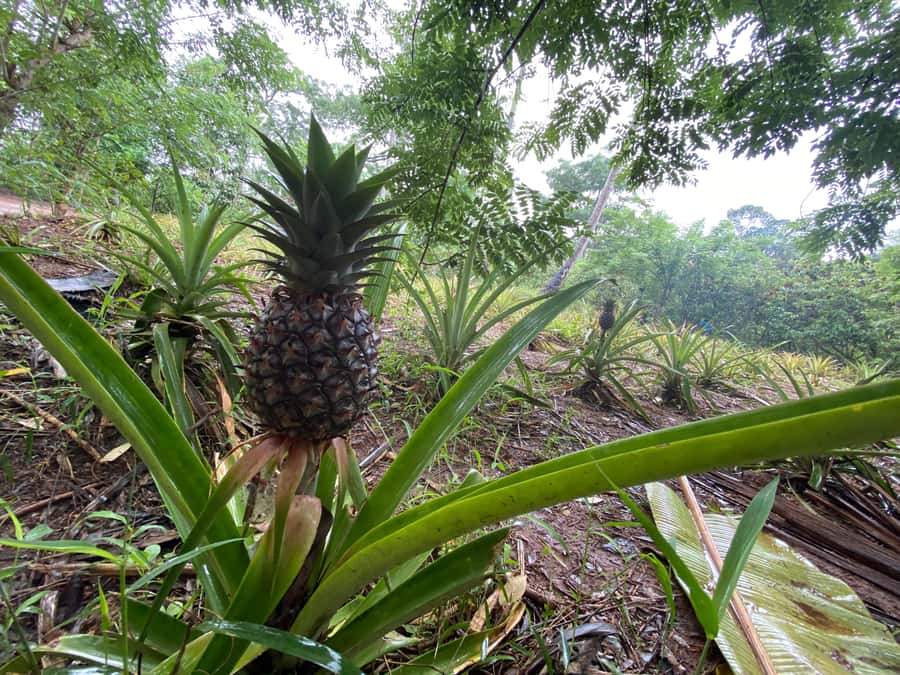
Darajani Market is one of the strongest stops for anyone who wants more than postcard views. The route can include fish, meat, vegetables, and spices, giving you a close look at everyday commerce.
Market visits can be intense. They bring smells, close quarters, and active buying and selling. That may be exactly what you want, but it is not a quiet museum visit. Keep your belongings secure and follow the guide through the busiest areas.
A guide is particularly useful here. Without context, a market can become a quick walk past stalls. With explanations, you can understand the difference between sections and see how food and spices fit into daily life. Samir was praised for explaining these parts with humor and confidence, and for helping someone feel safe during a small incident involving a person trying to deceive them near the spice market.
Shopping requires a cool head. One specific warning from the experience is that souvenir prices can be inflated. Ask the price before accepting an item, compare similar goods, and do not feel pressured to buy. The farm may also include shopping, so keep enough time and attention for browsing without turning the day into a sales stop.
The Old Fort, former slave market area, and Freddie Mercury’s house
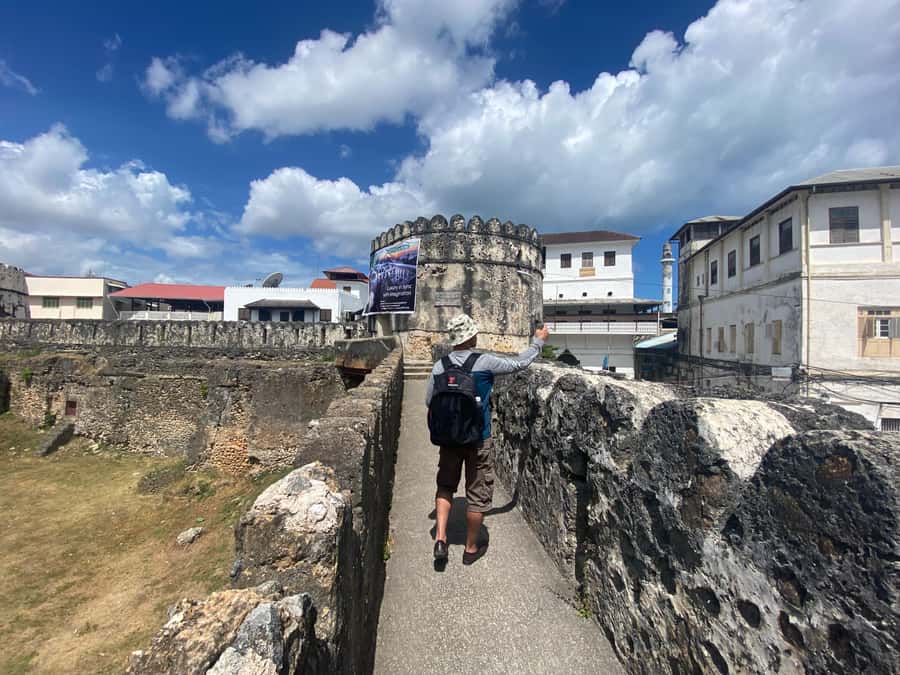
The Stone Town walk includes the Old Fort, the former slave market area, and Freddie Mercury’s house. These stops offer three different ways to read the city.
The Old Fort points to Zanzibar’s defensive and political past. Its walls provide a change from the narrow market lanes and help you see how the town was shaped by power as well as trade.
The former slave market area brings a darker subject into the day. The tour can include a visit to the slave market, but the ticket is listed as an optional extra rather than part of the standard price. Ask before the tour begins if you want to enter, and budget separately for the admission.
This stop is important, but it may feel emotionally heavy compared with the lighter farm visit. That contrast is not a flaw. It gives the day more honesty, showing that Zanzibar’s prosperity and international connections were tied to painful human stories as well as spices and commerce.
Freddie Mercury’s house offers a more recent and familiar point of interest. It connects Stone Town to a global music figure and gives the walking tour a modern cultural reference amid much older buildings and markets. The stop is brief in spirit, but it helps make the town feel connected to more than one period.
How the guides affect the experience

The guide can make or break a walking tour, especially in a busy market. Names that came through especially positively include Samir, Salum, and Izaac.
Samir was described as cheerful, well informed, and able to explain Stone Town’s history and culture in German. He also helped keep the group calm during a problem near the spice market. Salum and Izaac were thanked directly after another outing, which suggests that the company has more than one strong guide in its team.
The advertised guiding language is English. If you need German or another language, ask when booking and do not assume every guide speaks it. The tour can be private or small-group, and that choice matters. A private group gives you more control over questions, pace, and shopping time. A small group may cost less or feel more social, but the walking pace and stop length will be shared.
Is seven hours enough?

Seven hours is enough to sample both locations, but not enough for a slow, detailed study of either one. The farm gets about two hours, and Stone Town gets about two hours. The remaining time goes to pickup, transfers, and return.
That balance suits you if you want a first look at Zanzibar’s main cultural attractions. It is less suitable if you want a full museum visit, extended shopping, or several hours at the farm.
The long return ride can also affect the final impression. Drop-off is available to the same broad areas as pickup, including Kiwengwa, Kendwa, Nungwi, Matemwe, Uroa, Pwani Mchangani, Paje, and Kizimkazi Mtendeni. A far-flung resort means more time in the van, but the transport is already arranged.
Free cancellation up to 24 hours before departure and reserve-now, pay-later terms make the booking less rigid. Check the start time before committing, since availability determines the exact departure.
Who should book this Zanzibar day tour?
I would choose this tour if you want a practical introduction to two major sides of Unguja: the agricultural side and the historic town side. It suits first-time visitors, couples, families, and anyone who would rather have one driver and guide manage the day.
It is also a good fit if you want to taste spices rather than only hear about them. The farm walk, fruit tasting, included lunch, and Stone Town markets give the day plenty of sensory variety.
I would hesitate if you dislike long transfers, simple meals, busy markets, or walking in warm conditions. I would also ask for clear pickup instructions if your hotel is outside the main resort areas.
FAQ
How long does the Zanzibar spice farm and Stone Town tour last?
The experience lasts about seven hours, including hotel pickup, travel, the spice farm visit, the Stone Town walk, lunch, and return transport.
What is included in the price?
The $50 price includes hotel pickup and drop-off, a guide, spice farm entrance fees, and lunch.
Is the slave market ticket included?
No. The slave market ticket is not included in the standard price and may be available as an add-on.
Which spices can I see and taste?
The farm visit includes turmeric, cardamom, cinnamon, black pepper, cloves, and nutmeg. Tropical fruits are also part of the experience.
Where can pickup and drop-off take place?
Pickup and drop-off are offered in Pwani Mchangani, Matemwe, Kizimkazi Mtendeni, Paje, Uroa, Kiwengwa, Nungwi, and Kendwa.
What language is the tour offered in?
The listed tour language is English. A guide named Samir was also described as speaking German, but you should confirm language needs when booking.
Is lunch included?
Yes. Lunch is included and is served at the spice farm. The setting may be simple, and one account described eating on the floor.
Can I cancel the booking?
You can cancel up to 24 hours in advance for a full refund. Reserve-now, pay-later booking is also available.
Should you book it?
Book this tour if you want a well-priced, full-day introduction to Zanzibar’s spices and Stone Town without arranging separate transport. The best features are the hands-on farm visit, included lunch, market walk, and guides such as Samir who bring useful context and humor.
Go in with realistic expectations. The day includes long van rides, a basic lunch setting, optional payment for the slave market, and possible pressure around souvenirs. Confirm your pickup point and room number, then keep your shopping budget flexible. For $50, it offers a solid mix of food, plants, markets, architecture, and difficult history in one organized day.
Just added around the world
- Hoi An: Cycling – Water Buffalo Riding Farming and Fishing★ 5.0 · 2 reviews
- Paestum and Buffalo Farm Day Tour from Sorrento★ 5.0 · 3 reviews
- Balinese Cooking Class at Organic Farm★ 5.0 · 51 reviews
- Belém: Marajó Island Day Trip with Buffalo Farm Visit★ 4.0 · 16 reviews
- Cycling, Water Buffalo Riding, Traditional Farming Life★ 5.0 · 10 reviews
- Side, Alanya: Green Canyon Boat, Waterfall&Orchards Mix Tour★ 4.3 · 14 reviews
- Farmers Market visit & Turkish Cooking Class★ 5.0 · 60 reviews
- 2-Hour Alpaca Farm Experience in Kenilworth★ 4.5 · 14 reviews
Spice Farm Tours, compared.


Full-Day Private Stone Town +Spice Farm and Prison Island Tour
Read our review →
Stone Town & Spice Farm Private Tour Lunch Included
Read our review →Zanzibar full day Jozani forest + Spice farm and stone town
Read our review →
Lists this farm appears in