
Reviewed · COFFEE FARM TOURS
Kona Tour: Bee Farm, Kona Coffee, and National Historical Parks
The most appealing part of this Kona day tour is its mix of Hawaiian history and working farms. You move from petroglyphs and ancient fishponds to a bee farm and coffee orchards, with sea turtles and perhaps a monk seal along the way. It gives you a broad look at the Big Island rather than keeping you at one scenic stop.
I like the small van, limited to 12 people, and the fact that lunch, tastings, water, and hotel transport are included. I also like how much the guides add. Dreu, Kai, Oni Oni, Kala, Nick, and others have been singled out for clear storytelling, patience, and strong knowledge of the island. The main drawback is the long day: seven hours, several walks, and plenty of driving can leave you tired.
Key points to know before booking
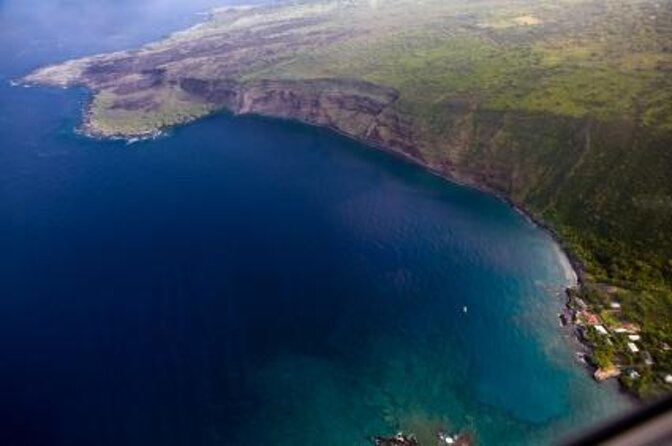
- See two national historical parks: Walk through Kaloko-Honokohau and Pu’uhonua o Honaunau, with stories about fishponds, kapu laws, temples, and sacred places.
- Watch for sea life at Honokohau Beach: Green sea turtles are possible, and a Hawaiian monk seal may appear, but wildlife sightings are never guaranteed.
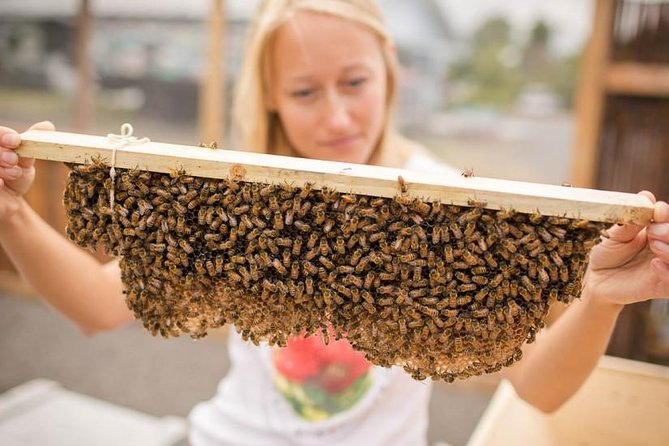
- Taste honey beside a working hive: Big Island Bees offers a protected look at bees, plus samples of raw organic honey.
- Learn how Kona coffee is made: At Bay View Farm, you see orchards and hear about growing, harvesting, milling, roasting, and brewing.
- Expect a real full-day outing: The tour lasts about seven hours and includes walking, coastal stops, farm visits, and a picnic lunch.
- Small-group transport adds comfort: A minivan carries no more than 12 people, with pickup from major Kona and Kohala Coast hotels.
A full day from Kona’s shore to coffee country
This is the sort of tour I would choose when I want one well-organized day to cover several parts of the Big Island. You are not simply collecting photo stops. The day connects the island’s past with its food and agriculture: ancient Hawaiian settlement, European contact, honey production, and Kona coffee.
Pickup is available from major hotels and resorts in Kona and along the Kohala Coast. If you are staying in a vacation rental, you will be directed to a nearby hotel or specified pickup point. Cruise ship passengers can meet the van at Kona Pier, making this an option for a port day, though cruise cancellations can create refund problems, so check the terms carefully before booking.
The usual pickup window is between 7:00 and 8:00 a.m., and the experience finishes in the middle of the afternoon. Exact times and locations come by confirmation email. I would save that message and call the operator if it does not arrive.
More Coffee Farm Tours in the USA
- Award Winning Farm Tour: Coffee, Chocolate and Unique Gifts
★ 5.0 · 484 reviews - Big Island: Volcanoes, Waterfalls, & Coffee Farm Day-Trip
★ 4.9 · 414 reviews - Small-Group Big Island Tour: Hawaii Volcanoes National Park and Kona Coffee Farm
★ 5.0 · 343 reviews
Kaloko-Honokohau: fishponds, petroglyphs, and the beach
The first major stop is Kaloko-Honokohau National Historical Park, where you spend about 40 minutes. This coastal area supported Hawaiian communities for centuries because the shoreline provided food and shelter.
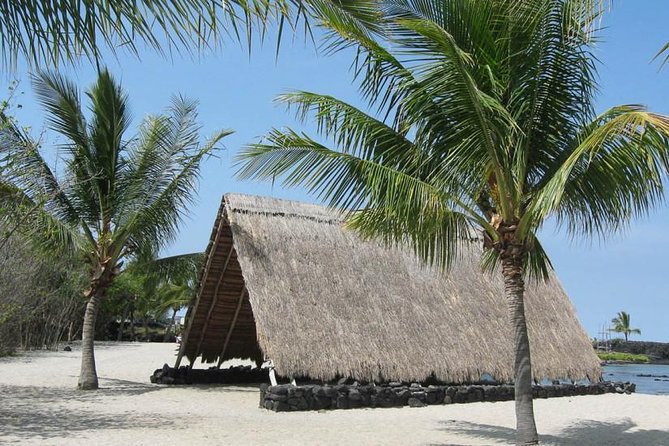
Your guide points out handmade fishponds and seawalls, then leads you along a trail toward sacred temples and petroglyph sites. The setting is striking: black volcanic rock, salt-and-pepper sand, and open ocean. Wear shoes with good grip because this is not a polished walkway through a formal garden.
The petroglyph portion may change depending on park rules. On one recent outing, a park ranger did not allow the group to visit the expected petroglyph area. That is a useful reminder that access can shift, even when the general stop remains part of the tour.
At Honokohau Beach, keep your eyes on the water and shoreline. Green sea turtles may surface or rest nearby, and a Hawaiian monk seal is possible. These are wild animals, not scheduled performers, so the stop is best enjoyed for the coast and its cultural meaning even if no seal appears.
Kona landmarks and the story of Kealakekua Bay
The van continues through Kona, with a look at Mokuaikaua Church, recognized as the oldest Christian church in Hawaii. This quick historical stop helps explain the major changes that followed early contact between Hawaiian communities and foreign visitors.
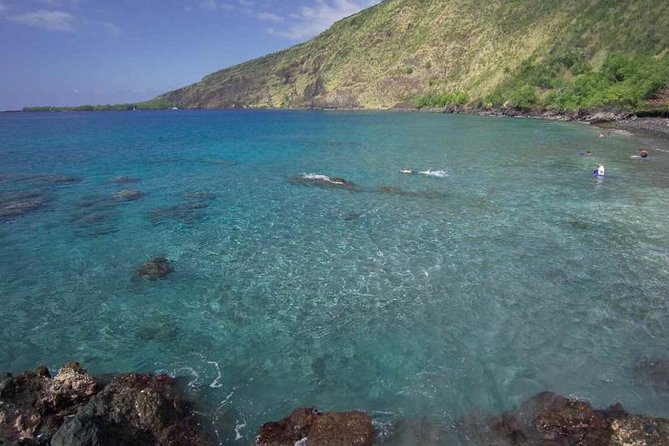
At Kealakekua Bay, you pause for about 15 minutes and hear about Captain James Cook’s arrival and death. The guide also discusses the ancient village that occupied the area when Cook first reached the bay.
This is a short stop, not a lengthy waterfront visit. Its value comes mainly from the narration. Guides such as Kai, Dreu, and Oni Oni have been praised for adding context during drives and at roadside stops, which matters here because a brief view can otherwise feel disconnected from the story.
Big Island Bees: a close look at honey production
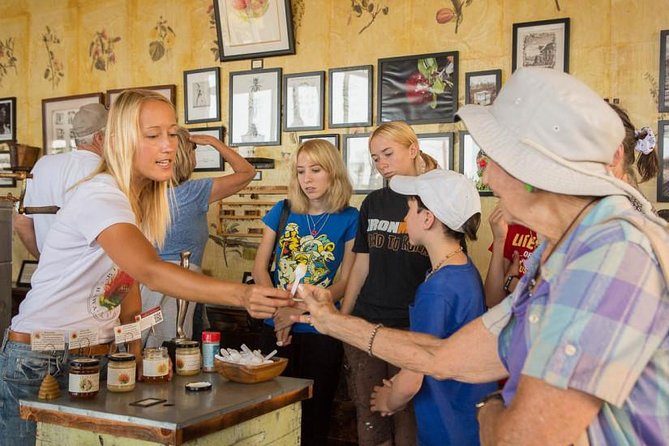
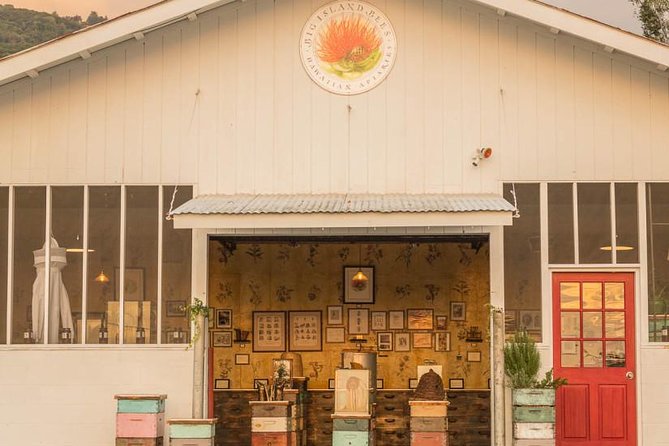
Big Island Bees provides one of the more unusual stops. The farm has produced organic honey since 1972, and you meet a beekeeper for a presentation about the operation.
From a protected viewing area, you can look into an open hive and watch thousands of bees at work. You also sample raw organic honey and learn about harvesting methods, tools, and the role bees play in a healthy ecosystem.
I like this stop because it is hands-on without asking you to get close to the insects. It also breaks up the history-heavy parts of the day with a look at a living local business.
Keep your expectations sensible. This is a visitor experience with a demonstration area and tasting, not a chance to roam through every acre of a large commercial farm. Some of the stop feels designed for visitors, and the gift shop may be part of the experience. Still, the beekeeper presentation and hive viewing give it more substance than a simple tasting counter.
The honey tasting can be a highlight, especially if you enjoy comparing flavors. It is also a practical stop for families with older children, although children under five cannot join the tour.
Same fields, a different sort of morning:
- Maui Pineapple Farm Tour in Haliimaile
★ 5.0 · 2,855 reviews - Premium Amish Country Tour including Amish Farm and House
★ 4.5 · 1,306 reviews - Unique Horse Farm Tours with Insider Access to Private Farms
★ 5.0 · 1,192 reviews - Lahaina: Maui Ku’ia Estate Guided Cacao Farm Tour and Tasting
★ 5.0 · 1,103 reviews
Pu’uhonua o Honaunau and the meaning of refuge
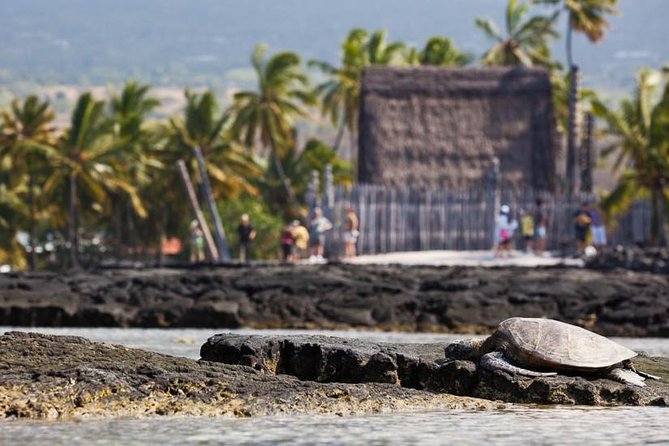
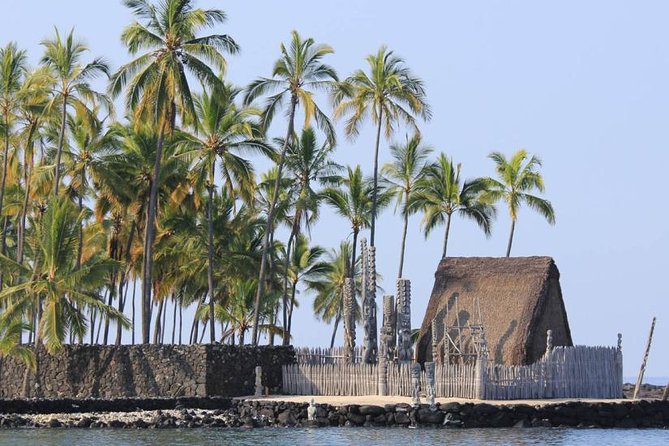
At Pu’uhonua o Honaunau National Historical Park, you spend about an hour on a guided walk. This is the most important cultural stop of the day for many people.
The site served as a place of refuge for people who broke an ancient kapu, or law. A person who reached the pu’uhonua could be absolved by a priest and return to society. Your guide explains how this system worked and points out the royal grounds and other features of the seaside site.
This visit rewards attention. The importance is not only in the structures you see, but in understanding the system of laws, religion, punishment, and forgiveness that shaped traditional Hawaiian life.
You will walk here, so comfortable closed-toe shoes are required. The tour calls for a moderate level of physical fitness, and the combination of walking, sun, uneven ground, and several stops can add up by afternoon.
Bay View Farm and the Kona coffee belt
The day ends in the coffee-growing hills near Honaunau, where cooler air and mountain mist offer a welcome change from the coast. Bay View Farm provides a guided look at Kona coffee production, from orchard to cup.
You walk among coffee trees and learn about growing, harvesting, milling, processing, and roasting. This is useful background if you have seen Kona coffee on menus but never understood why the name matters. The guide or farm staff explains the work behind the beans rather than treating coffee as just another souvenir.
You also get a warm cup of Kona-grown coffee, followed by a picnic-style lunch overlooking Kealakekua Bay. Lunch is included, along with snacks and bottled water, which improves the value of a long excursion. You do not have to spend your afternoon searching for food or carrying a full supply of drinks.
The coffee farm is also one of the places where expectations matter. You are visiting a working plantation and learning about production, but this is not a long coffee-tasting seminar. The emphasis is on the full process and the orchard setting, with coffee served as part of the stop.
Why the guides matter so much
The route is good, but the guide can shape the entire day. Guides named Dreu, Kai, Oni Oni, Kala, and Nick have been praised for their storytelling, care, humor, and ability to explain geology and island history during the drives.
That matters because you spend substantial time in the van. A quiet driver who only points out landmarks would make the day feel like transportation between stops. A strong guide turns the drive into part of the experience, linking the volcanic coast, old Hawaiian settlements, Captain Cook, honey, and coffee.
Dreu in particular has been praised for patience, preparation, and sharing detailed information. Kai was noted for adding so much historical context that the sites became easier to understand. Oni Oni was remembered for a warm manner and lively stories. Guides vary, of course, so treat those names as examples of the kind of leadership you may receive, not a guarantee of your assigned guide.
The tour is limited to 12 people. That gives the guide a better chance to answer questions and keep an eye on the group than a large coach tour. It also means the van can feel close during a long day, especially if the tour sells out.
Is the $198.17 price fair?
At $198.17 per person, this is not a cheap sightseeing ride. I think the price makes the most sense if you value convenience and want several major stops handled in one day.
The fee includes hotel pickup and drop-off, a professional certified guide, park admission where applicable, lunch, snacks, bottled water, honey tasting, and coffee tasting. You are also paying for the vehicle, the route planning, and a guide who can explain places that would be harder to understand on your own.
The value is weaker if you only want a beach day, a short coffee visit, or a deep look at one national park. The schedule moves steadily, and each stop has a set time. You get variety rather than long, unhurried visits.
Compared with arranging separate transport, meals, farm visits, and park admission, the package is convenient. The tradeoff is control. You cannot linger as long as you like at Pu’uhonua o Honaunau or skip a stop that interests you less.
What to wear and how to pace yourself
Wear closed-toe shoes and light summer clothing. Bring sun protection, though the tour includes bottled water and visits to cooler coffee-growing areas. The operator runs the experience in all weather conditions, but the day may feel quite different in sun, wind, or rain.
Past conditions have made weather an important factor, especially around the coffee country, where rain is common. If poor weather forces cancellation, you are offered another date or a full refund.
I would book this early in your stay rather than on your final day. The tour covers a lot of ground and includes repeated walking. One past assessment described the outing as tiring because of its length and advised wearing good walking shoes. That is sound advice.
The cancellation policy allows a full refund if you cancel at least 24 hours before the start time. Changes or cancellations inside 24 hours are not refunded. Cruise passengers should pay special attention to this rule, since a missed port call may not be treated like a standard weather cancellation.
Who should book this Kona tour?
I would recommend it to first-time Big Island visitors who want history, scenery, local agriculture, and a meal in one outing. It also suits people who prefer a guide to handle the driving on a long coastal route.
It is a good fit for couples, families with children over five, and anyone interested in Hawaiian culture beyond beaches and resorts. The small group is especially useful if you like asking questions.
I would think twice if you dislike van rides, need a slow pace, or want to spend most of your day swimming and relaxing. The tour is active without being extreme, but it is still a long schedule with multiple stops and a moderate fitness requirement.
Final call: book it for variety and context
Book this tour if you want a broad, well-explained introduction to the Kona side of the Big Island. The strongest parts are the two historical parks, the honey presentation, the coffee farm, and the guides who bring the long drives to life.
Skip it if the $198.17 price feels high for a fixed itinerary or if you prefer exploring one place at your own pace. Also remember that sea turtles and monk seals are possible sightings, not promises, and petroglyph access can change.
For the right visitor, this is a practical way to connect Kona’s coast, Hawaiian history, local food, and coffee country in one day.
FAQ
How long does the Kona tour last?
The experience lasts about seven hours and usually finishes in the middle of the afternoon.
Where does hotel pickup take place?
Pickup is available from major hotels and resorts in Kona and on the Kohala Coast. Vacation rental guests are directed to a nearby hotel or designated pickup point.
Can cruise ship passengers join the tour?
Yes. Pickup can be arranged at Kona Pier, and the tour is suitable for cruise ship passengers.
What is included in the price?
The tour includes round-trip hotel transport, bottled water, snacks, picnic-style lunch, honey and coffee tastings, park admission where specified, and a professional certified guide.
Are children allowed to participate?
Children under five years old are not allowed to join the tour.
What should I wear?
Wear closed-toe shoes and summer clothing. The tour requires a moderate level of physical fitness because it includes walking at the parks and farm.
What happens if the tour is canceled because of bad weather?
You will be offered a different date or a full refund if poor weather causes the tour to be canceled.
More History and Heritage Tours in the USA
- Tromsø: Reindeer Camp and Sami Cultural Tour with Lunch
★ 4.7 · 3,326 reviews
Just added around the USA
- Las Vegas: Grand Canyon Ranch Tour with Horseback/Wagon Ride★ 4.7 · 38 reviews
- Dallas and Southfork Ranch Small-Group Combo Tour★ 4.6 · 61 reviews
- Combination Southfork Ranch and Dallas/JFK Highlights Tour★ 4.5 · 66 reviews
- Guided Lilymoore Alpaca Farm Tour★ 5.0 · 38 reviews
- Alpaca Ranch and Fiber Processing Mill Tour★ 5.0 · 24 reviews
- Grand Canyon West Skywalk Western Ranch Joshua Forest★ 5.0 · 67 reviews
- Lancaster: Amish Film, House, and Farmland Experience★ 4.6 · 72 reviews
- Bee Farm Ecotour and Honey Tasting in Waialua, North Shore Oahu★ 5.0 · 72 reviews
Coffee Farm Tours, compared.
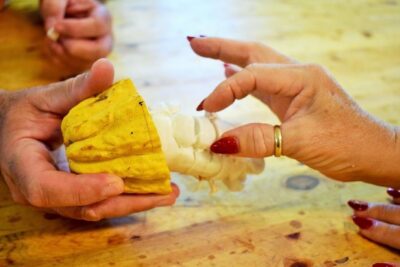
Award Winning Farm Tour: Coffee, Chocolate and Unique Gifts
Read our review →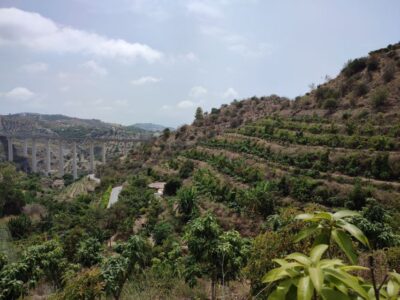
La Herradura Coffee Farm: tour in Europe’s only plantation
Read our review →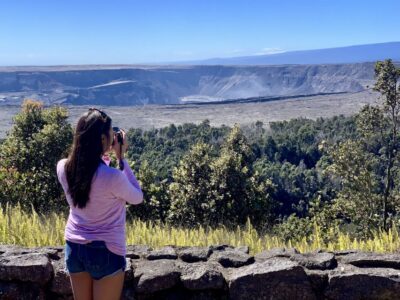
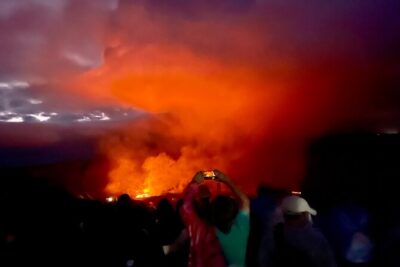
Small-Group Big Island Tour: Hawaii Volcanoes National Park and Kona Coffee Farm
Read our review →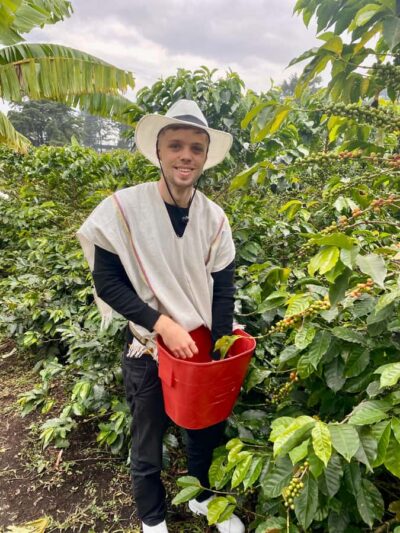
Medellín Coffee Farm Tour with Trolley and Cable Car Ride
Read our review →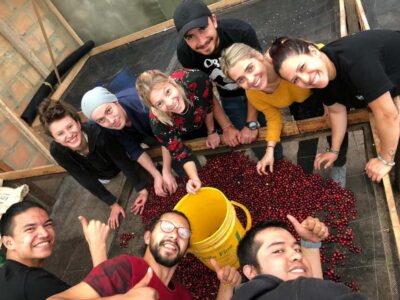
Private Cocora Valley, Salento & Coffee Farm Tour
Read our review →
Liamuiga Natural Farm Tour – St.Kitts’ Coffee Farm
Read our review →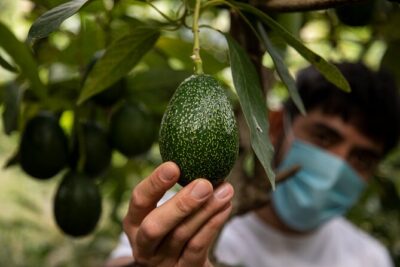
Lists this farm appears in