
Reviewed · COFFEE FARM TOURS
Coffee farm experience
Guatemala’s coffee story becomes much clearer when you see the plants, meet the people who care for them, and taste the finished drink in the same family setting. This three-hour outing from Antigua takes you to Ciudad Vieja, where Baudilio and his family explain coffee growing, processing, roasting, and the hard work behind each cup.
I like the personal family-farm setting, which feels more direct than a polished factory tour. I also like the chance to connect coffee with local income and daily work, not just flavor. The main consideration is the outdoor setting: you need closed shoes, comfortable clothes, a hat, and protection from insects and sun.
Key points
- Family-run coffee farm: Meet Baudilio and his wife and see a working farm with family ties to coffee production.
- Two coffee samples: The tasting gives you a direct way to compare local coffees after learning how they are made.
- Full coffee story: Learn about cultivation, plant care, fertilization, processing, roasting, packaging, and local sales.
- Ciudad Vieja connection: The visit combines a farm experience with time in a local community outside Antigua.
- Simple three-hour format: Pickup, transportation, guiding, and tasting are included for $55 per person.
- Useful preparation: Bring cash, a charged phone, a hat or cap, and closed-toe shoes.
From Antigua to Ciudad Vieja for a closer look at coffee
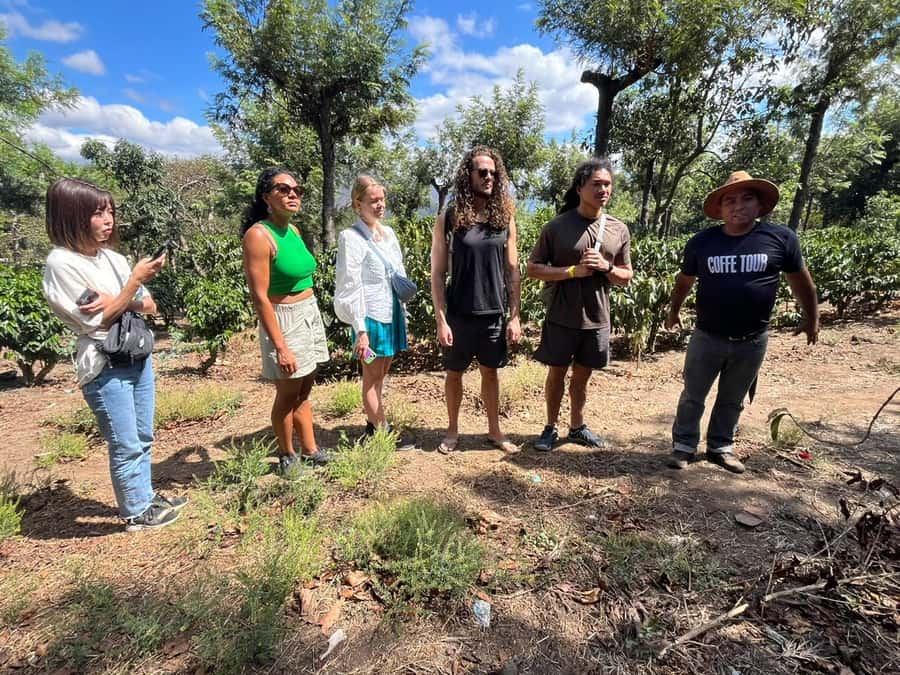
The experience begins with pickup in Antigua Guatemala. Baudilio, the person in charge of the circuit, arrives in his pickup vehicle and takes you toward Ciudad Vieja in Sacatepéquez Department.
That transfer matters because you are not trying to arrange a separate taxi, find a farm on your own, or work out how to return. The outing lasts about three hours, with roughly 105 minutes set aside for the guided visit, walking, and sightseeing in Ciudad Vieja. The remaining time covers transportation and the transition between Antigua and the farm.
You should wear clothes you can walk in and shoes that can handle uneven outdoor ground. The instructions specifically call for closed shoes, a hat or cap, and comfortable clothing. Take sun protection seriously, and bring cash if you want to buy coffee or pay for anything extra.
The setting is not a grand museum or a large commercial estate. It is a local family operation. That gives the visit a useful human scale. You are learning from people connected to the work itself, rather than only reading labels about coffee production.
More Coffee Farm Tours in the world:
- Award Winning Farm Tour: Coffee, Chocolate and Unique Gifts
★ 5.0 · 484 reviews - La Herradura Coffee Farm: tour in Europe’s only plantation
★ 4.8 · 430 reviews - Big Island: Volcanoes, Waterfalls, & Coffee Farm Day-Trip
★ 4.9 · 414 reviews
Meeting Baudilio and his family on the farm
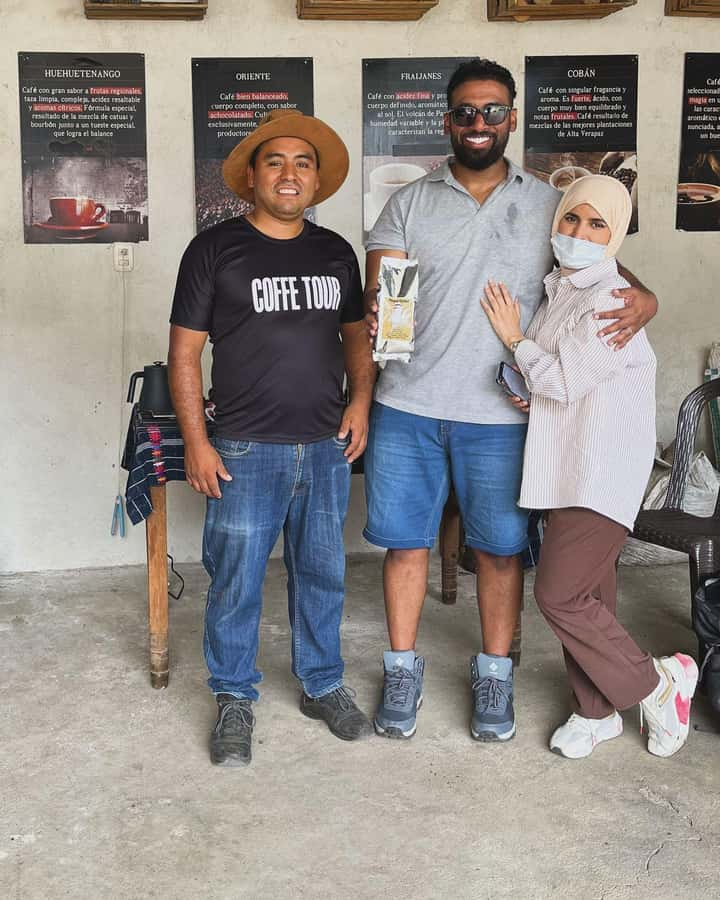
Baudilio leads the circuit in English or Spanish, and his wife is also part of the warm welcome at the farm. The family setting is one of the strongest reasons to choose this experience. You have room to ask questions and focus on the work in front of you instead of moving through a crowded attraction.
The farm has been passed down through generations, and the family grows, processes, packages, and roasts its own coffee for local distribution. That combination gives you a fuller picture of the business. You are not only seeing coffee plants. You are also learning how a small producer turns a crop into a product that can be sold.
I especially value the chance to discuss the price of the coffee industry from the grower’s side. A cup served in a café can seem simple, but the work begins long before brewing. Farmers must care for the plants, manage fertilization, deal with outdoor conditions, process the beans, and find a market for the finished coffee.
The tone is informal and practical. You can look closely, smell the coffee, ask questions, and take in the process with more than one sense. That makes the visit a good choice if you want local contact and a real working setting rather than a quick tasting counter.
Seeing how coffee plants are cared for
The farm visit explains the conditions coffee plants need and the daily care required to keep them productive. You learn how coffee is grown, how plants are treated, and which fertilization processes growers use.
The tour does not present coffee as a single step between plant and cup. Instead, it follows the chain from cultivation to processing. That helps you understand why the quality of a final brew depends on decisions made in the field.
You can expect the guide to explain the work of small producers and their families. This is a useful part of the visit because coffee farming is often presented as a scenic backdrop, while the labor remains invisible. Here, the effort is part of the central story.
The tour also introduces Guatemala’s eight coffee regions. The point is not simply to memorize names. It is to understand that coffee from different parts of the country can reflect different growing conditions and local traditions. The activity connects Guatemala’s reputation for coffee with the people and places responsible for it.
Because this is a farm visit, the experience is partly outdoors and may involve walking. Anyone who dislikes sun, insects, or uneven paths should think carefully before booking. People with insect allergies are specifically listed as unsuitable for the activity.
From coffee plant to processed bean
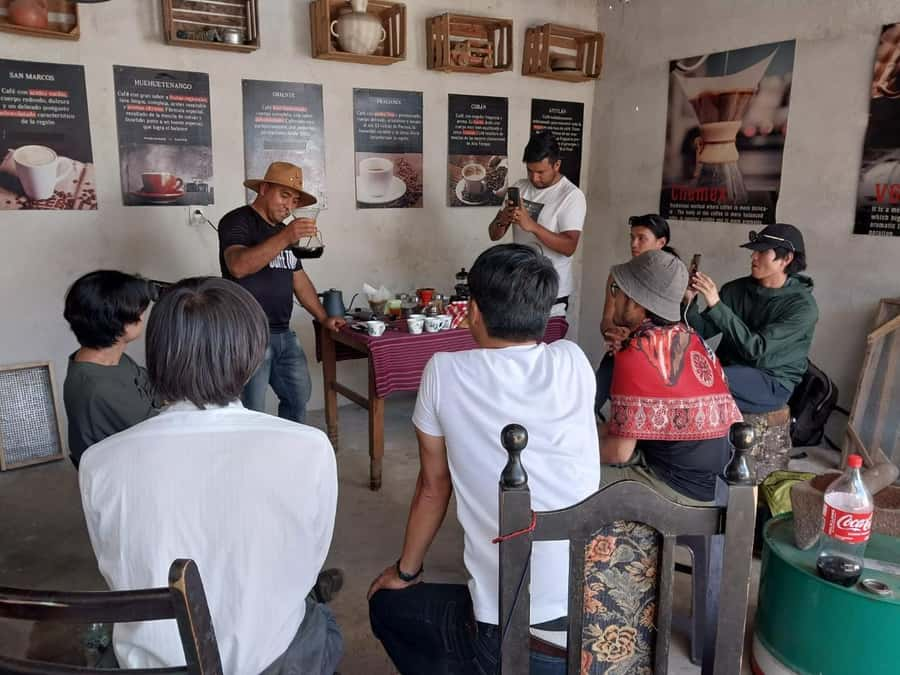
After discussing the plants, the visit turns to what happens after harvesting. You learn about coffee processing and how growers prepare the crop for the next stages.
The available information does not promise a demonstration of every machine or method, so you should not expect a large industrial production show. The strength is the explanation of the complete process in a small family setting. Baudilio’s role is to connect the practical steps and show how they fit together.
This is where the activity becomes more useful than a standard coffee tasting. You are not asked to judge a drink without context. You first learn why the beans matter, how growers handle them, and how much work comes before roasting.
The family also roasts and packages its own coffee. That gives you a chance to see the link between farming and selling. You may buy pounds of coffee after the visit, but coffee purchases are not included in the $55 price. Extra drinks and food are also separate.
Bring cash if you think you will want to take coffee home. The activity includes the tasting, but it does not include packaged coffee or additional refreshments.
More Farm Tours in the world:
- Half-Day Thai Cooking Class at Organic Farm in Chiang Mai
★ 5.0 · 19,087 reviews - Florence Pizza or Pasta Class with Gelato Making at a Tuscan Farm
★ 5.0 · 6,801 reviews - Cooking Class and Lunch at a Tuscan Farmhouse with Local Market Tour from Florence
★ 5.0 · 4,831 reviews - Chiang Mai: Authentic Cooking Class with Market & Farm Visit
★ 4.9 · 4,546 reviews
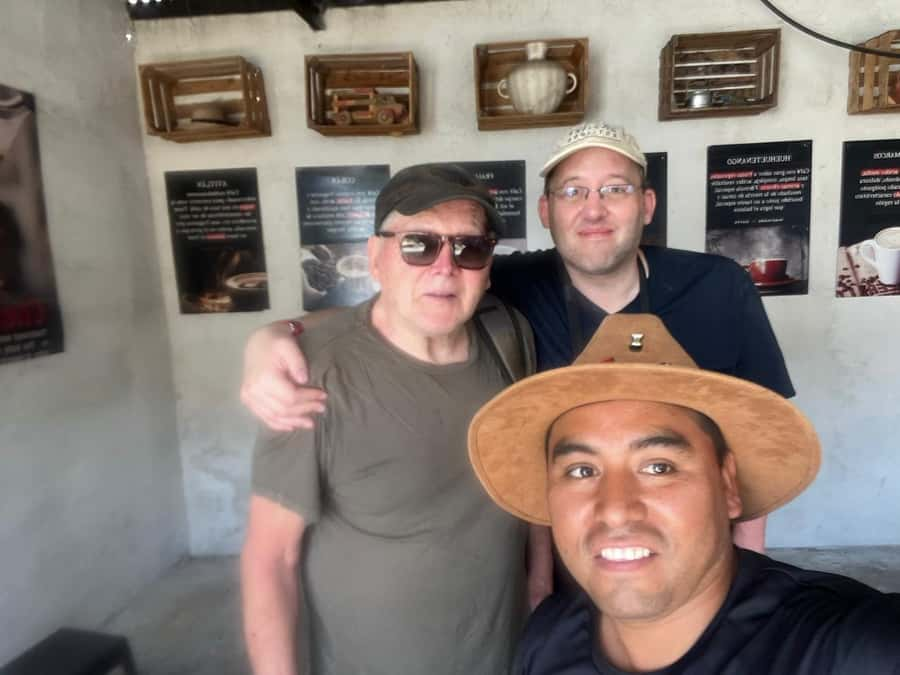
Tasting two coffees after the farm walk
The tasting comes at the right point in the experience. Once you have seen the plants and heard about cultivation and processing, you can pay closer attention to what is in the cup.
The farm serves two types of coffee for comparison. You can taste them and consider how they differ, while asking questions about the coffee you have just seen being prepared and sold.
This is not described as a formal professional tasting, so you do not need special coffee vocabulary. The appeal is direct comparison and local context. If you normally drink coffee without thinking about origin or processing, this gives you a simple way to notice more.
I like that the tasting is included rather than treated as an optional add-on. It completes the visit and gives the farm’s work a clear result. You see the crop, hear about the production, and then taste the finished drink.
Coffee enthusiasts will probably want to buy a bag or several pounds afterward. The important practical point is that these purchases cost extra, so plan your spending before you arrive.
What the $55 price covers
At $55 per person, the price is reasonable if you value transportation and a personal farm visit. The fee includes pickup from Antigua, transportation, a live guide, the farm experience, and a coffee tasting.
That bundled price saves you from arranging transport to Ciudad Vieja and back. It also gives you access to a family operation that would be difficult to understand through a café stop alone.
The value is less convincing if you only want a quick cup of coffee or a short photo stop. A large part of the activity is listening, walking, asking questions, and learning about farming. You are paying for time with a local family and for the explanation behind the product.
For someone interested in agriculture, ethical buying, food production, or Guatemalan culture, the cost feels easier to justify. You are also supporting a small producer by spending time at the farm and having the option to buy coffee directly.
Food, extra drinks, and pounds of coffee are not included. Keep a little cash with you for those possible purchases.
Why Ciudad Vieja adds value
Ciudad Vieja gives the experience a local setting outside Antigua’s well-known center. The town is not just a pickup point. You spend time connecting with people there and learning about coffee in the place where the family works.
The visit includes guided sightseeing and walking for about 105 minutes. The focus remains coffee, but the community setting adds context. You are not being shown an isolated product removed from everyday life.
This is also a good way to spend part of a morning or afternoon if you want a break from churches, plazas, and colonial streets. The farm offers a different view of the area, based on work, family, and agriculture.
Do not expect a full-day cultural program. The activity has a focused purpose and a short duration. You will learn about coffee and meet local people, but the schedule is not designed to cover every part of Ciudad Vieja.
Who will enjoy this experience most
I would choose this outing if you want to understand how coffee reaches your cup and prefer a small family setting to a large commercial attraction. It suits coffee drinkers, food lovers, photographers, and anyone curious about the work behind a major Guatemalan export.
It also works well for people who want a personal activity near Antigua without committing to a full-day excursion. The three-hour length leaves room for other plans.
Families with older children may find the farming and tasting format interesting, but babies under one year are listed as unsuitable. The activity is also not suitable for people over 70 or over 95 according to the supplied age restrictions. Since those two limits conflict, older participants should confirm the current policy before booking.
People with insect allergies should not choose this activity. You will be in an outdoor agricultural setting, and the operator specifically lists insect allergies as a reason not to participate.
The tour is offered in English and Spanish. Some material may appear in its original language, so ask Baudilio to clarify anything important if you are not comfortable with the language being used.
Practical preparation for the farm
Your clothing will affect how much you enjoy the visit. Wear closed-toe shoes rather than sandals, and choose comfortable clothes suitable for walking outdoors.
Bring these items:
- A hat or cap
- Cash
- A charged smartphone
- Closed-toe shoes
- Comfortable clothing
Your phone is useful for photos and for staying reachable during pickup. Cash is useful for buying coffee or paying for extra food and drinks, since those are not part of the included package.
Alcohol and drugs are not allowed. The activity is built around a family farm visit, conversation, walking, and tasting coffee, so arrive ready for a calm, hands-on cultural experience.
Free cancellation is available up to 24 hours before the start for a full refund. You can also reserve now and pay later, which helps if you are still arranging your Antigua schedule.
Is this coffee farm experience worth booking?
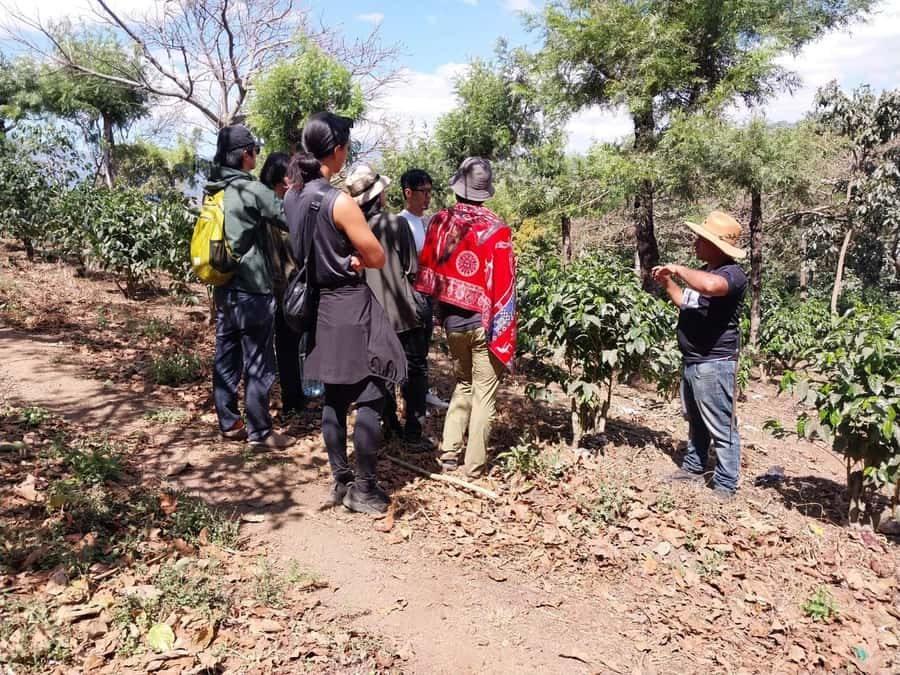
I would book this coffee farm experience if you want more than a tasting. Its best feature is the connection between the plant, the farmer, the processing work, and the final cup. Baudilio and his family provide a direct link to that process, and the included transportation makes the outing simple from Antigua.
Choose something else if you want a polished industrial tour, a long farm hike, or a full day of sightseeing. This is a focused three-hour visit, with outdoor walking and a family-run atmosphere.
For most coffee drinkers staying in Antigua, $55 is a fair price for pickup, guiding, a farm visit, and two coffee samples. Bring cash for a bag of coffee, wear proper shoes, and expect to leave with a better understanding of the work behind Guatemala’s daily brew.
FAQ
Where does the coffee farm experience take place?
The experience takes place in Ciudad Vieja, in Guatemala’s Sacatepéquez Department, with pickup and return in Antigua Guatemala.
How long does the experience last?
The experience lasts three hours. The guided visit, walking, and sightseeing portion takes about 105 minutes.
What is included in the price?
The price includes transportation, a guide, and a coffee tasting.
Are food and extra drinks included?
No. Extra drinks and food are not included.
Can I buy coffee at the farm?
Yes. Coffee purchases are possible, but pounds of coffee are not included in the tour price.
Which languages are available?
The live guide is available in English and Spanish. Some content may be presented in its original language.
What should I wear?
Wear comfortable clothes, a hat or cap, and closed-toe shoes suitable for an outdoor circuit.
What should I bring?
Bring cash and a charged smartphone, along with your hat or cap and closed-toe shoes.
Can I cancel for a full refund?
Yes. You can cancel up to 24 hours in advance for a full refund.
Who should not take this activity?
The activity is not suitable for babies under one year or people with insect allergies. The listed age restrictions also exclude people over 70 and people over 95, so older participants should confirm the current policy before booking.
Just added around the world
- ZANZIBAR, Stone town tour, Prison Island & Spice farm★ 5.0 · 11 reviews
- Zanzibar: Walking Spice Farm with Local Cooking Class★ 4.4 · 9 reviews
- Zanzibar:Jozani forest, Spice farm with Swahili Cuisine clas★ 4.2 · 3 reviews
- Zanzibar: Spice Farm Tour with Traditional Cooking Class★ 4.6 · 16 reviews
- Zanzibar: Stone Town City Tour and Spice Farm with Lunch★ 3.7 · 33 reviews
- Zanzibar: Spice farm tour with Zanzibar fruits tasting★ 3.8 · 7 reviews
- Zanzibar: Spice Farm Tour with Cooking lesson★ 4.5 · 4 reviews
- Zanzibar: Spice Farm Tour with Traditional Cooking Class★ 4.8 · 6 reviews
Coffee Farm Tours, compared.
Award Winning Farm Tour: Coffee, Chocolate and Unique Gifts
Read our review →
La Herradura Coffee Farm: tour in Europe’s only plantation
Read our review →
Small-Group Big Island Tour: Hawaii Volcanoes National Park and Kona Coffee Farm
Read our review →
Medellín Coffee Farm Tour with Trolley and Cable Car Ride
Read our review →
Private Cocora Valley, Salento & Coffee Farm Tour
Read our review →
Liamuiga Natural Farm Tour – St.Kitts’ Coffee Farm
Read our review →
Lists this farm appears in