

Reviewed · SPICE FARM TOURS
Zanzibar Spice Farm Half-Day Walking Tour
Zanzibar’s spices make the most sense when you see them growing. On this three-hour walking tour, you move through village farms and plantations, smell and sample what comes from the soil, and watch workers climb into spice trees. It is a close look at rural life, not just a stop at a shop.
I like two things here: the guide explains how spices are used, and the tour gives you fresh local fruit from the farm. I also like the included hotel pickup and drop-off, which saves you from arranging transport across Zanzibar City.
The main drawback is the shopping stop. The community spice shop can feel expensive, especially if you are buying several items, and the tour requires a moderate level of fitness. Dress conservatively and wear proper walking shoes.
Key points to know before booking
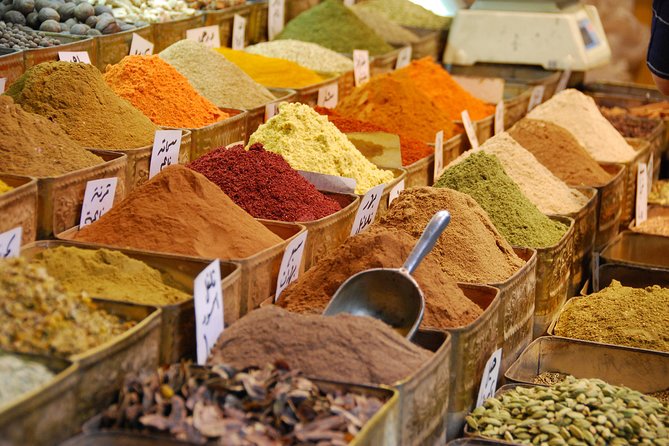
- See spices in the ground and on trees: You learn about cultivation rather than only looking at packaged spices.
- Hamamni Persian Baths adds Stone Town context: The historic bathhouse was built for Sultan Barghash bin Said between 1870 and 1888.
- Fresh fruit is part of the experience: You sample fruit from the local farms near the end of the walk.
- Private touring keeps the pace personal: Only your group takes part, with a professional guide who may speak more than one language.
- Cloves have a special place in the story: You learn that the government controls their sale and that cloves rank just below saffron in cost.
- Allow room for shopping: The spice store is useful for gifts, but prices may be higher than you expect.
Why a Zanzibar spice farm walk is worth your morning
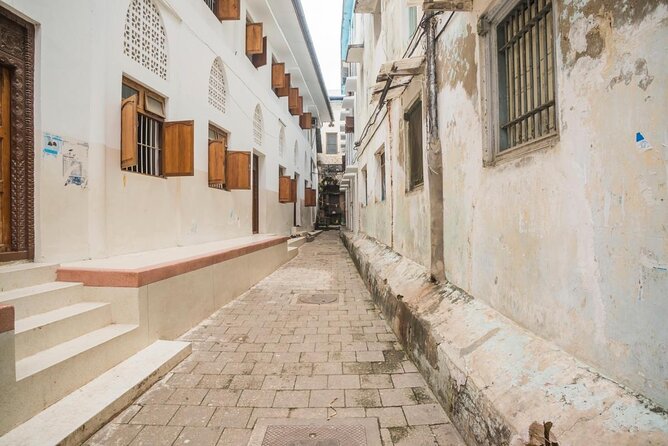
Zanzibar is often called the Spice Island, but that name can become just a slogan if you only see jars in a market. This tour gives the phrase some meaning. You walk through working farms, see fruit and spice cultivation, and connect familiar kitchen smells with the plants that produce them.
That matters because many spices look very different before they reach a packet. A guided walk lets you ask questions at the right moment. You can learn how a spice grows, how it is used, and why it has mattered to Zanzibar’s trade and culture.
I like this format for a short stay. Three hours is enough to add a rural outing without taking your whole day. You still have time for Stone Town, the beach, or a relaxed lunch afterward.
The tour is also private, so only your own group participates. That can make a difference when you want to stop for an explanation, ask about cooking, or keep the walk at a comfortable pace. The guide may be multilingual, but a specific guide name is not provided when booking, so you should not expect to choose your guide in advance.
More Spice Farm Tours in Zanzibar:
- Zanzibar: Prison Island, Stone Town, & Spice Farm Tour
★ 4.5 · 579 reviews - Full-Day Private Stone Town +Spice Farm and Prison Island Tour
★ 4.5 · 216 reviews - Zanzibar: Stone Town & Spice Farm Tour with Lunch
★ 4.5 · 97 reviews
Starting with Hamamni Persian Baths
The listed visit begins at Hamamni Persian Baths, in Stone Town’s historic Hamamni neighborhood. The building served as public baths from the late nineteenth century until 1920.
Sultan Barghash bin Said ordered the baths between 1870 and 1888. You have about 15 minutes here, and admission is included at no extra charge.
This is a brief introduction rather than a long museum visit. I see it as a useful bit of Stone Town context before heading toward the farms. The bathhouse links the tour to Zanzibar’s sultans, public life, and old urban neighborhoods, while the farm walk shows you a more rural side of the island.
Do not plan on spending a full morning at the baths. The stop is short, and the main focus remains the spice farms. If you want a detailed study of Stone Town architecture or the building’s rooms, this experience will not provide it.
Walking through farms instead of viewing spice jars
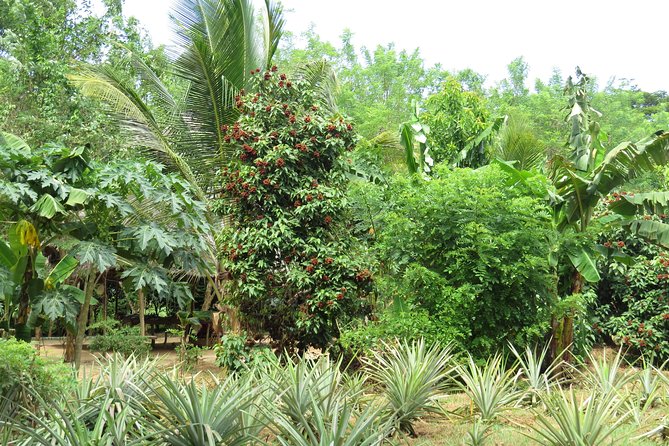
The heart of the outing is the walk through local farms and plantations. You see how spices and fruit are cultivated, and your guide explains what you are looking at as you go.
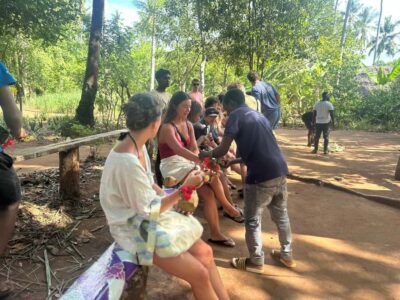
You may see workers climbing into spice trees, one of the more memorable details of the tour. It gives you a sense of the labor behind ingredients that usually arrive in a neat kitchen container. The farm setting also helps you understand how closely food production is tied to village life.
The walking format is important. You are not simply driven past fields and told that Zanzibar grows spices. You have time to look closely, smell samples, and ask questions. The tour is designed as an aromatic lesson in local agriculture, with the guide turning plants and trees into a story about daily life and trade.
Expect an outdoor experience rather than a polished attraction. Paths on working farms may be uneven, so good walking shoes are a sensible choice. The operator asks for a moderate level of physical fitness. That does not mean an extreme hike, but you should be comfortable walking for much of the three-hour outing.
The spice trade story, from cloves to saffron
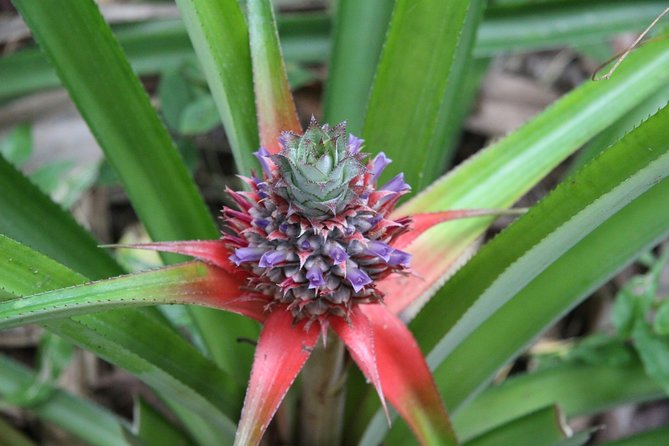
The history portion gives the walk a wider purpose. Zanzibar’s spices were not only useful household products. They were valuable trade goods, and cloves remain especially important to the island’s story.
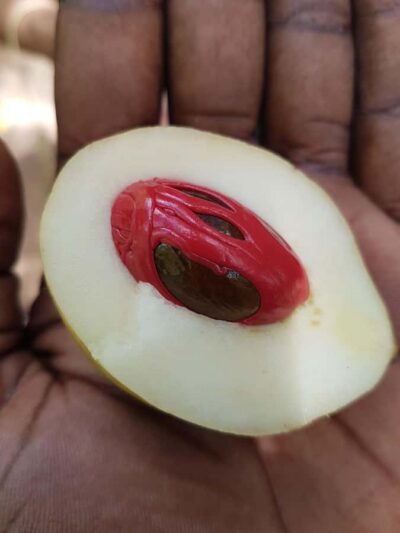
One specific point you may hear is that cloves are sold only through the government. The guide also explains that cloves are the most expensive spice after saffron. That detail helps show why a simple-looking dried bud can carry serious economic value.
I appreciate this kind of information because it moves the tour beyond scent and photographs. You learn that each spice has a place in farming, commerce, cooking, and local identity. The guide’s explanations are a major part of the experience, so this tour suits you best if you enjoy asking questions rather than rushing from one photo stop to the next.
The quality of the experience will depend partly on the guide assigned to your group. The guide is described as professional and well informed, but no individual name is given. A multilingual guide may operate the tour, which can help if your group needs another language.
More Half-Day Trips in Zanzibar:
- Half-Day Private Spice Tour in Kizimbani Farms, Zanzibar
★ 4.0 · 4 reviews - Zanzibar: Half-Day Spice Farm Tour,the flavours of Zanzibar
★ 4.7 · 3 reviews - Half-Day Thai Cooking Class at Organic Farm in Chiang Mai
★ 5.0 · 19,087 reviews - Half-Day Thoroughbred Horse Farm Tour in Kentucky
★ 5.0 · 1,924 reviews
Tasting fruit straight from the farm
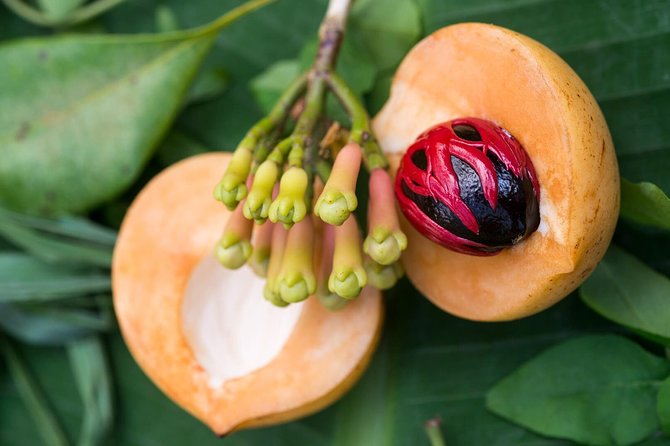
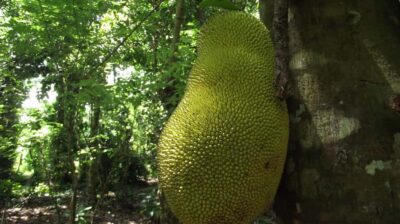
Near the end of the walk, you sample local fruit. This is a small part of the tour, but it gives the visit a pleasant finish and lets you taste the farm’s produce rather than only hearing about it.
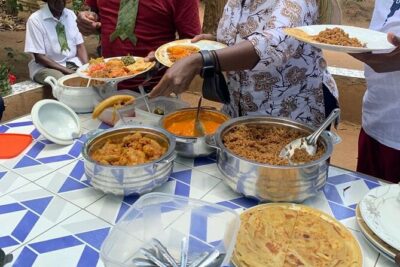
Food and drinks beyond this tasting are not included, so do not book the tour as a full meal. The fruit is a sample connected to the farm visit. If you need a substantial breakfast or lunch, plan that separately.
The tasting also balances the spice focus. Zanzibar’s farms are not only about cloves or other seasonings. Fruit cultivation is part of what you see, and eating a fresh sample makes that lesson more immediate.
I would keep your expectations sensible. The experience does not promise a cooking class, a market meal, or a long food tasting. Its value comes from seeing plants in their growing environment and getting a small taste of local produce.
The spice shop: useful, but price with care
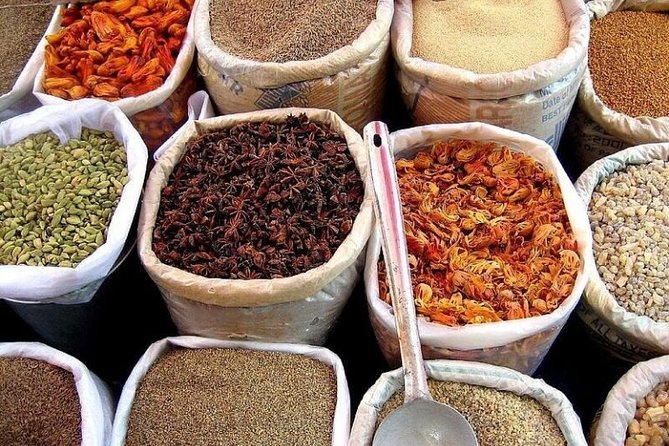
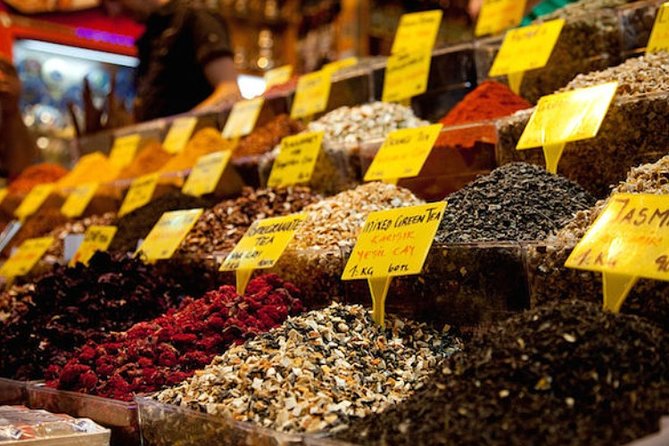
The tour includes time to shop for spices, which is handy if you want to take home cloves or other local products. You can compare what you have just seen growing with the packaged goods offered for sale.
Still, the community spice shop may feel expensive. One practical way to handle this is to decide before you arrive what you actually want. A few carefully chosen spices can make a good souvenir. Buying a large collection simply because the setting feels special can push the cost well beyond the tour price.
The higher price may also reflect the community setting and the convenience of buying directly during the visit. You may be comfortable paying more when you understand where the money goes, but you should not assume every item is the best bargain in Zanzibar.
This is one area where the tour is best approached with open eyes. Shopping is an option, not the main reason to book. The farm walk and the guide’s explanations should carry the experience even if you buy nothing.
What the $75 price includes
The cost is $75 per person. For a private, three-hour outing with hotel pickup and drop-off, a professional guide, a farm walk, cultural explanation, tastings, and a Stone Town stop, the price can be reasonable if you value convenience and personal attention.
You are paying for more than transportation. The guide helps you interpret what you see, and the private format means you do not share the experience with an unrelated group. Pickup and drop-off also remove the need to arrange a separate ride to the farms.
The value is weaker if you only want to buy spices cheaply. A shop visit alone would not justify this price. The cost makes more sense when you want to understand cultivation, hear about Zanzibar’s trade, and spend time in the countryside without solving the transport yourself.
Food and drinks are not included, and souvenir photographs cost extra if you want them. Keep those exclusions in mind when planning your total budget.
Morning or afternoon, which departure works best?
You can choose a morning or afternoon departure. The better choice depends on the rest of your Zanzibar plans, since the tour lasts about three hours and includes hotel transport.
A morning departure leaves your afternoon open for Stone Town or another activity. It may also suit you if you prefer to do outdoor walking earlier in the day. An afternoon departure can work well if you want a slower start, but you should check your schedule carefully so the tour does not crowd out dinner or another booked activity.
The available information does not promise a particular departure time, so confirm the exact pickup details when your booking is accepted. Confirmation is sent within 48 hours, subject to availability. That waiting period matters if your itinerary is tight.
Because pickup and drop-off are offered at Zanzibar hotels, give accurate accommodation details when booking. The experience is based in Zanzibar City, and the transport arrangement is part of its practical appeal.
Dress and footwear matter here
Dress conservatively. Women should cover their shoulders and wear long skirts or trousers. This advice fits the cultural setting and also makes the Stone Town portion more comfortable.
Good walking shoes are ideal. Sandals may be fine for some visitors, but the tour involves walking through farms, and the operator recommends shoes suited to a moderate physical effort.
You should also prepare for a tour that is partly outdoors and active. The supplied information does not give a detailed accessibility description, so anyone with mobility concerns should ask the provider before booking. Do not assume that farm paths will be smooth or fully accessible.
Who will enjoy this tour most?
I would recommend this experience to you if you want a short cultural outing with a clear local focus. It suits first-time visitors who want more than Stone Town streets, food-focused travelers curious about ingredients, and couples or families who prefer a private guide.
It is also a good fit if you appreciate context. The details about government-controlled cloves, spice prices, cultivation, and village life give the outing substance. You are not only collecting photographs of plants.
You may want to skip it if you dislike walking, have very limited time, or are mainly searching for the lowest possible spice prices. The experience is not a full-day plantation program, a cooking course, or a guaranteed bargain-shopping trip.
The private setup can be especially useful for small groups. You can ask questions at your own pace and avoid being tied to strangers. On the other hand, private touring costs more than joining a large shared group, and $75 per person may feel high if you are traveling alone.
Booking, cancellation, and practical details
The tour provider is ARP Travel Group. You can cancel for a full refund if you do so at least three full days before the experience begins, based on local time.
Cancellations made less than three full days before the start time are not refunded, and changes inside that period are not accepted. If your Zanzibar plans may shift, book only after your hotel and schedule are reasonably firm.
Pickup and drop-off are included, mobile tickets are accepted, and only your own group takes part. Food, drinks, and souvenir photos are extra.
Should you book the Zanzibar spice farm tour?
Book it if you want to connect Zanzibar’s famous spices with real farms, local work, and the island’s trade story. The strongest parts are the guided explanations, the chance to see workers in the spice trees, the fresh fruit tasting, and the ease of private hotel transport.
The main cautions are the walking, conservative dress requirements, and the potentially expensive spice shop. I would treat the shop as an optional finish, not as proof of the tour’s value.
For a three-hour introduction to Zanzibar’s rural side, the $75 price is fair when private transport and a guide matter to you. If your priority is bargain shopping or a long plantation visit, choose something else. If you want a compact, personal look at how Zanzibar’s spices grow and why they matter, this is a sensible booking.
FAQ
How long does the Zanzibar spice farm tour last?
The tour lasts approximately three hours.
Is hotel pickup and drop-off included?
Yes. Hotel pickup and drop-off in Zanzibar are included.
Is the tour private?
Yes. Only your group participates in this private activity.
What does the tour include?
It includes a professional guide, hotel pickup and drop-off, a walking tour of spice farms, information about Zanzibar’s history and culture, and opportunities to sample spices and local fruit.
Are food and drinks included?
No. Food and drinks are not included, although local fruit is sampled during the farm experience.
What should women wear on the tour?
Women should cover their shoulders and wear long skirts or trousers. Visitors should dress conservatively.
Can I cancel for a full refund?
Yes, if you cancel at least three full days before the experience start time. Cancellations made less than three full days in advance are not refunded.
Just added around Zanzibar
- Zanzibar: Walking Spice Farm with Local Cooking Class★ 4.4 · 9 reviews
- ZANZIBAR, Stone town tour, Prison Island & Spice farm★ 5.0 · 11 reviews
- Zanzibar: Spice Farm Tour with Traditional Cooking Class★ 4.6 · 16 reviews
- Zanzibar: Stone Town City Tour and Spice Farm with Lunch★ 3.7 · 33 reviews
- Zanzibar: Spice farm tour with Zanzibar fruits tasting★ 3.8 · 7 reviews
- Zanzibar: Spice Farm Tour with Cooking lesson★ 4.5 · 4 reviews
- Zanzibar: Spice Farm Tour with Traditional Cooking Class★ 4.8 · 6 reviews
- Zanzibar: Spice Farm Tour & Stone Town Adventure★ 4.6 · 48 reviews
Spice Farm Tours, compared.

Full-Day Private Stone Town +Spice Farm and Prison Island Tour
Read our review →
Stone Town & Spice Farm Private Tour Lunch Included
Read our review →Zanzibar full day Jozani forest + Spice farm and stone town
Read our review →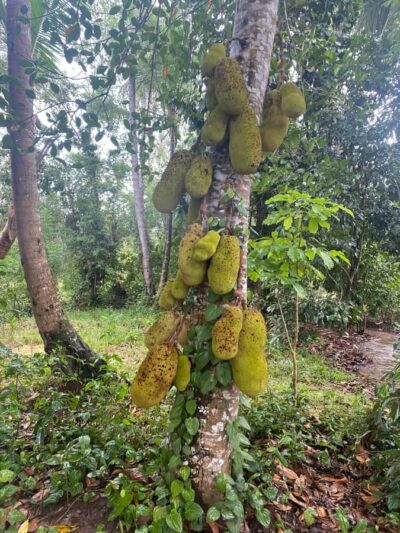
STONE TOWN, PRISON ISLAND AND SPICE FARM ( Lunch included )
Read our review →Lists this farm appears in