
Reviewed · SPICE FARM TOURS
Stone Town and Spice Farm Private Tour
Stone Town and a working spice farm show you two very different sides of Zanzibar in one half-day. You move from narrow streets, old trading buildings, and difficult history to cloves, vanilla, coconut, fruit, and traditional songs. That contrast is the real appeal.
I like the private vehicle and hotel pickup, which make this easier than arranging two separate outings. I also like the mix of serious history and hands-on farm activities: the former slave market and Anglican Cathedral carry weight, while the spice farm gives you plenty to smell, taste, and see.
The main caution is practical. One previous booking noted that the vehicle seat belts were not working and that no water was supplied. Bring your own drinking water and sunscreen, and check the vehicle before setting off.
Key points to know before booking

- Two major Zanzibar experiences in one day: Stone Town sightseeing comes first, followed by a spice-farm visit.
- A private tour for your group: You do not share the activity with other groups.
- Stone Town includes major landmarks: The route can cover the Anglican Cathedral, Old Fort, House of Wonders, Palace Museum, Hamamni Baths, Catholic Cathedral, Freddie Mercury House, and Darajani Market.
- The spice farm is hands-on: You can smell and taste cloves, cinnamon, vanilla, turmeric, cardamom, nutmeg, and other crops.
- Fruit and coconut demonstrations are included: Expect fresh fruit, coconut juice, and a traditional coconut-tree climbing display.
- Budget for one Stone Town entrance fee: The Anglican Cathedral and former slave market cost $5 and are not included.
Why this pairing works so well
If you have only one free half-day in Zanzibar City, this tour gives you a useful first look at the island. Stone Town explains how Zanzibar became an important trading center, while the spice farm shows the plants and products that helped give the island its famous nickname.
The experience lasts about five to six hours. That is enough time for roughly two hours in Stone Town and two hours at the farm, with the remaining time used for transport and transitions. The private format should make the day easier to shape around your group, though the exact pace depends on your pickup location and how long you spend at each sight.
I especially like the change of mood. The city portion asks you to look closely at old doors, tight lanes, religious buildings, and sites connected to slavery. The farm portion is lighter and more sensory. You smell crushed leaves, taste fruit, and see how familiar kitchen spices grow.
This is not just a checklist of landmarks. It gives you some context for Zanzibar’s past and then puts you among the crops that remain part of its identity.
More Spice Farm Tours in Zanzibar:
- Zanzibar: Prison Island, Stone Town, & Spice Farm Tour
★ 4.5 · 579 reviews - Full-Day Private Stone Town +Spice Farm and Prison Island Tour
★ 4.5 · 216 reviews - Zanzibar: Stone Town & Spice Farm Tour with Lunch
★ 4.5 · 97 reviews
Entering Stone Town through narrow streets and old trading quarters
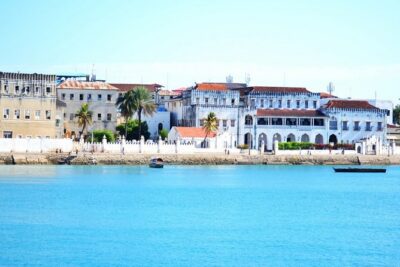
Stone Town is best appreciated on foot, and the narrow streets are a major part of the experience. Buildings crowd close together, with passages that can feel more like corridors than roads. Your guide leads you through the old city and explains how it functioned as a trading center in East Africa.
The route includes several important sites, but you should not expect a long indoor visit at every one. The Stone Town portion lasts about two hours, so the focus is likely on orientation, exterior views, short stops, and selected entrances.
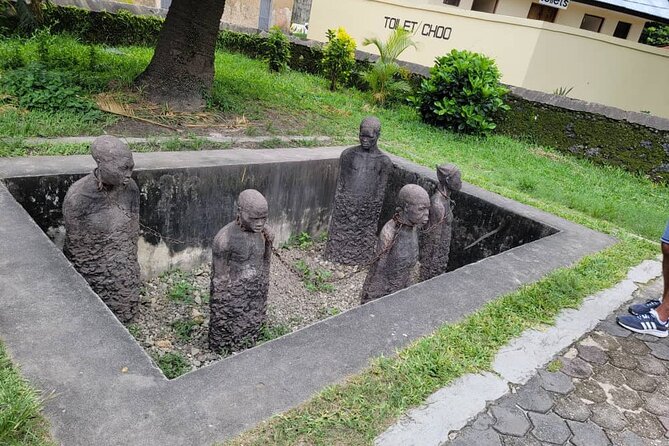
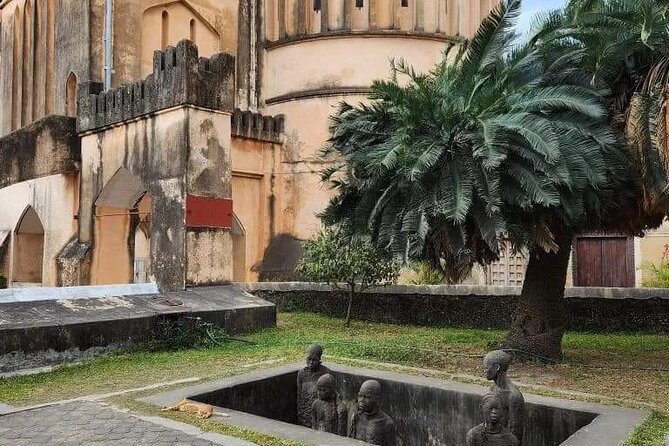
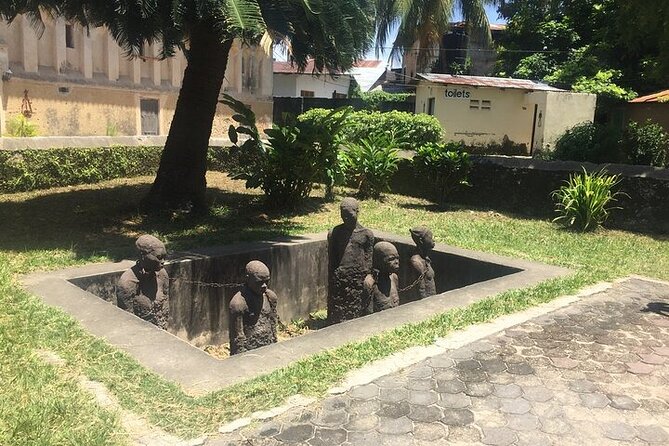
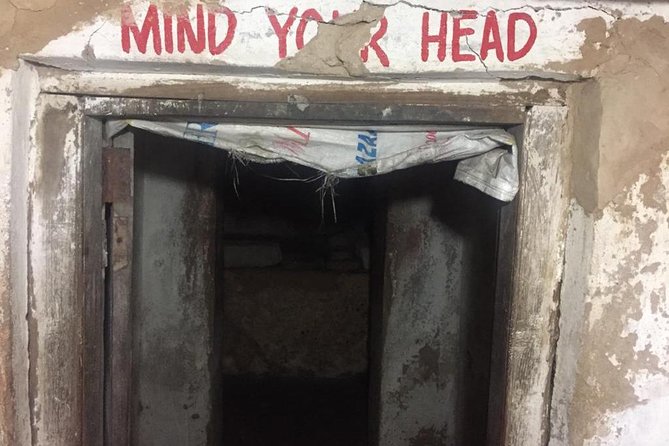
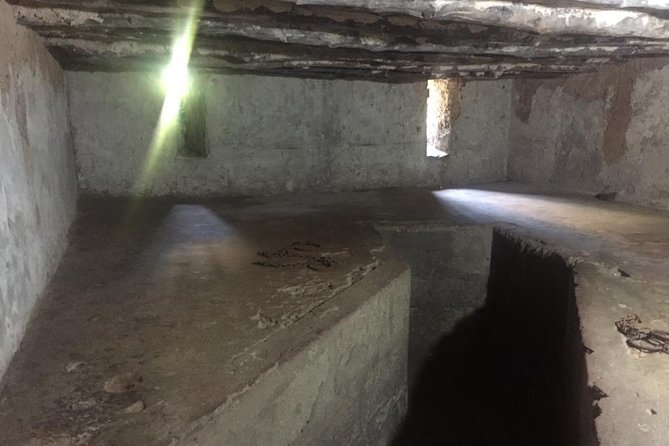
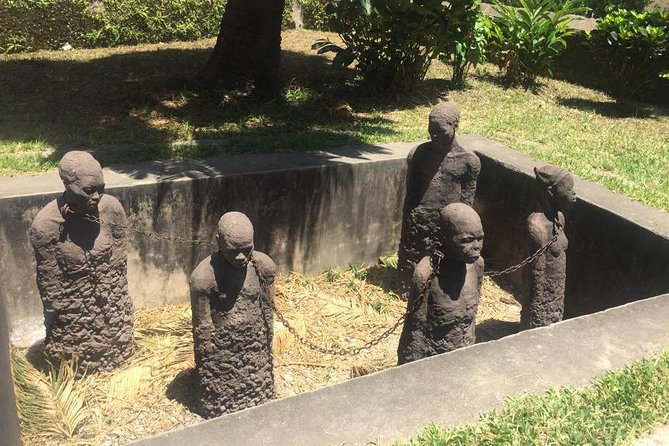
The Anglican Cathedral and former slave market are the most important stop for understanding the city’s painful past. The cathedral was built on the site of the former slave market. Entry costs $5 and is not part of the tour price, so carry a little extra money if you want to go inside.
This stop can be sobering. Give it the attention it deserves rather than rushing through it for photographs. The site connects Zanzibar’s trade history to the human cost behind it, and it adds meaning to the streets and buildings you see afterward.
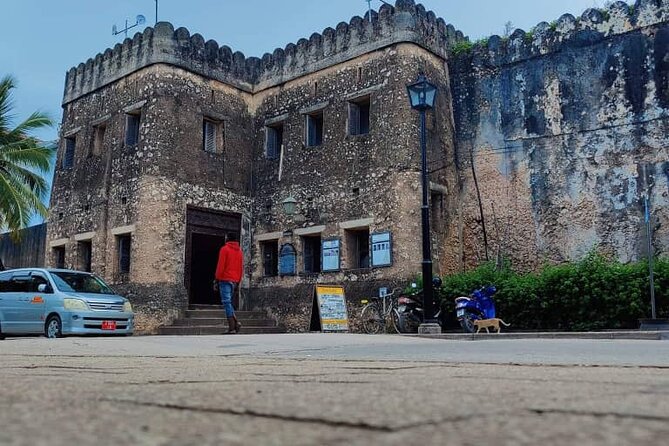
The Old Fort offers another look at Zanzibar’s defensive and trading past. The House of Wonders, identified as the National Museum in Zanzibar, and the Palace Museum add more context about the island’s rulers, culture, and public life. The information supplied for this tour does not promise admission to those museums, so ask your guide which stops are exterior visits and which require an extra ticket.
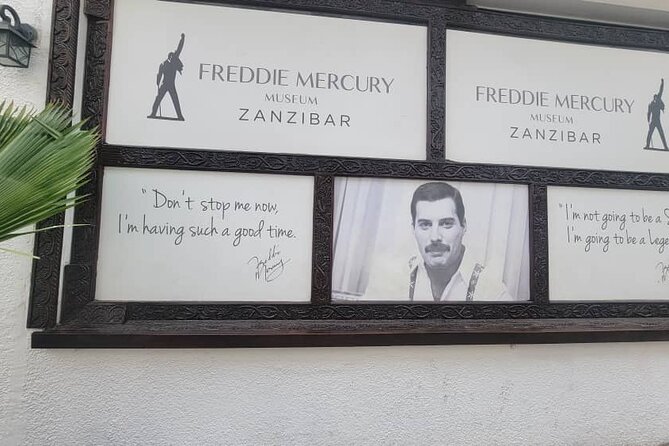
You may also see the Hamamni Baths, the Catholic Cathedral, Freddie Mercury House, and Darajani Market. These stops give the walk variety. You are not looking only at government buildings or monuments. You are also seeing religious sites, a market, a famous former resident’s home, and the everyday shape of the old city.
What each Stone Town stop adds
Here is how I would think about the city route:
- Anglican Cathedral and former slave market: The most emotionally serious stop, with a $5 entrance fee.
- Old Fort: A reminder of Zanzibar’s strategic and trading role.
- House of Wonders: A museum stop connected to Zanzibar’s national story, though admission details are not included.
- Palace Museum: Useful for understanding the island’s royal past.
- Hamamni Baths: A glimpse of old public life and city services.
- Catholic Cathedral: Adds religious and architectural variety.
- Freddie Mercury House: A brief connection to a well-known modern figure associated with Zanzibar.
- Darajani Market: A chance to see the commercial side of Stone Town rather than only its monuments.
The city’s architecture is part of the pleasure. Look up as you walk. The buildings and narrow lanes are the main setting, not just the spaces between formal attractions.
You should wear comfortable shoes and expect sun. The tour includes transportation, but the historic core is explored by walking. Sunscreen is not included, so pack it before pickup.
From history to spice at Big Body With Tatata Spice Farm
After Stone Town, the tour moves to Big Body With Tatata Spice Farm. This changes the pace completely. Instead of moving through masonry and crowded lanes, you spend about two hours learning about plants, herbs, and tropical fruit.
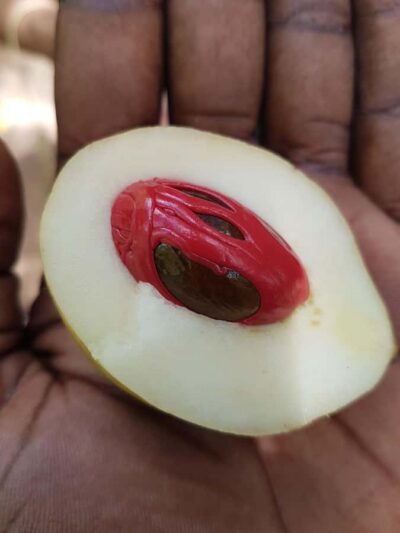
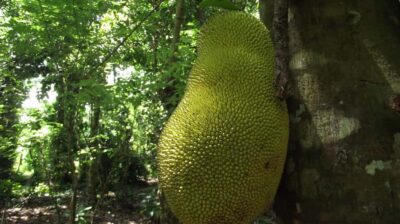
Zanzibar is often called the Spice Island, and this visit gives that nickname some meaning. You can learn about cloves, lemongrass, nutmeg, cinnamon, turmeric, vanilla, coconut, papaya, chili, black pepper, jackfruit, cardamom, and cassava, along with other crops grown at the farm.
The best part is the sensory angle. You are not simply being told that Zanzibar produces spices. You can smell and taste them. That makes the visit especially useful if you enjoy food, cooking, gardens, or photography.
The farm also helps you connect common pantry ingredients to their source. Cinnamon, vanilla, turmeric, cloves, and black pepper are familiar at home, but seeing them as plants gives you a clearer sense of what they look like before processing.
The exact amount of hands-on activity can vary, but the tour description specifically promises opportunities to explore, smell, and taste the spices, herbs, and fruit. You can expect the guide to introduce the crops and explain what is available on the farm.
More Farm Tours in Zanzibar:
- Zanzibar:Stone Town & Spice Farm Private Tour Lunch Included
★ 4.2 · 94 reviews - Zanzibar full day Jozani forest + Spice farm and stone town
★ 4.7 · 90 reviews - Zanzibar: Spice Farm Tour with Traditional Cooking Lesson
★ 4.8 · 77 reviews - A Private Full Day Tour To Stone Town & Spice Farm
★ 5.0 · 53 reviews
Coconut climbing, fruit, and a lighter finish
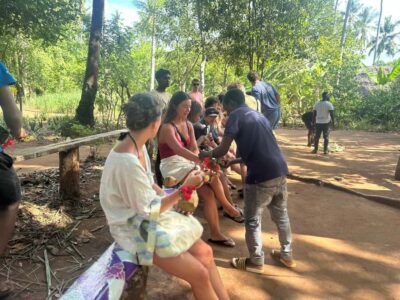
A highlight of the farm visit is watching someone climb a coconut tree while singing traditional songs, including Jambo Bwana. It is a distinctly local performance and gives the stop more energy than a standard garden walk.
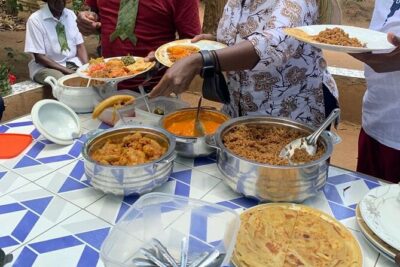
You then get fresh fruit and coconut juice. The included snacks can include banana, watermelon, pineapple, coconut, mango, and other fruit. The fruit is a welcome benefit, especially after walking through Stone Town and spending time outdoors.
The food element also improves the value of the farm visit. You are not paying only for an explanation of crops. The experience includes tastes, smells, and a small refreshment break. Still, bring your own water. One booking specifically noted that water was not supplied, and the tour’s inclusions mention fruit snacks but do not promise bottled water.
The private vehicle and pickup arrangement
Private transportation is one of the strongest practical features here. Your group receives hotel pickup and drop-off in an air-conditioned vehicle, and only your group participates in the activity.
That matters if you are traveling as a couple, family, or small party. You avoid waiting for a large group at every stop, and you have a better chance of asking questions or adjusting the pace. Group discounts are also offered, so the per-person cost may become more attractive as your party grows.
Pickup is offered, but the supplied details do not specify every hotel or the exact transfer time. One booking was made from Melia Zanzibar, a beach hotel described as about an hour away, so distance from Stone Town can affect how much of the day is spent in the vehicle. Confirm your pickup point before the tour and allow enough time for the transfer.
The transport feedback is mixed. The guide and driver were described positively in one account, but the same account raised concerns about nonworking seat belts and no water. I would ask about seat belts when the vehicle arrives. If anything seems unsafe, raise it immediately.
Is $59.99 a good price?
At $59.99 per person, the price is reasonable if you value convenience and want both major activities in one booking. You receive private transportation, hotel pickup and drop-off, an air-conditioned vehicle, the guide-led city visit, the spice-farm visit, and fruit snacks.
The private format is the key value point. A cheaper shared outing might cost less, but it could give you less control over timing and more waiting. Here, your group gets a dedicated experience and avoids organizing separate transport between Stone Town and the farm.
There are still extra costs to plan for. The Anglican Cathedral and former slave market entrance is $5. Sunscreen is not provided, and bottled water is not listed as included. The tour description does not list entry fees for the House of Wonders or Palace Museum, so ask before assuming those interiors are part of the price.
For a solo visitor, $59.99 may feel less of a bargain than it does for a couple or family. For two or more people, the combination of private transport and two attractions makes more sense, especially if your hotel is outside central Stone Town.
The tour has an overall rating of 4.3 from 11 reviews. That is a positive signal, but the small number means you should pay attention to the practical cautions rather than treating the score as a guarantee.
Who will enjoy this tour most
I would recommend this experience to you if you want a broad first look at Zanzibar rather than spending a full day on one subject. It suits couples, families, and small groups who prefer a private vehicle and a clear half-day plan.
It is also a good match if you enjoy a balance of serious cultural sites and easy outdoor activities. Stone Town can feel intense because of its history, while the farm offers a more relaxed finish with fruit and music.
Food lovers and gardeners should particularly enjoy the spice farm. You will have a chance to connect familiar ingredients with their plants and see tropical fruit growing in its island setting.
The tour may be less suitable if you want long museum visits. The Stone Town section is about two hours and includes many possible sights, so the emphasis is likely on seeing a range of places rather than spending a great deal of time inside each museum or cathedral.
It may also be a poor fit if you dislike walking, heat, or outdoor farm conditions. The vehicle handles the transfers, but Stone Town is experienced on foot and the farm is not an air-conditioned attraction.
Simple ways to prepare
Pack light, but bring the basics:
- Drinking water
- Sunscreen
- Comfortable walking shoes
- Sun protection
- A small amount of cash for the $5 Anglican Cathedral and former slave market entrance
- A camera or phone for architecture, market scenes, spices, and fruit
You do not need to arrange separate transport between the city and farm. Hotel pickup and drop-off are included, along with private transportation.
Confirmation is provided at booking, and most people can participate. Since this is a private activity, your own group takes part rather than joining a larger group.
The cancellation policy is flexible if your plans change. You can receive a full refund by canceling at least 24 hours before the start time. Changes or cancellations inside 24 hours are not accepted for a refund.
Should you book Stone Town and Spice Farm Private Tour?
Book it if you want two of Zanzibar’s best-known activities in one manageable outing, especially if private pickup, an air-conditioned vehicle, and a dedicated group arrangement matter to you.
The strongest parts are the pairing of Stone Town’s difficult history with the spice farm’s smells, tastes, fruit, and coconut-tree performance. The main weaknesses are the extra $5 entrance fee, the possibility of a long transfer from a beach hotel, and the reported seat-belt and water problems.
Before departure, confirm the pickup point, ask about vehicle seat belts, and bring water and sunscreen. If those details are handled, this is a practical choice for a first visit to Zanzibar City and a good way to see more than either Stone Town or a spice farm alone.
FAQ
How long does the Stone Town and Spice Farm Private Tour last?
The experience lasts approximately five to six hours.
Is hotel pickup included?
Yes. Hotel pickup and drop-off are included, along with private transportation.
Is this a private activity?
Yes. Only your group participates in the tour.
What places can I see in Stone Town?
The route includes the Anglican Cathedral and former slave market, House of Wonders, Palace Museum, Old Fort, Hamamni Baths, Catholic Cathedral, Freddie Mercury House, Darajani Market, and other Stone Town sights.
Is the former slave market entrance included?
No. The Old Slave Market and Anglican Cathedral entrance costs $5 and is not included.
What happens at the spice farm?
You learn about and explore spices, herbs, and tropical fruit, with opportunities to smell and taste items such as cloves, cinnamon, turmeric, vanilla, black pepper, cardamom, coconut, and others.
Are food and drinks included?
Fruit snacks are included, such as banana, watermelon, pineapple, coconut, and other fruit. Coconut juice is also mentioned. Bottled water is not listed as included.
Can I cancel for a full refund?
Yes. You can cancel at least 24 hours before the local start time for a full refund. Cancellations or changes made within 24 hours are not refunded or accepted.
Just added around Zanzibar
- Zanzibar: Walking Spice Farm with Local Cooking Class★ 4.4 · 9 reviews
- ZANZIBAR, Stone town tour, Prison Island & Spice farm★ 5.0 · 11 reviews
- Zanzibar: Spice Farm Tour with Traditional Cooking Class★ 4.6 · 16 reviews
- Zanzibar: Stone Town City Tour and Spice Farm with Lunch★ 3.7 · 33 reviews
- Zanzibar: Spice farm tour with Zanzibar fruits tasting★ 3.8 · 7 reviews
- Zanzibar: Spice Farm Tour with Cooking lesson★ 4.5 · 4 reviews
- Zanzibar: Spice Farm Tour with Traditional Cooking Class★ 4.8 · 6 reviews
- Zanzibar: Spice Farm Tour with Traditional Cooking Class★ 5.0 · 2 reviews
Spice Farm Tours, compared.
Full-Day Private Stone Town +Spice Farm and Prison Island Tour
Read our review →
Stone Town & Spice Farm Private Tour Lunch Included
Read our review →Zanzibar full day Jozani forest + Spice farm and stone town
Read our review →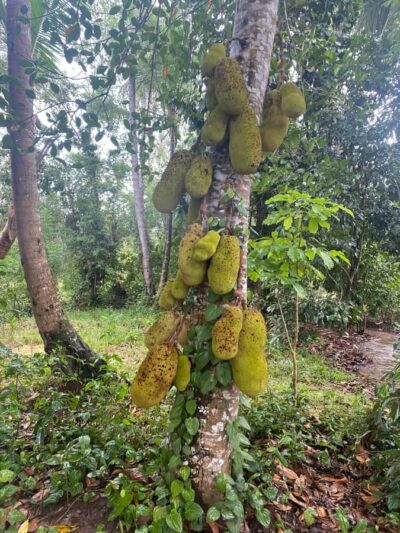
STONE TOWN, PRISON ISLAND AND SPICE FARM ( Lunch included )
Read our review →Lists this farm appears in