
Reviewed · SPICE FARM TOURS
Private Zanzibar Spice Farm Tour
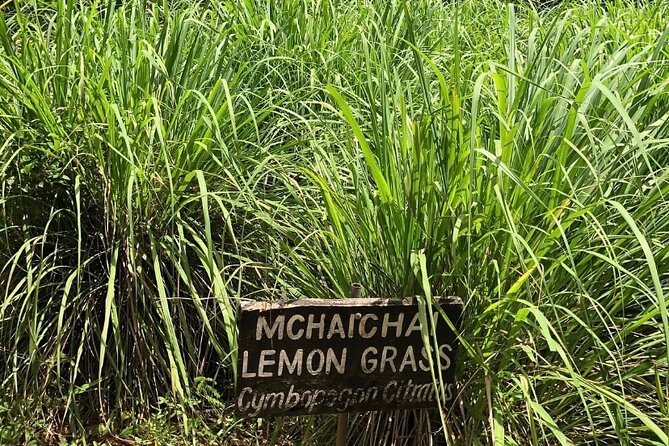
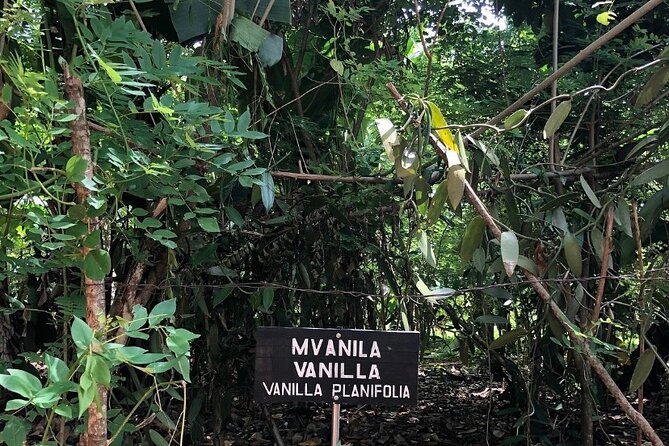
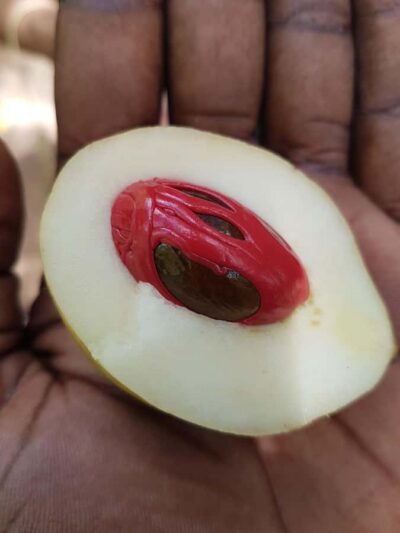
Zanzibar’s spice story begins in the soil, not on a souvenir shelf. At Jambo Spice Farm, you can see cinnamon, cardamom, nutmeg, vanilla, black pepper, Indian almonds, and other plants in the places where they grow. You’ll smell and taste them fresh, then connect the farm to Zanzibar’s long ties with Oman and the sultanate that helped make the island famous for cloves and other spices.
I like two things right away: the tour is private, so your guide can adjust the pace and answer your questions, and round-trip transport from Stone Town is included. Guides such as Alfa, Abdul, and Khalfan are described as lively, clear English speakers who make the learning hands-on with tasting and guessing games. The main drawback is the pickup limit: beach hotels require an extra $45 for a round trip, and lunch costs another $12 in cash.
Key points to know before booking

- Fresh tasting is central: You can smell and taste spices and seasonal fruit directly from the plants and trees.
- The tour lasts about two to three hours: The farm portion itself is listed at about two hours, making this an easy half-day outing.
- Stone Town pickup is included: Hotel pickup, private transport, waiting time, bottled water, admission, and a certified farm guide are covered.
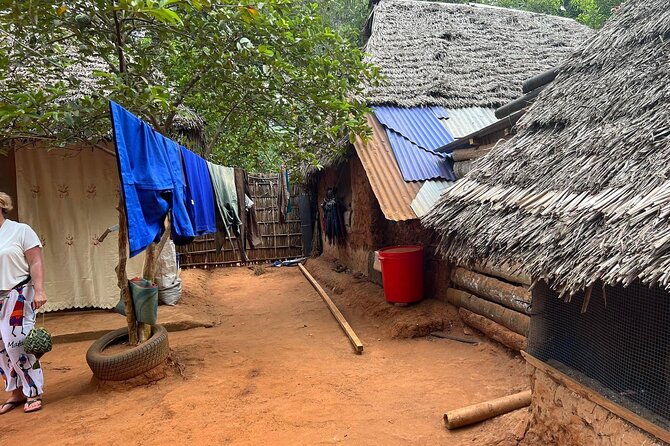
- The village setting adds local context: You may see old traditional houses where people still live, not only rows of planted spices.
- Guides shape the experience: Alfa, Abdul, Khalfan, and a French-speaking guide called Watermelon are named in the available feedback.
- Beach hotel transport costs extra: Expect a $45 round-trip taxi charge if you are staying outside the Stone Town area.
Why Zanzibar is called Spice Island
The nickname is not just a marketing line. Zanzibar has produced and traded spices since at least the 18th century, when the sultanate of Oman controlled the island. Cloves, cinnamon, nutmeg, peppers, cardamom, and vanilla became part of the island’s economy, cooking, and daily life.
That background gives the tour more weight than a simple garden visit. You are not only learning the name of a plant. You are seeing how the island’s past connects to ingredients used in Zanzibari homes today.
I find this especially useful if you have already walked around Stone Town. The old city can make Zanzibar’s Arab, African, and Indian Ocean connections visible through buildings and streets. The spice farm adds another piece of the story by showing the crops that helped make the island important.
Your guide explains the plants from the soil and roots up through the stems, branches, and fruit. The level of detail can change with your questions, which is one advantage of booking a private outing rather than joining a large group with a fixed script.
More Spice Farm Tours in Zanzibar:
- Zanzibar: Prison Island, Stone Town, & Spice Farm Tour
★ 4.5 · 579 reviews - Full-Day Private Stone Town +Spice Farm and Prison Island Tour
★ 4.5 · 216 reviews - Zanzibar: Stone Town & Spice Farm Tour with Lunch
★ 4.5 · 97 reviews
At Jambo Spice Farm, the plants become the lesson
The main stop is Jambo Spice Farm, where the visit takes place among growing plants rather than behind glass or inside a museum. You can expect to move from one spice to another while your guide explains how each one grows and how it is used.
Cinnamon is a good example of why the visit works better in person. In a kitchen, you usually see only the dried stick. At the farm, you can learn about its plant and smell the fresh material before it becomes the familiar spice in your cupboard.
The same applies to cardamom, nutmeg, vanilla, and black pepper. Their dried or packaged forms are familiar, but their living plants are not. The guide’s job is to connect the plant to the final ingredient, using scent, touch, and taste where appropriate.
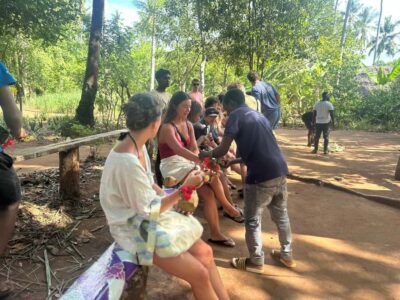
This sensory approach is one of the strongest parts of the outing. A guessing game involving different spices has been used to make the explanations more playful. It gives children and adults something to do while the information sinks in.
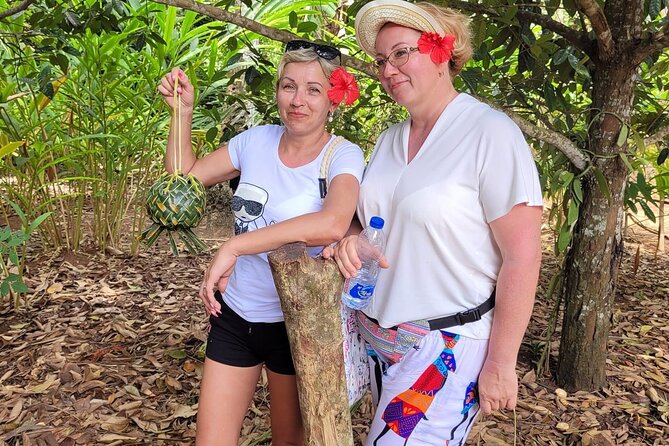
The farm also includes seasonal fruit, and you can taste fruit directly from the tree if available and if you wish to participate. Fresh coconut and banana decorations have also been offered at an extra cost, so ask about the price before agreeing to anything beyond the listed tour.
The village houses add a human side
The experience is not limited to crops. You may also visit older traditional houses in a nearby village, some of which are still occupied. This matters because it gives you a glimpse of ordinary local life alongside the plantation visit.
The houses are not presented as a separate major attraction with a detailed schedule, so you should think of this as a short cultural addition rather than a full village tour. Still, it helps place the farm in its setting. You are seeing spices as part of a living community, not as an isolated tourist display.
I like this part because it keeps the outing from feeling like a quick stop at a commercial shop. The village visit also gives your guide a chance to explain how local people relate to the land and the old homes around it, though the exact depth will depend on your guide and the time available.
Be respectful when taking photographs. The tour information specifically notes the chance to take pictures at the farm, but traditional homes may be private residences. Ask before photographing people or entering any house.
What the private format changes
This is a private activity, meaning only your group participates. That gives you more control than a standard shared excursion. If one spice catches your interest, you can ask for a fuller explanation. If you are traveling with children, your guide can keep the tasting and guessing parts moving.
The available guide names include Alfa, Abdul, and Khalfan. Alfa is described as friendly, flexible, and able to tailor the visit to a family of five. Abdul is noted for using a guessing game to make the morning entertaining. Khalfan is associated with explanations about Zanzibar’s spice connections during the Omani period.
A French-speaking guide called Watermelon is also mentioned, which may help if French is important to your group. However, the booking details do not promise a particular guide, so treat these names as examples of the guiding team rather than a guarantee.
The private format is most useful for families, couples, and small groups who prefer questions and conversation over a fixed lecture. It also suits you if you want to combine the farm with a Stone Town visit on the same day. One piece of available feedback describes the farm as part of a wider Stone Town and spice experience, but the listed tour itself focuses on the farm and does not promise a Stone Town walking tour.
More Farm Tours in Zanzibar:
- Zanzibar:Stone Town & Spice Farm Private Tour Lunch Included
★ 4.2 · 94 reviews - Zanzibar full day Jozani forest + Spice farm and stone town
★ 4.7 · 90 reviews - Zanzibar: Spice Farm Tour with Traditional Cooking Lesson
★ 4.8 · 77 reviews - A Private Full Day Tour To Stone Town & Spice Farm
★ 5.0 · 53 reviews
Transport from Stone Town and the beach hotels
If your hotel is in Stone Town, pickup and return taxi transport are included in the $65 per-person price. Private transportation and waiting time are also covered, which removes the need to arrange a separate ride to the farm.
The exact driving time is not provided, so you should allow more than the two-hour farm visit for the full outing. The advertised duration is about two to three hours. That makes it easy to fit into a morning or afternoon, but you should confirm the pickup time when booking if you have a flight, ferry, or another excursion afterward.
The included pickup applies to hotels in the Stone Town area. If you are staying at a beach hotel, the tour provider lists a $45 two-way taxi charge. This is an important cost difference, especially for solo travelers or couples. Message the provider in advance so the pickup can be arranged properly.
Clear meeting instructions and problem-free hotel pickup have been part of the experience for some bookings. Even so, keep your phone available on the day, and make sure the provider has your correct hotel details.
Is the $65 price good value?
For a Stone Town hotel, $65 per person is a fair price when you count the private vehicle, return transfer, waiting time, entry fee, bottled water, and guide. You are paying more than a basic shared garden visit, but you are also getting transport and a private experience.
The value is strongest for two or more people who want a simple, organized outing. A solo visitor may feel the price more sharply because it is charged per person, while a family can spread the convenience of the private ride across the group.
The extra charges need to be clear in your budget:
- Beach hotel pickup costs $45 for the round trip.
- A local lunch with soft drinks costs $12 per person, paid in cash.
- Souvenirs and personal purchases are not included.
- Tips are optional.
- Medical insurance is not included.
The spice shops operated by villagers are a useful place to buy local products if you want to take cinnamon, vanilla, pepper, or another spice home. Bring spending money if shopping interests you, but do not confuse the shop purchases with the tour price.
Lunch and the pace of the morning
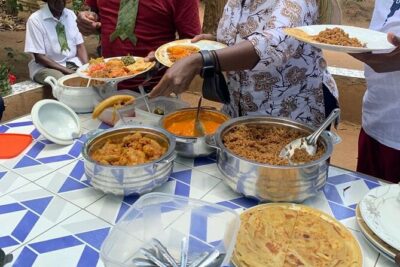
A local Zanzibar lunch can be arranged for $12 per person, including soft drinks. You need to request it in advance, and the payment is in cash. Since the tour lasts only two to three hours, lunch is an optional add-on rather than a major part of the outing.
I would add lunch if you want to turn the farm visit into a relaxed half-day activity and prefer not to search for food afterward. If you have other plans in Stone Town, skip it and keep the tour compact.
The pace should suit most people who can take part in a normal farm visit, since the booking information says most travelers can participate. No detailed accessibility information is provided, so you should ask ahead about walking surfaces or other mobility needs if those matter to you.
Wear practical clothing for a warm outdoor setting, and choose shoes you do not mind using around soil and plants. The tour provides bottled water, but you may still want sun protection and your own drinking water if you are sensitive to heat.
What the guides do best
The strongest thread running through the available feedback is the guide’s role. Alfa is repeatedly described as warm, flexible, and able to explain the spices in clear English. Abdul is associated with humor and the guess that spice activity. Khalfan is praised for making the Oman-era background part of the farm lesson.
That combination is important. A spice farm can be little more than a walk among plants if the guide only names them. Here, the better version of the experience links the plant to how it is grown, smelled, tasted, and used.
You should still ask questions. Try asking how a spice changes from plant to dried ingredient, which products are seasonal, and how the spice trade relates to Zanzibar’s past. The private format gives you room to shape the conversation.
The tour is also suitable for families. The tasting, smells, fruit, and guessing game give children something concrete to focus on, while adults can follow the historical and agricultural side.
What to expect at the end
The visit finishes with the chance to buy spices from shops run by villagers. This is convenient if you want a practical souvenir rather than another carved item or mass-produced gift.
You may also have the option of coconut or banana decorations at an additional cost. These can make a fun photograph, but they are not part of the $65 package. Ask before accepting any extra service so the final price is clear.
The tour does not include medical insurance, and tips are optional. Free cancellation is available if you cancel at least 24 hours before the local start time. Inside that 24-hour window, the amount paid is not refunded, and changes are not accepted.
Who should book this spice farm tour?
I would recommend it to you if you want an easy cultural outing from Stone Town, enjoy food and agriculture, or prefer learning through smells and tastes instead of a long museum talk. Families should find the private format and spice guessing activity useful, while couples can enjoy a short trip that does not take up an entire day.
It is also a good choice if you want to see a little local village life along with the crops. The old houses and village-run spice shops give the farm visit more connection to daily Zanzibar than a simple commercial tasting stop.
You may want to choose another plan if you are staying at a beach hotel and do not want to pay the extra $45 transfer charge. It may also feel too short if you expect a full plantation day, a large meal, or an extensive historical tour. The listed experience is focused and practical: one farm, local produce, a guide, and a short cultural visit.
Should you book it?
Book this tour if you are based in Stone Town and want a private, well-organized introduction to Zanzibar’s spice culture. The best reasons are the included transport, the hands-on tasting, the chance to see spices growing, and guides who make the information lively rather than dry.
Before paying, confirm the pickup location, ask which guide and language are available, and decide if you want the optional $12 lunch. If you are at a beach hotel, add the $45 transfer fee to the real cost. With those details settled, this is a sensible half-day experience that connects Zanzibar’s history, village life, and food in one compact visit.
FAQ
How long does the Zanzibar Spice Farm Tour last?
The experience lasts about two to three hours. The main farm visit at Jambo Spice Farm is listed at approximately two hours.
What is included in the $65 price?
The price includes hotel pickup and return transport for hotels in the Stone Town area, private transportation, waiting time, bottled water, entrance fees, and a professional certified guide based at the spice plantations.
Is pickup available from a beach hotel?
Yes, but beach hotel pickup is not included in the standard price. The provider lists a $45 two-way taxi charge, and you should request this arrangement in advance.
Will I taste fresh spices and fruit?
You can taste different spices and seasonal fruit directly from the plants and trees if you wish and if the produce is available during your visit.
Is lunch included?
No. A local Zanzibar lunch with soft drinks can be arranged for $12 per person. You need to request it in advance and pay in cash.
Is this a private tour?
Yes. Only your group participates in the activity, so you can ask questions and set the pace more easily than on a shared tour.
Can I cancel for a full refund?
You can receive a full refund if you cancel at least 24 hours before the experience start time. Cancellations or changes made within 24 hours are not accepted and are not refunded.
Just added around Zanzibar
- Zanzibar: Walking Spice Farm with Local Cooking Class★ 4.4 · 9 reviews
- ZANZIBAR, Stone town tour, Prison Island & Spice farm★ 5.0 · 11 reviews
- Zanzibar: Spice Farm Tour with Traditional Cooking Class★ 4.6 · 16 reviews
- Zanzibar: Stone Town City Tour and Spice Farm with Lunch★ 3.7 · 33 reviews
- Zanzibar: Spice farm tour with Zanzibar fruits tasting★ 3.8 · 7 reviews
- Zanzibar: Spice Farm Tour with Cooking lesson★ 4.5 · 4 reviews
- Zanzibar: Spice Farm Tour with Traditional Cooking Class★ 4.8 · 6 reviews
- Zanzibar: Spice Farm Tour & Stone Town Adventure★ 4.6 · 48 reviews
Spice Farm Tours, compared.

Full-Day Private Stone Town +Spice Farm and Prison Island Tour
Read our review →
Stone Town & Spice Farm Private Tour Lunch Included
Read our review →Zanzibar full day Jozani forest + Spice farm and stone town
Read our review →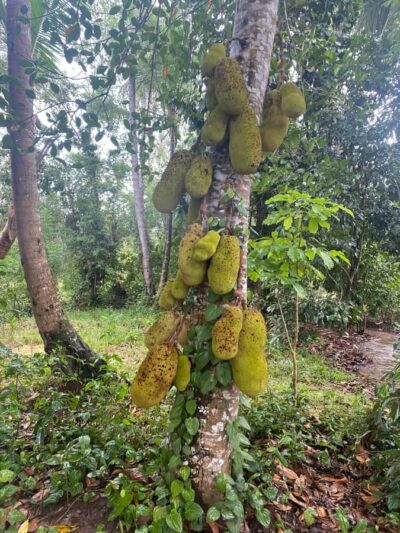
STONE TOWN, PRISON ISLAND AND SPICE FARM ( Lunch included )
Read our review →Lists this farm appears in