

Reviewed · SPICE FARM TOURS
Zanzibar: Spice Farm Guided Tour with Lunch
Zanzibar’s spice farms turn familiar kitchen flavors into a hands-on lesson. You will smell cinnamon, cardamom, cloves, turmeric, black pepper, and nutmeg where they grow, then sit down to a spiced rice lunch with fruit. It is a simple way to connect the island’s crops with its past as a major spice-trading center.
I like the two-hour guided walk, which gives you time to look and ask questions without turning the outing into an all-day commitment. I also like the local food at the end, since lunch adds a real taste of Zanzibar rather than just another plant tour.
The main consideration is the walking. You need comfortable shoes, sun protection, water, and enough mobility for a farm path. Although the booking information says the activity is wheelchair accessible, it also says it is not suitable for people with mobility impairments, so confirm the route before booking if that matters to you.
Key points to know before you book

- A two-hour walk covers the farm’s main appeal: tropical trees, spices, smells, tastes, and guide-led explanations.
- You can handle spices at their source: expect turmeric, cardamom, cinnamon, black pepper, cloves, and nutmeg.
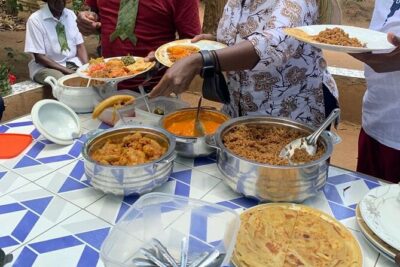
- Lunch is part of the experience: the meal includes spiced rice and fruit.
- French-speaking support may be available: guide Bright led one visit in French and was specifically praised for clear communication.
- The private format offers a more personal pace: languages listed include English, German, Italian, Polish, and French.
- You can buy spices at the farm: shopping is included as an opportunity, but personal purchases cost extra.
Walking into Zanzibar’s spice country

The most memorable part of this outing is the change in scale. In a shop, a jar of cinnamon or a packet of cloves can feel ordinary. On a spice farm, those same flavors become plants, bark, seeds, roots, and fruit growing in a warm tropical setting.
Your guide leads a roughly two-hour walk through the farm. This is not simply a stroll past labeled trees. The point is to connect the plant with the spice you know from cooking, then let you smell or taste it when appropriate.
You will see a mix of tropical fruit trees, plants, and spices. The setting is described as a rainforest-style farm, so expect greenery and uneven walking rather than paved city paths. The farm visit takes place in Zanzibar’s Unguja South Region, away from the busy streets of Stone Town.
That location matters. Zanzibar is often called the Spice Island because of the range of spices grown there. The tour gives you a practical introduction to one of the island’s most important agricultural traditions, with the guide explaining how the spice trade shaped Zanzibar’s place in the wider world.
More Spice Farm Tours in Zanzibar:
- Zanzibar: Prison Island, Stone Town, & Spice Farm Tour
★ 4.5 · 579 reviews - Full-Day Private Stone Town +Spice Farm and Prison Island Tour
★ 4.5 · 216 reviews - Zanzibar: Stone Town & Spice Farm Tour with Lunch
★ 4.5 · 97 reviews
What the two-hour farm walk is like
The tour’s main activity is a guided walk, and your guide is the key to getting value from it. Without explanations, many tropical plants can look unfamiliar. With a guide, a leaf, pod, root, or piece of bark becomes part of a useful story about food, farming, and trade.
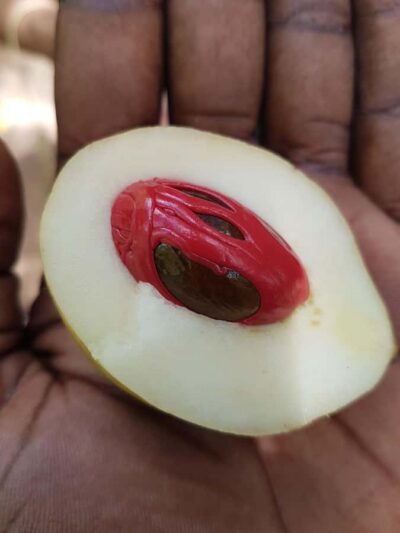
The listed spices include turmeric, cardamom, cinnamon, black pepper, cloves, and nutmeg. Each offers a different kind of encounter. Turmeric is associated with its strong color and earthy scent. Cinnamon comes from bark, while black pepper begins as a fruit on a climbing plant. Cloves and nutmeg are familiar in spice racks but less obvious in their natural form.
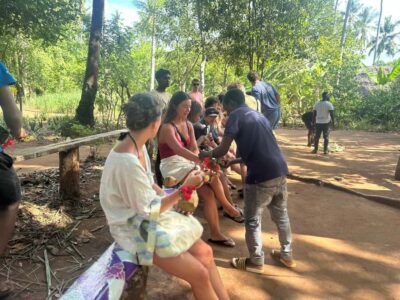
You are encouraged to taste and smell different spices during the walk. That makes the experience more active than a standard garden visit. You are not only looking at plants from a path. You are using your nose and palate to understand why these crops became valuable.
The instructions also ask you not to touch the plants. That is worth taking seriously. Follow the guide’s direction about which items may be handled or tasted, and do not pick anything yourself. The rule protects the crops and keeps the walk respectful.
The pace should suit anyone who enjoys stopping for explanations and photographs. At three hours total, this is a compact outing. You get a substantial farm visit without giving up an entire day of your Zanzibar schedule.
The spice trade story behind the plants

The tour includes an introduction to Zanzibar’s spice-trade history. This is one of the better reasons to choose a guided visit instead of exploring a farm without help.
Spices are not just pleasant smells here. They help explain why Zanzibar became known beyond its beaches and historic towns. Your guide can place the crops in a wider setting, showing how everyday cooking ingredients connect to the island’s past.
The supplied details do not give a fixed list of historical stops or exact dates, so do not expect a museum-style lecture with a set collection of exhibits. Think of the history as part of the walk, explained alongside the plants.
I find that format useful because the story stays tied to something you can see. When the guide discusses a spice and you can smell it or watch how it grows, the information has a practical anchor. It is easier to remember than a list of trade facts delivered indoors.
The quality of that explanation will depend on your guide and language choice. Guides are available in English, German, Italian, Polish, and French. Bright led one French-language visit and was praised for speaking French very well, so French-speaking visitors may want to request that language when booking.
Tasting the spices, not just looking at them
The tasting portion is small but important. Many farm tours offer plenty of plants and little connection to food. Here, tasting and smelling are listed as central parts of the walk.
Do not expect a full cooking class. The available information points to guided tasting, not a lesson in preparing a spice blend or a recipe workshop. The value is in recognizing flavors at their source.
You might notice how different the fresh plant or farm sample feels from the dried spice in your kitchen. That contrast is part of the fun. It also makes the visit useful for cooks, food lovers, and anyone curious about how common ingredients begin.
Bring a camera if you enjoy close views of plants and the farm setting. Still, the camera should not replace attention to the guide. The most useful moments are likely to be the ones where the guide identifies a plant, explains its use, and lets you smell or taste it.
More Lunch Experiences in Zanzibar:
- Zanzibar:Stone Town & Spice Farm Private Tour Lunch Included
★ 4.2 · 94 reviews - Zanzibar Private Spice Farm and Stonetown Tour(Include Lunch)
★ 5.0 · 53 reviews - STONE TOWN, PRISON ISLAND AND SPICE FARM ( Lunch included )
★ 5.0 · 53 reviews - Zanzibar: Stone Town City Tour and Spice Farm with Lunch
★ 3.7 · 33 reviews
Spiced rice and fruit at the end

The meal comes after the walk and includes spiced rice with fruit. This is a modest but meaningful part of the outing. You have just spent time learning about spices, and then you get to taste them in a local-style meal.
One French visitor described the lunch as typical of Zanzibar’s cooking and considered the overall activity highly recommendable. That points to the meal’s role: it is not simply a snack added to fill time. It gives the farm visit a food-based finish.
The exact menu beyond spiced rice and fruit is not specified, so keep expectations practical. This is not described as a large buffet or a formal restaurant meal. It is a simple included lunch that helps turn the plant tour into a complete three-hour experience.
If you are especially interested in Zanzibar’s cuisine, pay attention to the seasonings used in the rice. The tour’s best connection is the one between the crop, the smell, and the food on your plate.
Spice shopping at the farm

You have the chance to shop for spices at the end of the visit. This is useful if you want a small edible reminder of Zanzibar, but remember that personal expenses are not included in the $40 price.
Shopping directly at the farm can be more satisfying than buying an anonymous packet later. You have already seen several of the plants and learned how the spices fit into local agriculture. The purchase then has a clear connection to the place.
Take your time and check what you are buying. Since the available information does not list prices, package sizes, or payment methods, keep spending flexible and ask the seller about the products before committing.
You do not need to shop to enjoy the tour. The farm walk, tastings, and lunch are the main experience. Shopping works best as an optional final stop, not as the reason to book.
Is $40 a fair price?

At $40 per person, the price covers a private three-hour activity with a two-hour guided walk, a local guide, spice tastings, lunch, and access to farm shopping. Hotel pickup and drop-off are not included, so you need to arrange your own way to the farm.
For a private experience, that price can be good value if you care about personal attention and food. A shared group tour might cost less, but the private format may let you ask more questions and set a comfortable pace within the fixed schedule.
The value is also strongest for first-time visitors to Zanzibar who want more than a beach day. You get an introduction to agriculture, local flavors, trade history, and regional food in one short outing.
The price is less compelling if you mainly want a scenic walk or have little interest in spices. Much of the tour’s appeal comes from listening, smelling, tasting, and learning. If you skip those parts, the farm setting alone may not justify the cost.
Because transport is not included, add the cost and effort of reaching the farm when comparing this with other activities. The booking details do not specify hotel pickup, drop-off, or transport arrangements.
Practical advice for a comfortable visit

Wear light clothing and comfortable walking shoes. The farm setting and two-hour walk make sandals or stiff city shoes a poor choice if the path is uneven.
Bring a hat, sunscreen, and water. Zanzibar’s sun can make a short walk feel longer, and the instructions specifically emphasize staying hydrated.
A camera is recommended for the tropical plants and farm views. Keep it protected from heat and moisture, and listen when the guide explains which plants should not be touched.
The experience is offered as a private group tour. That makes it a good match for couples, families with older children, friends, or anyone who prefers not to follow a large crowd. The provided information does not give a maximum group size, so ask if you need a precise limit.
The activity is listed as wheelchair accessible, but it is also marked as not suitable for people with mobility impairments. Those details do not fully agree. If you use a wheelchair, walk with difficulty, or need a smooth route, contact the provider before booking and ask about the actual farm paths.
Pregnant women are also listed among those for whom the activity is not suitable. Take that restriction seriously when planning.
Free cancellation is available up to 24 hours before the activity for a full refund. You can also reserve now and pay later, which helps if your Zanzibar schedule is still changing.
Who will enjoy this spice farm tour

I would recommend this outing to you if you want a short cultural activity with food at the finish. It suits curious first-time visitors, home cooks, photographers, and anyone who likes learning through taste and smell.
It is also a good choice when you want a private tour rather than a large group. The language range is helpful, especially for French-speaking visitors, with Bright’s French guiding receiving particular praise.
Families should consider the walking time and the rule against touching plants. Children who enjoy plants, food, and hands-on explanation may like it, but the experience is not presented as a children’s attraction.
I would be more cautious if you have limited mobility, are pregnant, dislike heat, or want a fully paved and effortless outing. The walk is the heart of the tour, and transport is not included.
Should you book this Zanzibar spice farm experience?
Book it if you want a focused three-hour introduction to Zanzibar’s spice culture, with a local guide, tastings, a typical spiced rice lunch, and the option to buy spices afterward. The $40 price makes the most sense for you if the private format and included meal matter.
Skip it if your main goal is a long historical tour, a cooking class, or a full-day excursion with transport. This is a compact farm visit, not an all-purpose Zanzibar tour.
Before booking, confirm the meeting point, transport plan, walking conditions, and accessibility details. If those practical points work for you, this is an easy way to add food, farming, and local history to a beach-focused Zanzibar trip.
FAQ
Where does the spice farm tour take place?
The experience takes place in Zanzibar’s Unguja South Region in Tanzania.
How long does the activity last?
The total duration is three hours, including a two-hour guided walking tour.
What spices can I see and taste?
The tour includes turmeric, cardamom, cinnamon, black pepper, cloves, and nutmeg. You can smell and taste different spices grown on the Zanzibar islands.
Is lunch included?
Yes. The tour includes spiced rice with fruit.
Is hotel pickup included?
No. Hotel pickup and drop-off are not included.
Which languages are available?
Guiding is available in English, German, Italian, Polish, and French.
Can I buy spices during the visit?
Yes. You have an opportunity to shop for spices at the farm. Personal purchases are not included in the tour price.
What should I bring?
Bring comfortable shoes, light clothing, a hat, sunscreen, water, and a camera. You should not touch the plants.
Just added around Zanzibar
- Zanzibar: Walking Spice Farm with Local Cooking Class★ 4.4 · 9 reviews
- ZANZIBAR, Stone town tour, Prison Island & Spice farm★ 5.0 · 11 reviews
- Zanzibar: Spice Farm Tour with Traditional Cooking Class★ 4.6 · 16 reviews
- Zanzibar: Stone Town City Tour and Spice Farm with Lunch★ 3.7 · 33 reviews
- Zanzibar: Spice farm tour with Zanzibar fruits tasting★ 3.8 · 7 reviews
- Zanzibar: Spice Farm Tour with Cooking lesson★ 4.5 · 4 reviews
- Zanzibar: Spice Farm Tour with Traditional Cooking Class★ 4.8 · 6 reviews
- Zanzibar: Spice Farm Tour & Stone Town Adventure★ 4.6 · 48 reviews
Spice Farm Tours, compared.

Full-Day Private Stone Town +Spice Farm and Prison Island Tour
Read our review →
Stone Town & Spice Farm Private Tour Lunch Included
Read our review →Zanzibar full day Jozani forest + Spice farm and stone town
Read our review →
STONE TOWN, PRISON ISLAND AND SPICE FARM ( Lunch included )
Read our review →Lists this farm appears in