

Reviewed · SPICE FARM TOURS
Zanzibar: Day Trip Stone Town, Spice farm,Prison Island
Stone Town’s narrow lanes, carved wooden doors, old palaces, and former slave-market sites give this tour its strongest sense of place. Then the mood changes completely at a spice farm, where cinnamon, cloves, vanilla, cardamom, and tropical fruit turn a history lesson into something you can smell and taste. The spice farm and the chance to meet Aldabra giant tortoises are the two parts I like most.
I also like the hotel pickup, included Swahili lunch, boat ride, and choice of languages. The main drawback is time: with hotel collections and a route that can last most of the day, this may feel long, especially if Stone Town is not your main interest or if you have limited mobility.
Key points
- Stone Town in 90 minutes: Walk among limestone houses, former palaces, Arab mansions, markets, carved doors, the Old Fort, and sites linked to the slave trade.
- A hands-on spice stop: Smell, touch, and taste cloves, cinnamon, vanilla, black pepper, lemongrass, tropical fruit, and other crops at a private organic farm.
- Prison Island by boat: Take a short offshore boat ride to Changuu, a former quarantine station and home to Aldabra tortoises.
- Lunch is part of the value: A traditional Swahili meal and fruit tasting follow the farm visit.
- Pickup across Zanzibar: Hotel transport is available from Stone Town, Nungwi, Kendwa, Paje, Matemwe, Kiwengwa, Jambiani, and other areas.
- Check the group rule: Shared tours need at least six participants to operate, so a private or small-group option may suit fixed plans better.
Stone Town’s Old Lanes and Carved Doors

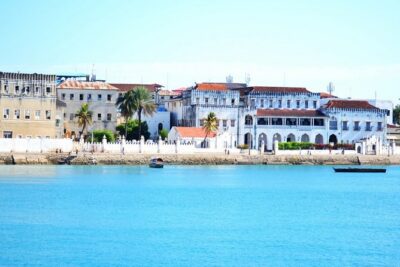
Stone Town is the cultural heart of this day. Its old quarter grew through trade between East Africa, Arabia, India, Persia, and Europe, and that mixture still shows in the buildings and street plan.
You walk through narrow lanes bordered by tall limestone houses. The streets can feel confusing at first, which is exactly why a guide helps. The route brings you past the Sultan’s Palace, now the Palace Museum, grand Arab homes, the Old Fort, daily markets, and buildings with elaborate Zanzibari hardwood doors.
Those doors deserve your attention. Some have rounded tops, brass studs, floral designs, or carved panels that reflect the owner’s status and background. Look above eye level as you walk. Stone Town rewards people who notice details rather than race from one landmark to the next.
The tour also addresses Zanzibar’s role in the slave trade. Former slave-market sites provide a sobering counterpoint to the attractive facades and sea views. This is not a light sightseeing stop, but it gives you a clearer picture of the money, movement, and suffering behind the island’s trading past.
You have time for shopping, though the amount of free time can vary with the group and transport schedule. If you want spices, carved items, or small souvenirs, ask your guide how much time you can safely spend browsing before the next stop.
The walking portion is listed at about 90 minutes. That is enough for an introduction, not a full study of every street and museum. If you already know Stone Town well, you may find the visit brief. If you are seeing it for the first time, the guide’s explanations are likely to be the most useful part.
One French-speaking guide received particular praise for explaining Stone Town in detail. The available languages include English, German, Italian, French, Polish, Arabic, Swahili, and Spanish, but confirm your preferred language when booking.
More Spice Farm Tours in Zanzibar:
- Zanzibar: Prison Island, Stone Town, & Spice Farm Tour
★ 4.5 · 579 reviews - Full-Day Private Stone Town +Spice Farm and Prison Island Tour
★ 4.5 · 216 reviews - Zanzibar: Stone Town & Spice Farm Tour with Lunch
★ 4.5 · 97 reviews
Why the Spice Farm Is More Than a Photo Stop
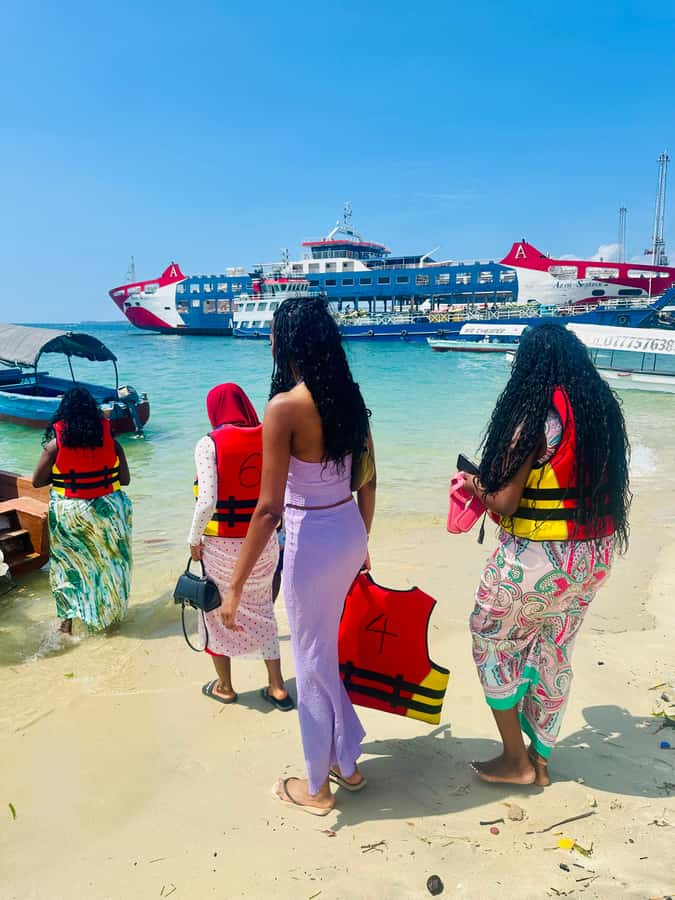
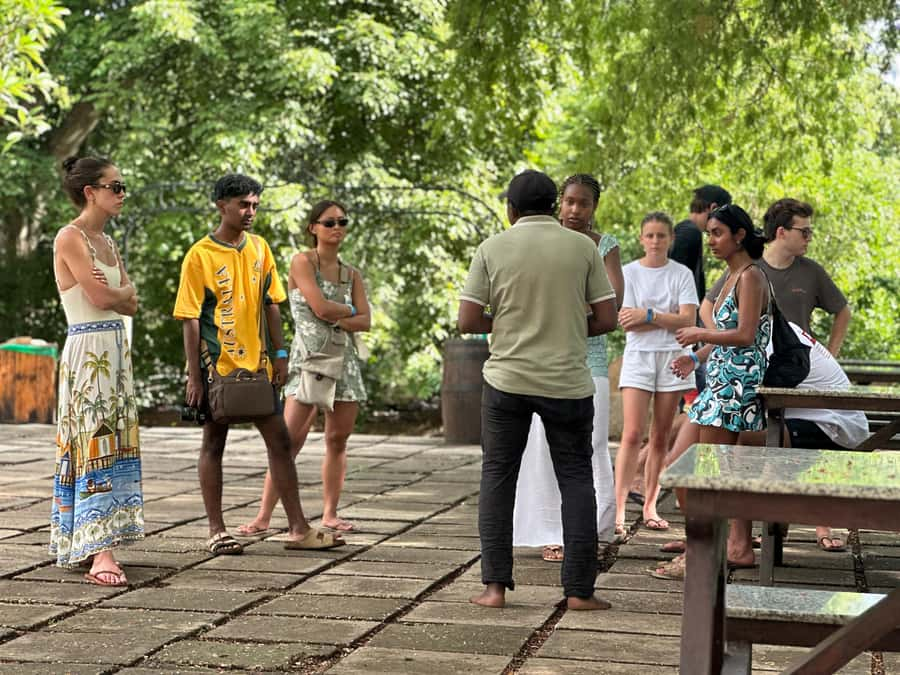
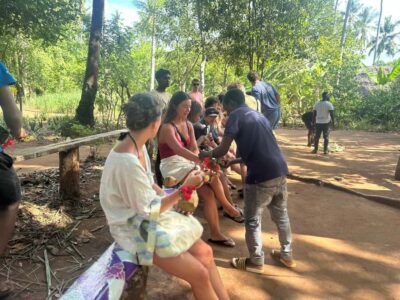
Zanzibar is often called Spice Island, and the farm visit explains why. This is the most sensory part of the day. Instead of simply hearing a list of crops, you can smell, handle, and taste many of them as the guide explains how they are grown and used.
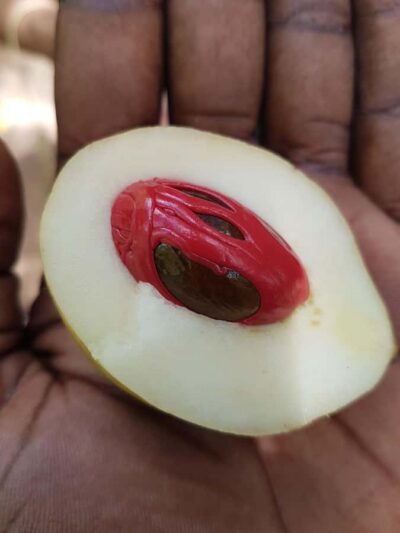
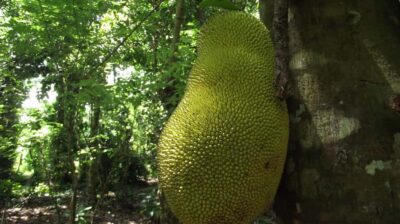
You may encounter cloves, cinnamon, nutmeg, vanilla, cardamom, black pepper, chili, and lemongrass. Coconut, papaya, and other tropical fruit are also part of the visit. The value is not just the number of plants. It is the connection between a living crop, the finished spice in your kitchen, and the trade routes that brought many plants to Zanzibar.
The tour explains that Portuguese traders introduced several spices to Zanzibar in the 16th century from colonies in South America and India. That history makes more sense when you are standing beside the plants. A spice farm turns an abstract story about commerce into something immediate.
I would pay close attention during the tasting. Smelling a cinnamon stick or fresh lemongrass is different from opening a jar at home, and the fruit tasting adds a welcome change after the walking tour. This is also the part most likely to appeal to families and anyone interested in food.
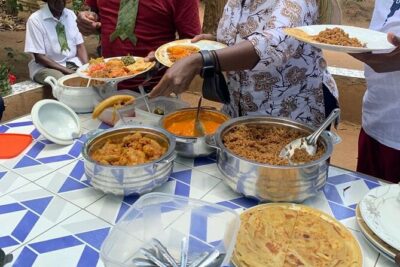
A traditional Swahili lunch follows the farm walk. Since the meal uses local spices, it gives you a practical sense of how the crops fit into Zanzibari cooking. Lunch and fruit are included, along with bottled water, which makes the $20 starting price look strong if the selected option includes the farm and entry fees.
The farm also includes a shopping element. You may find spices or related products for sale. Personal purchases are not included, so bring some money if you want to buy something, but do not feel that shopping is the reason to book this stop. The useful part is the guide-led explanation and tasting.
A Short Boat Ride to Prison Island
From the main island, you take a boat to Prison Island, known locally as Changuu. The ride is listed at about 20 minutes, giving you open-water views and a welcome break from road transport.
The island’s name can mislead you. It was proposed as a prison for rebellious slaves in the 1860s, but its main practical use was as a quarantine station. A guide can help separate the island’s popular name from its actual role.
The main attraction today is the Aldabra giant tortoise sanctuary. These tortoises came from the Seychelles and are among the largest tortoises in the world. They can weigh about 200 kilograms and live for more than a century. One resident is estimated to be over 200 years old.
You can see the tortoises at close range and watch them move at their own deliberate pace. Do not expect a fast wildlife encounter. The appeal is scale, age, and the odd pleasure of standing beside an animal that may have been alive before several generations of your own family.
The island visit lasts about 90 minutes and includes a guided walk and scenic views. Water shoes are recommended, so pack them if you plan to walk near the shore or around wet landing areas. Sunglasses, a hat, sunscreen, and drinking water are also sensible in the strong island sun.
There is a conservation question here. The tortoises are non-native to Zanzibar, and the sanctuary is a managed tourist attraction rather than a wild encounter. Still, it offers a close look at an extraordinary species and adds something very different from Stone Town and the spice farm.
How the Transport Affects Your Day

The route works best if you think of it as a full Zanzibar day rather than a quick two-hour outing. The advertised duration can range from two to nine hours, depending on the selected option, starting point, traffic, hotel collections, and the exact mix of inclusions.
The road portions are important. A typical plan includes about 75 minutes by van at the beginning, around 30 minutes after Prison Island, and another hour toward the final drop-off. Those times may not be continuous because shared transport can include short stops to collect people from hotels.
Pickup is available across much of the island, including Stone Town, Uroa, Michamvi, Jambiani, Fumba, Kizimkazi, Pwani Mchangani, Matemwe, Nungwi, Kendwa, Kiwengwa, and Paje. The farther your hotel is from Stone Town, the more road time you should expect.
For a shared tour, wait in your hotel lobby five minutes before departure. A driver or guide will meet you at reception. The meeting point given for Stone Town is Mizingani Seafront Hotel, where you should wait inside at reception if that is your selected pickup point.
Shared transport costs less but takes longer. It also requires a minimum of six participants to operate. If that number is not reached, the operator may contact you to reschedule. A private or small-group option costs more in many cases, but it gives you better control over stops, pace, and questions.
The driver is part of the experience too. A positive account specifically praised the driver’s friendliness and the way the Stone Town guide responded to requests. That matters on a long day, since road time can shape your impression as much as the attractions.
More One-Day Trips in Zanzibar:
- Private Full Day Trip to Stone Town, Spice Farms and Jozani Forest
★ 5.0 · 16 reviews - Full Day Trip to Stone Town, Spice Farms and Prison Island
★ 3.5 · 7 reviews - Gaucho Day Trip from Buenos Aires: Santa Susana Ranch
★ 4.0 · 272 reviews - Amsterdam: Day trip to Tulip Farm, Keukenhof + Windmill Cruise
★ 4.5 · 211 reviews
Is $20 Good Value?
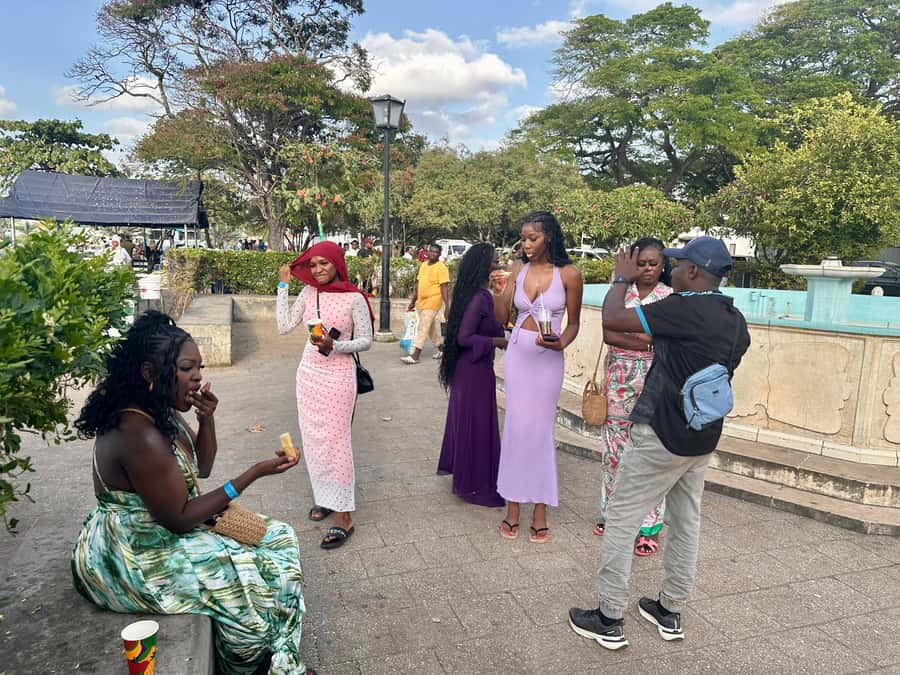
At $20 per person, this is an unusually low starting price for a day combining transport, a guide, a boat ride, lunch, a spice farm, Stone Town, and Prison Island. The important detail is that entry tickets may depend on the option you select.
Check specifically for Prison Island entry, Stone Town slave-market entry, and any other ticket before paying. Some options include those fees and some may not. The same applies to the exact duration and group format.
If your chosen package includes the tickets, lunch, bottled water, hotel pickup, return transport, and guided visits, the price offers strong value. You are paying less for a series of separate transfers and admissions than you would likely pay arranging each piece on your own.
The trade-off is efficiency. A low-cost shared tour may involve hotel collections, waiting, and a fixed pace. The day can feel long, especially from Nungwi, Kendwa, Paje, or another distant resort area. A private option is worth considering if you value time more than the lowest price.
Personal expenses are not included. Set aside money for souvenirs, spice purchases, drinks beyond the supplied water, or other items not covered by your selected package.
Who Will Enjoy This Combination Most?
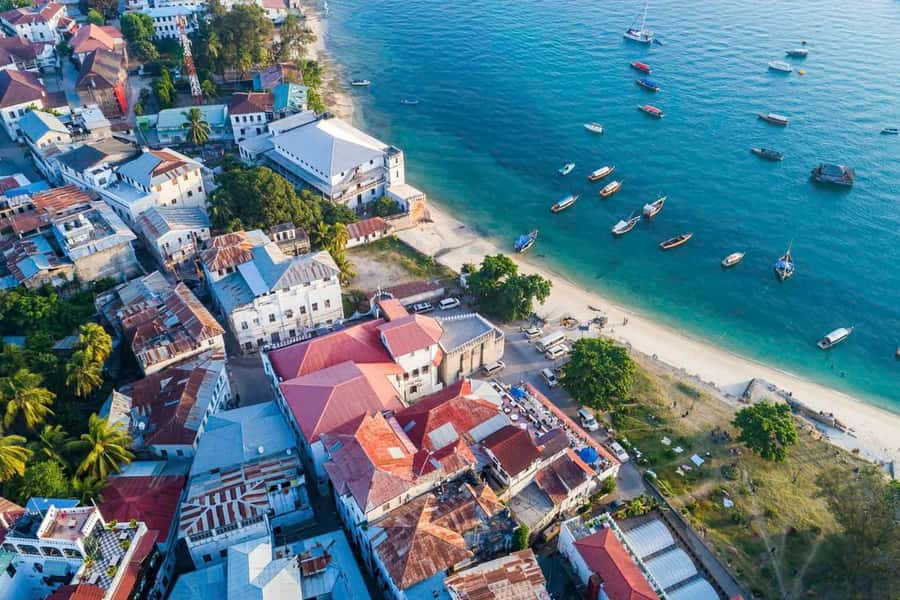
I would recommend this tour to a first-time visitor who wants three different views of Zanzibar in one day. Stone Town gives you architecture and difficult history. The farm gives you food and agriculture. Prison Island gives you a short sea journey and a memorable animal encounter.
It suits people who like guided context. You will get more from the old buildings and spice crops if someone explains their purpose and background. It also suits anyone who wants lunch and transport handled rather than arranging several independent trips.
The tour is less suitable if you want a slow, highly detailed Stone Town visit. The walking tour lasts around 90 minutes, so it introduces the district rather than covering every museum and side street. One low rating also described the day as too long and found Stone Town uninteresting. That reaction is understandable if your main goal is beach time or if old architecture does not hold your attention.
It is not suitable for wheelchair users or people with mobility impairments. The narrow streets, walking, boat transfer, and island surfaces require a reasonable level of movement. The stated restrictions also exclude people over 80 and over 95 years, so check the operator’s current age rules before booking for an older family member.
Practical Tips for a Smoother Day

Wear light clothing and comfortable shoes for Stone Town. Bring sunglasses, a hat, sunscreen, and water, even though a bottle is supplied. The farm and island portions involve outdoor walking, so protection from the sun is useful.
Pack water shoes for Prison Island. They are listed among the recommended items and can make the boat landing or damp ground easier.
Keep your schedule open. A shared group may stop at several hotels before reaching Stone Town, and the return journey can also take time. Avoid booking a tight connection or an important evening reservation unless you have plenty of margin.
Decide how much history you want before you go. The former slave-market sites are serious and may be emotionally difficult. They are an important part of understanding Zanzibar, but they are not simply another photo stop.
If you are marking a birthday or another special occasion, notify the operator through its WhatsApp contact in advance. Arrangements may be possible, but they need advance notice.
Cancellation is flexible up to 24 hours before departure for a full refund, and you can reserve now and pay later. That is useful if your Zanzibar schedule is still shifting, but the shared-tour minimum remains worth checking.
Should You Book This Zanzibar Day Trip?
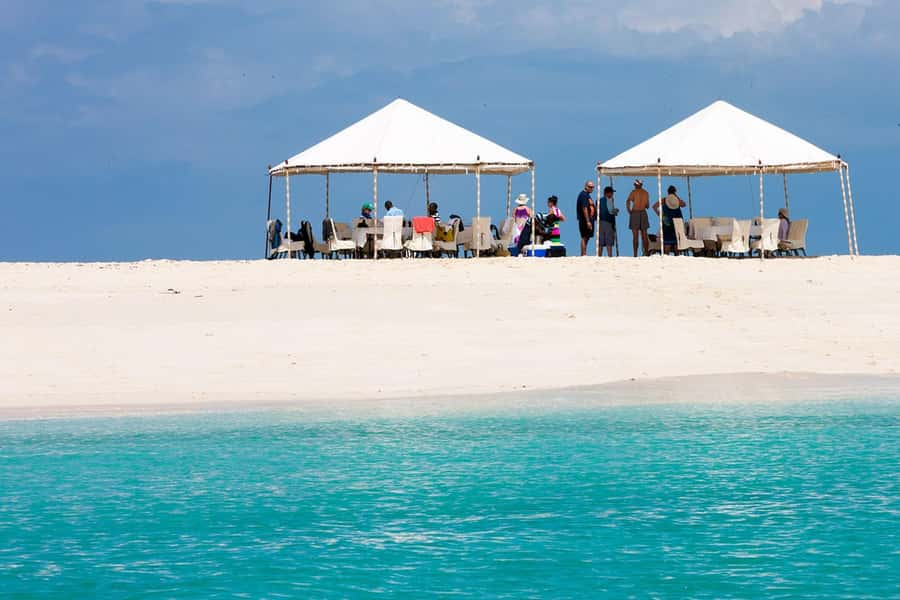
Book it if you want an affordable overview with plenty of variety. The strongest elements are the French-speaking or other-language guide options, the detailed Stone Town explanation, the spice tasting and Swahili lunch, and the chance to see giant tortoises at Prison Island.
Choose a private or small-group version if you dislike hotel collections or want more time in Stone Town. Choose another activity if you prefer a relaxed beach day, need step-free access, or want a slow museum-focused visit.
For most first-time visitors, the combination makes sense. You see Zanzibar’s trading past, taste the crops that made the island famous, cross the water to Changuu, and return with a better sense of how these very different places fit together.
FAQ
How much does the Zanzibar day trip cost?
The advertised price is $20 per person. Check the selected option carefully because entry tickets and group formats can vary.
How long does the tour last?
The stated duration ranges from two to nine hours. The full route can take most of a day, particularly when hotel pickup and shared transport are involved.
Is hotel pickup included?
Hotel pickup and drop-off are available across Zanzibar Island, depending on the selected option. For a pickup, wait in your hotel lobby five minutes before departure.
What languages are available?
Guides may be available in English, German, Italian, French, Polish, Arabic, Swahili, and Spanish. Confirm your preferred language when booking.
Does the tour include lunch?
Yes. A traditional Swahili lunch is included, along with fruit tasting and a bottle of water.
Are Prison Island and slave-market entry tickets included?
Entry depends on the option selected. Check whether Prison Island entry and slave-market entry are included before booking.
Is the tour suitable for wheelchair users?
No. The tour is not suitable for wheelchair users or people with mobility impairments. It also lists restrictions for people over 80 and over 95 years.
Just added around Zanzibar
- ZANZIBAR, Stone town tour, Prison Island & Spice farm★ 5.0 · 11 reviews
- Zanzibar: Walking Spice Farm with Local Cooking Class★ 4.4 · 9 reviews
- Zanzibar: Spice Farm Tour with Traditional Cooking Class★ 4.6 · 16 reviews
- Zanzibar: Stone Town City Tour and Spice Farm with Lunch★ 3.7 · 33 reviews
- Zanzibar: Spice farm tour with Zanzibar fruits tasting★ 3.8 · 7 reviews
- Zanzibar: Spice Farm Tour with Cooking lesson★ 4.5 · 4 reviews
- Zanzibar: Spice Farm Tour with Traditional Cooking Class★ 4.8 · 6 reviews
- Zanzibar: Spice Farm Tour & Stone Town Adventure★ 4.6 · 48 reviews
Spice Farm Tours, compared.
Full-Day Private Stone Town +Spice Farm and Prison Island Tour
Read our review →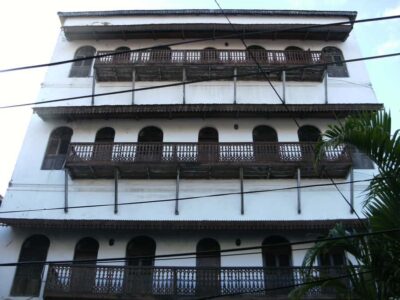
Stone Town & Spice Farm Private Tour Lunch Included
Read our review →Zanzibar full day Jozani forest + Spice farm and stone town
Read our review →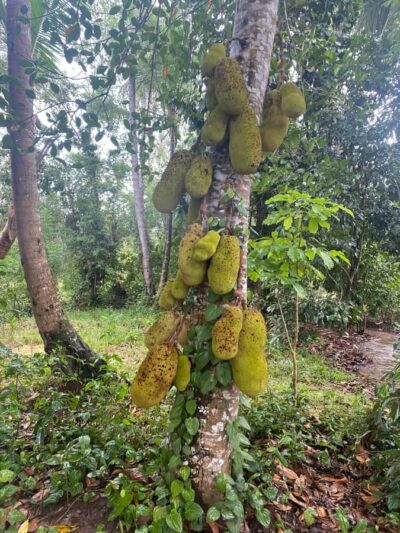
STONE TOWN, PRISON ISLAND AND SPICE FARM ( Lunch included )
Read our review →Lists this farm appears in