

Reviewed · SPICE FARM TOURS
Zanzibar: Spice Farm Tour with free testing fruit and Spice
Zanzibar’s spice farms are not a museum display. They are working places where cloves, cinnamon, nutmeg, turmeric, and tropical fruit grow in the same warm soil. This four-hour outing lets you smell and taste these products at the source, then learn how local farmers use them in food and traditional remedies.
I like the hands-on spice tasting and the chance to speak with local farmers about everyday growing methods. I also like the optional home cooking session, where you can arrange to prepare a Swahili dish with a local family. The main thing to consider is that the cooking class is not included in the $32 price, and the farm visit can feel hot, humid, and insect-prone.
The English-speaking guide matters here. One guide named Duhall is specifically connected with the cooking visit, including a meal prepared with his mother. If you want that part, arrange it in advance rather than assuming it comes with the standard farm walk.
Key points to know before you book
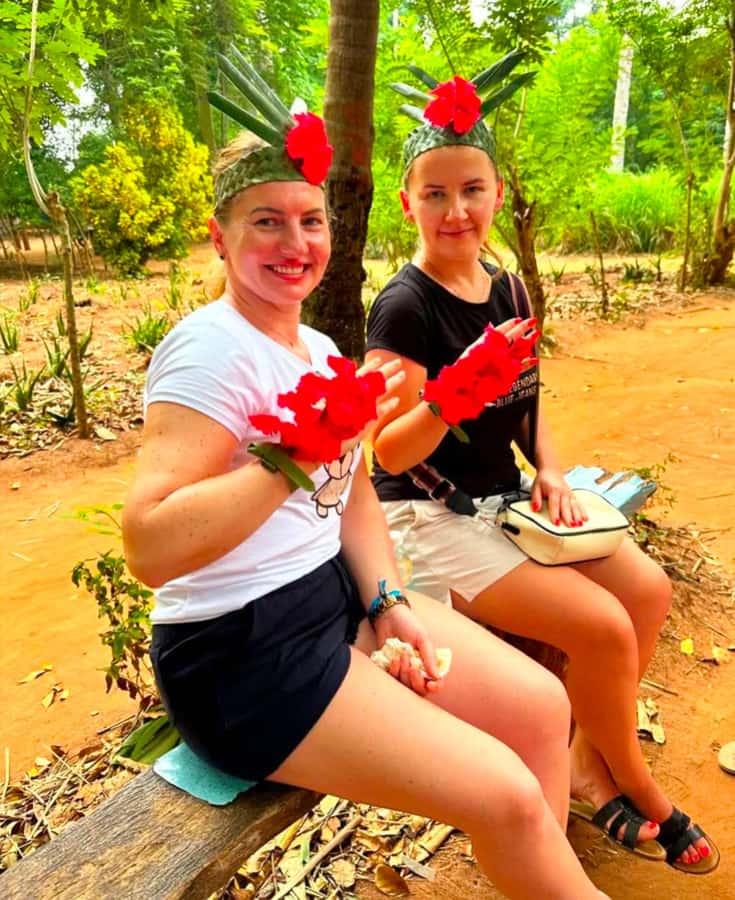
- Cloves and other spices are explained at the plant: You learn how familiar kitchen ingredients look and smell before they reach a market shelf.
- Fresh fruit tasting is part of the visit: The farm experience includes sampling tropical fruit as well as spices.
- A local family cooking session is optional: You may arrange a Swahili food lesson and meal at a family home.
- The tour lasts about four hours: Plan for a half-day away from your Zanzibar base.
- The language is English: The tour comes with a live English-speaking guide.
- Comfort matters: Wear walking shoes, sun protection, and light clothing, and bring water and insect repellent.
Why Zanzibar is known as the Spice Island

Spices are tied closely to Zanzibar’s past, trade, food, and household life. A farm visit gives you a more useful picture than a quick stop at a shop because you see the plants before the finished spice is dried, ground, or packed.
Cloves receive particular attention. You can learn about their culinary uses and their place in traditional medicine, while also smelling the strong fragrance that makes them easy to identify. Cinnamon, nutmeg, and turmeric add variety to the walk, each with its own scent, appearance, and place in cooking.
I find this kind of visit most useful when you are curious about ordinary ingredients. A packet of turmeric tells you very little about where it came from. Seeing the plant, handling the scent through guided tasting, and hearing how farmers use it gives the ingredient some meaning.
The farm is also a good setting for questions. You can ask about traditional growing methods, seasonal work, and the difference between a spice used in food and one valued for medicinal purposes. The exact farming details may depend on the guide and the plants available during your visit, so come ready to listen rather than expecting a fixed botanical lecture.
More Spice Farm Tours in Zanzibar:
- Zanzibar: Prison Island, Stone Town, & Spice Farm Tour
★ 4.5 · 579 reviews - Full-Day Private Stone Town +Spice Farm and Prison Island Tour
★ 4.5 · 216 reviews - Zanzibar: Stone Town & Spice Farm Tour with Lunch
★ 4.5 · 97 reviews
Starting from Zanzibar for a four-hour farm visit
The activity begins with pickup in Zanzibar and returns you to Zanzibar after the visit. The supplied information does not give a precise pickup time, meeting address, vehicle type, or group size, so you should confirm those points before booking.
The total duration is about four hours, with roughly three hours described as the guided farm tour. The remaining time allows for pickup, return, and the natural pace of tasting and conversation. That makes this a manageable half-day outing rather than an all-day commitment.
For you, the timing works well if you want to keep part of the day open for another activity. It also means the farm walk is not rushed into a short photo stop. You have time to notice different aromas, taste fruit, and ask questions.
The warm weather deserves attention. Comfortable clothes, a hat, sunscreen, and water will make the walk easier. Comfortable shoes are important because the tour involves walking around a farm rather than sitting in a visitor center.
You should also bring insect repellent. The information supplied for the activity lists insect allergies as a concern, so anyone with a serious allergy should consider that carefully before booking and clarify the conditions with the provider.
Walking among cloves, cinnamon, nutmeg, and turmeric
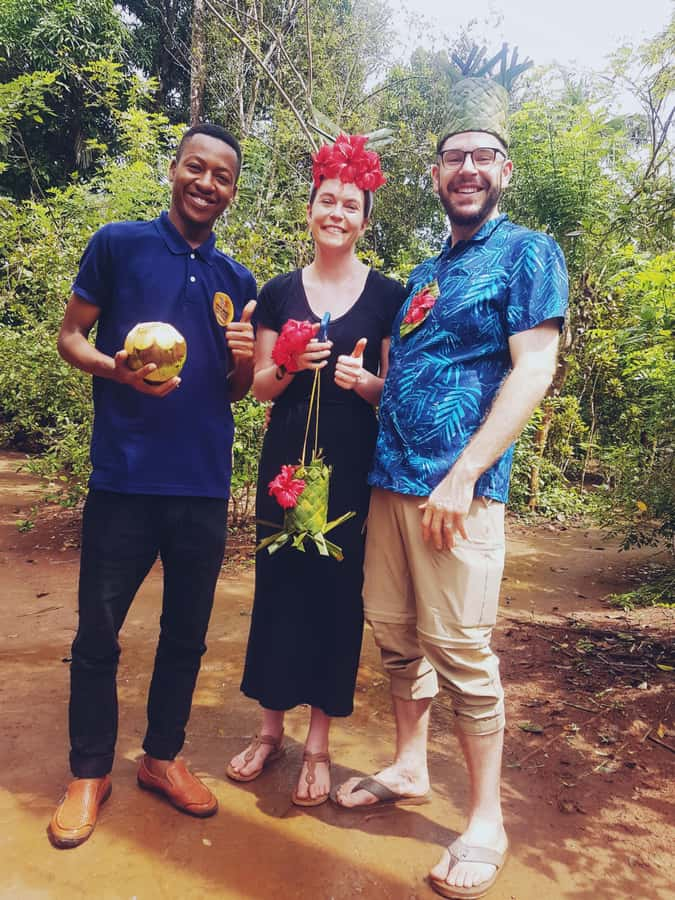
The main part of the outing is a guided walk through the spice farm. Your guide introduces the plants and explains how people use them in the kitchen and in traditional remedies.
Cloves are one of the key subjects. Their sharp, sweet scent makes them easy to recognize, and the guide can explain why they matter in Zanzibar’s food culture and economy. This is one of the best parts of the visit for anyone who enjoys learning how a familiar ingredient begins.
Cinnamon offers a different lesson because its useful spice comes from the bark. Nutmeg and turmeric give you more contrasts in smell, color, and use. You may find that the farm visit changes how you think about spice shopping back home. Instead of seeing a row of identical jars, you start to notice the different forms and scents of each plant.
The farm setting also gives you a chance to meet or speak with local farmers. The value here is not only information about plants. You get a glimpse of traditional farming methods and the work involved in producing ingredients that are often treated as cheap, ready-made goods.
There is one important rule: do not touch the plants unless the guide gives clear permission. The activity information lists touching plants as not allowed. That may surprise you on a farm tour, but following the rule protects the crops and keeps the visit respectful.
You can still use your senses fully. Smell the spices, taste the permitted samples, observe the plants, and ask questions. Bring a camera for pictures, but do not let photography replace the explanation.
Tasting fruit straight from the farm

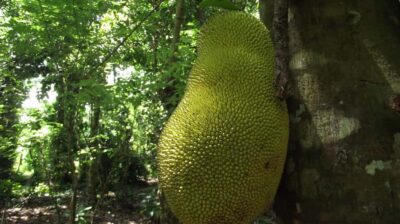
Fruit tasting is included, and it adds a welcome change from the stronger spice aromas. You can sample tropical fruit grown in the farm setting and compare its flavor with fruit you may have eaten elsewhere.
The exact fruit selection is not specified, so do not book this expecting a particular variety. Availability can depend on what is ready at the time of your visit. The important point is that tasting is part of the outing, not an extra purchase at the end.
I like this combination because it keeps the experience from becoming too narrow. Spices are powerful, especially cloves and turmeric. Fresh fruit gives your palate something lighter and helps you understand the farm as a food-producing place rather than simply a stop for souvenirs.
The phrase free tasting means the included tasting does not require a separate payment during the standard tour. It does not mean every food or drink connected with an optional cooking activity is covered, so ask what is included if you add the family meal.
More Farm Tours in Zanzibar:
- Zanzibar:Stone Town & Spice Farm Private Tour Lunch Included
★ 4.2 · 94 reviews - Zanzibar full day Jozani forest + Spice farm and stone town
★ 4.7 · 90 reviews - Zanzibar: Spice Farm Tour with Traditional Cooking Lesson
★ 4.8 · 77 reviews - A Private Full Day Tour To Stone Town & Spice Farm
★ 5.0 · 53 reviews
The optional cooking session with a local family

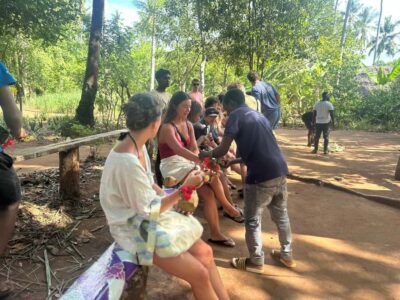
The most personal addition is a Swahili cooking experience with a local family. This is optional and may be organized privately with a local guide. It is not included in the basic price, but it can turn a farm visit into a fuller food experience.
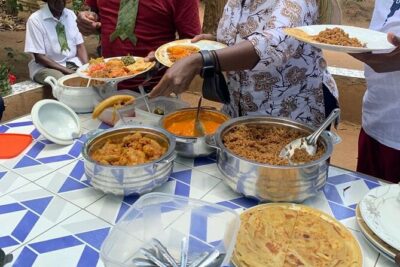
The activity information describes meals prepared with freshly harvested spices. One account identifies Duhall as the guide and mentions cooking a traditional dish with his mother at the family home. That detail gives you a clear idea of the tone: less formal demonstration, more personal contact around a family meal.
You should arrange this before the day of the tour. Do not assume that asking at the farm will guarantee a cooking lesson, since the standard inclusions cover the guided farm visit, spice tasting, fruit, and the guide’s presence, not the cooking class.
The cooking option suits you if food is a main reason you visit Zanzibar. You can connect the plants you have just seen with the way spices are used in a Swahili dish. You also get time with a local family, which can feel more direct and memorable than watching a staged show.
There are limits. The dish, cooking time, number of participants, and cost are not specified. Ask about those details before confirming the private arrangement, especially if you have dietary needs or want to know whether you will cook, watch, or do both.
What the $32 price gives you
At $32 per person, the standard tour offers a four-hour outing with pickup and return in Zanzibar, an English-speaking guide, a guided spice farm visit, spice tasting, and fruit tasting. For a half-day activity, that is a fair price if you value explanation and local contact rather than simply buying spices.
The value depends on what you want from a farm visit. If you are happy with a short walk and a few photos, you may find the price less compelling. If you want context about cloves, traditional farming, medicinal uses, and Zanzibari food, the guide is the reason to book.
The optional cooking lesson changes the budget. It is an extra arrangement, not part of the $32 package. Ask for the full added price and exactly what it covers before agreeing.
The tour currently has a five out of five rating based on two published bookings. That is encouraging, especially because the strongest praise centers on the guide and the home cooking experience, but it is still a small sample. I would treat it as a promising sign rather than proof that every departure will feel identical.
Who will enjoy this farm visit most
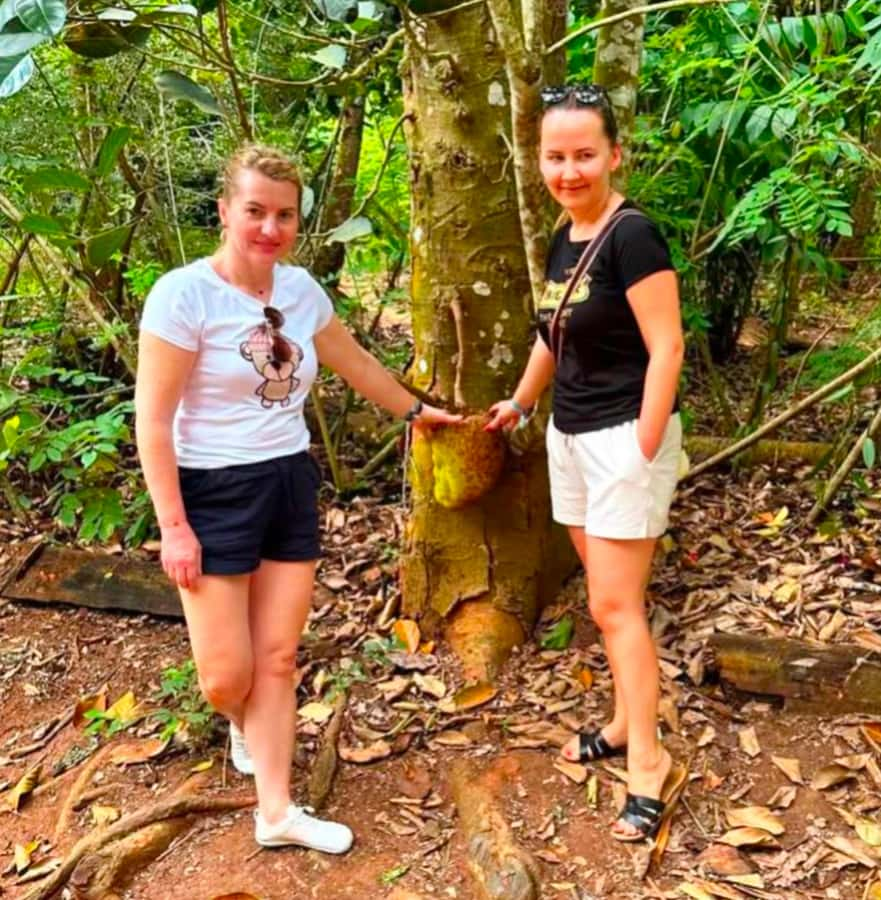
I would recommend this outing to you if you enjoy food, plants, local customs, and slower experiences. It is particularly useful for first-time visitors who want an introduction to Zanzibar beyond beaches and historic streets.
Families may like the smells, colors, and fruit tasting, though adults should keep children from touching the plants. Couples and solo visitors who enjoy conversation may get the most from the farmer interaction and optional family meal.
The activity may be less suitable if you dislike heat, insects, outdoor walking, or strong smells. People with insect allergies should take the warning seriously. The information also says it is not suitable for people with altitude sickness, although altitude is not otherwise described as a feature of the visit.
This is not a high-adrenaline activity. You will not be racing from one attraction to another. The reward comes from paying attention to small details: the scent of a spice, the look of a plant, the use of an ingredient in a home kitchen, and the explanation of a farming practice.
Practical preparation for the day
Wear comfortable clothing suitable for walking in warm weather. Loose, light clothing is sensible, while a hat and sunscreen protect you during the outdoor portions.
Bring:
- Comfortable walking shoes
- A hat
- Sunscreen
- Water
- Insect repellent
- A camera
You may want to carry a small bag for any permitted purchases, though the supplied information does not state that shopping is included or that a shop stop is guaranteed.
Do not touch the plants. Follow the guide’s instructions about tasting and handling anything on the farm. If you have an insect allergy, ask the provider for more details before paying.
The tour is conducted in English. If that works for you, the live guide should make the plant explanations and questions easier to follow. If you need another language, the supplied information does not confirm availability.
Free cancellation is available up to 24 hours before the activity for a full refund. You can also reserve now and pay later, which is useful if your Zanzibar schedule is still changing. Check the available start times before committing, since the exact departure schedule is not listed here.
Should you book the Zanzibar spice farm tour?

Book it if you want a practical introduction to Zanzibar’s spice culture, especially if you like tasting food and meeting people connected with local production. The standard four-hour visit gives you a reasonable half-day of guided walking, spice education, fruit tasting, and conversation for $32 per person.
The best version of the experience includes the optional Swahili cooking session with a local family. If that is your main interest, contact Tesoro Africa Tours in advance and ask to arrange it with the guide. Confirm the extra price, meal details, timing, and what your participation will involve.
Skip it if you want a cool indoor activity, dislike insects, or expect a polished culinary class to be included in the base fare. For most food-curious visitors, though, the combination of farm, flavor, and family cooking gives this outing more substance than a simple spice purchase.
FAQ
Where does the spice farm tour take place?
The tour takes place in Zanzibar’s Unguja South Region, Tanzania.
How long does the activity last?
The full activity lasts about four hours. The guided farm portion is listed as approximately three hours.
What is included in the $32 price?
The price includes a guided spice farm tour, spice tasting, fruit tasting, and an English-speaking guide. Pickup and return in Zanzibar are also described as part of the activity.
Is the cooking class included?
No. The cooking class is optional and may be arranged separately with a local family.
Can I have a Swahili cooking experience with a local family?
Yes. You can organize a private Swahili cooking experience with a local family through a local guide. One guide connected with the experience is named Duhall, and the meal may take place with his mother.
What language is the tour conducted in?
The live tour guide speaks English.
What should I bring?
Bring comfortable shoes, a hat, a camera, sunscreen, water, and insect repellent.
Can I touch the plants during the farm walk?
No. Touching the plants is listed as not allowed. Follow the guide’s instructions during the visit.
Can I cancel for a full refund?
Yes. You can cancel up to 24 hours in advance for a full refund. Reserve now and pay later is also available.
Just added around Zanzibar
- Zanzibar: Walking Spice Farm with Local Cooking Class★ 4.4 · 9 reviews
- ZANZIBAR, Stone town tour, Prison Island & Spice farm★ 5.0 · 11 reviews
- Zanzibar: Spice Farm Tour with Traditional Cooking Class★ 4.6 · 16 reviews
- Zanzibar: Stone Town City Tour and Spice Farm with Lunch★ 3.7 · 33 reviews
- Zanzibar: Spice farm tour with Zanzibar fruits tasting★ 3.8 · 7 reviews
- Zanzibar: Spice Farm Tour with Cooking lesson★ 4.5 · 4 reviews
- Zanzibar: Spice Farm Tour with Traditional Cooking Class★ 4.8 · 6 reviews
- Zanzibar: Spice Farm Tour & Stone Town Adventure★ 4.6 · 48 reviews
Spice Farm Tours, compared.
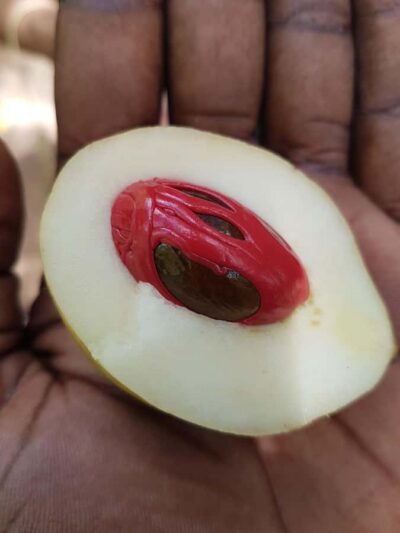

Full-Day Private Stone Town +Spice Farm and Prison Island Tour
Read our review →
Stone Town & Spice Farm Private Tour Lunch Included
Read our review →Zanzibar full day Jozani forest + Spice farm and stone town
Read our review →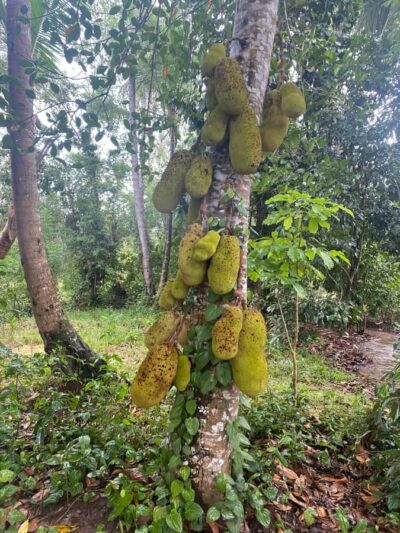
STONE TOWN, PRISON ISLAND AND SPICE FARM ( Lunch included )
Read our review →Lists this farm appears in