
Reviewed · SPICE FARM TOURS
Zanzibar: Spice Farm Tour with Lunch & Tropical Fruits
Zanzibar’s spice story makes the most sense with your hands and nose involved. At Jambo Spice Farm in Dole village, you walk among cloves, cinnamon, vanilla, nutmeg, ginger, pepper, and other plants rather than seeing them as tidy jars in a shop. The tour also brings in papaya, mango, and jackfruit, so it feels like a small food lesson in the open air.
I like the hands-on plant tour and the traditional lunch with tropical fruit. You get useful context about how spices grow and how local families use plants such as neem and the iodine tree. The main thing to consider is that this is a modest plantation visit, not a large attraction with elaborate facilities, and the meeting point is at the farm entrance in Dole village.
Key points at a glance
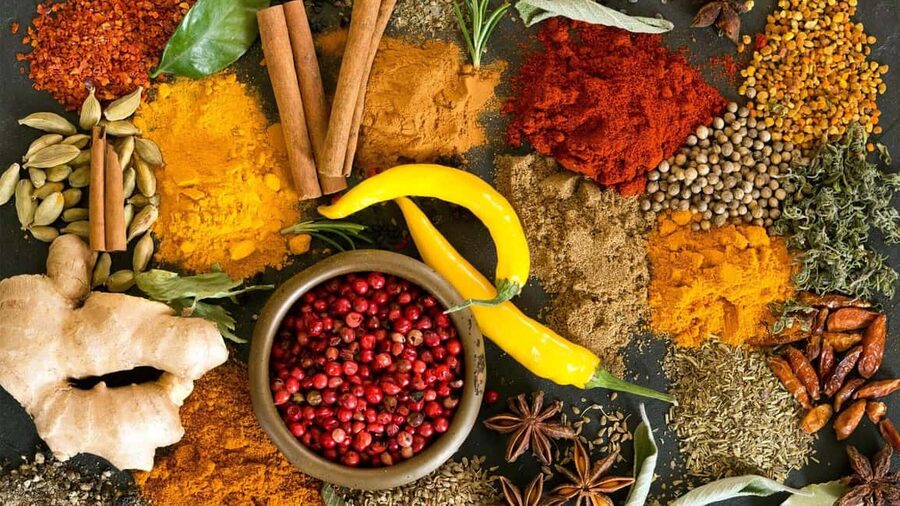
- Cloves, cinnamon, and vanilla grow as living plants: You see and smell familiar kitchen ingredients at their source.
- Tropical fruit is part of the tour: Papaya, mango, jackfruit, and other seasonal tastes add a welcome food break.
- Local plant uses add cultural context: Neem leaves and the iodine tree are presented through traditional medicinal uses.
- Lunch is included: The price covers a traditional meal, fruit, water, entrance, guide, and government fees.
- The farm shop comes at the end: You can buy spices, soaps, and oils to take home.
- The tour is short and easy to fit into a Zanzibar day: Plan for about 2 to 2.5 hours at the farm.
Why Zanzibar is called the Spice Island
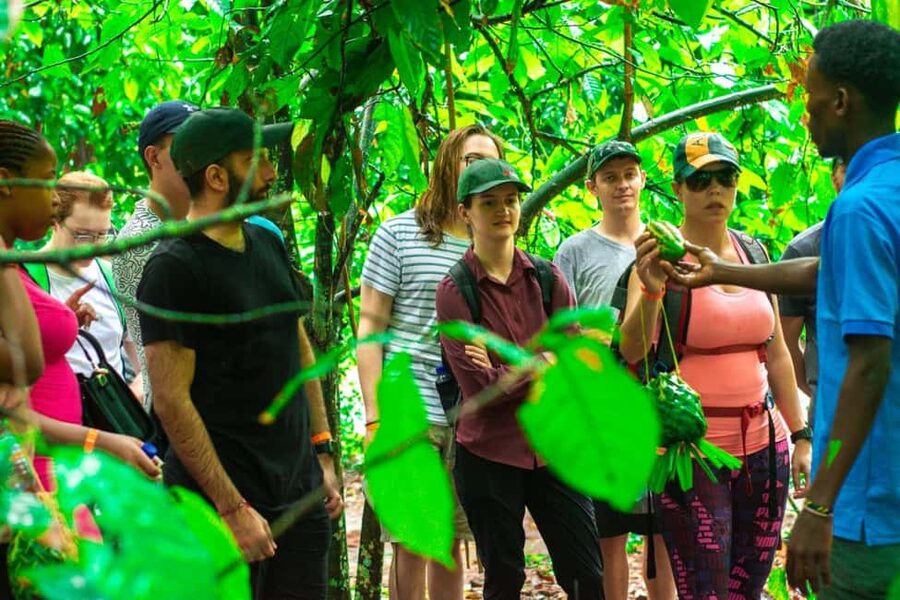
Zanzibar is often linked with cloves and the wider Indian Ocean spice trade, but this tour gives you a more immediate reason for the nickname. You walk through a plantation where spices and herbs grow among fruit trees and other useful plants.
The value is in matching the name to the plant. Cinnamon is not simply a brown powder. Vanilla is not only a flavor in a dessert. Pepper, cardamom, ginger, turmeric, nutmeg, curry plants, lemongrass, menthol, tamarind, and cloves all have a place in the tour, and your guide explains how they are used.
I find that this sort of visit helps you remember Zanzibar better than a short stop at a spice shop. You can smell a leaf, look at a seed or pod, and connect the plant with the food in front of you at lunch. The farm setting also keeps the experience local and straightforward.
Do not expect every plant to be labeled like a botanic garden. This is a guided walk, so the quality of the explanation matters. The English-language guide is central to the experience, and the supplied information confirms that the guides speak English. One guide was also able to use many German terms, which may help German-speaking visitors.
More Spice Farm Tours in Zanzibar:
- Zanzibar: Prison Island, Stone Town, & Spice Farm Tour
★ 4.5 · 579 reviews - Full-Day Private Stone Town +Spice Farm and Prison Island Tour
★ 4.5 · 216 reviews - Zanzibar: Stone Town & Spice Farm Tour with Lunch
★ 4.5 · 97 reviews
Walking among cloves, cinnamon, and vanilla
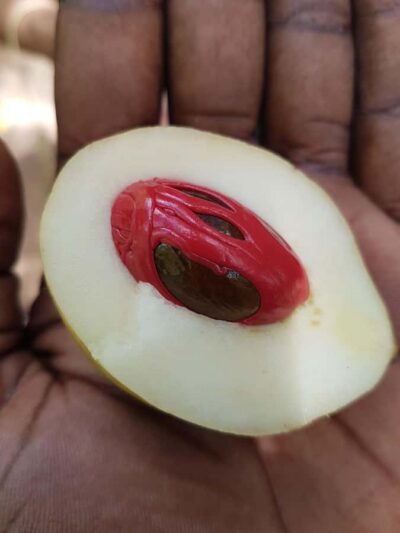
The plant walk is the main event. You will encounter cloves, nutmeg, vanilla, cardamom, cinnamon, curry, menthol, pepper, tamarind, and ginger. Some are familiar from your kitchen cupboard, while others are easier to understand once you see the plant itself.
Cloves are especially important to Zanzibar’s spice identity. The tour gives you a chance to connect the dried spice with the living tree. Cinnamon and vanilla are also good examples of why a farm visit adds value: their familiar flavors come from very different parts of plants, and the guide can explain their origins and uses as you move through the grounds.
Pepper and lemongrass make the walk more interactive because they are common cooking ingredients with distinct smells. Coffee beans and stink fruit may also appear during the visit, adding a few surprises beyond the advertised list. The exact plants in flower or fruit can vary, so you should treat the walk as a discovery rather than a fixed checklist.
The plantation is described as small. That is a plus if you want a focused visit without spending half a day walking from one display to another. It also means the experience may feel simple and informal. You are paying for the guide, tastings, food, and local setting, not for a polished theme park.
Neem, the iodine tree, and traditional plant knowledge

One of the more useful parts of the tour is the explanation of plants used in local traditions. Neem leaves are presented as a traditional treatment for malaria and indigestion, while the iodine tree is associated with wound healing.
You should take this as cultural information, not medical advice. The tour explains how plants have been used traditionally, but it is not a substitute for a doctor or modern treatment. Still, these details give the walk more depth than a list of spice names. They show that the plantation is connected to daily life, not just to tourist shopping.
I like this part because it broadens the definition of a spice farm. The visit includes food, scent, remedies, and household uses. It also gives you a respectful way to ask questions about local customs without turning the farm into a museum display.
The guide is your best source for the distinctions between plants. If you are curious about a particular herb, ask while you are standing beside it. The walk is more rewarding when you treat it as a conversation rather than simply following a path.
Tropical fruit tasting among the trees

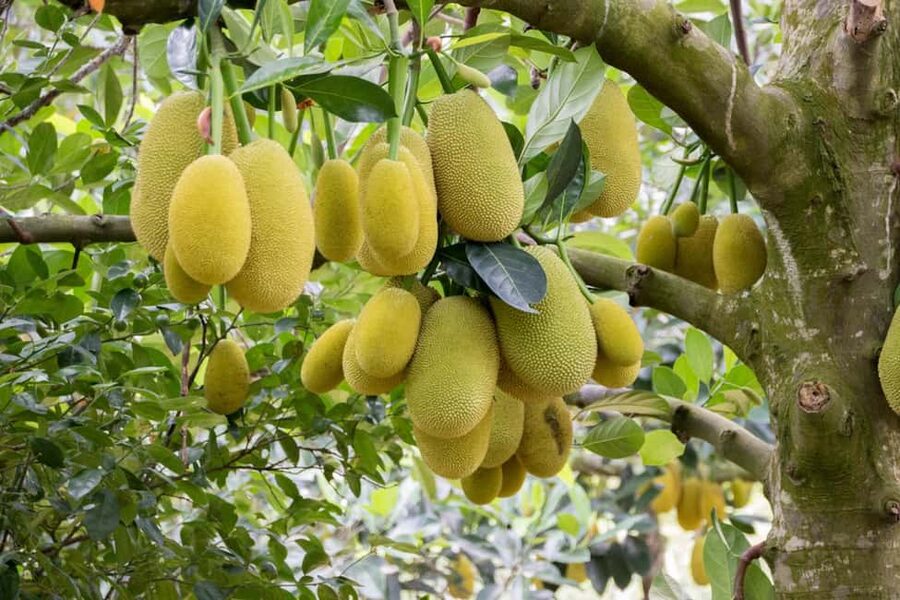
The fruit stop adds a welcome change of pace. Papayas, mangoes, and jackfruit are specifically included, and the experience may also feature other tropical tastes depending on what is available. You may smell, taste, or handle fruit during the walk.
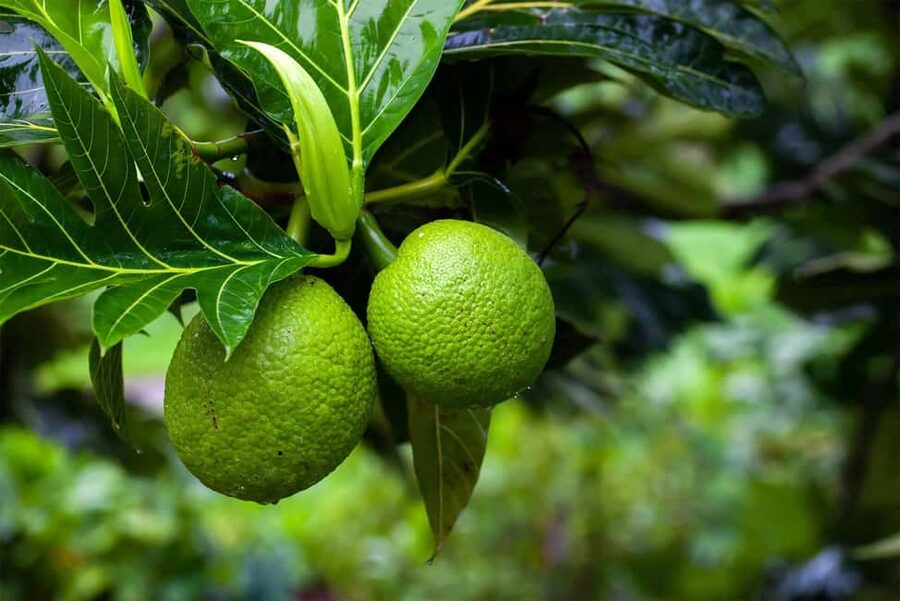
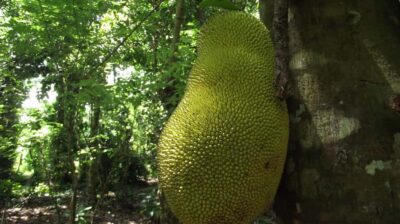
Jackfruit is worth noting because it can be unfamiliar to many visitors. Its size, texture, and sweet flavor make it different from the fruit you commonly find in European or North American markets. Mango and papaya are more familiar, but they still make sense in this setting, picked and served close to where they grow.
The fruit portion is not presented as a formal tasting menu. It is a relaxed part of the farm visit, and the selection can depend on what is ready. That is one reason I would not book this tour only for a particular fruit. Book it for the mix of plants, explanations, lunch, and tasting.
Water is included, which matters in Zanzibar’s warm climate. Even on a short visit, bring comfortable clothing and be ready for a walk through a working plantation rather than an indoor exhibit.
More Lunch Experiences in Zanzibar:
- Zanzibar:Stone Town & Spice Farm Private Tour Lunch Included
★ 4.2 · 94 reviews - Zanzibar Private Spice Farm and Stonetown Tour(Include Lunch)
★ 5.0 · 53 reviews - STONE TOWN, PRISON ISLAND AND SPICE FARM ( Lunch included )
★ 5.0 · 53 reviews - Zanzibar: Stone Town City Tour and Spice Farm with Lunch
★ 3.7 · 33 reviews
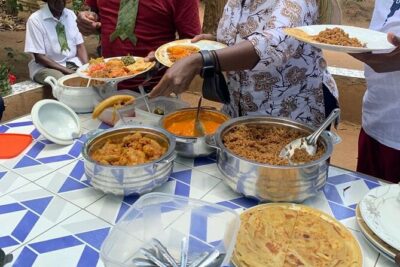
A traditional lunch that makes the tour practical
The $27 price includes a traditional lunch, tropical fruits, drinking water, the guide, entrance, and government fees. That package makes the tour a practical choice if you want to combine a cultural activity with a meal.
The lunch is not described in detail, so you should not book expecting a named menu or a choice of courses. What you can count on is a traditional meal as part of the farm experience. The food gives you another way to understand how the spices and fruits discussed on the walk fit into Zanzibar’s cooking.
I especially like the connection between the tour and the table. You learn about ginger, pepper, cinnamon, or cardamom, then have the chance to think about how local cooks use such ingredients. It turns the plantation from a sightseeing stop into a food-focused cultural visit.
The included meal also improves the value. A $27 activity that only offered a short walk and a shop would feel less substantial. Here, the lunch and fruit tasting help fill out the two-hour-plus visit, while the included fees mean fewer small costs to manage on site.
The farm shop and what to buy
The tour ends at the plantation spice shop. You can buy freshly harvested spices to use at home, along with soaps and oils. This is the natural place to pick up cloves, cinnamon, pepper, or other products you have just seen growing.
Shopping here can be more meaningful than buying anonymous spice packets elsewhere in Zanzibar because you have seen the plantation and heard how the plants are used. It also gives you a simple souvenir that is useful rather than decorative.
Take a moment to check what you are buying and how it is packed. The supplied information does not specify product sizes, prices, or export rules, so ask the staff if you are unsure about carrying an item home. You do not need to buy anything to complete the tour.
A small tip for the guide or farm staff is described as welcome, but it is not listed as part of the price. Keep this separate from your tour budget and give only what feels appropriate.
What the two to two-and-a-half hours feel like
The advertised duration is 2.5 hours, while one account of the experience put the visit at a little over two hours. In practical terms, plan on roughly two to two and a half hours at the farm, depending on the pace of the walk, questions, lunch, and shopping.
The tour begins at the entrance to Jambo Spice Farm in Dole village, in Zanzibar’s Unguja South Region. You arrange your own arrival at the meeting point unless your booking says otherwise. The activity ends back at the same location, which makes it easy to pair with another plan before or after, provided you allow time for transport.
Because the visit is not a full-day outing, it works well for a morning or afternoon slot. You will have enough time to see many plants without giving up an entire day of beach time. On the other hand, do not expect a long farm stay or an extended cooking class. The emphasis is on the guided walk, tasting, lunch, and shop.
The group size is not specified. That matters because a small group usually allows more questions, while a larger group can make plant demonstrations harder to see. If personal attention is important to you, ask about the group before booking.
What I like most about the guide-led format
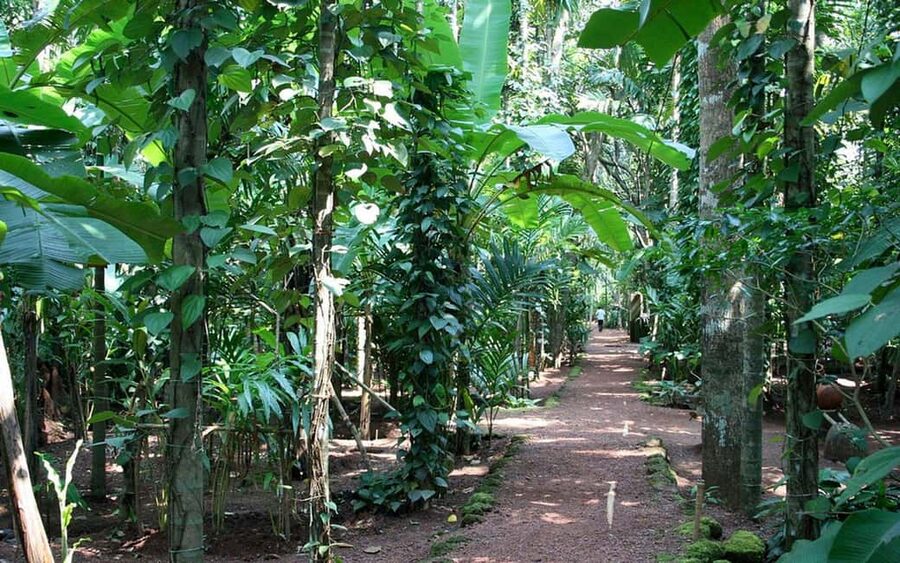
The guide gives the plantation its meaning. Without explanations, you would see trees, leaves, seeds, and fruit. With the guide, you learn which kitchen ingredients come from which plants, how herbs are used, and why Zanzibar is associated with spices.
The English-language format is useful for most international visitors. The guide also needs to explain unfamiliar terms clearly, especially when discussing traditional plant uses. One guide described during the experience was comfortable with English and knew many German terms, which may be helpful for German-speaking visitors, though the official tour language is English.
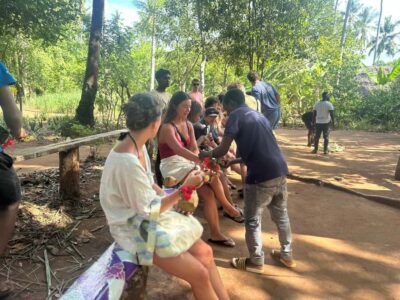
The staff atmosphere is another strength. The experience includes people beyond the main guide, including Mr. Butterfly, known as the coconut picker. That kind of demonstration adds a human touch and gives the farm visit a bit of character. It is also a reminder that the plantation is about local work and skills, not only visitor entertainment.
At the same time, the quality of any guided walk depends on who leads your group. No individual guide name is supplied, so you cannot request a named guide from the information available. If you have special questions about cooking, gardening, or traditional medicine, ask them early in the tour.
Who should book this spice farm visit
I would recommend this tour to you if you want a compact cultural activity with food included. It suits first-time visitors who want a clear introduction to Zanzibar’s spice plants, families who enjoy fruit tasting, and anyone who prefers local food and farming to a formal museum.
It is also a good choice for curious cooks. Seeing cinnamon, cloves, pepper, vanilla, ginger, turmeric, and cardamom in their natural setting gives you a stronger sense of place than buying the same ingredients in a supermarket.
You may want to skip it if you dislike guided walks, have no interest in food or plants, or expect a large botanical garden with extensive signs. The tour is friendly and informal, but it is still a small plantation visit. Its appeal comes from the guide and the setting, not from elaborate production.
The tour can also suit a tight schedule. Since it begins and ends at Jambo Spice Farm, you do not need to commit a whole day. Just remember that the meeting point is specific, and transport to Dole village is not listed among the inclusions.
Is $27 good value?
At $27 per person, I think the price is fair for what is included. You receive a guided plantation visit, entrance, traditional lunch, tropical fruit, drinking water, and government fees. The spice shop is an extra opportunity, not an extra requirement.
The value is strongest if you would otherwise pay separately for lunch and a short cultural activity. The tour combines both, and it gives you something to do beyond a standard beach day. The meal also means you are not paying only for a walk that ends after a quick explanation of a few plants.
The price feels less compelling if your only goal is to buy spices. You can shop without paying for a farm tour, but you would miss the connection between the plants, the food, and their traditional uses. For me, the learning and tasting are what make the cost worthwhile.
Booking can be kept flexible because you may reserve and pay later. You can also cancel up to 24 hours in advance for a full refund. Those terms are useful when your Zanzibar plans depend on weather or changing transport arrangements.
Final verdict: book it if you want food, plants, and local context
I would book the Jambo Spice Farm tour if I wanted a short, affordable way to understand Zanzibar’s spice identity. The strongest reasons are the broad plant selection, the fruit tasting, the included lunch, and the chance to buy spices after seeing where they grow.
Go with realistic expectations. This is a small, guided plantation visit in Dole village, not a grand attraction or a full cooking course. If that sounds right, $27 buys a useful half-day-sized outing with plenty to smell, taste, and ask about.
Book it especially if you enjoy practical travel experiences. You return with more than a bag of spices. You leave with a clearer sense of how cloves, cinnamon, vanilla, ginger, pepper, fruits, and traditional plant remedies fit into everyday life in Zanzibar.
FAQ
Where does the spice farm tour begin?
The tour begins in front of the entrance to Jambo Spice Farm in Dole village, Zanzibar.
Where does the activity end?
The activity ends back at the meeting point at Jambo Spice Farm.
How long does the tour last?
The advertised tour lasts 2.5 hours. Allow roughly two to two and a half hours for the guided walk, fruit tasting, lunch, and shop visit.
What food is included?
A traditional lunch, tropical fruits, and drinking water are included.
Which spices and plants can I see?
The tour includes cloves, cinnamon, turmeric, nutmeg, vanilla, cardamom, curry, menthol, pepper, tamarind, and ginger. It also covers neem leaves and the iodine tree, along with tropical fruits such as papayas, mangoes, and jackfruit.
Is the tour offered in English?
Yes. The tour language is English. The supplied information also notes that a guide knew many German terms, but English is the stated tour language.
Just added around Zanzibar
- Zanzibar: Walking Spice Farm with Local Cooking Class★ 4.4 · 9 reviews
- ZANZIBAR, Stone town tour, Prison Island & Spice farm★ 5.0 · 11 reviews
- Zanzibar: Spice Farm Tour with Traditional Cooking Class★ 4.6 · 16 reviews
- Zanzibar: Stone Town City Tour and Spice Farm with Lunch★ 3.7 · 33 reviews
- Zanzibar: Spice farm tour with Zanzibar fruits tasting★ 3.8 · 7 reviews
- Zanzibar: Spice Farm Tour with Cooking lesson★ 4.5 · 4 reviews
- Zanzibar: Spice Farm Tour with Traditional Cooking Class★ 4.8 · 6 reviews
- Zanzibar: Spice Farm Tour & Stone Town Adventure★ 4.6 · 48 reviews
Spice Farm Tours, compared.
Full-Day Private Stone Town +Spice Farm and Prison Island Tour
Read our review →
Stone Town & Spice Farm Private Tour Lunch Included
Read our review →Zanzibar full day Jozani forest + Spice farm and stone town
Read our review →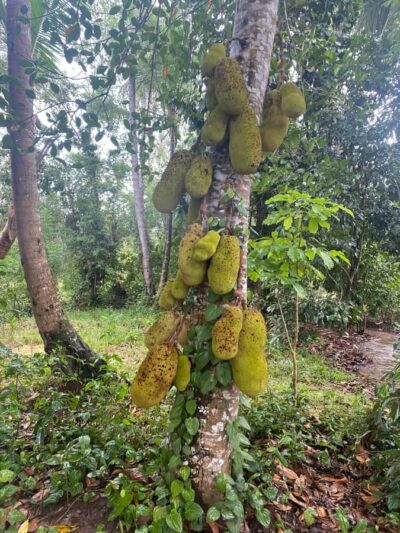
STONE TOWN, PRISON ISLAND AND SPICE FARM ( Lunch included )
Read our review →Lists this farm appears in