
Reviewed · SPICE FARM TOURS
Zanzibar: Spice Farm Tour with Traditional Cooking Class
Zanzibar’s spices make the best introduction here. At Jambo Spice Farm Dole, you can smell cloves, cinnamon, vanilla, nutmeg, lemongrass, and ylang-ylang before helping harvest ingredients for lunch. The hands-on cooking class, not just the farm walk, gives this half-day outing its real flavor.
I especially like the chance to taste fruit straight from the farm and learn how spices serve both culinary and medicinal purposes. Hotel pickup and drop-off also keep the day simple. The main caution is that this is a small, tourism-focused farm rather than a vast working plantation, and repeated requests for tips can make some stops feel less relaxed.
Key points at a glance
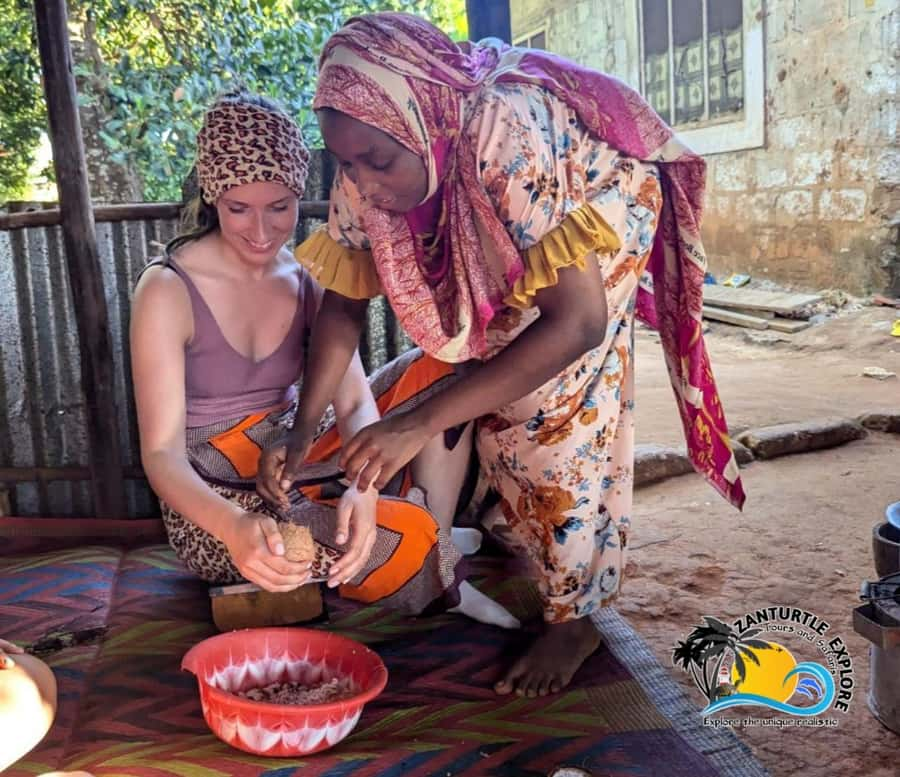
- Smell and taste more than a dozen spices: Cinnamon, vanilla, cloves, ginger, pepper, tamarind, chili, cumin, and nutmeg are part of the guided walk.
- Cook the food you help harvest: The class uses traditional methods and old-style cooking equipment.
- Fruit tasting is part of the experience: Mangoes, papaya, pineapple, passion fruit, bananas, avocado, and local grapefruit may be available.
- Pickup from Stone Town is included: Allow about one hour each way in the van.
- The cooking class is the strongest part: You work with local cooks, including Aïcha on some departures, then eat the meal you prepare.
- Plan for a few rough edges: Toilets may be basic, the farm is small, and tipping is expected at several points.
From Stone Town to Jambo Spice Farm Dole
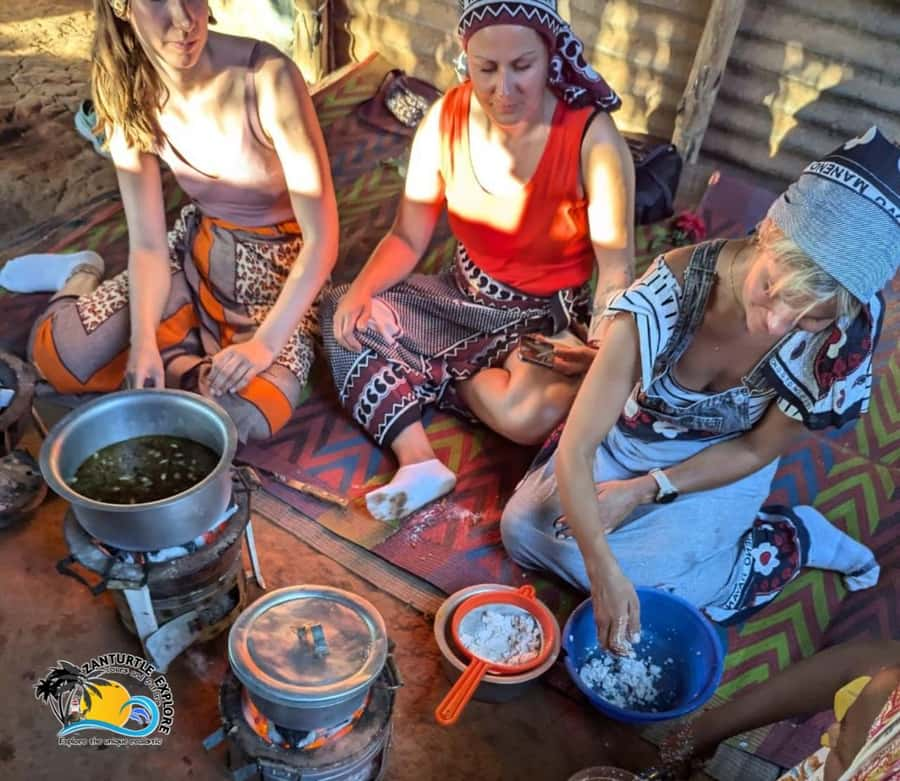
The tour begins with pickup at your hotel in Stone Town or another hotel in Zanzibar. You provide the hotel name and room number, then meet the representative in the lobby or reception area. The drive to Jambo Spice Farm Dole takes about one hour by van, so the round trip uses a large share of the five-hour outing.
That timing matters. This is not a quick stop near Stone Town followed by a leisurely afternoon. It is a half-day excursion with roughly two hours of transport, a farm walk, a cooking class, lunch, and fruit tasting packed into the remaining time. I would keep the rest of your day light, especially if you want to browse Stone Town afterward.
The tour is offered as a private group, which can be useful if you want to ask many questions or need to make special requests. Guides are available in Arabic, English, French, German, Italian, Polish, Russian, and Spanish. One family reported that a three-year-old child was welcomed into the farm and cooking activities, though you should still request any child-related needs before booking.
More Spice Farm Tours in Zanzibar:
- Zanzibar: Prison Island, Stone Town, & Spice Farm Tour
★ 4.5 · 579 reviews - Full-Day Private Stone Town +Spice Farm and Prison Island Tour
★ 4.5 · 216 reviews - Zanzibar: Stone Town & Spice Farm Tour with Lunch
★ 4.5 · 97 reviews
Reading Zanzibar through its spices
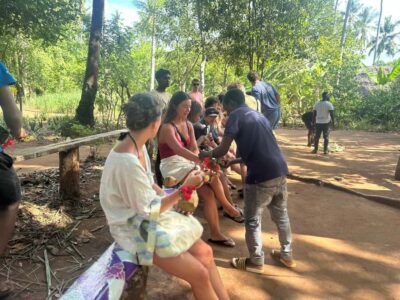
The farm walk is designed as a sensory lesson. Instead of hearing a list of spice names and moving on, you are encouraged to smell, taste, and identify plants. The guide may ask you to guess what you are holding, which makes the walk more engaging than a standard plant tour.
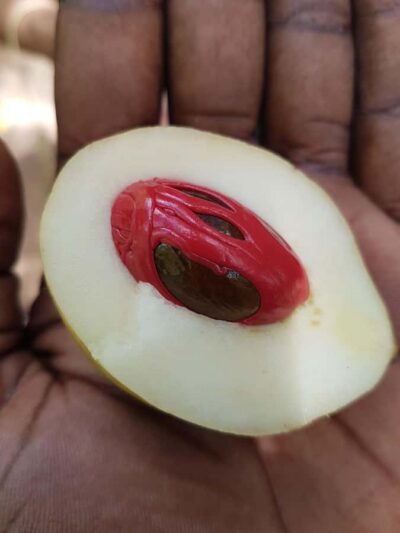
You can expect to encounter cinnamon, vanilla, nutmeg, lemongrass, cloves, ylang-ylang, cumin, ginger, pepper, tamarind, chili, and other herbs and spices. The point is not just to recognize them in a market packet. You learn how they connect to Zanzibar cooking and how some are used for health and traditional remedies.
Cloves are especially important to Zanzibar’s story and economy, while cinnamon, ginger, pepper, and chili help explain the flavors you find in Swahili food. The guide puts these ingredients into everyday context, showing how a plant becomes part of a spice blend, drink, dish, or home remedy.
You also get the chance to sample tropical fruit. Mangoes, passion fruit, avocado, papaya, local grapefruit, bananas, and pineapple may appear during the tasting. Availability can vary, but this part adds a welcome change from the sharper scents of the spice plants. Fresh fruit also gives you a better sense of what grows in the area than a shop display ever could.
The setting is not enormous. One visitor described it as closer to a large garden with winding paths than a broad plantation. That is worth knowing before you go. You will see many different plants in a compact area, but you should not expect miles of fields or a remote agricultural setting.
Harvesting ingredients for the cooking class
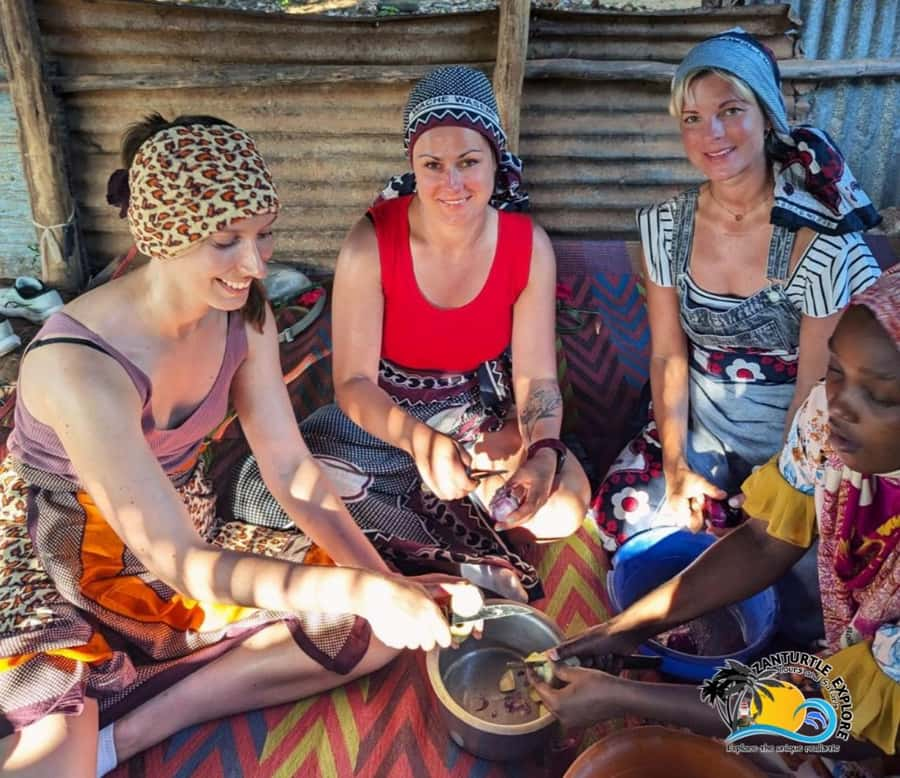
After the farm walk, you help gather vegetables and spices for the meal. This simple step changes the rhythm of the tour. You are not only watching someone cook with local ingredients. You are carrying the food from the garden into the kitchen.
The activity is suitable for people who like to take part rather than simply observe. Wear clothing and shoes you do not mind using around plants and cooking equipment. Comfortable shoes are important because the tour includes walking on farm paths, and sunscreen, a hat, insect repellent, and water are sensible additions.
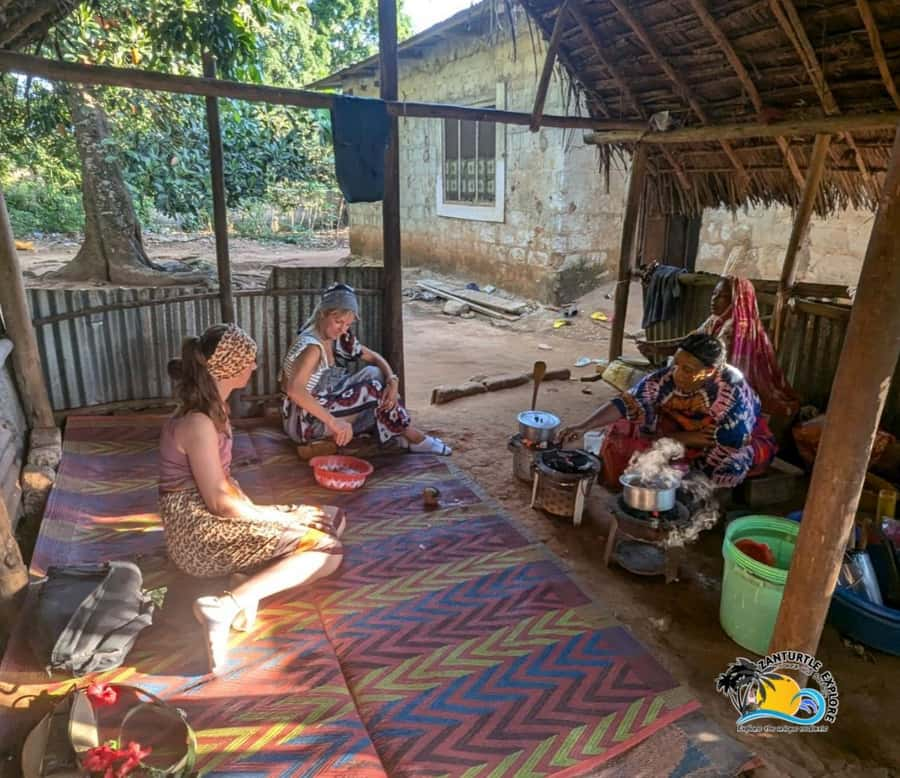
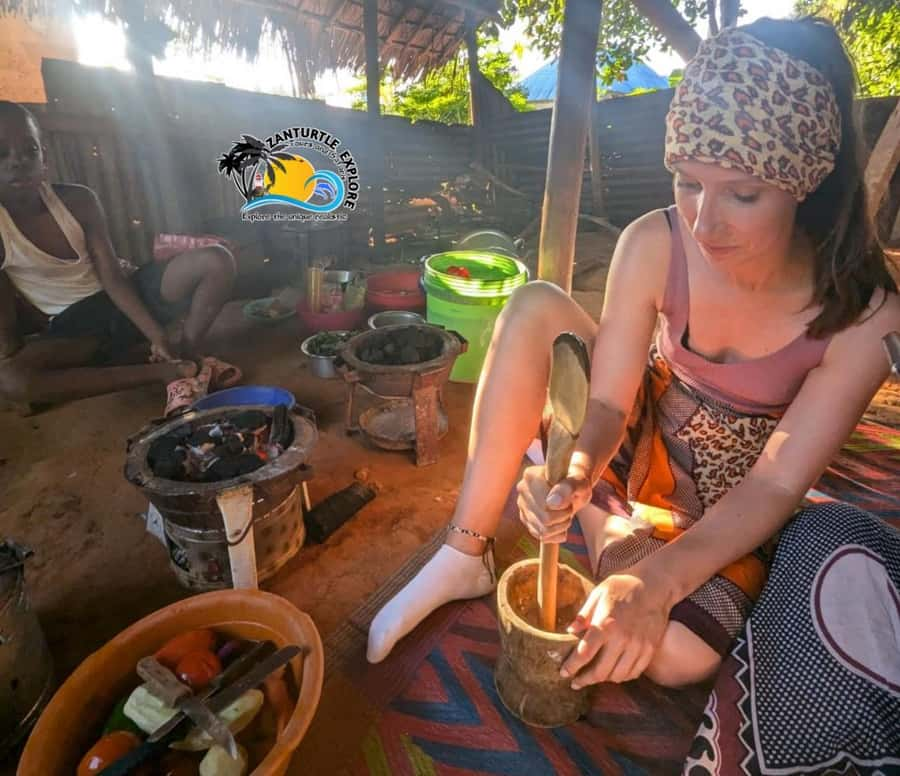
The class uses traditional cooking techniques and equipment modeled on older methods used around the Zanzibar coast. That does not mean you are receiving a formal culinary-school lesson. It is a practical session in which a local chef or cook shows you how the ingredients are prepared and combined.
The level of interaction can vary. Some visitors have found the cooks warm and involving, while others felt the cooking staff did not talk much with them. If you want a highly conversational lesson, say so at the beginning and ask to be included in each step. The private format can give you more room to work, but a shared class might feel more social for some people.
Aïcha has led the cooking portion on some departures, and one particularly positive account described cooking and sharing lunch with her as the heart of the day. The exact cook may differ, but the basic format remains the same: prepare a traditional Swahili meal, learn the older cooking methods, and eat what you have made.
Why the meal is the real payoff
The cooking class gives the spice tour a clear purpose. Smelling cloves or touching fresh ginger is pleasant, but using those ingredients in food helps you remember them. You begin to understand how Swahili cooking balances heat, sweetness, perfume, acidity, and earthy spice.
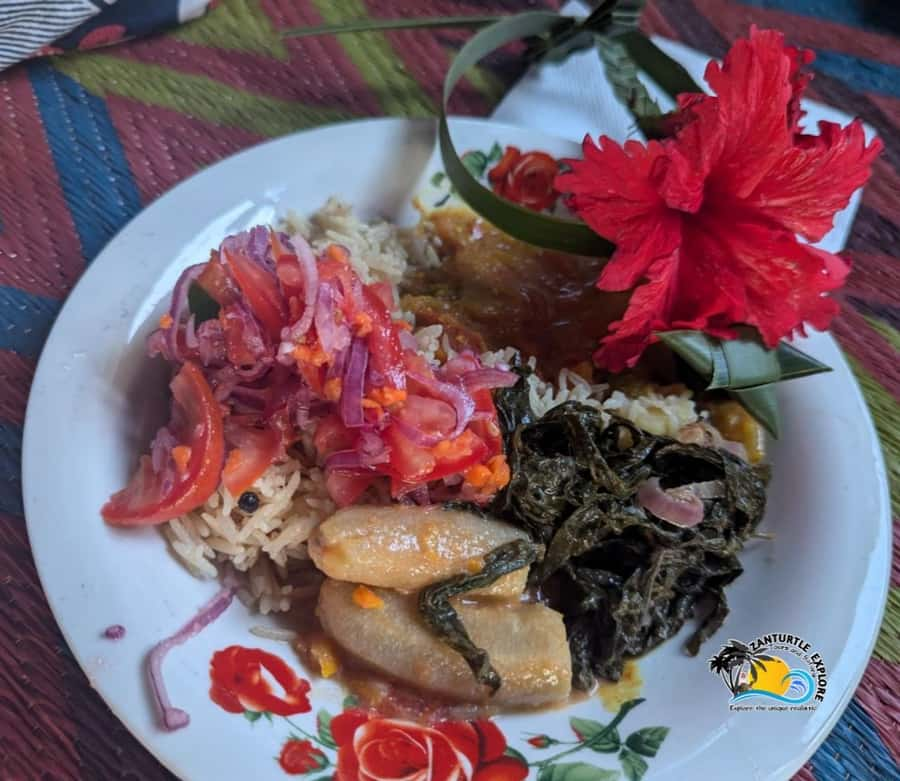
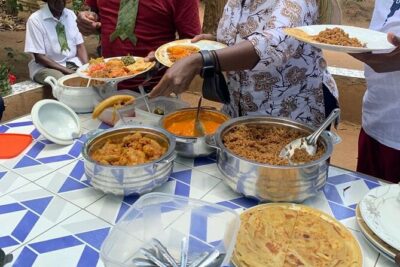
Lunch and drinks are included, along with tropical fruit. Because you help harvest some of the ingredients, the meal feels connected to the morning rather than added as a separate restaurant stop. I like that sense of sequence: plant, harvest, prepare, eat.
Do not expect a menu to be fixed in the same way as a restaurant booking. The supplied details promise a traditional Swahili meal, but they do not specify every dish. If you have allergies, dietary restrictions, or special requests, write them down before making the reservation and repeat them to the guide on arrival.
The meal is also a chance to ask practical questions about spice use. You can find out how a particular herb is used in food, how a spice is handled, or which ingredients are valued for traditional medicinal reasons. These small exchanges are often more useful than a long lecture.
More Cooking Classes in Zanzibar:
- Zanzibar: Spice Farm Tour with Traditional Cooking Lesson
★ 4.8 · 77 reviews - A private half day spice farm with a cooking lesson
★ 5.0 · 13 reviews - Zanzibar: Spice Farm Tour and Cooking Class with Lunch
★ 4.2 · 11 reviews - Zanzibar: Walking Spice Farm with Local Cooking Class
★ 4.4 · 9 reviews
Traditional music, shopping, and the tipping question
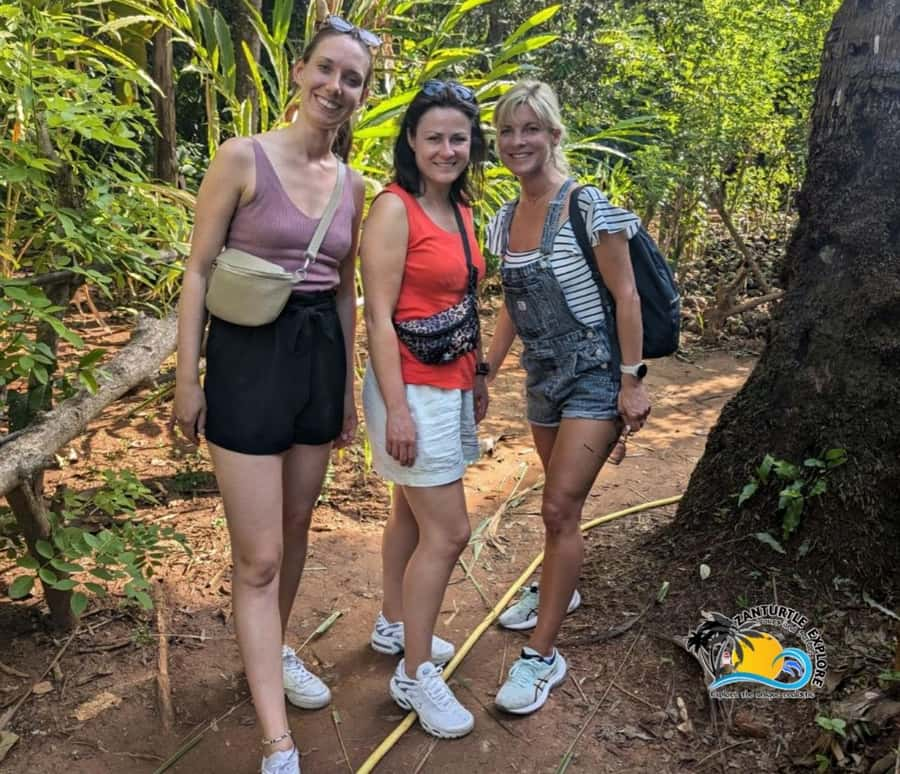
Traditional music and dance are included in the experience. The exact place in the schedule is not specified, so treat this as part of the farm visit rather than a separate performance with a fixed program.
There is also time to buy spices and fruit. This can be handy if you want to take home cinnamon, vanilla, cloves, or another local ingredient. Compare prices and buy only what you really want. You are not required to purchase something at every stop.
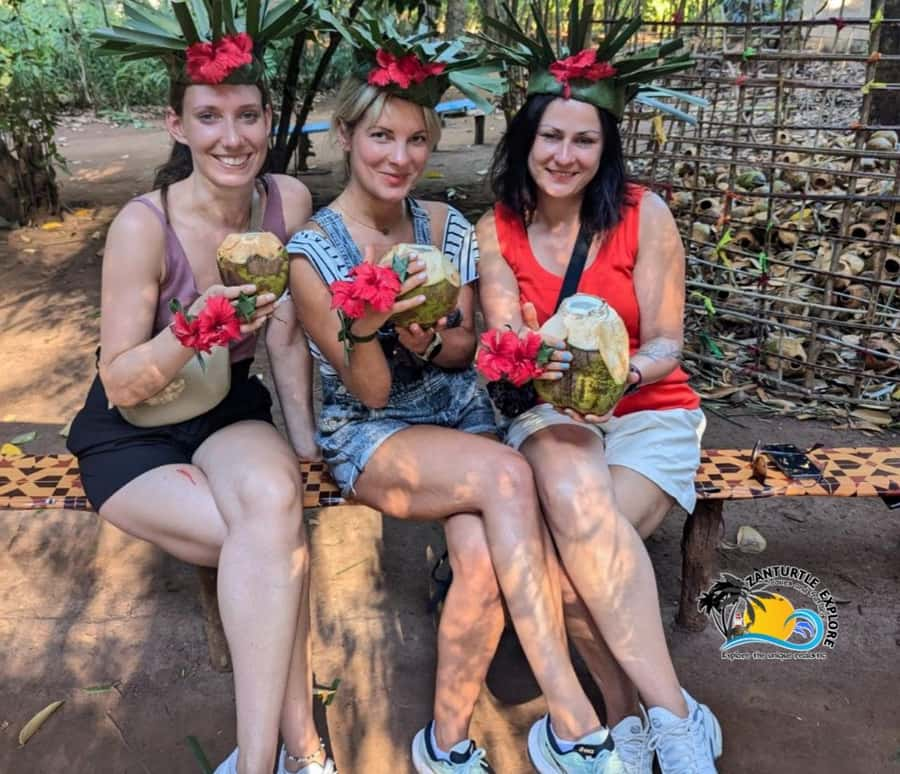
Tipping needs a little advance thought. Several visitors found that tips were requested by different people during the day, including the person serving a coconut, an assistant, cooks, the driver, and people making leaf decorations. One person described the requests as frequent and uncomfortable. Another said the requests were present but not especially forceful and tipped a total of 10,000 Tanzanian shillings, using smaller amounts for several people.
The fairest approach is to carry modest Tanzanian shilling notes and decide your budget before you arrive. A tip should reflect service you valued, not pressure at each stage. If someone offers an unrequested extra, such as a coconut or leaf ornament, ask politely whether there is a charge before accepting it.
Toilets, comfort, and the practical edges
The farm is an outdoor attraction, and the facilities may be basic. One visitor specifically found the toilets poor. If comfort matters a lot to you, use a proper restroom before leaving Stone Town and carry hand sanitizer or tissues.
Wear light, comfortable clothing suitable for walking and cooking. A hat and sunscreen will help in exposed areas, while insect repellent is worth packing for time among plants. Bring water, even though drinks are included, and carry a camera if you want to record the plants and food.
The paths may be winding, and you will be moving between the farm and cooking area. The provided information does not give accessibility details, so contact the operator before booking if you have mobility needs or require step-free access.
The van ride takes about one hour each way. Hotel pickup is included, but the exact pickup time depends on the starting time you select and your hotel location. Keep your phone available and wait in the lobby or reception area.
Is $61 a fair price?
At $61 per person, the tour costs more than simply visiting a spice seller or ordering a Swahili lunch. The price includes transport, a guide, entrance and conservation fees, the farm walk, harvesting, cooking equipment, lunch, drinks, fruit, and hotel return. It also includes government fees and taxes.
That makes the value reasonable if you want a full activity with transport arranged. You are paying for the complete chain of experiences, not just admission to a garden. A private group can also be worth more to couples, families, or small groups who prefer their own pace.
The value is weaker if your main interest is seeing a large working plantation. The farm is relatively compact and set up for short visits. You may also feel that the day costs more than expected if you end up giving several tips or buying spices and fruit.
I would compare this tour with the cost of arranging a separate taxi, farm visit, cooking class, and lunch. For many people, the convenience justifies the price. For someone who wants a quiet, low-commercial visit, the tipping culture and sales opportunities may be a concern.
Who will enjoy this Zanzibar cooking day?
I would choose this tour if you want a direct introduction to local food and prefer active sightseeing. Families can take part, and the cooking gives children something concrete to do. Food lovers get the most from it, especially anyone curious about how familiar spices grow and how they are used in Swahili meals.
It also works well for first-time visitors who want to connect a Stone Town stay with a short outing into the countryside. The multilingual guide options are useful if you prefer explanations in a language other than English.
I would think twice if you dislike being asked to tip, have strong expectations of polished facilities, or want a large agricultural estate. The farm is tourist-friendly rather than remote, and the toilets may disappoint.
The tour has a 4.6 rating from 16 reviews, with especially strong praise for the hotel pickup, the fruit tasting, the explanations of spices, and the cooking class. The main criticisms are consistent enough to take seriously: the small scale of the farm, basic toilets, uneven interaction during cooking, and repeated tip requests.
Should you book the Jambo Spice Farm experience?

Book it if you want to smell and taste Zanzibar’s spices, cook a local meal, and have transport handled from Stone Town. The cooking class is the strongest reason to go, while the farm walk supplies useful context and the fruit tasting keeps the visit lively.
Before booking, decide how you feel about a compact, tourism-focused farm and prepare a clear tipping budget. Bring comfortable shoes, sun protection, insect repellent, water, and an appetite. If those conditions suit you, the $61 price buys a friendly, practical introduction to Zanzibar food rather than just another sightseeing stop.
FAQ
Where does the spice farm tour begin?
Pickup is available from hotels in Stone Town and other hotels in Zanzibar. You meet the representative in your hotel lobby or reception area.
How long does the experience last?
The activity lasts five hours. The van journey to Jambo Spice Farm Dole takes about one hour, with another hour for the return trip.
What spices will I see and taste?
The tour may include cinnamon, vanilla, nutmeg, lemongrass, cloves, ylang-ylang, cumin, ginger, pepper, tamarind, chili, and other spices and herbs.
Is lunch included?
Yes. Lunch, drinks, and tropical fruit are included. You help harvest ingredients and prepare a traditional Swahili meal during the cooking class.
What fruit might be available?
The fruit tasting may include mangoes, passion fruit, avocado, papaya, local grapefruit, bananas, pineapple, and other tropical fruit.
Is hotel pickup and drop-off included?
Yes. Hotel pickup and drop-off are included, and the operator requests your hotel name and room number.
What languages are available for the guide?
Guides are available in Arabic, English, French, German, Italian, Polish, Russian, and Spanish.
What should I bring?
Bring comfortable shoes, a hat, sunscreen, water, insect repellent, and a camera. Wear clothing suitable for walking and cooking.
More Workshops in Zanzibar
- Zanzibar: Spice Farm Tour with Traditional Cooking Class
★ 4.8 · 6 reviews - Zanzibar Cooking Class [Swahili food test ] and Spice farm Private tour
★ 4.5 · 6 reviews - Zanzibar: Spice Farm Tour with Cooking lesson
★ 4.5 · 4 reviews - Spice Farm Tour with Traditional Cooking Lesson
★ 5.0 · 3 reviews
Just added around Zanzibar
- Zanzibar: Walking Spice Farm with Local Cooking Class★ 4.4 · 9 reviews
- ZANZIBAR, Stone town tour, Prison Island & Spice farm★ 5.0 · 11 reviews
- Zanzibar: Stone Town City Tour and Spice Farm with Lunch★ 3.7 · 33 reviews
- Zanzibar: Spice Farm Tour with Cooking lesson★ 4.5 · 4 reviews
- Zanzibar: Spice Farm Tour with Traditional Cooking Class★ 4.8 · 6 reviews
- Zanzibar: Spice farm tour with Zanzibar fruits tasting★ 3.8 · 7 reviews
- Zanzibar: Spice Farm Tour & Stone Town Adventure★ 4.6 · 48 reviews
- Zanzibar: Spice Farm Tour with Traditional Cooking Class★ 5.0 · 2 reviews
Spice Farm Tours, compared.

Full-Day Private Stone Town +Spice Farm and Prison Island Tour
Read our review →
Stone Town & Spice Farm Private Tour Lunch Included
Read our review →Zanzibar full day Jozani forest + Spice farm and stone town
Read our review →
STONE TOWN, PRISON ISLAND AND SPICE FARM ( Lunch included )
Read our review →Lists this farm appears in