
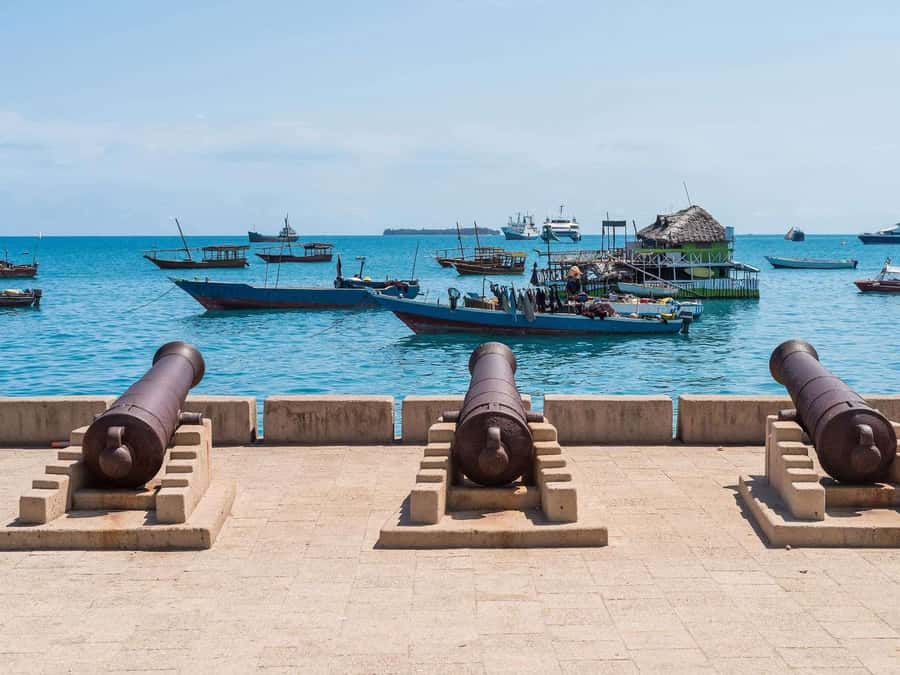
Reviewed · SPICE FARM TOURS
Zanzibar: Stone Town City Tour and Spice Farm with Lunch
Stone Town and Zanzibar’s spice farms give you two very different views of the island in one day. In town, you’ll pass Swahili doors, old trading buildings, the former slave market, fish auctions, and landmarks shaped by Arab, Persian, Indian, and European influence. At the farm, the history becomes something you can smell, touch, and taste.
I like the fresh coconut picked from the tree and the chance to taste spices straight from the plants. I also like that the day includes local food, jackfruit, cassava leaves, and coconut milk, not just a string of photo stops. The main caution is timing: pickup delays, long drives from northern beach areas, and extra cash charges have made this a frustrating day for some guests.
Key points to know before booking
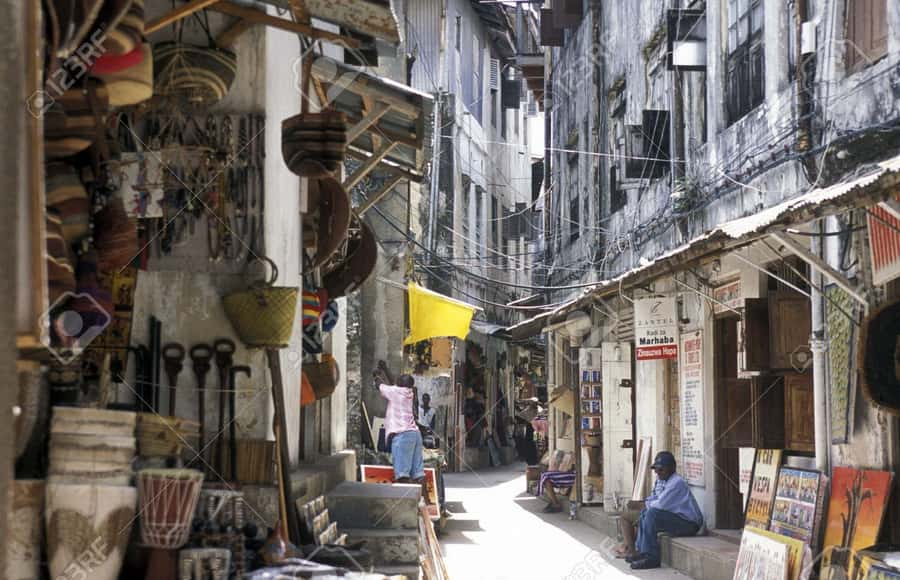
- Stone Town covers a lot of ground: You’ll see the Old Slave Market site, Anglican Church, City Market, Palace Museum, House of Wonders, Old Fort, Tippu Tip’s House, Freddie Mercury’s House, Peace Memorial, and Natural History Museum.
- The spice farm is hands-on: You can smell and taste cloves, nutmeg, cinnamon, and black pepper, help harvest cassava leaves, make coconut milk, and try young coconut.
- Budget extra cash: The listed slave market and spice farm entrance charge is $10 per person, paid on the spot. Spice purchases are cash only.
- Pickup may affect the day: Hotel pickup and drop-off are available if selected, but transport from outside Stone Town costs extra. Pickup arrangements should be confirmed in advance.
- Guide quality matters: English, French, German, and Italian are offered. Capuchino is specifically praised for patience, kindness, and answering questions.
- This is better for a full cultural day than a quick outing: Delays have shortened the actual touring time for some people, while northern pickups have ended after 8 p.m.
Stone Town starts with slavery, trade, and Swahili culture
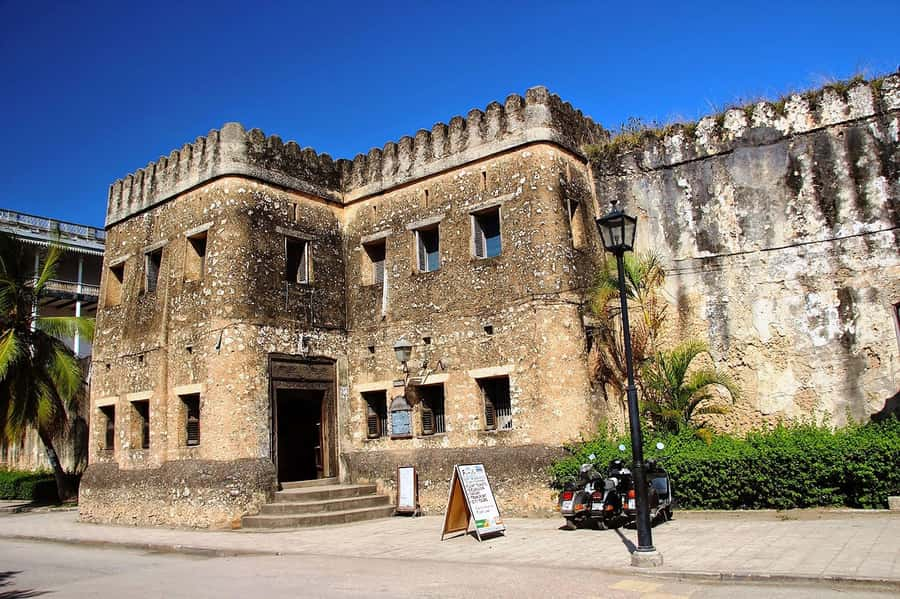
Stone Town is not a polished open-air museum. It is a working town with narrow lanes, old homes, shops, markets, and people going about daily business. That is part of its appeal, but it also means the experience can feel crowded and rough around the edges.
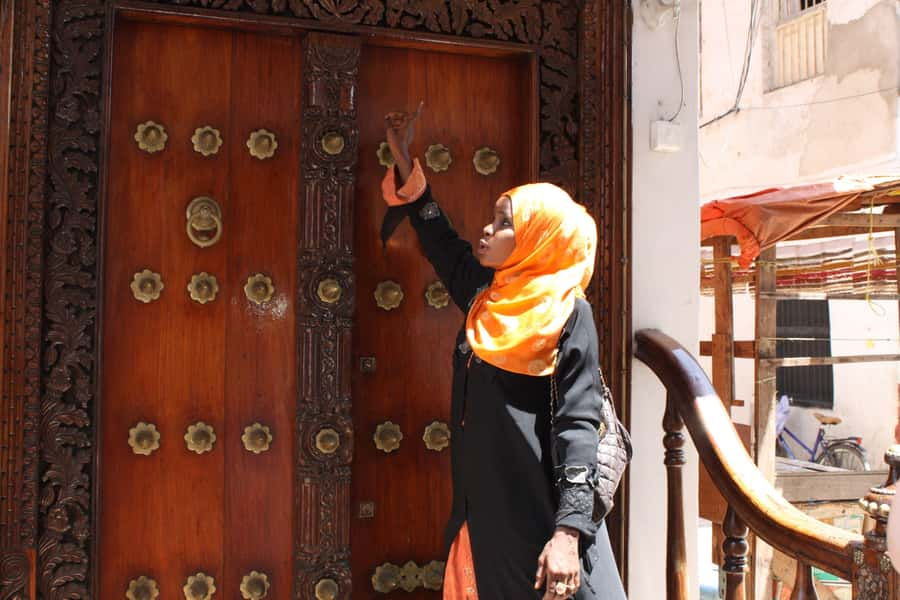
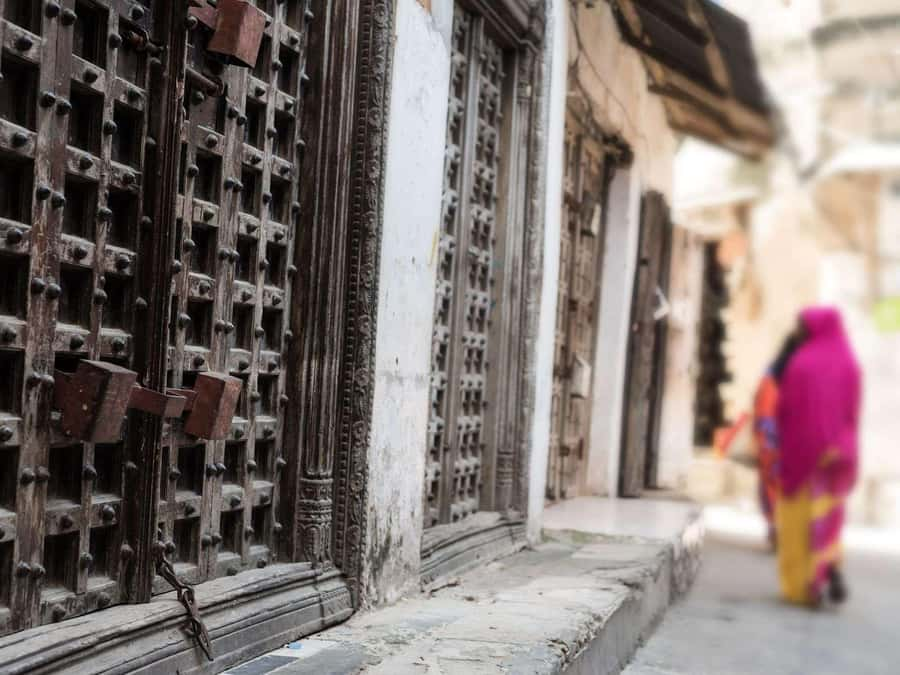
The town’s architecture reflects centuries of contact among Swahili, Arab, Persian, Indian, and European communities. The 19th-century buildings, carved doors, courtyards, and trading streets help explain why Stone Town was named a UNESCO World Heritage Site in 2000.
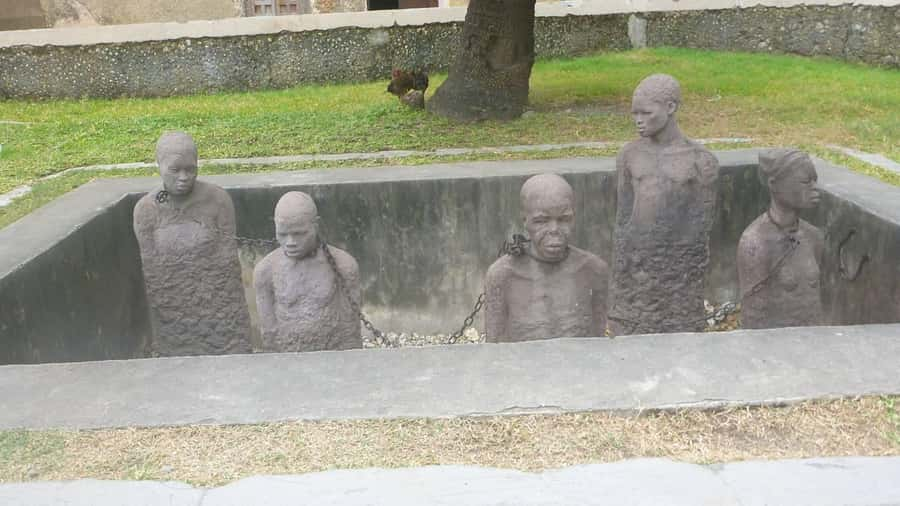
Your walking tour begins at the Old Slave Market site and the Anglican Church. This is the most serious part of the day. The site connects Zanzibar to the East African slave trade, and the Anglican Church was built on the former market area. I appreciate beginning here because it gives the rest of Stone Town a clearer context. You are not just looking at attractive old buildings. You are seeing a port shaped by commerce, wealth, religion, and human suffering.
The guide’s role is important here. A strong guide can explain the site with care and place Zanzibar’s trade networks in context. If your guide is less engaged, the stop may feel more like a quick historical marker than a meaningful visit. When booking, confirm the language you need and ask who will guide the town walk.
More Spice Farm Tours in Zanzibar:
- Zanzibar: Prison Island, Stone Town, & Spice Farm Tour
★ 4.5 · 579 reviews - Full-Day Private Stone Town +Spice Farm and Prison Island Tour
★ 4.5 · 216 reviews - Zanzibar: Stone Town & Spice Farm Tour with Lunch
★ 4.5 · 97 reviews
City Market brings the town to life
From the old slave market, you continue through the narrow streets toward the City Market. This is one of the more useful stops because it shows you how people shop and sell food today.
You’ll see fresh produce and local goods, then watch the fish auction. The market is noisy and active, with sellers and buyers handling the business of the day. It is not arranged for sightseeing, so you should expect a working food market rather than a staged cultural show.
The fish auction can be especially interesting if you want a look at everyday Zanzibar. You may see the pace of buying and selling, the importance of seafood to local diets, and the practical side of the island’s economy. Keep your belongings close and follow your guide through the tight lanes.
The market is also where the tour feels most authentic. At the spice farm, the experience is designed for visitors. Here, the smells, transactions, and movement are part of ordinary life. I would give the market your full attention rather than rushing through it for photographs.
Palace Museum, House of Wonders, and the Old Fort
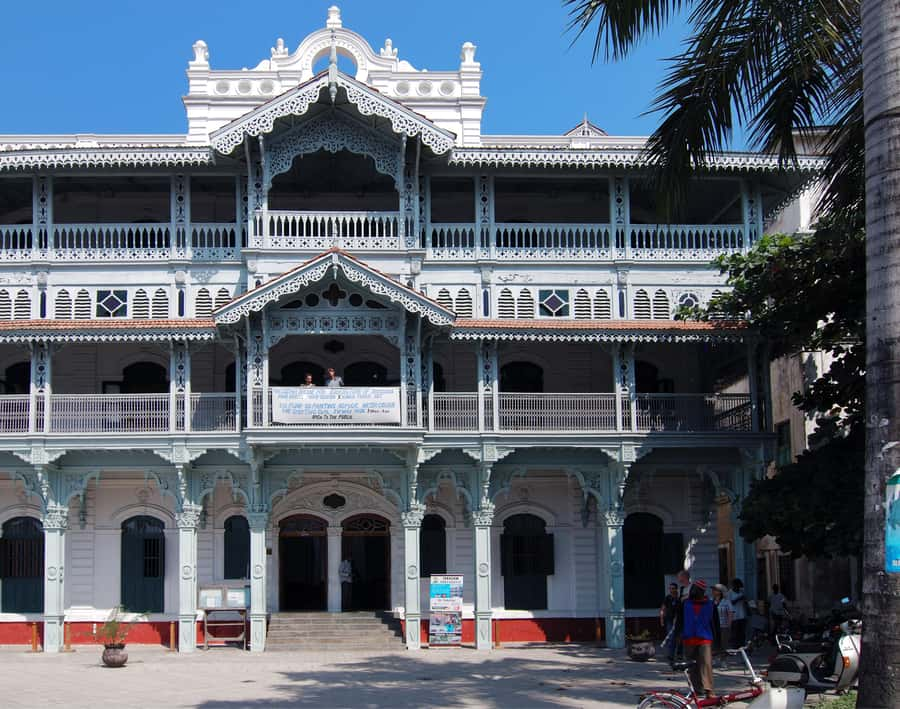
The sightseeing portion continues with several of Stone Town’s major buildings. The Palace Museum is linked to Zanzibar’s former ruling family and helps explain the island’s royal and political past. The House of Wonders, also called Bait-al-ajab, is described as the largest and tallest building in Stone Town.
These landmarks are useful even if you do not spend long inside each one. Their scale and design show how important Zanzibar was as a trading center. The mix of local and overseas influence is visible in the buildings themselves.
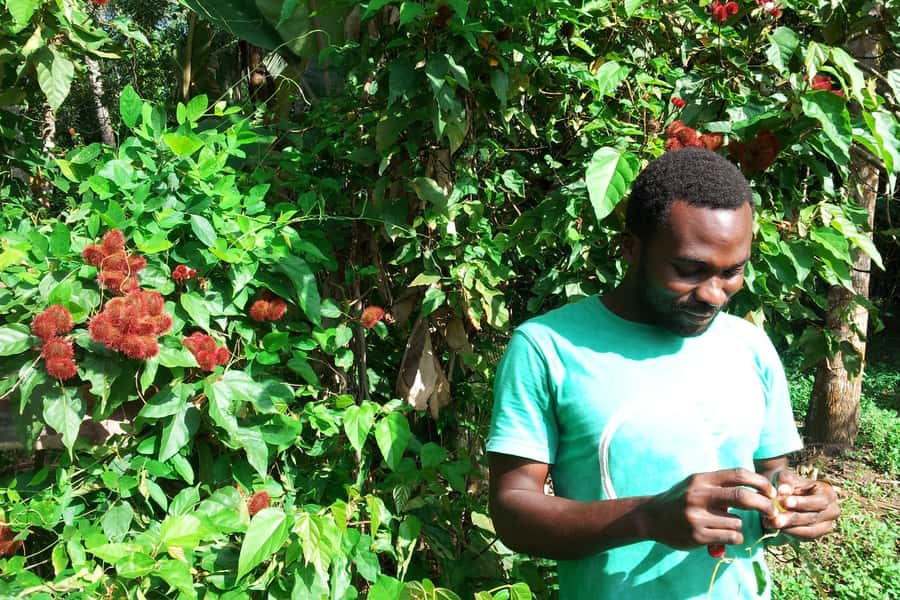
You’ll also visit the Old Fort, a thick-walled structure that now serves as one of Stone Town’s best-known landmarks. Tippu Tip’s House adds another connection to Zanzibar’s trading era. The tour also includes Freddie Mercury’s House, a popular stop for music fans, though the visit is mainly about seeing the building associated with his early life rather than attending a performance or museum exhibit.
The Peace Memorial and Natural History Museum round out the town sightseeing. Because the tour includes many named stops, you should not expect a long, detailed visit at every one. Think of this as a guided introduction to Stone Town, with enough background to help you decide which places deserve a longer return visit.
Why the spice farm is more than a photo stop
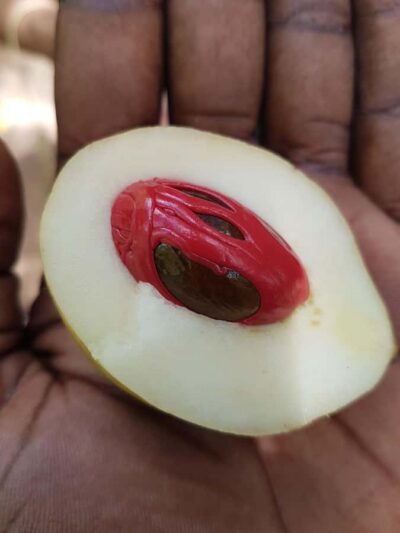
After Stone Town, the focus shifts to Zanzibar’s famous spice production. Zanzibar and Tanzania’s Mafia Island are often called the Spice Islands because cloves, nutmeg, cinnamon, and black pepper have played such an important role in local trade and agriculture.
At the organic spice farm, a guide explains how the plants grow and how the spices are used in cooking and traditional medicine. The best part is the direct contact. You can touch leaves, smell the spices, and taste them at their source instead of only seeing dried packets in a shop.
That difference matters. A cinnamon stick, a peppercorn, or a clove in a shop tells you very little about the plant. At the farm, you get a basic lesson in how the crop looks and how it connects to local food. The farm visit is likely to be most enjoyable if you ask questions and take time with the smells rather than treating it as a quick shopping stop.
The farm also includes several hands-on activities. You may help with a cassava leaf harvest, learn how coconut milk is made, and practice simple cooking techniques. A coconut climber picks young coconuts from the tree for you to drink. These tasks are simple, but they make the visit more memorable than a standard explanation from a guide standing beside a row of plants.
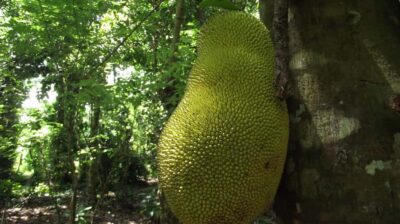
You’ll also have the chance to try fresh jackfruit, described as the world’s largest fruit. Its size and texture make it a fun tasting stop, especially if you have never tried it before.
More Lunch Experiences in Zanzibar:
- Zanzibar:Stone Town & Spice Farm Private Tour Lunch Included
★ 4.2 · 94 reviews - Zanzibar Private Spice Farm and Stonetown Tour(Include Lunch)
★ 5.0 · 53 reviews - STONE TOWN, PRISON ISLAND AND SPICE FARM ( Lunch included )
★ 5.0 · 53 reviews - Zanzibar: Jozani forest tour & Spice farm tour with lunch
★ 4.5 · 31 reviews
Lunch and the shopping question
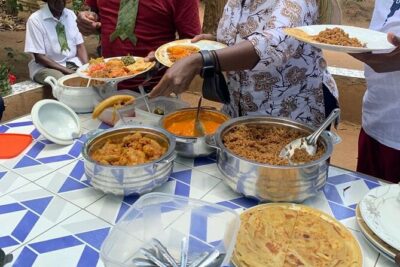
Lunch is served at a local restaurant at the spice farm. The meal gives the day a proper pause after the walking in Stone Town and the farm activities. The supplied details do not specify the menu, so you should not book this expecting a particular dish.
The farm shop sells spices, and purchases are cash only. Bring cash if you want to take home cinnamon, cloves, nutmeg, pepper, or other products. You should also bring cash for the stated $10 per-person entrance charge covering the slave market and spice farm, paid on the spot.
This is where the day can feel either pleasant or too commercial, depending on how the sales are handled. I like the idea of buying spices directly from the farm, especially after seeing where they grow. But repeated pressure to tip or purchase souvenirs can change the mood.
You can avoid confusion by asking at the start which costs are included, which entrance fees are separate, and whether any contribution is optional. The $32 base price is attractive, but it is not the complete out-of-pocket cost if you need pickup outside Stone Town, pay the entrance charge, buy lunch-related extras if any arise, or shop at the farm.
The $32 price and the real cost of the day
At $32 per person, the combination of a Stone Town visit, professional guide, spice farm, water, and lunch looks like good value on paper. You are getting two different experiences in one booking, and the town and farm complement each other well.
The price needs a closer look. Hotel pickup and drop-off are included only if that option is selected. Transfers from outside Stone Town cost extra, and one guest was told that a requested pickup would add about $20 per person. That can change the value quickly, especially for a couple staying in the north.
There is also the $10 per-person cash entrance charge listed for the slave market and spice farm. Confirm whether that amount covers both listed admissions together before you go, since the wording can be read in more than one way.
I would judge the price this way:
- Good value: You are staying near Stone Town, your pickup option is clear, the tour runs on time, and you want both town history and a farm visit.
- Less attractive value: You are staying in Nungwi or another distant area, need a costly transfer, or want a detailed museum tour with long stops.
- Potentially poor value: Your day is shortened by late pickup, the guide is not fluent in your chosen language, or you feel pushed into unplanned purchases.
The experience provider is AClass Travel. Languages offered are English, French, German, and Italian. Put your hotel name and room number into the booking details so the pickup time can be arranged. I would still confirm the time directly, since delays have been a repeated problem.
Timing, transport, and the risk of a very long day
The advertised start can be affected by transport. One guest scheduled for 8 a.m. was not collected until 9:40 a.m., then had to wait while another couple was picked up. The group reached Stone Town around 12:30 p.m., with the walking tour beginning around 1 p.m.
Another guest had a tour that started 35 minutes late and lasted about four hours instead of seven. Those are not small changes. A late departure can reduce the time available at the market, landmarks, and farm, while a distant return transfer can make the day end very late.
A northern pickup can also turn this into a long transport day. One return to Nungwi finished just after 8 p.m. If you are based outside Stone Town, ask for the estimated pickup and return times before committing. You may still decide the day is worth it, but you should know that the cost is not only money. It can take most of your daylight hours.
The tour is described as private, yet transport arrangements may involve collecting another couple. I would confirm what private means in your case: private guide and vehicle, or private touring once you reach Stone Town. That single question can prevent a mismatch in expectations.
Guide quality can make or break the experience
A good guide is especially important here because the day covers history, architecture, markets, agriculture, and food. You need someone who can connect the Old Slave Market to Stone Town’s wider story, explain the buildings, and answer practical questions at the spice farm.
Capuchino is specifically praised for being patient, kind, and willing to answer questions throughout the day. If you can request a guide by name, that may be useful, though availability is not guaranteed.
Language should be confirmed before the tour. English, French, German, and Italian are offered, but one poor experience involved a French-speaking booking that did not receive the expected guide. The substitute guide reportedly spoke only a few words of French, which made the tour uncomfortable and led to cancellation.
I would not leave this detail to chance. State your preferred language clearly, confirm it before pickup, and ask what happens if the assigned guide does not speak it.
Who should book this Stone Town and spice farm tour?
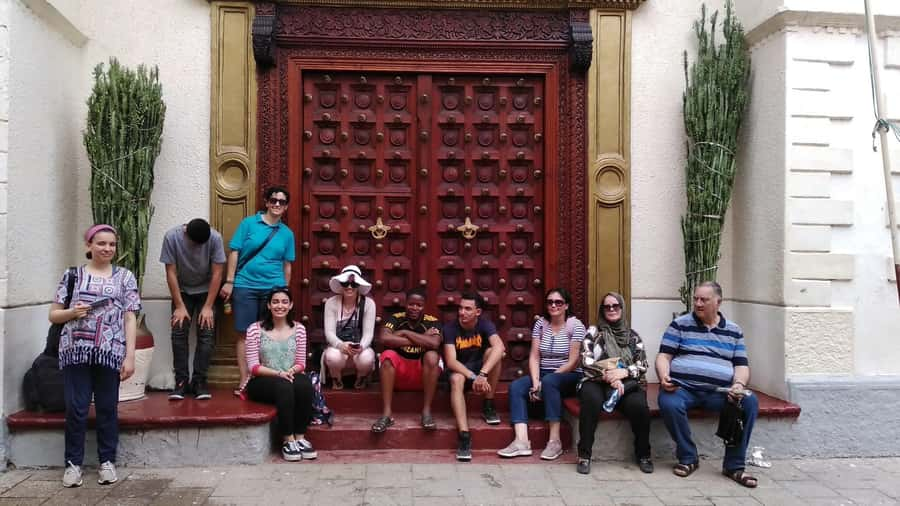
I would recommend this experience to you if you want a broad first look at Zanzibar rather than a slow, specialist visit. It suits people who enjoy markets, food, old buildings, and practical cultural activities in one day.
It is also a good fit if you are curious about how spices grow, want to taste fresh coconut and jackfruit, or prefer a farm visit with some participation. Families and first-time visitors may like the variety, though the narrow streets and long day could be tiring for some people.
I would be more cautious if you want a quiet, carefully timed private tour. The schedule can be disrupted by pickups, and the number of stops means some visits may be brief. I would also hesitate if you dislike shopping pressure, tipping requests, or paying cash at several points.
Wear comfortable clothes and carry cash. Water is included, but you should still prepare for a full day with walking, market activity, transport, and outdoor farm time.
Should you book it?
Book this tour if you want maximum variety for a low starting price and you are willing to confirm the details yourself. Stone Town’s historic sites, the City Market, the spice farm, fresh coconut, jackfruit, and lunch make a strong cultural combination.
Before paying, confirm four things: your exact pickup time, the full transport price from your hotel, the guide’s language, and the cash entrance fee. If you are staying far from Stone Town, ask for the expected return time as well.
My final view is positive but cautious. The ingredients are excellent, and the farm activities are more interesting than a simple spice shop visit. The weak point is organization. A reliable guide, clear transport, and honest explanation of extra charges can turn this into a rewarding Zanzibar day. Poor communication can leave you spending more money for less time.
FAQ
Where does the tour take place?
The tour takes place in Stone Town and at an organic spice farm in Zanzibar’s Unguja South Region, Tanzania.
What is included in the $32 price?
The listed inclusions are a professional guide, water, lunch at a local restaurant, a visit to Stone Town, and a visit to the spice farm. Hotel pickup and drop-off are included only if that option is selected.
Are hotel transfers included?
Hotel pickup and drop-off are included if the pickup option is selected. Transfers from outside Stone Town cost extra.
How much cash should I bring for entrance fees?
The tour information lists a $10 per-person cash charge for the slave market and spice farm entrance. Confirm how the fee is divided before the tour.
Can I buy spices at the farm?
Yes. The spice farm has a shop, but purchases are cash only.
What languages are available?
Guides are available in English, French, German, and Italian. Confirm your preferred language before the tour.
What places are visited in Stone Town?
The stops include the Old Slave Market site, Anglican Church, City Market, Palace Museum, House of Wonders, Old Fort, Tippu Tip’s House, Freddie Mercury’s House, Peace Memorial, Natural History Museum, and other attractions.
What can I taste at the spice farm?
You can taste spices from the plants, fresh young coconut, and fresh jackfruit. Lunch is also served at the spice farm.
What activities are included at the farm?
You may participate in cassava leaf harvesting, making coconut milk, and simple cooking techniques. A coconut climber picks young coconuts for you.
What should I bring?
Bring comfortable clothes and cash for entrance fees and spice purchases. You should also provide your hotel name and room number so the pickup time can be arranged.
Just added around Zanzibar
- Zanzibar: Walking Spice Farm with Local Cooking Class★ 4.4 · 9 reviews
- ZANZIBAR, Stone town tour, Prison Island & Spice farm★ 5.0 · 11 reviews
- Zanzibar: Spice Farm Tour with Traditional Cooking Class★ 4.6 · 16 reviews
- Zanzibar: Spice farm tour with Zanzibar fruits tasting★ 3.8 · 7 reviews
- Zanzibar: Spice Farm Tour with Cooking lesson★ 4.5 · 4 reviews
- Zanzibar: Spice Farm Tour with Traditional Cooking Class★ 4.8 · 6 reviews
- Zanzibar: Spice Farm Tour & Stone Town Adventure★ 4.6 · 48 reviews
- Zanzibar: Spice Farm Tour with Traditional Cooking Class★ 5.0 · 2 reviews
Spice Farm Tours, compared.
Full-Day Private Stone Town +Spice Farm and Prison Island Tour
Read our review →
Stone Town & Spice Farm Private Tour Lunch Included
Read our review →Zanzibar full day Jozani forest + Spice farm and stone town
Read our review →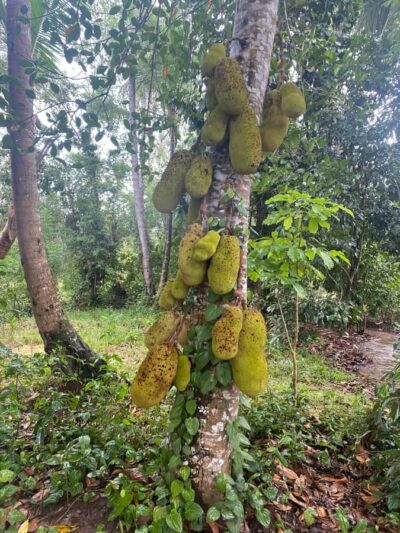
STONE TOWN, PRISON ISLAND AND SPICE FARM ( Lunch included )
Read our review →Lists this farm appears in