

Reviewed · SPICE FARM TOURS
FROM NUNGWI: STONE TOWN, SPICE FARM TOUR AND PRISONAL ISLAND
Stone Town’s narrow lanes, old palaces, slave-market site, and Omani fortress make this more than a quick sightseeing stop. I like the way the day connects Zanzibar’s past with its farming traditions, then ends with giant tortoises on Prison Island. I also like that transport and entry fees are built into the $108 price, so you are not constantly reaching for cash.
The main drawback is the length of the day. You are covering three major stops from Nungwi, and the town, farm, and island each deserve time. Snorkeling is also not clearly part of the outing, so you should not book this expecting a full water-sports trip.
Key points to know before booking
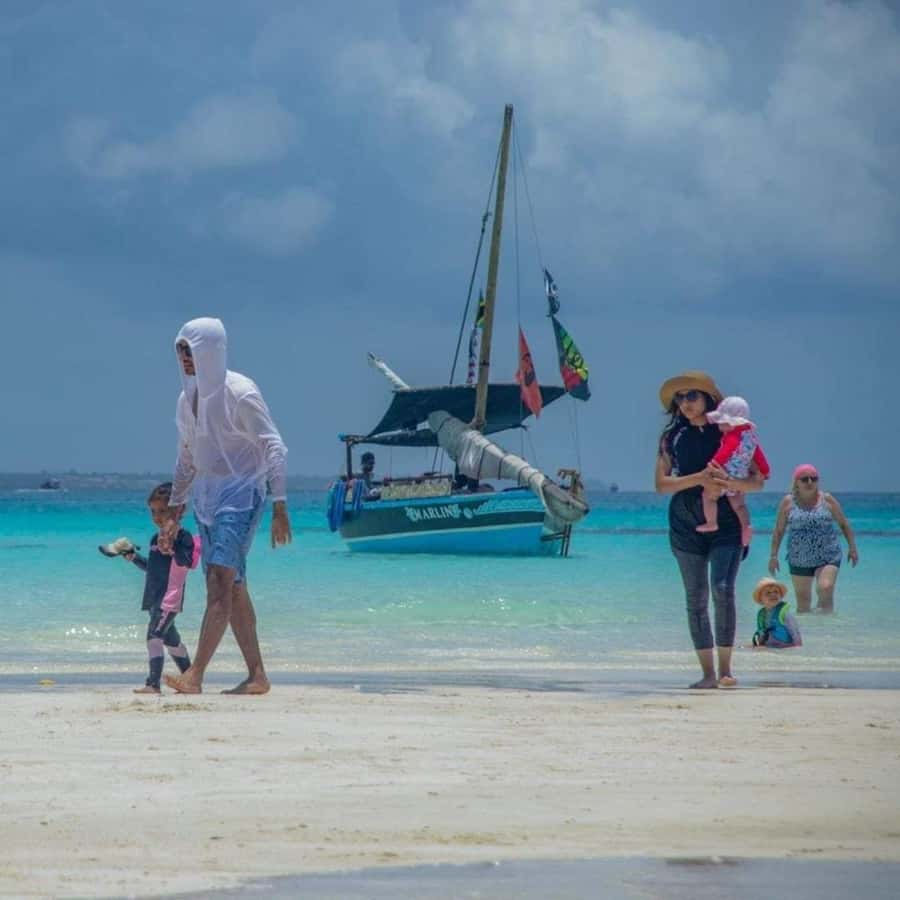
- Three very different stops: Stone Town brings history, the spice farm brings hands-on food and plant knowledge, and Prison Island adds a short boat trip and giant tortoises.
- A full day from Nungwi: The route covers a lot of ground, making it useful if your Zanzibar stay is short.
- Entry fees and transport included: The $108 cost covers the professional English-speaking guide, transportation, and listed entry fees.
- Several languages available: English, French, Italian, and German are offered.
- Snorkeling is not confirmed: One person on the tour did not snorkel and was unsure if it was included, so ask before booking if that matters to you.
- Good cancellation flexibility: You can reserve without paying today and cancel up to 24 hours ahead for a full refund.
Why this full-day route works
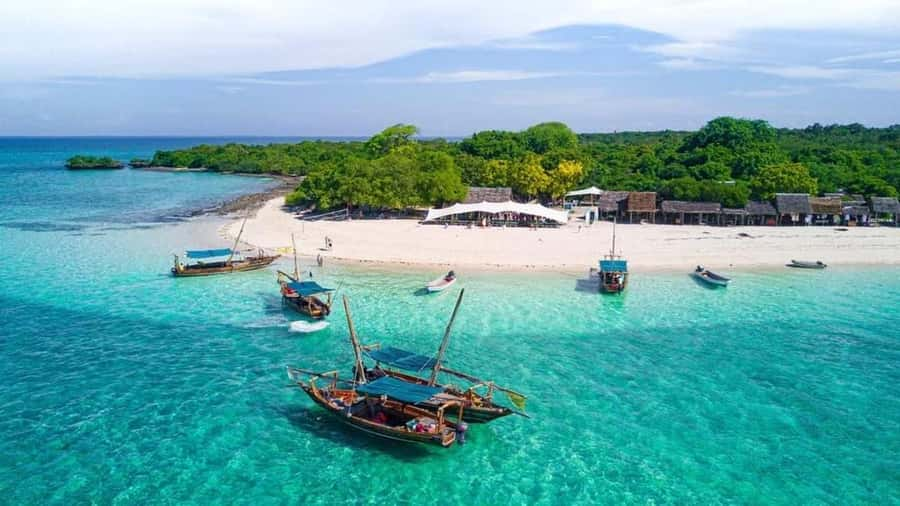
This tour gives you three different views of Zanzibar in one day. Stone Town explains the island’s political and trading past. The spice farm shows why Zanzibar became famous for cloves and other crops. Prison Island shifts the mood to open water, old quarantine buildings, and enormous tortoises.
That mix is the strongest reason to choose it. You are not spending the whole day on one museum or one beach. Instead, the route moves from crowded lanes to green countryside and then out to a small island. It is a useful choice if you are staying in Nungwi and want a broad introduction to the island without arranging three separate outings.
There is a trade-off. A packed route means less time to linger. Stone Town alone can easily fill a day if you enjoy architecture, markets, cafés, and small shops. The spice farm is also more rewarding when you slow down and ask questions. Think of this outing as a well-rounded first look, not a specialist tour of any one subject.
The experience is priced at $108 per person. That is fair if you value having transport from Nungwi, a guide, and entry fees handled in one booking. The price is easier to justify because you receive a full day of sightseeing rather than a single short attraction visit. Still, check what meals and drinks are not included before you go, since the supplied details list transport, guiding, and entry fees only.
More Spice Farm Tours in Zanzibar:
- Zanzibar: Prison Island, Stone Town, & Spice Farm Tour
★ 4.5 · 579 reviews - Full-Day Private Stone Town +Spice Farm and Prison Island Tour
★ 4.5 · 216 reviews - Zanzibar: Stone Town & Spice Farm Tour with Lunch
★ 4.5 · 97 reviews
Stone Town, where Zanzibar’s past is written in coral stone
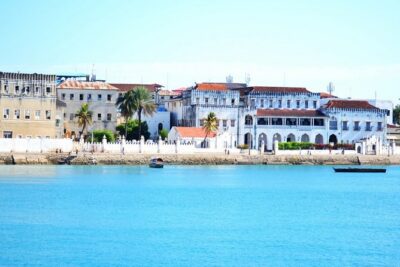
The day begins in Stone Town, Zanzibar’s historic center and a UNESCO World Heritage Site. The old quarter is best understood on foot. Its lanes are narrow, its buildings sit close together, and its architecture reflects Arabic, Persian, Indian, and European influences.
Your guide provides the thread that ties those pieces together. Without context, Stone Town can feel like a maze of handsome doors, weathered walls, shops, and passing pedestrians. With a guide, you can better understand how the town grew as a major port and how different cultures shaped its buildings and customs.
The walk includes the Old Fort, a 17th-century defensive building constructed by the Omanis after their struggle with the Portuguese. Today it functions as a cultural center with shops and exhibitions. It is a useful first stop because it shows how Stone Town moved from military stronghold to public gathering place.
The House of Wonders, also called Beit al-Ajaib, is another major landmark. It was once a sultan’s palace and is described as the first building in East Africa to have electricity and an elevator. Even if you only see it from outside, its size and location make clear how important the sultanate wanted it to appear.
The Sultan’s Palace Museum gives the royal story a more personal angle. Here, you can learn about the lives of Zanzibar’s sultans and the island’s close ties to Oman. The palace setting helps put names, dates, and political changes into human terms.
The most difficult part of the walk is the former slave market and Anglican Cathedral. This is not a light sightseeing stop, and it should not be treated as just another old building. The site points to Zanzibar’s role in the East African slave trade. A good guide can explain that history with care, helping you see how trade, religion, power, and daily life were connected.
You will also have time around markets, artisan shops, and cafés. These are not just filler between monuments. They let you see how Stone Town works as a living town rather than a preserved museum. You may find carved doors, local crafts, food stalls, and small places to pause, though the narrow streets can feel busy and uneven.
Wear comfortable shoes and expect plenty of walking. The tour information does not give a fixed walking distance or exact schedule, so ask the guide how much time you will have at each major stop. If you prefer photography and shopping, you may want to protect some free time rather than rushing from landmark to landmark.
The spice farm, where Zanzibar becomes a sensory lesson
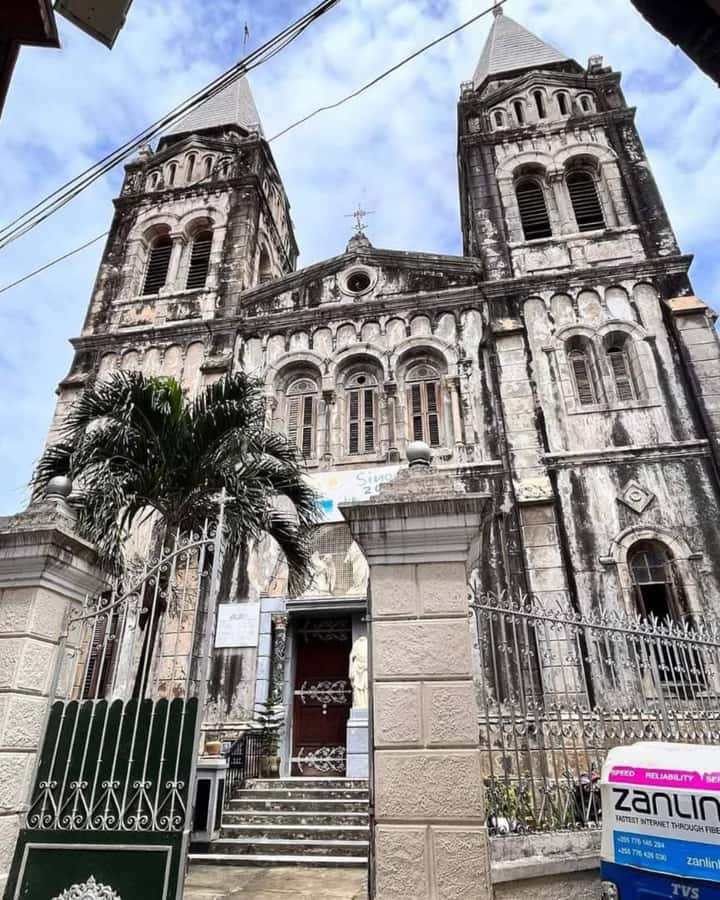
After Stone Town, the route heads into the countryside for a visit to a spice farm. This is one of the most distinctive parts of the day because it turns familiar kitchen ingredients into living plants.
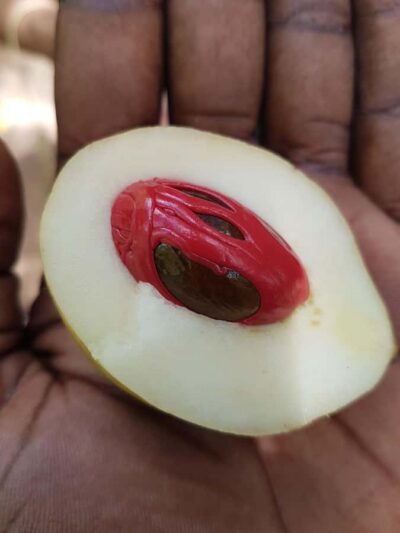
You will see how cloves, nutmeg, cinnamon, vanilla, and turmeric are grown and harvested. Many people know these spices only as powders or dried pieces in a cupboard. Seeing the plants and learning how they are handled gives them a clearer connection to Zanzibar’s agriculture.
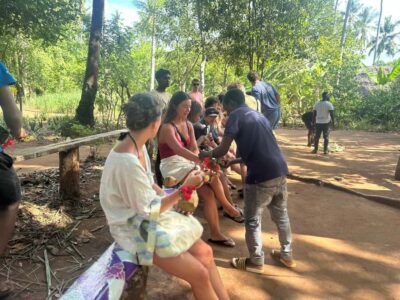
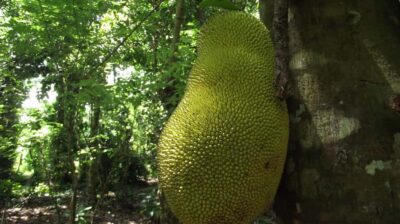
The farm visit is hands-on in a simple, useful way. You can smell and taste different spices, sample fresh tropical fruit, and learn about culinary, medicinal, and cosmetic uses. That combination keeps the stop from becoming a lecture. Your senses do much of the work.
This visit also adds economic and cultural context. Zanzibar is widely associated with spices, but the farm shows the labor and plant knowledge behind that reputation. You may leave with a better sense of how crops shape local traditions and products.
The quality of this stop depends partly on the guide leading it. The tour provides a professional guide, but individual names are not supplied. The service includes French, Italian, and German as well as English, which is helpful if you would rather learn plant names and uses in one of those languages.
You should expect a farm visit rather than a polished botanical garden. Paths may be simple, and the focus is on practical explanation, tasting, and local products. If you dislike sales-oriented stops, ask how much time is reserved for browsing or buying spice products. The provided details confirm that locally made spice products are available, but they do not say that purchases are required.
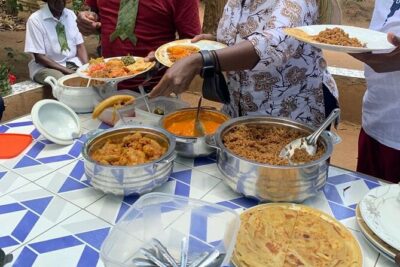
This is also a good point to manage your expectations about lunch. Food and drinks are not listed among the inclusions, so do not assume a meal is covered by the $108 price. Ask your operator about the day’s meal arrangements before departure.
Prison Island and its giant Aldabra tortoises
The final major stop is Changuu Island, better known as Prison Island. It is reached by a short boat ride from Stone Town, giving the day a change of pace after the streets and farm paths.
The island’s past is unusual. It was first intended as a detention center for rebellious slaves and later became a quarantine station. The name Prison Island can sound more dramatic than the present experience, because the island is now a calm stop with a famous colony of giant Aldabra tortoises.
These tortoises are the star attraction. Some are more than 100 years old, so you are looking at animals that may have lived through several generations of human history. Their size and slow movements make them memorable, especially after a morning spent hearing about sultans, trade, and colonial-era institutions.
You can expect another guide on the island. The experience includes information about the island and its tortoises, rather than simply dropping you off and leaving you to explore alone. That is useful because the historical purpose of the island is easy to miss if you focus only on the animals.
A practical note about activities: snorkeling is not clearly included. One person on the outing did not snorkel and was unsure whether it was part of the plan. If swimming or snorkeling is important to you, ask directly before booking. Do not assume that a boat ride to Prison Island turns this into a beach or reef excursion.
The boat trip also introduces some dependence on weather and sea conditions, though no specific weather policy is provided. The tour description calls it a short ride, but it does not give a crossing time. If you are prone to seasickness, bring whatever remedy you normally use and confirm the boat arrangements with the operator.
More Farm Tours in Zanzibar:
- Zanzibar:Stone Town & Spice Farm Private Tour Lunch Included
★ 4.2 · 94 reviews - Zanzibar full day Jozani forest + Spice farm and stone town
★ 4.7 · 90 reviews - Zanzibar: Spice Farm Tour with Traditional Cooking Lesson
★ 4.8 · 77 reviews - A Private Full Day Tour To Stone Town & Spice Farm
★ 5.0 · 53 reviews
Guides, transport, and the rhythm of the day
The tour includes transportation from the Nungwi area, a professional English-speaking guide, and entry fees. That arrangement removes one of the harder parts of planning Zanzibar independently: coordinating Stone Town, a countryside farm, and an island boat trip in one day.
The guide service has been a major strength. The available feedback describes the guides and driver as friendly, attentive, and good at explaining local sights and national history. One outing used a neat car and arrived at the agreed time, which matters when a full-day plan has several moving parts.
You may have a different guide from the one mentioned in another booking, so individual service can vary. Still, the structure is promising: one guide for the main route, a farm guide for the spice visit, and another guide at Prison Island. That local handoff can work well because each person focuses on a particular place.
Exact start and finish times are not provided. Since you are coming from Nungwi and visiting three areas, confirm the pickup point and departure time before the day begins. A full schedule is easier to enjoy when you know how much time you have at Stone Town and whether the farm visit includes a meal or shopping stop.
The outing also appears suitable for people who want information rather than only photographs. The guides explain the sights, the island’s history, and the uses of spices. If you prefer independent wandering, the guided format may feel a little structured, but it saves you from working out the history on your own.
Who will get the most from this $108 tour
I would choose this tour if you are staying in Nungwi and want one organized day covering Zanzibar’s best-known cultural stops. It suits first-time visitors, couples, families interested in animals, and anyone with limited time on the island.
It is especially useful if you want:
- A guided introduction to Stone Town
- Clear explanations of Zanzibar’s links with Oman
- A look at the former slave market site
- A farm visit with tasting and plant information
- Time with giant Aldabra tortoises
- Transport and entry fees arranged in advance
I would think twice if your top priority is a slow Stone Town photography day, a dedicated beach trip, or snorkeling. The route has a lot of ground to cover, and the schedule may not leave room for long independent exploration.
Language is another practical advantage. English, French, Italian, and German are available, though you should confirm your preferred language when reserving. The booking also allows you to reserve and pay later, and cancellation is available up to 24 hours before the tour for a full refund.
Should you book this Zanzibar day trip?
Book it if you want variety and convenience more than a leisurely pace. The strongest parts are the well-chosen combination of Stone Town, the spice farm, and Prison Island, along with friendly guides, an attentive driver, and a price that includes transport and entry fees.
Before committing, ask three questions: What time will pickup and return take? Is food included or should you arrange your own? Is snorkeling available, or is Prison Island mainly a history and tortoise visit?
If the answers fit your plans, $108 is a reasonable price for a full day from Nungwi. You will see Zanzibar through its buildings, crops, difficult past, and wildlife, all in one outing. That is a lot of ground, but it is a useful and memorable introduction.
FAQ
Where does the tour begin?
The experience is offered from Nungwi and begins with the Stone Town portion of the day.
How much does the tour cost?
The listed price is $108 per person.
What is included in the price?
A professional English-speaking guide, transportation, and entry fees are included.
Which languages are available?
The tour is available in English, French, Italian, and German.
What places does the tour visit?
The route includes Stone Town, a Zanzibar spice farm, and Prison Island, also called Changuu Island.
What can I see at the spice farm?
You can learn how cloves, nutmeg, cinnamon, vanilla, and turmeric are grown and harvested. The visit also includes spice and tropical fruit tasting, plus information about culinary, medicinal, and cosmetic uses.
What is Prison Island known for?
Prison Island has a history as a planned detention center and later a quarantine station. Today it is known for its colony of giant Aldabra tortoises, including some more than 100 years old.
Is snorkeling included?
Snorkeling is not clearly confirmed in the tour details. Ask the operator before booking if you want to snorkel.
Just added around Zanzibar
- Zanzibar: Walking Spice Farm with Local Cooking Class★ 4.4 · 9 reviews
- ZANZIBAR, Stone town tour, Prison Island & Spice farm★ 5.0 · 11 reviews
- Zanzibar: Spice Farm Tour with Traditional Cooking Class★ 4.6 · 16 reviews
- Zanzibar: Stone Town City Tour and Spice Farm with Lunch★ 3.7 · 33 reviews
- Zanzibar: Spice farm tour with Zanzibar fruits tasting★ 3.8 · 7 reviews
- Zanzibar: Spice Farm Tour with Cooking lesson★ 4.5 · 4 reviews
- Zanzibar: Spice Farm Tour with Traditional Cooking Class★ 4.8 · 6 reviews
- Zanzibar: Spice Farm Tour & Stone Town Adventure★ 4.6 · 48 reviews
Spice Farm Tours, compared.
Full-Day Private Stone Town +Spice Farm and Prison Island Tour
Read our review →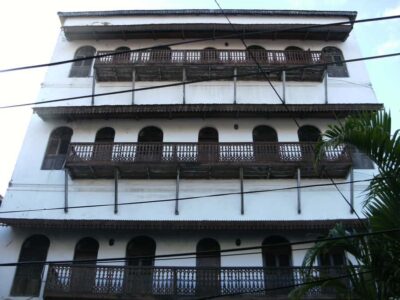
Stone Town & Spice Farm Private Tour Lunch Included
Read our review →Zanzibar full day Jozani forest + Spice farm and stone town
Read our review →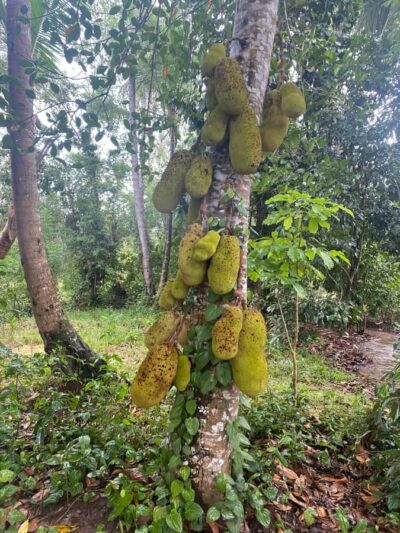
STONE TOWN, PRISON ISLAND AND SPICE FARM ( Lunch included )
Read our review →Lists this farm appears in