
Reviewed · SPICE FARM TOURS
Private Tour Zanzibar Unique Stone Town with spice Farm Plantations
Stone Town’s narrow lanes tell two Zanzibar stories at once: the grand trade center shaped by Swahili, Arab, Indian, and European cultures, and the painful history of East Africa’s slave trade. This tour pairs those sights with a hands-on spice farm visit, where you can smell fresh cinnamon, guess spices, and watch a coconut climber sing from the treetops.
I like the private format, which lets your group ask questions, linger at a market stall, or adjust the pace for older family members. I also like the balance between city history and rural agriculture. The main drawback is timing: five hours is enough for highlights, but the walk, farm visit, traffic, and shopping can make the schedule feel full.
Key points to know before booking
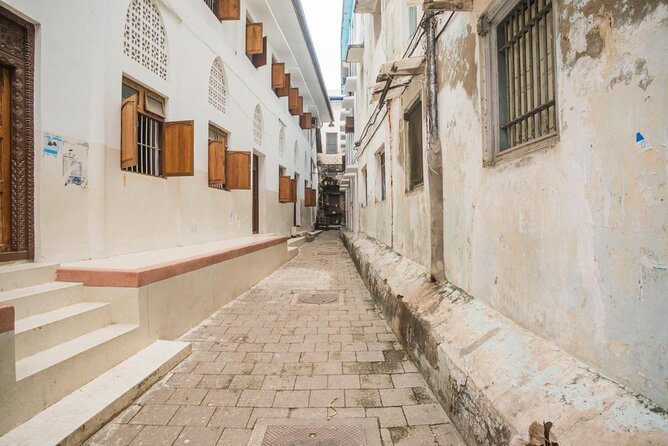
- Stone Town takes two to three hours: Expect narrow lanes, historic buildings, local museums, the former slave market, a Portuguese fortress, the House of Wonder, a bazaar, and time for coffee, ginger tea, and shopping.
- The spice farm takes about two hours: You will see, smell, taste, and identify cardamom, cloves, cinnamon, vanilla, nutmeg, ginger, turmeric, coffee, and other plants.
- The coconut climber is part of the show: A performer sings local songs while climbing high into a coconut tree and picking coconuts.
- Guides are a major part of the experience: Masoud is frequently identified as the guide, while Hanoud and Masudy also appear in the tour feedback. English, humor, local history, and flexibility are recurring strengths.
- The price is $61 per person: Entry fees, bottled water, taxes, service fees, and tips are included, but hotel pickup and drop-off are not.
- You meet at the Slave Market Exhibition Museum: The tour returns to that meeting point, and free cancellation is available up to 24 hours before departure.
Why this pairing works so well
Stone Town and a spice farm are not random stops. Together, they explain two forces that shaped Zanzibar: maritime trade and agriculture.
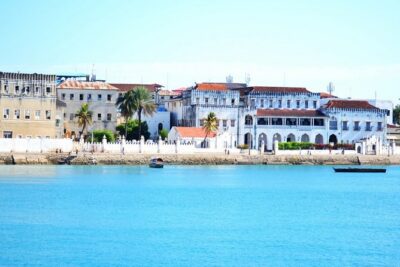
In Stone Town, you see the built evidence of commerce. Doors, markets, forts, mosques, former trading buildings, and waterfront landmarks reflect centuries of movement across the Indian Ocean. At the farm, you shift from architecture to the plants that helped make Zanzibar famous. Smelling a clove or breaking open a piece of cinnamon gives the trade story a physical feel.
I like this contrast because the day does not stay inside museums. You spend part of it walking through living streets, then head into the countryside to handle plants and sample products. The experience is also private, so your guide can spend more time on your questions than a large group guide usually can.
Still, keep your expectations sensible. This is a highlights tour, not a full course in Zanzibar’s history, and the five-hour length leaves little room for long stops at every sight. If you want a slow photographic walk or several museums, book a separate Stone Town visit.
More Spice Farm Tours in Zanzibar:
- Zanzibar: Prison Island, Stone Town, & Spice Farm Tour
★ 4.5 · 579 reviews - Full-Day Private Stone Town +Spice Farm and Prison Island Tour
★ 4.5 · 216 reviews - Zanzibar: Stone Town & Spice Farm Tour with Lunch
★ 4.5 · 97 reviews
Meeting Stone Town at the former slave market
The stated meeting point is the Slave Market Exhibition Museum on Mkunazini Street. Starting here gives the tour a serious historical center rather than beginning with shopping or postcard views.
The former slave market is identified as the main slave market of East Africa. A visit can be emotionally difficult, but it is important. Your guide can help place the site within Zanzibar’s role in regional trade and the movement of people across the Indian Ocean. The subject deserves attention, and the tour does not treat Stone Town as a pretty collection of old doors alone.
From here, you walk through Mji Mkongwe, the Swahili name for Ancient Town. Stone Town received UNESCO World Heritage status for its cultural and architectural importance. You will move through tight lanes where cars may not be the focus, passing antique shops, local businesses, and handmade doors in Arabic and Indian styles.
Those doors are worth slowing down for. Their carved details show how household design became a statement of wealth, religion, and family identity. Your guide may point out features that are easy to miss when you walk alone. This is one reason the private format matters: you can stop without holding up a large group.
The Portuguese fort, House of Wonder, and local bazaar
The walk includes a Portuguese fortress, the landmark House of Wonder, and a local bazaar. Each stop gives you a different view of Stone Town.
The fort points to the island’s European colonial layer and its strategic position. The House of Wonder is one of Stone Town’s best-known landmarks and helps you understand the city’s public and ceremonial side. The bazaar brings you back to daily life, with the sights, sounds, and salesmanship of a working market.
The tour also includes historic buildings and local museums, though the exact museum sequence can vary. Ask your guide how much time is planned inside each one. If you have a particular interest in architecture, slavery, trade, or local life, say so at the start. The guide’s ability to adjust the conversation is one of the strongest reasons to choose a private tour.
You may also stop for local coffee or ginger tea. This is a small detail, but it gives the walk a welcome pause. It also creates a chance to ask about present-day Zanzibar rather than hearing only dates and names.
Shopping is included in the plan. That does not mean you have to buy anything. Treat the stop as a chance to see carved doors, handmade items, antiques, or local products, then decide what fits your budget and luggage.
What makes the spice farm visit worthwhile

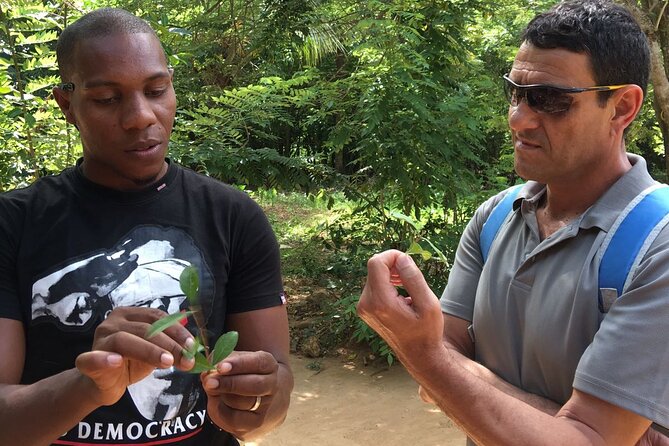
After Stone Town, you spend about two hours at a local spice farm. This is not just a table of labeled jars. You are shown plants and asked to connect the scent, taste, and appearance with the finished spice.
Expect examples such as:
- Cardamom
- Cinnamon
- Cloves
- Vanilla
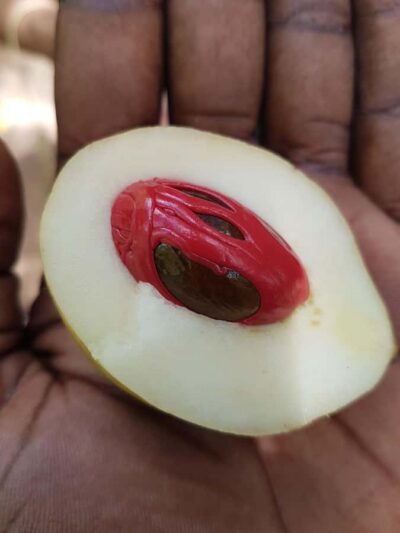
- Nutmeg
- Ginger
- Turmeric
- Coffee
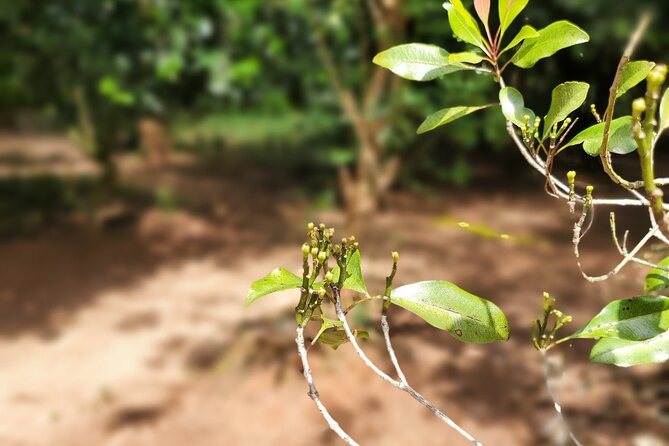
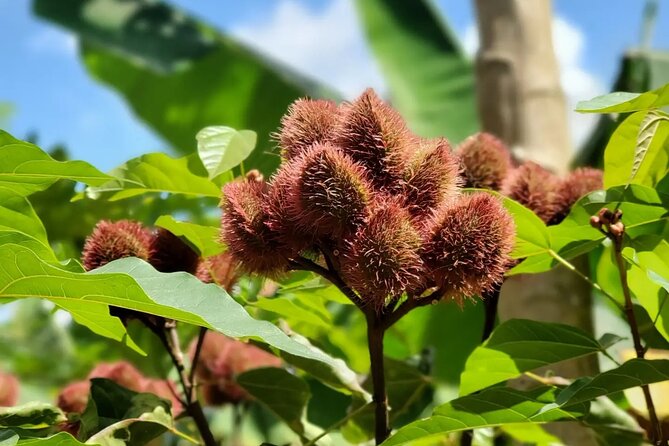
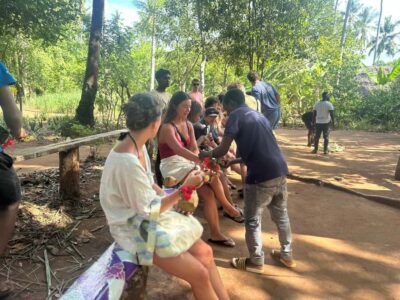
The guessing element makes the visit more engaging. A guide or farm assistant may pick something fresh and ask you to identify it before explaining what it is. Cinnamon bark looks very different from the powder in a kitchen jar. Vanilla is also more interesting when you see the plant and understand that the familiar flavor comes from a pod.
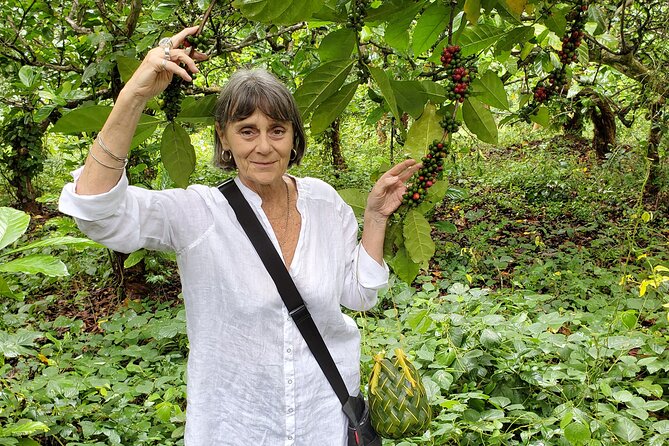
The farm adds useful context to Zanzibar’s identity as a spice-producing island. You are not simply being told that spices matter. You can touch leaves, smell roots, taste fruit, and compare fresh plants with processed products.
Some of the best moments can be small ones. Fresh fruit may be offered, and products made from the spices may be available to sample. Bottled water is included during the tour, which is useful in Zanzibar’s heat, but you should still dress for a warm outdoor visit and walking.
More Farm Tours in Zanzibar:
- Zanzibar:Stone Town & Spice Farm Private Tour Lunch Included
★ 4.2 · 94 reviews - Zanzibar full day Jozani forest + Spice farm and stone town
★ 4.7 · 90 reviews - Zanzibar: Spice Farm Tour with Traditional Cooking Lesson
★ 4.8 · 77 reviews - A Private Full Day Tour To Stone Town & Spice Farm
★ 5.0 · 53 reviews
The coconut tree climber show
The spice farm finishes with one of the tour’s most distinctive touches: a coconut tree climber who sings local songs while picking coconuts high in the branches.
It is part performance and part demonstration. You see the skill needed to climb the smooth trunk and reach the fruit, rather than hearing a dry explanation about coconuts. The singing gives the moment a local cultural flavor and makes it easy to remember.
Afterward, you stop at a spice table. Here you can see processed spices and buy gifts to take home. This is a convenient final stop, but remember that purchases are personal expenses and are not part of the $61 price.
If you are trying to pack light, choose carefully. Small spice packets may be easier to carry than bulky gifts. You can also use this stop to compare the smell of processed products with what you encountered in the field.
The guide can shape the quality of the day
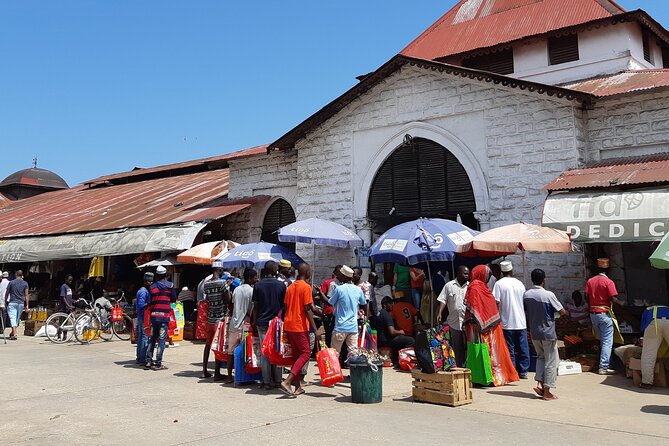
A walking tour depends heavily on the person leading it. Masoud is the guide most often connected with this experience, and the available feedback describes his English, historical explanations, humor, and friendly manner in especially strong terms. Hanoud and Masudy are also named in connection with guiding, so the person assigned to your booking may vary.
The useful point is not simply the guide’s name. It is the style of tour you can expect: questions are welcomed, the pace can be adjusted, and the discussion can include both Zanzibar’s past and present. Masoud is also specifically associated with helping elderly parents manage the day, which matters if your group includes people who need a gentler pace.
You should tell the guide early if you want more time for photography, shopping, museums, or historical explanation. A private tour gives you a better chance of shaping the day, but it does not create extra hours. The walking portion is still two to three hours, and the farm takes about two hours.
The English feedback about the guides is consistently positive, especially regarding history, agriculture, and local life. One useful lesson is to ask questions. A quiet walk through Stone Town can show you walls and doors, but a good question can connect those details to trade, religion, family life, and modern Zanzibar.
Is $61 a good value?
At $61 per person, this is a fair price if you want both a private Stone Town walk and a spice farm visit in one half-day. The listed price includes the professional guide, bottled water, entrance fees, taxes, service fees, and tips or gratuity.
That bundle matters. A lower headline price can become less attractive once admission charges, water, and service fees are added separately. Here, the main extra cost is personal spending, especially shopping at the bazaar or spice table.
The price works best for couples, families, and small groups who want personal attention. Group discounts are available, though the exact reduction is not stated. If you are alone, the per-person cost may feel higher than joining a large shared excursion, but you gain privacy and flexibility.
The biggest value is time. You can see the city’s major landmarks and visit a spice farm without arranging two separate tours. If your Zanzibar schedule is short, that can be more useful than a cheaper activity that covers only one part of the island’s story.
Timing, transport, and practical limits
The activity lasts about five hours and ends back at the meeting point. Hotel pickup and drop-off are not included, so you must arrange your own way to the Slave Market Exhibition Museum on Mkunazini Street.
Traffic can affect the start of the day. Build some flexibility into your plans, especially if you are coming from outside Stone Town. Direct communication with the operator is sensible if you need precise meeting instructions, since one piece of feedback specifically points to the value of providing a mobile phone number when traffic creates problems.
The tour is near public transportation, and most people can participate. It is listed as a private activity for your group only. Even so, Stone Town involves walking on narrow streets, and the farm adds outdoor time. Comfortable shoes, sun protection, and light clothing are practical choices.
The tour requires good weather. If poor weather causes cancellation, you are offered another date or a full refund. Otherwise, you can cancel for a full refund up to 24 hours before the start time. Cancellations or changes made inside 24 hours are not refunded or accepted.
Who will enjoy this tour most?
I would choose this tour if you want a first look at Zanzibar that combines culture, difficult history, food, agriculture, and a little performance.
It suits:
- Couples who want a private half-day introduction
- Families who prefer a guide who can adjust the pace
- People arriving from mainland Tanzania with limited time
- Visitors who want both Stone Town and a spice farm
- First-time visitors who want context before exploring alone
- Small groups interested in shopping and local products
It may not suit you if your main goal is a long museum visit, a beach day, or a relaxed morning with no fixed schedule. The day has a lot packed into five hours, and the Stone Town portion can feel warm and active.
The tour is also not a replacement for Prison Island, snorkeling, or a full cooking class. Those activities appear in some guide experience, but they are not part of this package. Book this one for Stone Town and spices, not for a general Zanzibar program.
My verdict on this Stone Town and spice farm day
I recommend the tour for a first visit, especially if you have only one free half-day in Zanzibar. The combination is smart: Stone Town explains the island’s trade and cultural past, while the farm gives you something to smell, taste, and remember.
The strongest reasons to book are the private guide, included admission fees, and the range of stops. Masoud’s reported strengths in English, history, humor, and flexibility add real value, though you should confirm which guide will lead your booking. I also like that the itinerary gives serious attention to the former slave market rather than presenting only picturesque streets.
The caution is simple: plan your meeting point carefully, allow for traffic, and accept that five hours means highlights rather than a slow, detailed study. If that trade-off suits you, $61 is a sensible price for a private introduction to two defining parts of Zanzibar.
FAQ
How long does the tour last?
The tour lasts approximately five hours.
Where does the tour begin?
It begins at the Slave Market Exhibition Museum on Mkunazini Street in Zanzibar.
Where does the tour finish?
The activity ends back at the meeting point.
Is this a private tour?
Yes. Only your group participates in the private activity.
Does the tour include hotel pickup and drop-off?
No. Hotel pickup and drop-off are not included.
What is included in the price?
The price includes a professional guide, bottled water, entrance fees, taxes, service fees, and tips or gratuity.
What will I see at the spice farm?
You will learn about and experience spices and plants including cardamom, cinnamon, cloves, vanilla, nutmeg, ginger, turmeric, and coffee. The visit also includes a coconut climber show and a spice table.
Can I cancel for a full refund?
Yes. You can cancel at least 24 hours before the start time for a full refund. Cancellations within 24 hours are not refunded.
What happens if bad weather cancels the tour?
If poor weather causes cancellation, you will be offered a different date or a full refund.
Just added around Zanzibar
- Zanzibar: Walking Spice Farm with Local Cooking Class★ 4.4 · 9 reviews
- ZANZIBAR, Stone town tour, Prison Island & Spice farm★ 5.0 · 11 reviews
- Zanzibar: Stone Town City Tour and Spice Farm with Lunch★ 3.7 · 33 reviews
- Zanzibar: Spice Farm Tour with Traditional Cooking Class★ 4.6 · 16 reviews
- Zanzibar: Spice farm tour with Zanzibar fruits tasting★ 3.8 · 7 reviews
- Zanzibar: Spice Farm Tour with Cooking lesson★ 4.5 · 4 reviews
- Zanzibar: Spice Farm Tour with Traditional Cooking Class★ 4.8 · 6 reviews
- Zanzibar: Spice Farm Tour & Stone Town Adventure★ 4.6 · 48 reviews
Spice Farm Tours, compared.
Full-Day Private Stone Town +Spice Farm and Prison Island Tour
Read our review →
Stone Town & Spice Farm Private Tour Lunch Included
Read our review →Zanzibar full day Jozani forest + Spice farm and stone town
Read our review →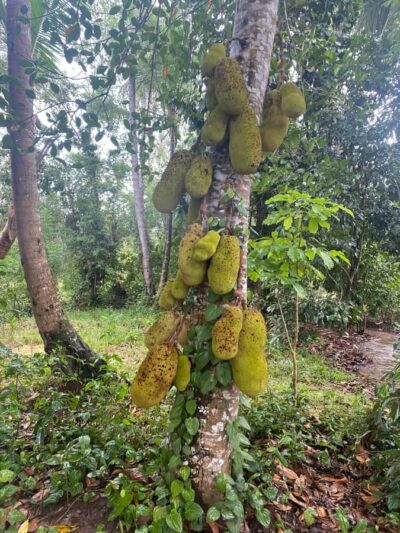
STONE TOWN, PRISON ISLAND AND SPICE FARM ( Lunch included )
Read our review →Lists this farm appears in