
Reviewed · SPICE FARM TOURS
Spice farm walking tour with Zanzibar fruits tasting
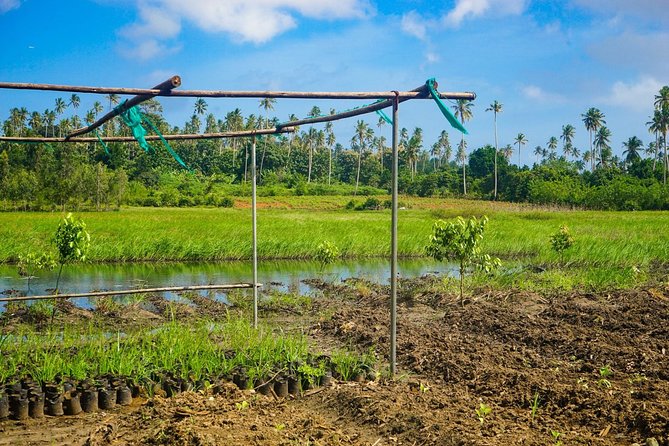
Zanzibar’s spices are not just jars on a market shelf. On this three-hour morning walk, you see where cloves, cinnamon, ginger, and lemongrass grow, then taste fruit straight from the farms. Local villagers may climb spice and coconut trees, which gives the visit a lively human touch.
I like two things here: the tour connects farm work with Zanzibar’s trading past, and the fruit tasting keeps the outing simple and hands-on. The palm-leaf ties, rings, bracelets, and glasses add a playful local detail, while buying spices at the source gives you a useful souvenir.
The main drawback is the early start and meeting-point arrangement. You must reach the People’s Palace Museum in Stone Town by 7:00 am, and hotel transport is not included unless you arrange it separately.
Key points at a glance
- Spice trees you can see up close: Learn about cloves, cinnamon, ginger, lemongrass, and other plants in working village farms.
- Local climbing demonstrations: Watch people climb spice trees and coconut trees, an unusual part of the visit that adds action to the walk.
- Tropical fruit tasting: Try pineapple, bananas, oranges, and watermelon during the farm visit.
- Palm-leaf decorations: Receive simple handmade accessories, including ties, rings, bracelets, and glasses.
- Private group format: Only your own group takes part, with a guide leading the walk.
- Stone Town start at 7:00 am: The tour begins and ends at the People’s Palace Museum, with free cancellation up to 24 hours before departure.
Why Zanzibar’s spice farms matter
Zanzibar is often linked with cloves, and this tour gives you a way to understand that connection through your senses. You do not simply hear a list of spices. You walk through farms, see the plants, and learn how local products are used.
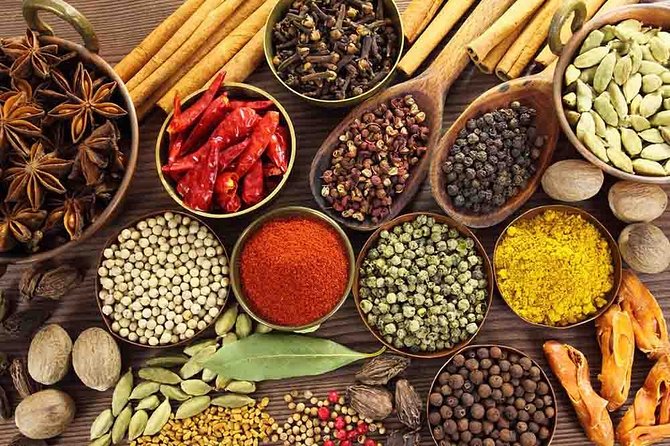
The guide introduces cloves, cinnamon, ginger, lemongrass, and other spices. The value is in seeing these plants in their growing setting. A dried clove in a shop can seem small and anonymous. On a farm, it becomes part of a wider story about village work, cooking, trade, and Zanzibar’s place in the Indian Ocean economy.
I like that the tour keeps the subject practical. You can smell and handle the spices, ask about their uses, and then buy fresh products directly from the farm. That direct connection is more useful than a quick stop at a souvenir stall.
The tour also explains the history of Zanzibar’s spice trade. The supplied details do not give a full lecture outline, so you should expect an introduction rather than a university course. Still, the setting helps the story make sense. You are hearing about trade while walking among the crops that made the island famous.
More Spice Farm Tours in Zanzibar:
- Zanzibar: Prison Island, Stone Town, & Spice Farm Tour
★ 4.5 · 579 reviews - Full-Day Private Stone Town +Spice Farm and Prison Island Tour
★ 4.5 · 216 reviews - Zanzibar: Stone Town & Spice Farm Tour with Lunch
★ 4.5 · 97 reviews
The 7:00 am meeting at the People’s Palace Museum
The day begins at the People’s Palace Museum on Mizingani Road in Stone Town. The stated start time is 7:00 am, so plan to arrive ready to walk rather than treating the start as a loose suggestion.
This early hour can work well in Zanzibar’s heat. A morning walk is usually easier than a midday outing, and the farm visit has a clear three-hour limit. You finish back at the same meeting point, which makes the arrangement straightforward once you reach Stone Town.
The transport detail deserves attention. The tour includes pickup and drop-off from the meeting point, but transport from your hotel is not included. The operator says you can contact them if you need hotel transport. Confirm that arrangement before booking if you are staying outside easy reach of the People’s Palace Museum.
A mobile ticket is provided, which keeps the booking simple. You should still have your phone charged and carry the booking confirmation when you meet the guide.
Walking through villages and spice farms
The central part of the experience is a guided walk through villages and spice plantations. This gives you more context than a quick drive past farm plots, since the guide can stop to point out individual plants and explain their uses.
Expect a mix of walking, short explanations, and demonstrations. The description does not give the exact walking distance or trail surface, so comfortable shoes are sensible. Most people can take part, and service animals are allowed, but you should ask the operator about specific mobility needs if that matters to your group.
Village walking can also make the outing feel more connected to daily life. You are not only looking at crops in a formal display. You are moving through areas where people live and work. The tour is private, so your guide can adjust the pace for your own group rather than matching a large mixed party.
The private format is especially useful if you are traveling with family or friends. You can spend more time on the spices that interest you and ask questions without worrying about a large crowd. It may also suit older visitors. A group of 32 pensioners from South Africa took several tours with Zanzibar Home Taxi and Tours, and specifically praised the patient, friendly service connected with guides Mahomed and Ramadan.
That detail does not guarantee that Mahomed or Ramadan will lead your particular tour. Ask for your guide’s name when you book or shortly before departure. The operator connected with the experience is Zanzibar Home Taxi and Tours.
Cloves, cinnamon, ginger, and lemongrass
Each spice gives the walk a different point of interest. Cloves are strongly associated with Zanzibar, so they are likely to be one of the key plants discussed. Cinnamon, ginger, and lemongrass also help show the range of crops grown on the island.
The important question is not just how many spices you see. It is how clearly the guide explains what each one is used for. The tour promises information about their uses, so listen for links to food, drinks, and everyday household practices.
Some visitors prefer museums because they provide labels and displays. This experience offers less formal presentation and more contact with the plants. That is its strength, but it also means the quality of the explanation depends heavily on the individual guide. The available feedback points to guides who were informative, friendly, and patient, which is encouraging, but the number of ratings is small.
You should also expect other plants beyond the named examples. The description says you will discover all spices and their uses, but it does not provide a complete list. Think of the named spices as guaranteed themes, not a fixed botanical catalogue.
More Farm Tours in Zanzibar:
- Zanzibar:Stone Town & Spice Farm Private Tour Lunch Included
★ 4.2 · 94 reviews - Zanzibar full day Jozani forest + Spice farm and stone town
★ 4.7 · 90 reviews - Zanzibar: Spice Farm Tour with Traditional Cooking Lesson
★ 4.8 · 77 reviews - A Private Full Day Tour To Stone Town & Spice Farm
★ 5.0 · 53 reviews
Watching people climb spice and coconut trees
One of the most memorable parts is the chance to see local people climb spice trees and coconut trees. This adds movement to what could otherwise be a quiet agricultural walk.
Tree climbing also helps show the physical side of farm work. It is not just a matter of reading about crops. You see people reach parts of trees that are difficult to access from the ground. The description does not promise that every climbing demonstration happens at a set time, so treat it as an expected possibility rather than a scheduled performance.
This is a good moment to keep your camera ready, but remember that you are watching people at work. Follow the guide’s instructions and ask before photographing anyone closely.
The coconut-tree element gives the tour variety. Cloves and other spices tell the trade story, while coconut climbing provides a more immediate village scene. Together, they keep the morning from feeling like a single repeated explanation.
Palm-leaf rings, bracelets, and glasses
The tour includes palm-leaf decorations, such as ties, rings, bracelets, and glasses. These are small details, but they make the visit more interactive, especially for children and groups who enjoy a bit of fun during a cultural outing.
I would not book this tour solely for the accessories. Their real value is that they show how local plant materials can be turned into simple wearable items. They also give you something to do between explanations and fruit tastings.
Because these are handmade items, they may not all look identical. That is part of the charm. If you are buying gifts, ask whether additional palm-leaf pieces are available, since the included decorations and any shopping options may differ.
The accessories also make the experience easy to remember in photographs. Just keep your expectations realistic. This is a farm walk with cultural details, not a dedicated craft workshop.
Tropical fruit tasting at the farm
Fruit tasting is included in the price, with pineapple, bananas, oranges, and watermelon named among the possibilities. The selection gives you a refreshing break during the walk and adds a second side to Zanzibar’s agriculture beyond spices.
The appeal is freshness and place. You are tasting fruit during a farm visit rather than receiving a packaged snack on a bus. Exact portions and seasonal availability are not stated, so do not assume every named fruit will be served on every date.
The fruit stop is also useful for families. Children who have limited interest in spice history may enjoy identifying familiar fruit and trying it in a farm setting. Adults get a lighter pause before continuing the walk.
If you have allergies or dietary concerns, tell the guide before tasting. The tour includes fruit, but the supplied information does not describe separate menus or allergy procedures.
Buying spices from the source
You have the opportunity to buy fresh spices at the farm. This is one of the better practical features because you can connect the products you have just seen with what you take home.
Shopping at the source may also help you choose more carefully. Ask what each spice is, how it is commonly used, and how it should be stored. The tour details do not list prices, packaging, payment methods, or customs rules, so ask before purchasing a large amount.
Keep your purchase modest if you are continuing to travel. Spices are light compared with many souvenirs, but a full bag can still become an awkward addition to your luggage. A small selection of cloves, cinnamon, ginger, or lemongrass can preserve the memory without taking over your suitcase.
The shopping stop should not be confused with a guarantee that you must buy anything. The opportunity is included, but purchasing is optional.
What the $30 price really covers
At $30 per person, the price includes the guide, entrance fees, taxes, fruit tasting, and the tour itself. It also includes pickup and drop-off from the stated meeting point. Since this is a private activity, the value improves when several people in your party share the experience.
You are paying for more than a walk among plants. The price covers local guiding, farm access, demonstrations, fruit, and the chance to buy directly from the source. For someone interested in food, agriculture, or Zanzibar’s trade past, that is a useful three-hour package.
The value is less clear for someone who wants a full-day cultural program or a detailed botanical course. This is a compact introduction. You should also add the cost of getting to Stone Town if you need transport from your hotel, since that service is not part of the stated price.
The operator has received a top rating from two recorded ratings, with comments praising personal and professional service and naming Mackie, Mahomed, and Ramadan in connection with the wider touring service. That is a positive sign, but the sample is small. I would book for the content and format first, then treat the service feedback as an encouraging extra.
Who will enjoy this morning walk
I would recommend this tour to you if you want a manageable introduction to Zanzibar’s farm life and spice trade. It suits food lovers, families, first-time visitors, and anyone who prefers a hands-on outing to a lecture.
The private format also works well for groups with different interests. One person can ask about cloves, another can focus on fruit, and children can enjoy the climbing demonstration and palm-leaf decorations.
It may be less suitable if you dislike walking, need a precisely accessible route, or want hotel pickup already included. The description says most people can participate and allows service animals, but it does not provide detailed information about paths, rest stops, or wheelchair access.
The early start is another consideration. If you prefer slow mornings, 7:00 am may feel demanding. If you like cooler hours and want the rest of the day free, it is a good fit.
Booking, cancellation, and small practical tips
Confirmation is provided when you book, and the activity uses a mobile ticket. Keep the phone containing your ticket available at the People’s Palace Museum.
You can cancel for a full refund up to 24 hours before the local start time. Cancellations or changes made less than 24 hours before departure are not accepted for a refund, so check your plans before the cutoff.
Contact Zanzibar Home Taxi and Tours if you need hotel transport. Do not assume that meeting-point pickup means pickup at your accommodation.
For the walk, wear comfortable footwear and bring water, sun protection, and a charged phone. Those items are practical suggestions for a three-hour outdoor activity, not listed inclusions. Also ask about your assigned guide, especially if you hope to tour with Mahomed or Ramadan.
Should you book this Zanzibar spice tour?
Book it if you want a short, private, practical introduction to Zanzibar’s spices, village farms, and tropical fruit. The tree-climbing demonstrations, palm-leaf decorations, and direct farm shopping give it more character than a simple plantation talk.
I would be cautious if you need hotel transport, dislike early starts, or expect a highly structured botanical lesson with a fixed list of every plant. The route details are limited, and the small number of ratings means you should keep expectations sensible.
For most visitors, the $30 price is fair because it covers the guide, entrances, taxes, fruit tasting, and a private three-hour experience. If you can reach the People’s Palace Museum by 7:00 am, this is a good way to spend a morning learning where Zanzibar’s famous spices begin.
FAQ
Where does the spice farm tour start?
The tour starts at the People’s Palace Museum, R5QR+X6C, Mizingani Road, Zanzibar, Tanzania.
What time does the tour begin?
The tour begins at 7:00 am.
How long does the experience last?
The guided walking tour lasts approximately three hours.
Where does the tour finish?
The activity ends back at the People’s Palace Museum meeting point.
Is hotel transportation included?
Transport from your hotel is not included. You can contact Zanzibar Home Taxi and Tours if you need help arranging it.
What is included in the $30 price?
The price includes a tour guide, entrance fees, all taxes and fees, tropical fruit tasting, and pickup and drop-off from the stated meeting point.
Which spices will I learn about?
The tour includes information about cloves, cinnamon, ginger, lemongrass, and other spices and their uses.
Which fruits may I taste?
The named fruits include pineapple, bananas, oranges, and watermelon.
Is this a private tour?
Yes. Only your own group participates in the activity.
Can I cancel for a full refund?
Yes. You can cancel at least 24 hours before the local start time for a full refund. Changes or cancellations made less than 24 hours before the start are not accepted for a refund.
Just added around Zanzibar
- Zanzibar: Walking Spice Farm with Local Cooking Class★ 4.4 · 9 reviews
- ZANZIBAR, Stone town tour, Prison Island & Spice farm★ 5.0 · 11 reviews
- Zanzibar: Spice Farm Tour with Traditional Cooking Class★ 4.6 · 16 reviews
- Zanzibar: Stone Town City Tour and Spice Farm with Lunch★ 3.7 · 33 reviews
- Zanzibar: Spice Farm Tour with Traditional Cooking Class★ 4.8 · 6 reviews
- Zanzibar: Spice farm tour with Zanzibar fruits tasting★ 3.8 · 7 reviews
- Zanzibar: Spice Farm Tour with Cooking lesson★ 4.5 · 4 reviews
- Zanzibar: Spice Farm Tour & Stone Town Adventure★ 4.6 · 48 reviews
Spice Farm Tours, compared.

Full-Day Private Stone Town +Spice Farm and Prison Island Tour
Read our review →
Stone Town & Spice Farm Private Tour Lunch Included
Read our review →Zanzibar full day Jozani forest + Spice farm and stone town
Read our review →
STONE TOWN, PRISON ISLAND AND SPICE FARM ( Lunch included )
Read our review →Lists this farm appears in