

Reviewed · SPICE FARM TOURS
STONE TOWN AND SPICE FARM TOUR
Zanzibar’s story makes more sense when you connect its spice farms with Stone Town’s old trading streets. This full-day tour begins among cinnamon, cloves, vanilla, nutmeg, and cardamom, then moves into the narrow lanes where Swahili, Arab, Persian, and European influences meet. I like that you get both the island’s countryside and its cultural center in one day.
I especially like the hands-on tasting and smelling, plus the chance to see spices growing rather than meeting them only in a market packet. I also like the practical setup: hotel pickup and drop-off, entry fees, water, and a professional guide are included. The main drawback is the pace. A spice farm and Stone Town in one day gives you a useful first look, but not much time for lingering.
Key points at a glance

- Spices straight from the plant: Smell and taste cinnamon, vanilla, cloves, nutmeg, and cardamom at a traditional farm.
- Monkeys among the trees: The farm setting may include monkeys, adding a little wildlife interest to the botanical visit.
- Stone Town’s old lanes: Walk through narrow streets, markets, courtyards, and historic buildings shaped by several cultures.
- Major sights included: Entry fees cover main attractions such as the Old Fort and House of Wonders.
- Useful full-day value: At $100 per person, the price includes transport, a guide, attractions, refreshments, spice tasting, and water.
- Flexible booking: You can reserve now and pay later, with a full refund available for cancellations made up to 24 hours ahead.
Why the spice farm belongs at the start

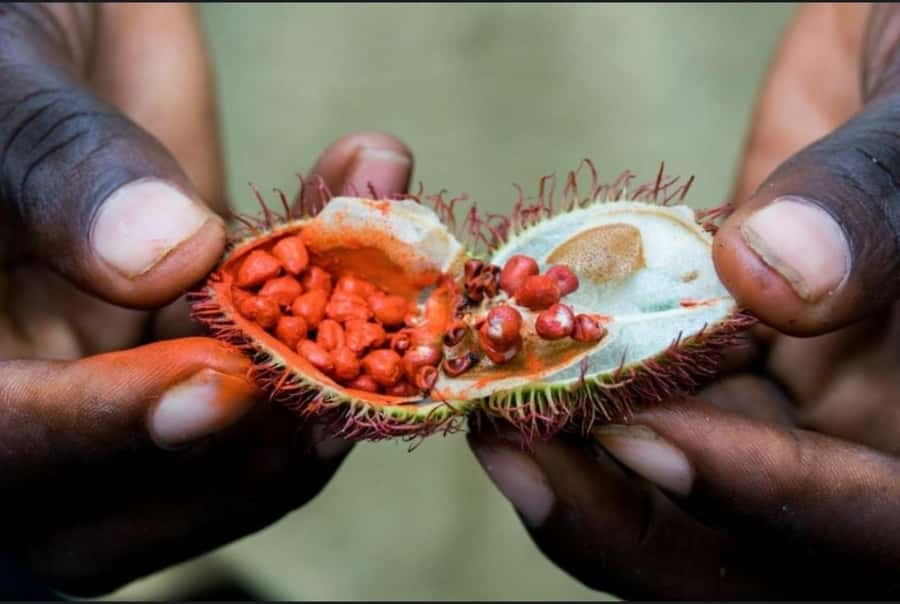
The first part of the day takes you into the source of Zanzibar’s best-known export. This is not simply a stop to buy a bag of seasoning. Your guide introduces spices as living plants, showing you how the island earned its Spice Island nickname through cinnamon, vanilla, nutmeg, cloves, and cardamom.
That difference matters. Most of us know these ingredients from a kitchen shelf. Seeing them at the farm gives them a shape, scent, and setting. You can smell the leaves, taste the produce, and try to identify each spice before the guide names it. It is a simple activity, but one that helps you remember what you are seeing.
The visit is especially good for food lovers and curious children. You are not expected to be a botanist. The point is to use your senses and ask questions. Refreshments and spice tasting are included, while a full meal is not, so do not treat the tasting as lunch.
The setting also adds a welcome change from town. The supplied details describe trees and monkeys at the farm, giving the visit more life than a quick roadside shopping stop. Still, the exact farm layout and the length of the visit are not specified, so you should expect a guided introduction rather than a long agricultural tour.
More Spice Farm Tours in Zanzibar:
- Zanzibar: Prison Island, Stone Town, & Spice Farm Tour
★ 4.5 · 579 reviews - Full-Day Private Stone Town +Spice Farm and Prison Island Tour
★ 4.5 · 216 reviews - Zanzibar: Stone Town & Spice Farm Tour with Lunch
★ 4.5 · 97 reviews
What the spices tell you about Zanzibar
Zanzibar’s spice trade helps explain why the island became a meeting point for different peoples. Spices were valuable goods, and the island’s position brought traders and outside powers into contact with local Swahili culture.
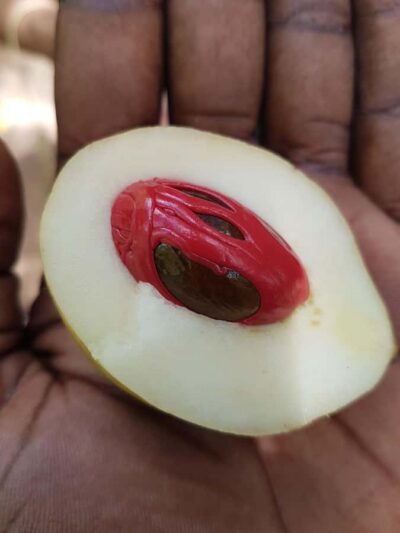
You will encounter familiar names, but the farm setting lets you consider their work and value in a new way. Cloves and cinnamon are easy to recognize once you smell them in their natural setting. Vanilla and nutmeg offer a different lesson, since their familiar kitchen forms can hide the plants and processes behind them.
Cardamom is another useful stop for comparison. The point is not to memorize every plant. It is to notice how much of Zanzibar’s identity is tied to scent, cooking, trade, and agriculture.
I would pay attention to the guide’s demonstrations here. A professional guide can turn a short walk between trees into a clearer explanation of how the spices connect with island life. Since the tour is offered in English, French, Italian, and German, you can select the language that will make the explanation easiest to follow.
Walking into Stone Town’s narrow lanes
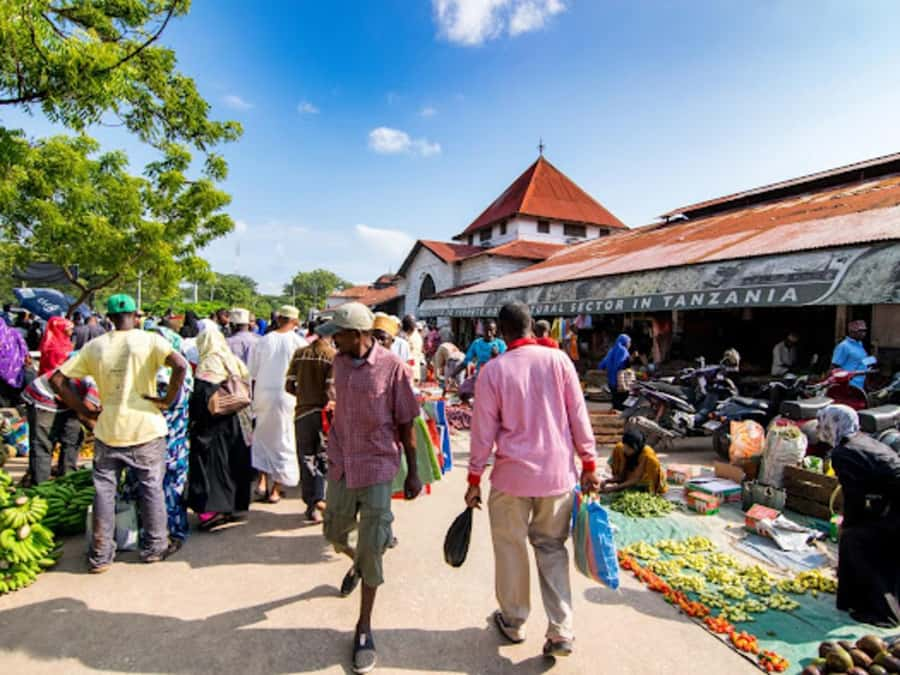
After the farm, the tour turns toward Stone Town, Zanzibar’s historic center and a UNESCO World Heritage Site. The mood changes quickly. Instead of open farm space, you get narrow, winding streets, old buildings, markets, and courtyards.
Stone Town is best understood on foot. Cars cannot make the narrow lanes feel orderly, and a guide helps you connect the buildings with the larger story. You will hear about Swahili, Arab, Persian, and European influence, all of which shaped the town’s architecture and trade.
I like this part because it gives context to what you see. An old doorway or courtyard can seem merely worn until you understand that Stone Town grew through centuries of exchange. The tour is designed for that kind of connection, moving from the products grown outside town to the streets where goods, people, and ideas once met.
The pace may suit you if you want an introduction without planning every turn yourself. It may feel limited if you prefer long museum visits, photography stops, or time to shop. A full-day format has to cover two very different places, so keep your expectations realistic.
The Old Fort and House of Wonders
The Old Fort is one of the main attractions included in the visit. Its presence gives you a solid starting point for understanding Stone Town’s defensive and political past. You will see one of the town’s major historic structures rather than only passing through residential lanes.
The House of Wonders is another key stop. Its name alone hints at the building’s former importance, and it helps show how Stone Town’s grand public architecture differed from the tighter lanes around it. Together, these sights give the walking tour recognizable anchors.
Entry fees to the main attractions are included in the $100 price. That is useful because the day is not just a street walk. You have access to significant sites as well as the guide’s explanations, though the exact list of covered attractions is described only as the main attractions.
Do not expect the tour to explain every building in Stone Town. Its strength is the combination of headline sights and smaller details along the way, including local markets and courtyards. If you want a more specialized architectural tour, you may need a separate visit with more time.
More Farm Tours in Zanzibar:
- Zanzibar:Stone Town & Spice Farm Private Tour Lunch Included
★ 4.2 · 94 reviews - Zanzibar full day Jozani forest + Spice farm and stone town
★ 4.7 · 90 reviews - Zanzibar: Spice Farm Tour with Traditional Cooking Lesson
★ 4.8 · 77 reviews - A Private Full Day Tour To Stone Town & Spice Farm
★ 5.0 · 53 reviews
Markets, courtyards, and the everyday town

The markets add a different note from the grand historic buildings. Here, Stone Town feels less like an outdoor museum and more like a working town. You can see where daily commerce fits into the same streets that carry so much historical weight.
The tour also includes hidden courtyards. These spaces matter because Stone Town’s character is not limited to its best-known façades. The lanes can feel close and confusing, while a courtyard offers a glimpse of how buildings are arranged behind the street front.
I would keep some cash handy for this portion. Cash is specifically recommended, and it is useful for any personal purchases you may want to make. Food and alcohol are not included, so budget separately if you want to eat or buy drinks during the day.
The market visit may be one of the more unpredictable parts of the tour. It is valuable for atmosphere and local context, but it is not a controlled attraction with a fixed display. Go ready to look, listen, and follow the guide rather than expecting a polished presentation.
How much value is in the $100 price?
At $100 per person, this is not the cheapest way to see Zanzibar. The price makes more sense when you count what is included: hotel pickup and drop-off, a professional guide, entry fees to main attractions, refreshments, spice tasting, and bottled water.
Transport is important here. The farm and Stone Town are separate parts of the island experience, and arranging both independently can take time. With pickup and return included, you avoid having to coordinate each leg yourself.
The guide is another central part of the value. Without explanations, a spice farm can become a pleasant walk among trees, while Stone Town can become a maze of attractive but hard-to-place buildings. The tour joins the sights into a story about agriculture, trade, and culture.
The price will suit you best if you want a broad first look at Zanzibar and prefer to leave transport and entry arrangements to someone else. It may not suit you if you already have transport, want to spend a full day in Stone Town alone, or prefer to explore at your own speed.
Timing, clothing, and practical comfort
This is a full-day tour, so wear comfortable shoes and light, comfortable clothing. You will be walking at the farm and through Stone Town’s lanes, and the combination makes practical footwear more important than stylish footwear.
Use sunscreen and carry water, even though a bottle is provided. The tour includes refreshment and spice tasting, but not food, so check the day’s meal arrangements and carry enough cash for anything you may want to purchase.
You should be at your hotel reception 10 minutes before departure. Hotel pickup and drop-off are included, but the supplied information does not give an exact departure time, group size, or detailed schedule. Ask about those points when booking if they affect your plans.
The tour can be reserved with payment later, which helps if you are still arranging your Zanzibar schedule. You can also cancel up to 24 hours before the tour for a full refund. Those terms are useful, but you should still check the booking details for the final pickup time and meeting instructions.
Who will enjoy this combined tour most?
I would recommend this day to first-time visitors to Zanzibar, especially those who want history and food culture rather than a beach-only schedule. The tour gives you two sides of the island: agricultural life among the spice trees and urban history in Stone Town.
Food lovers will appreciate the smelling and tasting. History buffs will get the Old Fort, House of Wonders, markets, courtyards, and the broader story of Swahili, Arab, Persian, and European influence.
It also suits people who like guided structure. You do not need to work out how to connect the farm with Stone Town, and you have a professional guide available in four listed languages.
I would hesitate to recommend it to you if your main goal is slow, detailed exploration. The combined format is broad by design. You will get a strong introduction, but you may want extra time later for Stone Town’s shops, museums, or streets.
The strongest part of the day

The spice farm is likely to be the most memorable section because it engages more than your eyes. The scents of cloves, cinnamon, vanilla, nutmeg, and cardamom make the visit active, and the chance to taste and identify them gives you something to do.
The setting also has a little surprise. The mention of monkeys among the trees adds an unexpected touch to the farm visit, though you should not book this as a wildlife tour. The main purpose is still the spice and cultural lesson.
Stone Town is the stronger section for architecture and history. Its narrow streets, old buildings, markets, and courtyards give you a feel for the town’s layered past. The best result comes when you treat the two halves as connected rather than separate attractions.
Should you book the Stone Town and Spice Farm Tour?
Book it if you want a convenient, guided introduction to Zanzibar’s culture in one full day. The combination is sensible: spices explain part of the island’s trade story, while Stone Town shows where that story took shape. Included transport and attraction fees also make the $100 price easier to justify.
Choose another plan if you want a slow Stone Town day, a dedicated food tour, or a long farm visit. For most first-time visitors with limited time, though, this is a practical pairing. Wear good shoes, bring sunscreen and cash, arrive at reception 10 minutes early, and leave room in your schedule for both the scent of cloves and the turns of Stone Town.
FAQ
How much does the Stone Town and Spice Farm Tour cost?
The tour costs $100 per person.
What is included in the tour?
Hotel pickup and drop-off, a professional tour guide, entry fees to the main attractions, refreshments, spice tasting, and a bottle of water are included.
Is food included?
No. Food is not included, and alcohol is also excluded.
What languages are available?
The tour is available in English, French, Italian, and German.
What should I bring?
Bring comfortable shoes, sunscreen, comfortable clothing, and cash.
Can I cancel the tour for a refund?
Yes. You can cancel up to 24 hours in advance for a full refund. You can also reserve and pay later, so no payment is required today.
Just added around Zanzibar
- Zanzibar: Walking Spice Farm with Local Cooking Class★ 4.4 · 9 reviews
- ZANZIBAR, Stone town tour, Prison Island & Spice farm★ 5.0 · 11 reviews
- Zanzibar: Stone Town City Tour and Spice Farm with Lunch★ 3.7 · 33 reviews
- Zanzibar: Spice Farm Tour with Traditional Cooking Class★ 4.6 · 16 reviews
- Zanzibar: Spice farm tour with Zanzibar fruits tasting★ 3.8 · 7 reviews
- Zanzibar: Spice Farm Tour with Cooking lesson★ 4.5 · 4 reviews
- Zanzibar: Spice Farm Tour with Traditional Cooking Class★ 4.8 · 6 reviews
- Zanzibar: Spice Farm Tour & Stone Town Adventure★ 4.6 · 48 reviews
Spice Farm Tours, compared.

Full-Day Private Stone Town +Spice Farm and Prison Island Tour
Read our review →
Stone Town & Spice Farm Private Tour Lunch Included
Read our review →Zanzibar full day Jozani forest + Spice farm and stone town
Read our review →
STONE TOWN, PRISON ISLAND AND SPICE FARM ( Lunch included )
Read our review →Lists this farm appears in