

Reviewed · SPICE FARM TOURS
Zanzibar Aromatic Spice Farms Tour
Zanzibar’s spices are best understood with your hands and nose, not from a market shelf. On this roughly three-hour walk, you can smell fresh lemongrass, rub a cinnamon leaf, taste seasonal fruit, and see how vanilla, cloves, turmeric, and black pepper grow. I like the farm setting and the way the tour connects familiar kitchen spices with the work behind them. I also like the included Swahili lunch, which shows how those flavors are used in food.
The main caution is timing and transport. One booking party had to wait when the first van was too small, so pickup may not be perfectly smooth for a larger group. The final spice stall is cash only, and the tour needs good weather and a minimum number of participants.
Key points to know before you book
- You taste spices where they grow: Cloves, vanilla, nutmeg, cinnamon, turmeric, cardamom, chili, and black pepper are part of the walk.
- The farm walk is more than a photo stop: Guides explain growth stages, cultivation, and practical uses for the plants.
- Fruit tasting changes with the season: You may try papaya, oranges, jackfruit, coconut, cassava, and other available produce.
- A Swahili lunch is included in the experience: This gives you a chance to taste spice combinations in a prepared meal.
- The tour is private for your group: Transport is by private vehicle, with pickup offered.
- Bring cash for the last stop: The spice stall sells fresh packaged spices and accepts cash only.
Why Zanzibar’s spice farms are worth your morning

Zanzibar’s connection with spices reaches back to the 16th century, when Portuguese traders introduced crops from South America and India. You do not need a history lecture to appreciate that story. It becomes much clearer when you see a plant, smell its leaves, and then connect it with something familiar from your kitchen.
This is a walking tour through a shamba, or farm. The point is not a grand plantation building or a long museum display. The point is the living crop. A spice that looks ordinary in a jar can be surprising in the ground. Vanilla, for example, is not simply a brown pod waiting to be picked. One guide explained how large the growing bean can become and how much careful hand work cultivation requires.
I like this direct approach. You are not just told that Zanzibar produces spices. You see how the plants grow and hear how they are cultivated. That makes the visit useful for families, food lovers, and anyone who wants more than a quick stop at a souvenir shop.
The experience has an average rating of 4.6 from five posted reviews, with the strongest praise focused on the farm explanations, the tastings, and guides who could communicate in French or Italian as well as English. That is a small sample, so I would treat the rating as encouraging rather than final proof. Still, the consistent strengths are clear.
More Spice Farm Tours in Zanzibar:
- Zanzibar: Prison Island, Stone Town, & Spice Farm Tour
★ 4.5 · 579 reviews - Full-Day Private Stone Town +Spice Farm and Prison Island Tour
★ 4.5 · 216 reviews - Zanzibar: Stone Town & Spice Farm Tour with Lunch
★ 4.5 · 97 reviews
Walking through the shamba with a local guide
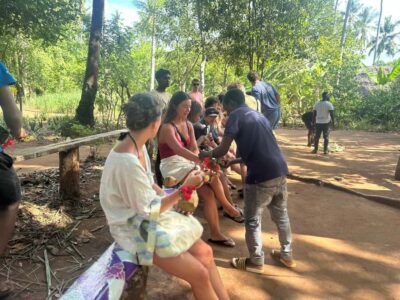
The tour begins with a walk through the farm, where the guide introduces the plants one by one. Expect to stop often. You may smell leaves in your hand, examine pods or roots, and taste fruit as the guide explains what each crop is used for.
The guide’s role matters here. A young Italian-speaking guide has led this walk, and a French-speaking guide has also been available. Other named guides associated with the experience include Zamir and James. The exact guide depends on the day, but the important point is that the tour is built around explanation rather than simply pointing out plants.
You may hear about:
- Cloves
- Lemongrass
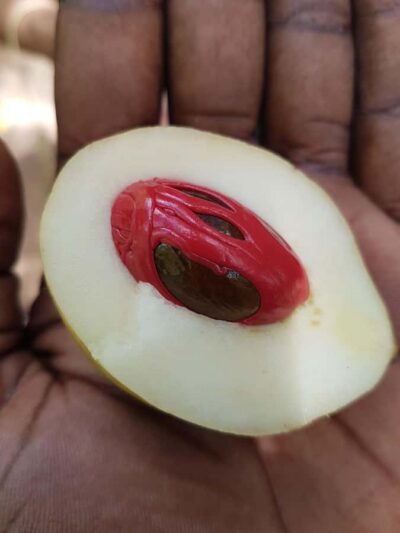
- Nutmeg
- Cinnamon
- Turmeric
- Vanilla
- Coconut
- Papaya
- Chili
- Black pepper
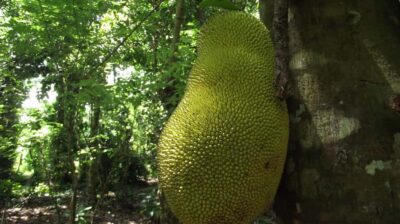
- Jackfruit
- Cardamom
- Cassava
- Oranges
This list gives you a sense of the range. Some are spices, some are herbs, and some are fruit or staple crops. That mix keeps the walk from feeling repetitive. You might move from a pungent spice to a sweet fruit, then to a root or leaf used in cooking.
The best part is the comparison between the plant and the finished ingredient. Cinnamon is familiar as a dry stick, but the plant itself gives you a different picture. Vanilla is common in desserts, yet its cultivation is far less simple than the small bottle in your cupboard suggests. Black pepper also becomes more interesting once you see it as a growing crop rather than a shaker on a table.
The walk is described as suitable for most people, but it is still a farm walk. Children must be accompanied by an adult. If your group includes anyone who has trouble walking outdoors, ask the operator for more detail before booking, since the supplied information does not give a route length or surface description.
The tasting is the heart of the visit
The tastings give the tour its easy rhythm. You smell and taste selected spices, herbs, and seasonal fruit as you move through the farm. The exact fruit selection can change, so do not book this expecting one fixed tasting menu.
Papaya, oranges, jackfruit, coconut, and other seasonal fruit may appear. Cassava is also among the crops introduced during the experience. Some of these foods may be familiar to you, while others may be less common. That variety makes the tasting useful even if you already cook with cinnamon or chili at home.
You may also get to taste or handle spices in a less processed form. This is where the tour earns its place in a Zanzibar itinerary. A market stall can sell you a packet of spice, but a farm walk shows you the plant first. You leave with a better idea of why the aroma, color, and texture change during processing.
I would pay close attention to the guide’s instructions. Smell the leaves directly when invited, and ask how the plant is used in cooking. The tour description specifically promises explanations of the crops and their uses, and that practical detail is one of its strongest features.
The fruit tasting also keeps the experience from being all about dry spices. It gives you a chance to sample the island’s produce and makes the walk more appealing to children. Just remember that availability depends on the season.
Swahili lunch puts the spices to work
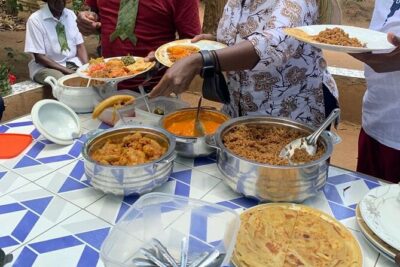
After the farm walk, you enjoy a traditional Swahili lunch at the farm. This is more than a convenient meal at the end of the tour. It lets you taste how spices work together in prepared food.
During the walk, you encounter individual ingredients one at a time. At lunch, you get the combined effect. Cinnamon, turmeric, chili, cardamom, or other spices can taste very different when used with grains, vegetables, sauces, or other local ingredients. The meal gives you a more useful understanding of the crops than tasting each one alone.
The information provided does not give a fixed menu, so I would not expect a specific dish unless the operator confirms it. It does say the meal includes different ways of using spices and some seasonal fruit. That makes lunch part of the learning, not just a break.
For me, this is an important value point. A three-hour activity can feel short if it includes only a walk and a sales stop. Adding lunch gives the tour a fuller shape and turns the farm into both classroom and dining room.
More Farm Tours in Zanzibar:
- Zanzibar:Stone Town & Spice Farm Private Tour Lunch Included
★ 4.2 · 94 reviews - Zanzibar full day Jozani forest + Spice farm and stone town
★ 4.7 · 90 reviews - Zanzibar: Spice Farm Tour with Traditional Cooking Lesson
★ 4.8 · 77 reviews - A Private Full Day Tour To Stone Town & Spice Farm
★ 5.0 · 53 reviews
The final spice stall is useful, with one clear catch
The tour finishes at a spice stall selling fresh packaged spices. This is a practical chance to take home ingredients you have just seen growing. You can compare the packet with the plant you encountered earlier, which makes the purchase more meaningful than buying a random souvenir in town.
The stall is cash only. Plan for that before you leave your hotel or accommodation. The supplied details do not state which currencies are accepted or how much the spices cost, so carry suitable local cash and ask the operator if you need exact payment advice.
You do not need to worry about tipping the farm workers separately. The tour price already includes their tips. That is useful because it removes uncertainty at the end of the visit. If you wish to give extra for especially good service, that is a personal choice, but the included amount means there is no required tip to calculate.
The sales stop may not appeal to everyone. If you dislike shopping during tours, it is still a short part of the program rather than the main attraction. I would treat it as an optional buying opportunity, not the reason to book.
What the $102.57 price gives you
At $102.57 per person, this is not the cheapest short activity in Zanzibar. The value depends heavily on how you use the three hours.
You are paying for a private vehicle, pickup, a farm walk, a guide, spice and fruit tastings, a traditional Swahili lunch, and included farm-worker tips. For a private group that wants transport and a guided cultural stop without arranging each part separately, the price can make sense.
The price is less appealing if you only want to see a few spice plants and buy packets. You could likely find simpler market visits at a lower cost, though those would not offer the same farm setting or direct explanation of cultivation. The lunch also adds value, especially if you are building a short morning or midday outing rather than arranging a separate meal.
The private format is another factor. Only your group participates, so you may have more control over questions and pace than on a large shared excursion. The listing says pickup is offered, but it does not specify every pickup area or the exact schedule. Confirm those details when booking.
One practical warning comes from a transport problem involving a party whose first van was too small. A second van had to be arranged, causing a wait. That does not mean every booking will have a problem, but larger groups should confirm vehicle size in advance.
Who will enjoy this farm tour most
I would choose this tour if you enjoy food, plants, and local daily life. It suits you especially well if you want to understand where common ingredients come from instead of only seeing them in a market.
Families can also get a lot from it. The smell-and-taste format is easier for children to follow than a long cultural lecture, though adults must accompany children. The fruit tasting adds variety, and the farm setting gives young visitors something concrete to look at and touch under guidance.
The tour can also work well for couples and small private groups. The private format lets you ask about specific ingredients, cooking uses, or cultivation without worrying about holding up a large party.
Language may be an advantage for some bookings. French-speaking and Italian-speaking guides have led the experience, while Zamir and James are among the guides connected with past departures. Ask which language is available for your date if that matters to you.
I would hesitate if your schedule is extremely tight. The official duration is about three hours, but pickup, road conditions, and the possibility of a transport delay can affect the day. I would not place an important fixed appointment immediately afterward.
Practical planning for weather, timing, and cancellation
The tour needs good weather. If poor weather forces cancellation, you are offered another date or a full refund. It also requires a minimum number of participants, and if that minimum is not reached, you can choose another date or experience, or receive a full refund.
You can cancel for a full refund up to 24 hours before the start time. Cancellations or changes made less than 24 hours before the local start time are not refunded or accepted. Keep the local time in mind when making changes.
Confirmation is provided when you book. Pickup is offered, and the experience is near public transportation, though the exact pickup areas are not specified. Since transport is by private vehicle, give accurate accommodation details and confirm the pickup time.
Wear something suitable for a farm walk and bring water, though the supplied details do not specify clothing requirements. Cash is the one firm item to plan for because the final spice stall accepts cash only.
The decision: a worthwhile taste of Zanzibar
I would book the Zanzibar Aromatic Spice Farms Tour if you want a small-scale cultural experience with real food value. The farm walk, direct tastings, guide explanations, and Swahili lunch create a better picture of Zanzibar’s spice trade than a quick shopping stop can provide.
Book it with realistic expectations. This is a roughly three-hour farm visit, not a full-day agricultural expedition. Fruit selection is seasonal, the final shop is cash only, and transport may need extra attention for larger parties.
For food lovers, families, couples, and private groups, the experience offers a good balance of learning and pleasure. If the price fits your budget and you confirm pickup details, group vehicle size, and guide language, it is a sensible way to spend part of a Zanzibar day.
FAQ
How long does the Zanzibar Aromatic Spice Farms Tour last?
The tour lasts approximately three hours.
Is pickup included?
Pickup is offered, and transport is provided by private vehicle. The exact pickup area is not stated, so confirm it when booking.
Is this a private tour?
Yes. Only your group participates in the activity.
What spices can I see and taste?
The experience may include cloves, lemongrass, nutmeg, cinnamon, turmeric, vanilla, chili, black pepper, and cardamom, along with herbs and tropical crops.
Which fruits might be available?
Seasonal fruit may include papaya, oranges, jackfruit, coconut, and other fruit available at the time of your visit. The selection can change by season.
Is lunch included?
Yes. You enjoy a traditional Swahili lunch at the farm, with dishes showing different ways to use spices and seasonal fruit.
Do I need cash?
Yes, bring cash if you want to buy fresh packaged spices at the final stall. The stall is cash only.
What is the cancellation policy?
You can cancel up to 24 hours before the start time for a full refund. Cancellations or changes made less than 24 hours before the local start time are not refunded or accepted. If poor weather or an insufficient number of participants cancels the tour, you are offered another date or experience, or a full refund.
Just added around Zanzibar
- Zanzibar: Walking Spice Farm with Local Cooking Class★ 4.4 · 9 reviews
- ZANZIBAR, Stone town tour, Prison Island & Spice farm★ 5.0 · 11 reviews
- Zanzibar: Spice Farm Tour with Traditional Cooking Class★ 4.6 · 16 reviews
- Zanzibar: Stone Town City Tour and Spice Farm with Lunch★ 3.7 · 33 reviews
- Zanzibar: Spice farm tour with Zanzibar fruits tasting★ 3.8 · 7 reviews
- Zanzibar: Spice Farm Tour with Cooking lesson★ 4.5 · 4 reviews
- Zanzibar: Spice Farm Tour with Traditional Cooking Class★ 4.8 · 6 reviews
- Zanzibar: Spice Farm Tour with Traditional Cooking Class★ 5.0 · 2 reviews
Spice Farm Tours, compared.

Full-Day Private Stone Town +Spice Farm and Prison Island Tour
Read our review →
Stone Town & Spice Farm Private Tour Lunch Included
Read our review →Zanzibar full day Jozani forest + Spice farm and stone town
Read our review →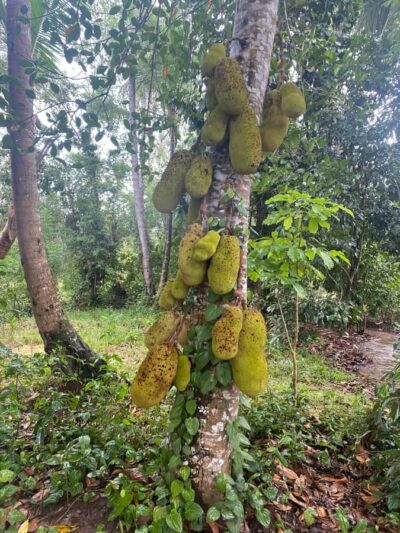
STONE TOWN, PRISON ISLAND AND SPICE FARM ( Lunch included )
Read our review →Lists this farm appears in