
Reviewed · SPICE FARM TOURS
Zanzibar Spice Farm Tour
Zanzibar’s spices make more sense when you see them growing. At Tangawizi Spice Farm, you walk among clove trees, vanilla, cinnamon, turmeric, cardamom, coconut palms, tropical fruit, and hot peppers while your private guide explains how each crop reaches the kitchen. The best part is the chance to smell and taste the plants at their source, rather than simply hearing a list of spice names.
I like the private format, since you can ask questions about Zanzibar and set a comfortable pace. I also like the fruit and spice tasting, especially the simple pairings of fresh fruit, coconut milk, and fragrant spices. The main drawback is that the farm is basic, with no washroom reported on site, and the final shop may feel expensive for what you receive.
Key points to know before you go
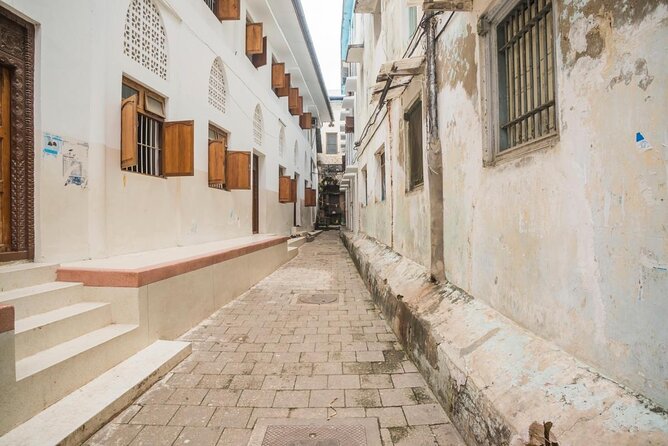
- Portuguese traders brought many of Zanzibar’s spices: The tour connects present-day farming with crops introduced from Portuguese colonies in India and South America during the 16th century.
- Tangawizi Spice Farm is a walking tour: You see crops growing in the shamba, rather than touring a polished museum or large commercial plantation.
- Tasting is part of the visit: Expect fruit and spices such as bananas, coconut, mango, oranges, chili, and cinnamon.
- The private guide changes the pace: You can stop for questions about Zanzibar, food, farming, and local customs.
- The farm is simple: Bring practical expectations, since basic facilities may not include a washroom.
- Treat the final shop as optional: It takes cash only, and prices and packaging may not satisfy every buyer.
What the Tangawizi Spice Farm visit is really like
This is a short walking tour through a working-style spice farm, known locally as a shamba. You are not simply looking at jars on shelves. You walk between plants and trees, then learn how the crops are cultivated and used in everyday cooking.
The visit at the farm lasts about two hours, while the full activity is listed at approximately three hours. That extra time allows for transport, meeting arrangements, tasting, and the stop at the spice stall. The pace should suit most people, since this is a private outing rather than a large group moving on a strict schedule.
Your guide leads you through the farm and explains the uses of the crops in home-cooked meals. That practical angle is useful. Cinnamon is not just a bark sample, and turmeric is not merely a bright yellow powder. You get a clearer idea of where these ingredients come from and how they fit into food.
The farm’s setting is deliberately straightforward. Expect a rural walking area, not a visitor center with polished displays, extensive signs, or hotel-style facilities. That simplicity is part of the appeal, but it also explains why you should wear sensible shoes, carry water, and avoid expecting a formal agricultural attraction.
More Spice Farm Tours in Zanzibar:
- Zanzibar: Prison Island, Stone Town, & Spice Farm Tour
★ 4.5 · 579 reviews - Full-Day Private Stone Town +Spice Farm and Prison Island Tour
★ 4.5 · 216 reviews - Zanzibar: Stone Town & Spice Farm Tour with Lunch
★ 4.5 · 97 reviews
From Portuguese trade routes to Zanzibar’s spice fields

The guide places Zanzibar’s crops in a wider story. Spices and herbs were introduced to the island by Portuguese traders in the 16th century, with plants brought from Portuguese colonies in India and South America.
That background gives the walk more meaning. The cloves, vanilla, nutmeg, and cinnamon you see are tied to old trade routes and changing patterns of agriculture. Zanzibar became closely associated with spices because these plants suited the island’s climate and found a place in local cooking and commerce.
You can ask your guide questions during the walk, including questions about Zanzibar beyond the farm. Since the tour is private, you do not need to wait for a formal question period or worry about slowing down a large group.
I would make use of that freedom. Ask how a spice is used at home, which part of a plant is harvested, and how the fruit differs from what you find in a supermarket. The supplied information does not name the individual guides, so you should not expect a particular guide by name. The quality of the visit will depend in part on how actively your guide explains and responds.
Smelling and tasting cloves, cinnamon, and vanilla
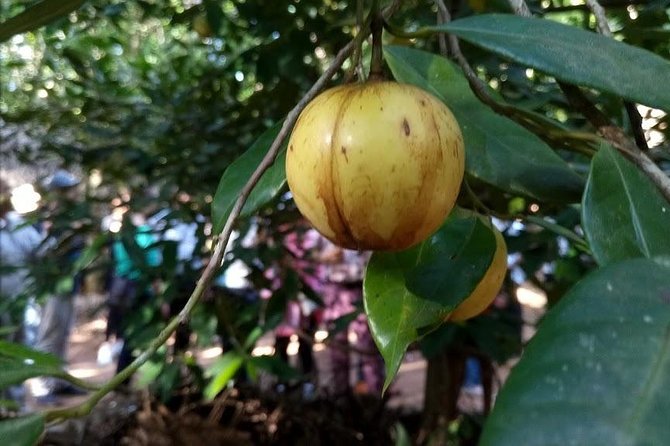
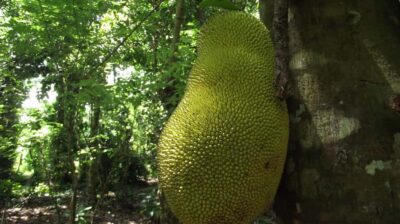
The farm includes a long list of crops. You may see and sample cloves, lemongrass, nutmeg, cinnamon, turmeric, vanilla, coconut, papaya, chili, black pepper, jackfruit, cardamom, cassava, and oranges.
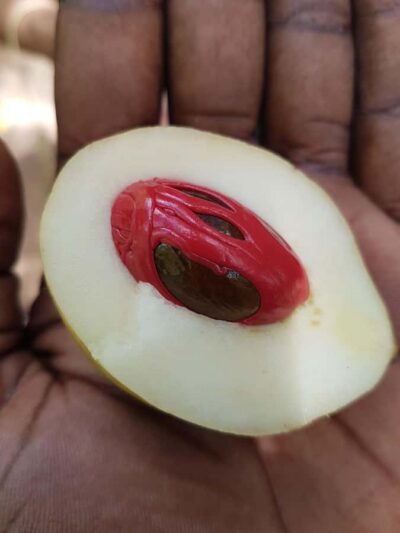
That variety is the heart of the tour. Some plants are familiar in dried form but look quite different before processing. Others, such as vanilla and nutmeg, are easier to understand when you can connect the finished kitchen ingredient with the living plant.
The tasting adds a welcome sensory element. You may try tropical fruit such as bananas, coconut milk, mango, and other seasonal produce. A simple fruit and spice pairing can show how heat, sweetness, acidity, and fragrance work together.
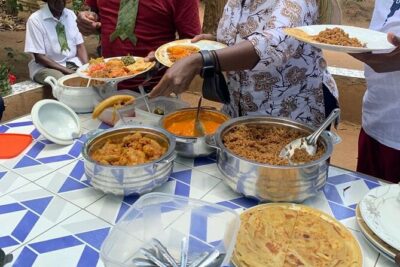
Do not expect a full meal. This is a tasting during a walking tour, not a cooking class or food market visit. Still, it gives you something concrete to remember. Afterward, you may recognize the aroma of clove or cinnamon more easily when it appears in a Zanzibar dish.
The fruit is one of the strongest parts of the visit for families. Children can see, smell, and taste rather than simply listen to a guide describe crops. The activity is educational without requiring a long attention span, although the heat and walking may still affect younger children.
Small farm touches that make the walk memorable
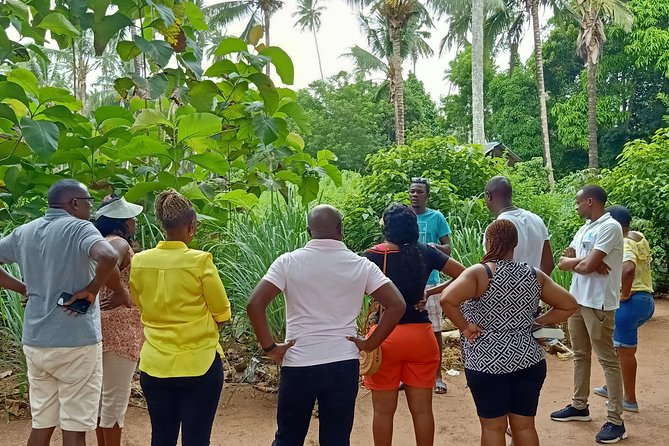
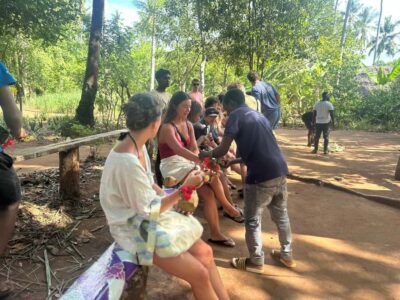
The visit includes more than plant identification. At one point, a guide may demonstrate coconut climbing, an eye-catching local skill that helps explain how coconuts are collected. The tour also includes palm-leaf hats made by hand, a small detail that can make the walk more fun and useful in the sun.
These touches give the farm visit a human side. They are not grand performances, and I would not book the tour expecting a staged cultural show. But they help break up the explanations and give you a better sense of practical work around the farm.
The guide can also explain how the crops are used in home cooking. That is more valuable than a recital of botanical names. If you cook, ask for specific uses and combinations. If you do not, simply focus on the smells, textures, and colors, then compare them with the packaged spices you see later.
The tour is best approached with curiosity rather than luxury expectations. The farm is community-run and nongovernmental, according to the information provided, so its facilities and presentation may be modest. That can feel authentic, but it also means the standard is not the same as a commercial attraction designed around comfort.
More Farm Tours in Zanzibar:
- Zanzibar:Stone Town & Spice Farm Private Tour Lunch Included
★ 4.2 · 94 reviews - Zanzibar full day Jozani forest + Spice farm and stone town
★ 4.7 · 90 reviews - Zanzibar: Spice Farm Tour with Traditional Cooking Lesson
★ 4.8 · 77 reviews - A Private Full Day Tour To Stone Town & Spice Farm
★ 5.0 · 53 reviews
The simple facilities are worth knowing about
A basic farm setting can be part of the charm, but you should plan for it. One direct caution is the reported lack of a washroom at the farm. Use facilities before leaving your hotel or Stone Town if that matters to you.
Bottled water is included, which is helpful during a walking tour in Zanzibar’s heat. Even so, light clothing, sun protection, and comfortable footwear make sense. The supplied details do not specify the exact walking surface or shade level, so keep your plans practical rather than assuming a cool, paved garden.
Most people can participate, and the tour is near public transportation. The private setup also means you can ask for a slower pace, although the information does not promise specific accessibility arrangements. If you have mobility concerns, ask the operator before booking about the walking conditions and available support.
The meeting point is listed as 6 Degrees South, Plot 60, Waterfront Shangani Street, Zanzibar. The activity information also includes hotel pickup and drop-off, so confirm the exact arrangement with Samsons Safaris before the day of the tour. The stated end point is back at the meeting point.
Should you buy spices at the final stall?
The tour finishes at a spice stall selling fresh packaged spices. Bring cash if you want to shop, since the stall is cash only.
I would treat this as a browsing stop, not a required part of the tour. The farm visit and tasting are separate from the shopping, so you can enjoy the walk without buying anything. You may find useful gifts or cooking ingredients, but inspect the packaging and compare prices before handing over money.
A specific concern is value. Some buyers have found the products priced at roughly twice what they expected, and one concern involved packaging and product quality. The operator has indicated that the farm is locally managed and that it has limited control over the shop, but that does not remove the need for you to make your own judgment.
My practical advice is simple: decide what you want before you arrive, ask the price clearly, and buy only if the product looks fresh and the cost feels fair. Do not assume that a farm shop is automatically cheaper than another spice seller in Zanzibar.
Is $140 per person a fair price?
At $140 per person, this is not a budget walk. The value depends on what you need from the outing.
You are paying for a private tour, a guide, fruit and spice tasting, bottled water, and listed hotel pickup and drop-off. You also get the convenience of a planned visit from Stone Town and the chance to ask questions without sharing the guide with a large group.
If you only want to see a few spice plants, the price may feel high for a roughly three-hour activity. A basic farm, limited facilities, and an optional shop do not support a luxury price by themselves. The strongest reason to pay more is the private format and the transport convenience.
For a family or small group, the price may make more sense if everyone values a flexible schedule. For a solo visitor, the per-person cost deserves closer thought. You may prefer a lower-cost shared outing if personal attention is not important.
I would compare the price with other private Zanzibar excursions before booking. Confirm whether hotel pickup and drop-off apply to your accommodation, since the meeting point is also separately listed. That small check can prevent an unwelcome surprise.
Who will enjoy this Zanzibar spice tour?
I would recommend it most for you if you enjoy food, plants, local farming, and short guided walks. It suits people who want a break from Stone Town’s streets and beaches without committing to a full-day trip.
Families are likely to appreciate the hands-on format. Children can smell spices, taste fruit, watch coconut climbing, and receive a palm-leaf hat. The private arrangement also makes it easier to pause when attention wanders.
It can work well for first-time visitors who want a simple introduction to Zanzibar. The guide can answer broader questions about the island, while the farm gives you a clear subject to focus on.
I would be more cautious if you need polished facilities, a formal museum, or guaranteed shopping value. The lack of a washroom and the concerns about stall prices are not minor details for some people. This is a rural farm visit, not a premium food presentation.
The overall score shown for the activity is 4 from 3 reviews, a small sample that suggests a generally positive but not flawless outing. The strongest praise centers on the variety of plants, clear explanations, fruit tasting, and the coconut demonstration. The main criticisms concern the basic setting and the final shop.
Booking, timing, and cancellation
Confirmation is received at booking, and the activity accepts a mobile ticket. The tour is private, so only your group participates.
Free cancellation is available if you cancel at least 24 hours before the local start time. Cancellations made less than 24 hours before the start are not refunded, and changes inside that window are not accepted.
I would book this earlier in your Zanzibar stay if possible, especially if you want to use the guide to ask wider questions about food and the island. If plans change, keep the 24-hour cut-off in mind.
My verdict: book it for the farm, not the shop
I would book the Tangawizi Spice Farm tour if you want a private, sensory introduction to Zanzibar’s crops and food traditions. The walk, fruit tasting, spice explanations, coconut demonstration, and palm-leaf hats give the visit enough variety for a short outing.
I would not book it mainly to purchase inexpensive spices. The shop is cash only, and the price or packaging may disappoint. Think of shopping as optional, then judge each item on its own.
At $140 per person, this is best for you if private guiding and included transport matter. If your priority is the lowest possible price or high-quality facilities, look elsewhere. If you want to smell vanilla, touch cinnamon, taste fresh coconut, and understand how Zanzibar’s spice traditions connect to everyday cooking, this farm visit offers a useful and enjoyable few hours.
FAQ
Where does the Zanzibar Spice Farm Tour start?
The listed meeting point is 6 Degrees South, Plot 60, Waterfront Shangani Street, Zanzibar, Tanzania.
Where does the tour end?
The activity ends back at the meeting point.
How long does the spice farm tour last?
The full activity lasts approximately three hours. The visit at Tangawizi Spice Farm is listed as two hours.
Is this a private tour?
Yes. Only your group participates, and you can go at your own pace with a private guide.
What does the tour include?
It includes bottled water, a guided spice farm tour, hotel pickup and drop-off, and fruit and spice tasting.
Which spices and plants can you see?
The farm includes cloves, lemongrass, nutmeg, cinnamon, turmeric, vanilla, coconut, papaya, chili, black pepper, jackfruit, cardamom, cassava, and oranges.
Can you buy spices at the farm?
Yes. The tour ends at a spice stall selling fresh packaged spices. The stall accepts cash only.
Can you cancel for a full refund?
Yes, if you cancel at least 24 hours before the experience start time. Cancellations or changes made less than 24 hours before the start are not refunded or accepted.
Just added around Zanzibar
- Zanzibar: Walking Spice Farm with Local Cooking Class★ 4.4 · 9 reviews
- ZANZIBAR, Stone town tour, Prison Island & Spice farm★ 5.0 · 11 reviews
- Zanzibar: Spice Farm Tour with Traditional Cooking Class★ 4.6 · 16 reviews
- Zanzibar: Stone Town City Tour and Spice Farm with Lunch★ 3.7 · 33 reviews
- Zanzibar: Spice farm tour with Zanzibar fruits tasting★ 3.8 · 7 reviews
- Zanzibar: Spice Farm Tour with Cooking lesson★ 4.5 · 4 reviews
- Zanzibar: Spice Farm Tour with Traditional Cooking Class★ 4.8 · 6 reviews
- Zanzibar: Spice Farm Tour & Stone Town Adventure★ 4.6 · 48 reviews
Spice Farm Tours, compared.

Full-Day Private Stone Town +Spice Farm and Prison Island Tour
Read our review →
Stone Town & Spice Farm Private Tour Lunch Included
Read our review →Zanzibar full day Jozani forest + Spice farm and stone town
Read our review →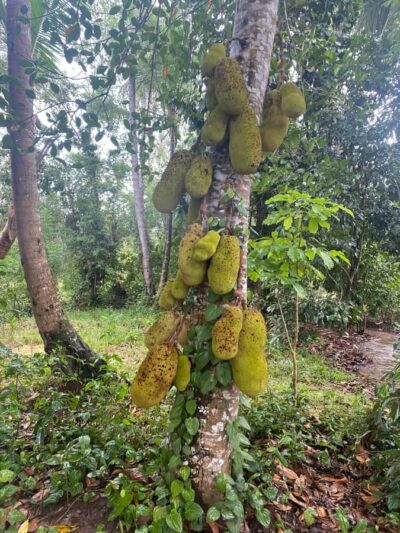
STONE TOWN, PRISON ISLAND AND SPICE FARM ( Lunch included )
Read our review →Lists this farm appears in