
Reviewed · TANZANIA FARM TOURS
Microfinance family farm tour – all proceeds to charity
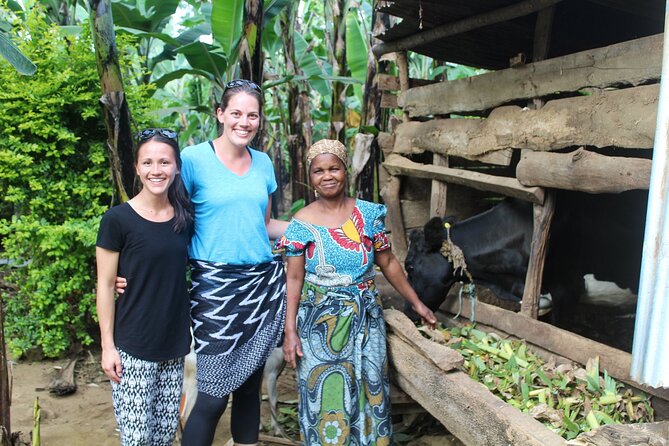
The heart of this Arusha experience is a visit with Mama Max, a Tanzanian woman who built a working farm after escaping severe poverty with business training and microfinance. You will see more than a charity project. You will see how banana trees, coffee, chickens, goats, and a cow can become a family’s path toward stability.
I like two things right away. First, the money supports The Small Things, a community nonprofit working with children, families, and communities. Second, the visit is practical: you can drink traditional chai, taste local coffee, gather eggs, cut vegetation for animals, and possibly milk the cow. The main consideration is that this is a simple rural visit, not a polished attraction, and you need to manage uneven or hilly ground.
Key points to know before booking
- Mama Max’s farm tells the real story: Her businesses grew step by step through training, microfinance, and hard work.
- Your money supports charity: The tour connects directly with The Small Things’ work in the Arusha area.
- You can choose how to reach the farm: Walk from the nonprofit site or take a drive, depending on your preference.
- Expect chai, coffee, and farm chores: Tea and a snack are included, while lunch costs an extra $5.
- The visit protects children’s privacy: You receive an overview of the children’s village, but you should not expect direct contact with children.
- This is a private activity: Only your own group takes part, with pickup available and free cancellation up to 24 hours ahead.
Why this farm visit matters beyond sightseeing
Many Arusha activities focus on wildlife, mountain climbs, or Maasai culture. This one gives you a look at a less visible part of Tanzanian life: how a family can build income without being separated from its children.
The Small Things grew from concern about what happened to children after leaving institutional care and returning to their home communities. Its approach focuses on helping families and communities become strong enough to keep children at home. During the opening talk, you learn how business development and microfinance fit into that work.
That background gives the farm visit a clear purpose. You are not simply stopping at a household to look around. You are meeting a woman whose farm is part of a wider effort to improve family income and reduce the pressures that can push children away from home.
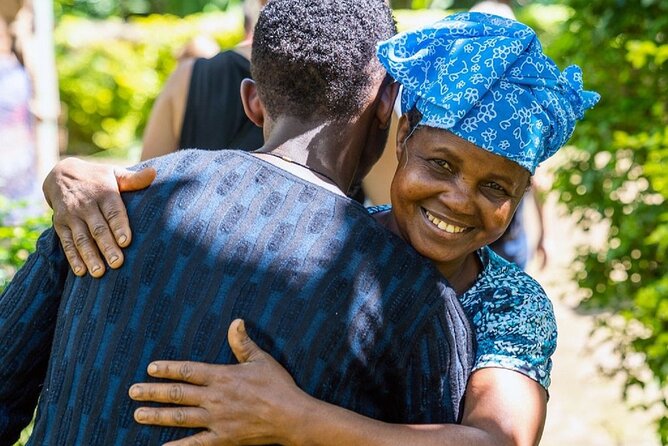
I also like that the experience does not ask you to treat poverty as a spectacle. Mama Max is presented as a businesswoman and mentor, not only as someone who once needed help. She now supports younger women who work in the position she once held. That change is one of the most meaningful parts of the visit.
More Farm Tours in Tanzania:
- Zanzibar: Prison Island, Stone Town, & Spice Farm Tour
★ 4.5 · 579 reviews - Full-Day Private Stone Town +Spice Farm and Prison Island Tour
★ 4.5 · 216 reviews - Zanzibar: Stone Town & Spice Farm Tour with Lunch
★ 4.5 · 97 reviews
Starting at The Small Things near Nkoaranga
The experience begins at Happy Family Children’s Village in Nkoaranga, on an unnamed road near Arusha. The first stop takes about 30 minutes and includes an introduction to The Small Things and its work.
You can see across to Lake Duluti from the visitor’s hut. That view gives you a pleasant place to begin, but the short talk is the real reason for this stop. You learn how the organization supports children, families, and communities, and how its business program helps parents keep children at home.
There is an important child-protection boundary here. You should not expect direct contact with children at the village. This is good practice, and it keeps the focus on the program rather than turning children into part of a sightseeing experience.
Guides including Reuben and Andrew have led visitors through the nonprofit’s work. The information available about the tour suggests that the guides explain the social-enterprise side of the program as well as the farm visit. Ask questions here if you want to understand the basic idea before meeting Mama Max.
The introduction is brief, so it should not feel like a long lecture. Still, it helps you understand why the next stop matters. Without this context, you might see only a small rural farm. With it, you can follow the link between training, credit, household income, and family care.
Walking or driving to Mama Max’s house
From The Small Things’ site, you continue to Mama Max’s home in Nkoaranga. You can walk or drive, depending on what suits you.
The walking option gives you more contact with the setting and makes the move from nonprofit office to family farm feel natural. It also requires a reasonable level of comfort on uneven or hilly ground. The driving option is the better choice if you want to conserve energy or have mobility concerns, though the available details do not specify the vehicle type or exact driving distance.
This is one reason to ask about the route when you book. The tour lasts about two to three hours, and the transfer between the two stops forms part of the experience. It is not just dead time between attractions.
As you go, your guide explains how the business-development program helps families like Mama Max’s. The central idea is straightforward: a small amount of training and financial support can help a family start an income-producing activity, then reinvest the earnings into the next one.
That progression matters. The farm did not appear all at once. Mama Max built from bananas to coffee, then to chickens, goats, and cows. You can see how one enterprise can support the next when the owner has the chance to plan and work over time.
Meeting Mama Max and seeing the farm grow
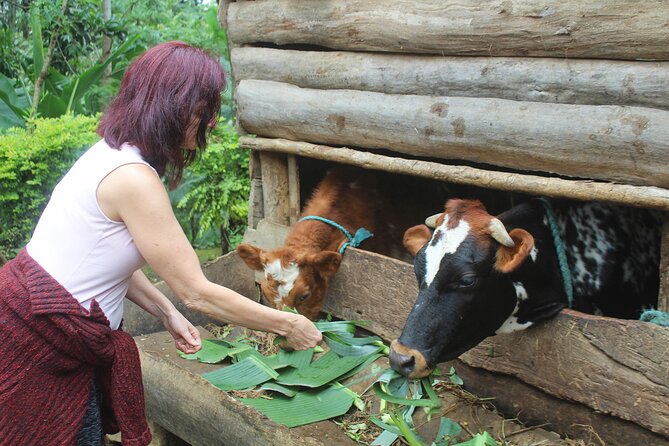
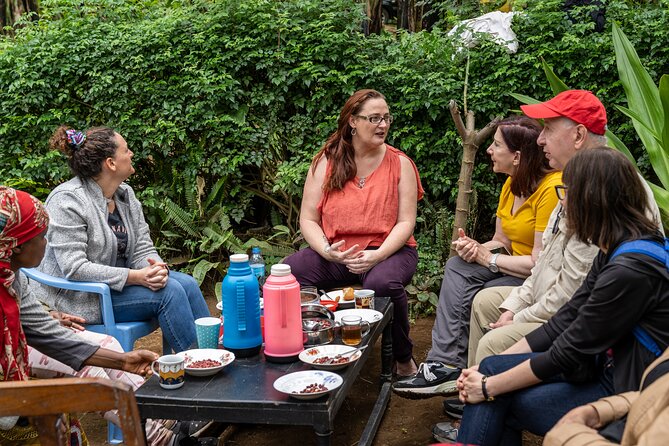
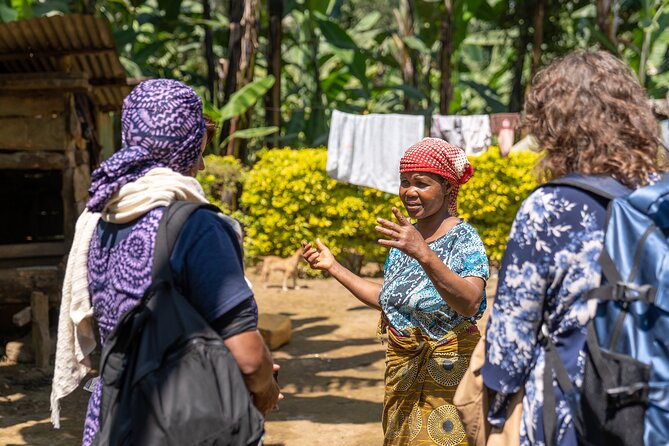
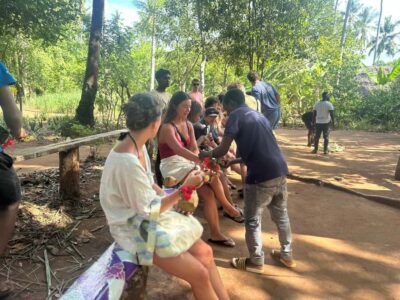
Mama Max warmly welcomes you at her home and offers traditional chai tea and locally grown coffee. Tea and a snack are included in the tour price, so you get a simple refreshment without needing to arrange it separately.
The food and drink are modest, but that is part of the appeal. You are sharing what the household can offer rather than being served a staged menu designed for visitors. The coffee also connects the drink in your cup with the plants and farm work around you.
Mama Max is happy to explain how far she has come. You can ask questions about her businesses, though the exact conversation will depend on your group and the time available. Her story is strongest when you focus on the work behind each step, not just the fact that she received financial support.
You may see banana trees and coffee, along with chickens, goats, and a cow. These activities show how a small farm can combine several sources of income and food. If one area is slow, another may still help the household get by. The visit does not promise a formal lesson in agriculture, but the arrangement of the farm makes the basic idea easy to understand.
I would treat this as an exchange, not a performance. Mama Max is showing you her work and answering questions, while you are paying for time that supports the nonprofit. A respectful approach means listening, asking useful questions, and joining in only when invited.
Same fields, a different sort of morning:
- Zanzibar:Stone Town & Spice Farm Private Tour Lunch Included
★ 4.2 · 94 reviews - Zanzibar full day Jozani forest + Spice farm and stone town
★ 4.7 · 90 reviews - Arusha or Moshi : Hot Spring, Waterfall & Coffee Farm Tour
★ 4.8 · 80 reviews - Zanzibar: Spice Farm & Stone Town Tour with Lunch
★ 4.5 · 80 reviews
Try a few everyday farm tasks
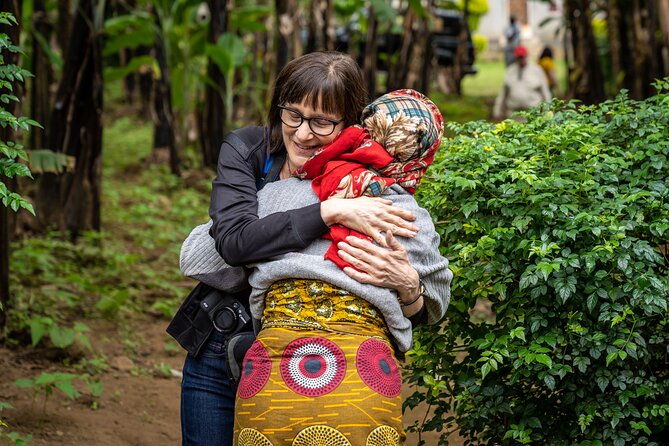
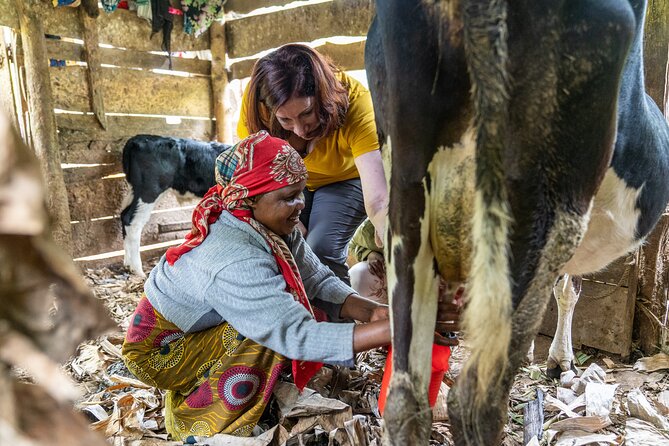
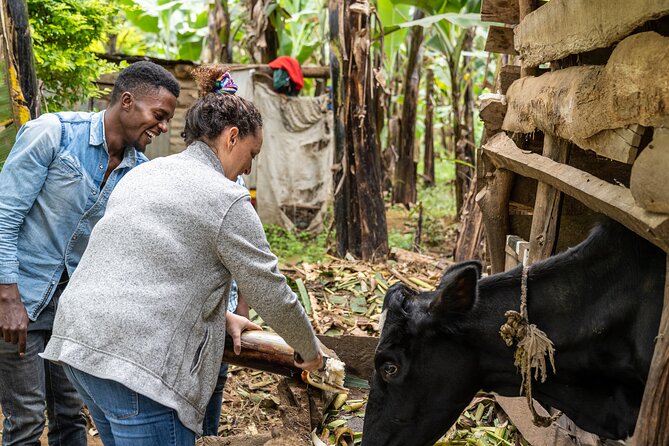
You can help cut vegetation for the animals, check the chicken nests for eggs, and milk the cow. These are small tasks, but they make the visit more engaging than simply standing nearby while somebody explains the farm.
The activities are optional. You do not need to perform every task to get value from the tour. If you prefer conversation, you can focus on Mama Max’s business story. If you like hands-on visits, the chores give you a direct sense of the work required to keep a household farm operating.
Families with children should note that the experience itself is not described as a children’s activity, and direct contact with children at the nonprofit site is not part of the visit. The farm tasks may appeal to many ages, but the walking conditions and rural setting still matter.
You should also expect ordinary farm conditions. The ground may be uneven or hilly, and the animals are part of a working household rather than a visitor center. Wear practical shoes and clothes you do not mind using outdoors. The tour information confirms that most people can participate, but you need to be able to walk on the route if you choose the walking option.
What the $35 price really covers
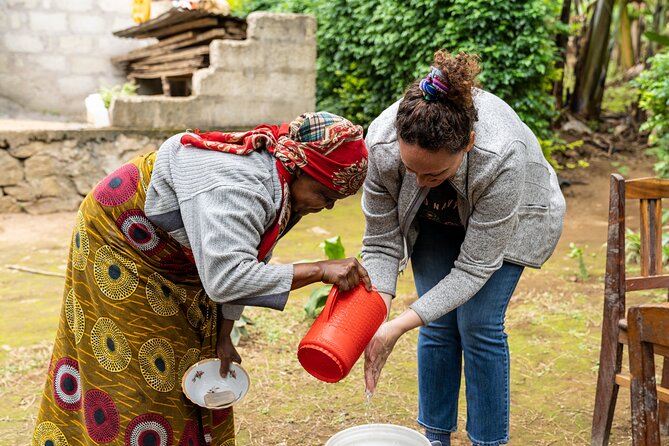
At $35 per person, this is reasonably priced for a private two to three-hour experience, especially because the fee supports The Small Things. The value is not based on the number of sights you check off. It comes from the time with Mama Max, the nonprofit explanation, the farm access, the included tea and snack, and the charitable purpose.
A standard attraction may give you more facilities or a longer program. This visit gives you something less common: a direct look at how microfinance and business training work at household level. If you want a polished cultural show, the price may not feel like the right fit. If you want an honest, small-scale encounter with a social purpose, it makes more sense.
Group discounts are available, and the activity is private, so only your group participates. That can make the experience easier for families, couples, or small groups who want to ask questions without competing with a large crowd.
Lunch is not included, but it can be arranged for an extra $5. Since the tour lasts only two to three hours, you may not need lunch during the visit. Still, the option is useful if you are planning your day around Nkoaranga and want to keep the schedule simple.
Who will get the most from this experience
I would recommend this for you if you want to understand Tanzania beyond safari parks. It suits people interested in local enterprise, community development, women’s economic independence, and practical cultural encounters.
It is also a good choice if you prefer a private visit to a large group tour. The small format gives you room to ask about the farm, the nonprofit, and the business program. Guides such as Reuben and Andrew can help connect the personal story with the wider work of The Small Things.
You may also like it if you want a gentle cultural activity before or after a safari. You do not need to spend a full day on the road, and the program has enough variety to fill a morning or afternoon.
This may not suit you if you want a major tourist attraction, extensive sightseeing, or a highly structured performance. The farm is a real household, and the pace depends partly on conversation and the daily work taking place there.
The route also deserves attention. You can choose to walk or drive to Mama Max’s house, but the area includes uneven or hilly ground. Ask for the driving option if walking is difficult, and confirm the pickup details before you set out.
Planning the visit near Arusha
Pickup is offered, and the meeting point is Happy Family Children’s Village in Nkoaranga. The activity ends back at that meeting point, so plan your onward transport accordingly.
Bring practical footwear, water, and sun protection, although only tea and a snack are specifically included. The supplied information confirms mobile ticketing and booking confirmation at the time of purchase.
This is a private tour, which usually makes timing and questions easier to manage. Group discounts may help if you are traveling with several people. The tour provider also allows free cancellation if you cancel at least 24 hours before the local start time. Changes or cancellations inside that window are not accepted for a refund.
Service animals are allowed, and most people can participate. The main physical point is the uneven or hilly ground, especially if you choose to walk between stops.
Should you book the Mama Max farm tour?
Book it if you want your Arusha sightseeing to support a local nonprofit while giving you a clear, personal look at family enterprise. The combination of The Small Things’ community work, Mama Max’s business story, and simple farm tasks makes this more useful than a quick photo stop.
I especially like the way the visit shows progress in practical terms. Banana trees, coffee, chickens, goats, and a cow are not abstract ideas about development. They are the visible result of one woman building income one step at a time.
Skip it if you want a large attraction, a long cultural program, or guaranteed contact with children. That contact is not part of the experience, for good child-protection reasons. For a private, modestly priced visit with a clear charitable purpose, this is a strong choice for a free half-day near Arusha.
FAQ
Where does the tour begin?
It begins at Happy Family Children’s Village on an unnamed road in Nkoaranga, Tanzania.
Where does the activity end?
The activity ends back at the meeting point at Happy Family Children’s Village.
How long does the tour last?
The experience takes approximately two to three hours.
How much does the tour cost?
The listed price is $35 per person.
Is transportation included?
Pickup is offered, and you can choose to walk or drive from The Small Things’ site to Mama Max’s house.
Will I meet children at Happy Family Children’s Village?
You should not expect direct contact with children because of child-protection rules.
What food and drink are included?
Tea and a snack are provided on all tours. Traditional chai and locally grown coffee are served at Mama Max’s home.
Can I have lunch during the tour?
Lunch can be provided for an additional $5.
Can I take part in farm activities?
Yes. If you wish, you can help cut vegetation for the animals, check chicken nests for eggs, and milk the cow.
Is the tour suitable for people with limited mobility?
Most people can participate, but you need to be able to walk on uneven or hilly ground. Ask about driving to the farm if walking may be difficult.
Is this a private tour?
Yes. Only your own group participates in the activity.
Can I cancel for a full refund?
Yes, if you cancel at least 24 hours before the experience start time. Cancellations or changes made less than 24 hours ahead are not accepted for a refund.
Just added around Tanzania
- Zanzibar: Walking Spice Farm with Local Cooking Class★ 4.4 · 9 reviews
- Zanzibar:Jozani forest, Spice farm with Swahili Cuisine clas★ 4.2 · 3 reviews
- ZANZIBAR, Stone town tour, Prison Island & Spice farm★ 5.0 · 11 reviews
- Zanzibar: Spice Farm Tour with Traditional Cooking Class★ 4.6 · 16 reviews
- Zanzibar: Stone Town City Tour and Spice Farm with Lunch★ 3.7 · 33 reviews
- Zanzibar: Spice farm tour with Zanzibar fruits tasting★ 3.8 · 7 reviews
- Zanzibar: Spice Farm Tour with Cooking lesson★ 4.5 · 4 reviews
- Zanzibar: Spice Farm Tour with Traditional Cooking Class★ 4.8 · 6 reviews
Tanzania Farm Tours, compared.
Full-Day Private Stone Town +Spice Farm and Prison Island Tour
Read our review →
Stone Town & Spice Farm Private Tour Lunch Included
Read our review →Zanzibar full day Jozani forest + Spice farm and stone town
Read our review →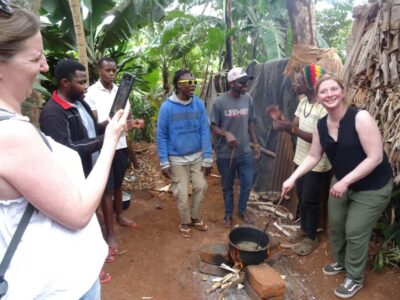
Arusha or Moshi : Hot Spring, Waterfall & Coffee Farm Tour
Read our review →
Lists this farm appears in