
Reviewed · COFFEE FARM TOURS
Women-led Coffee Farm Trek
Rwanda’s coffee story is best understood with your hands and eyes, not just from a cup. This full-day outing takes you from Kigali to a women-run coffee farm near Akagera National Park, where you can follow the beans from harvest through washing, preparation, and roasting. The welcome may include song and dance, so be ready to join in rather than stand back with a camera.
I like the small group limit of 15, which gives the visit a friendly, personal feel. I also like that the day connects coffee with the work of female farmers, local income, sustainability, and the Women’s Opportunity Center, rather than treating the crop as a simple tasting stop.
The main drawback is the time. At about eight hours, this is a serious day commitment, and the early 8:00 am start may not suit anyone with a packed Kigali schedule. The experience also depends on good weather, so keep some flexibility in your plans.
Key points to know before booking
- Coffee from farm to cup: See how beans are harvested, washed, prepared, and roasted.
- A women-led cooperative: Learn how coffee production supports female farmers and local economic growth.
- A warm musical welcome: Expect singing, dancing, laughter, and a chance to take part.
- Lunch is included: The day includes a meal at Urugo Eco-Lodge at the Women’s Opportunity Center.
- A personal group size: The maximum of 15 people helps keep the visit social without making it unwieldy.
- A full Kigali day trip: Meet at Question Coffee Gishushu at 8:00 am and return to the same meeting point.
Starting with coffee at Question Coffee Gishushu
Your day begins at Question Coffee Gishushu, 8 KG 8 Ave in Kigali, at 8:00 am. That starting point gives the outing a clear coffee focus from the first minute, rather than sending you straight into a long drive with little context.
The exact transport arrangements are not specified, so confirm the practical details when you book. The activity ends back at the meeting point, which is useful if you are staying in Kigali and want to plan an evening meal or another activity afterward.
The drive toward the coffee-growing area is part of the day’s rhythm. One account of the outing describes the route out to the cooperative as a memorable part of the experience, but you should think of this as a full excursion, not a quick half-day stop. If you prefer short city activities, this may feel long. If you want to connect Kigali with rural Rwanda, the time makes more sense.
More Coffee Farm Tours in the world:
- Award Winning Farm Tour: Coffee, Chocolate and Unique Gifts
★ 5.0 · 484 reviews - La Herradura Coffee Farm: tour in Europe’s only plantation
★ 4.8 · 430 reviews - Big Island: Volcanoes, Waterfalls, & Coffee Farm Day-Trip
★ 4.9 · 414 reviews
Meeting the women behind the coffee
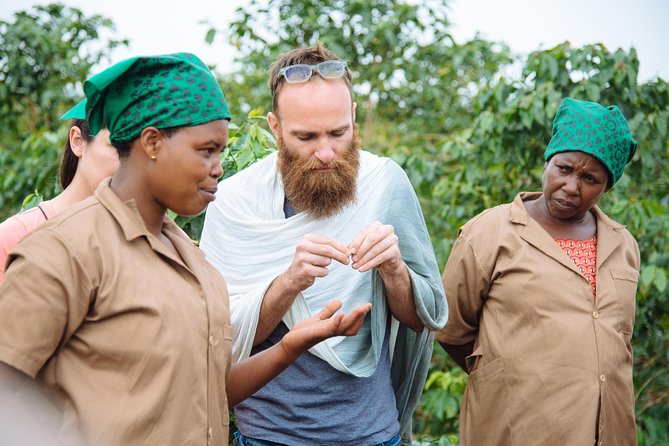
The heart of the outing is the women-led coffee farm and cooperative. You are not simply handed a cup and told that Rwandan coffee is good. You get to see the work that gives that cup its character.
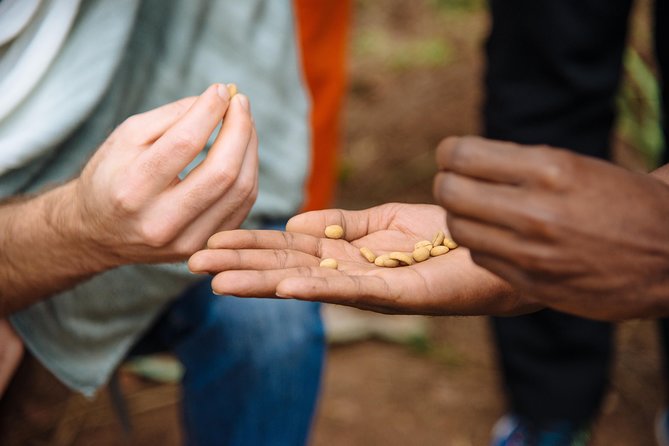
The production process includes harvesting, washing, preparation, and roasting. That matters because coffee can seem almost too polished by the time it reaches a café. Here, you can connect the finished drink with the people, plants, and careful stages behind it.
The women farmers are central to the day. Their work is presented as part of a wider effort involving women’s opportunity, sustainability, and economic growth. That gives the visit more weight than a standard agricultural stop. You are learning about a crop, but you are also seeing how a cooperative can support livelihoods and build a stronger role for women in the local economy.
The information provided does not promise a particular harvest season or guarantee that you will perform every farm task yourself. Expect demonstrations and explanations of the process, with hands-on participation depending on the day and conditions. The most useful approach is to arrive curious about the full chain, from bean to beverage.
The welcome: song, dance, and a lively first impression
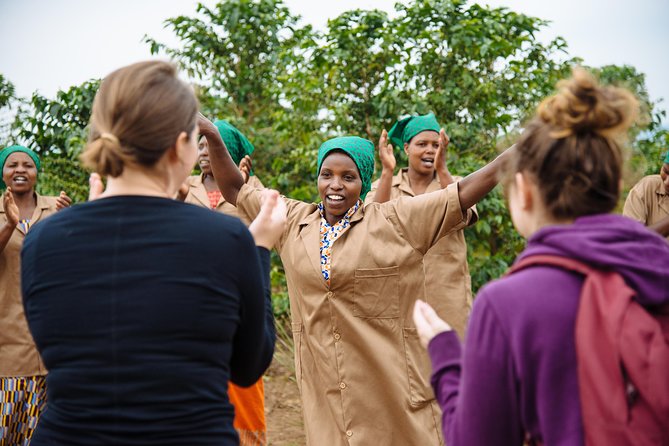
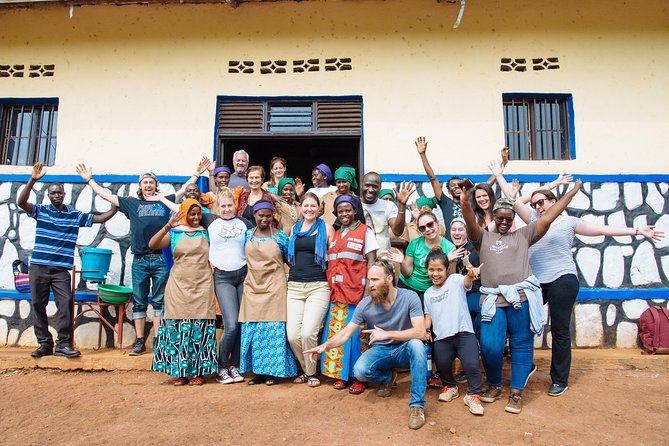
Do not expect a quiet, formal greeting. The welcome can include singing, dancing, laughter, and a good deal of warmth. You are encouraged to join in, which may feel slightly outside your comfort zone if you prefer to watch from the edge.
That is part of the value. The visit is built around human contact, not just information. Joining the dance, even briefly, helps break the usual barrier between visitor and host. You do not need to be a good dancer. In fact, nobody should book this outing expecting to preserve perfect dignity all day.
Guide Patty has been praised for being helpful, friendly, and willing to take part in each stage of the visit. A good guide matters here because the day crosses several subjects: coffee production, women’s work, local crafts, food, and community development. Patty’s role includes answering questions and helping the group take part without making the experience feel forced.
With a maximum of 15 people, you should have a better chance to hear explanations and ask questions than you would in a large coach group. The group size also makes the singing and dancing less awkward. Fifteen people can make a little noise together, but it is still small enough for a personal exchange.
Lunch at Urugo Eco-Lodge and the Women’s Opportunity Center
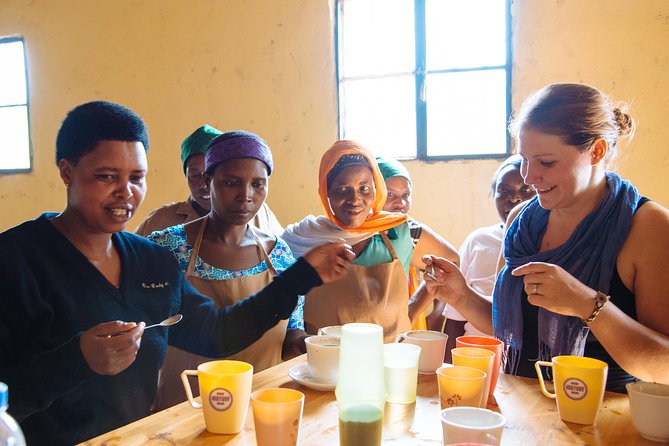
Lunch is served at Urugo Eco-Lodge at the Women’s Opportunity Center, with admission included. This is more than a convenient meal break. It gives you time to pause, eat, and take in another side of the community work connected with the outing.
The center also offers handicrafts and more to see. The details of the food and craft selection are not provided, so you should not book this expecting a specific menu or a particular souvenir. Think of it as a chance to support and learn about a women-focused center while adding variety to a day otherwise centered on agriculture and coffee.
I like this pairing because it keeps the visit from becoming one-note. Coffee production is the main subject, but the center shows how women’s economic opportunity can take more than one form. You see farming, hospitality, handicrafts, and community activity within the same day.
Lunch also helps with the schedule. Eight hours is a long outing, and an included meal means you do not have to arrange food separately during the activity. Still, if you have dietary needs, ask about them before booking, since no dietary information is provided.
More Hiking Trips in the world:
- Chiang Mai: 2-Day Jungle Trek with Elephant Farm & Raft Ride
★ 4.7 · 881 reviews - From Ho Chi Minh: Can Gio Trek – Monkey Island & Crocodile Farm
★ 5.0 · 353 reviews - Llama/Alpaca Hike and Farm Tour
★ 5.0 · 111 reviews - Off the Map Chiang Mai Jungle Coffee Trek Roast and Brew
★ 5.0 · 107 reviews
Why the coffee lesson is worth your time
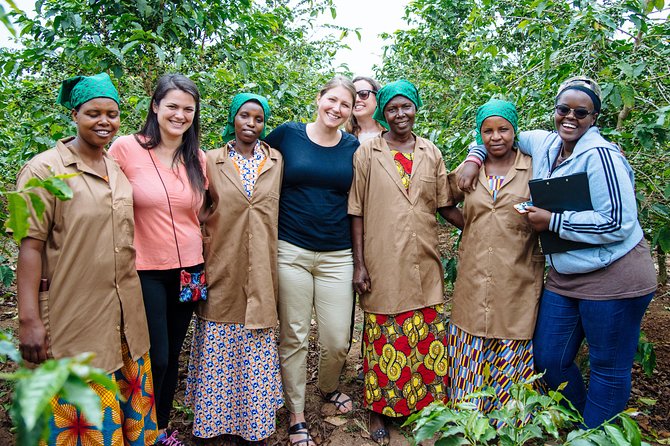
Rwandan coffee is known for delicate flavors, but tasting notes alone can be abstract. The farm visit gives those flavors a setting. You can see the labor behind the beans and understand why washing, preparation, and roasting matter before the coffee reaches your morning cup.
The tour’s strength is its order. You are not only tasting coffee at the end. You are introduced to the chain of production, then shown how the crop is handled. That makes the final cup more meaningful, even for someone who normally takes coffee with milk or sugar.
This also suits curious non-experts. You do not need to know the difference between processing methods or roast levels before arriving. The point is to watch and ask questions. If you already know a lot about coffee, the women-led cooperative and local economic side may offer more interest than a basic introduction to beans.
The material does not specify how many tastings are included, which roast you will receive, or whether you can buy coffee to take home. Ask those questions when confirming your booking if coffee purchases or a formal tasting are important to you.
A closer look at time, value, and group size
The price is $150 per person. That is not a casual add-on, especially for visitors watching a Kigali budget. The value depends on how you use the day.
You are paying for an eight-hour experience with a small group, a guide, lunch, access to the coffee farm and cooperative, and a visit to the Women’s Opportunity Center. You also get a setting that links coffee production with women’s work and community development. If you want a quick coffee tasting, the price is hard to justify. If you want a full cultural and agricultural outing with a social purpose, it is easier to see the value.
The group limit helps. A crowded group can turn a farm visit into a slow queue, especially when people need to see demonstrations or ask questions. Fifteen people is still large enough for shared energy during the welcome, but small enough for direct contact.
Group discounts are available, which may make this a better choice for colleagues, friends, or families booking together. The experience is booked an average of 27 days in advance, so do not leave it until the last moment if it is a priority in your Rwanda plans. Confirmation is sent within 48 hours, subject to availability.
Mobile ticketing is available. Free cancellation applies when you cancel at least 24 hours before the start time. Changes or cancellations inside that window are not accepted for a refund, and bad weather may lead to a different date or a full refund.
Who will enjoy this coffee farm day
I would recommend this outing to you if you want more than Kigali’s cafés and museums. It suits people who like meeting local producers, learning how food is made, and supporting community-based work.
It is also a strong choice for a group of colleagues visiting Rwanda for work. A group can share the welcome, lunch, coffee lesson, and conversation without needing to organize a separate cultural program. The group discount may also help.
Coffee lovers will appreciate the farm-to-cup focus, but you do not need to be a serious coffee expert. The day has enough variety for someone more interested in people, crafts, or women’s economic opportunity.
Most people can participate, and service animals are allowed. The information does not list specific physical demands, so ask before booking if you have mobility concerns. The tour requires good weather, and the published health instructions require a negative COVID-19 test result and a mask. Check that these rules still fit your travel plans before you pay.
Who may want a different Kigali activity
This is not the best pick if you have only a few free hours. The 8:00 am meeting time and roughly eight-hour duration leave little room for another major activity that day.
You may also prefer a different outing if you want a quiet, highly structured lesson. The singing, dancing, and social welcome are important parts of the visit. They make the day lively, but they may feel less comfortable if you do not enjoy group participation.
Finally, the experience is not ideal for someone who wants a guaranteed set of coffee details, such as a precise tasting menu, roast comparison, or specified amount of coffee to take home. Those features are not listed. The strength here is the human and agricultural story, not a formal coffee certification course.
Should you book the Women-led Coffee Farm Trek?
I would book this if you want a full, people-centered day that shows how coffee connects with women’s work, local income, and daily life in Rwanda. The small group, included lunch, women-led cooperative, and warm welcome give the outing a clear sense of purpose.
I would skip it if your schedule is tight, you dislike participatory welcomes, or you want only a short coffee tasting. For everyone else, $150 is a fair consideration for an eight-hour outing that includes more than a drink. Bring an open mind, leave room in your schedule, and be ready to sing or dance before your coffee lesson begins.
FAQ
Where does the Women-led Coffee Farm Trek start?
It starts at Question Coffee Gishushu, 8 KG 8 Ave, Kigali, Rwanda.
What time does the tour begin?
The start time is 8:00 am.
How long does the experience last?
The experience lasts approximately eight hours.
Where does the tour end?
It ends back at the meeting point at Question Coffee Gishushu.
Is lunch included?
Yes. Lunch is provided at Urugo Eco-Lodge at the Women’s Opportunity Center.
How many people can join the tour?
The activity has a maximum of 15 people.
Can I cancel for a full refund?
Yes, if you cancel at least 24 hours before the experience start time. Cancellations or changes made less than 24 hours in advance are not refunded or accepted. If poor weather causes the tour to be canceled, you are offered another date or a full refund.
Just added around the world
- Zanzibar: Walking Spice Farm with Local Cooking Class★ 4.4 · 9 reviews
- Zanzibar:Jozani forest, Spice farm with Swahili Cuisine clas★ 4.2 · 3 reviews
- ZANZIBAR, Stone town tour, Prison Island & Spice farm★ 5.0 · 11 reviews
- Zanzibar: Spice Farm Tour with Traditional Cooking Class★ 4.6 · 16 reviews
- Zanzibar: Stone Town City Tour and Spice Farm with Lunch★ 3.7 · 33 reviews
- Zanzibar: Spice farm tour with Zanzibar fruits tasting★ 3.8 · 7 reviews
- Zanzibar: Spice Farm Tour with Cooking lesson★ 4.5 · 4 reviews
- Zanzibar: Spice Farm Tour with Traditional Cooking Class★ 4.8 · 6 reviews
Coffee Farm Tours, compared.
Award Winning Farm Tour: Coffee, Chocolate and Unique Gifts
Read our review →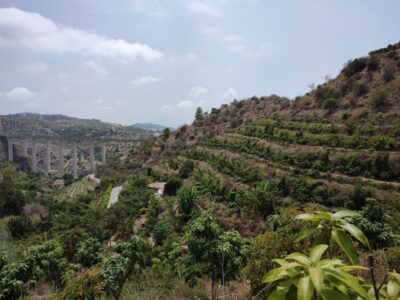
La Herradura Coffee Farm: tour in Europe’s only plantation
Read our review →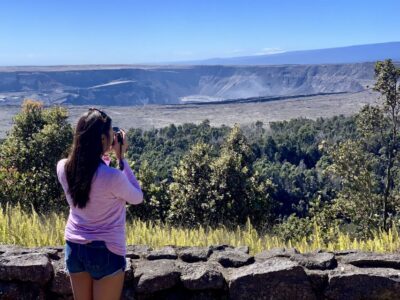
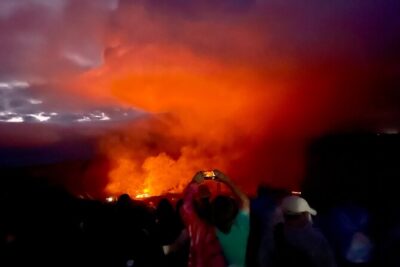
Small-Group Big Island Tour: Hawaii Volcanoes National Park and Kona Coffee Farm
Read our review →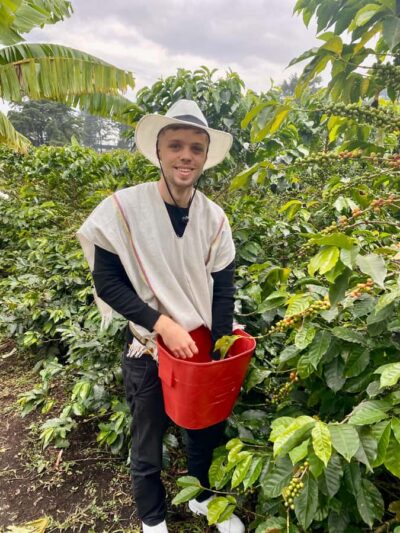
Medellín Coffee Farm Tour with Trolley and Cable Car Ride
Read our review →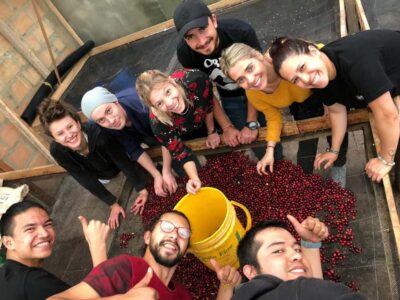
Private Cocora Valley, Salento & Coffee Farm Tour
Read our review →
Liamuiga Natural Farm Tour – St.Kitts’ Coffee Farm
Read our review →
Lists this farm appears in