
Reviewed · SPICE FARM TOURS
Zanzibar Stone Town Historical Tour and Spice Farm Tour
Stone Town’s narrow lanes tell two very different stories: the wealth of Zanzibar’s sultans and the pain of the slave trade. This tour brings both into view, then heads to a farm where cloves, cinnamon, cardamom, fruit, and local cooking turn history into something you can smell and taste.
I like the private format, which lets guides such as Ali and Daudi answer questions and adjust the pace. I also like the practical value: entry fees, hotel pickup around Stone Town, water, fruit, and a traditional spiced lunch are included.
The main consideration is time. Three and a half hours is enough for a useful introduction, but not a slow, thorough tour of every corner of Stone Town. Spice products at the farm may also cost more than similar goods elsewhere.
Key points to know before booking
- Two sides of Zanzibar in one outing: See royal buildings and the former slave market, then visit a working spice farm.
- Private group format: Your group tours with its own guide, with Ali and Daudi specifically praised for patience, flexibility, and clear explanations.
- The spice farm takes about two hours: Expect plant demonstrations, picking and tasting, fruit, and a traditional lunch seasoned with local spices.
- Stone Town visits include admission: The Palace Museum and Old Slave Market, including the Anglican Cathedral, are part of the tour.
- Hotel pickup has a limit: Pickup and drop-off are offered around Stone Town only, though one guide arranged an extra-priced transfer to Paje.
- Good value at $50 per person: Included transport around Stone Town, entrance fees, guiding, food, and the farm visit make this a strong deal for a compact private tour.
Stone Town begins with power, trade, and old royal streets
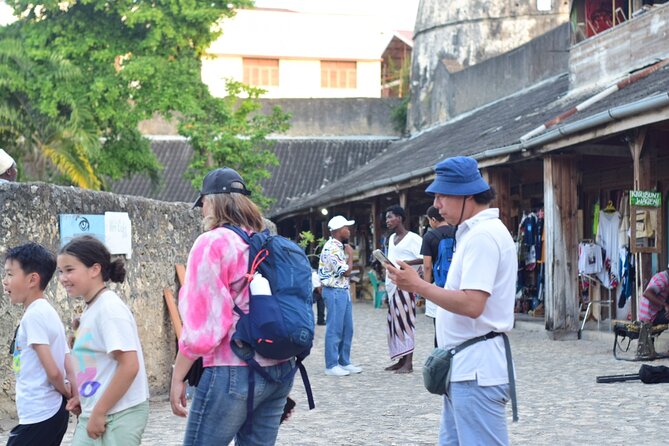
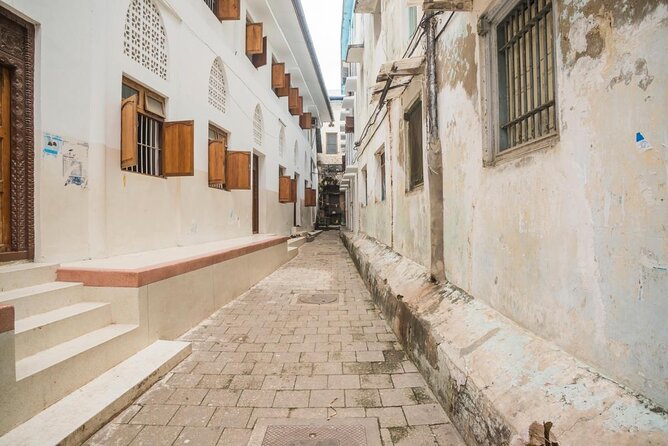
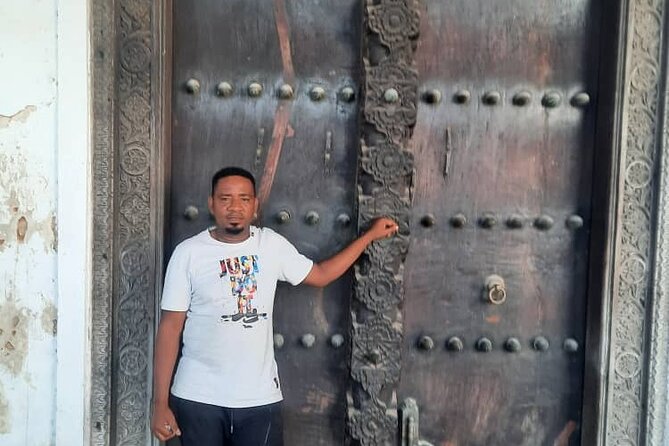
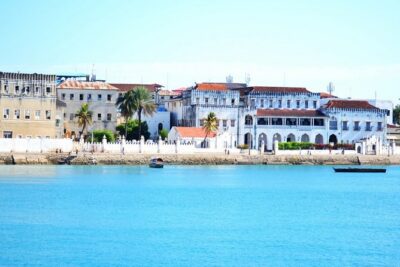
The tour starts at Forodhani in Stone Town, a handy point near the old waterfront. From there, you move through streets shaped by Arab, African, Indian, and European connections. The lanes are narrow, and the buildings often reveal their story through carved doors, balconies, arches, and weathered walls rather than large signs.
The House of Wonders is one of the first important sights. Its grand scale helps explain the status of Zanzibar’s rulers and the island’s role in the western Indian Ocean. You visit the exterior and learn about its cultural importance, along with the exhibitions connected to Zanzibar’s past.
The building is a useful first stop because it gives the town a sense of occasion. You are not simply walking through an old quarter. You are seeing the former center of a sultanate whose influence reached across trade routes linking East Africa, Arabia, India, and beyond.
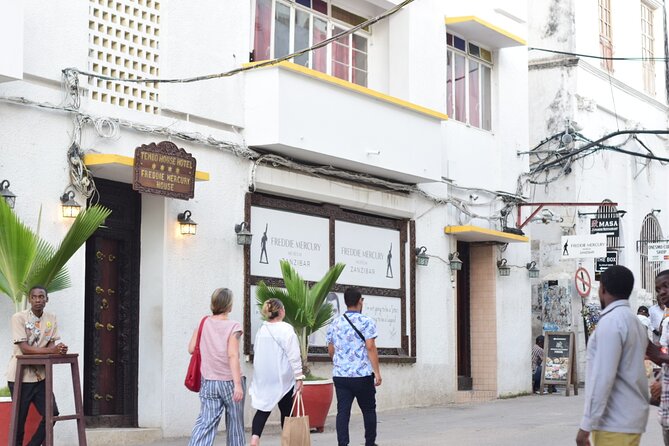
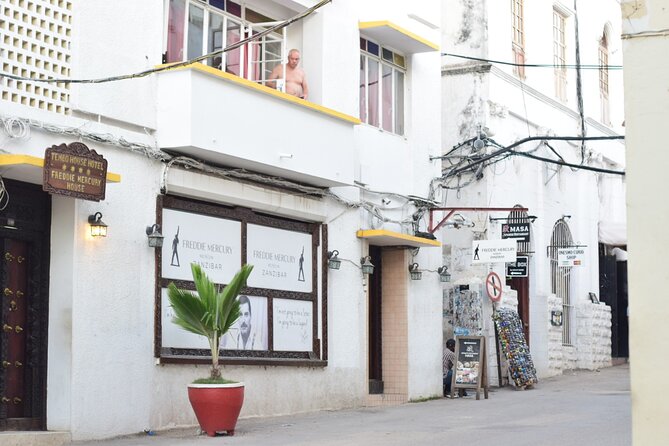
You also pass the former home of Freddie Mercury. You do not go inside, so this is a brief exterior stop rather than a museum visit. Still, it adds a modern and familiar thread to the tour, linking Stone Town to the childhood of the Queen frontman.
I like this contrast. One sight points to royal government and regional trade, while the other points to popular music and a global figure. You get a quick reminder that Zanzibar’s story did not end with the sultans.
More Spice Farm Tours in Zanzibar:
- Zanzibar: Prison Island, Stone Town, & Spice Farm Tour
★ 4.5 · 579 reviews - Full-Day Private Stone Town +Spice Farm and Prison Island Tour
★ 4.5 · 216 reviews - Zanzibar: Stone Town & Spice Farm Tour with Lunch
★ 4.5 · 97 reviews
Inside the Palace Museum, 30 minutes with the sultans
The People’s Palace Museum, also called the Sultans’ Palace or Palace Museum, receives about 30 minutes. Admission is included, so you do not need to budget separately for the main entry fees.
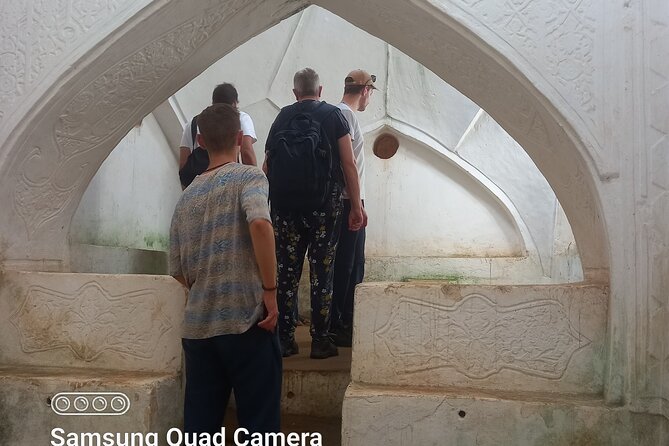
Inside, the focus is on the former ruling family, royal objects, and the way the sultans lived. The visit is short, but it gives useful context for the buildings and streets you have already seen. You can connect the public face of the palace with the private world of ceremonies, family life, and court culture.
Do not expect a full morning in the museum. The short stop works best if you want a clear introduction to Zanzibar’s royal past rather than a detailed study of every object. Your guide can help make the displays easier to understand, especially if you have questions about the sultanate or the building itself.
This is also where a private guide earns his keep. Ali has been praised for flexibility, while Daudi has been singled out for caring about the quality of the experience. A patient guide can shape a 30-minute museum visit around your interests instead of giving every group the same rushed speech.
The Old Slave Market and Anglican Cathedral
The most serious part of the Stone Town visit is the former Old Slave Market. You spend about 45 minutes here, with admission included. The site deals directly with Zanzibar’s part in the regional slave trade and the suffering caused by it.
The Anglican Cathedral was built on the grounds of the old market. Its presence gives the site a powerful physical contrast, but this is not a stop to treat lightly or rush through with a camera in hand. Listen closely to the guide’s explanation and allow the place to set the tone.
This visit matters because Zanzibar’s wealth cannot be understood through palaces, spices, and handsome doors alone. Trade brought great fortunes, but it also depended on human exploitation. The former market makes that fact impossible to ignore.
The 45-minute visit is long enough for a serious introduction, though anyone wanting extensive historical detail may wish for more time. The private setup helps here. You can ask direct questions and pause when a subject deserves more care.
I would plan to wear comfortable shoes and bring water. Stone Town’s streets can be uneven, and the tour moves between outdoor lanes and indoor sites. Water is included, which is useful in Zanzibar’s heat, but sensible clothing and sun protection still make the walking easier.
Two hours among cloves, cinnamon, and cardamom

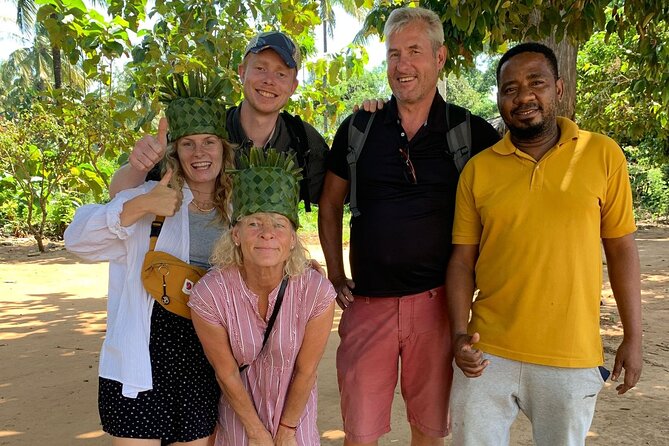
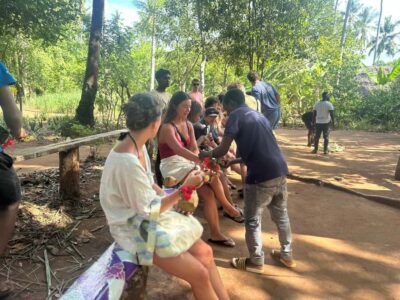
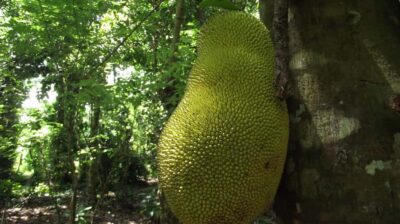
The Jambo Spice Farm is the longest stop, with about two hours set aside for it. This is not just a shop visit. You walk through the farm, learn how spices and fruit grow, and take part in picking and tasting fresh produce.
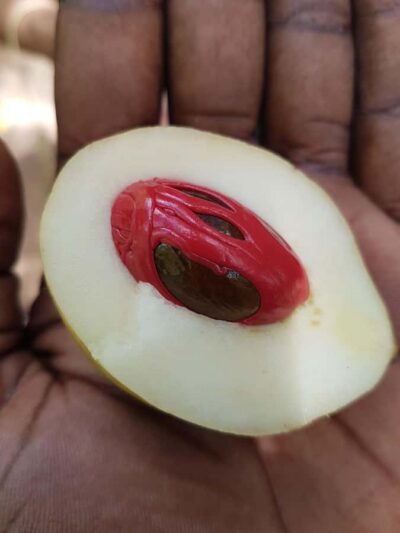
The main plants highlighted are cloves, cinnamon, and cardamom. You may see how the plants look before they are dried, processed, or turned into the powders and oils familiar from a kitchen shelf. That hands-on element gives the visit more value than simply hearing a list of spice names.
The farm also helps explain why Zanzibar is often linked with spices. You can smell and taste the ingredients in their natural setting, then notice how they appear again in the food served later. The connection between the plants, local cooking, and the island’s trade history becomes much clearer.
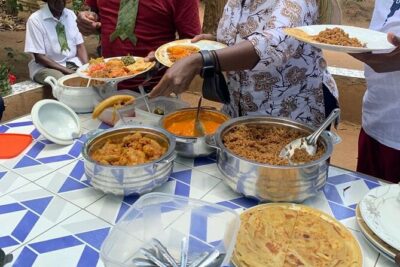
A traditional meal featuring local spices is included. Water and fruit are also provided. Lunch is a real advantage at this price, since it means the tour is not only a sightseeing transfer with a short farm stop attached. You get a meal tied to the place you are visiting.
The experience includes the chance to buy spices and other farm products. Keep your expectations practical: the farm shop is convenient, but prices may not be the lowest in Zanzibar. One useful approach is to enjoy the explanation and tasting first, then compare prices elsewhere before buying a large quantity.
More History and Heritage Tours in Zanzibar:
- Stone town historical tour + Spice farm tour
★ 5.0 · 29 reviews - Tromsø: Reindeer Camp and Sami Cultural Tour with Lunch
★ 4.7 · 3,326 reviews - Kona Tour: Bee Farm, Kona Coffee, and National Historical Parks
★ 4.5 · 78 reviews - Full-Day Tour Exploring History, Nature and Aloe Vera Farm
★ 4.5 · 40 reviews
Why the private format matters
This is a private activity, so only your group takes part. That changes the feel of the day. You can ask about a spice that interests you, spend more time on a question at the Palace Museum, or ask for a little flexibility without negotiating with a busload of strangers.
Ali has been praised for arriving on time, driving safely, and adapting the experience. Daudi has been praised for guiding both the spice farm and Stone Town with care. Those details matter because this tour depends heavily on the quality of the person leading it.
The guide is not just there to point at buildings. In Stone Town, context turns an attractive street into a meaningful one. At the farm, explanation helps you understand what you are tasting. If you enjoy asking questions, the private arrangement should suit you well.
The tour has received a 4.9 rating from 30 reviews, with 100 percent recommending it. That is a strong record, though the sample is still modest. The most consistent strengths are the guides, the combination of city and countryside, and the amount included for the price.
What $50 includes, and where the value sits
At $50 per person, this tour offers solid value if you want both Stone Town and a spice farm without arranging separate transport. The price includes a professional guide, service entrance fees, water, fruit, a traditional lunch, and pickup and drop-off around Stone Town.
The private format improves the value further for couples, families, or small groups who want a more personal outing. You are not paying only for admission. You are also paying for the driver, route planning, explanations, and the link between the historic sites and the farm.
The price does not include personal purchases or tips. The farm shop is the main place where extra spending is likely, and you should not feel obliged to buy. The educational part of the farm visit is included even if you leave without a bag of cloves or cinnamon.
Pickup is offered around Stone Town only. If you are staying elsewhere, ask before booking rather than assuming transport is included. One guest arranged pickup and a return to Paje for an extra charge at a good price, but that is an additional arrangement, not part of the standard offer.
Timing, walking, and who will enjoy this most
The full experience lasts about three hours and 30 minutes. That includes the Stone Town sights, museum visits, transport to the farm, and the two-hour farm program, so the actual time spent walking through the old town is limited.
I would choose this tour early in your Zanzibar stay if you want an introduction to the island. It gives you a framework for later visits, shopping, and independent walks. You learn what the old buildings represent before returning to explore on your own.
It also suits anyone with limited time. The combination is efficient: history in the morning or early part of the outing, followed by plants, tasting, and lunch. If you want a slow architectural study of Stone Town, this may feel too compressed.
Most people can participate, according to the tour information. Still, you should expect walking through narrow streets and time outdoors at the farm. Pickup and drop-off around Stone Town are included, which reduces the transport burden, but the activity is not designed as a fully stationary museum visit.
Families may appreciate the tasting and hands-on farm elements, while music fans will enjoy the Freddie Mercury connection. History-minded visitors will get the most from the Palace Museum and Old Slave Market. Food lovers will like seeing the ingredients behind the meal, not just eating the finished dish.
A few practical tips for a better visit
Wear comfortable shoes. Stone Town is best seen on foot, and the route includes narrow streets and historic sites rather than smooth resort paths.
Bring sun protection and keep water available. Water is supplied, but Zanzibar can be hot, and the farm portion takes place outdoors.
Use the private setting. Ask the guide to explain the buildings, spice plants, or slave-trade history in more detail if a subject catches your attention. Ali and Daudi are noted for patient answers, so questions are part of what makes the format worthwhile.
Treat the farm shop as optional. The products may be good, but they are not always cheap compared with other places. Buy because you want the item, not because the visit makes you feel obligated.
Check the pickup address carefully. The included hotel service covers the Stone Town area. The meeting point is Forodhani, and the activity returns to that meeting point unless a separate transfer has been arranged.
Free cancellation is available if you cancel at least 24 hours before the start time. Inside that window, the payment is not refunded and changes are not accepted. The cutoff follows local Zanzibar time.
Should you book the Stone Town and spice farm combination?
I would book this tour if you want a compact, private introduction to Zanzibar that combines serious history with a lighter, sensory farm visit. The strongest reasons are the included lunch and entrance fees, the personal guiding, and the chance to see both royal Stone Town and the former slave market in one outing.
I would choose something else if your priority is a long museum visit, extensive independent shopping, or a full-day historical tour. The schedule is efficient rather than leisurely, and the spice farm shop may be pricier than other sellers.
For $50 per person, though, the package makes sense. You get transport around Stone Town, a private guide, major historical stops, a two-hour farm visit, tastings, fruit, water, and lunch. Book it early if your dates are fixed, since it is commonly reserved well in advance.
FAQ
How long does the tour last?
The tour lasts approximately three hours and 30 minutes.
What places do you visit in Stone Town?
You visit the House of Wonders, pass the former home of Freddie Mercury, enter the People’s Palace Museum, and visit the Old Slave Market and Anglican Cathedral.
Is admission included?
Yes. Service entrance fees are included, including admission for the Palace Museum and Old Slave Market visit.
How long is the spice farm visit?
The Jambo Spice Farm portion lasts about two hours.
What happens at the spice farm?
You learn about cloves, cinnamon, cardamom, and other plants, see how spices are cultivated and processed, pick and taste fresh produce, eat a traditional spiced lunch, and have the option to buy farm products.
Is hotel pickup included?
Pickup and drop-off are included for hotels around Stone Town. Transport from other areas is not part of the standard included service.
Is this a private tour?
Yes. Only your group participates in the activity.
Can I cancel for a full refund?
Yes, if you cancel at least 24 hours before the experience start time. Cancellations within 24 hours are not refunded, and changes inside that period are not accepted.
Just added around Zanzibar
- Zanzibar: Walking Spice Farm with Local Cooking Class★ 4.4 · 9 reviews
- ZANZIBAR, Stone town tour, Prison Island & Spice farm★ 5.0 · 11 reviews
- Zanzibar: Spice Farm Tour with Traditional Cooking Class★ 4.6 · 16 reviews
- Zanzibar: Stone Town City Tour and Spice Farm with Lunch★ 3.7 · 33 reviews
- Zanzibar: Spice farm tour with Zanzibar fruits tasting★ 3.8 · 7 reviews
- Zanzibar: Spice Farm Tour with Cooking lesson★ 4.5 · 4 reviews
- Zanzibar: Spice Farm Tour with Traditional Cooking Class★ 4.8 · 6 reviews
- Zanzibar: Spice Farm Tour & Stone Town Adventure★ 4.6 · 48 reviews
Spice Farm Tours, compared.
Full-Day Private Stone Town +Spice Farm and Prison Island Tour
Read our review →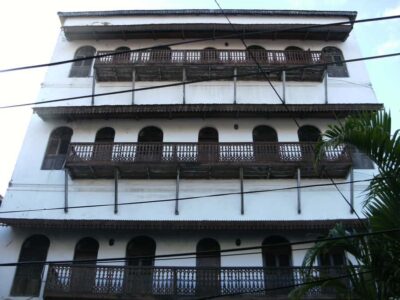
Stone Town & Spice Farm Private Tour Lunch Included
Read our review →Zanzibar full day Jozani forest + Spice farm and stone town
Read our review →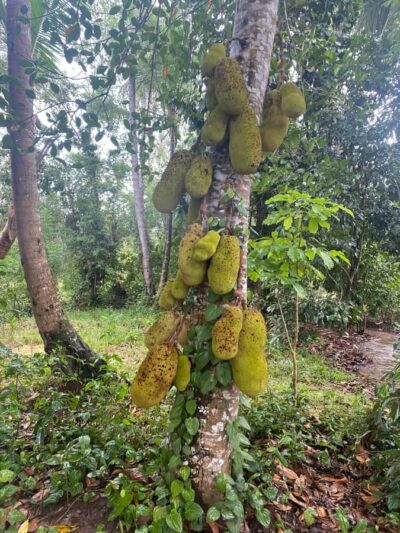
STONE TOWN, PRISON ISLAND AND SPICE FARM ( Lunch included )
Read our review →Lists this farm appears in