
Reviewed · SPICE FARM TOURS
Spice Farm – spice up your life in Zanzibar
Zanzibar’s Spice Tour is at its best when a simple cinnamon stick becomes a doorway into the island’s past. You’ll walk through rural farms, smell fresh cloves and lemongrass, taste tropical fruit, and see how Zanzibar grew into a major center of the spice trade.
I like the hands-on tasting and the way the tour links farming with cooking and medicine. I also like that the traditional farm lunch is included, so the day is not just a parade of plants followed by a ride back to town.
The main caution is organization. Most of the experience is praised for smooth hotel pickup and capable guides, but one serious complaint describes a missed pickup and unreachable contacts. Confirm your booking details before you go.
Key points to know before you book
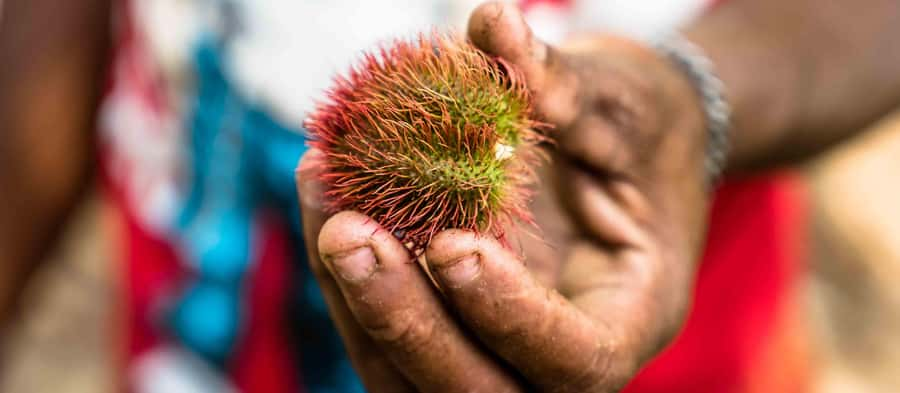
- Cloves, cinnamon, vanilla, and more: You’ll see and smell a long list of spices, including nutmeg, pepper, ginger, cumin, chili, and ylang-ylang.
- A real taste of Zanzibar: Fresh mangoes, passion fruit, avocado, papaya, bananas, pineapples, tamarind, and local grapefruit may be part of the farm tasting.
- Lunch is part of the experience: Expect traditional Zanzibar cooking prepared at a local kitchen and seasoned with island herbs and spices.
- Good value at $60: Hotel transfers, lunch, bottled water, taxes, fuel surcharges, and service fees are included.
- Language choice helps: Tours are offered in English, Italian, German, French, and Russian.
- Check your pickup carefully: The overall organization is often praised, but a failed pickup would ruin the day.
Why Zanzibar’s spice farms matter
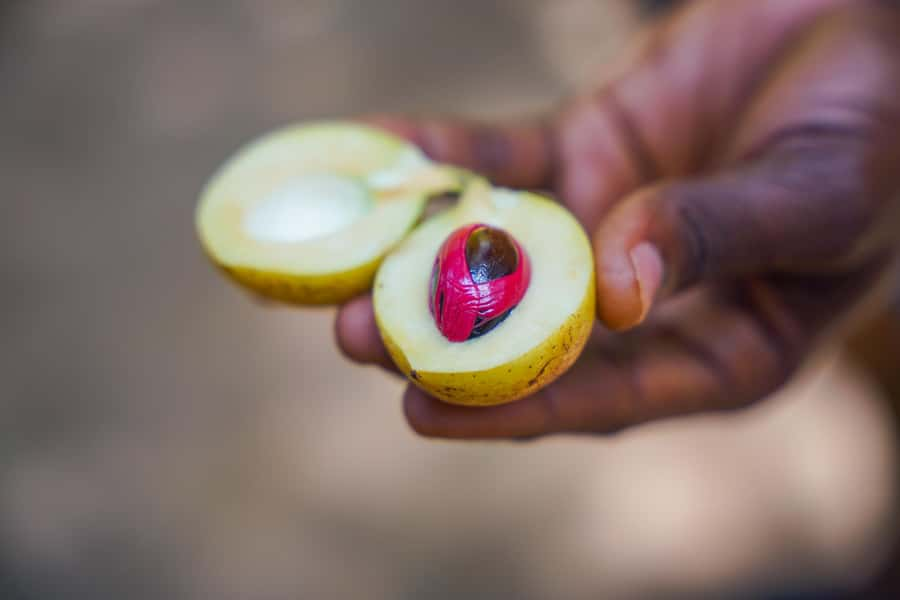
Zanzibar is widely known as the Spice Island, and this tour gives that nickname some useful meaning. Spices were brought to Zanzibar from Asia and Latin America in the 16th century. The island’s tropical climate then gave crops such as cloves, nutmeg, cinnamon, and vanilla a place to grow.
You are not simply looking at jars in a market. The tour takes you through rural areas, villages, and plantations where spices grow in the soil and on trees, vines, and plants. That change of setting matters. It helps you connect the smell of a spice in your lunch with the plant that produced it.
The tour also shows that spices are more than export goods. Your guide explains their culinary and medicinal uses, giving you a better sense of how local ingredients fit into daily life. Some stops may feel like a lesson in botany, while others feel more like a conversation about food, health, and village life.
I find this kind of excursion most useful early in a Zanzibar visit. Afterward, local dishes and market stalls make more sense. You will recognize the smell of cloves, notice cinnamon in drinks or desserts, and understand why spices have such a strong place in the island’s identity.
More Spice Farm Tours in Tanzania:
- Zanzibar: Prison Island, Stone Town, & Spice Farm Tour
★ 4.5 · 579 reviews - Full-Day Private Stone Town +Spice Farm and Prison Island Tour
★ 4.5 · 216 reviews - Zanzibar: Stone Town & Spice Farm Tour with Lunch
★ 4.5 · 97 reviews
Following the plants through rural Unguja
The day begins with hotel pickup in the Unguja South Region. Since transportation is included, you do not need to arrange a separate taxi to the farm. Return transport is also included, which makes the $60 price easier to judge.
Exact timing and group size are not provided, so you should ask about those details before booking if they matter to you. The route is described as moving through villages and plantations rather than staying at one formal exhibit. That suggests a more local setting, but it also means conditions may feel simple and practical rather than polished.
As you move through the farm area, the guide introduces the plants one by one. Cinnamon, vanilla, nutmeg, cloves, lemongrass, cumin, ginger, pepper, chili, tamarind, and ylang-ylang are all part of the advertised range.
You might not see every crop at the same stage of growth. Plants are seasonal, and a working farm is not a display arranged for perfect presentation. Still, the variety gives the walk plenty of texture. One plant may be familiar from your kitchen, while another may be something you have only encountered in a spice jar.
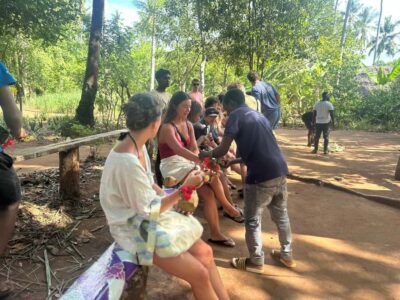
The best part is the use of your senses. You smell leaves, bark, seeds, and pods. You taste selected items. You begin to separate the warm scent of cinnamon from the sharper bite of ginger or chili. A good guide makes these small differences clear without turning the visit into a school lecture.
The guides are also described as friendly, informative, and sometimes funny. No individual guide names are supplied, so you cannot request a particular person in advance. The available languages are English, Italian, German, French, and Russian, which is useful for families or groups who do not all speak English comfortably.
Cloves, cinnamon, vanilla, and the smell of the island

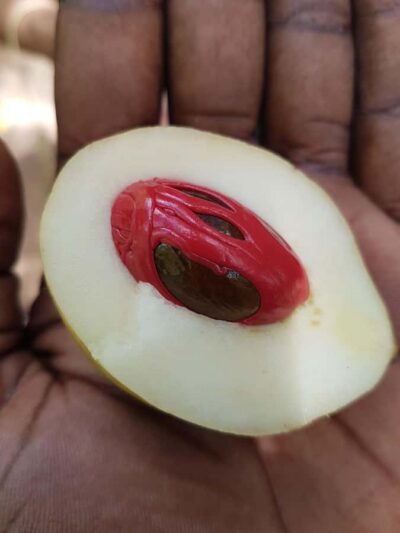
Each spice gives you a different reason to pay attention. Cinnamon is familiar, but seeing the bark in its natural form makes it less abstract. Vanilla connects the farm to desserts and drinks, while nutmeg shows how one small seed can bring a strong, warm flavor to a dish.
Cloves are especially important to Zanzibar’s story. They helped make the island a major part of the historic spice trade, so the clove section can give the tour its clearest link to the past. The guide explains how spices were used in food and medicine, rather than simply naming the plants and moving on.
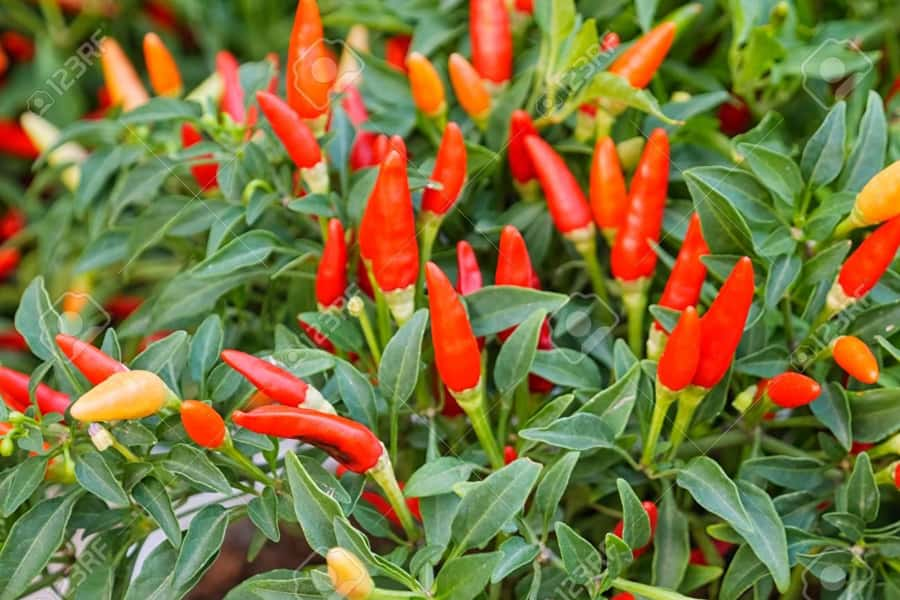
Lemongrass, ginger, pepper, cumin, and chili show how much flavor can come from a small amount of plant material. Ylang-ylang adds a different note, with its fragrant flowers and uses beyond the kitchen. The range keeps the walk from becoming repetitive.
You should expect some direct participation, such as smelling or tasting ingredients, but the exact activities are not specified. This is not advertised as a cooking class or a farming workshop. Think of it as a guided farm visit with tasting, explanation, and a strong connection to Zanzibar’s food culture.
Wear something comfortable and expect an outdoor visit. That advice is based on the setting described, not on a stated dress code. The farm walk is likely to be more enjoyable if you are ready for a simple rural environment rather than a formal indoor attraction.
Tropical fruit gives the tour a second flavor
The fruit tasting is one of the tour’s strongest extras. You may be offered mangoes, passion fruit, avocado, papaya, local grapefruits, bananas, pineapples, and other tropical fruit.
This part helps break up the spice walk. Spices offer strong aromas and concentrated flavors. Fruit gives you sweetness, freshness, and a better sense of what grows in Zanzibar’s climate. A ripe mango or pineapple can be just as memorable as a spice lesson.
The fruit also gives the guide another way to discuss local food. You are not only learning about products that once moved through international trade routes. You are seeing ingredients that can be eaten fresh at home, in a village, or at a farm kitchen.
Do not expect every fruit to be available every day. The information promises freshly picked tropical fruit, but it does not give a fixed menu. Availability can change with the season and the farm’s supply.
If you have food allergies or dietary restrictions, tell the operator before the tour. No special menus are described, so you should not assume that every dish or tasting can be adjusted.
More Farm Tours in Tanzania:
- Zanzibar:Stone Town & Spice Farm Private Tour Lunch Included
★ 4.2 · 94 reviews - Zanzibar full day Jozani forest + Spice farm and stone town
★ 4.7 · 90 reviews - Arusha or Moshi : Hot Spring, Waterfall & Coffee Farm Tour
★ 4.8 · 80 reviews - Zanzibar: Spice Farm & Stone Town Tour with Lunch
★ 4.5 · 80 reviews
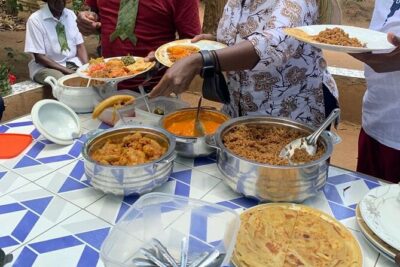
A traditional Zanzibar lunch at the farm
Lunch is not an afterthought here. It is one of the clearest ways the tour turns its farm visit into a cultural experience.
The meal is traditional Zanzibar cuisine, cooked in a local kitchen and seasoned with local herbs and spices. You get to taste the subject of the tour rather than just hear about it. That makes the lunch valuable for anyone who wants a practical sense of how the ingredients are used.
The exact dishes are not listed, so do not book expecting a specific plate. The meal is described as delicious and presented in keeping with the theme, but the important point is the style of food: local, spiced, and prepared in a farm setting.
I like that lunch is included in the $60 cost. A tour with hotel transport and a meal can save you the trouble of arranging both separately. It also keeps the experience connected from beginning to end. The plants you smell in the field lead naturally to the food on your plate.
The meal may be a highlight for you if you enjoy trying regional cooking in a simple setting. If you prefer a polished restaurant, this may feel basic. That is not a flaw, but it is worth understanding the character of the experience before you book.
What $60 per person really covers
At $60 per person, the price includes hotel pickup and drop-off, the local farm lunch, bottled water, taxes, fuel surcharges, and service fees. That is a fair bundle of inclusions, especially for visitors who want one organized day rather than several separate arrangements.
The value is strongest if you are staying at a hotel and want transport handled for you. A cheaper farm visit that leaves you to arrange a taxi, lunch, and entry costs could end up less convenient. Here, the major practical expenses are already folded into the advertised price.
The cost is less compelling if you only want to buy a few spice packets. Markets can serve that purpose more quickly. This tour earns its price through the farm setting, guide explanations, fruit tasting, and lunch.
You should also consider what kind of value you want. This is not a thrill ride or a major historic monument. Its rewards are sensory and cultural: smells, flavors, stories, rural scenery, and a meal. If that sounds like a good use of a day in Zanzibar, the price makes sense.
The pickup question you should not ignore
Hotel pickup and return transport are listed as included, and the general operation is described as working perfectly by several people. That is important because a reliable transfer can make a rural excursion much easier.
Still, one very poor experience involved a promoter failing to appear at the hotel, not answering emails, and providing a phone number that was not assigned. The person reached through another contact reportedly could not find the reservation.
That complaint is serious enough to act on. After booking, confirm the pickup time, hotel name, operator contact, and meeting point. Keep the confirmation available on your phone. If the tour is important to your plans, ask the accommodation desk to help verify the pickup the day before.
This does not erase the many positive reports of smooth transport, but it gives you a sensible safeguard. Good travel planning is not about expecting failure. It is about making one quick check that can prevent a wasted morning.
Who will enjoy this spice tour most
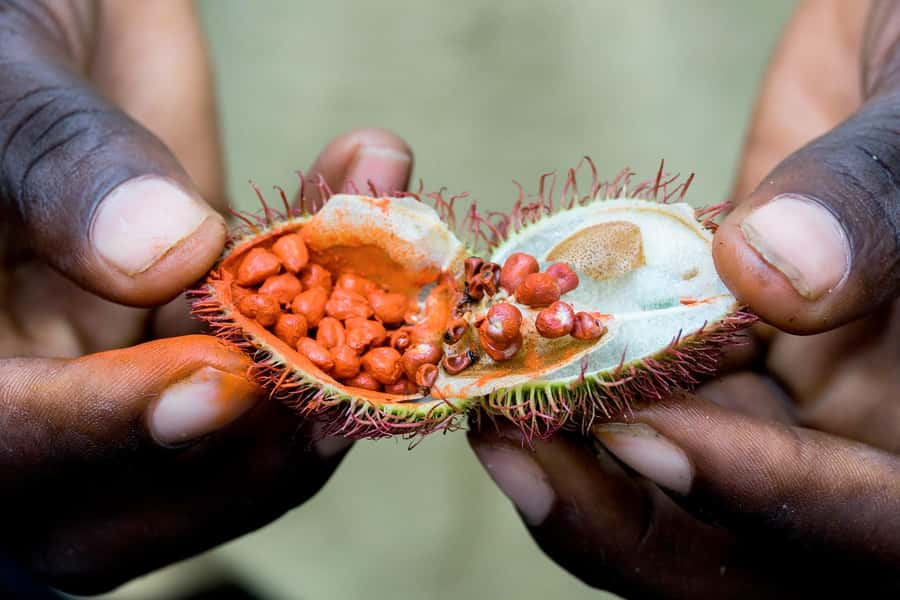
I would recommend this experience to you if you want to:
- Learn about Zanzibar through food and farming
- Spend time outside the main resort areas
- Taste fresh fruit and local cooking
- Shop for spices to take home
- Travel with a guide who can explain cultural details
- Use an organized excursion with hotel transport
Families may like the variety of smells, tastes, and plants, though the exact age suitability is not stated. Food lovers will find plenty to enjoy, especially at lunch. First-time visitors can use the tour as an introduction to Zanzibar’s crops and culinary traditions.
You may want a different excursion if you dislike outdoor walks, have strict dietary needs that have not been cleared in advance, or want a tightly scheduled sightseeing day with named monuments. The tour is about rural life and ingredients, not a long list of major landmarks.
It is also not the best choice if your main goal is shopping. You can buy spices during the visit, but the purchase is an extra part of the experience rather than its central purpose.
Buying spices without overfilling your suitcase
The tour gives you a chance to buy spices as gifts. That is useful, but shop with a little care. Smell what you can, ask what each item is used for, and choose products that you will actually cook with or enjoy giving away.
Cinnamon, cloves, vanilla, ginger, pepper, and chili are easy gifts because they are familiar and useful. Less familiar items can be fun, but you may want to ask how to store and use them before buying.
The tour does not state what prices, packaging, or payment methods are available. Bring that question to your guide or the farm seller. Do not assume that every product is prepacked for international travel.
Buying directly at the farm can also make the souvenir feel more connected to the place. You are not just picking up a generic spice packet in town. You are taking home a small reminder of the plants, smells, and meal you encountered that day.
Is the Zanzibar Spice Tour worth booking?
I would book this tour if you want a friendly, food-focused look at rural Zanzibar and appreciate experiences that connect history with everyday life. The strongest reasons are the broad range of spices, fresh tropical fruit, local lunch, multilingual guiding, and included hotel transport.
At $60, it offers good value when you use all those inclusions. The experience is educational without needing to feel formal, and the farm lunch gives the day a satisfying finish.
I would pause only if your schedule is very tight or if pickup reliability is a major concern. Confirm the details before the day, and ask about timing and group size if those factors affect your decision.
For a first visit to Zanzibar, this is a sensible choice for understanding why the island is called the Spice Island. You will leave with more than a bag of cloves or cinnamon. You will have a clearer sense of how plants, cooking, trade, and village life fit together.
FAQ
How much does the Spice Tour cost?
The tour costs $60 per person.
What does the price include?
The price includes hotel pickup and drop-off, local lunch at the farm, bottled water, taxes, fuel surcharges, and service fees.
Which spices can I expect to learn about?
The tour includes cinnamon, vanilla, nutmeg, lemongrass, cloves, ylang-ylang, cumin, ginger, pepper, tamarind, chili, and other spices.
Will I taste tropical fruit?
Yes. The experience includes freshly picked tropical fruit such as mangoes, passion fruit, avocado, papaya, local grapefruits, bananas, and pineapples. The exact selection is not fixed.
What languages are available?
Guiding is available in English, Italian, German, French, and Russian.
Is lunch included?
Yes. You will have traditional Zanzibar cuisine prepared in a local kitchen at the farm.
Can I cancel for a full refund?
Yes. You can cancel up to 24 hours in advance for a full refund. You can also reserve now and pay later.
Just added around Tanzania
- Zanzibar: Walking Spice Farm with Local Cooking Class★ 4.4 · 9 reviews
- Zanzibar:Jozani forest, Spice farm with Swahili Cuisine clas★ 4.2 · 3 reviews
- ZANZIBAR, Stone town tour, Prison Island & Spice farm★ 5.0 · 11 reviews
- Zanzibar: Spice Farm Tour with Traditional Cooking Class★ 4.6 · 16 reviews
- Zanzibar: Stone Town City Tour and Spice Farm with Lunch★ 3.7 · 33 reviews
- Zanzibar: Spice farm tour with Zanzibar fruits tasting★ 3.8 · 7 reviews
- Zanzibar: Spice Farm Tour with Cooking lesson★ 4.5 · 4 reviews
- Zanzibar: Spice Farm Tour with Traditional Cooking Class★ 4.8 · 6 reviews
Spice Farm Tours, compared.

Full-Day Private Stone Town +Spice Farm and Prison Island Tour
Read our review →
Stone Town & Spice Farm Private Tour Lunch Included
Read our review →Zanzibar full day Jozani forest + Spice farm and stone town
Read our review →
STONE TOWN, PRISON ISLAND AND SPICE FARM ( Lunch included )
Read our review →Lists this farm appears in